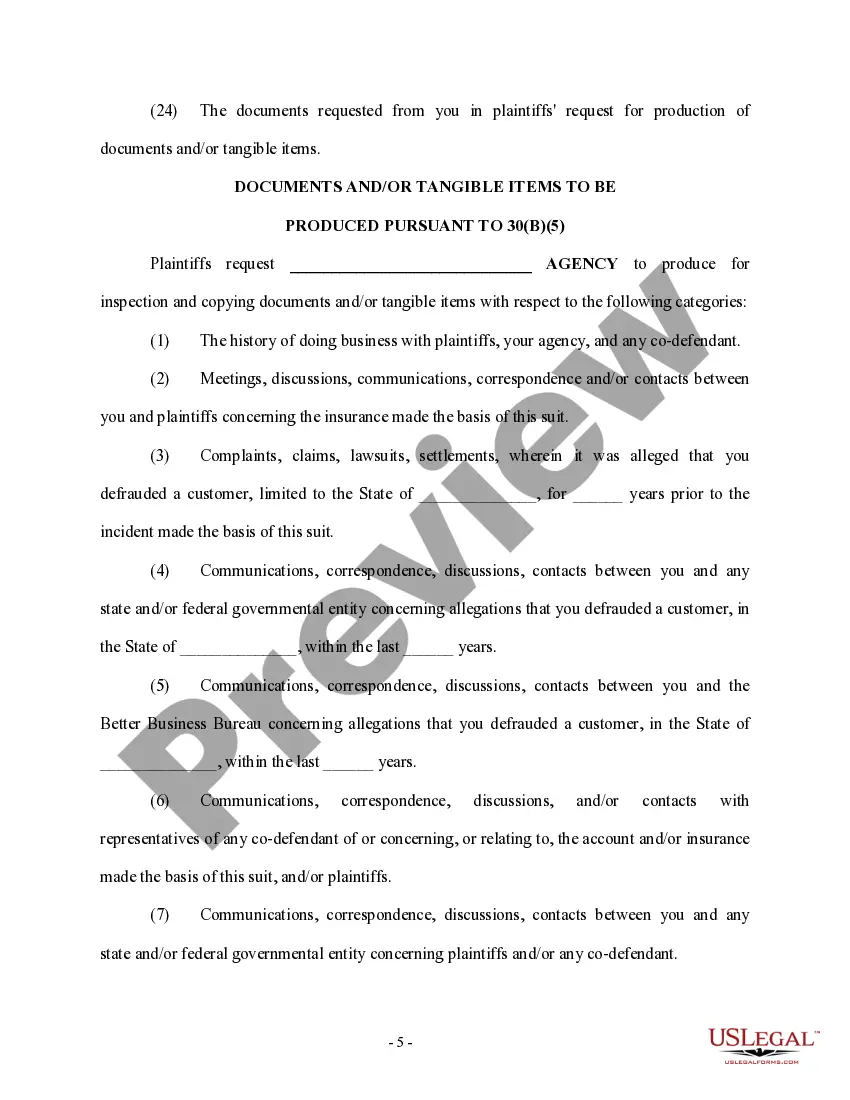
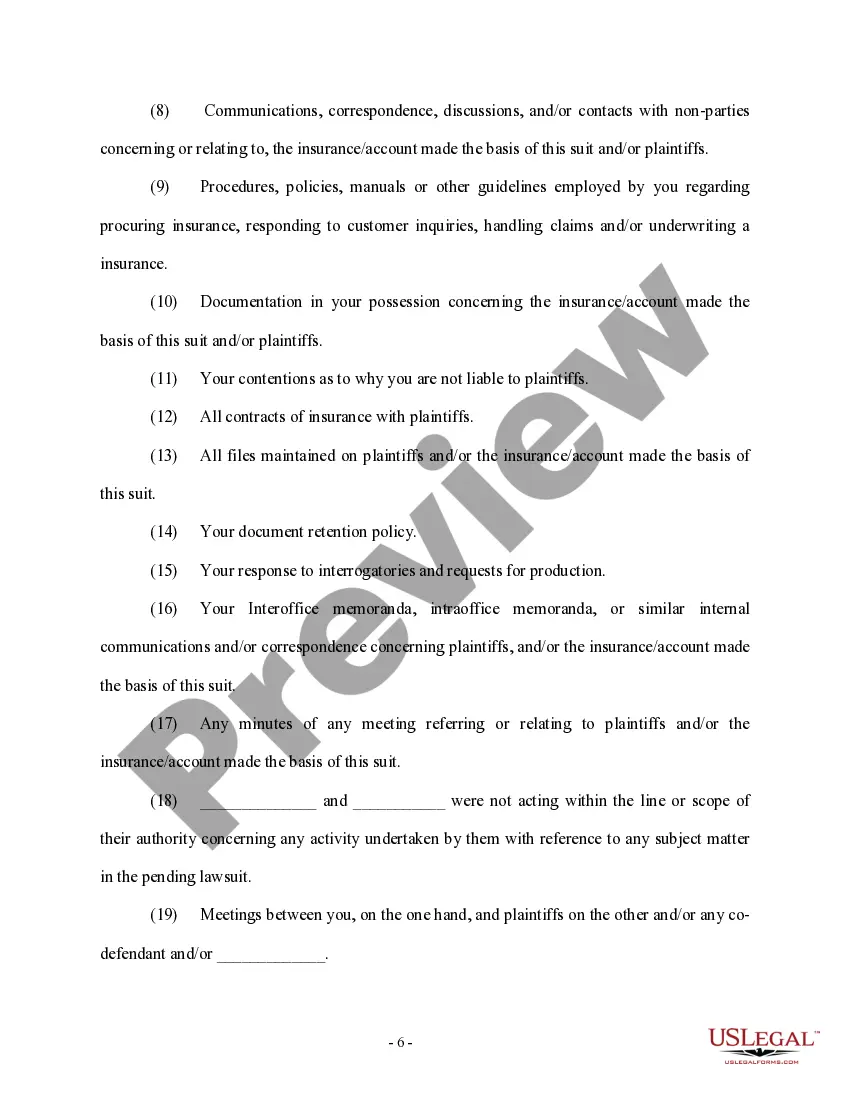
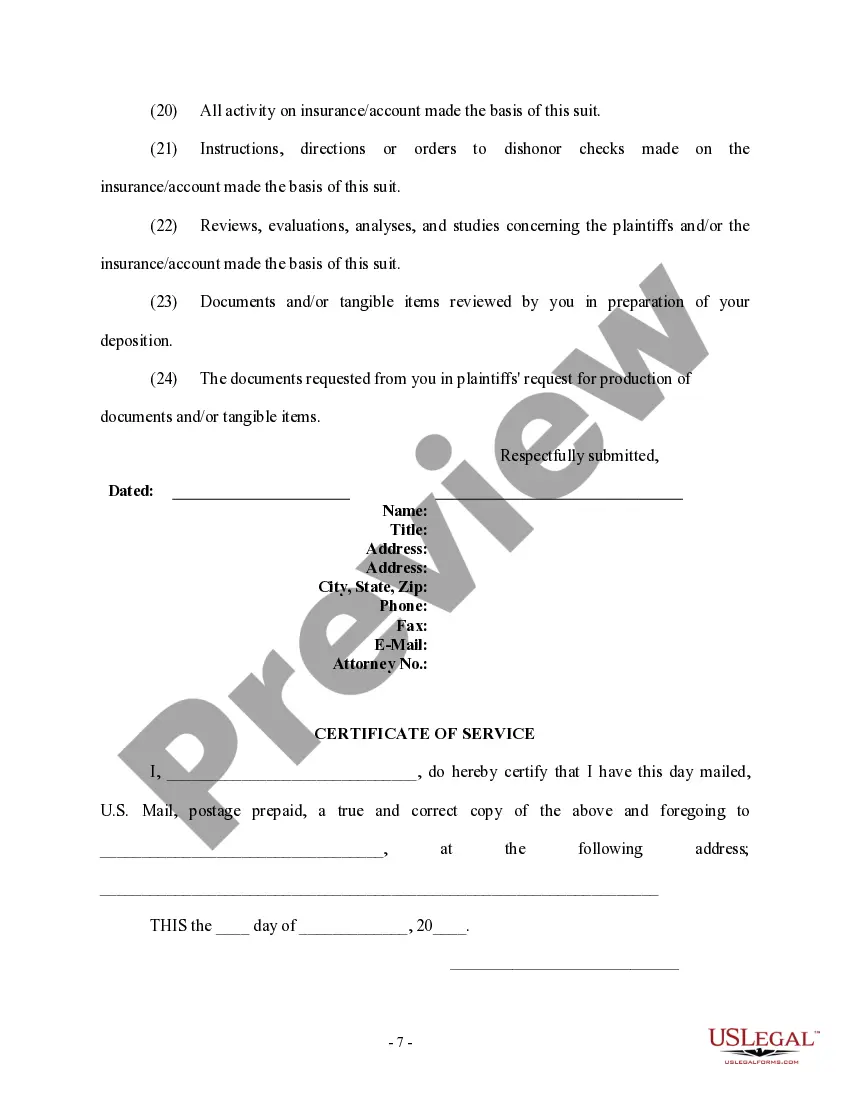
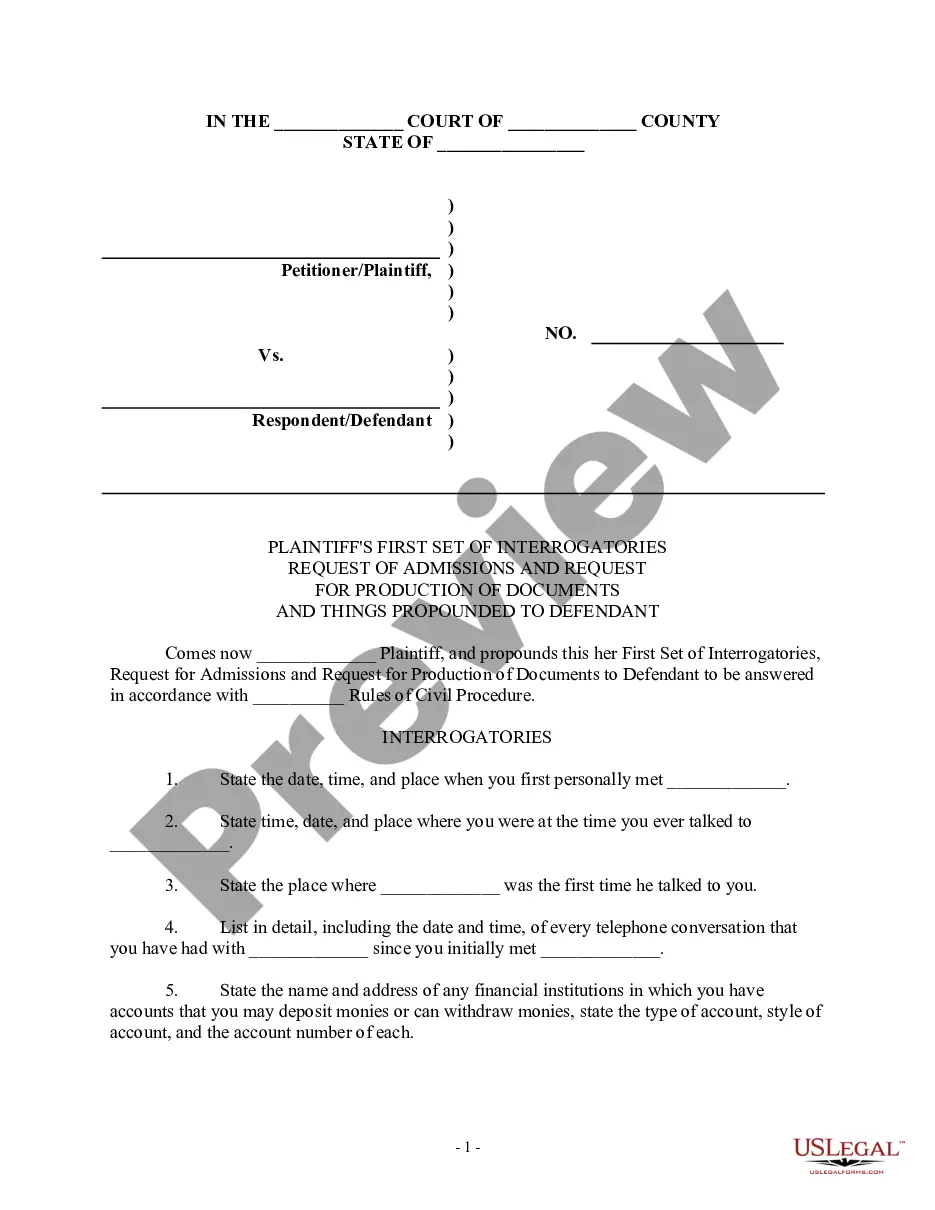
30(b)(6) Deposition Transcript
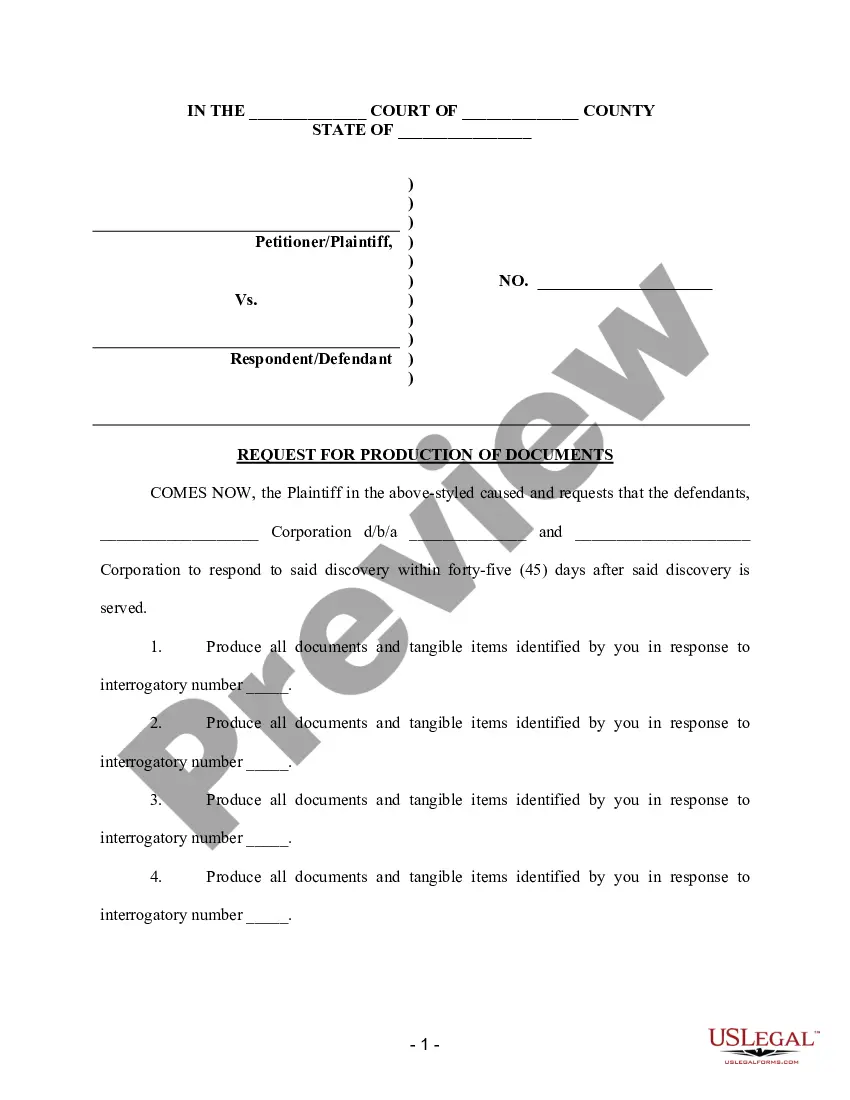
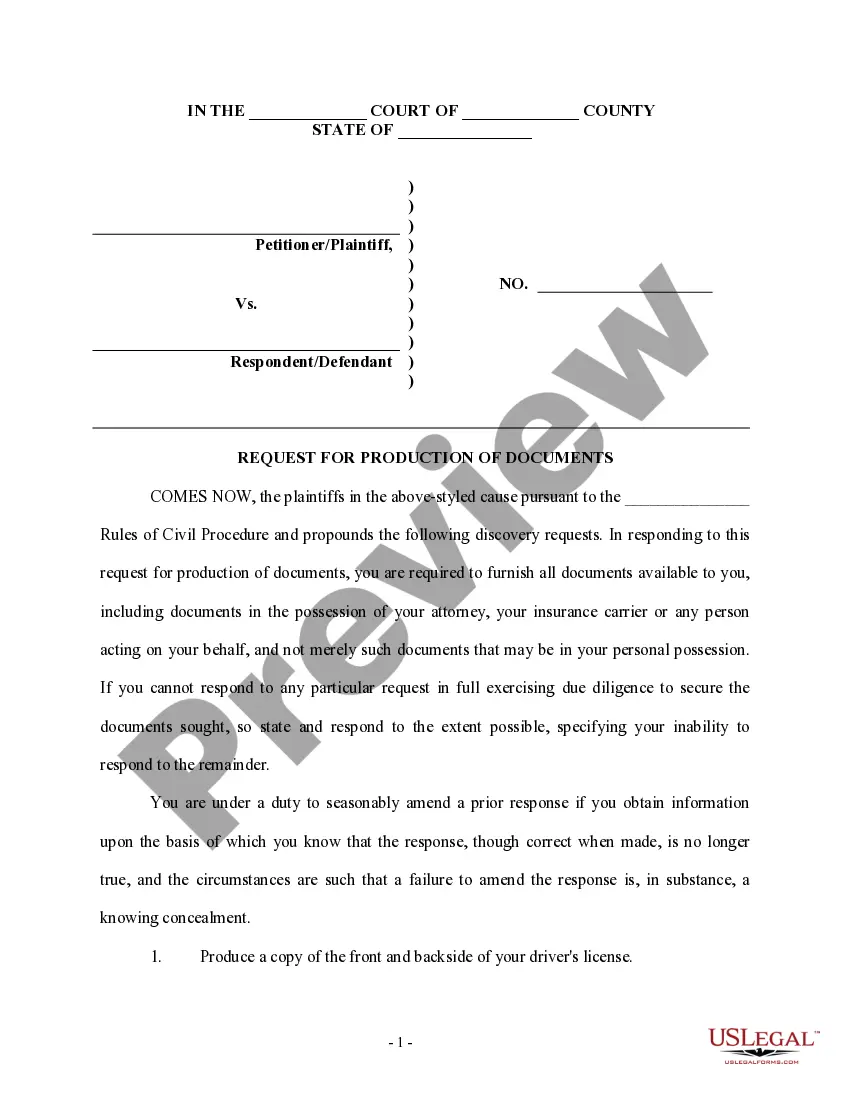
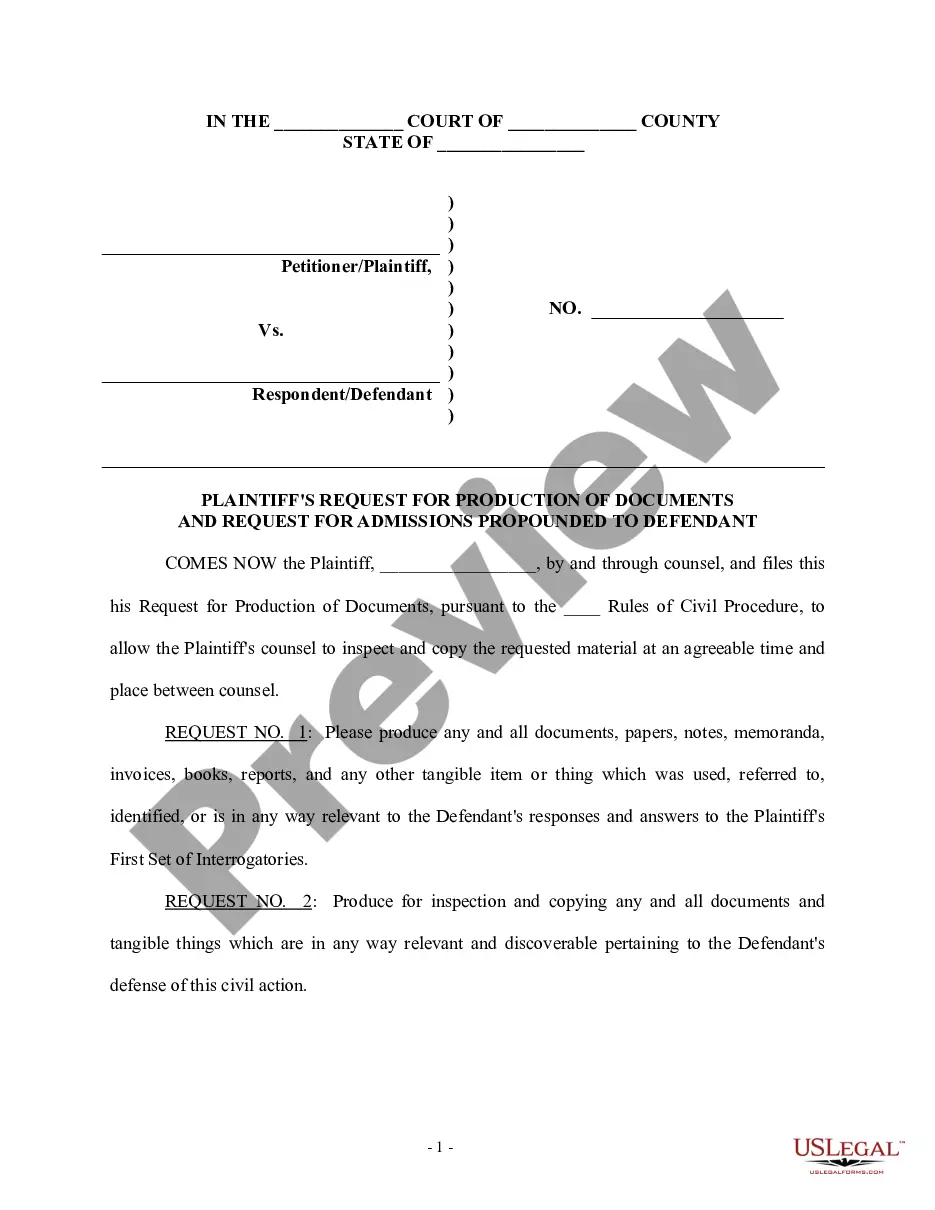
Description
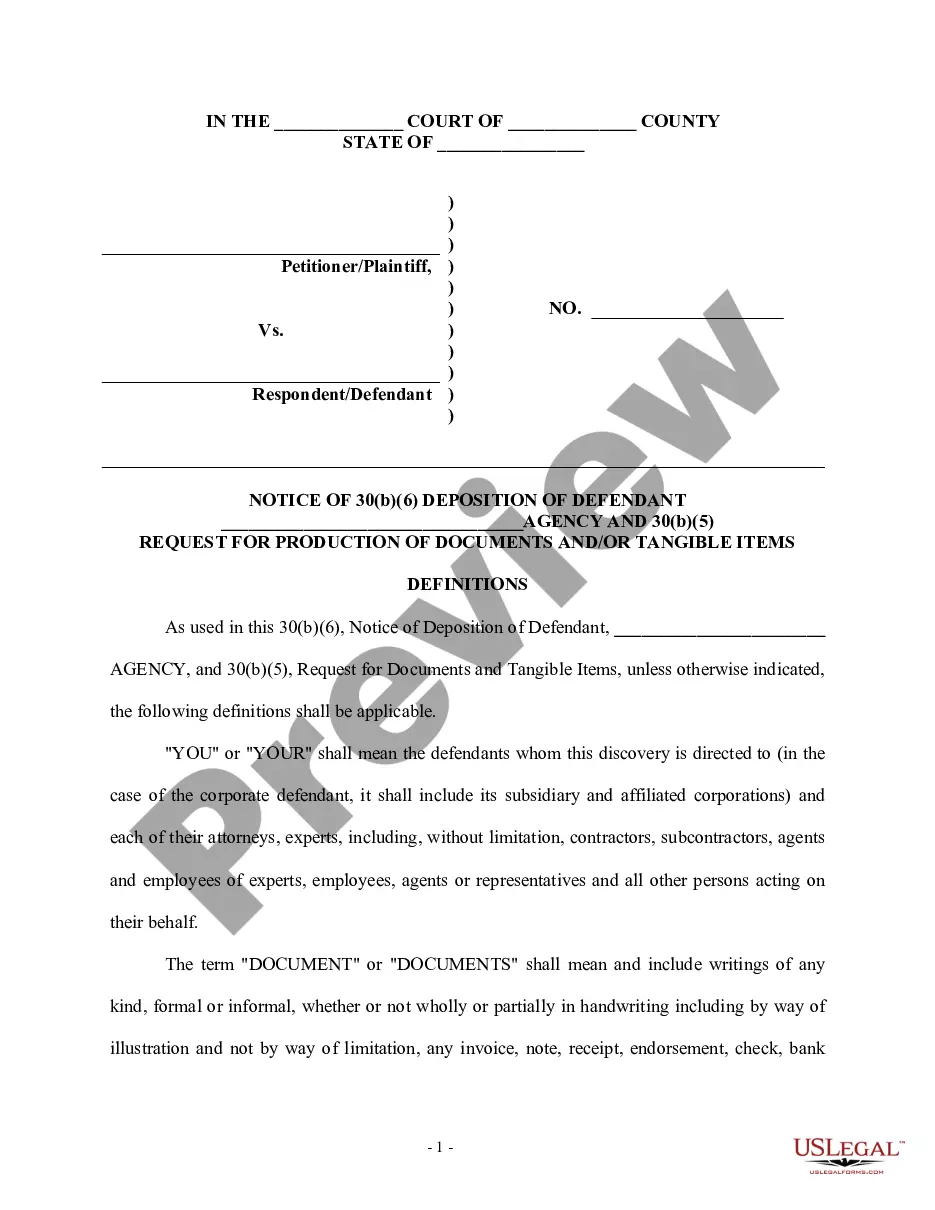
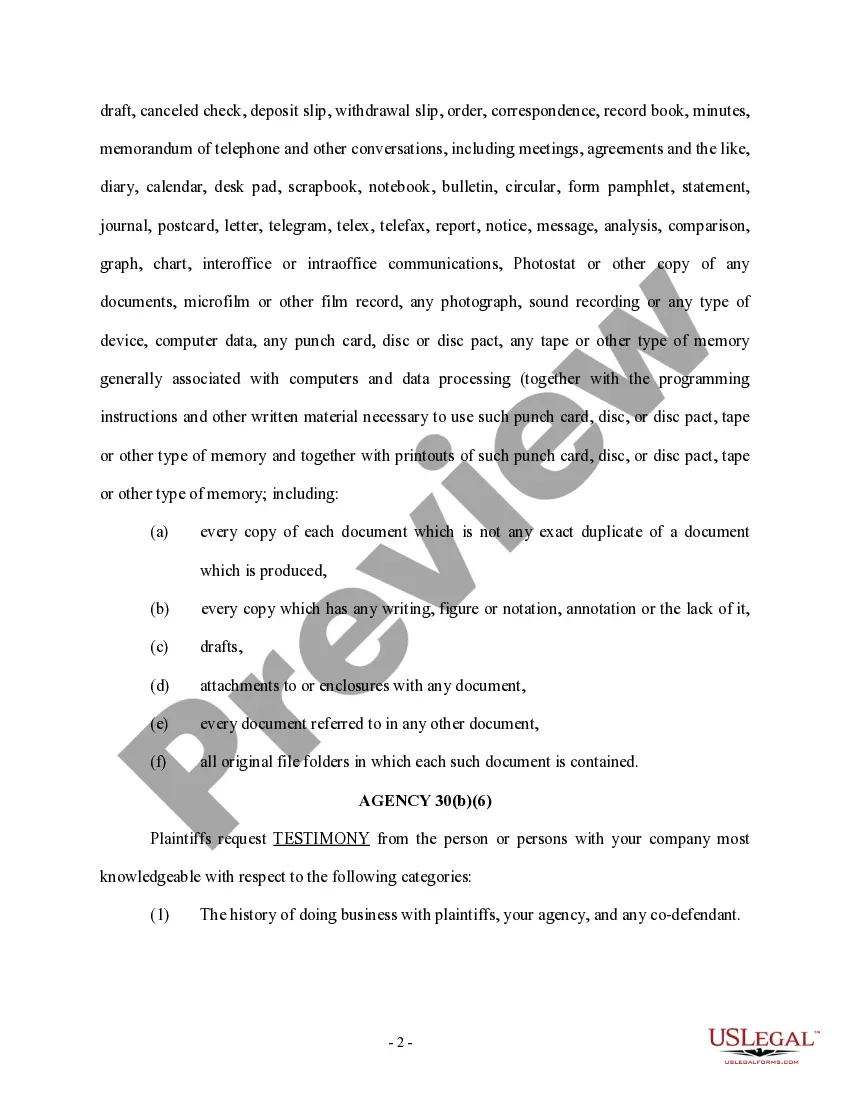
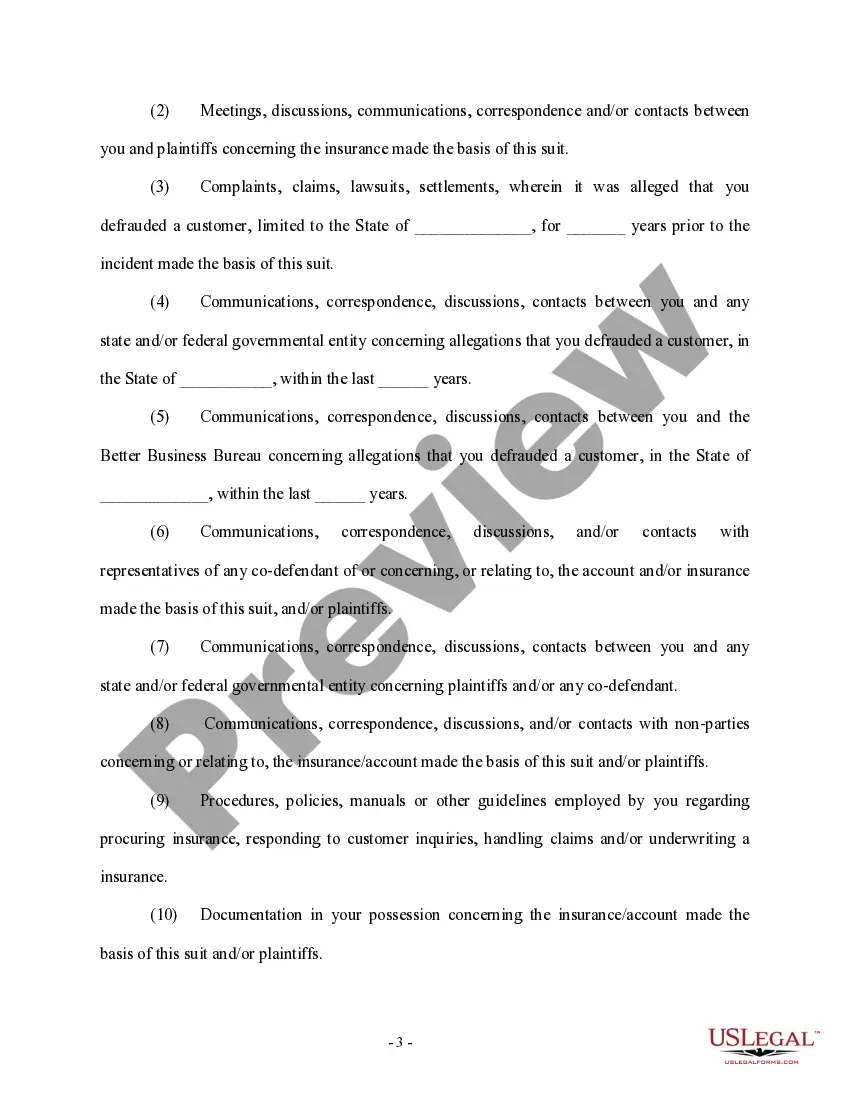
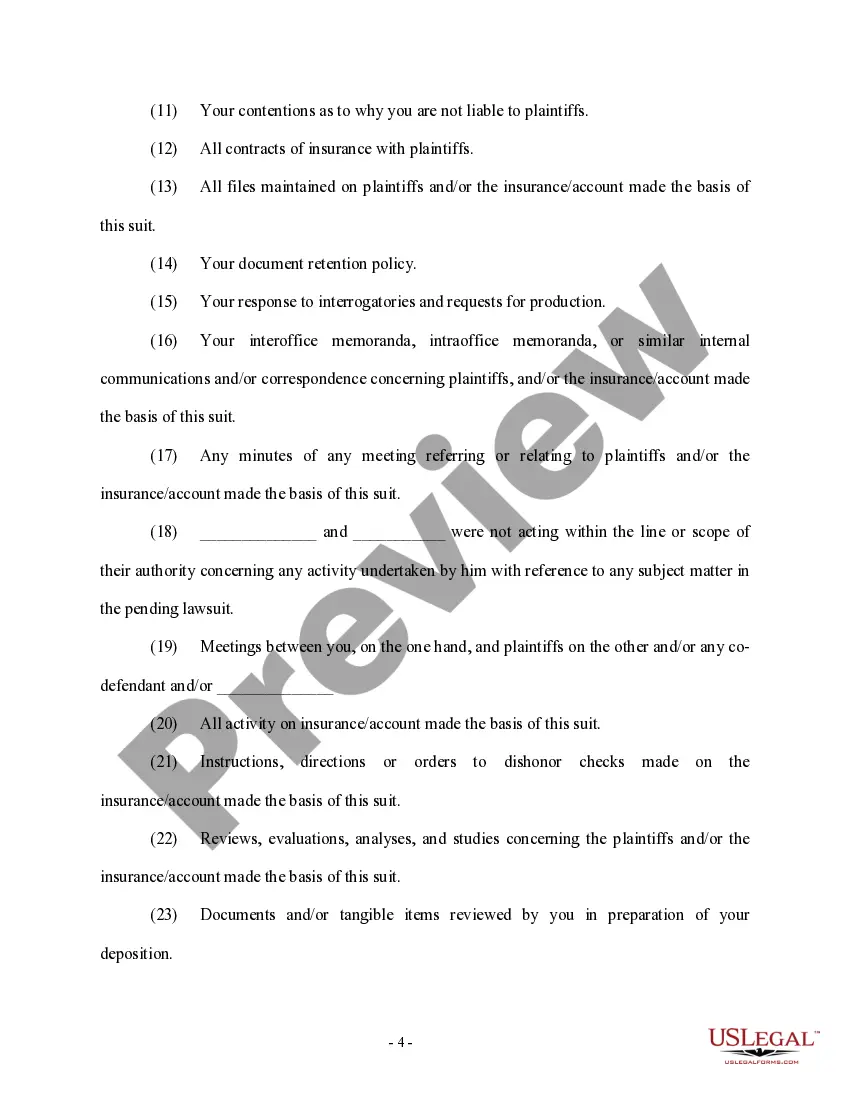
Get your form ready online
Our built-in tools help you complete, sign, share, and store your documents in one place.
Make edits, fill in missing information, and update formatting in US Legal Forms—just like you would in MS Word.
Download a copy, print it, send it by email, or mail it via USPS—whatever works best for your next step.
Sign and collect signatures with our SignNow integration. Send to multiple recipients, set reminders, and more. Go Premium to unlock E-Sign.
If this form requires notarization, complete it online through a secure video call—no need to meet a notary in person or wait for an appointment.
We protect your documents and personal data by following strict security and privacy standards.

Make edits, fill in missing information, and update formatting in US Legal Forms—just like you would in MS Word.

Download a copy, print it, send it by email, or mail it via USPS—whatever works best for your next step.

Sign and collect signatures with our SignNow integration. Send to multiple recipients, set reminders, and more. Go Premium to unlock E-Sign.

If this form requires notarization, complete it online through a secure video call—no need to meet a notary in person or wait for an appointment.

We protect your documents and personal data by following strict security and privacy standards.
Looking for another form?
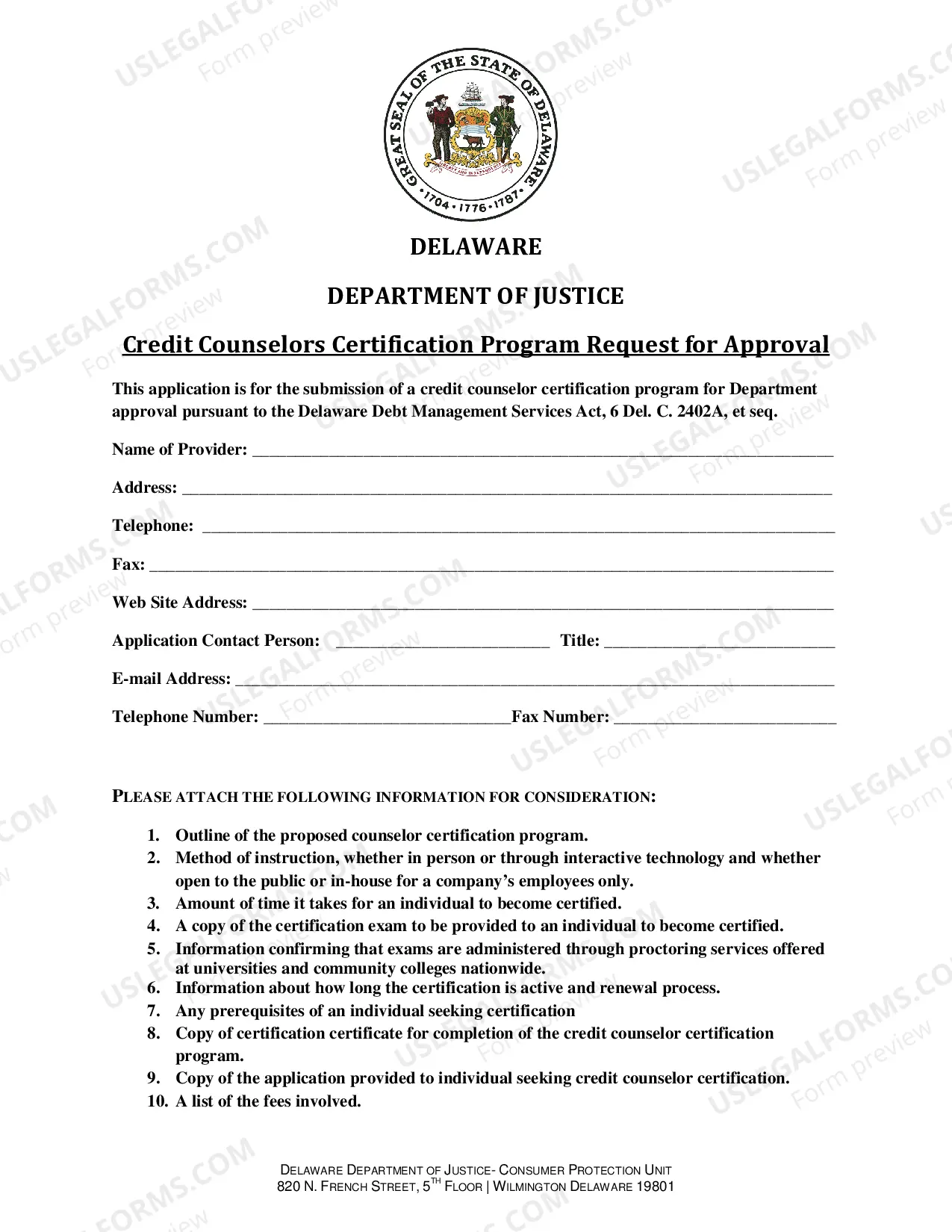


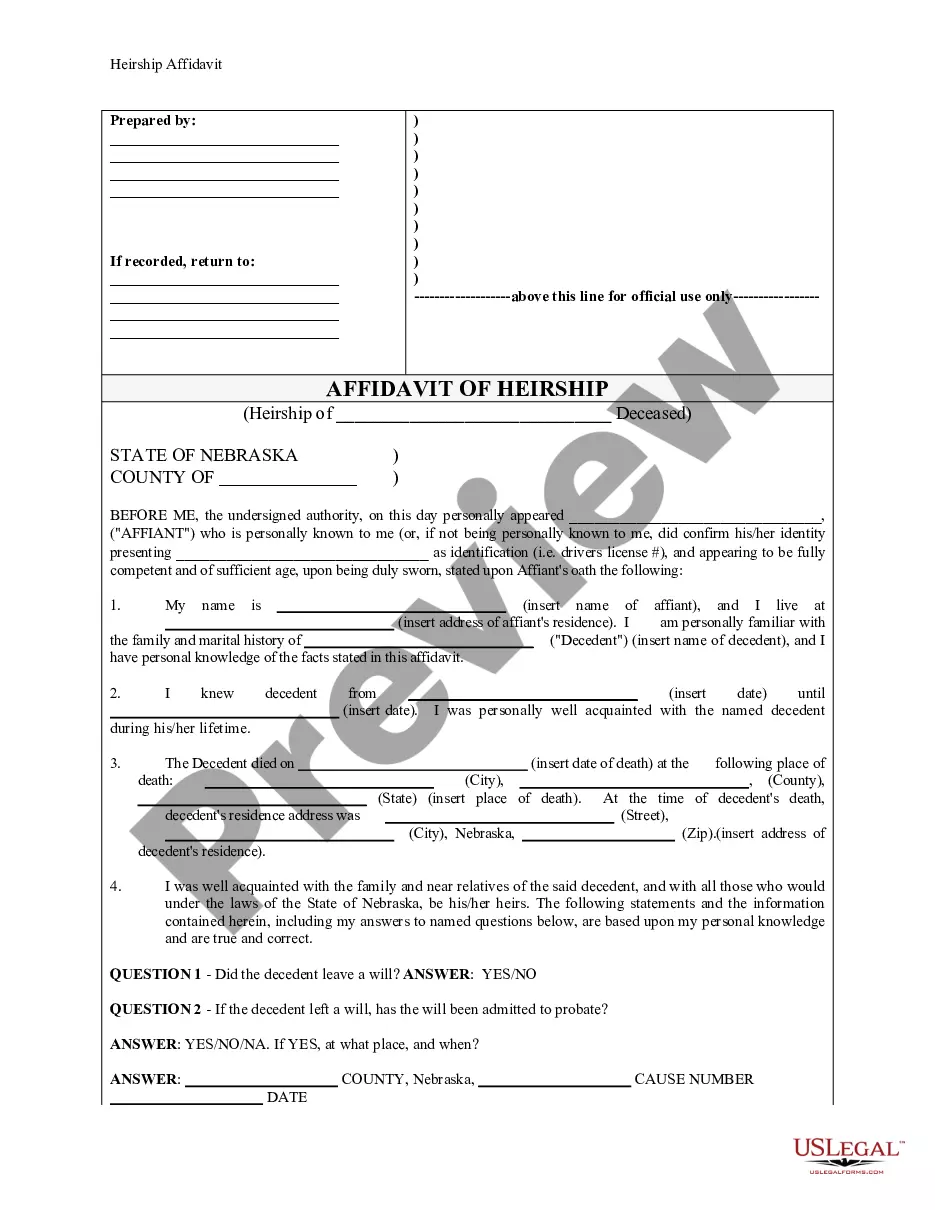

How to fill out Notice Of 30(b)(6) Deposition Of Defendant And 30(b)(5) Request For Production Of Documents And Or Things - Discovery?
Managing legal documents can be daunting, even for experienced professionals.
When you're seeking a 30(b)(6) Deposition Transcript and lack the opportunity to spend time searching for the correct and current edition, the process can be challenging.
Access legal and business documents specific to your state or county.
US Legal Forms fulfills all your requirements ranging from personal to business documentation in one centralized location.
If it's your initial experience with US Legal Forms, create a free account to gain unlimited access to all platform benefits. Here are the steps to follow after acquiring the form you need: Confirm it is the correct version by previewing it and assessing its description.
- Leverage advanced tools to complete and manage your 30(b)(6) Deposition Transcript.
- Tap into a repository of articles, guides, and resources pertinent to your needs and situation.
- Save time and effort in locating the documentation you require, and utilize the advanced search and Review feature of US Legal Forms to acquire the 30(b)(6) Deposition Transcript.
- If you possess a membership, Log In to your US Legal Forms account, search for the desired document, and access it.
- Visit the My documents tab to review the documents you've previously saved and manage your folders according to your preferences.
- Utilize a comprehensive online form repository that can significantly enhance your ability to handle these matters effectively.
- US Legal Forms stands as a frontrunner in the realm of online legal documents, offering more than 85,000 state-specific legal templates available for you at any time.
- With US Legal Forms, you have the ability to.
Form popularity
FAQ
Yes, you can use a 30(b)(6) deposition transcript at trial. This type of testimony serves as a powerful tool to bring forth a corporation's position or knowledge on specific issues. The court often allows these transcripts as evidence, making them crucial for establishing facts during the proceedings. If you need assistance with obtaining or understanding 30(b)(6) deposition transcripts, US Legal Forms can help you navigate the process smoothly.
The time taken to object to 30(b)(6) topics may depend on the complexity and number of topics listed in the notice. Generally, you should respond promptly within the allowed period, typically around 14 days. A thorough review of each topic can help you craft a concise objection. To expedite this process, consider using resources from USLegalForms, which can assist you in organizing your objections effectively.
Typically, you must object to a 30(b)(6) deposition notice within the timeframe specified by the court rules or local regulations, often within 14 days. It’s vital to review the notice carefully and outline your objections clearly. If you believe the topics are overly broad or burdensome, making a timely objection can help protect your rights. Consulting USLegalForms can provide you with essential templates and legal advice for forming your objections.
A 30(b)(6) deposition is a unique legal procedure where an organization designates an individual to testify on its behalf about specific topics. This deposition allows opposing parties to gather information that is pivotal for their case. It differs from traditional depositions as it requires the organization to prepare its representative comprehensively. Familiarizing yourself with a 30(b)(6) deposition transcript can clarify its significance for your legal strategy.
To take a 30(b)(6) deposition, begin by drafting a notice that outlines the areas of inquiry. This notice should be sent to the organization's legal counsel. The designated designee needs to prepare by reviewing relevant documents and understanding the organization’s position on the topics specified. Using USLegalForms can simplify this process by providing templates and guidance tailored for successful depositions.
Taking a 30(b)(6) deposition involves preparing a notice that specifies the topics for examination. The organization must designate a representative who can speak on these topics. It's essential to ensure the representative understands the subject matter thoroughly, as their deposition can significantly affect the outcome of a case. For guidance, consider using resources from USLegalForms, which can help you navigate this process effectively.
Typically, the responding party has 30 days to answer a 30(b)(6) notice of deposition, unless otherwise agreed upon. This time allows the organization to prepare the designated representative adequately and gather relevant information. If you require assistance in this process, consider using USLegalForms, which provides resources to help streamline response preparation and ensure timely compliance.
A 30(b)(6) notice of deposition is a legal document that formally requests a deposition from an organization, specifying the topics on which the company will provide testimony. This notice serves as a guideline for both the organization and the deponent, clarifying what information will be discussed during the deposition. By using tools available on USLegalForms, you can create a comprehensive notice that fully addresses your needs and adheres to legal requirements.
In Maryland, Rule 30(b)(6) outlines the procedures for taking depositions of organizations, allowing parties to name an organization and require them to produce a designated representative for questioning. This rule ensures that the organization provides a knowledgeable individual who can address matters within their expertise. Understanding this rule is essential for anyone involved in legal proceedings, and USLegalForms offers resources that can clarify these regulations.
The purpose of a 30(b)(6) deposition is to obtain sworn testimony from an organization through a designated representative who can speak on behalf of the company regarding specific topics. This type of deposition allows opposing parties to gain insights into the organization’s practices, policies, and knowledge relevant to the case. It serves as a critical tool in building a solid legal strategy and establishing a clear understanding of the organization’s position.