30 B Notice 6 Without Itunes
Description
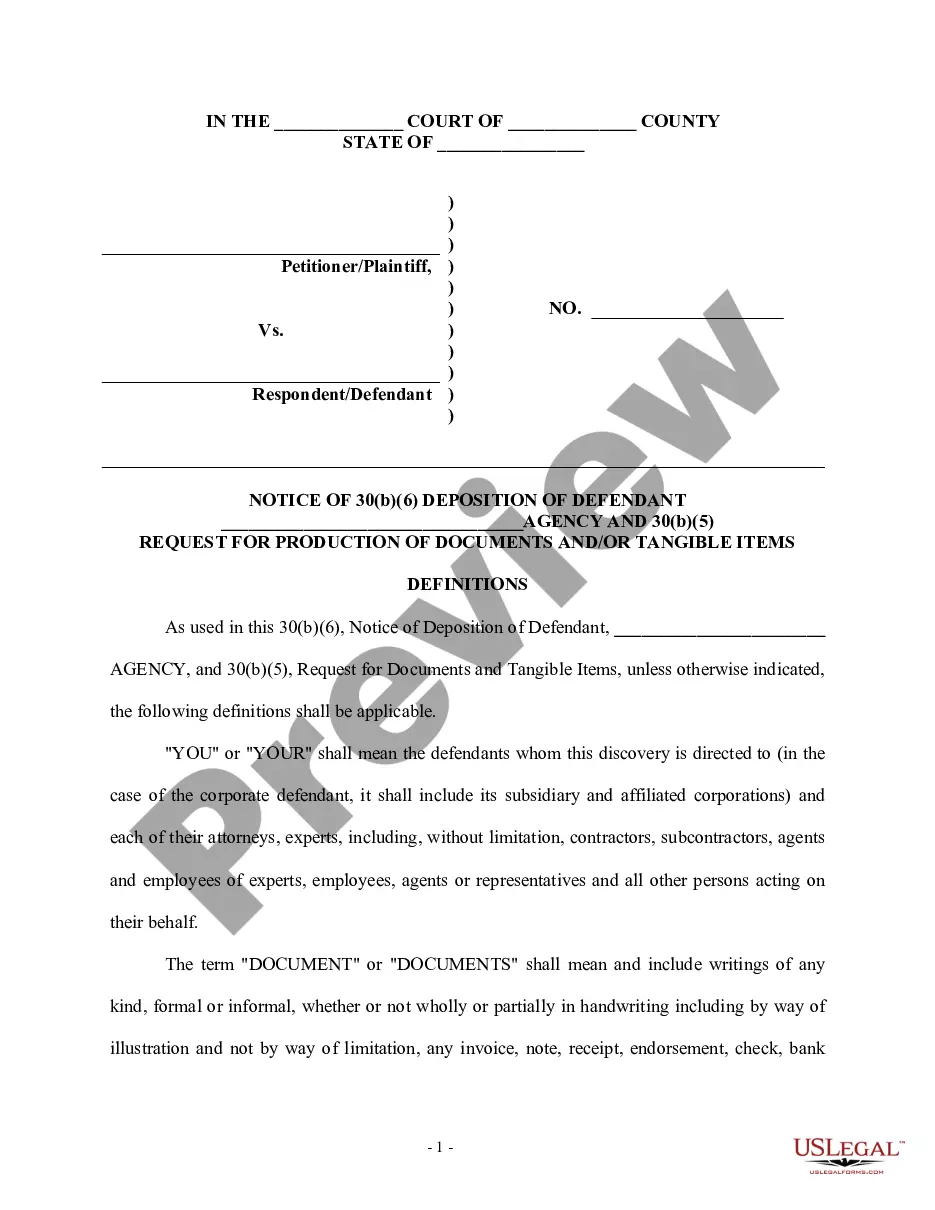
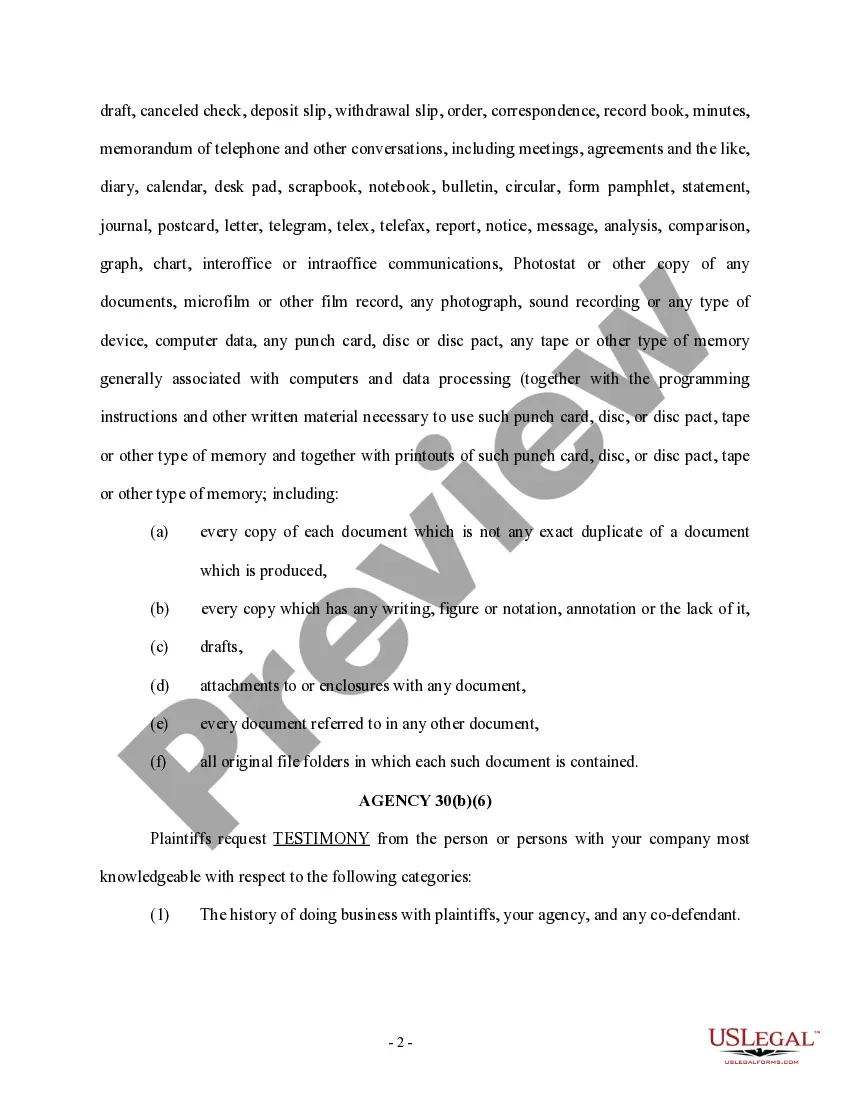
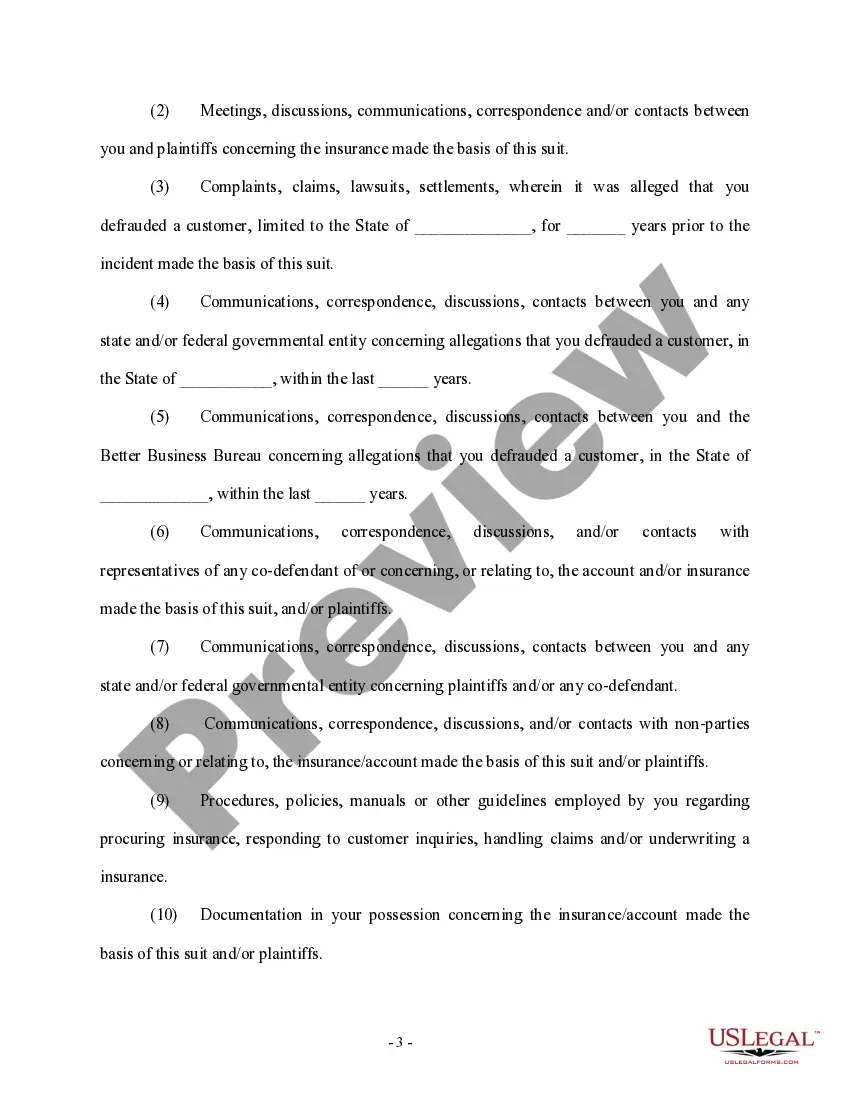
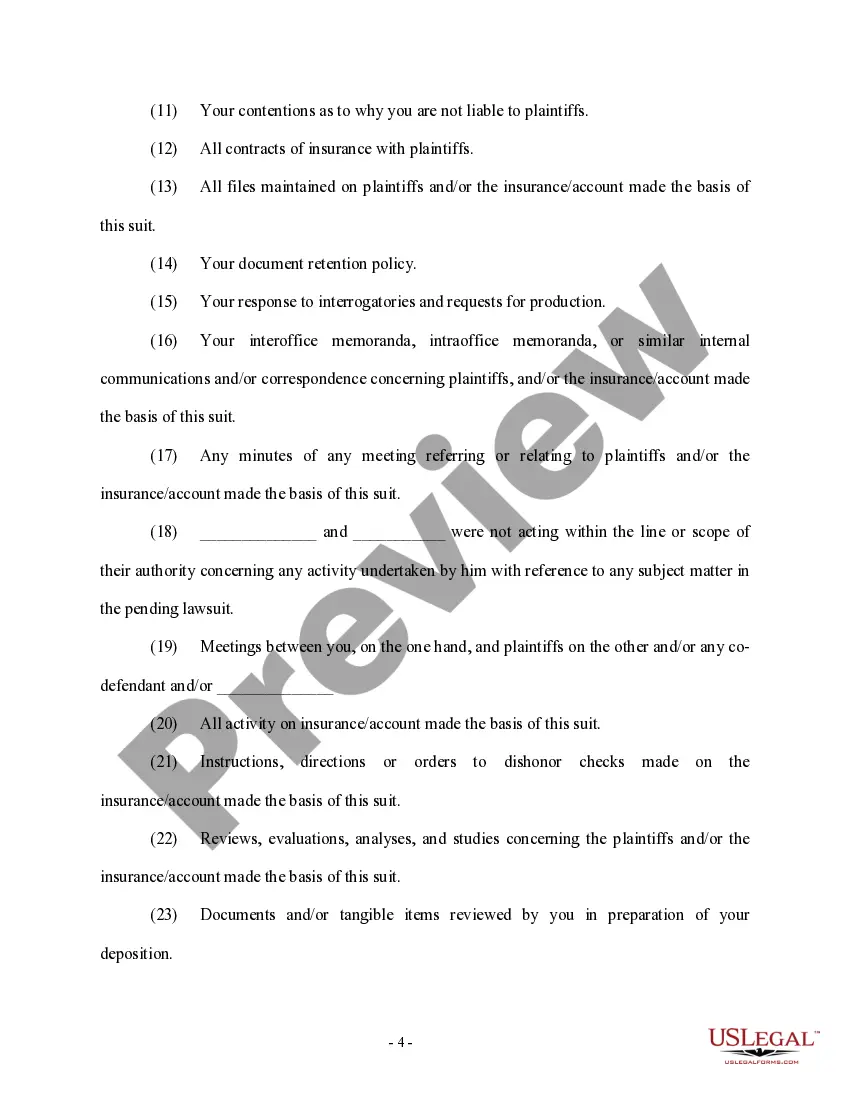
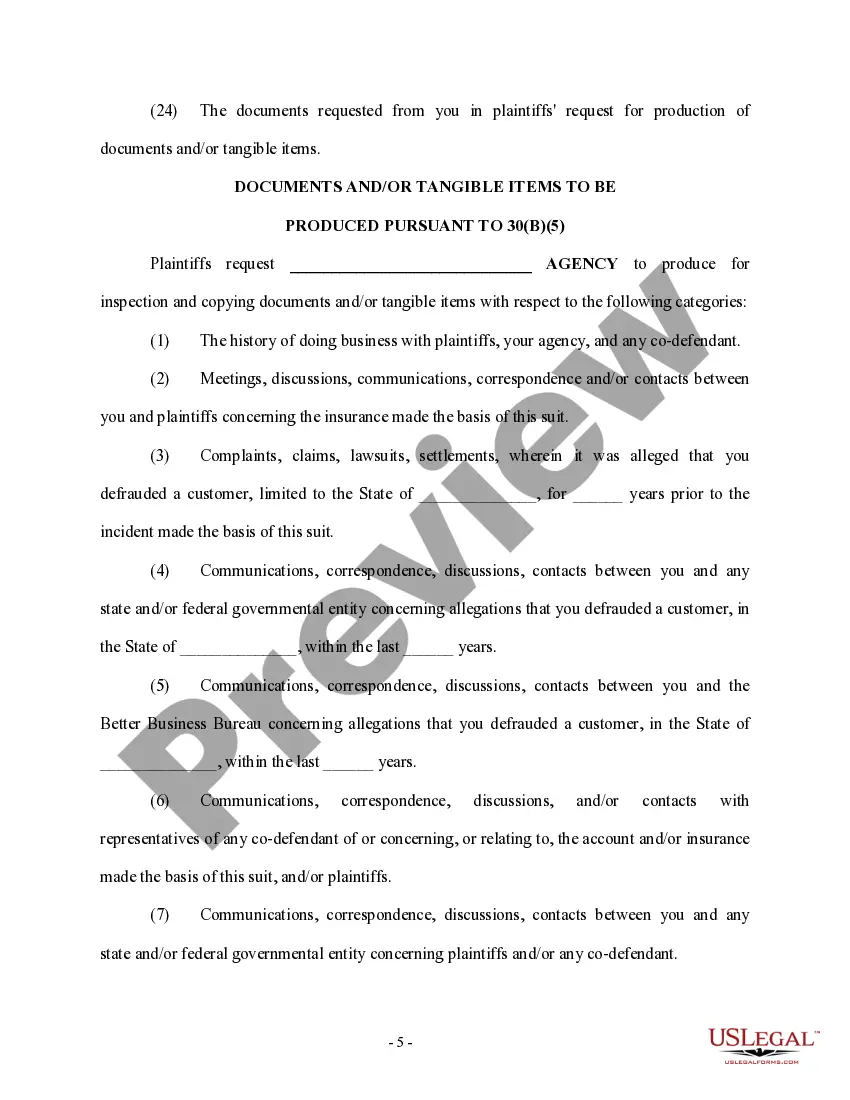
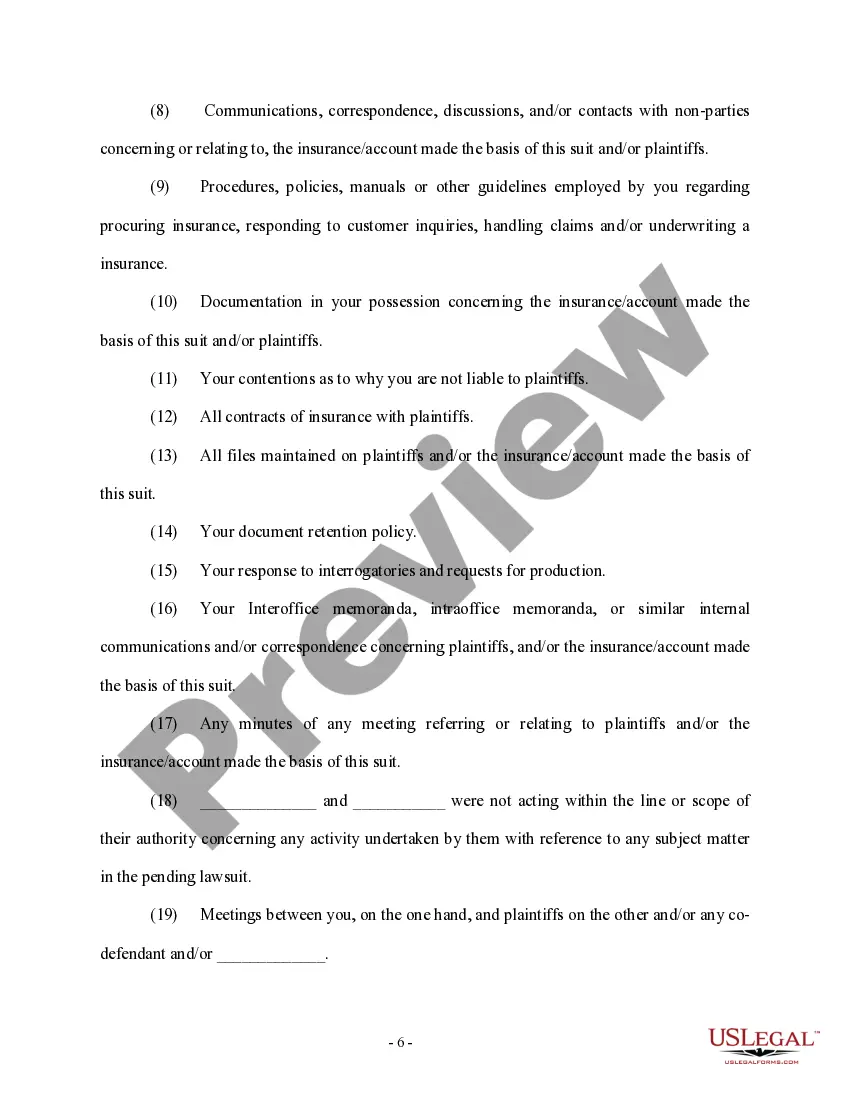
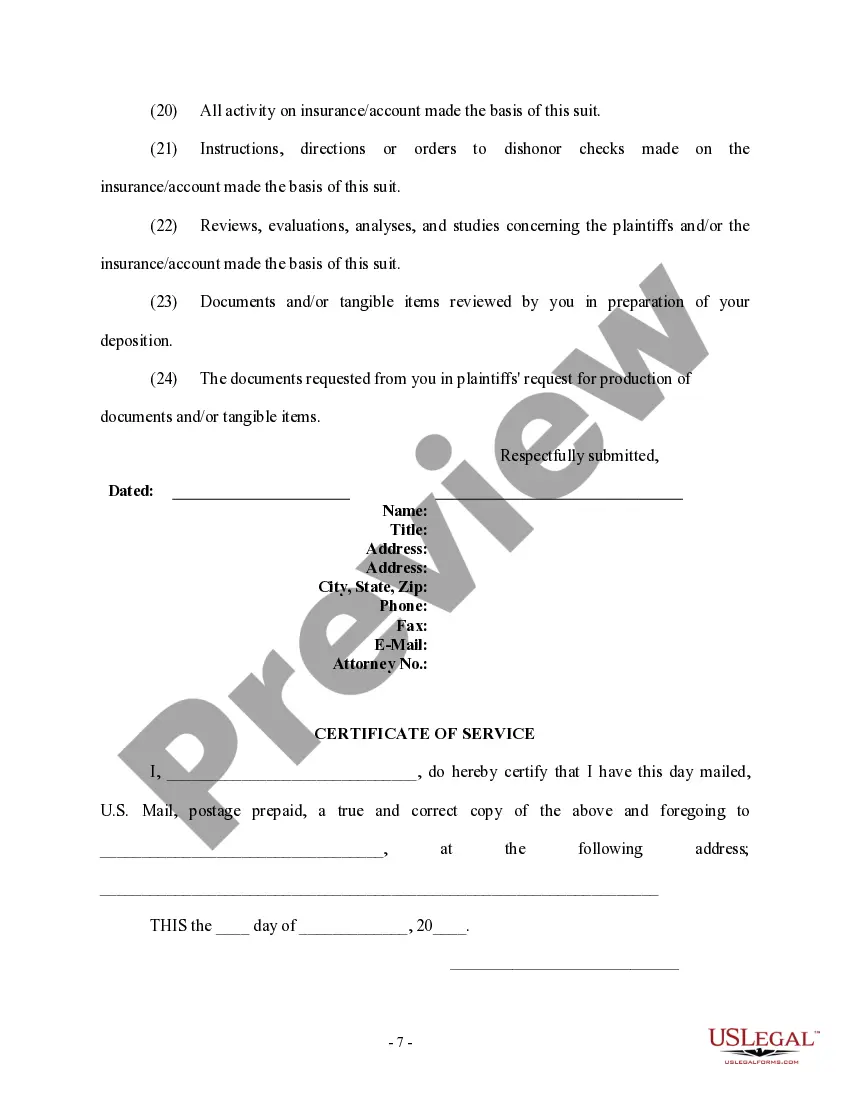
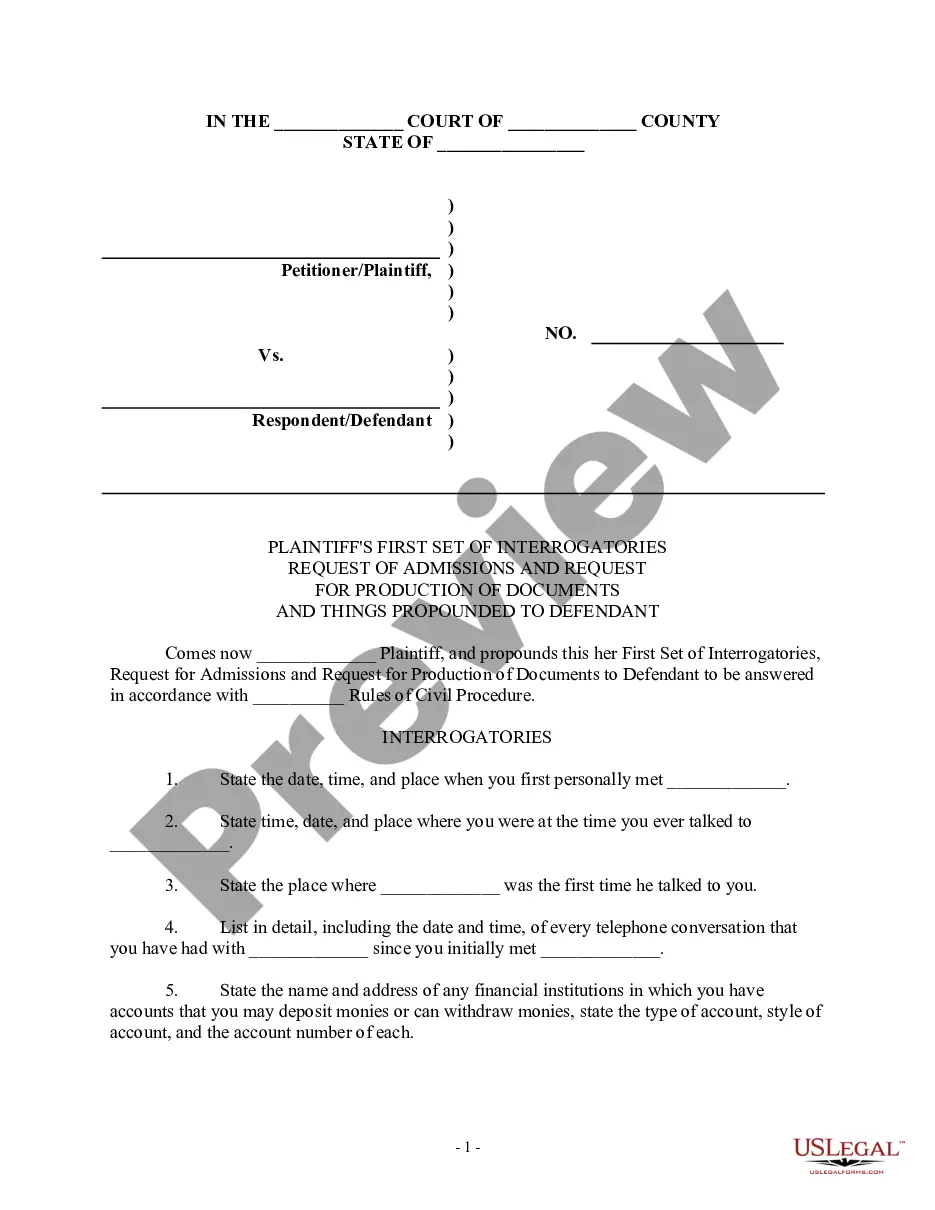
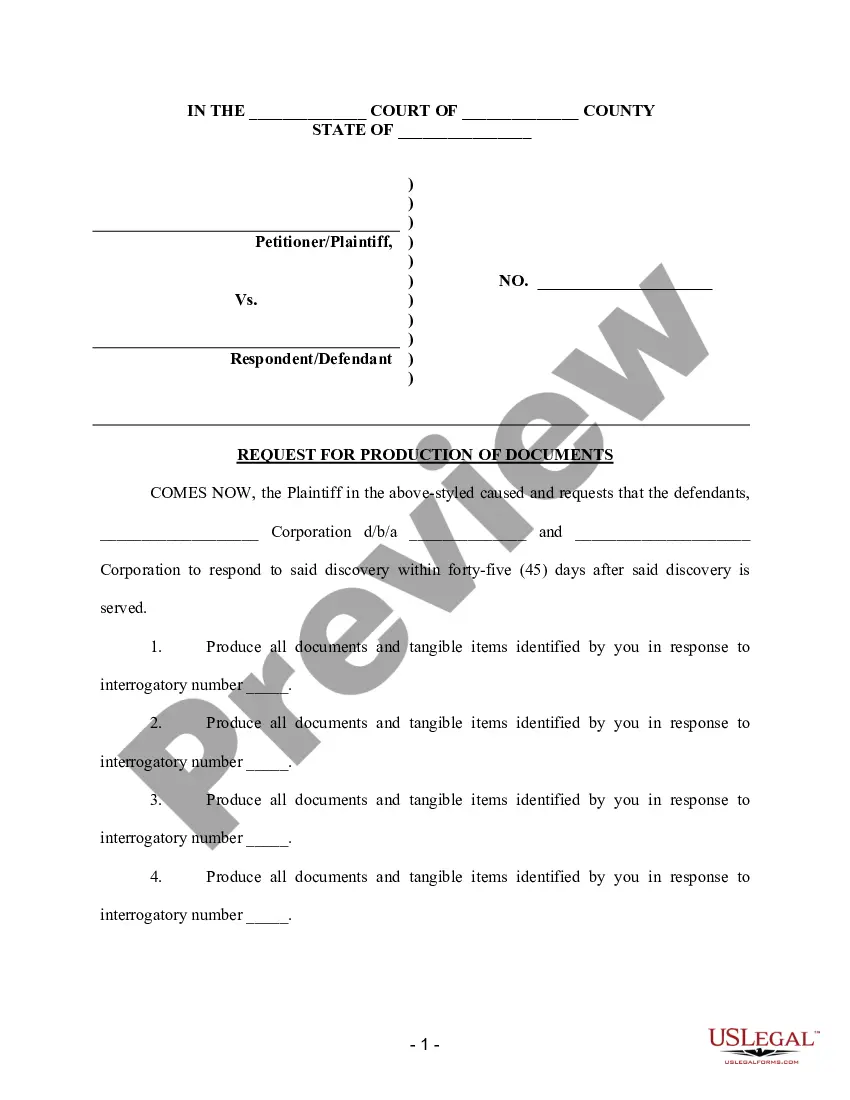
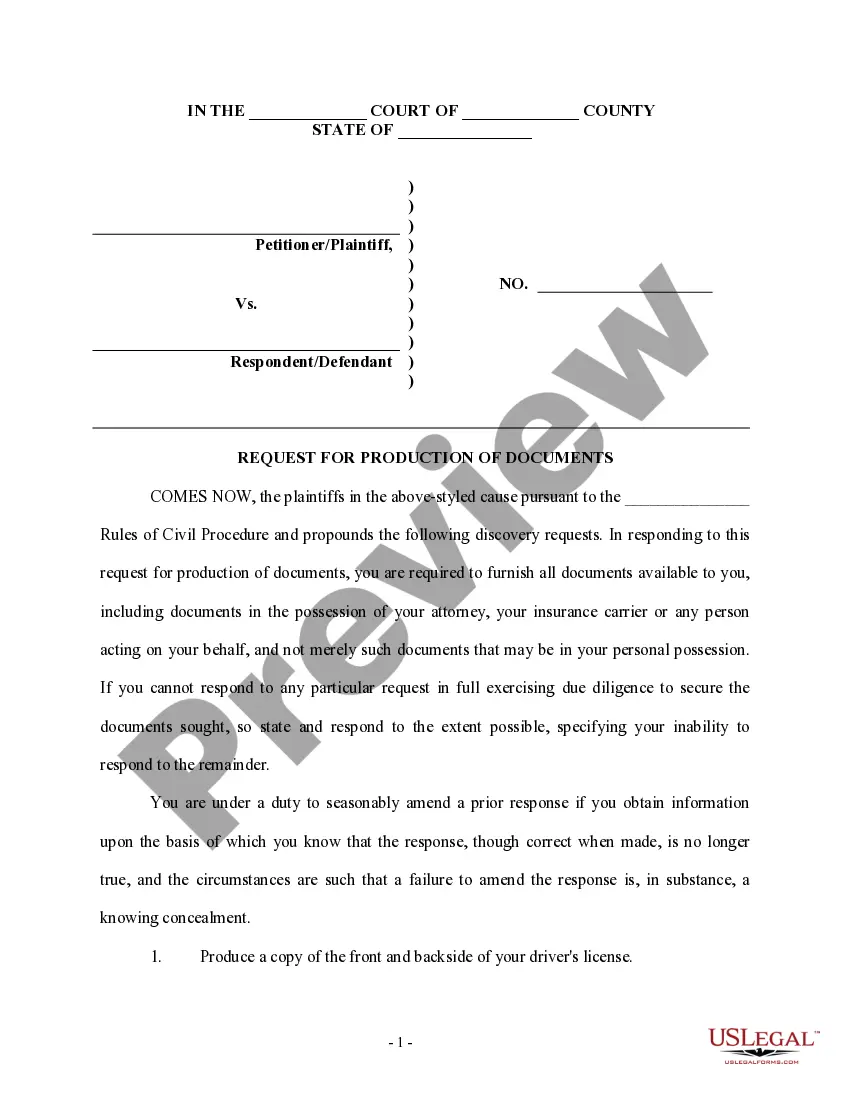

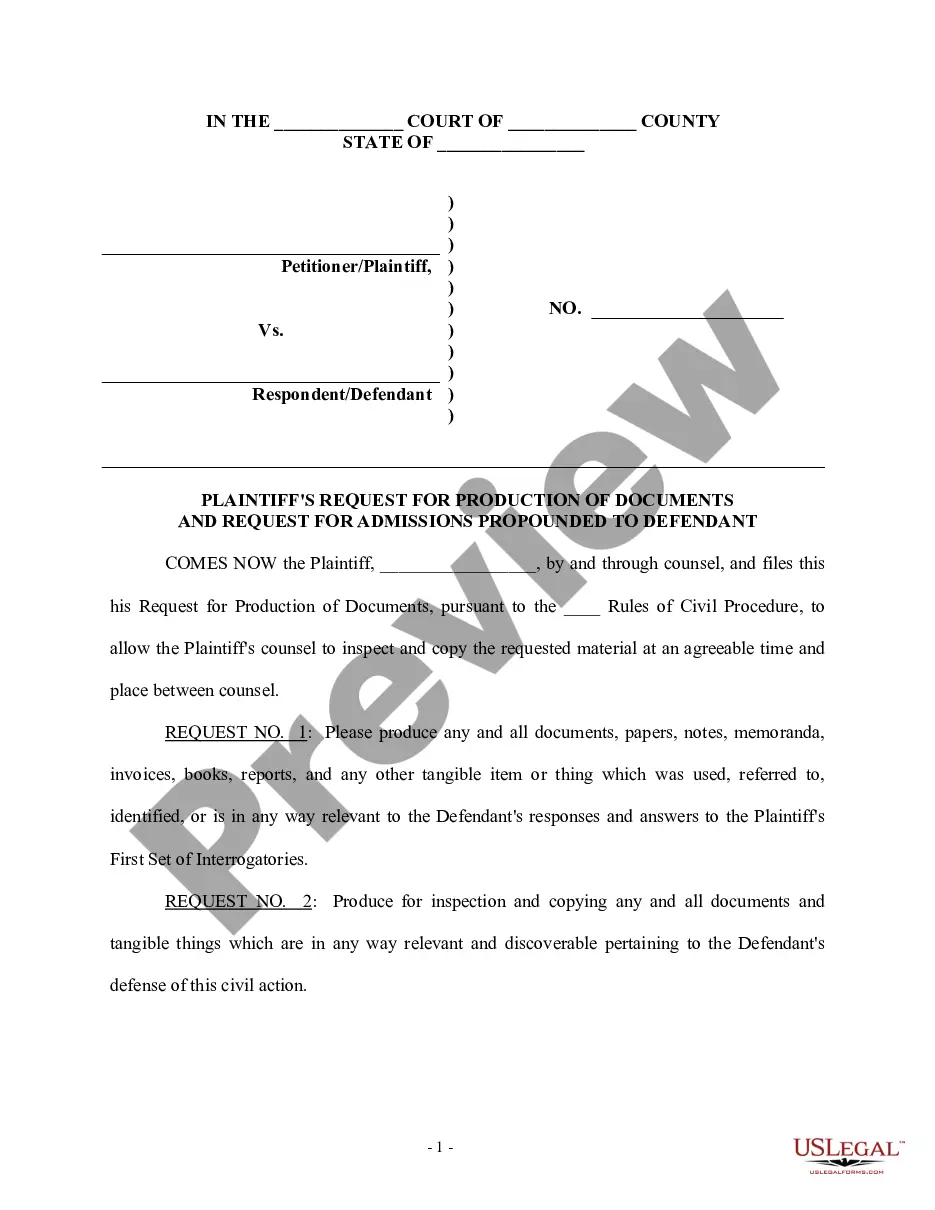
How to fill out Notice Of 30(b)(6) Deposition Of Defendant And 30(b)(5) Request For Production Of Documents And Or Things - Discovery?
Locating a reliable source for obtaining the latest and pertinent legal templates is a significant part of dealing with bureaucracy.
Selecting the appropriate legal documents requires precision and careful consideration, which is why it’s vital to obtain samples of 30 B Notice 6 Without Itunes exclusively from reputable sources, such as US Legal Forms. An incorrect template will squander your time and complicate your situation.
Once you have the form on your device, you can modify it using the editor or print it out and fill it in manually. Eliminate the complications associated with your legal documentation. Browse the extensive US Legal Forms collection to discover legal templates, assess their relevance to your case, and download them instantly.
- Utilize the catalog navigation or search bar to locate your sample.
- Review the form’s description to verify if it meets the criteria of your state and region.
- Examine the form preview, if available, to ensure the template is exactly what you are seeking.
- Return to the search to find the correct document if the 30 B Notice 6 Without Itunes does not meet your requirements.
- Once you are sure about the form’s applicability, download it.
- If you are a registered user, click Log in to verify and access your chosen forms in My documents.
- If you do not yet have an account, click Buy now to acquire the template.
- Choose the pricing plan that fits your needs.
- Proceed to registration to finalize your purchase.
- Complete your purchase by selecting a payment option (credit card or PayPal).
- Select the file format for downloading 30 B Notice 6 Without Itunes.
Form popularity
FAQ
The Rule 30(b)(6) deposition is the process by which a litigant may depose a corporation or other business entity. While it is impossible for a corporation to be deposed in the literal sense, the corporation must designate one or more representatives who will testify on its behalf.
Failing to appear for a deposition is a serious misstep for any attorney. The absent party risks judicial sanctions, dismissal of the deponent's claims, and monetary sanctions. Furthermore, they will surely strain the patience and good grace of other parties!
The first step in protecting the prospective deponent from an improper 30(b)(6) notice is to confer with opposing counsel in an attempt to clarify or limit the objectionable topics. For this purpose, written objections may certainly serve as a starting point.
Person most knowledgeable are persons who are appointed mainly by Corporations and Government agencies to testify on their behalf. The Federal Rules of Civil Procedure recognize that a corporation may only participate in a lawsuit by relying on the testimony of its designated representatives.
Counsel for the corporation should be mindful that a 30(b)(6) witness's testimony is not limited to the facts known to the corporation. A 30(b)(6) witness may be obligated to testify about the corporation's positions, sub- jective opinions or beliefs, or interpre- tation of facts and events.