30 B Notice 6 Withholding
Description
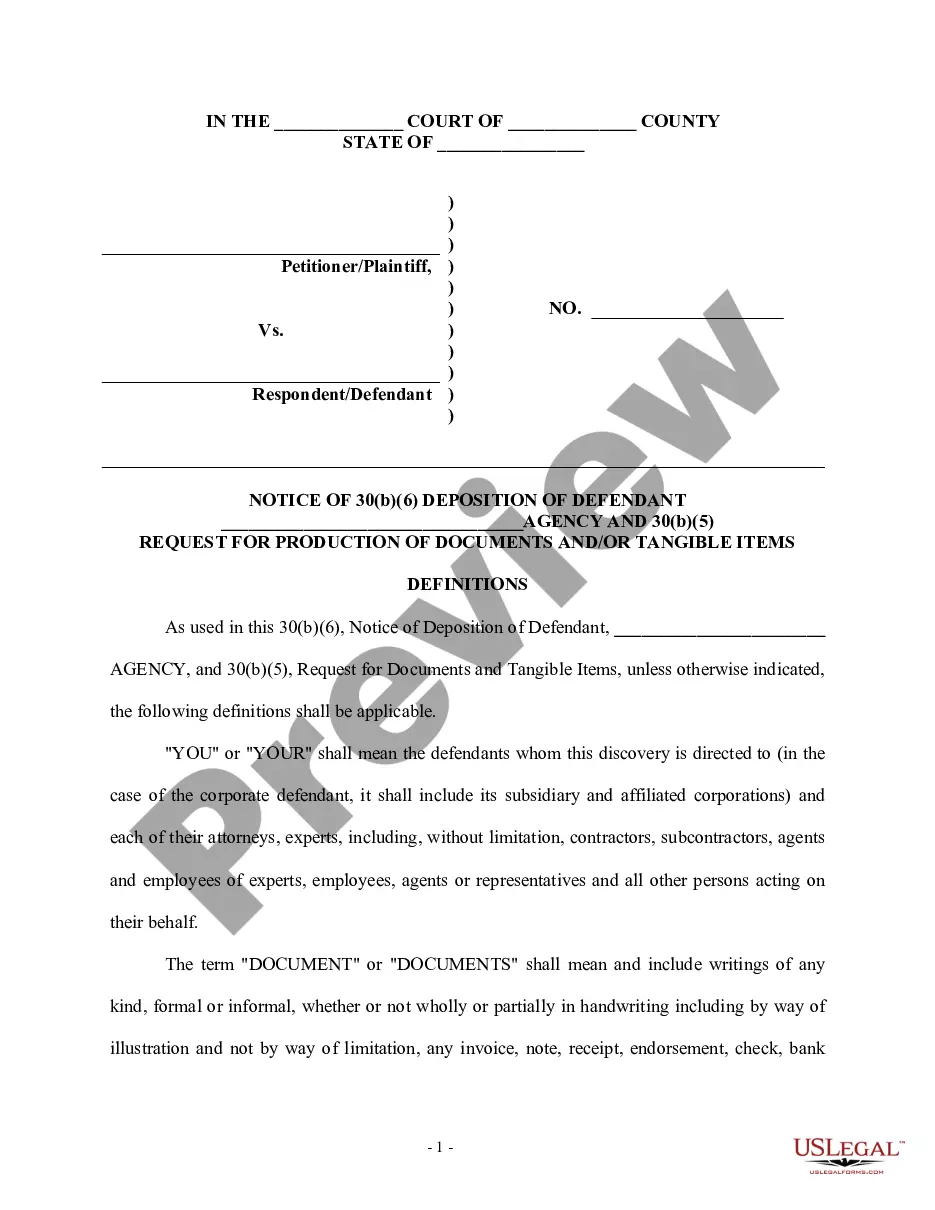
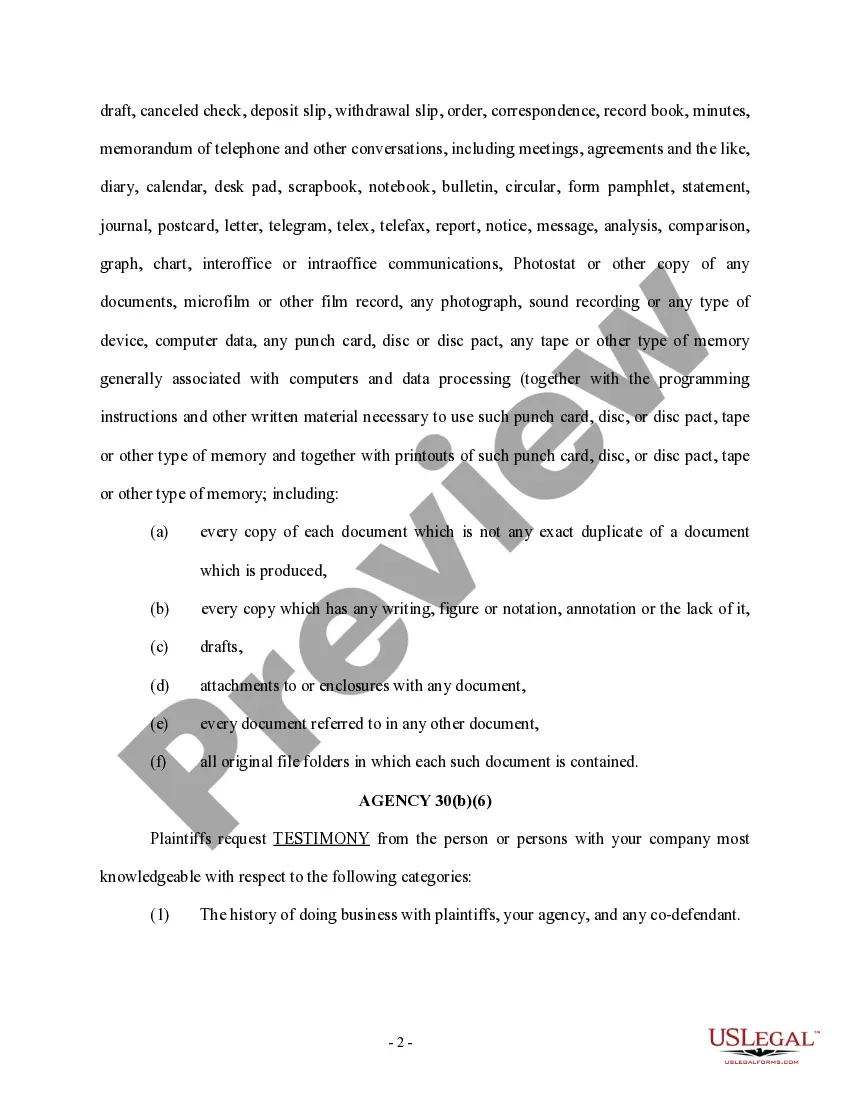
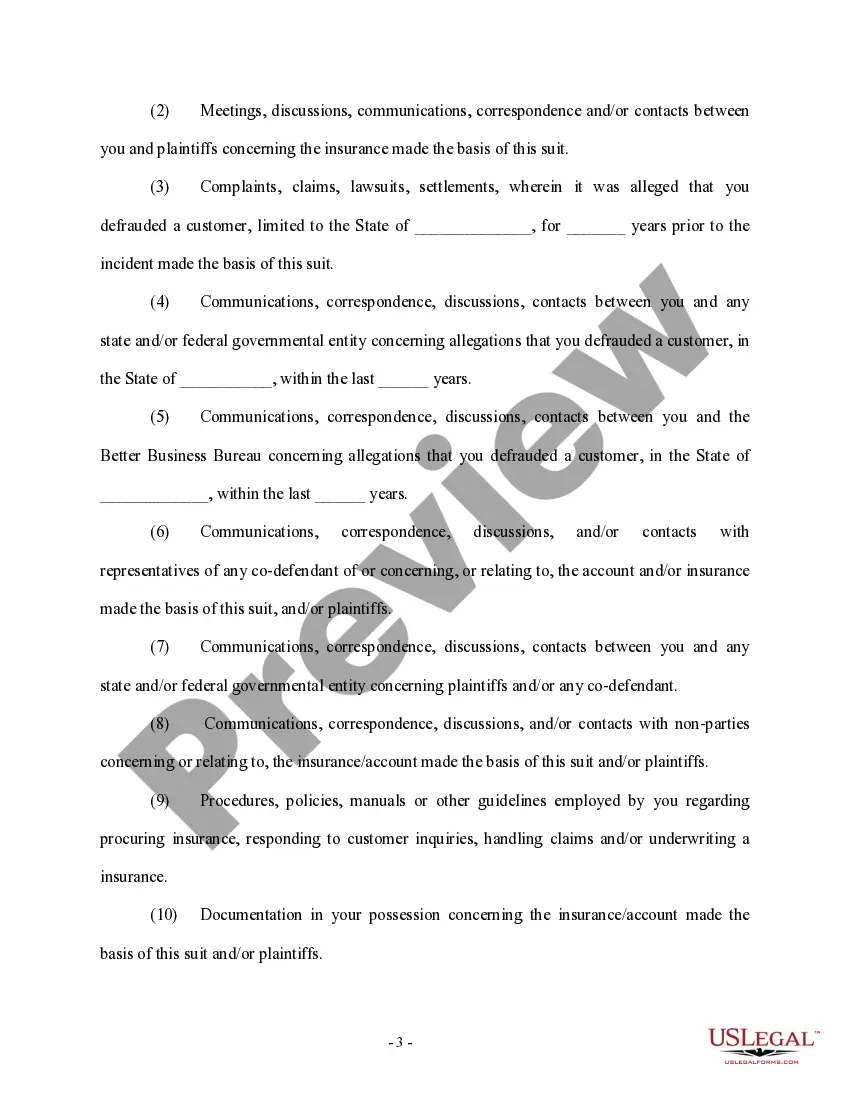
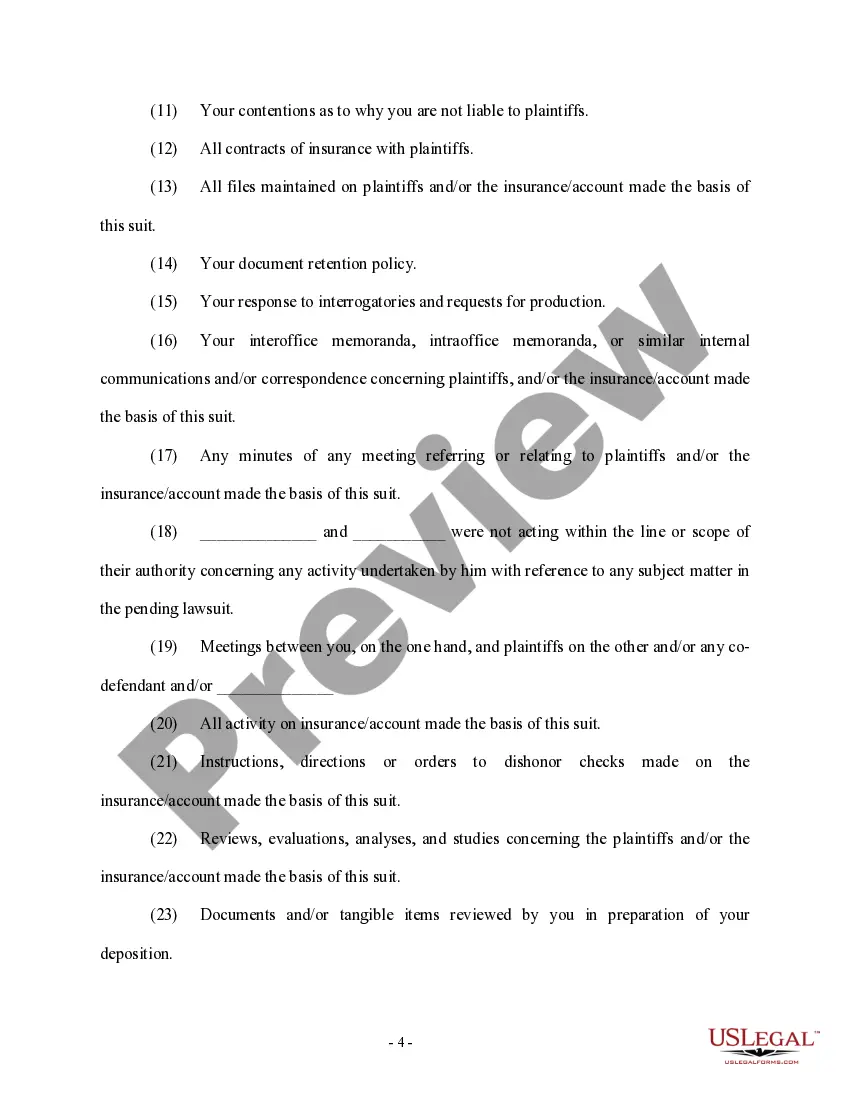
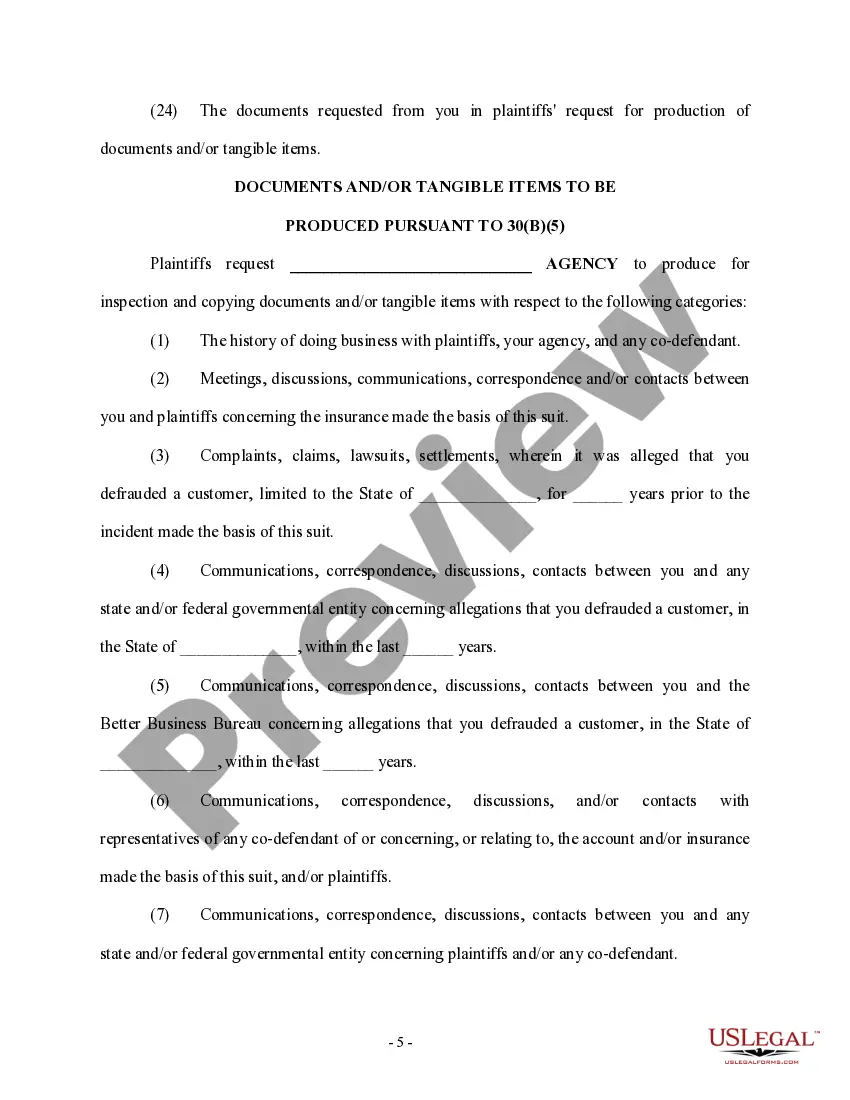
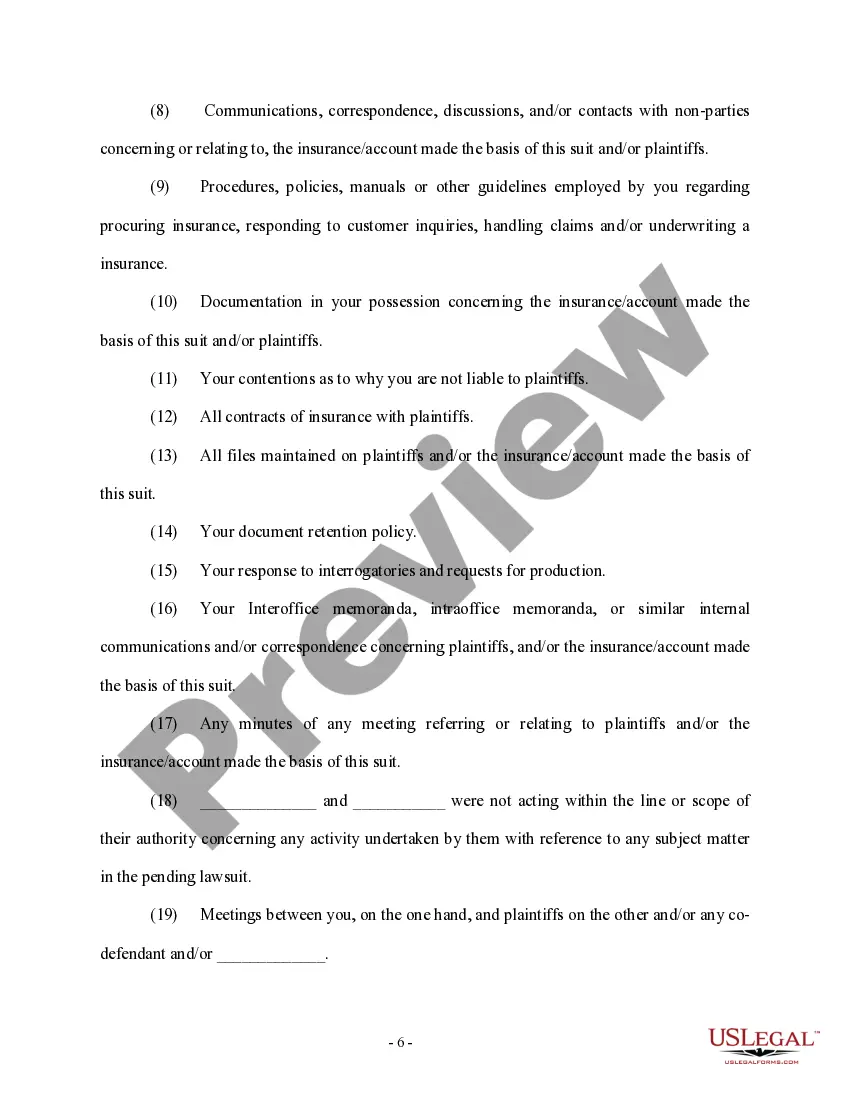
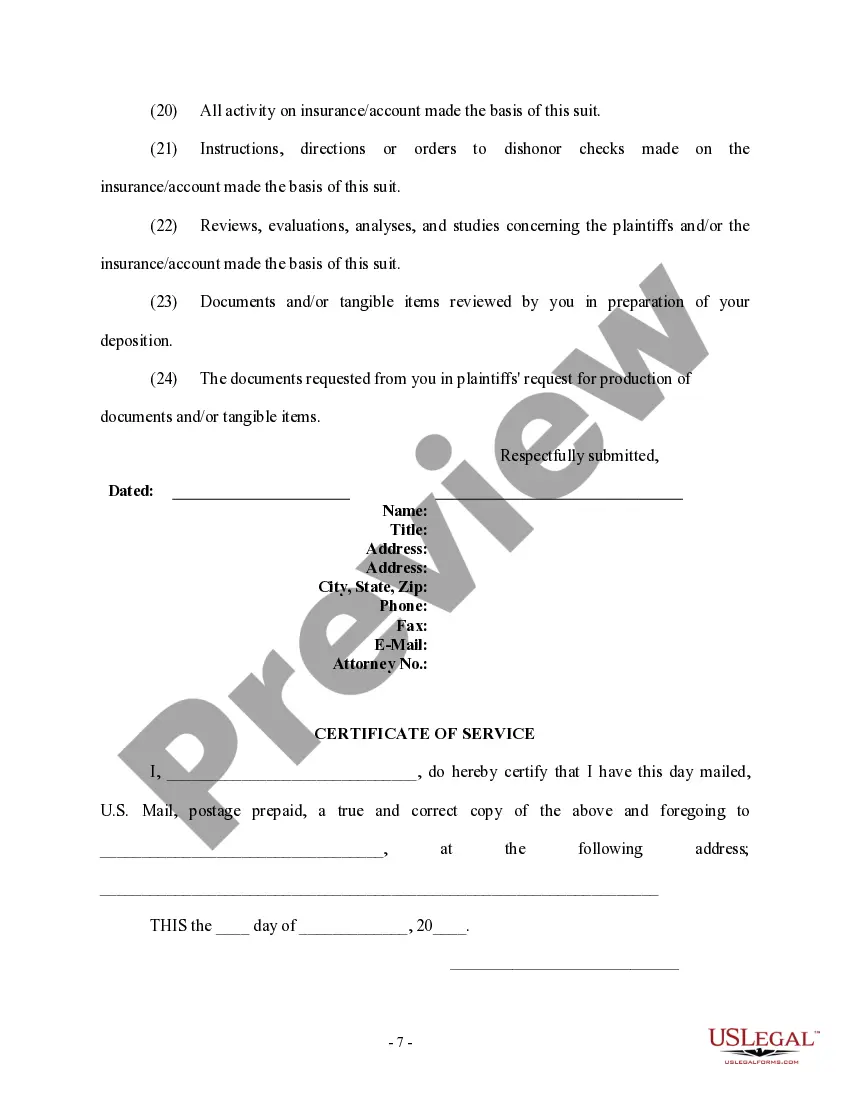
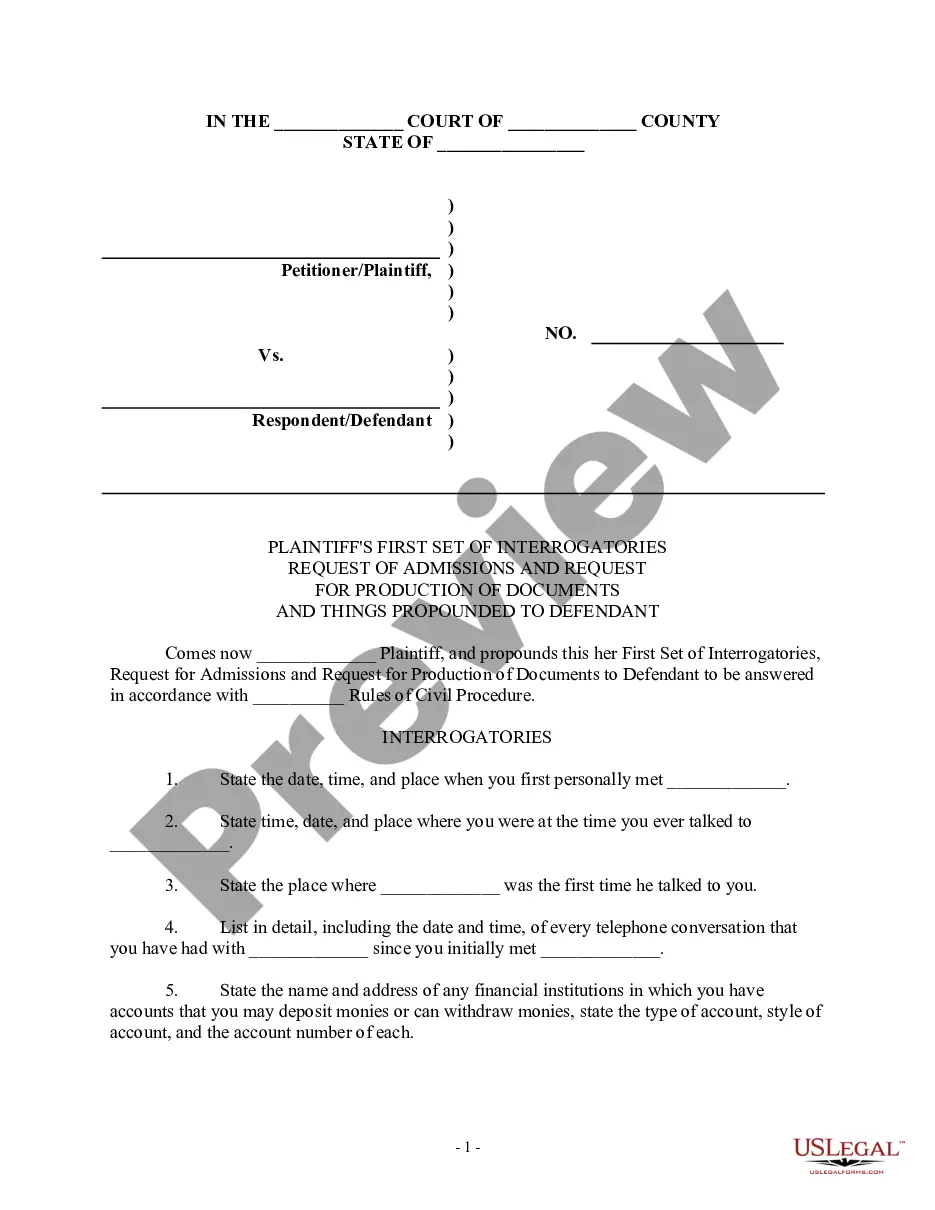

How to fill out Notice Of 30(b)(6) Deposition Of Defendant And 30(b)(5) Request For Production Of Documents And Or Things - Discovery?
It’s clear that you cannot instantly become a legal expert, nor can you swiftly learn how to draft a 30 B Notice 6 Withholding without a specific skill set.
Assembling legal documents is a lengthy endeavor that necessitates particular training and abilities.
So why not entrust the creation of the 30 B Notice 6 Withholding to the professionals.
Review the document (if this option is available) and examine the accompanying description to assess if the 30 B Notice 6 Withholding is suitable for your needs.
If you require a different template, restart your search.
- With US Legal Forms, which boasts one of the most comprehensive collections of legal templates, you can locate everything from court documents to templates for office communications.
- We recognize how vital compliance with federal and state regulations is.
- This is precisely why all templates on our platform are location-specific and current.
- Let’s begin with our website and acquire the document you require in just a few minutes.
- Find the form you need by using the search bar at the top of the page.
Form popularity
FAQ
A 30 B 6 deposition notice requires clear identification of the topics for examination. It should specify a reasonable timeframe and location for the deposition, ensuring the witness can prepare adequately. Furthermore, you must provide a complete understanding of which organization's knowledge the witness represents. Observing these requirements is essential for effective legal proceedings.
Yes, you can call a 30 B 6 witness at trial, but there are specific considerations. The witness's previous deposition testimony can play a crucial role in the trial phase. It is vital to confirm that the information they provide is accurate and reflects the organization's position. This can help strengthen your argument in court, especially if the 30 B notice 6 withholding process was followed correctly.
The deadline to respond to a 30 B 6 notice typically depends on the jurisdiction and the specifics outlined in the notice itself. Generally, responses are expected within a specified timeframe, often ranging from 30 to 45 days. It is crucial to adhere to this deadline to avoid potential legal repercussions. Keeping the principles of 30 b notice 6 withholding in mind can help you ensure that your response is timely and thorough.
Responding to a 30 B 6 notice requires a clear understanding of the specific information requested. Begin by reviewing the notice carefully, and gather all necessary documents and data that address the inquiries. You should draft a comprehensive response that reflects accurate details while adhering to the 30 b notice 6 withholding requirements. Additionally, consider consulting with legal experts to ensure that your response meets all stipulations.
30(b)(6) deposition is also limited to seven hours total, or seven hours per designee. Thus, it would seem that the Federal Rules of Civil Procedure clearly provide for seven hours per designee, right?
Rule 30(b)(6) creates obligations on both sides: the side being deposed has an obligation to prepare one or more witnesses to testify, and the side taking the deposition has an obligation to ?designate with painstaking specificity, the particular subject areas that are intended to be questioned, and that are relevant ...
The first step in protecting the prospective deponent from an improper 30(b)(6) notice is to confer with opposing counsel in an attempt to clarify or limit the objectionable topics. For this purpose, written objections may certainly serve as a starting point.
To Rule 30(b)(6) of the Federal Rules of Civil Procedure is a powerful tool that requires a corpora- tion to produce one or more witnesses to testify on the corporation's behalf with respect to the noticed topics.
Summary. Rule 30(b)(6) allows for depositions of corporate representatives and their testimony is binding on the company. Counsel for noticed companies should review 30(b)(6) notices carefully and object if the notice seeks out-of-bounds testimony.