30 B Notice 6 Withdrawal
Description
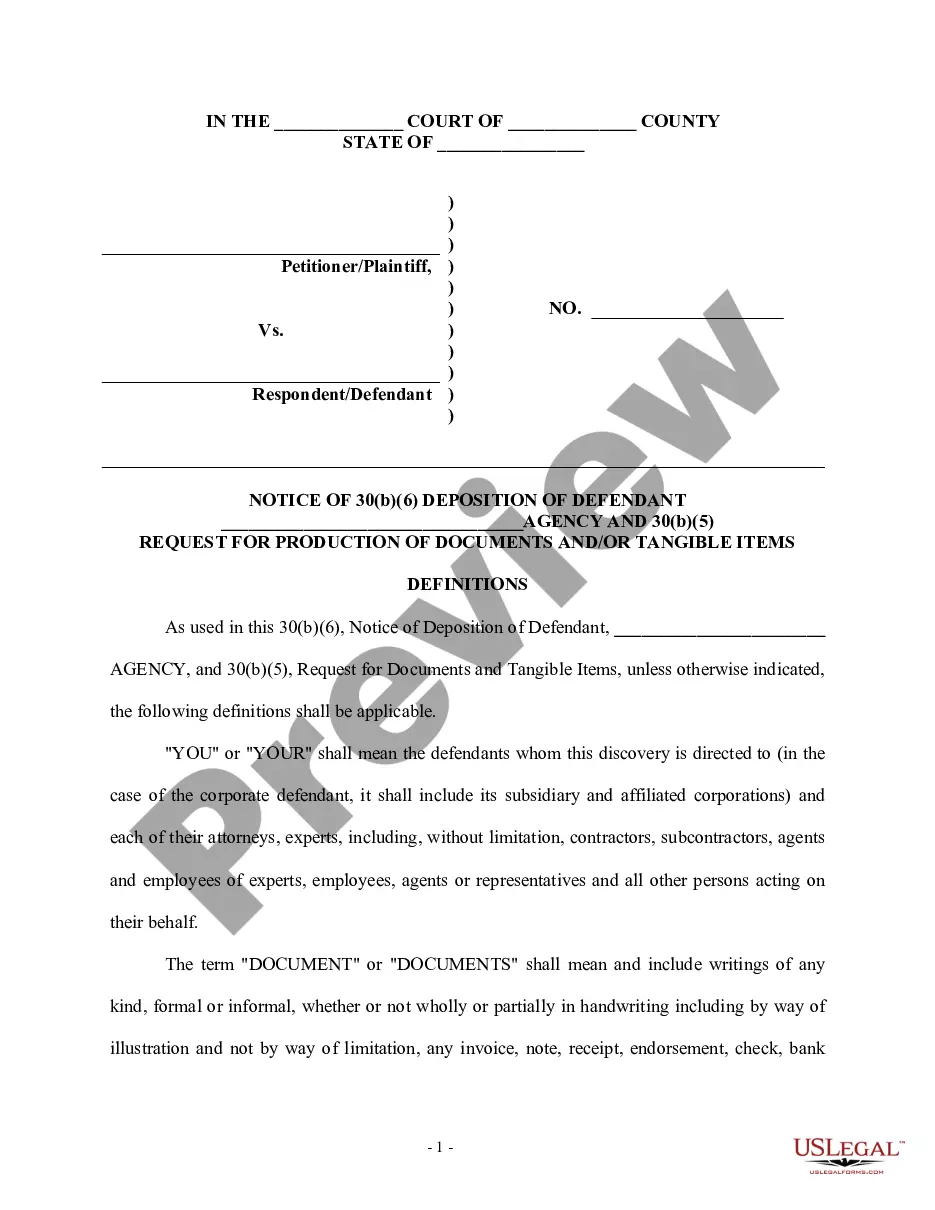
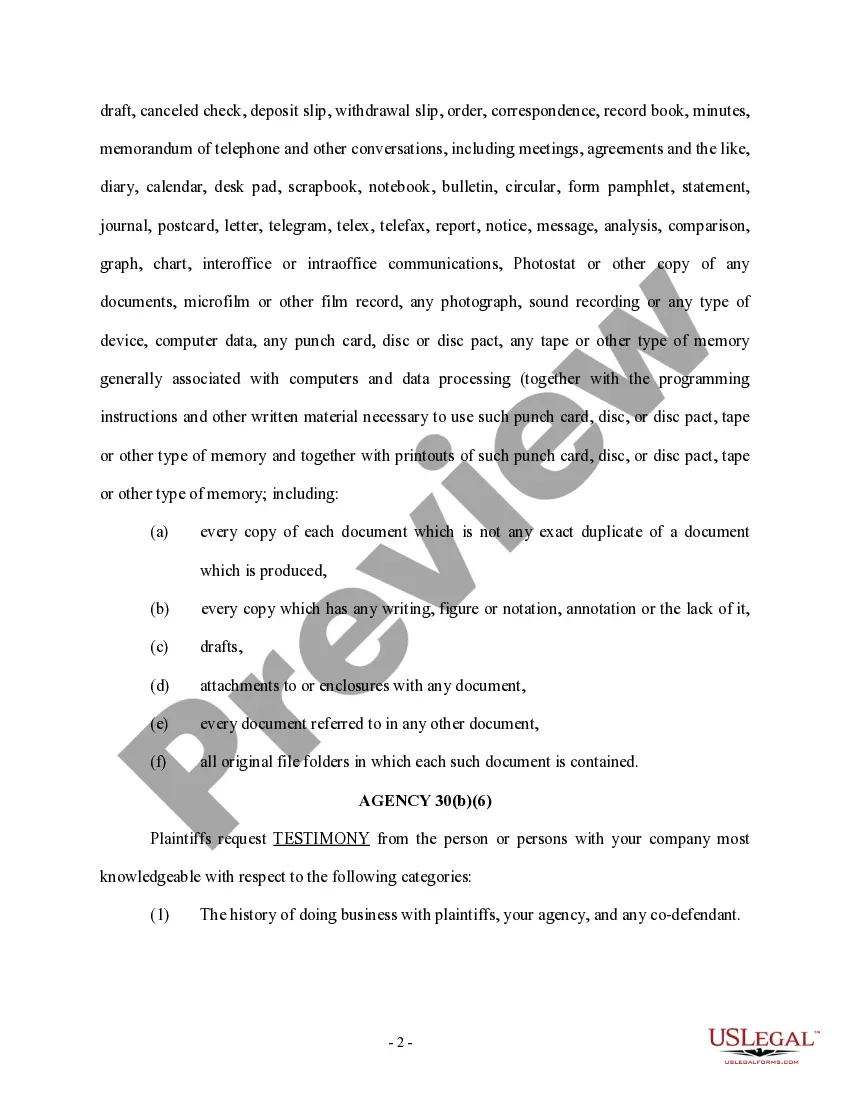
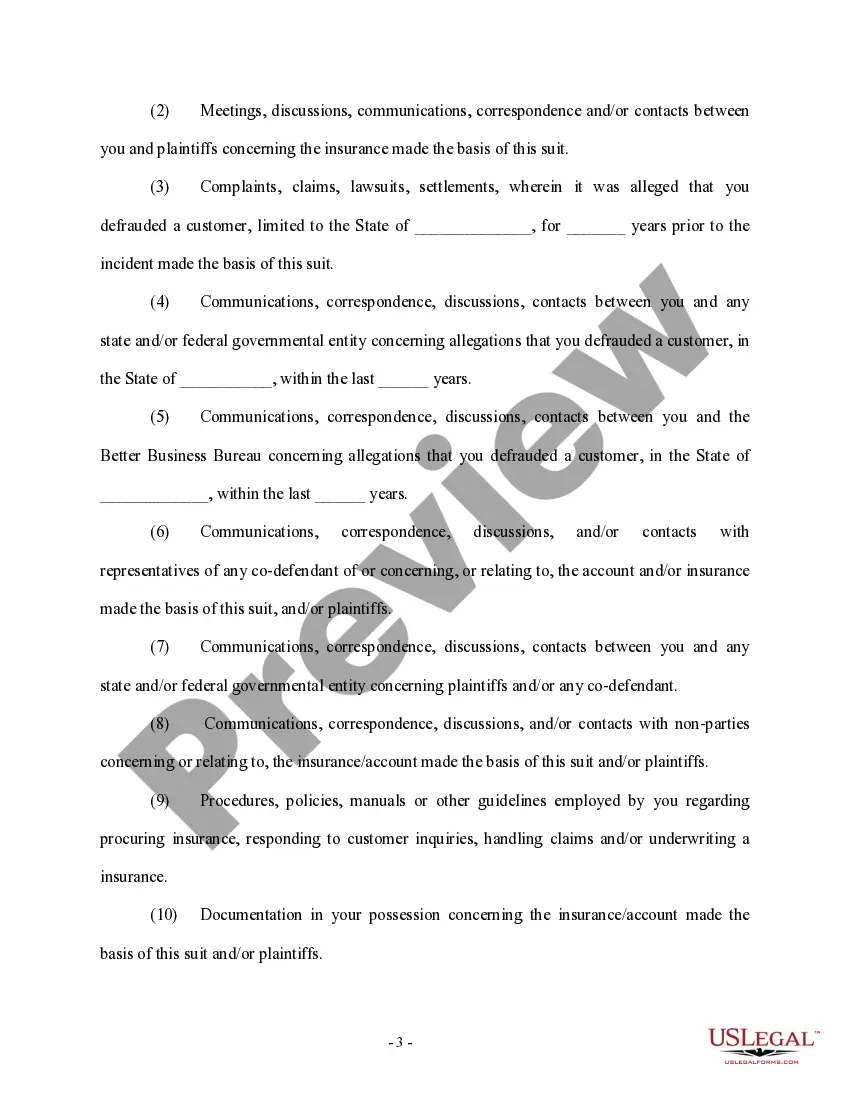
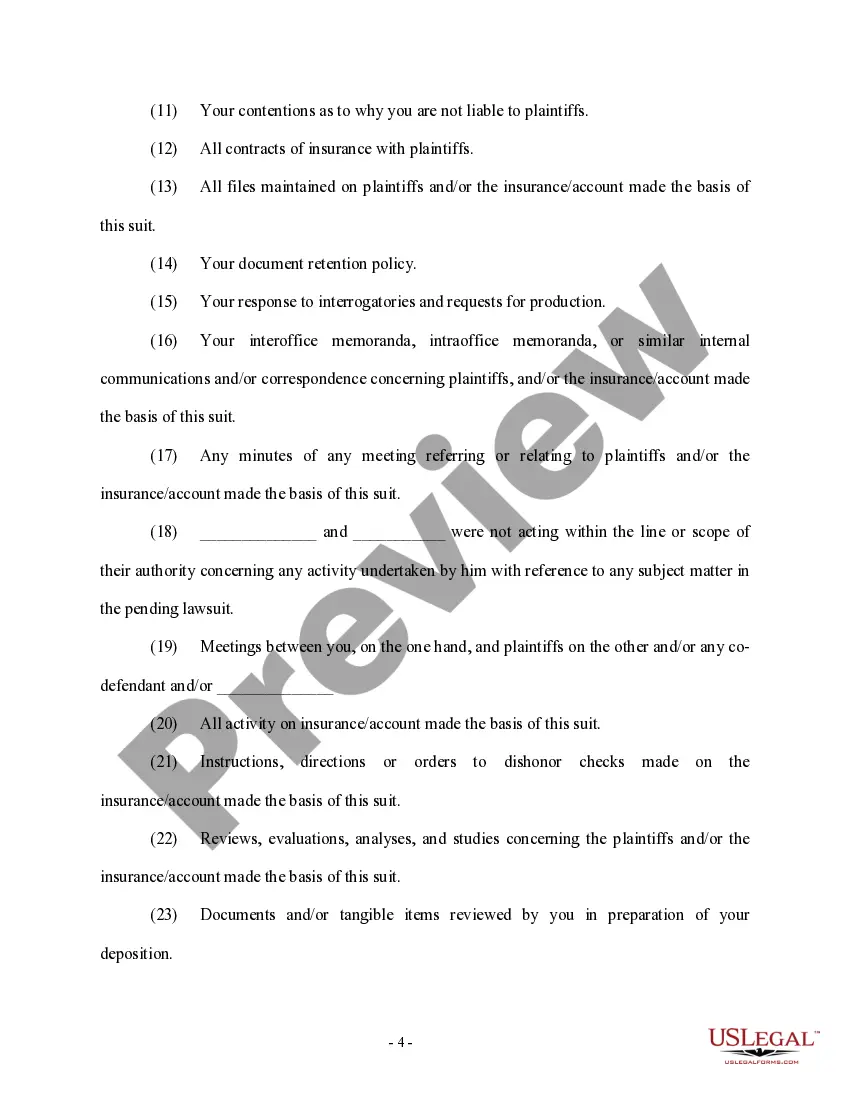
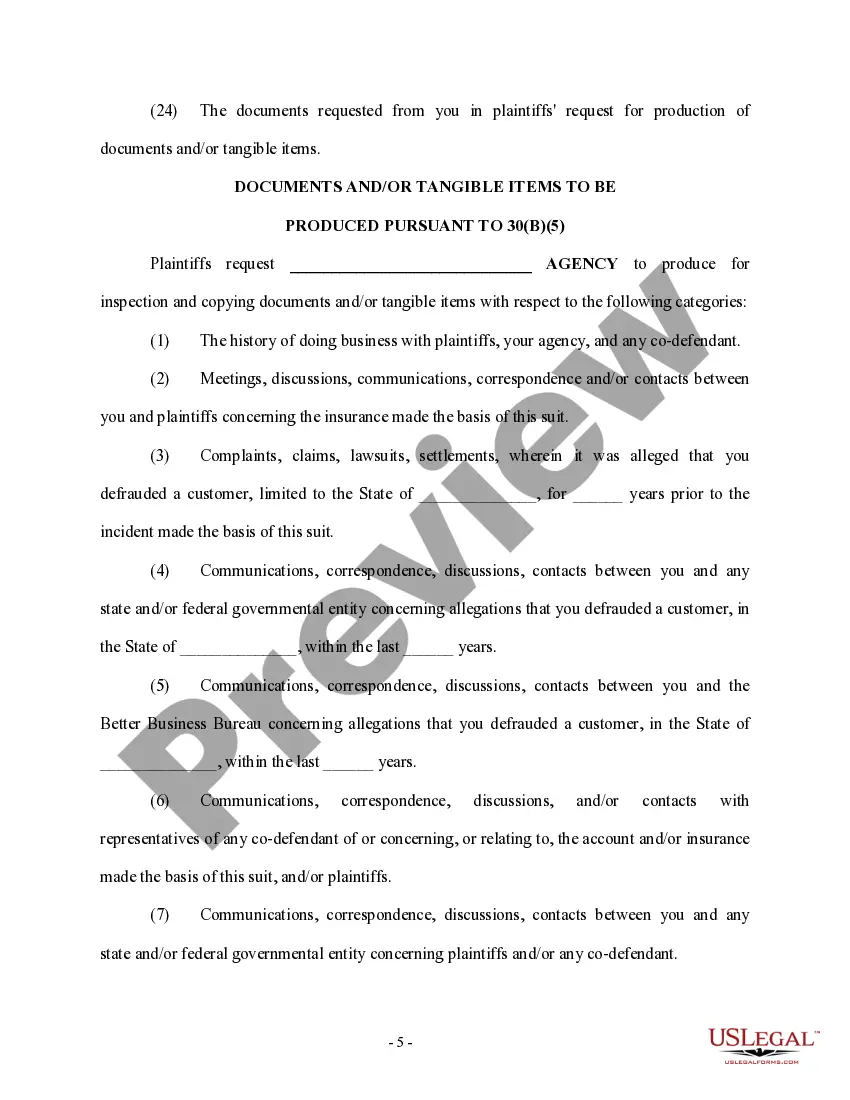
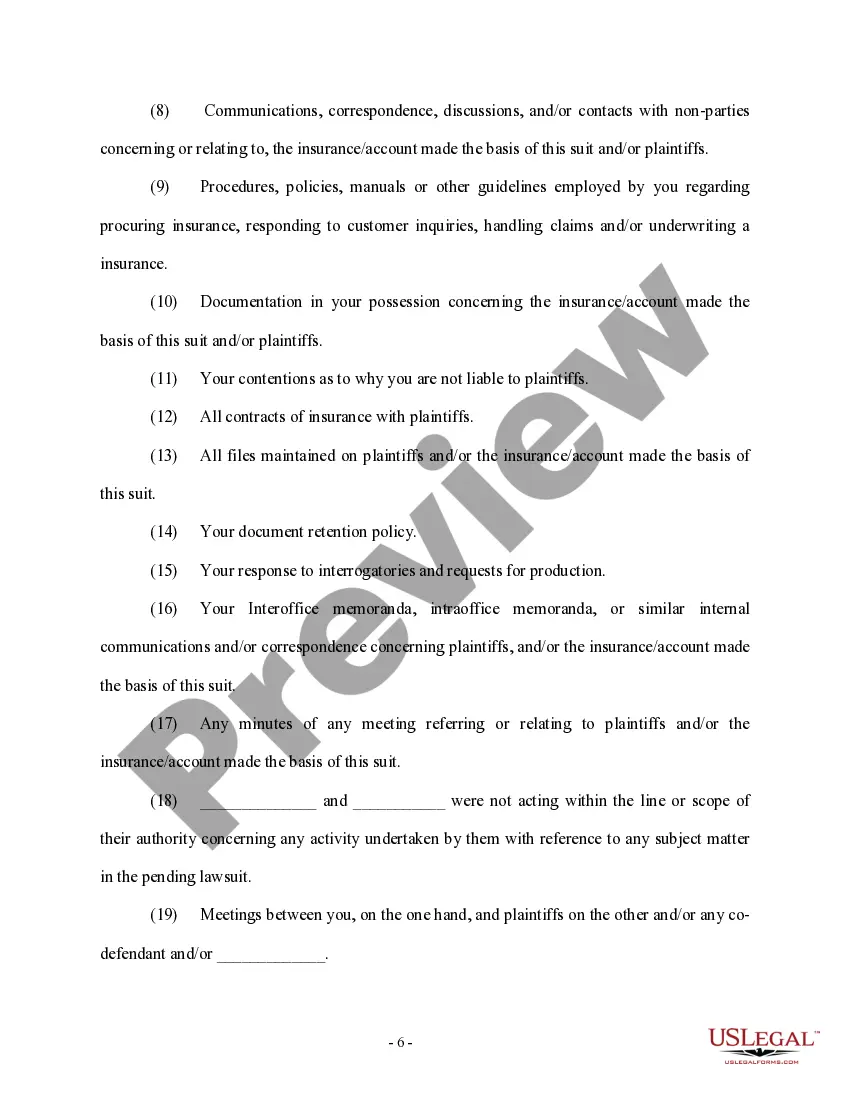
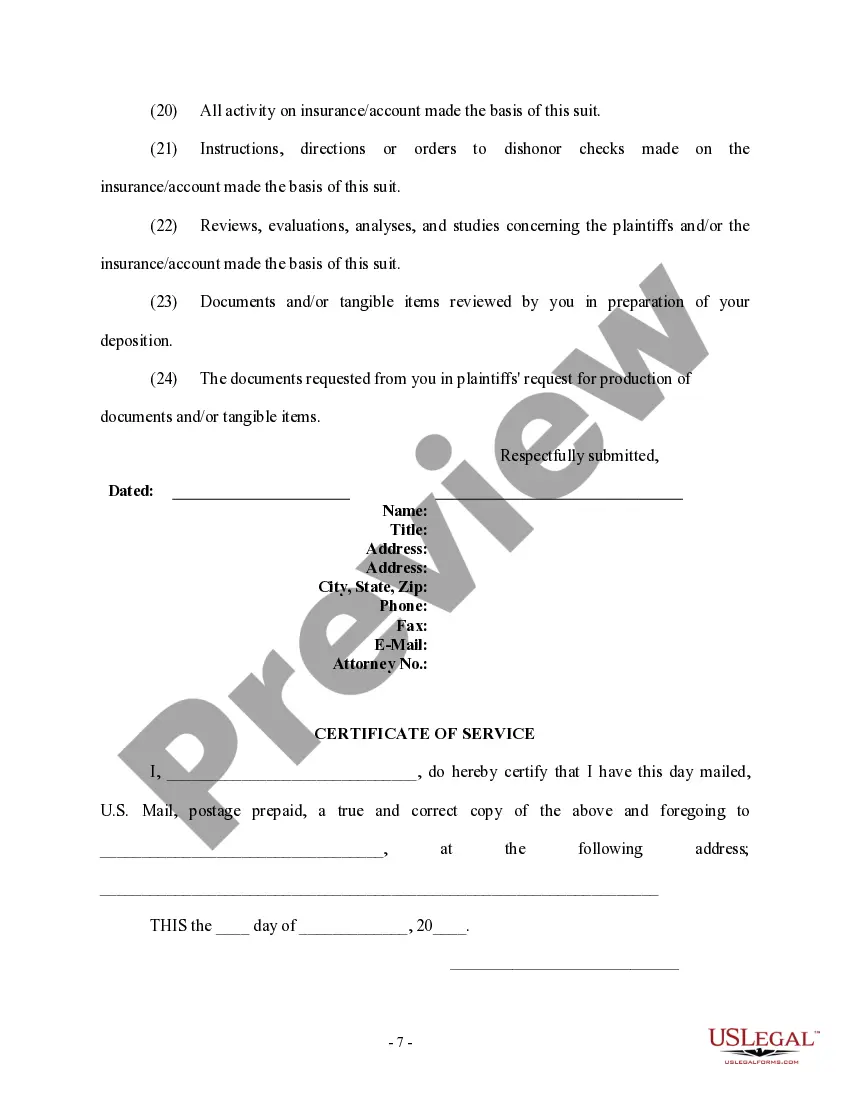
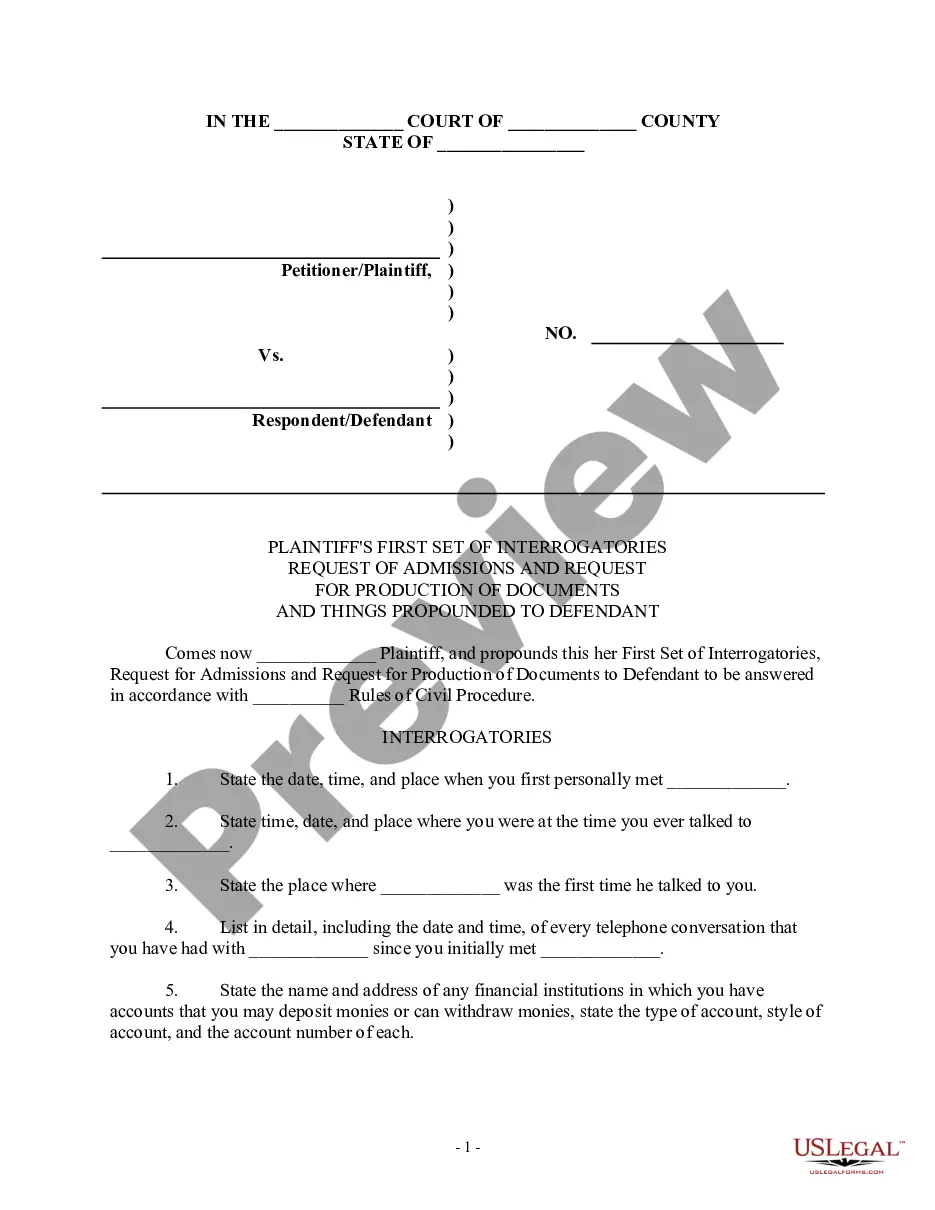
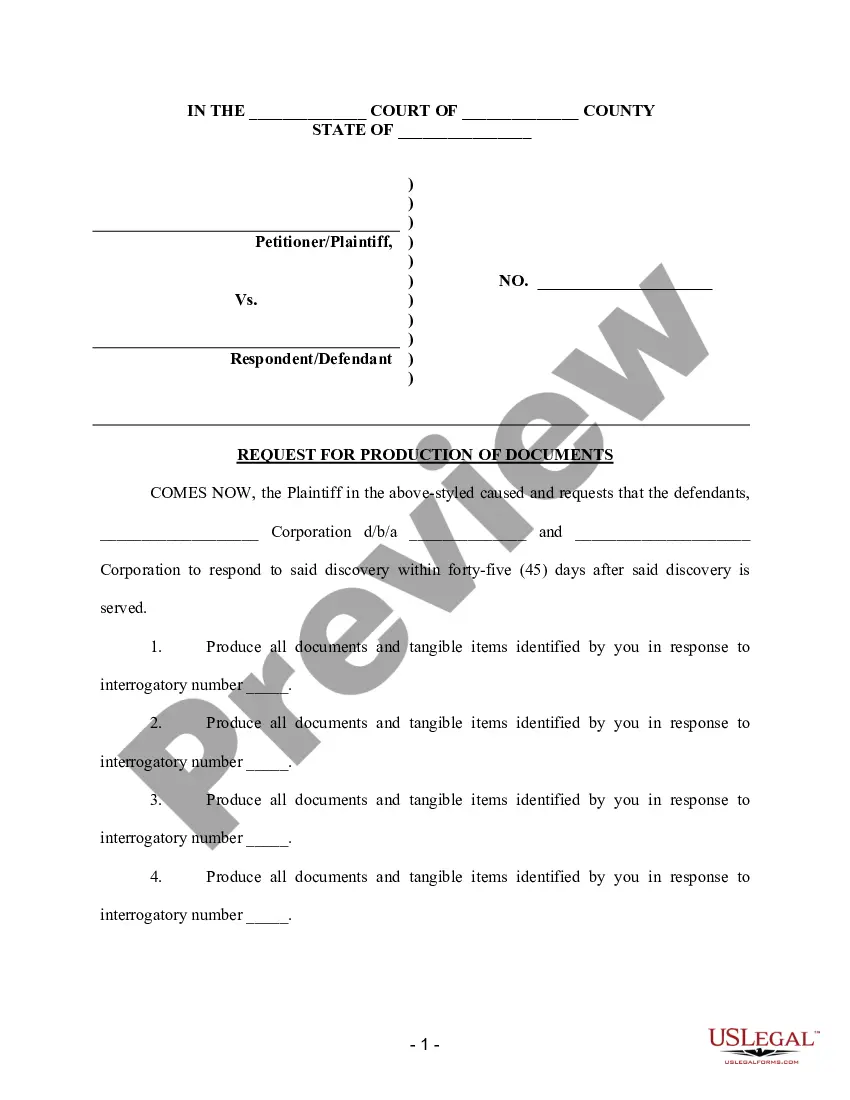
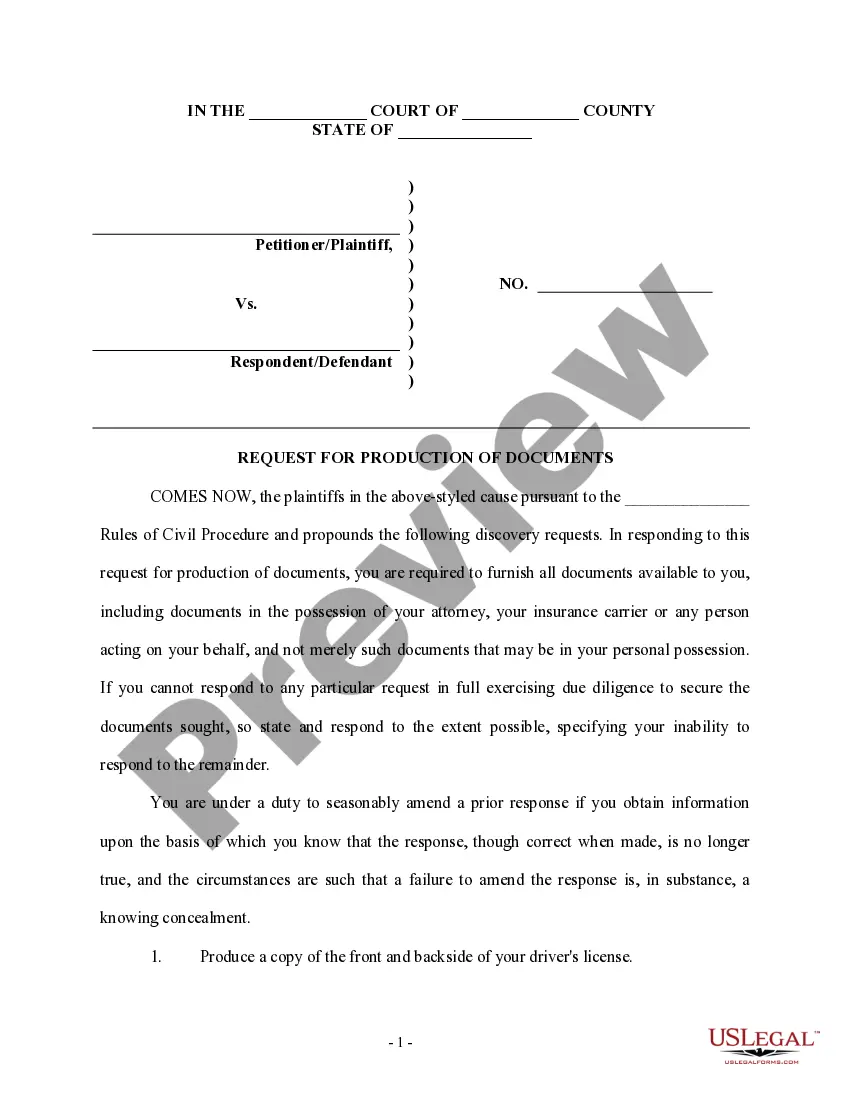
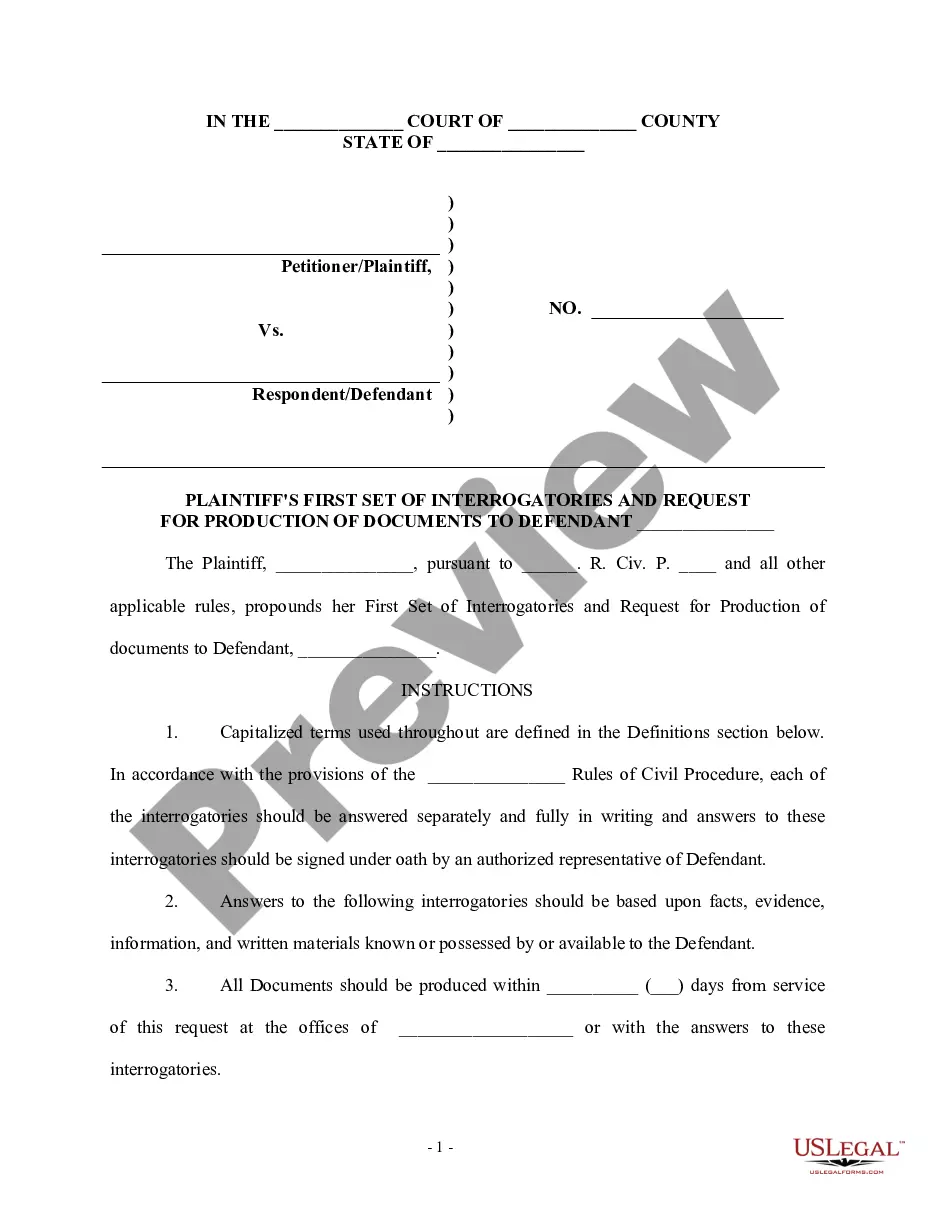
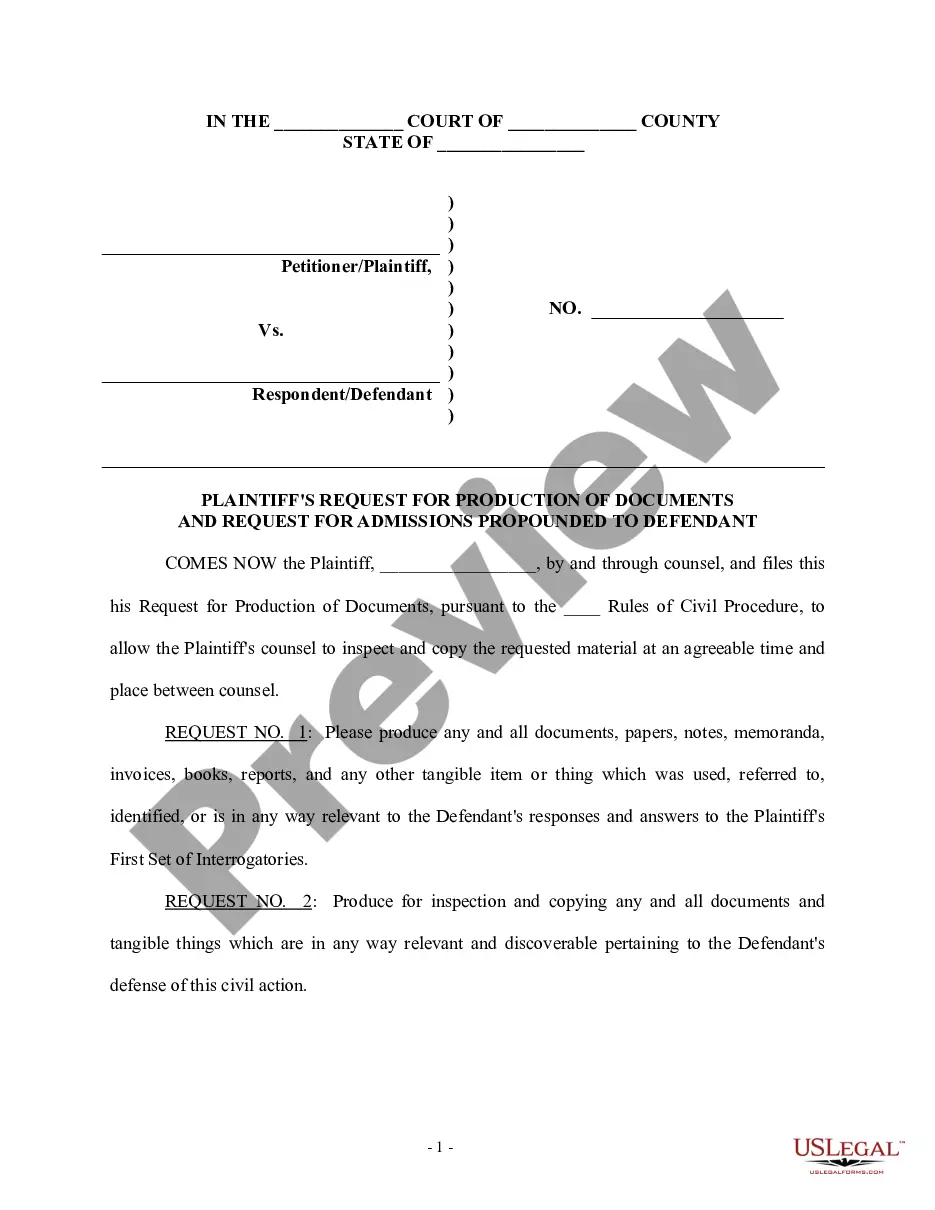
How to fill out Notice Of 30(b)(6) Deposition Of Defendant And 30(b)(5) Request For Production Of Documents And Or Things - Discovery?
Employing legal templates that adhere to federal and local regulations is essential, and the web provides numerous alternatives to choose from.
However, what’s the use of spending time hunting for the aptly constructed 30 B Notice 6 Withdrawal example online when the US Legal Forms digital repository already compiles such templates in a singular location.
US Legal Forms is the premier online legal directory featuring over 85,000 customizable templates crafted by attorneys for every business and personal situation. They are user-friendly with all documents categorized by state and intended use. Our experts stay abreast of legislative updates, ensuring that your documentation is current and compliant when acquiring a 30 B Notice 6 Withdrawal from our platform.
All documents you discover through US Legal Forms are reusable. To re-download and complete previously obtained forms, access the My documents section in your profile. Experience the most comprehensive and user-friendly legal document service!
- Acquiring a 30 B Notice 6 Withdrawal is straightforward and quick for both existing and new users.
- If you already possess an account with an active subscription, sign in and retrieve the document sample you need in the appropriate format.
- If you are a newcomer to our site, adhere to the steps outlined below.
- Review the template utilizing the Preview feature or through the text outline to ensure it suits your requirements.
- Utilize the search tool at the top of the page to find an alternative sample if necessary.
- Select Buy Now once you’ve identified the correct form and choose a subscription plan.
- Establish an account or Log In and process the payment via PayPal or credit card.
- Select the appropriate format for your 30 B Notice 6 Withdrawal and download it.
Form popularity
FAQ
Federal Rule of Civil Procedure (?FRCP?) 30(b)(6) governs the depositions of organizations, including corporations, partnerships, associations, and governmental agencies. The party seeking to depose the organization must ?describe with reasonable particularity the matters for examination? in its deposition notice.
Summary. Rule 30(b)(6) allows for depositions of corporate representatives and their testimony is binding on the company. Counsel for noticed companies should review 30(b)(6) notices carefully and object if the notice seeks out-of-bounds testimony.
To Rule 30(b)(6) of the Federal Rules of Civil Procedure is a powerful tool that requires a corpora- tion to produce one or more witnesses to testify on the corporation's behalf with respect to the noticed topics.
Rule 30(b)(6) creates obligations on both sides: the side being deposed has an obligation to prepare one or more witnesses to testify, and the side taking the deposition has an obligation to ?designate with painstaking specificity, the particular subject areas that are intended to be questioned, and that are relevant ...
The first step in protecting the prospective deponent from an improper 30(b)(6) notice is to confer with opposing counsel in an attempt to clarify or limit the objectionable topics. For this purpose, written objections may certainly serve as a starting point.