Workers Wrongful Termination For False Accusations
Description
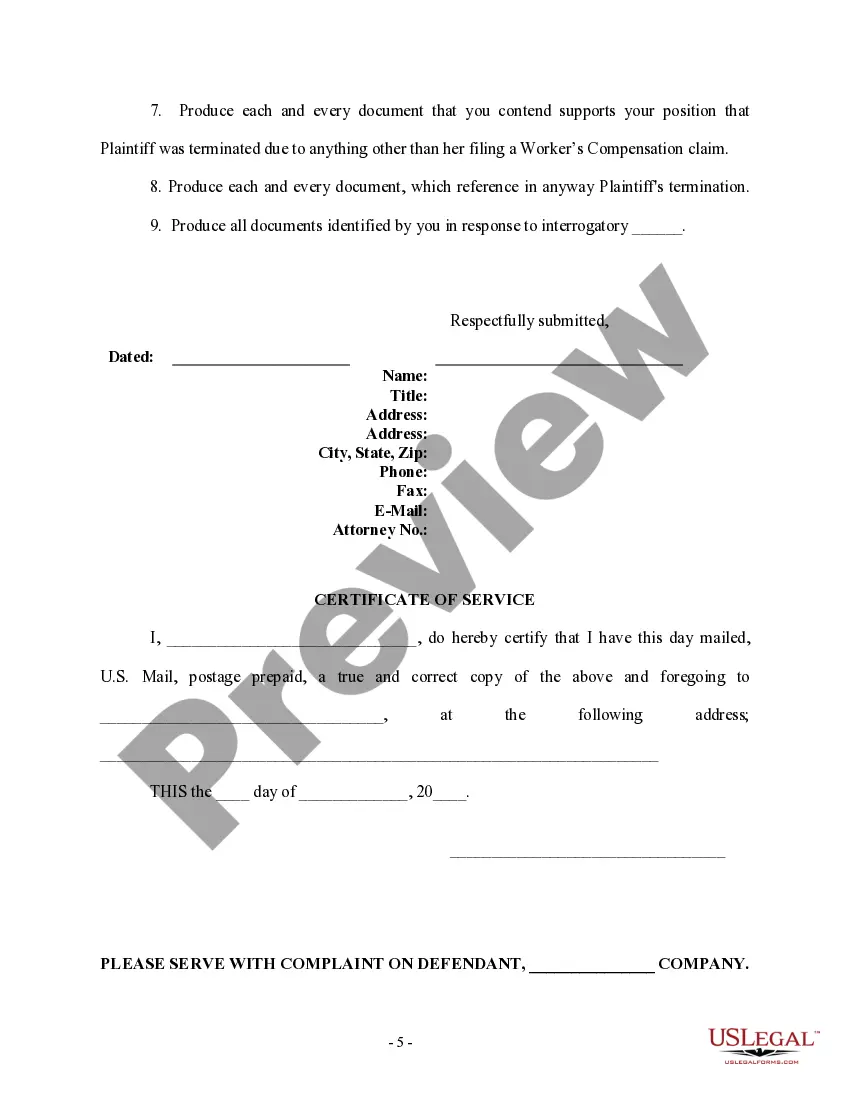
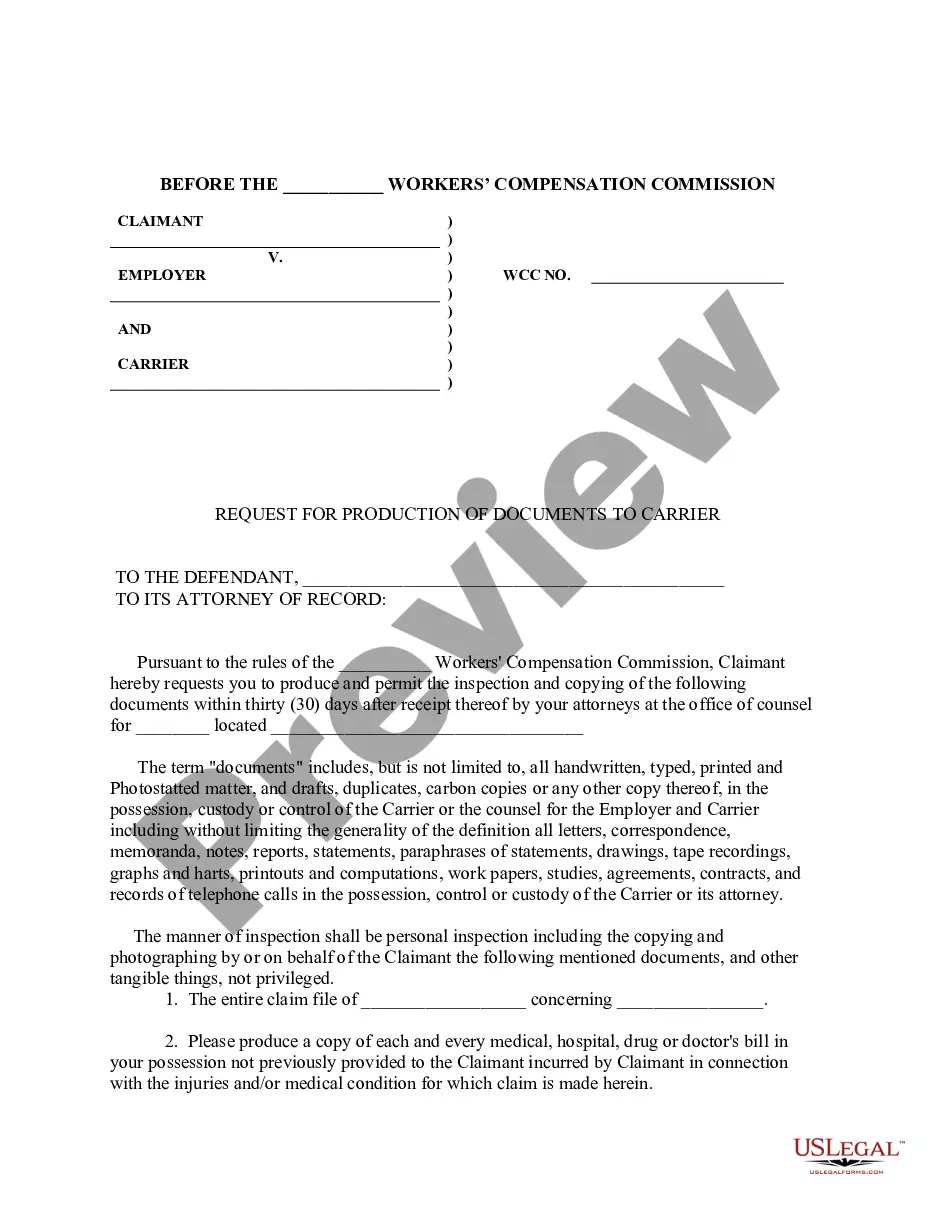
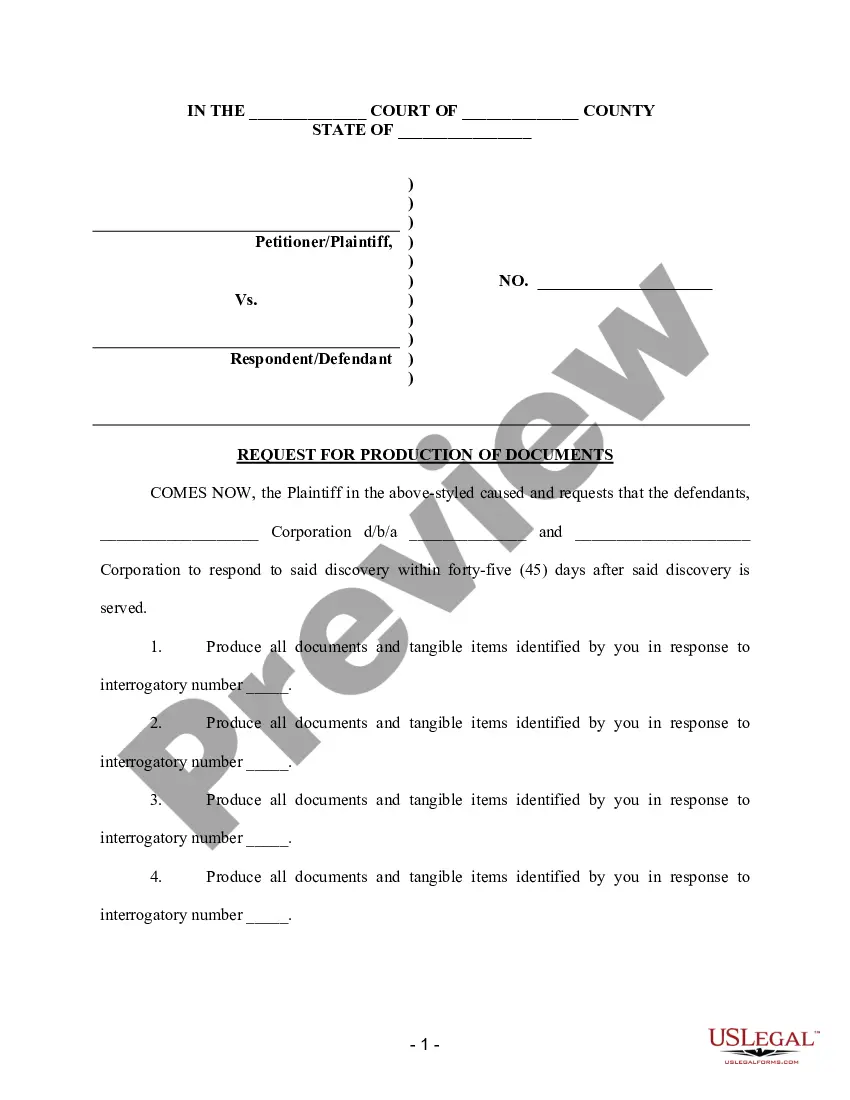
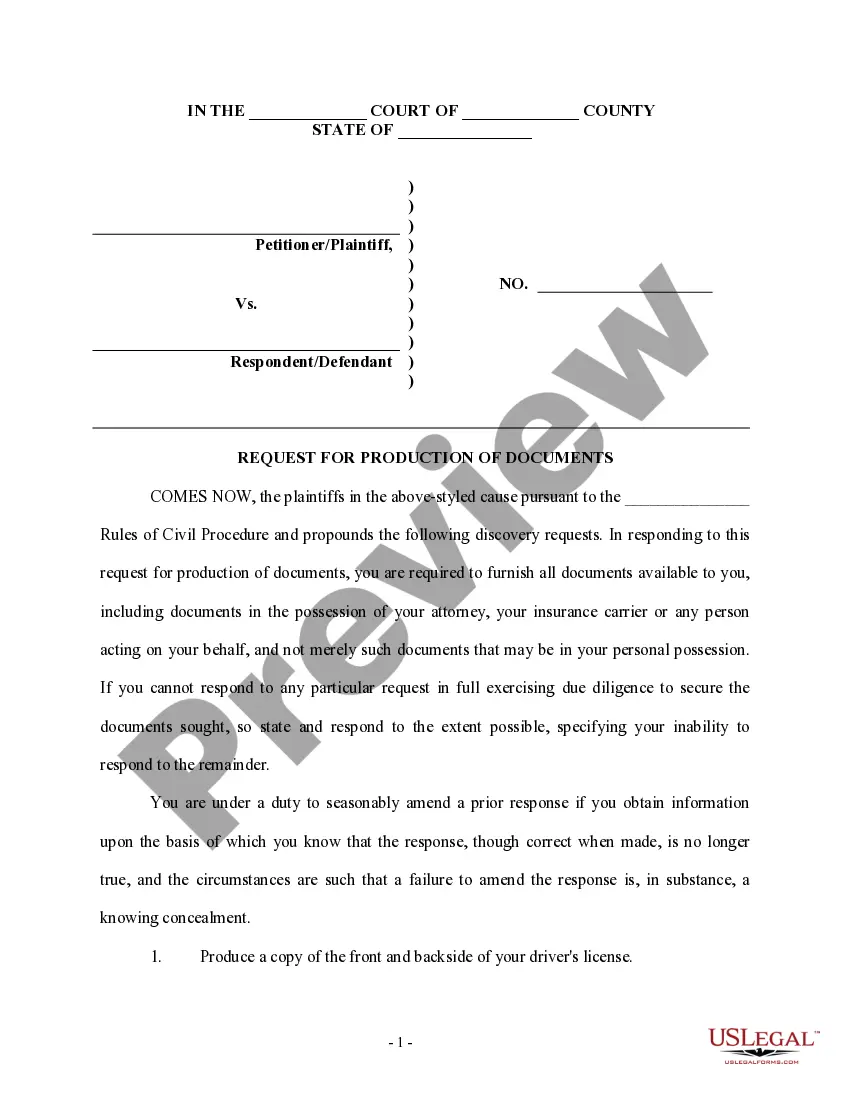
Get your form ready online
Our built-in tools help you complete, sign, share, and store your documents in one place.
Make edits, fill in missing information, and update formatting in US Legal Forms—just like you would in MS Word.
Download a copy, print it, send it by email, or mail it via USPS—whatever works best for your next step.
Sign and collect signatures with our SignNow integration. Send to multiple recipients, set reminders, and more. Go Premium to unlock E-Sign.
If this form requires notarization, complete it online through a secure video call—no need to meet a notary in person or wait for an appointment.
We protect your documents and personal data by following strict security and privacy standards.

Make edits, fill in missing information, and update formatting in US Legal Forms—just like you would in MS Word.

Download a copy, print it, send it by email, or mail it via USPS—whatever works best for your next step.

Sign and collect signatures with our SignNow integration. Send to multiple recipients, set reminders, and more. Go Premium to unlock E-Sign.

If this form requires notarization, complete it online through a secure video call—no need to meet a notary in person or wait for an appointment.

We protect your documents and personal data by following strict security and privacy standards.
Looking for another form?

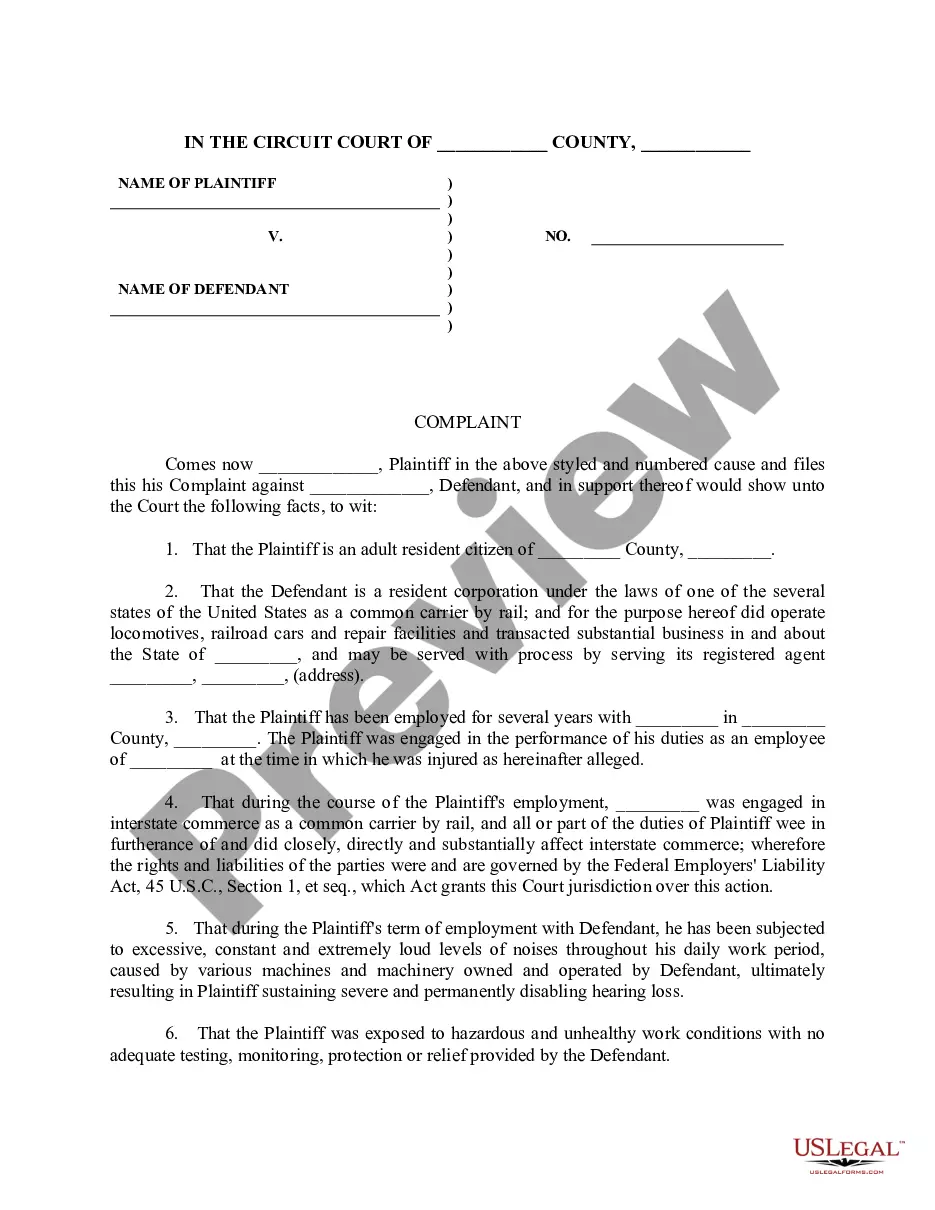

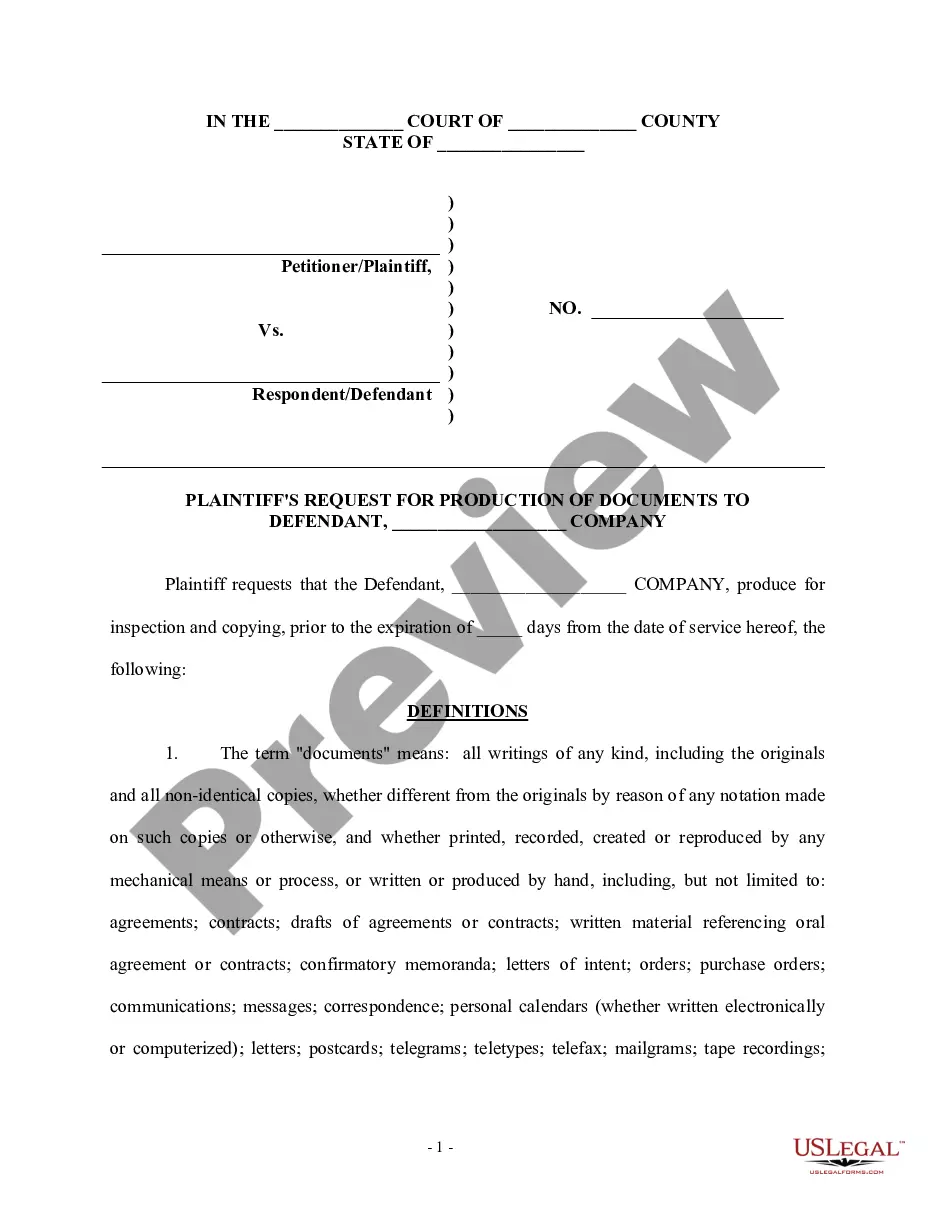
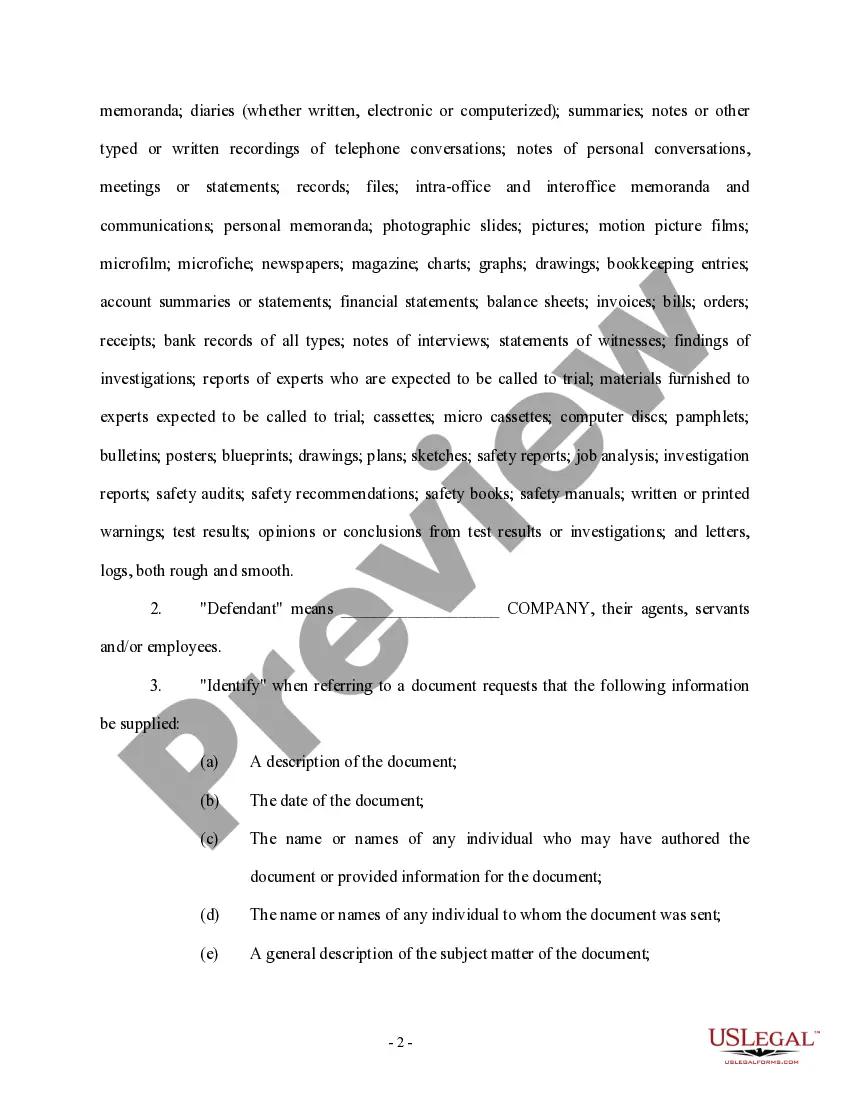
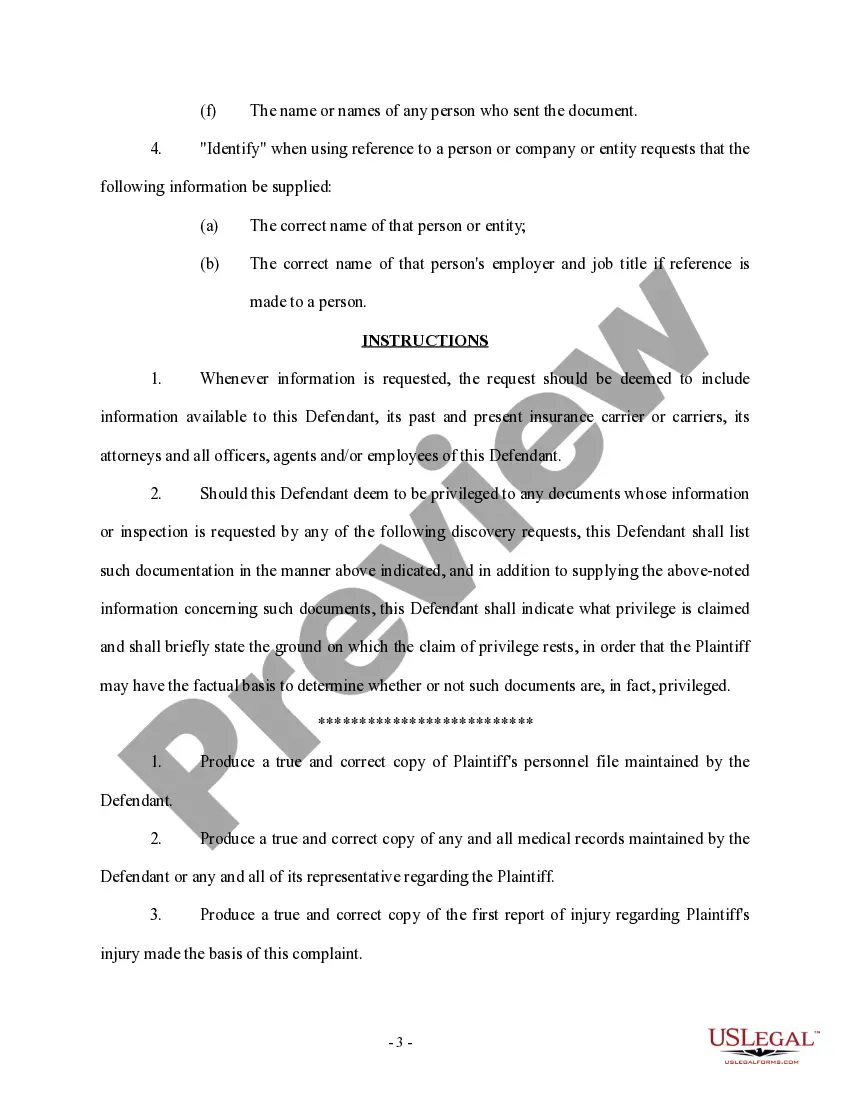
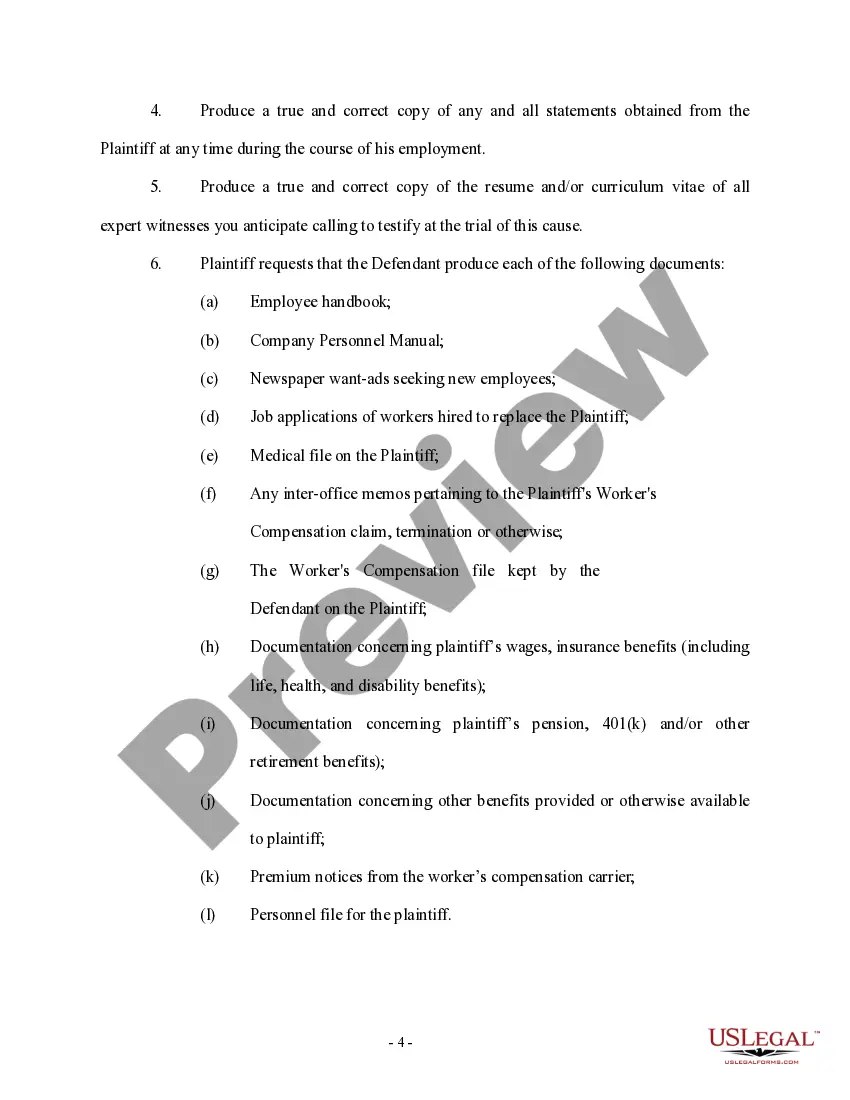
How to fill out Request For Production Of Documents - Worker's Compensation - Wrongful Termination?
Regardless of whether it's for commercial intentions or personal matters, everyone eventually encounters legal issues at some point in their lives.
Filling out legal documents requires meticulous focus, beginning with selecting the appropriate form template.
With an extensive library of US Legal Forms at your disposal, you won’t need to waste time searching the internet for the correct template. Utilize the library’s straightforward navigation to find the right template for any circumstance.
- Locate the template you require by utilizing the search feature or browsing the catalog.
- Review the form’s details to confirm it aligns with your circumstances, state, and locality.
- Select the form’s preview to inspect it.
- If it is the incorrect document, return to the search option to find the Workers Wrongful Termination For False Accusations template you need.
- Obtain the template when it meets your requirements.
- If you possess a US Legal Forms account, simply click Log in to access previously stored documents in My documents.
- If you don't have an account yet, you can acquire the form by selecting Buy now.
- Select the suitable pricing choice.
- Complete the account registration form.
- Choose your payment method: credit card or PayPal account.
- Select the document format you desire and download the Workers Wrongful Termination For False Accusations.
- After saving it, you can complete the form using editing software or print it out and fill it in manually.
Form popularity
FAQ
The punishment for false accusations can vary depending on the circumstances and severity of the claims. In cases related to employment, consequences may include legal action against the employer for wrongful termination. If proven, you could receive restitution for damages incurred as a result of the false claims. Engaging with resources like USLegalForms can give you access to necessary legal documents to support your case regarding workers wrongful termination for false accusations.
Yes, you can sue your employer if they lie about you, especially if their lies lead to your wrongful termination. It's important to prove that these lies were false and perhaps malicious. A successful lawsuit can address damages caused by the employer's false statements. Seeking assistance from professionals familiar with workers wrongful termination for false accusations can streamline the process.
If your employer makes false accusations, the first step is to document everything related to the incident. This includes retaining emails, texts, and witness accounts that can support your case. You should then consider discussing the matter with your HR department or seeking legal advice. Taking prompt action is crucial, as timely responses can aid workers wrongful termination for false accusations and help protect your rights.
Yes, you can sue an employer for making false accusations, particularly if those accusations lead to your wrongful termination. Workers wrongful termination for false accusations often entitles you to seek legal remedies. It's essential to gather evidence demonstrating that the accusations were not only false but also damaging to your employment. Consulting with a legal expert can help you navigate your options in pursuing a lawsuit.
To prove wrongful termination, you must gather substantial evidence that demonstrates the invalidity of the accusations against you. This may involve testimonies, emails, or records from HR reflecting your performance. Leveraging legal expertise can facilitate the process, ensuring that you present a compelling case.
The burden of proof typically lies with the employee to show that the termination was indeed unlawful, especially in cases of workers wrongful termination for false accusations. You need to provide compelling evidence that counters the rationale given by your employer. This includes documentation, witness accounts, and any relevant statements.
Proving wrongful termination can be challenging, especially when false accusations are involved. Gathering adequate evidence and demonstrating the wrongful nature of the termination requires diligence. Utilizing resources like UsLegalForms can help streamline this process, making it easier for you to compile necessary documentation.
To determine if you have a case, you should evaluate the circumstances surrounding your termination, specifically regarding false accusations. If these accusations were unfounded and not supported by evidence, your case could be strong. Consulting a legal expert can provide you with insights tailored to your situation.
Wrongful termination occurs when an employee is fired for reasons that violate state or federal laws. This includes being terminated based on false accusations or retaliatory motives. Understanding your rights is key, and legal assistance can clarify if your situation qualifies as wrongful termination.
To prove wrongful termination, you typically need to show that you were fired for illegal reasons, including false accusations. Documentation of your employment, performance reviews, and any related communications will support your case. Gathering this evidence can be essential to strengthening your position.