Accident Plaintiff Defendant Without Evidence
Description
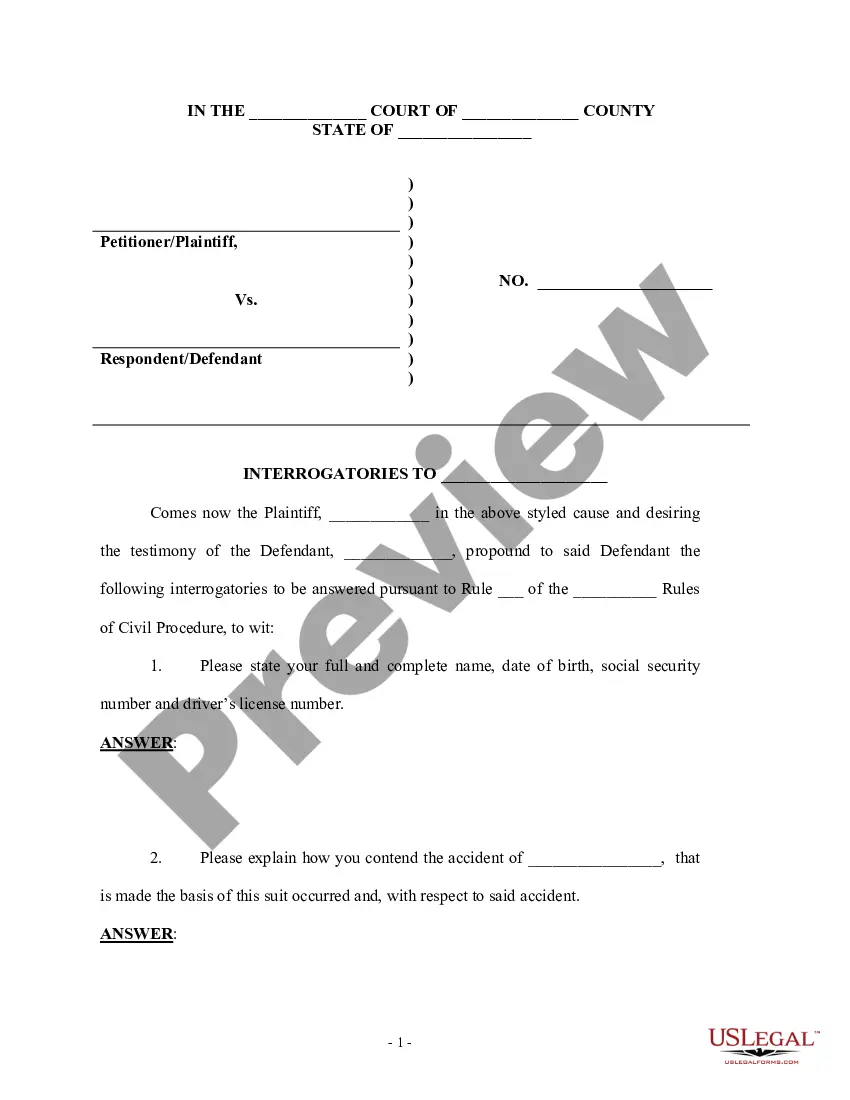
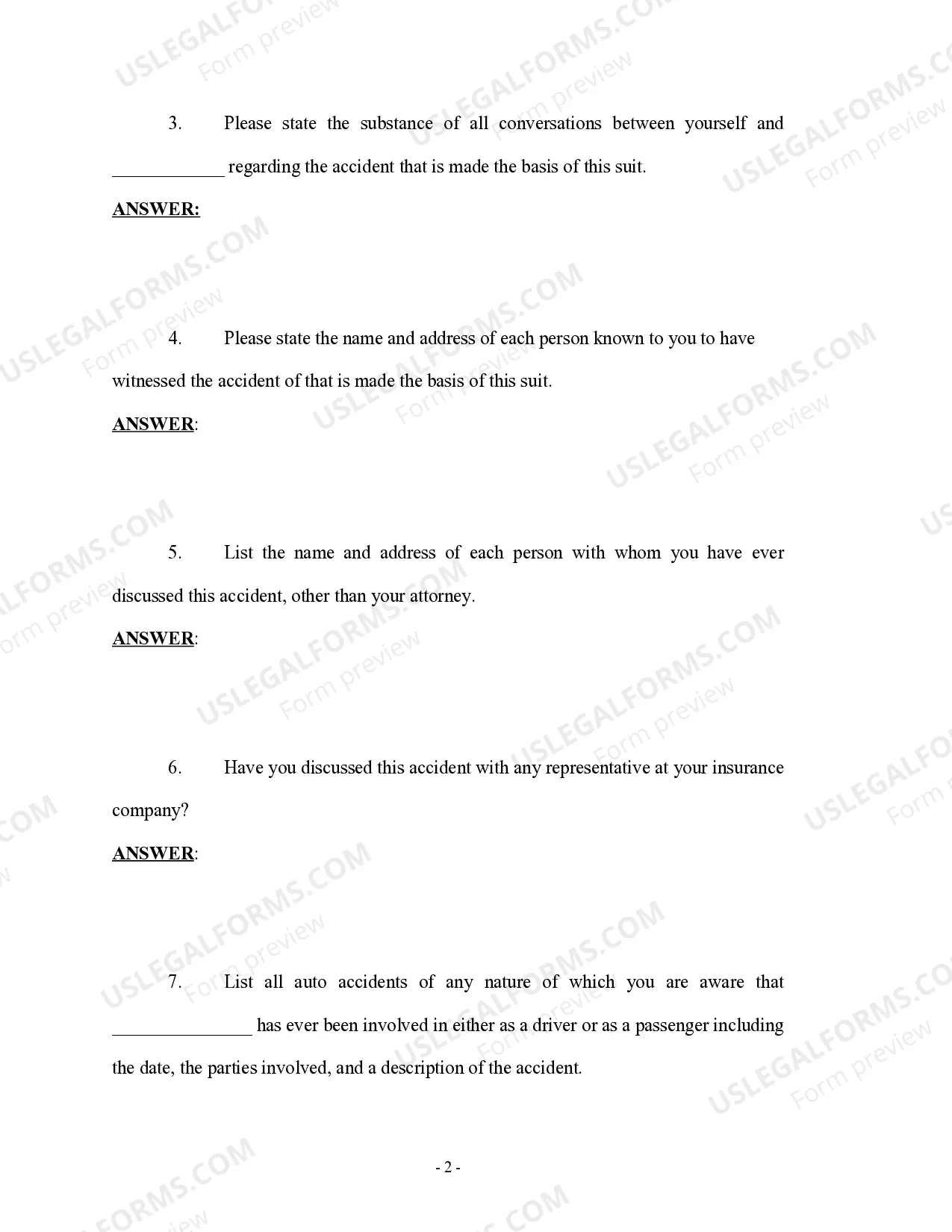
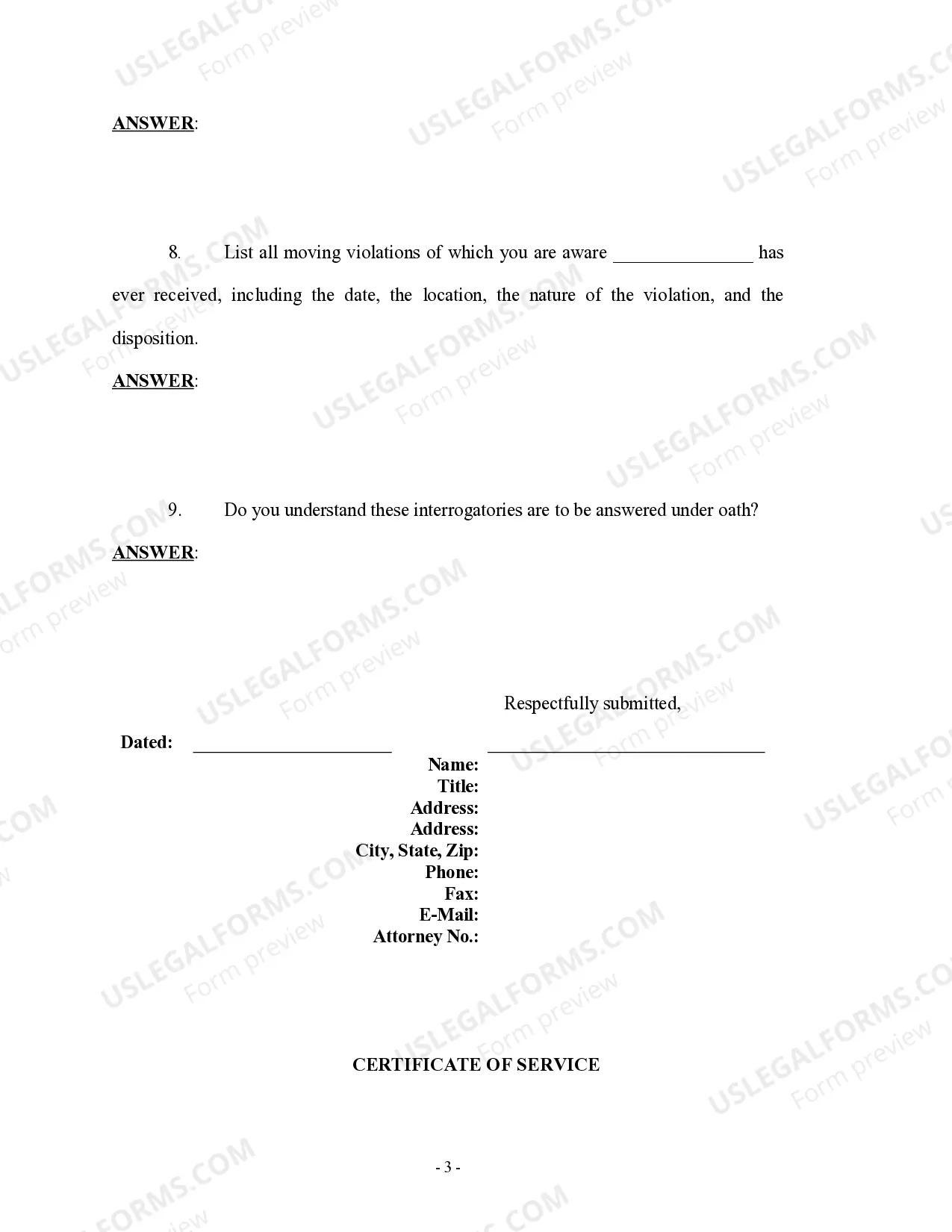
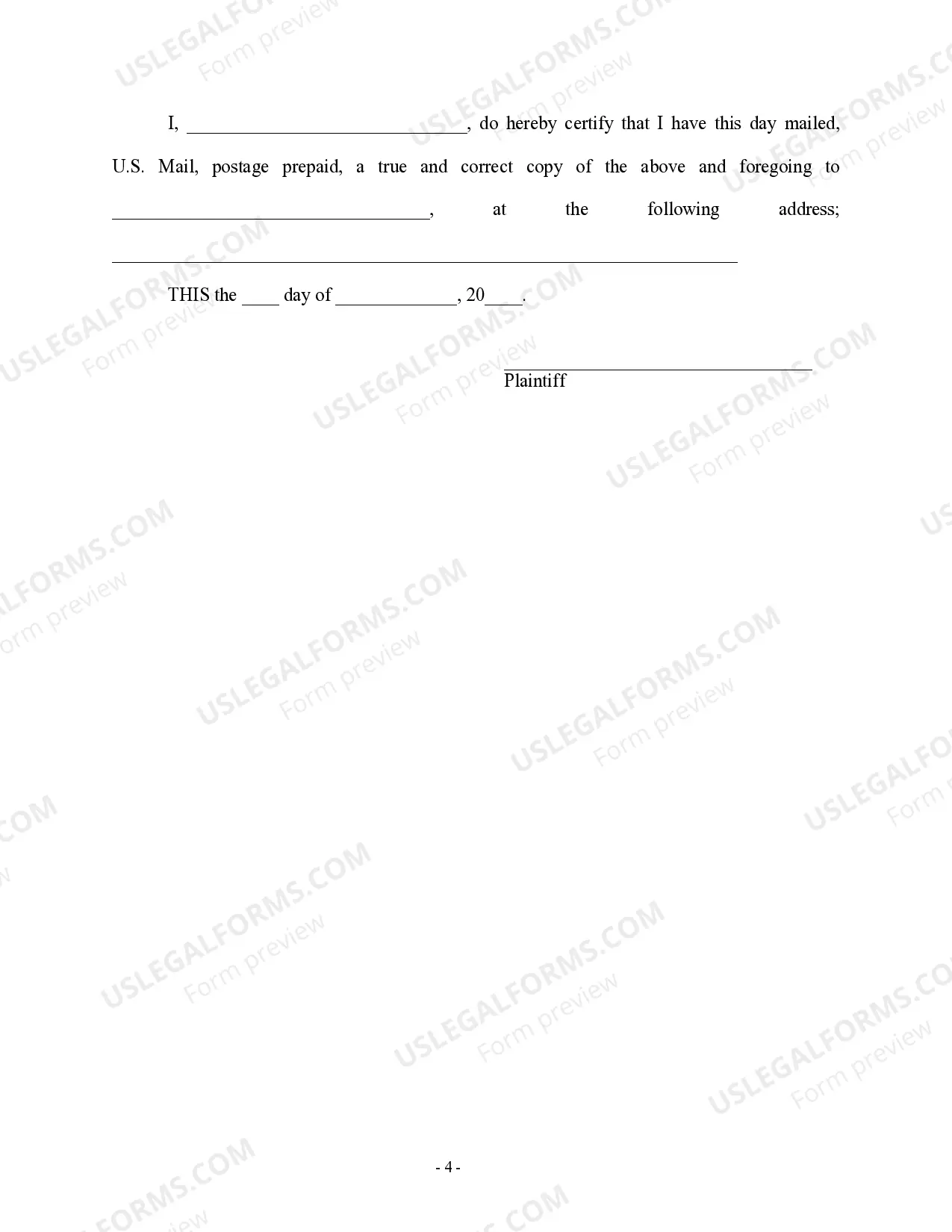
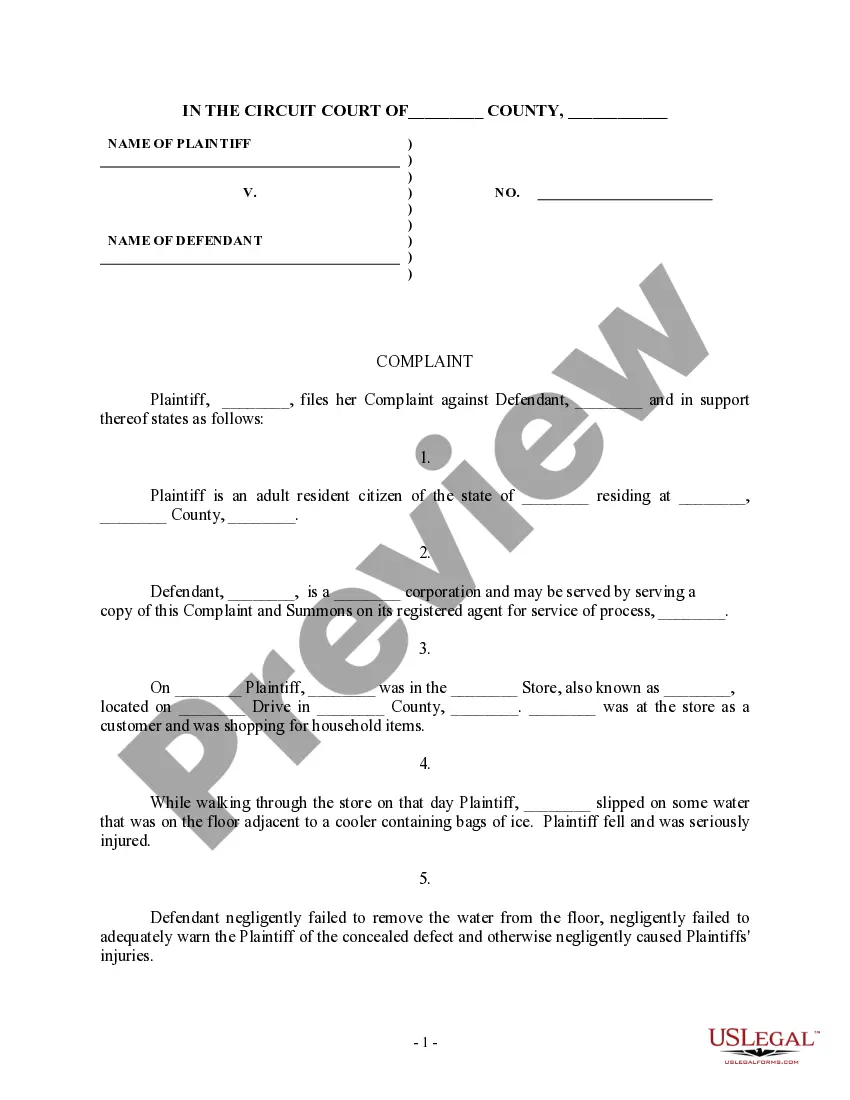
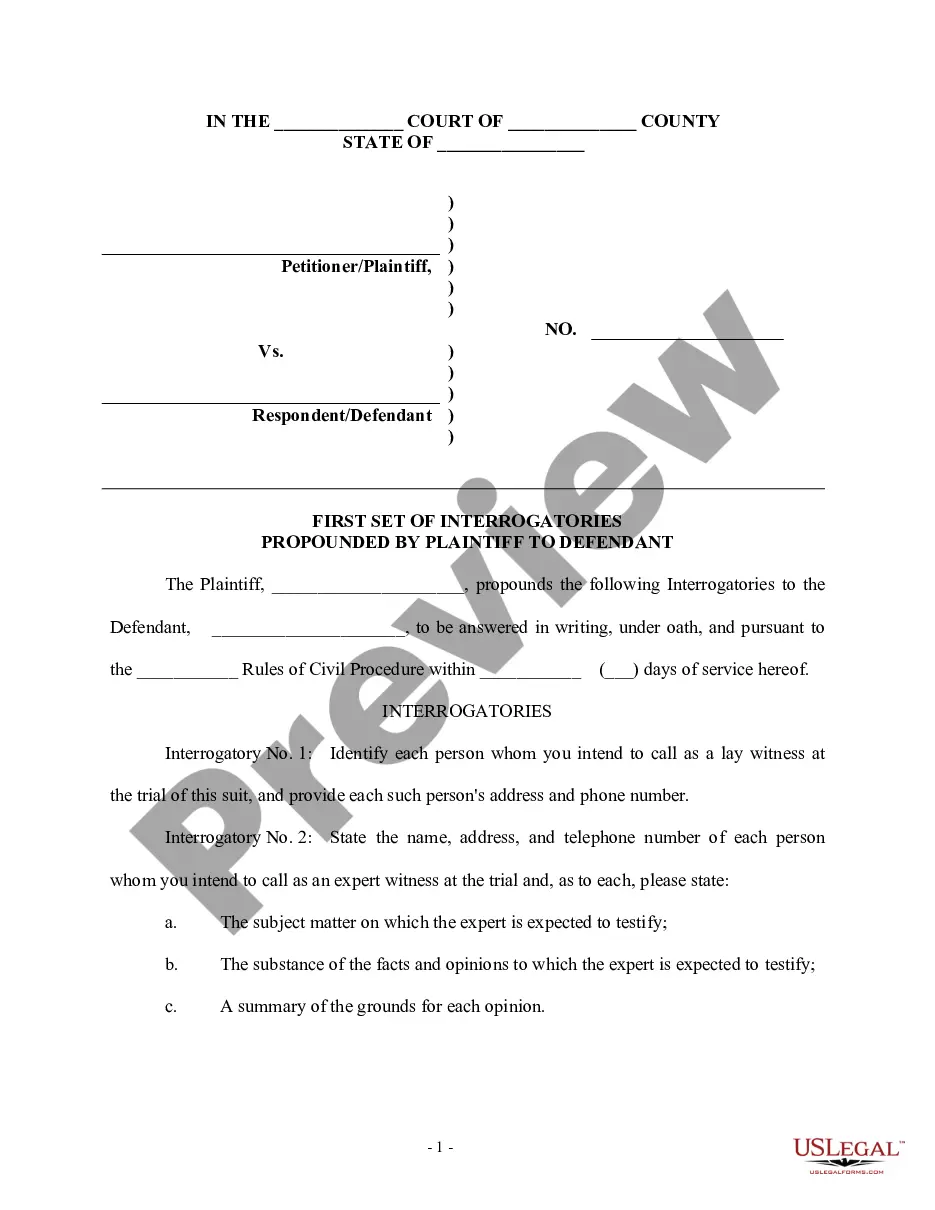
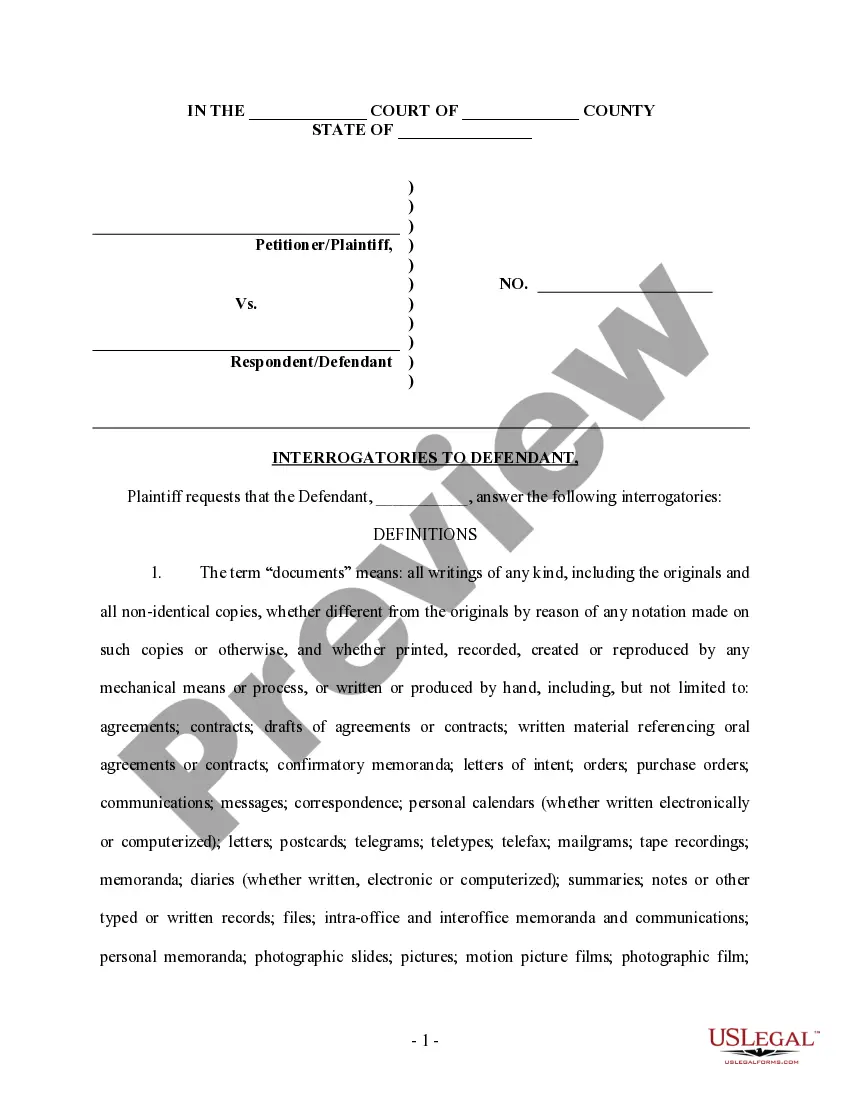
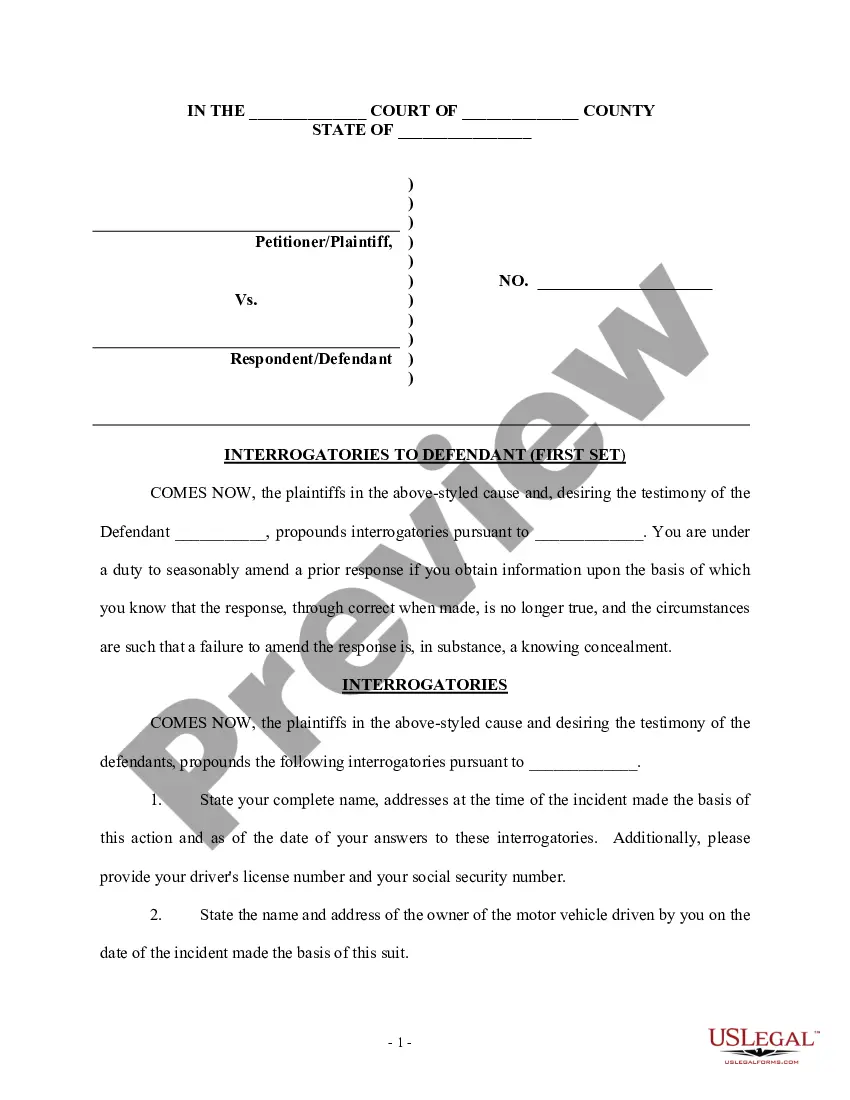
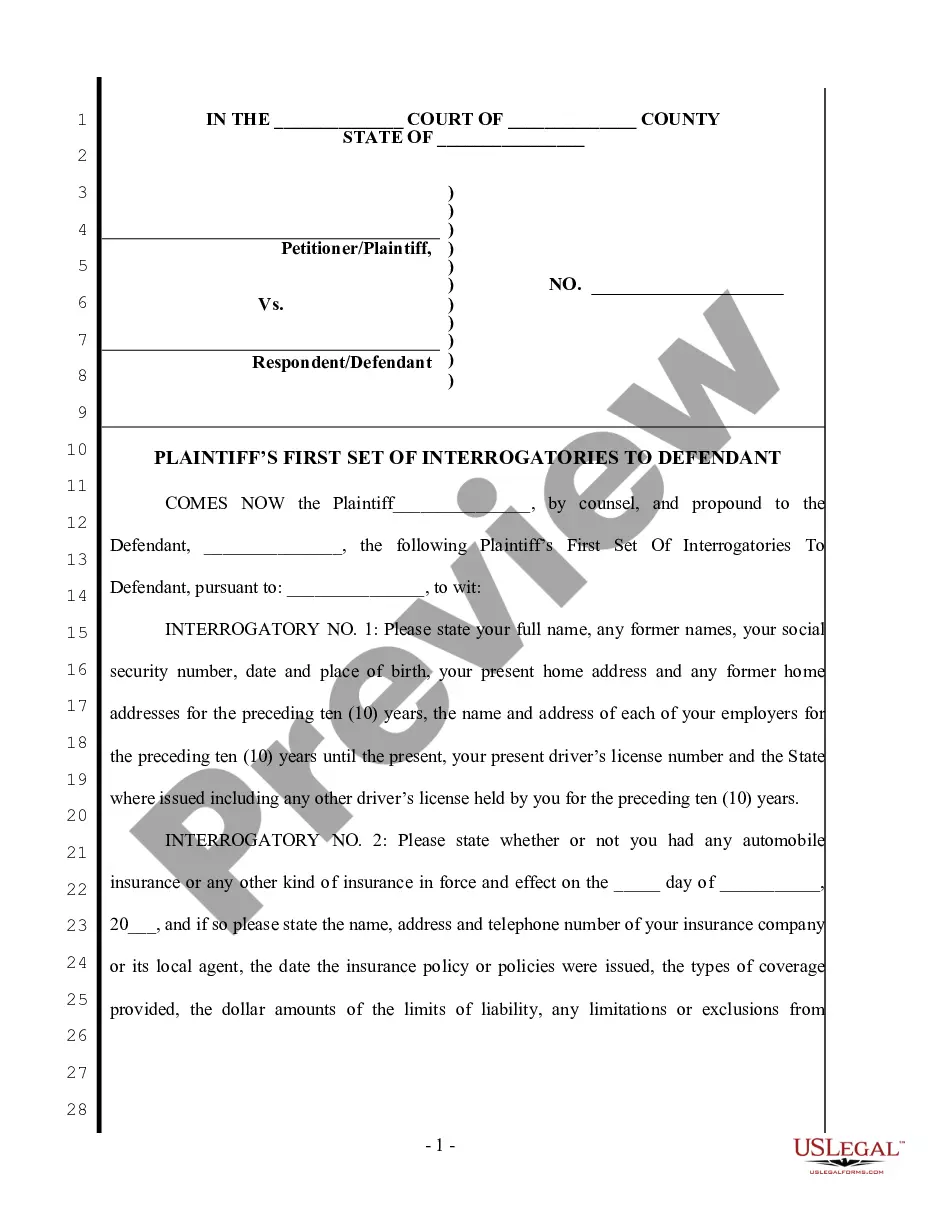



How to fill out Plaintiff's Interrogatories To Defendant - Personal Injury?
Whether for business purposes or for personal matters, everyone has to deal with legal situations at some point in their life. Completing legal paperwork demands careful attention, starting with selecting the proper form template. For instance, when you choose a wrong edition of the Accident Plaintiff Defendant Without Evidence, it will be rejected when you submit it. It is therefore essential to have a reliable source of legal files like US Legal Forms.
If you need to get a Accident Plaintiff Defendant Without Evidence template, follow these simple steps:
- Find the sample you need by using the search field or catalog navigation.
- Look through the form’s information to make sure it fits your situation, state, and region.
- Click on the form’s preview to see it.
- If it is the incorrect document, get back to the search function to find the Accident Plaintiff Defendant Without Evidence sample you need.
- Download the template when it meets your needs.
- If you already have a US Legal Forms profile, simply click Log in to gain access to previously saved files in My Forms.
- If you do not have an account yet, you can obtain the form by clicking Buy now.
- Pick the correct pricing option.
- Finish the profile registration form.
- Pick your payment method: use a credit card or PayPal account.
- Pick the document format you want and download the Accident Plaintiff Defendant Without Evidence.
- After it is downloaded, you can fill out the form with the help of editing applications or print it and complete it manually.
With a large US Legal Forms catalog at hand, you do not have to spend time seeking for the right sample across the internet. Take advantage of the library’s simple navigation to get the proper template for any situation.
Form popularity
FAQ
If the defendant doesn't answer in time, the Court can enter a default judgment. A default judgment can only be obtained in an Unlawful Detainer case for possession. You have to follow some steps and fill out forms to do this. See CCP 585 to learn the rules for default.
You have the legal right to sue someone whose actions cost you money. However, it's not always practical or cost-effective to do so if they have no money or assets. It's possible to file a lawsuit and win, but it's still difficult?or impossible?to collect the money if none exists.
Ability to Pay Has No Bearing on the Verdict One thing you should know is that the lack of the defendant's ability to pay won't bear any weight on the judgment from the court. The judge or jury will look at the facts of the case and any evidence presented to determine if they are liable for your claim.
What is the Burden Of Proof For Negligence? The burden of proof is the degree to which a particular party must prove their case in order to win at trial. In a negligence case, the aggrieved party (plaintiff) bears the burden of proof to show each element of their cause of action by a preponderance of the evidence.
When a defendant doesn't respond promptly, the plaintiff can ask the court to enter a default judgment against the defendant.