Supplemental Discovery Example For Discovery
Description
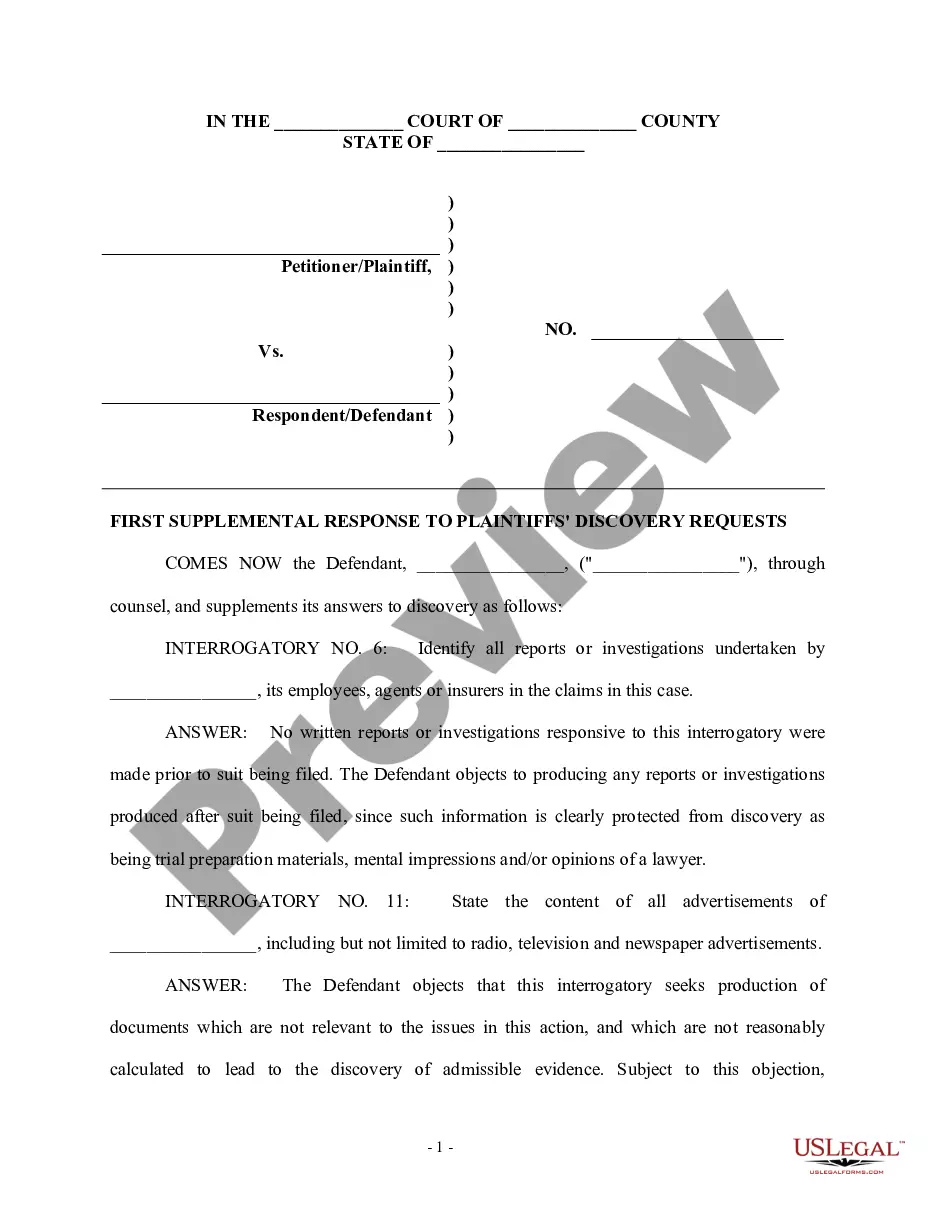
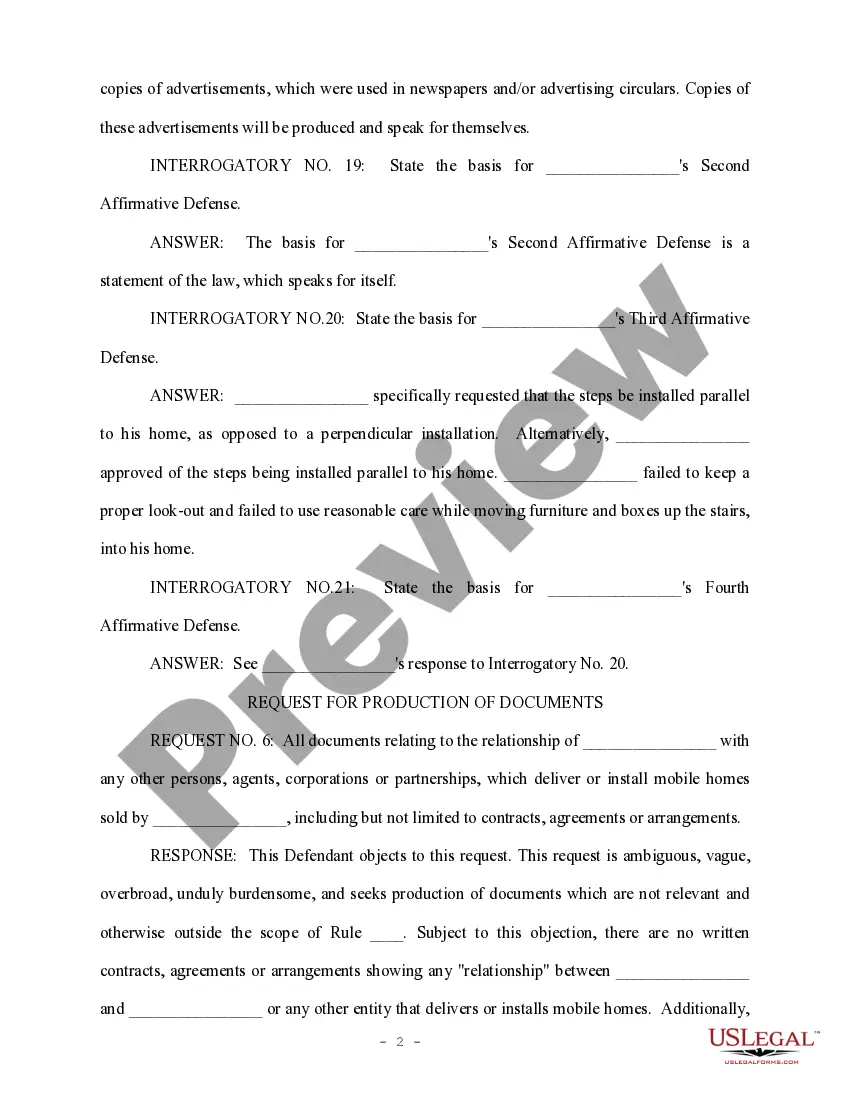
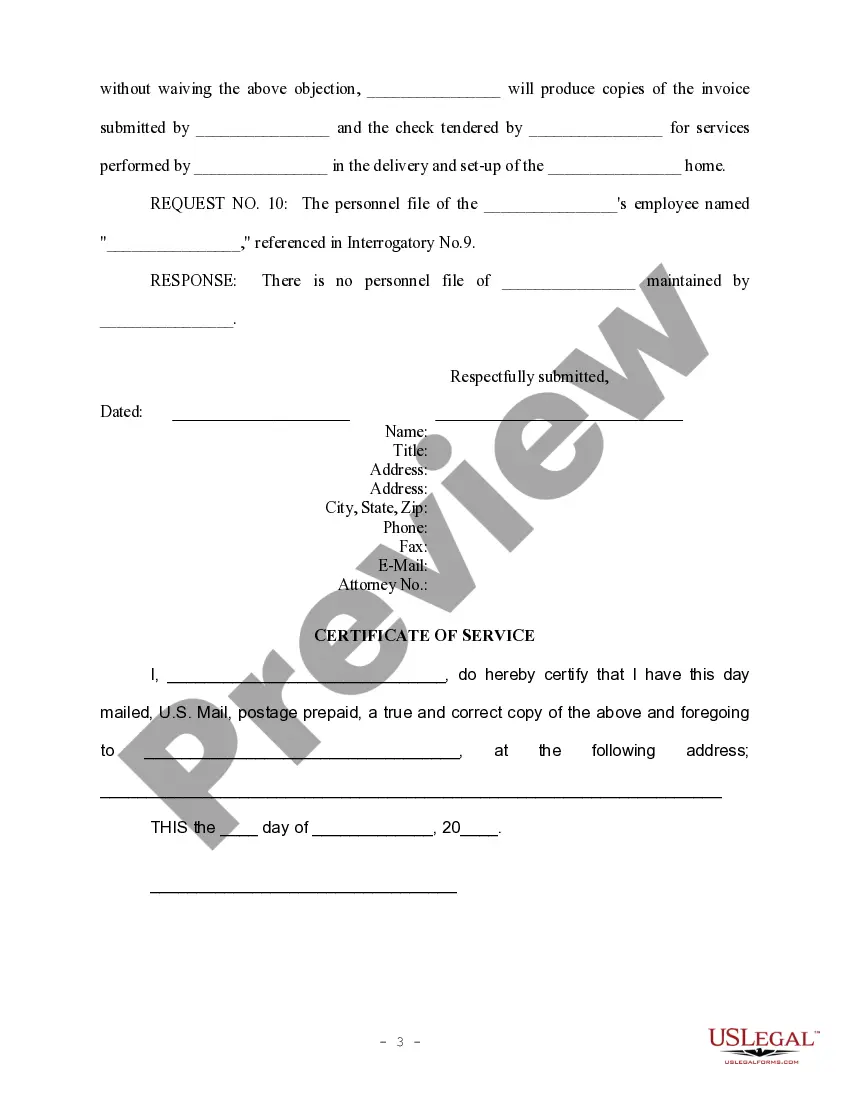
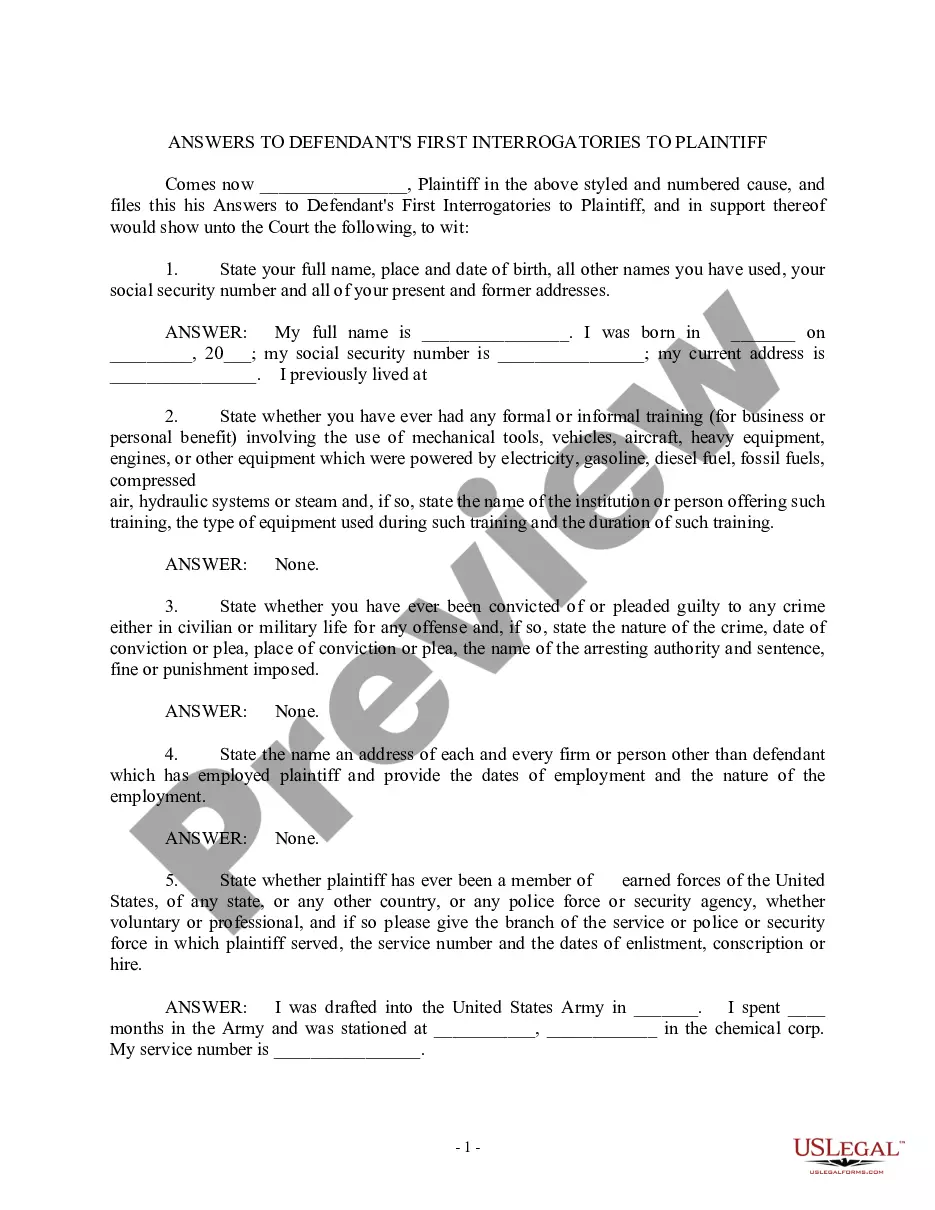
Get your form ready online
Our built-in tools help you complete, sign, share, and store your documents in one place.
Make edits, fill in missing information, and update formatting in US Legal Forms—just like you would in MS Word.
Download a copy, print it, send it by email, or mail it via USPS—whatever works best for your next step.
Sign and collect signatures with our SignNow integration. Send to multiple recipients, set reminders, and more. Go Premium to unlock E-Sign.
If this form requires notarization, complete it online through a secure video call—no need to meet a notary in person or wait for an appointment.
We protect your documents and personal data by following strict security and privacy standards.

Make edits, fill in missing information, and update formatting in US Legal Forms—just like you would in MS Word.

Download a copy, print it, send it by email, or mail it via USPS—whatever works best for your next step.

Sign and collect signatures with our SignNow integration. Send to multiple recipients, set reminders, and more. Go Premium to unlock E-Sign.

If this form requires notarization, complete it online through a secure video call—no need to meet a notary in person or wait for an appointment.

We protect your documents and personal data by following strict security and privacy standards.
Looking for another form?
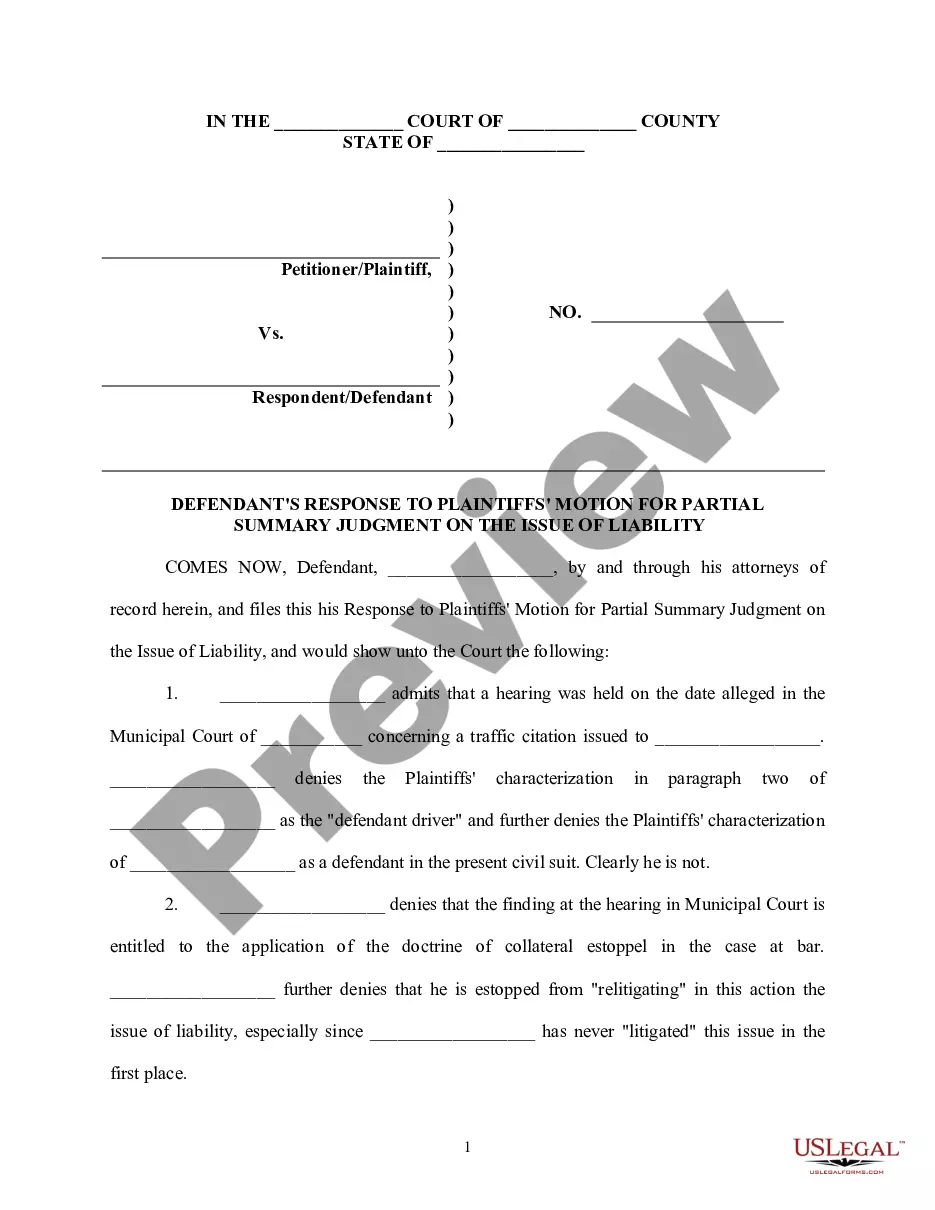
How to fill out Defendant's First Supplemental Response To Plaintiff's Discovery Request?
- If you are a returning user, log in to your account and select the required form template. Ensure your subscription is active; renew if necessary.
- For first-time users, begin by exploring the Preview mode and checking form descriptions to choose the correct one that fits your requirements.
- If you need another template, use the Search tab to find alternatives, ensuring they align with your needs.
- To purchase, click the Buy Now button and select your preferred subscription plan. You'll need to register to access the full library.
- Complete your transaction by entering your payment details through credit card or PayPal.
- Finally, download your selected form. Save it on your device for easy access, and remember you can revisit it in the My Forms section of your profile.
With US Legal Forms, you gain access to an extensive library of over 85,000 fillable and editable documents, more than many competitors offer. The platform also connects you with premium experts, ensuring your forms are completed correctly.
Streamline your legal document process today with US Legal Forms. Visit our site and explore the vast resources we offer!
Form popularity
FAQ
An example of discovery in court can be when one party submits a motion to compel because the other party failed to provide requested documents. The court then orders compliance to ensure all evidence is shared fairly. This emphasis on transparency is key to maintaining justice in the legal process. By looking at a supplemental discovery example for discovery, you can better grasp how this plays out in a courtroom scenario.
An example of process discovery includes analyzing business processes to identify efficiency gaps or compliance issues. This examination helps organizations understand internal workflows, often resulting in improved operations. Keeping in mind a supplemental discovery example for discovery can provide insights into how process discovery can influence legal cases involving business practices.
The obligation to supplement discovery refers to the requirement that parties must provide updated information if new evidence or changes arise. This duty ensures that all relevant information is shared throughout the litigation process. Failing to fulfill this obligation can lead to sanctions or unfavorable outcomes. A supplemental discovery example for discovery can shed light on how to manage these obligations effectively.
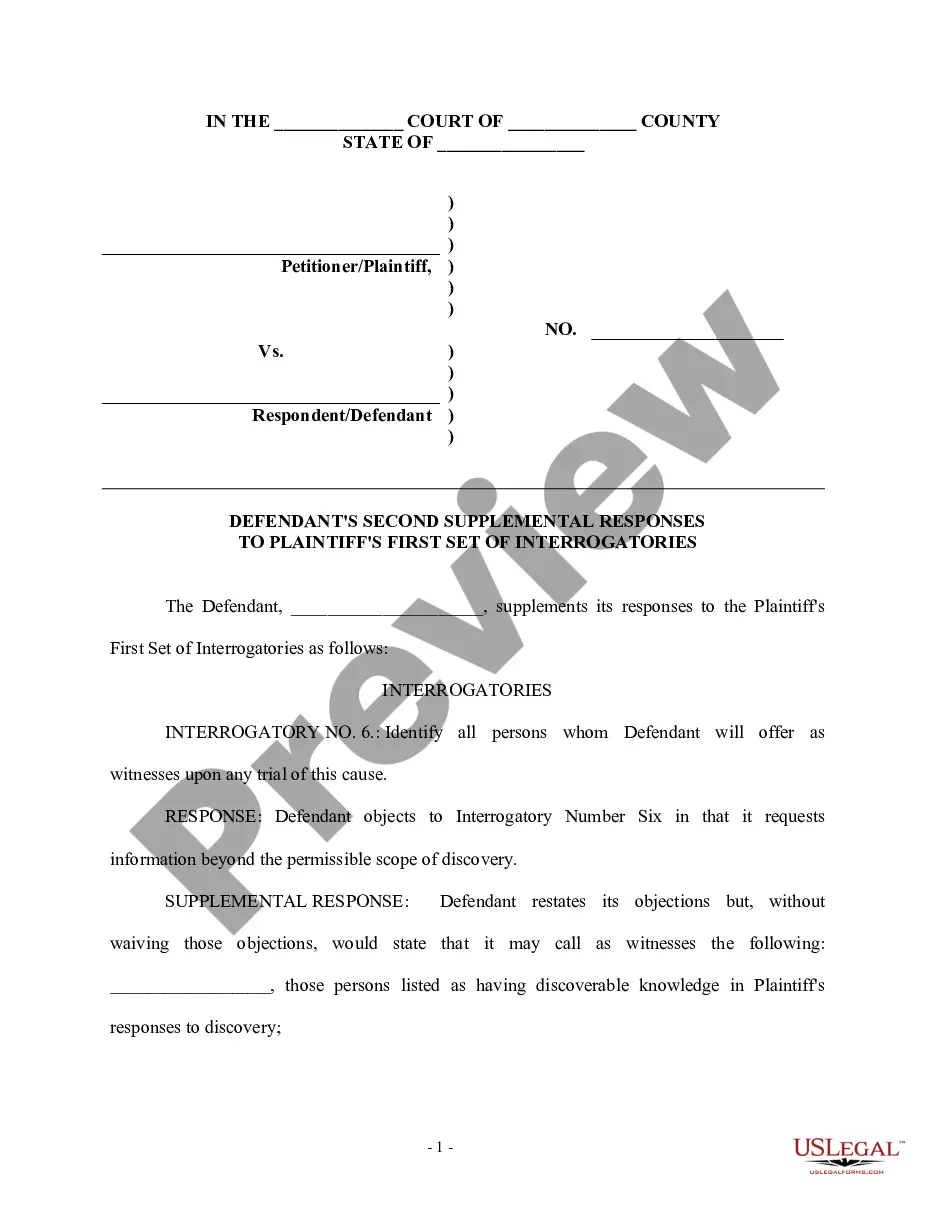
A supplemental response to a discovery request is an update or additional information provided after the initial response has been submitted. This could occur if new evidence comes to light or if the requesting party identifies further details they need. Ensuring compliance with supplemental responses is vital for maintaining the integrity of your case. Referencing a supplemental discovery example for discovery can help clarify what should be included.
An example of discovery of evidence might involve taking depositions, where witnesses provide sworn testimony about the case. This testimony serves as a crucial source of evidence, helping both sides understand the facts. By practicing with a supplemental discovery example for discovery, you can better prepare for managing and presenting evidence.
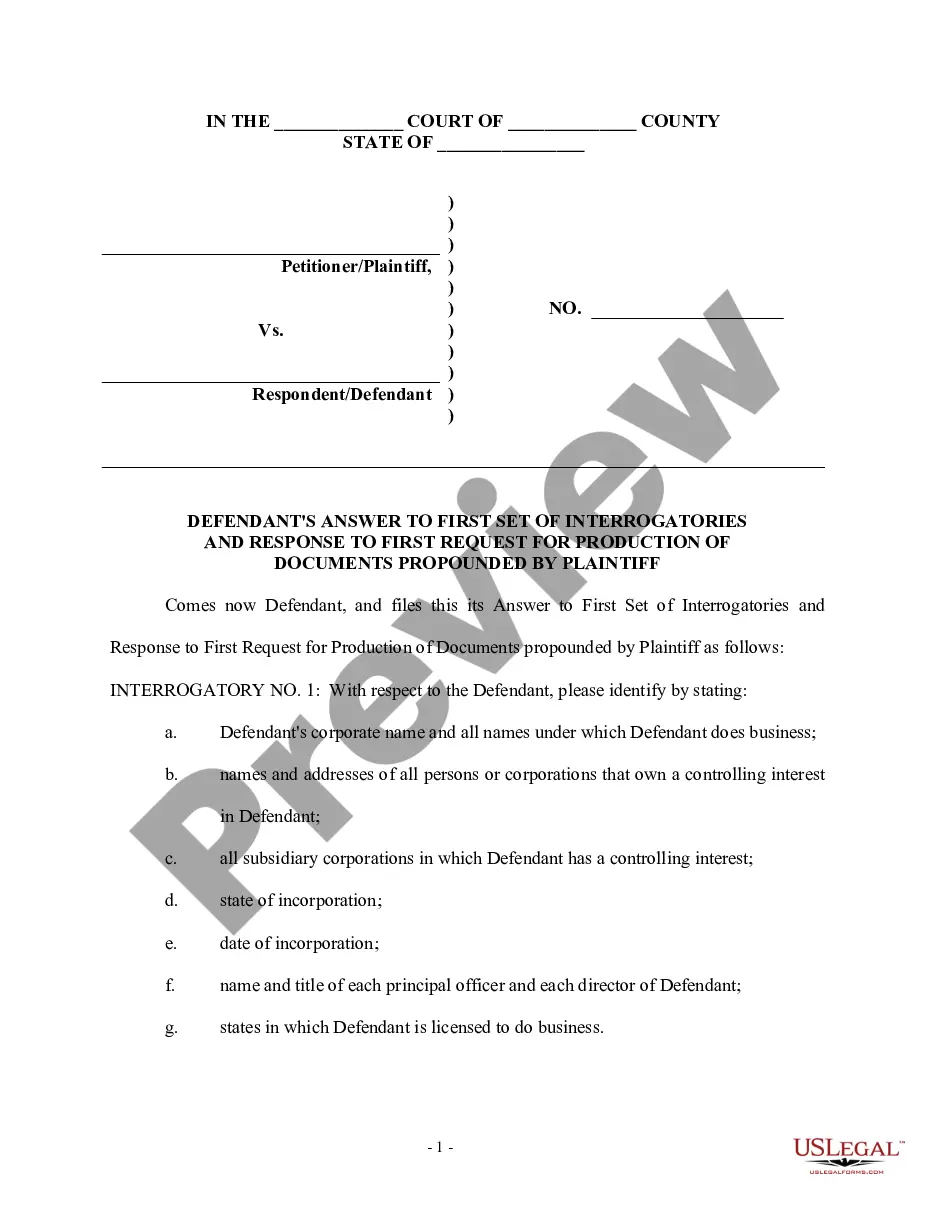
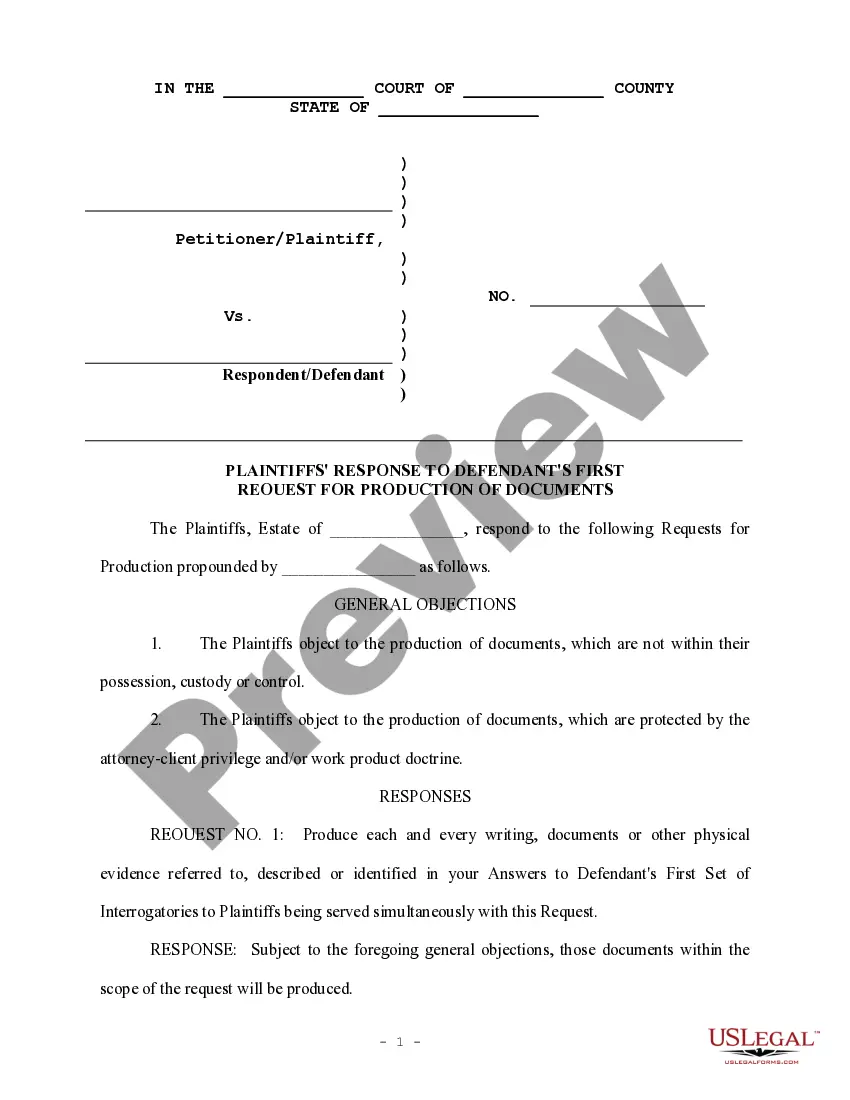
A common example of a discovery is the request for production of documents. This allows one party to request specific documents from another party that are relevant to the case. The receiving party must provide these documents or explain why they cannot. Utilizing a supplemental discovery example for discovery can help you navigate this process effectively.
Evidence discovery refers to the process of gathering and disclosing information relevant to a legal case. This can involve collecting documents, testimonies, and other forms of evidence that could support your argument or defense. Understanding the importance of evidence discovery will help you build a stronger case. A supplemental discovery example for discovery can illustrate the necessary steps to take during this phase.
Typically, you have 30 days to respond to supplemental discovery requests after you receive them. It is important to check your local laws and court rules, as they may require different timelines. Prompt responses can help keep your case on track and ensure that all parties are informed. Using a supplemental discovery example for discovery can help clarify what is expected in your specific situation.
Supplemental responses refer to additional information provided after the initial discovery phase. These responses can clarify previous answers or introduce new evidence that may be relevant to your case. In the context of a supplemental discovery example for discovery, these responses serve to enhance your understanding of the facts at hand and may significantly influence the outcome of your case. Utilizing platforms like US Legal Forms can help you streamline this process and ensure accuracy in your supplemental responses.
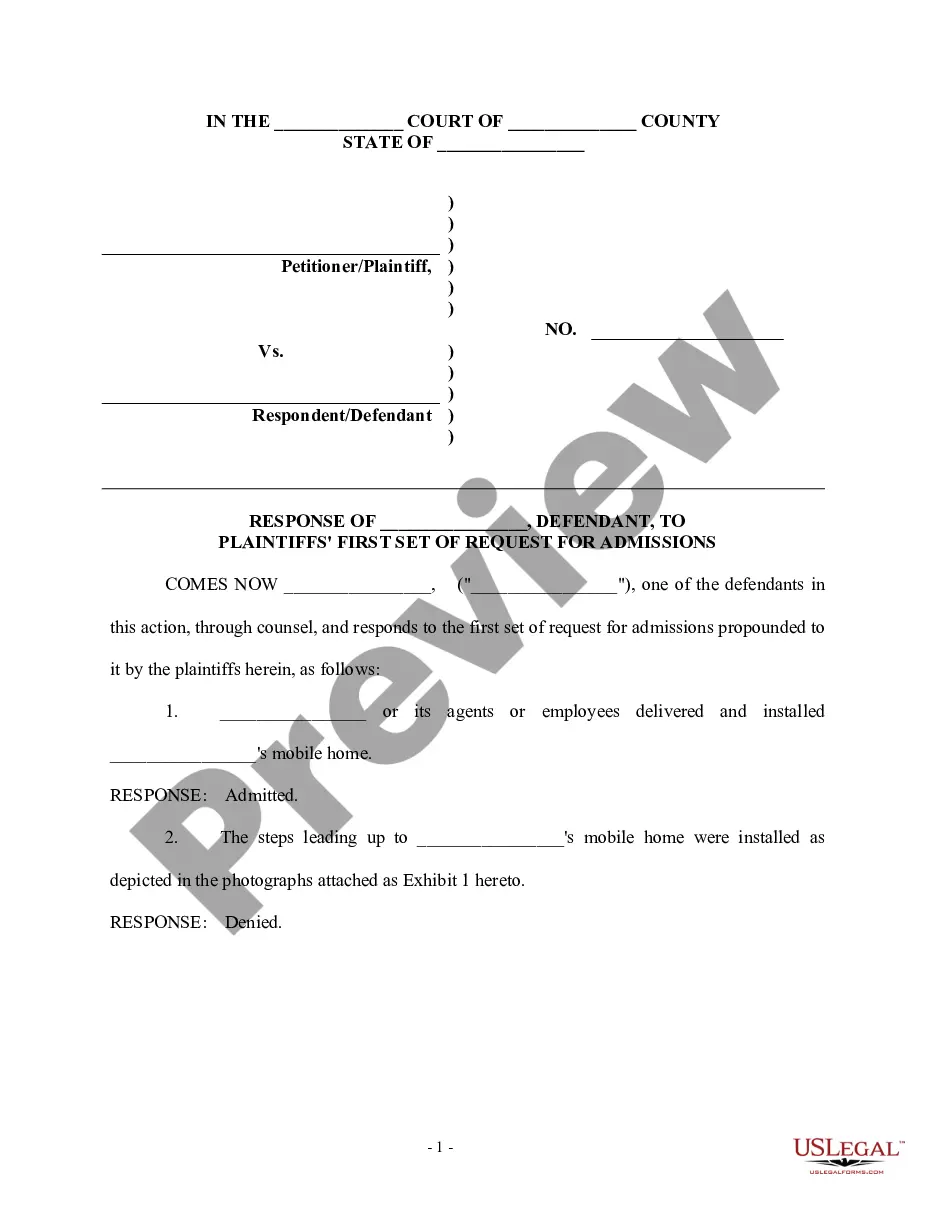
Yes, supplemental discovery responses typically need to be verified under oath. This verification ensures that the information provided is accurate and truthful. When considering a supplemental discovery example for discovery, it's crucial to remember that these responses carry legal weight, just like the original documents. Therefore, understanding the verification process can help you maintain compliance and strengthen your case.