Supplemental Discovery Example For Criminal Case
Description

Get your form ready online
Our built-in tools help you complete, sign, share, and store your documents in one place.
Make edits, fill in missing information, and update formatting in US Legal Forms—just like you would in MS Word.
Download a copy, print it, send it by email, or mail it via USPS—whatever works best for your next step.
Sign and collect signatures with our SignNow integration. Send to multiple recipients, set reminders, and more. Go Premium to unlock E-Sign.
If this form requires notarization, complete it online through a secure video call—no need to meet a notary in person or wait for an appointment.
We protect your documents and personal data by following strict security and privacy standards.

Make edits, fill in missing information, and update formatting in US Legal Forms—just like you would in MS Word.

Download a copy, print it, send it by email, or mail it via USPS—whatever works best for your next step.

Sign and collect signatures with our SignNow integration. Send to multiple recipients, set reminders, and more. Go Premium to unlock E-Sign.

If this form requires notarization, complete it online through a secure video call—no need to meet a notary in person or wait for an appointment.

We protect your documents and personal data by following strict security and privacy standards.
Looking for another form?

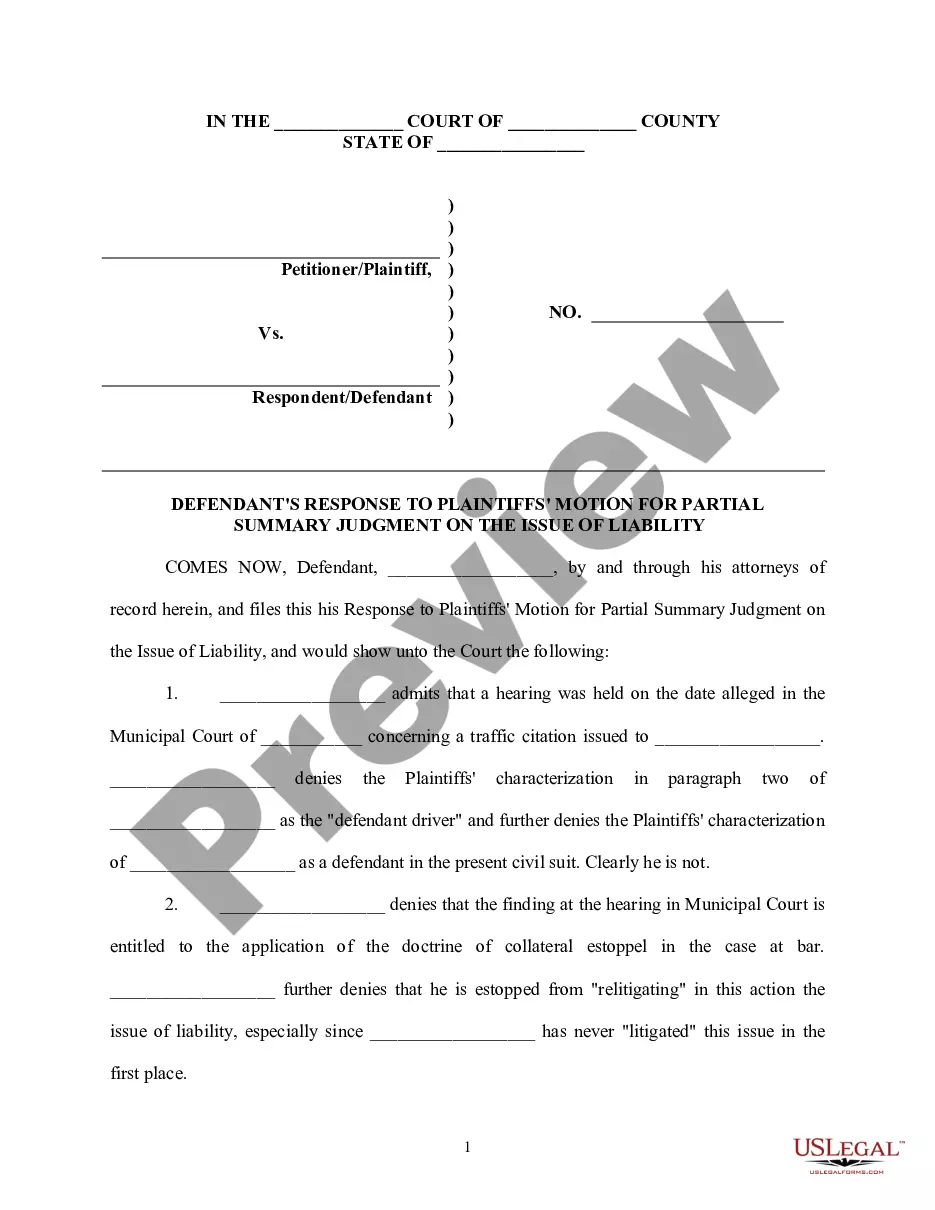
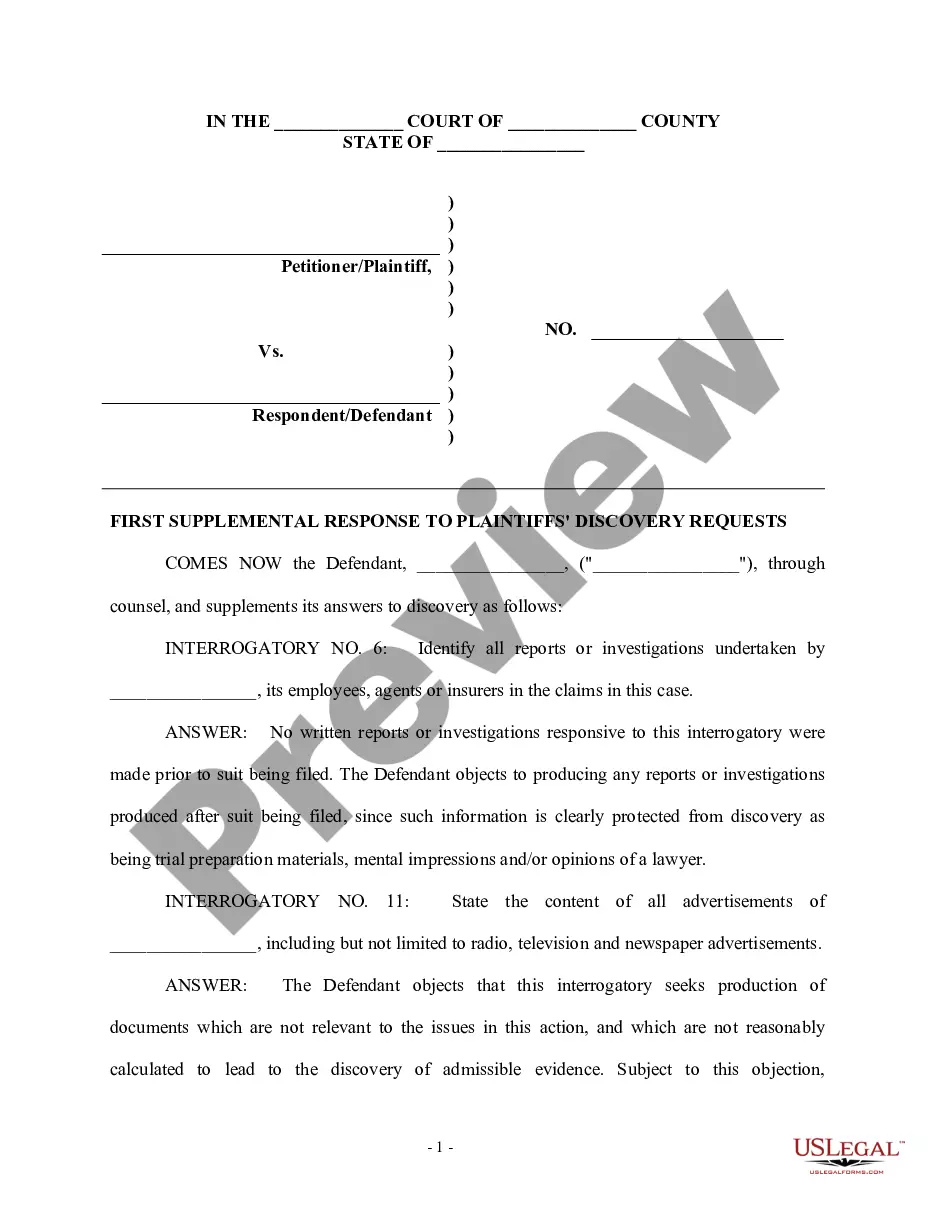
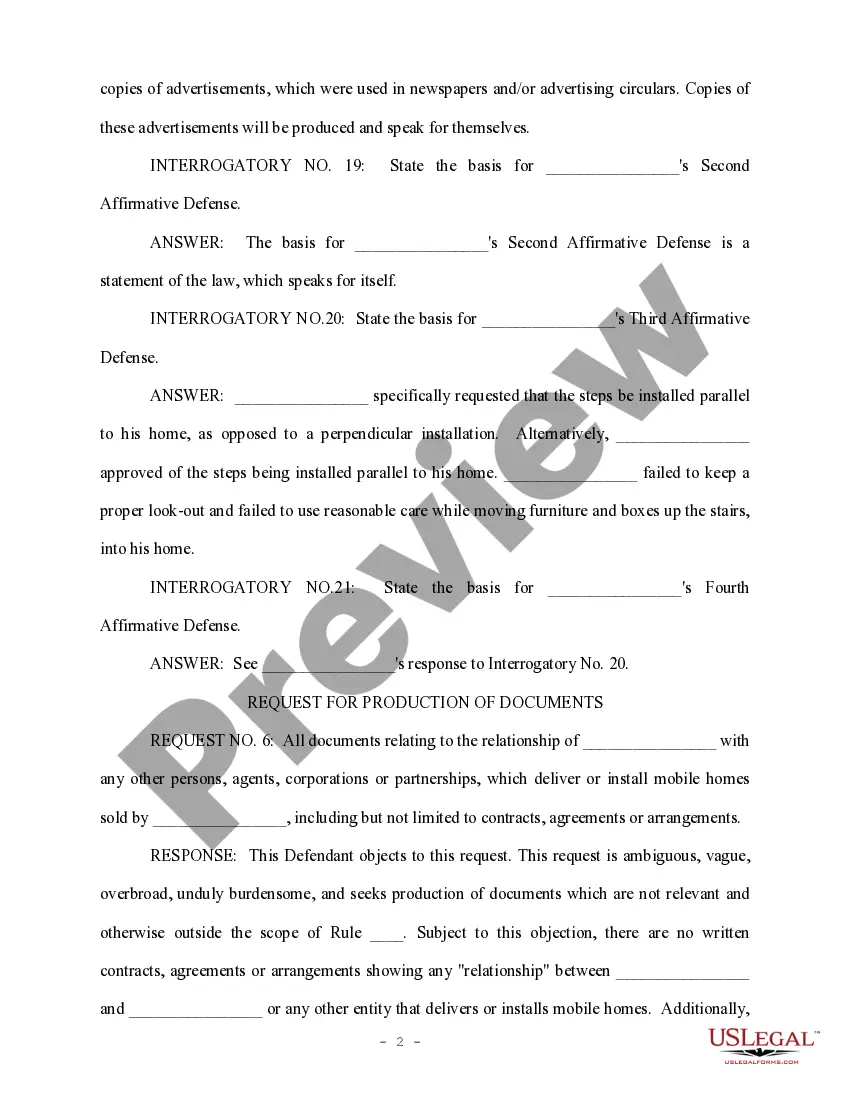
How to fill out Defendant's First Supplemental Response To Plaintiff's Discovery Request?
- Log in to your US Legal Forms account if you're a returning user, ensuring your subscription is active. If needed, renew your plan.
- For first-time users, start by browsing through the extensive library. Use the Preview mode to confirm you've selected the correct form that aligns with your local jurisdiction.
- If a form doesn't meet your needs, utilize the Search tab to find an alternative that fits your requirements.
- Once you've selected the right document, click the Buy Now button and choose your desired subscription plan. Registration is required for full access.
- Complete your purchase by entering your credit card information or selecting your PayPal account for a seamless transaction.
- After purchasing, download the document directly to your device, and find it in the My Forms section of your profile for future access.
With US Legal Forms, you gain access to over 85,000 customizable legal forms, allowing you to file documents with confidence. Their commitment to user-friendly resources ensures you have precisely what you need without unnecessary complications.
Ready to streamline your legal document process? Visit US Legal Forms today to get started!
Form popularity
FAQ
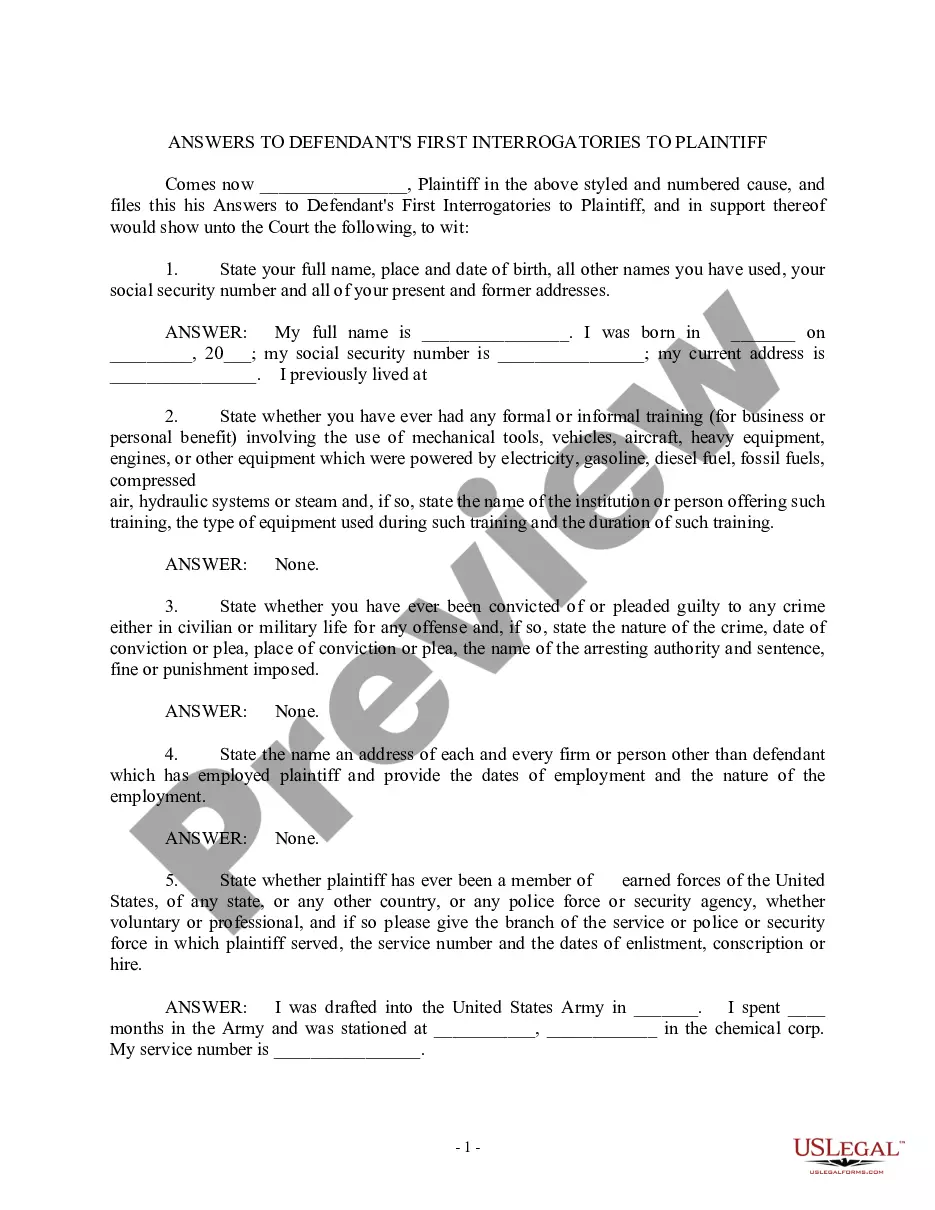
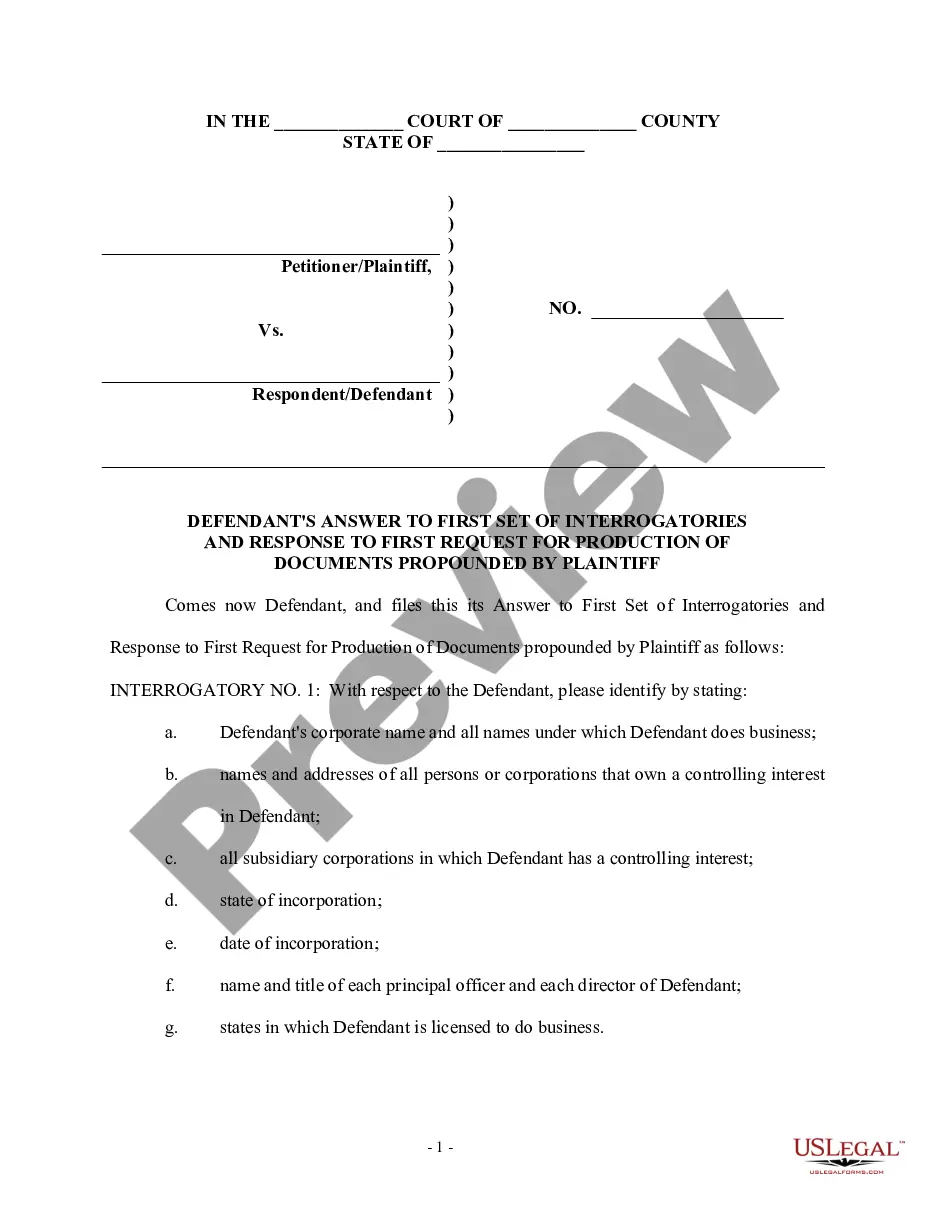
A felony supplemental discovery form is a legal document used in criminal cases to request additional evidence or information after the initial discovery process. This form becomes particularly important when new information arises or when specific details are needed to support a defense. By utilizing a supplemental discovery example for criminal case, defendants can efficiently gather necessary materials to bolster their argument. US Legal Forms offers templates for these forms, making it easier for individuals to navigate the legal landscape.
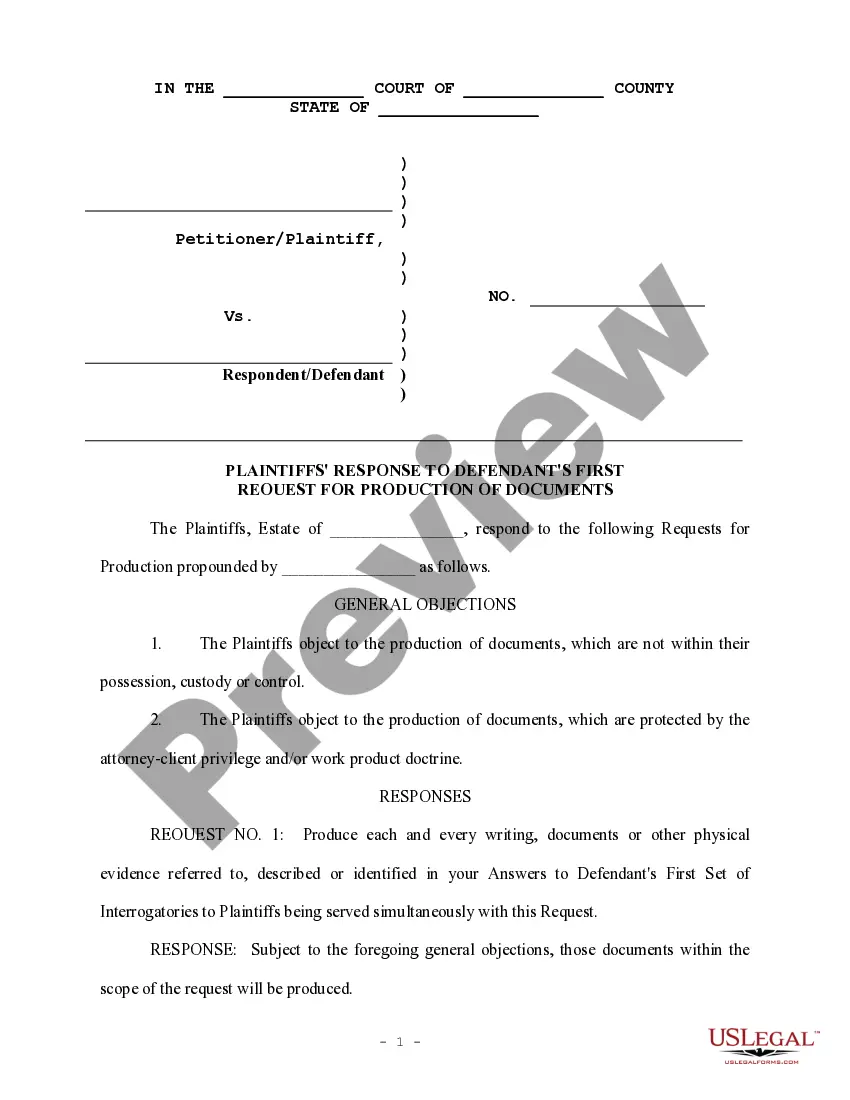
An example of the discovery process in a criminal case involves gathering evidence from both the prosecution and defense. During this stage, the parties exchange documents, witness statements, and other pertinent information relevant to the case. This exchange allows both sides to understand the evidence against them and assists in building a stronger argument. Implementing a supplemental discovery example for criminal case not only clarifies what additional evidence is needed but also ensures fairness in the judicial process.
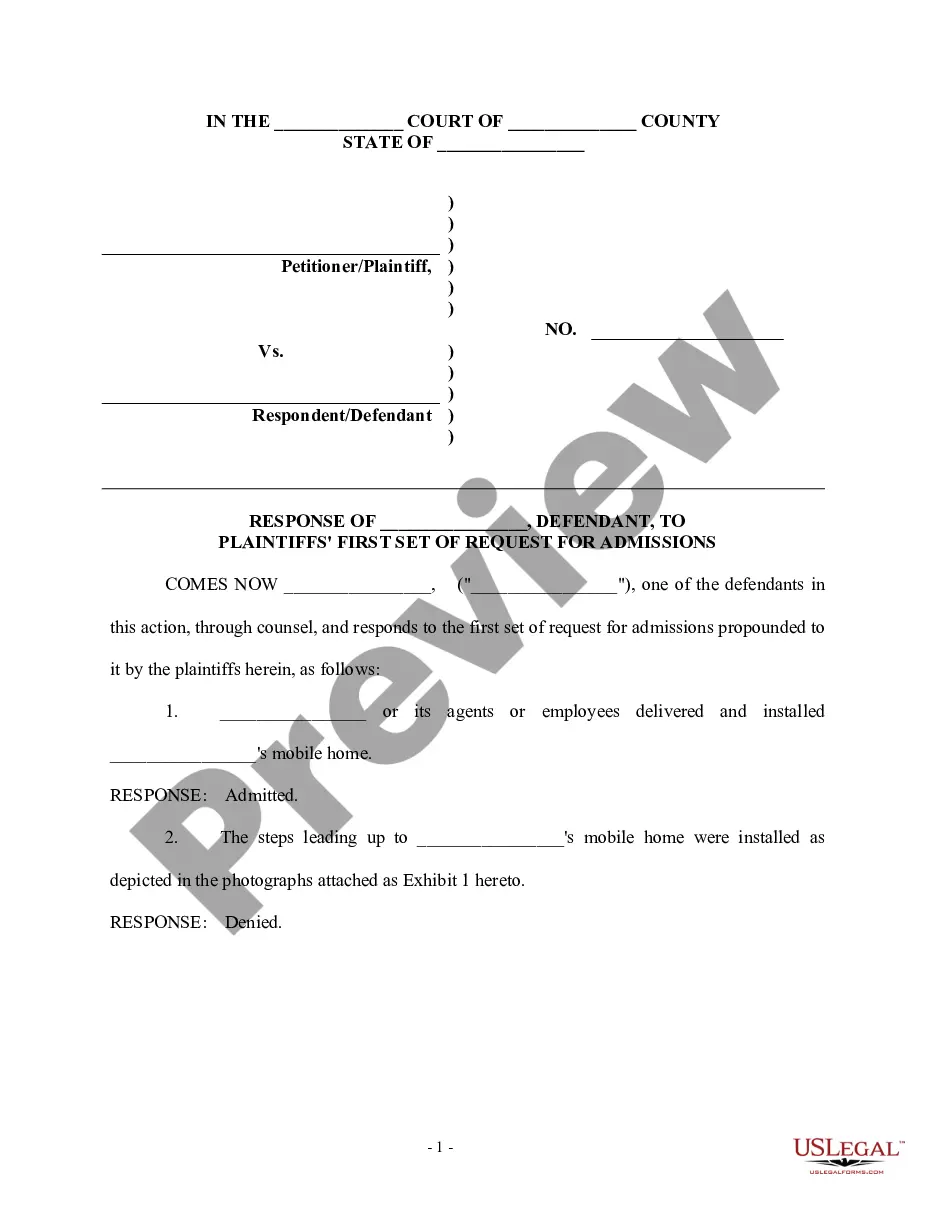
A supplemental answer to discovery filed is a response that includes new or additional information not present in the original answer. This enables the responding party to clarify or expand upon details as they arise. A supplemental discovery example for a criminal case may showcase how new insights can reshape strategies for both the defense and prosecution, ensuring a fair trial process.
A notice of discovery supplemental filed is a formal document submitted to inform the opposing party about new evidence or changes to previously shared information. This document ensures transparency and compliance with discovery obligations. In a supplemental discovery example for a criminal case, filing this notice strengthens the legal position of the party providing the update.
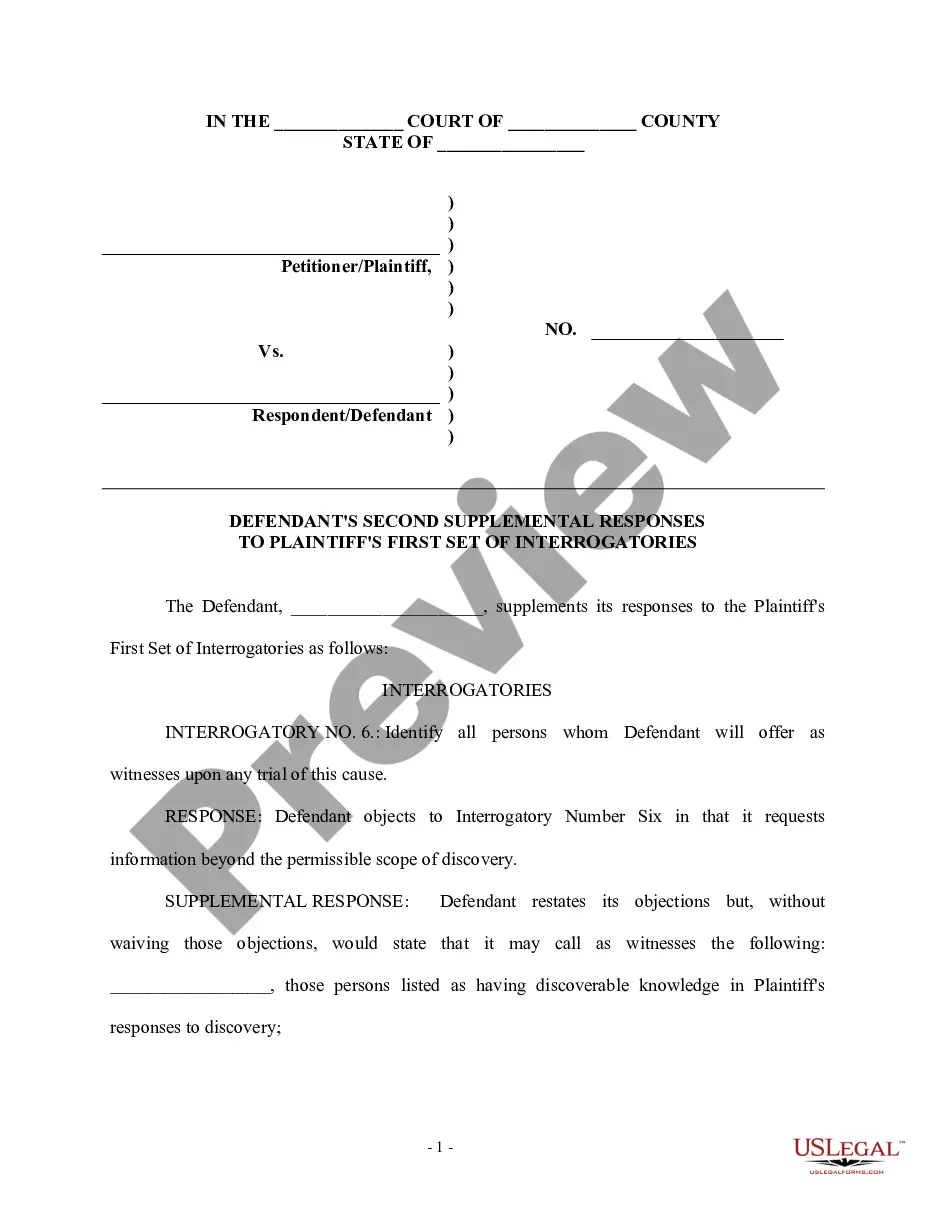
Supplemental responses refer to the updated answers provided to previous discovery requests when new information is available. This process is essential for keeping both parties informed about the evidence that may affect the case. In a supplemental discovery example for a criminal case, these updates can play a pivotal role in the direction of the trial.
To supplement discovery means to provide additional information or documents that were not included in the initial exchange. This step is crucial in ensuring all relevant evidence is disclosed to both parties. A supplemental discovery example for a criminal case might involve newly acquired witness accounts or forensic analyses that emerge after the initial submissions.
Generally, the time to respond to supplemental discovery varies by jurisdiction, but it is commonly around 30 days from the date of notice. This timeframe allows the receiving party to review the new evidence thoroughly. In a supplemental discovery example for a criminal case, adhering to this timeline is critical for building a strong defense or prosecution.
The obligation to supplement discovery means that when new evidence arises or is acquired, parties must update their previously shared information. This process ensures that all essential facts are disclosed before a trial. Specifically, in a supplemental discovery example for a criminal case, timely updates can significantly impact the legal strategy for both sides.
An example of discovery of evidence in a criminal case might include the exchange of important documents, photographs, or witness statements related to the crime. These items help both the prosecution and defense prepare their cases effectively. In the context of a supplemental discovery example for a criminal case, additional evidence might emerge after the initial exchange, requiring both parties to stay informed.
Yes, the discovery rule applies to criminal cases, allowing both parties to obtain and share relevant information beforehand. This process helps ensure fairness and transparency in the judicial system. Understanding discovery rules can significantly impact a case's outcome, especially when looking at a supplemental discovery example for a criminal case. It highlights the importance of being well-informed on your rights and obligations.