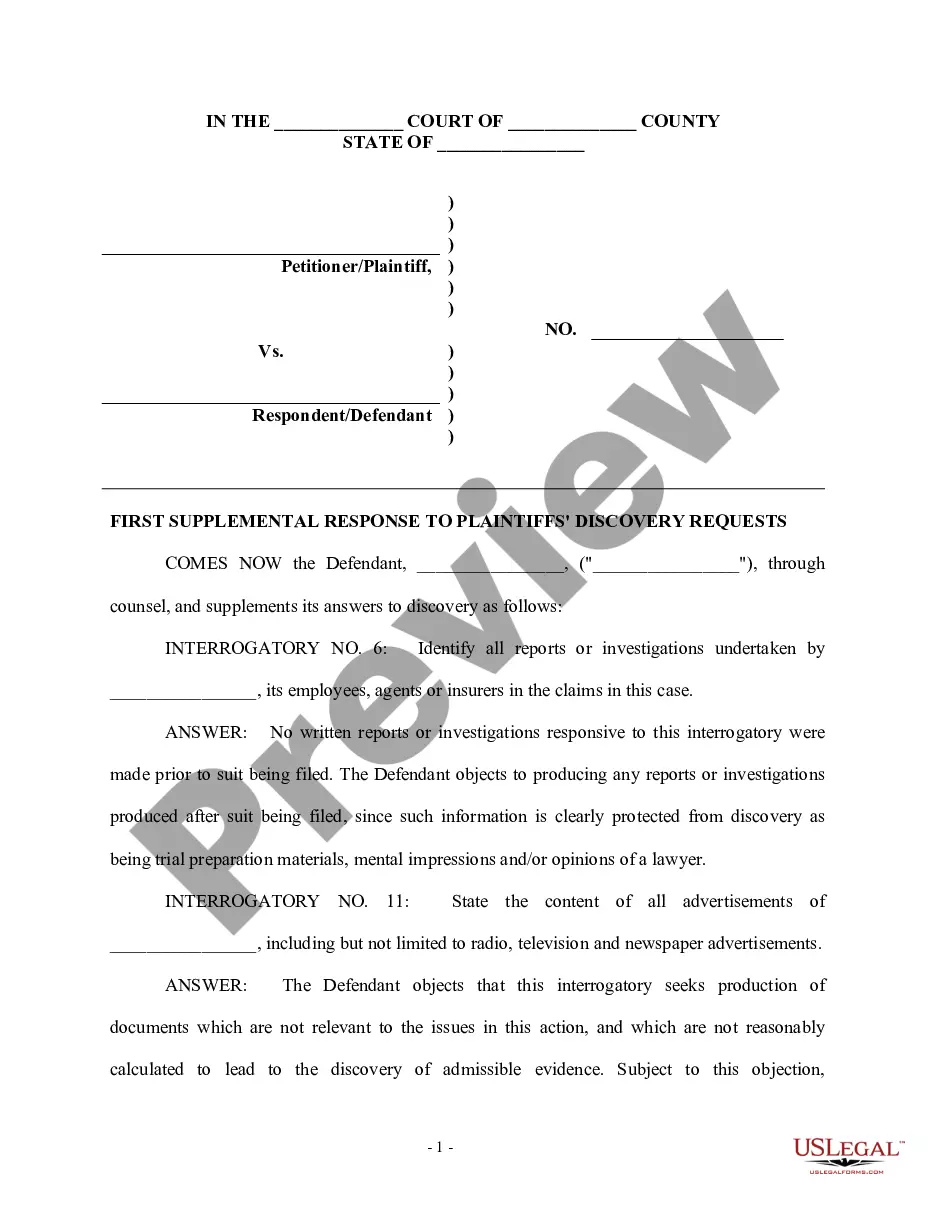
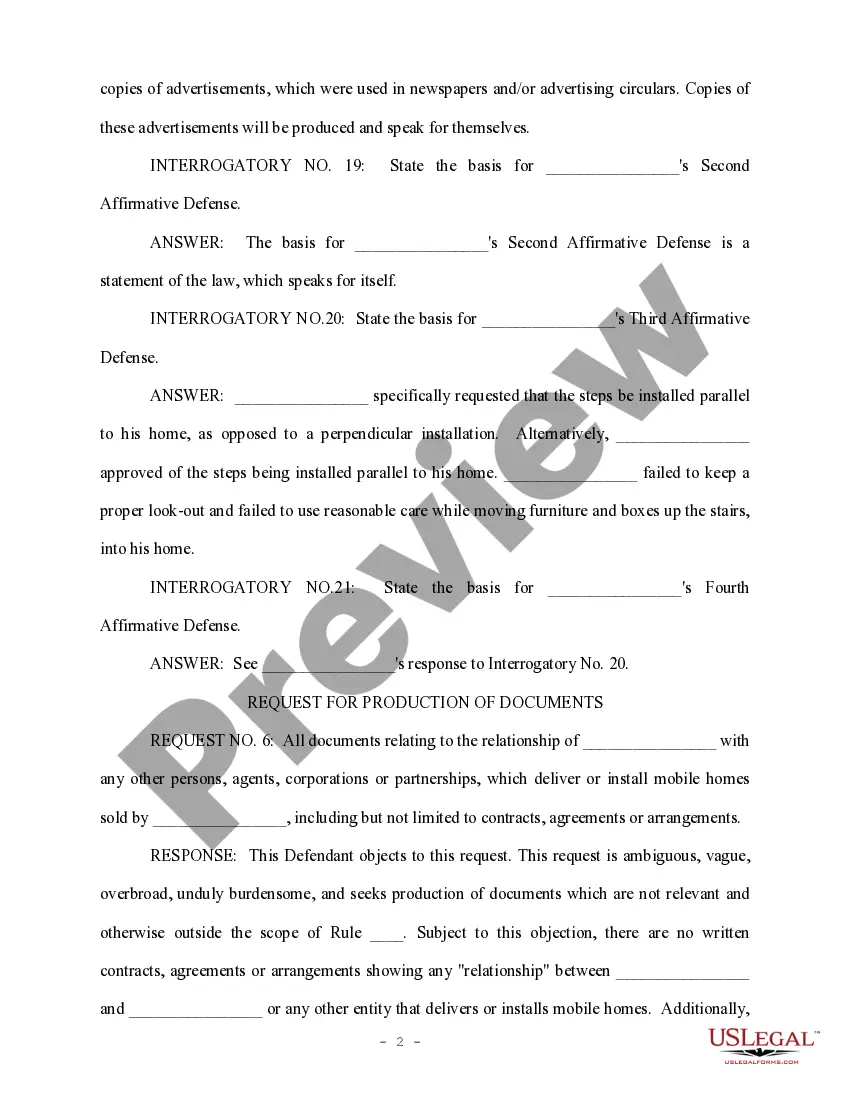
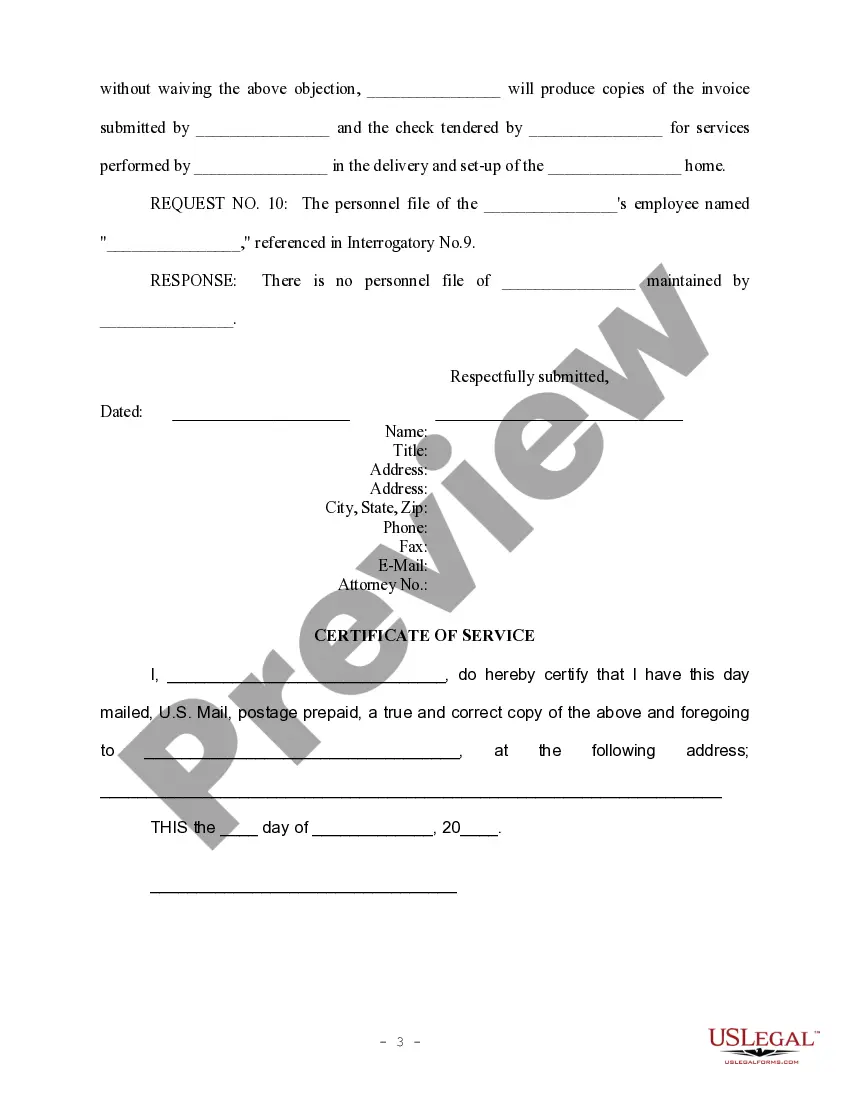
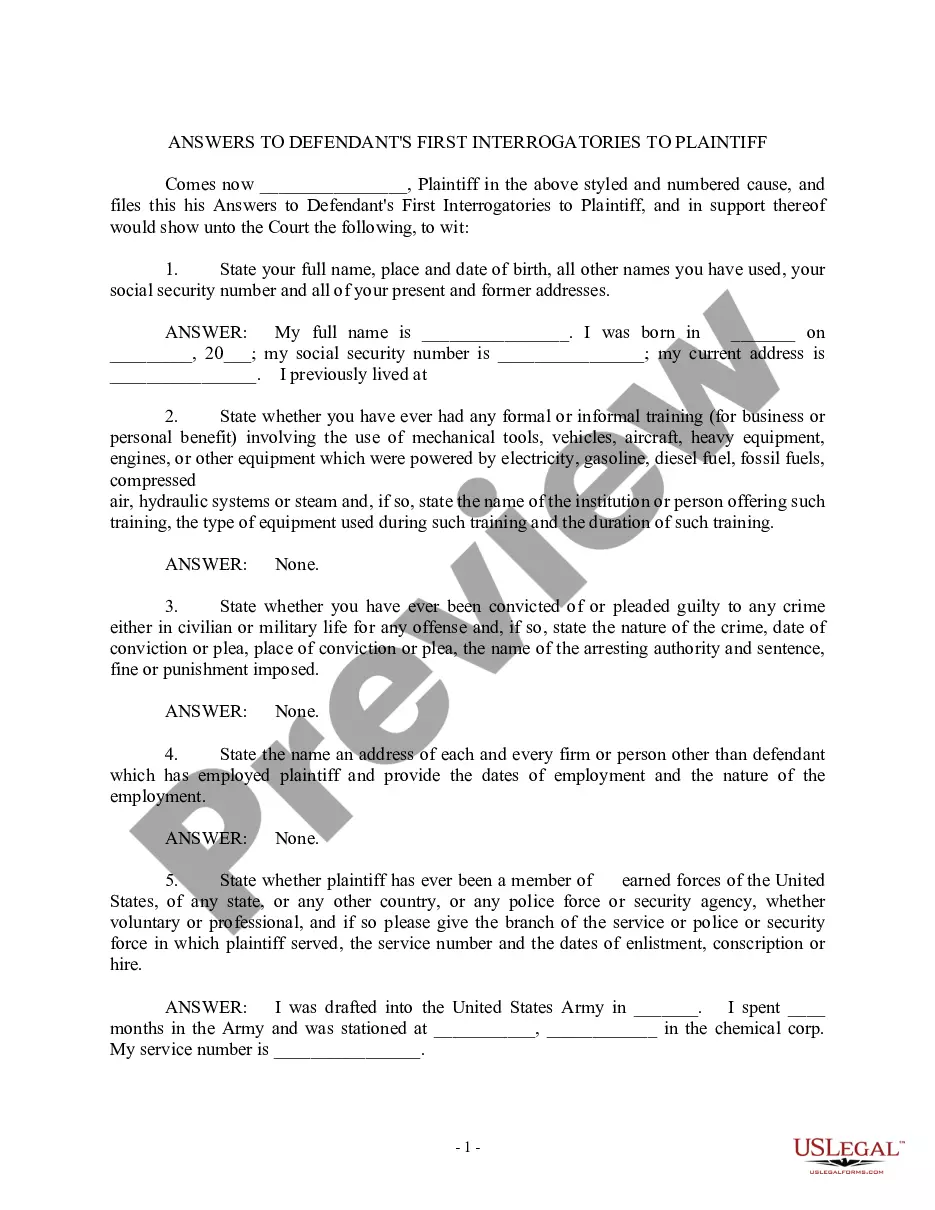
Supplemental Discovery Example For Court
Description
Get your form ready online
Our built-in tools help you complete, sign, share, and store your documents in one place.
Make edits, fill in missing information, and update formatting in US Legal Forms—just like you would in MS Word.
Download a copy, print it, send it by email, or mail it via USPS—whatever works best for your next step.
Sign and collect signatures with our SignNow integration. Send to multiple recipients, set reminders, and more. Go Premium to unlock E-Sign.
If this form requires notarization, complete it online through a secure video call—no need to meet a notary in person or wait for an appointment.
We protect your documents and personal data by following strict security and privacy standards.

Make edits, fill in missing information, and update formatting in US Legal Forms—just like you would in MS Word.

Download a copy, print it, send it by email, or mail it via USPS—whatever works best for your next step.

Sign and collect signatures with our SignNow integration. Send to multiple recipients, set reminders, and more. Go Premium to unlock E-Sign.

If this form requires notarization, complete it online through a secure video call—no need to meet a notary in person or wait for an appointment.

We protect your documents and personal data by following strict security and privacy standards.
Looking for another form?


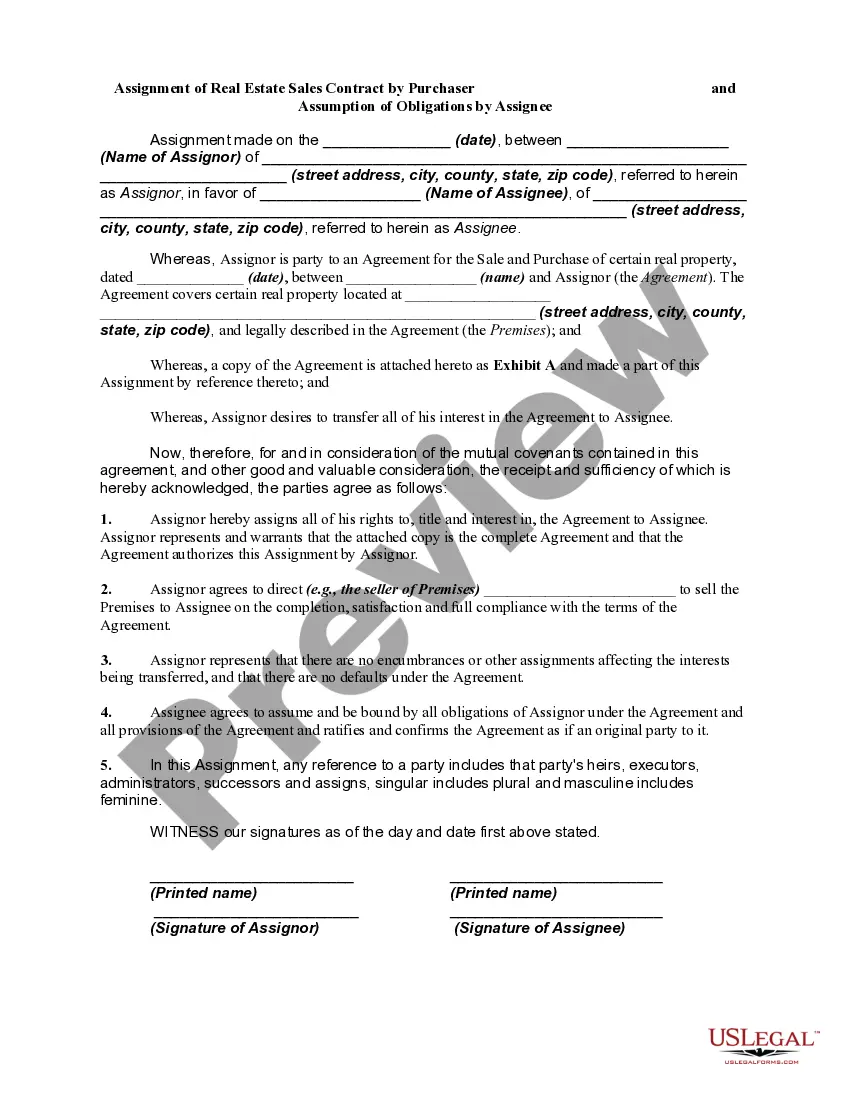
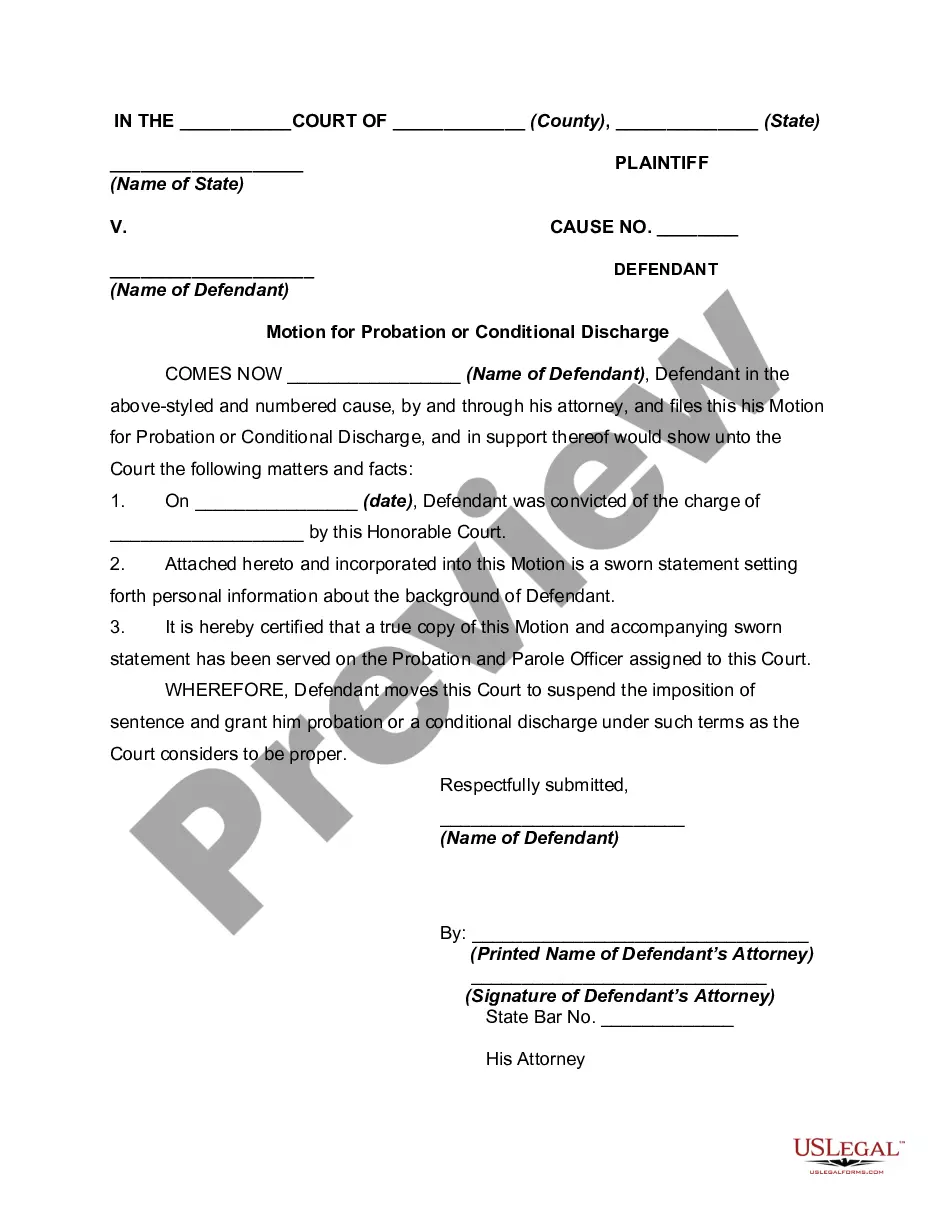

How to fill out Defendant's First Supplemental Response To Plaintiff's Discovery Request?
- Log in to your US Legal Forms account if you're a returning user to access your templates. Ensure your subscription is active; renew if necessary.
- Preview the document description to confirm it meets your requirements and adheres to local jurisdictional rules before proceeding.
- Search for different templates if needed using the search functionality to find the most suitable form.
- Select the document by clicking the 'Buy Now' button, choosing a subscription plan that fits your needs; registration is required to access the full library.
- Complete your purchase by entering your payment details or utilizing PayPal. Ensure you maintain your subscription for future access.
- Download the selected form to your device, which allows you to complete it and access it later from the 'My Forms' section of your profile.
By following these steps, you can efficiently obtain legal documents that are tailored to your needs. US Legal Forms not only offers a substantial library of templates but also ensures that users receive guidance from legal experts to assist with form completion.
Start your legal document journey today by visiting US Legal Forms and experience the ease of obtaining your supplemental discovery example for court!
Form popularity
FAQ
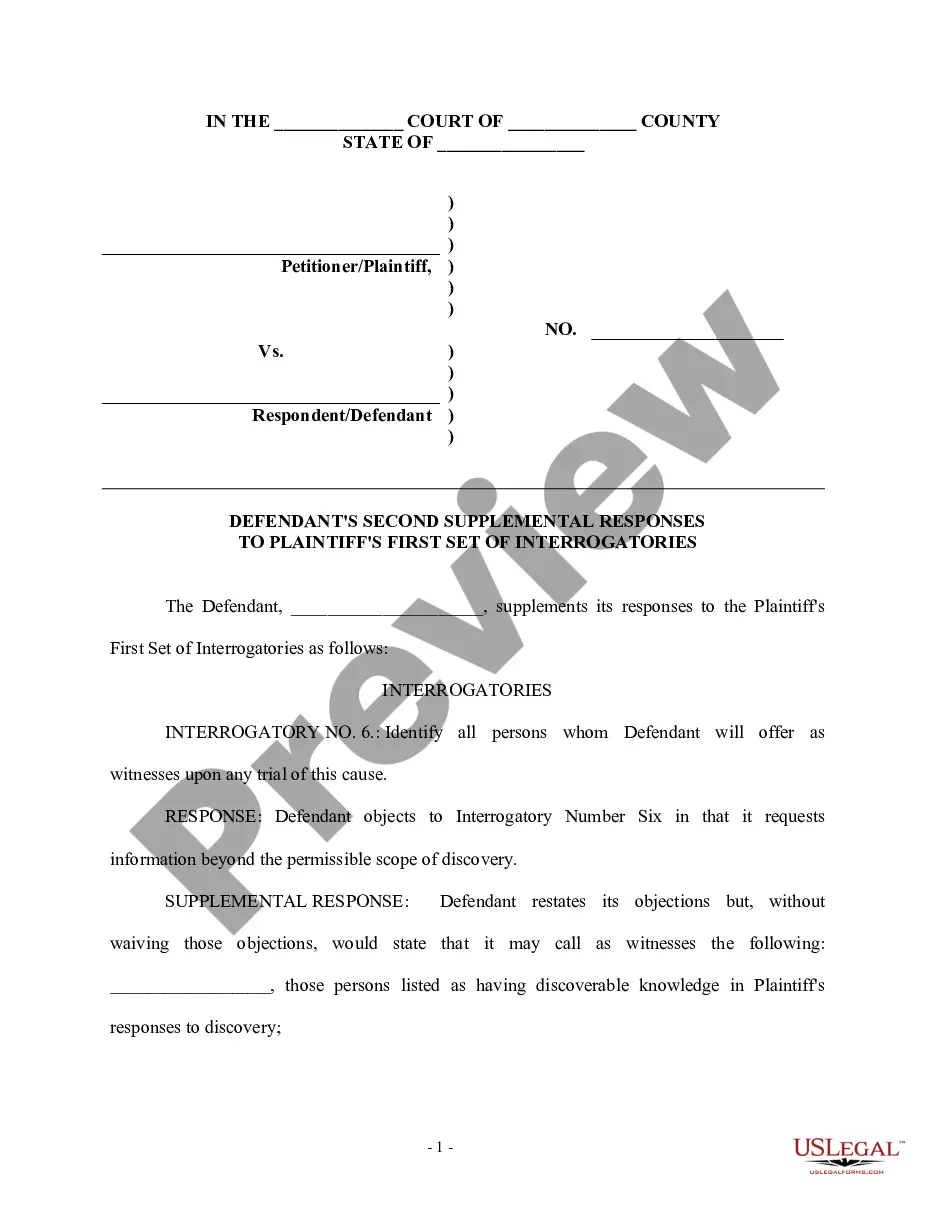
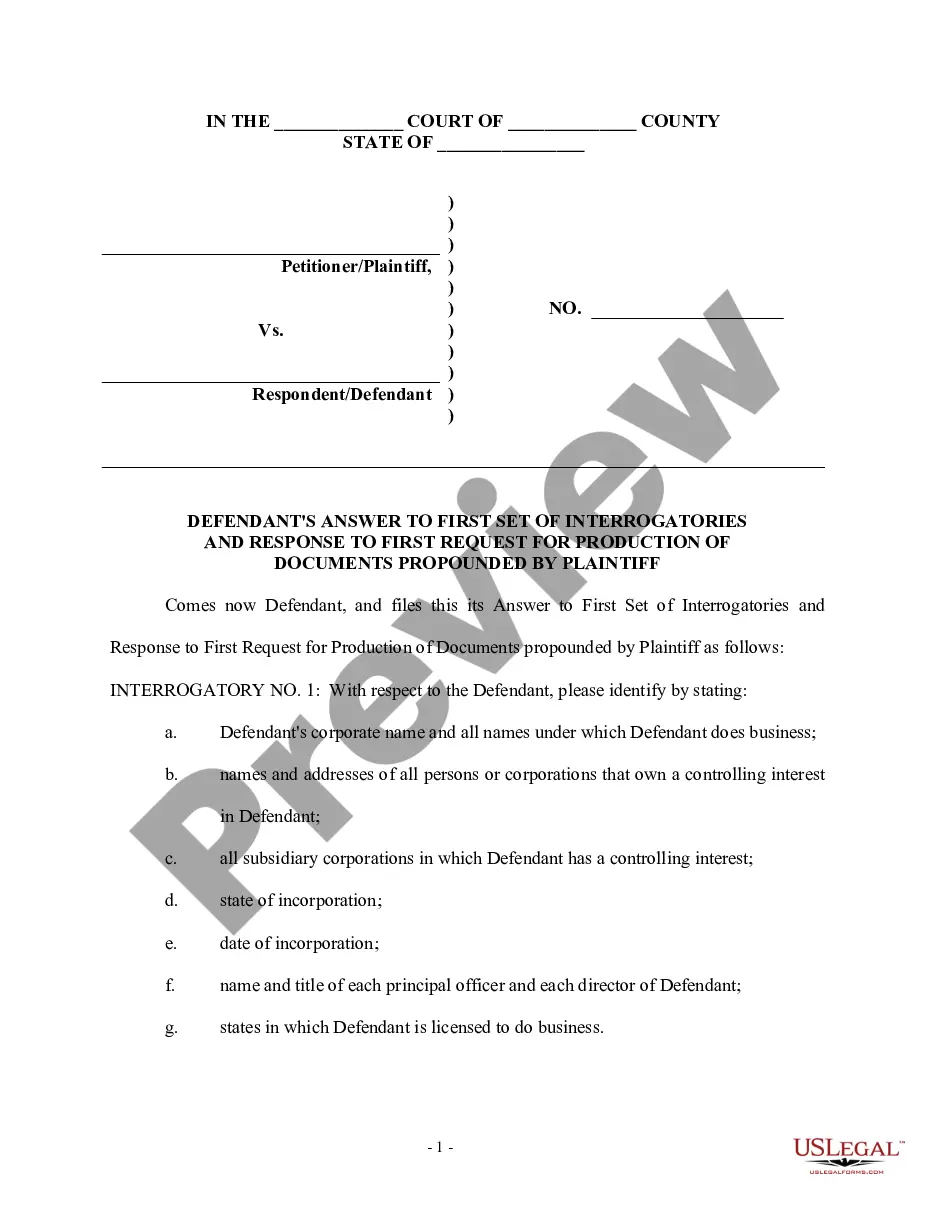
A supplemental answer to discovery filed is an official document that contains updated information in response to previous discovery requests. When you file a supplemental answer, you clarify or add to the information you provided earlier, ensuring the opposing party and the court are aware of any changes. Filing timely supplemental answers is crucial because it reflects your commitment to transparency in legal proceedings. For examples and templates tailored to various legal situations, you can visit the US Legal Forms platform, simplifying the filing process for supplemental discovery examples for court.
To supplement interrogatories, you need to provide updated answers to written questions posed by the opposing party. This usually occurs when new information becomes available after your initial response. Simply indicate which interrogatories you are supplementing and include the new information in a clear format. Utilizing the US Legal Forms platform can guide you through creating your supplemental discovery documents, making it easier to ensure accurate responses and compliance with legal requirements.
The continuing obligation to supplement discovery means that parties involved in a court case must update their discovery responses as new information arises. This ensures that all parties have access to pertinent information, facilitating a fair legal process. An example would be if you learn new evidence after submitting initial discovery documents; you must provide this supplemental information to the court and opposing party. Understanding your obligations regarding supplemental discovery examples for court can help you maintain compliance and avoid penalties.
Supplemental discovery refers to the process of providing additional evidence or information that was not included in the initial discovery phase of a court case. This can occur when new facts arise or when original evidence becomes relevant as a case develops. For instance, a supplemental discovery example for court might involve submitting new documents, witness statements, or other pertinent materials that strengthen a party's position. By utilizing supplemental discovery, you ensure that the court has access to all necessary information for making informed decisions.
The obligation to supplement discovery requires parties to amend or add to their previous responses whenever necessary. This is particularly important when changes occur or additional information arises that affects the case. Adhering to this obligation ensures fairness in the discovery process and can greatly influence the outcome of your trial. A clear understanding of this obligation can be seen through a supplemental discovery example for court.
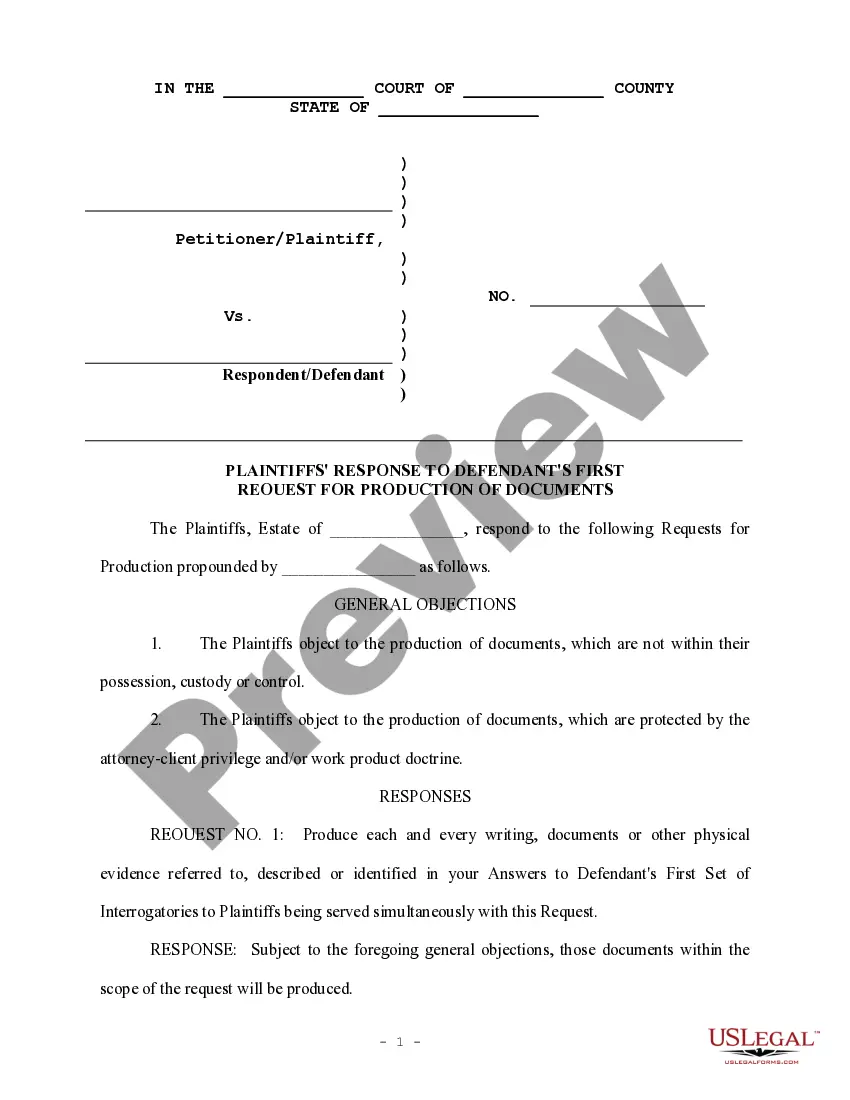
An example of discovery of evidence can include obtaining documents, emails, or audio recordings that support your case. This process allows both parties to gather relevant facts for trial. Each piece of evidence plays a significant role in establishing the truth behind the dispute. By looking at a supplemental discovery example for court, you can gain insight into how such evidence is gathered and utilized.
The duty to supplement discovery responses involves the responsibility to update your responses as new information comes to light. This ensures all parties have access to the most accurate facts relevant to the case. Failure to fulfill this obligation may lead to legal repercussions or penalties. Understanding this duty is key for court preparation and is illustrated well in a supplemental discovery example for court.
Filing for supplemental discovery means formally requesting additional information or evidence related to the case. This action can occur when new evidence surfaces or existing details require further exploration. This process ensures that all relevant information is considered during litigation. Consulting US Legal Forms can guide you through the necessary steps for a thorough supplemental discovery example for court.
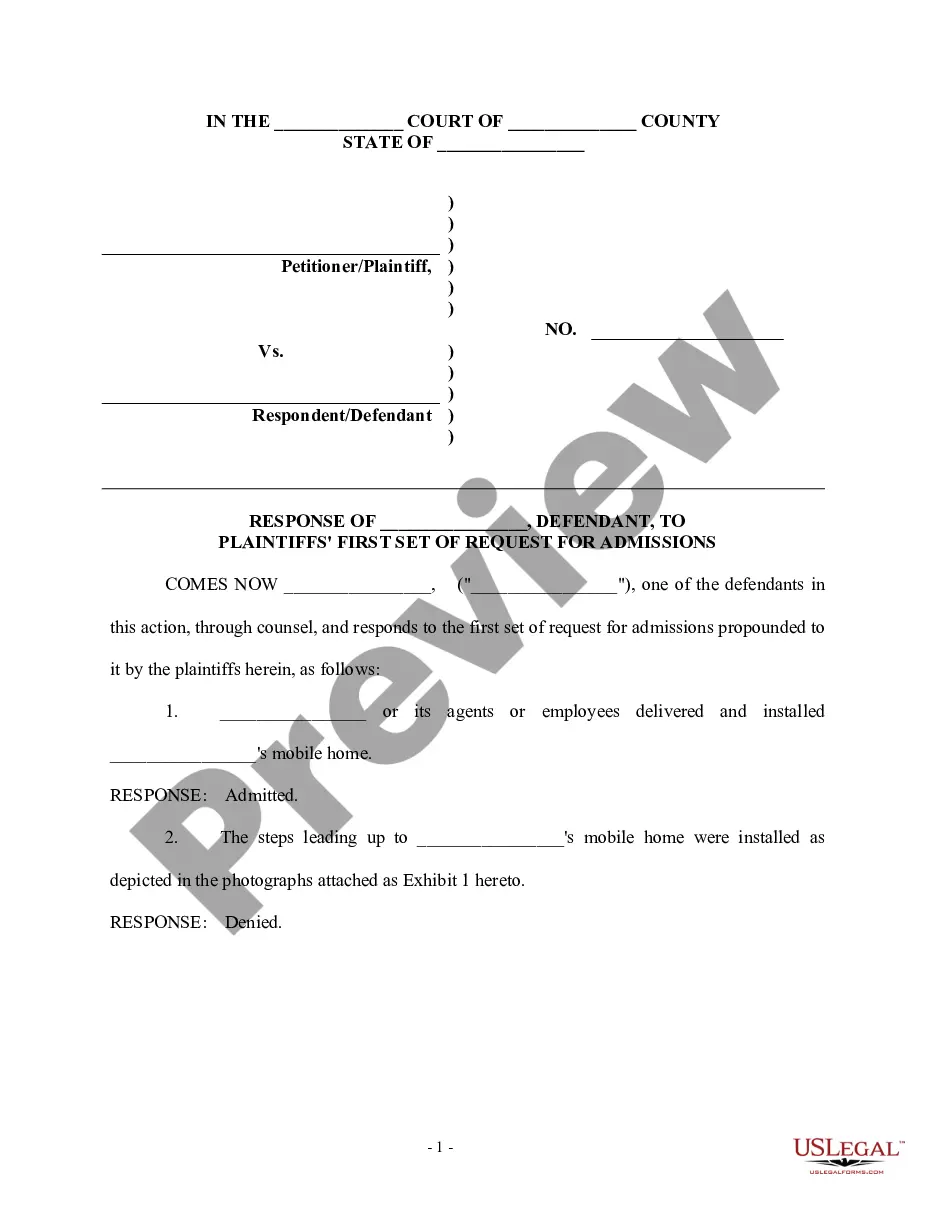
A supplemental response to discovery refers to providing additional information after your initial disclosures. This typically arises when new evidence becomes available or if previous responses need clarification. It is essential to keep your responses accurate and up-to-date to meet legal standards. A supplemental discovery example for court highlights how this process works effectively.
You usually have an obligation to supplement discovery within a reasonable time frame, especially when new information arises. The court may specify a deadline for parties to provide updated responses. Understanding these requirements is crucial and can prevent potential issues in your case. If you are looking for a detailed supplemental discovery example for court, platforms like US Legal Forms can assist you.