Summary Judgment With Prejudice
Description
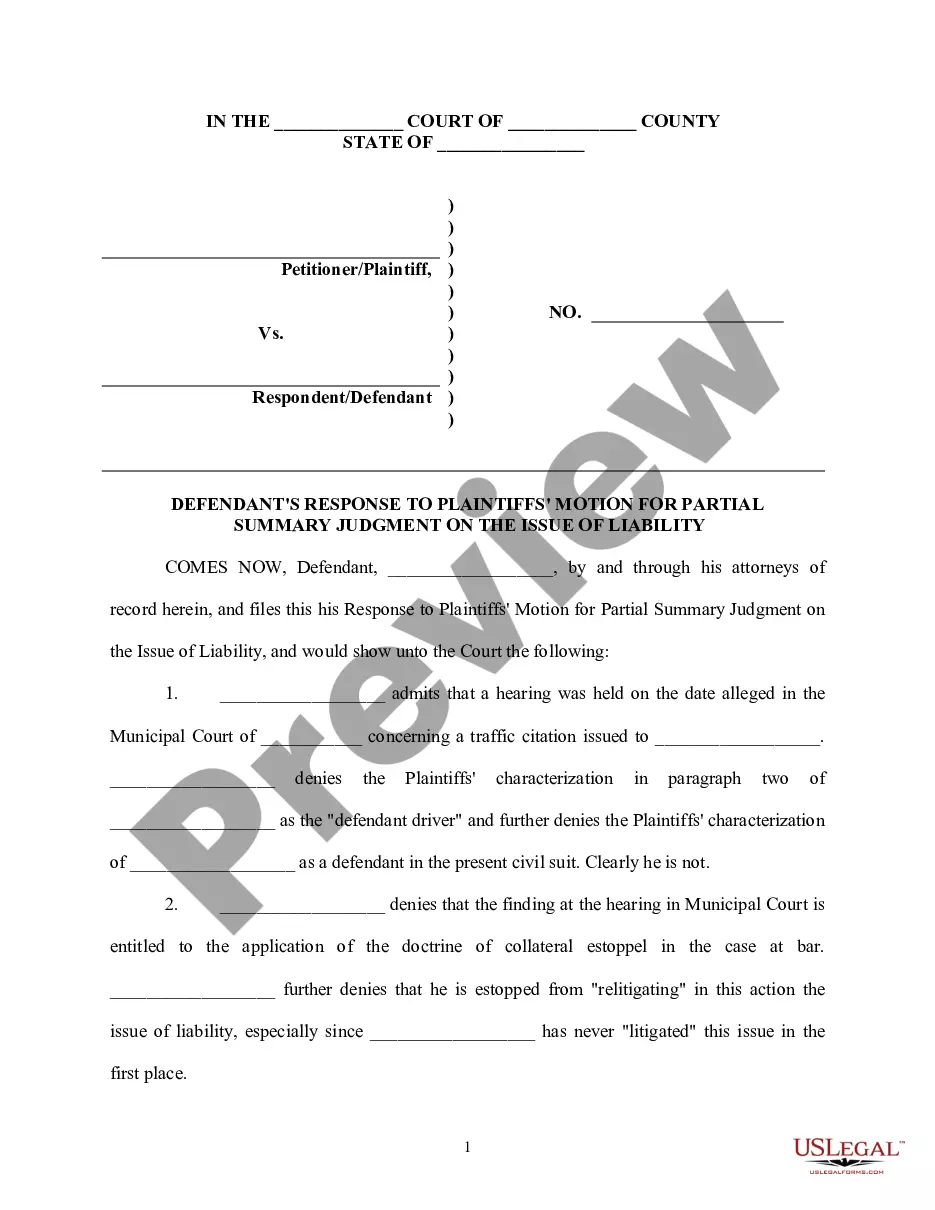
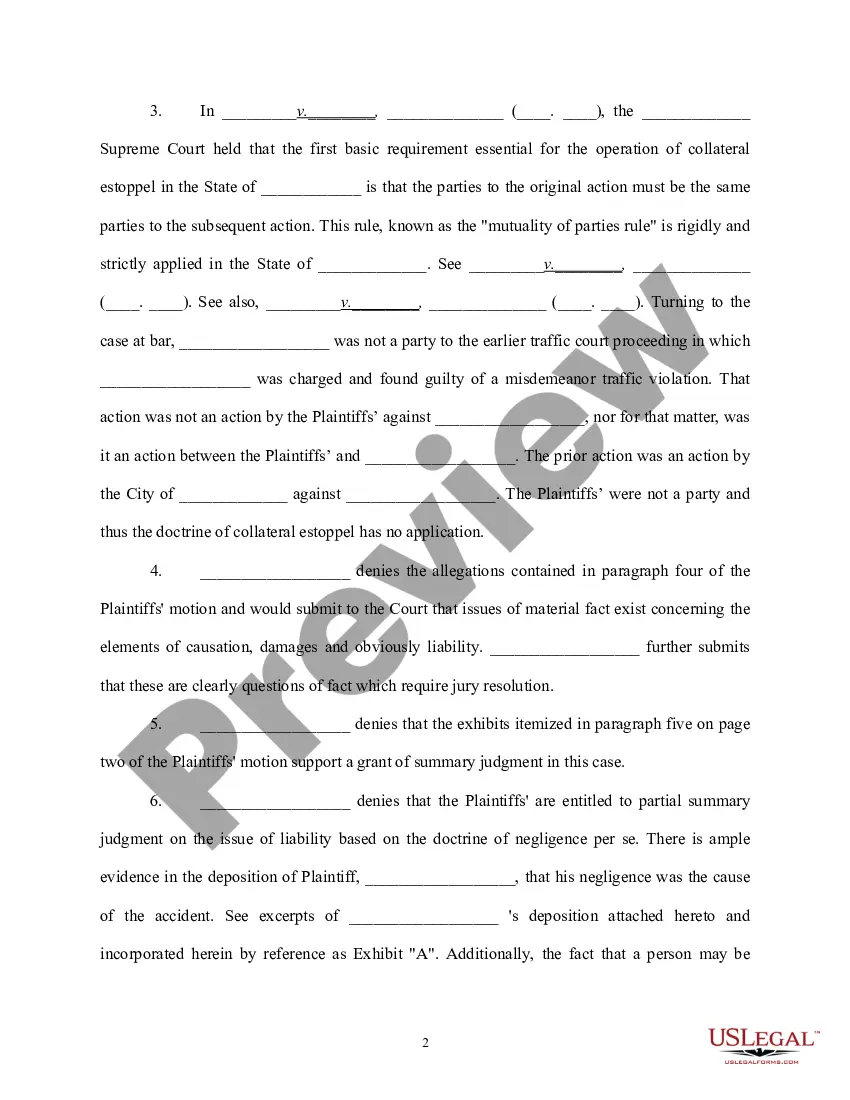
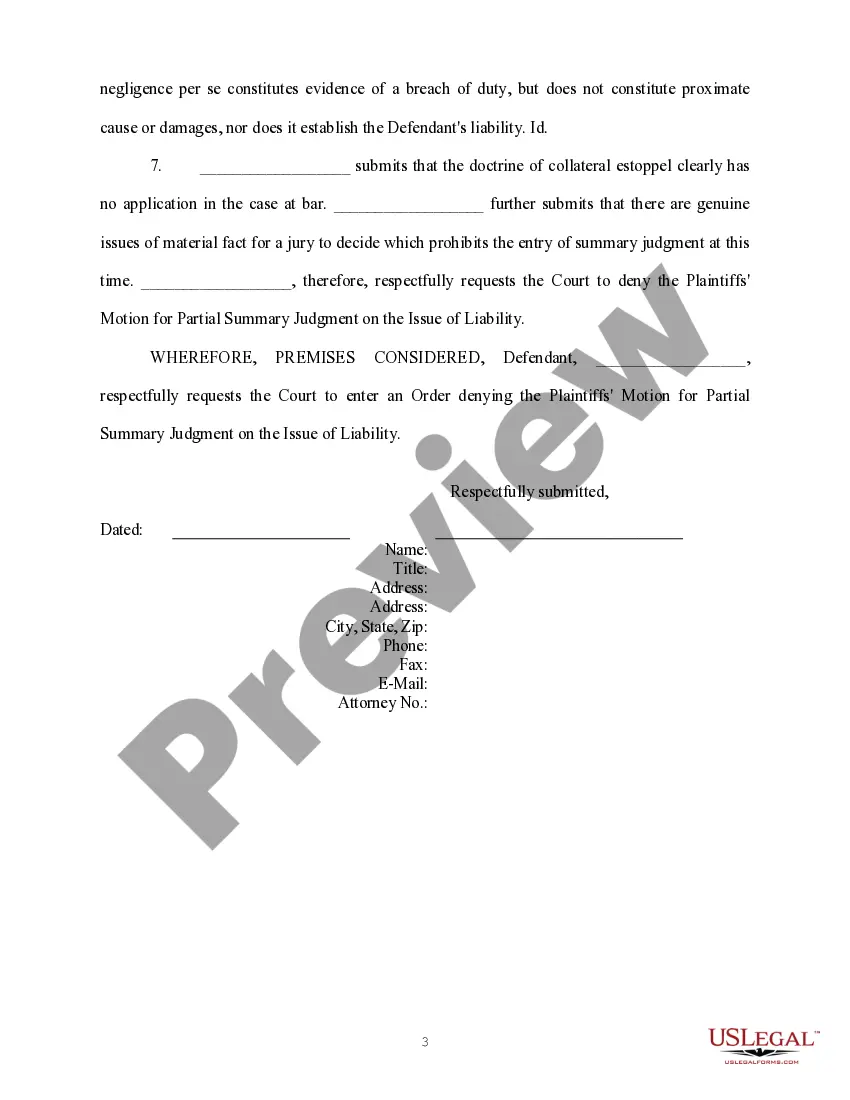
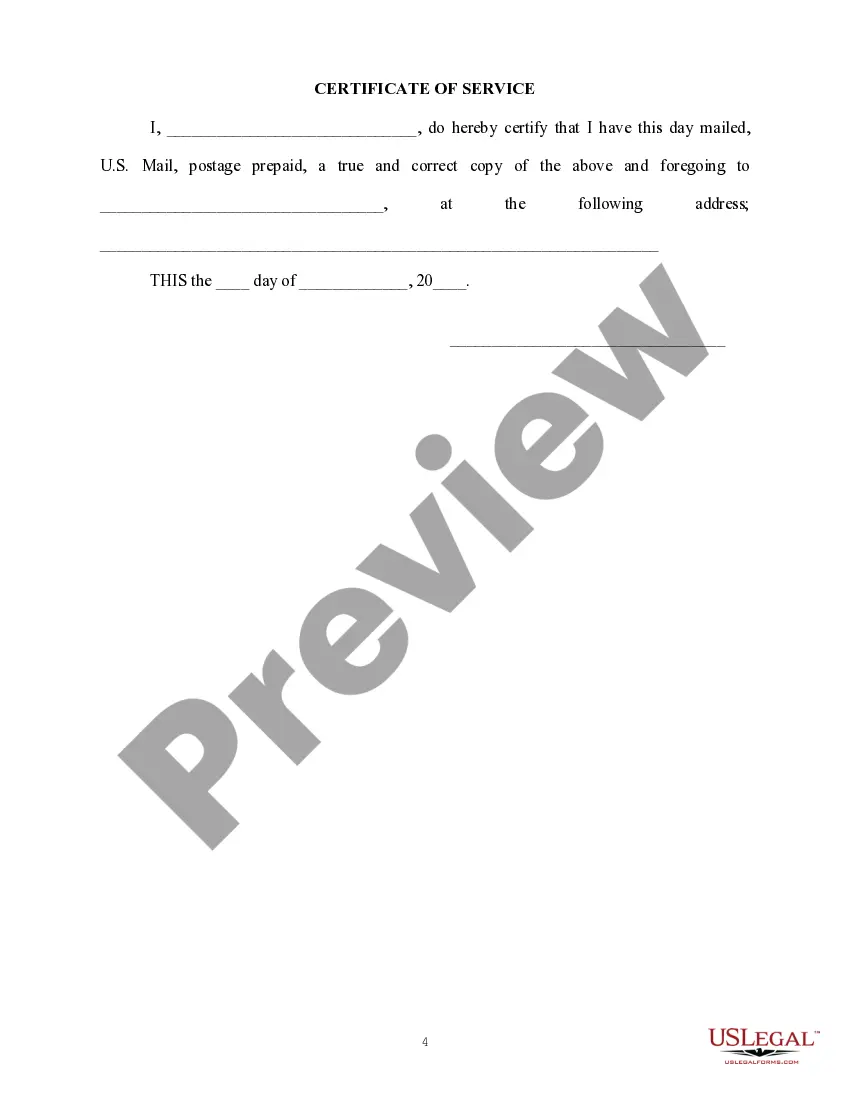
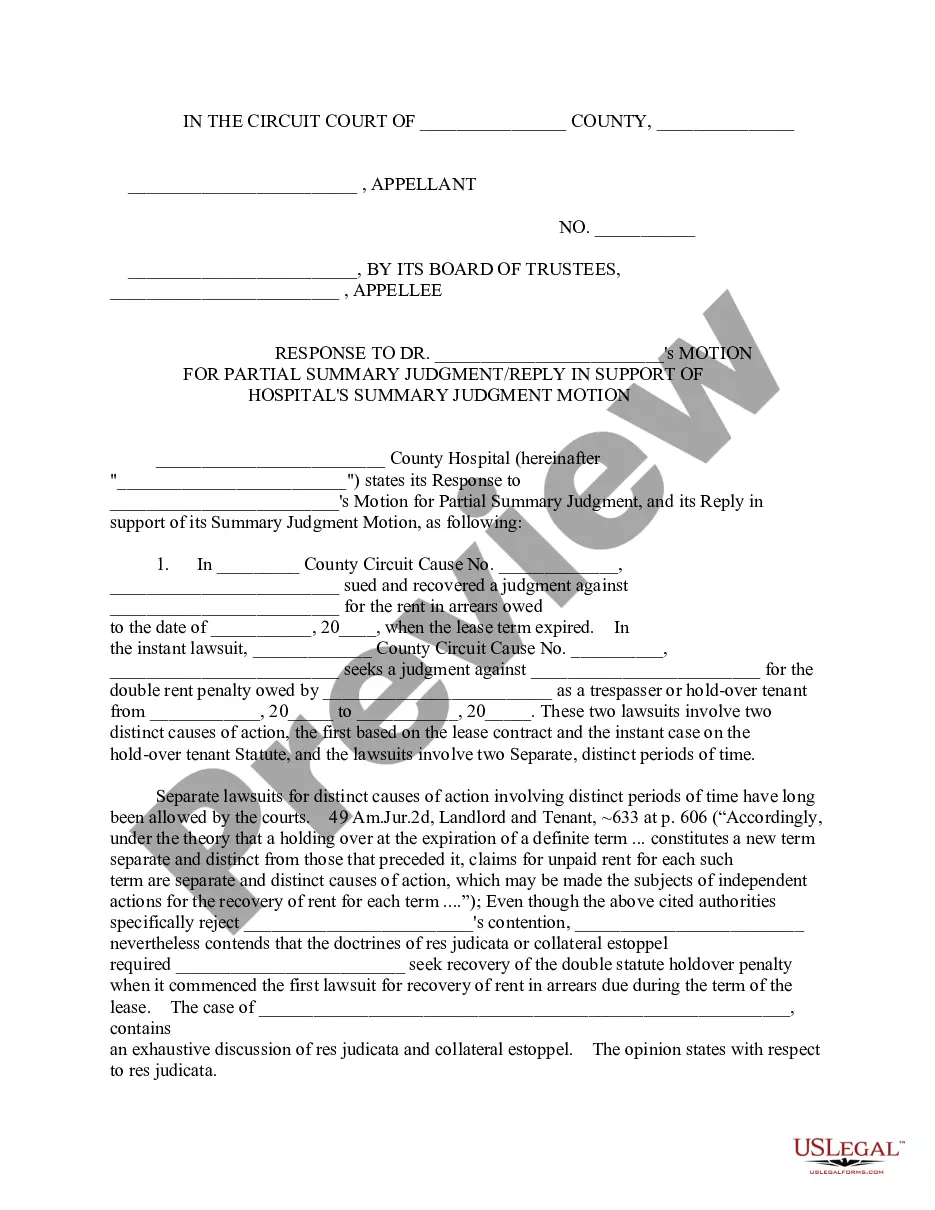
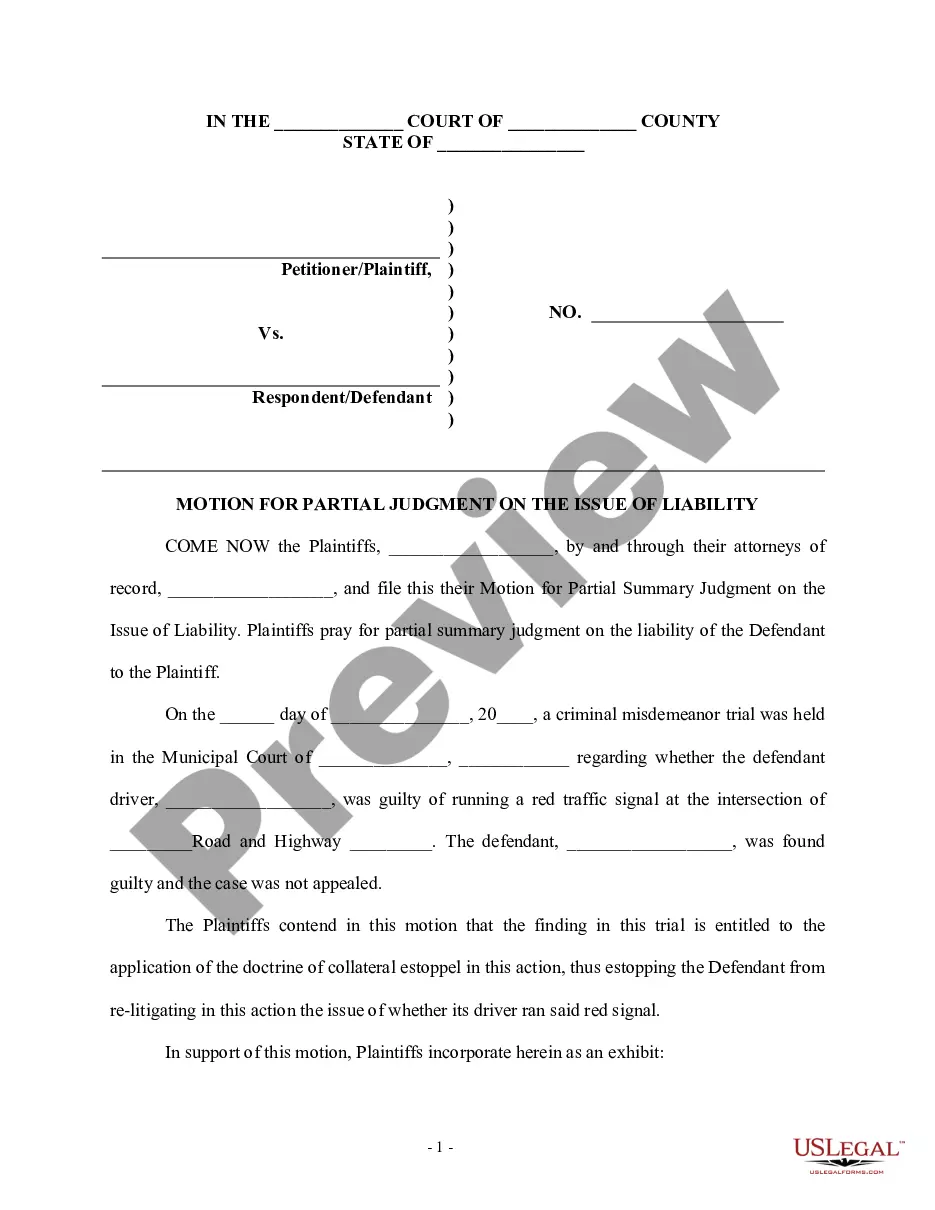
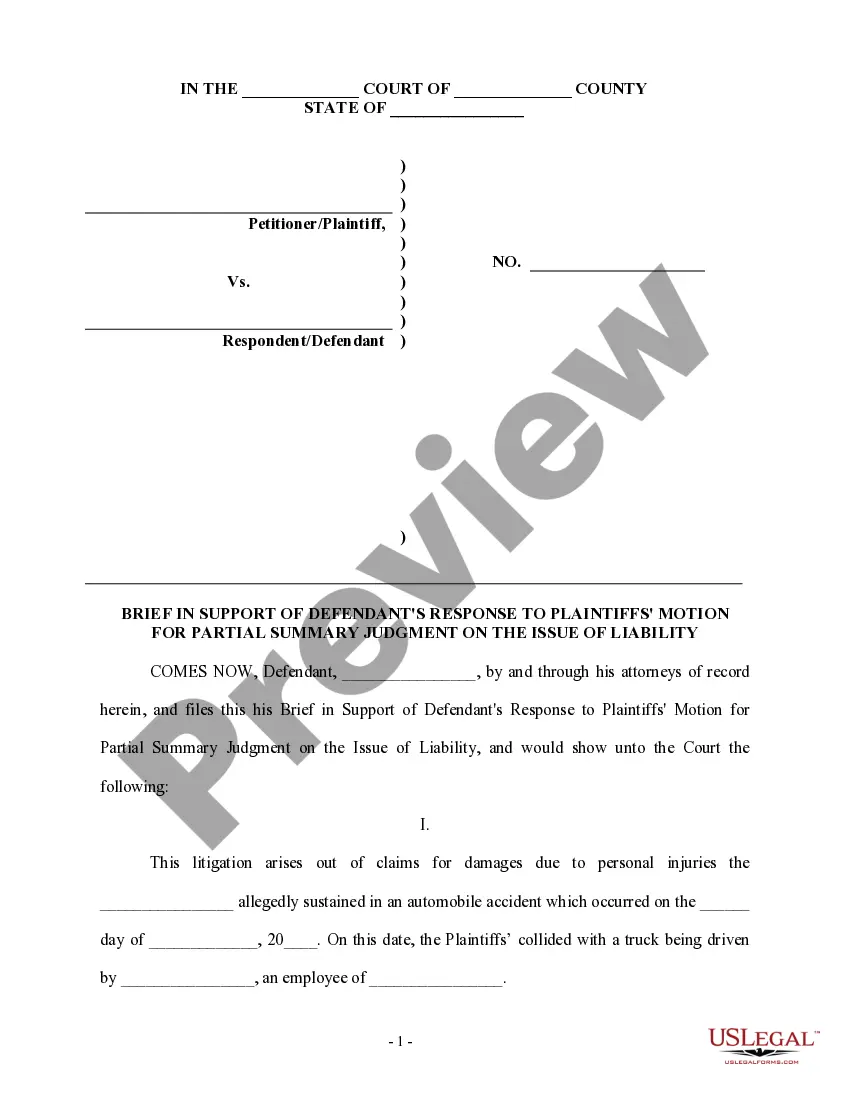
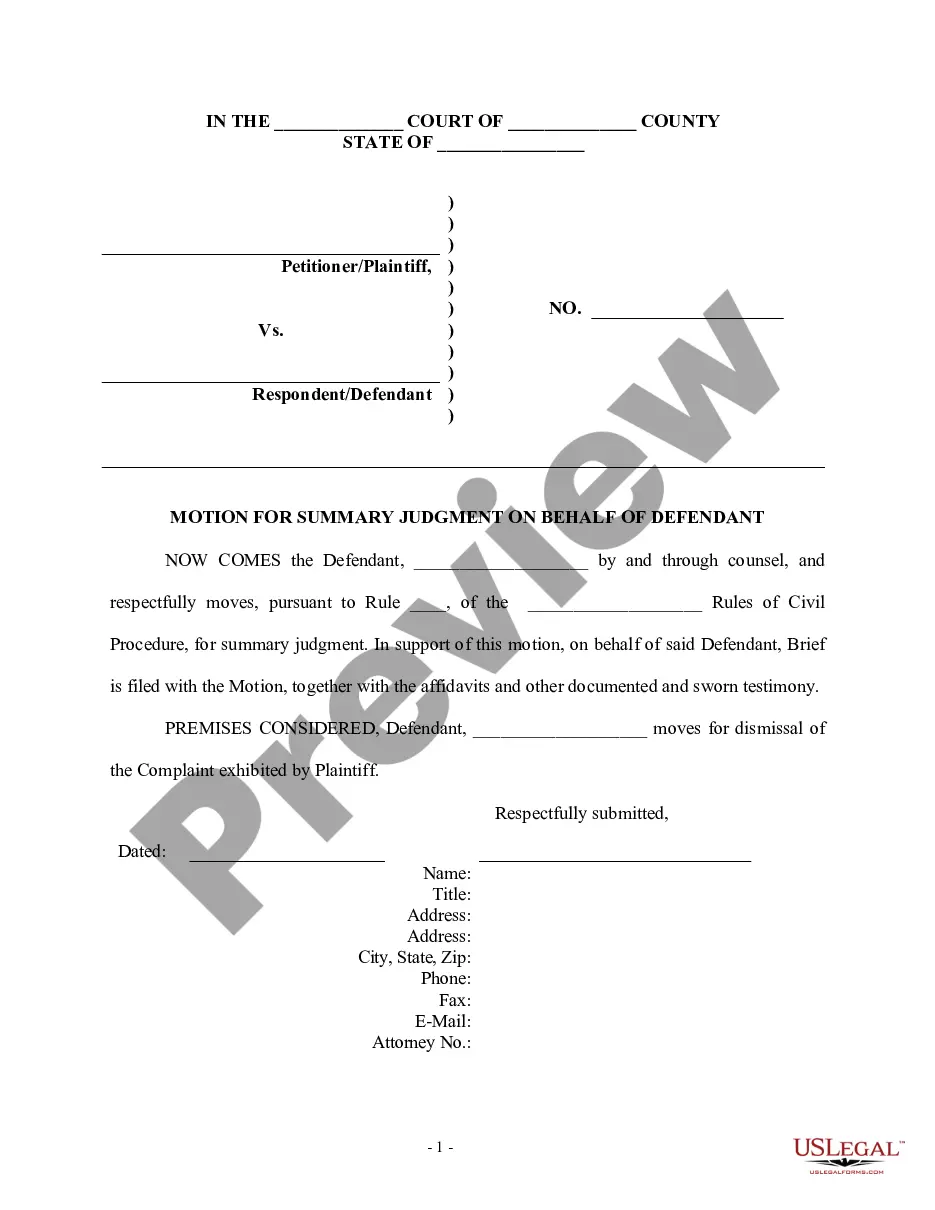
Get your form ready online
Our built-in tools help you complete, sign, share, and store your documents in one place.
Make edits, fill in missing information, and update formatting in US Legal Forms—just like you would in MS Word.
Download a copy, print it, send it by email, or mail it via USPS—whatever works best for your next step.
Sign and collect signatures with our SignNow integration. Send to multiple recipients, set reminders, and more. Go Premium to unlock E-Sign.
If this form requires notarization, complete it online through a secure video call—no need to meet a notary in person or wait for an appointment.
We protect your documents and personal data by following strict security and privacy standards.

Make edits, fill in missing information, and update formatting in US Legal Forms—just like you would in MS Word.

Download a copy, print it, send it by email, or mail it via USPS—whatever works best for your next step.

Sign and collect signatures with our SignNow integration. Send to multiple recipients, set reminders, and more. Go Premium to unlock E-Sign.

If this form requires notarization, complete it online through a secure video call—no need to meet a notary in person or wait for an appointment.

We protect your documents and personal data by following strict security and privacy standards.
Looking for another form?
How to fill out Defendant's Response To Plaintiff's Motion For Summary Judgment On The Issue Of Liability?
Regardless of whether it's for corporate motives or personal matters, everyone inevitably must handle legal issues at some point in their lives. Filling out legal documents requires meticulous attention, starting with selecting the correct form template.
For example, if you select an incorrect variant of a Summary Judgment With Prejudice, it will be rejected when you submit it. Thus, it's essential to have a trustworthy source for legal documents like US Legal Forms.
With a comprehensive US Legal Forms catalog available, you will never have to waste time searching for the correct template online. Utilize the library’s user-friendly navigation to locate the right template for any circumstance.
- Acquire the template you require by using the search bar or browsing the catalog.
- Review the form’s description to ensure it is suitable for your situation, state, and county.
- Click on the form’s preview to review it.
- If it is the incorrect form, return to the search function to find the Summary Judgment With Prejudice template you need.
- Obtain the template if it aligns with your needs.
- If you already possess a US Legal Forms account, simply click Log in to access previously saved files in My documents.
- If you do not have an account yet, you can acquire the form by clicking Buy now.
- Select the appropriate pricing option.
- Complete the account registration form.
- Choose your payment method: you may use a credit card or PayPal account.
- Select the file format you desire and download the Summary Judgment With Prejudice.
- Once it is downloaded, you can fill out the form using editing software or print it and complete it by hand.
Form popularity
FAQ
The evidence used for summary judgment typically includes documents, witness statements, and expert testimonies that support your claims. This evidence should clearly illustrate that there is no significant disagreement on the essential facts of the case. Be prepared to show how your evidence satisfies the necessary legal standards. Resources on platforms such as USLegalForms can guide you in identifying and compiling the right evidence.
The evidentiary standard for summary judgment requires the moving party to show that there is no genuine dispute regarding any material fact. This means that the evidence must be compelling enough to convince the court that one party is entitled to judgment as a matter of law. Keeping this standard in mind can help you build a more effective case. Make sure you present your evidence clearly and logically.
You can use various forms of evidence in a summary judgment motion, including affidavits, depositions, documents, and admissions that substantiate your claims. The evidence must be admissible in court and demonstrate that there are no material facts in dispute. It’s important to gather reliable proof to strengthen your position. Utilizing a comprehensive resource like USLegalForms can assist you in this preparation.
To request a summary judgment, you must file a motion with the court along with supporting documents that include evidence and legal arguments. This motion should clearly outline why you believe there are no factual disputes and why you deserve a favorable ruling. Understanding the procedural requirements is crucial, as failure to follow them can lead to dismissal. Consider using resources from platforms like USLegalForms to navigate this process effectively.
Getting a summary judgment often relies on the legal merits of your case, the evidence at hand, and how well you articulate your arguments. Courts generally favor granting summary judgment when there is a lack of factual disputes and the law supports your position. If you build a strong case with demonstrable evidence, your odds of receiving this judgment will improve. Remember that a strategic approach can make a difference.
Summary judgment dismissal with prejudice occurs when a court decides a case is resolved without proceeding to trial, and the ruling prevents the same claim from being brought again. Essentially, it means the case is closed permanently. A party that loses a motion for summary judgment may find it hard to pursue the same claim in the future, making it a significant decision. Understanding this concept is essential, especially if you're navigating the legal system.
The odds of winning a summary judgment depend on the strength of the evidence presented and the specifics of the case. Generally, when the moving party can effectively demonstrate that there are no material facts in dispute, the chances of success increase significantly. While winning is possible, it is important to prepare thoroughly to strengthen your position for summary judgment with prejudice.
Writing an effective summary judgment requires clarity and a strong presentation of evidence. Begin by clearly stating the facts and legal standards that support your case. Include concise arguments that logically connect the evidence to your claims. If you are unsure about creating a compelling argument, consider using resources like uslegalforms that can guide you through the process of drafting summary judgment with prejudice.
In summary judgment proceedings, the burden of persuasion lies with the party who filed the motion. This means they must convince the judge that, based on the evidence presented, there are no factual disputes that warrant a trial. If the moving party meets this burden, the court may grant summary judgment with prejudice, ending the case without further proceedings.
The two types of summary judgment are partial summary judgment and complete summary judgment. Partial summary judgment resolves specific issues or claims without dismissing the entire case, while complete summary judgment dismisses all claims against a party. Both types help expedite legal proceedings by eliminating issues that do not need a trial. Familiarizing yourself with these forms of summary judgment with prejudice can benefit your legal strategy.