Summary Judgment Response With Motion
Description
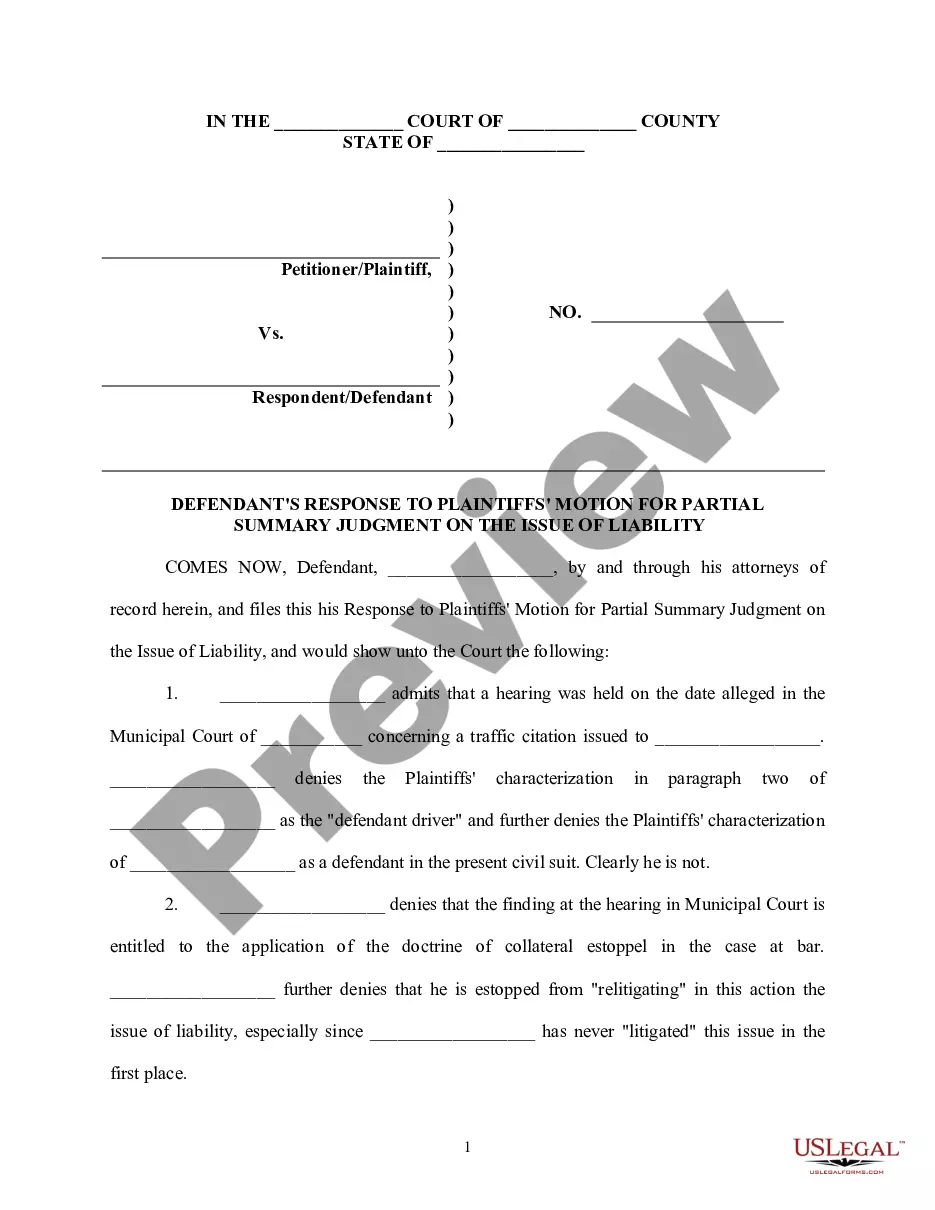
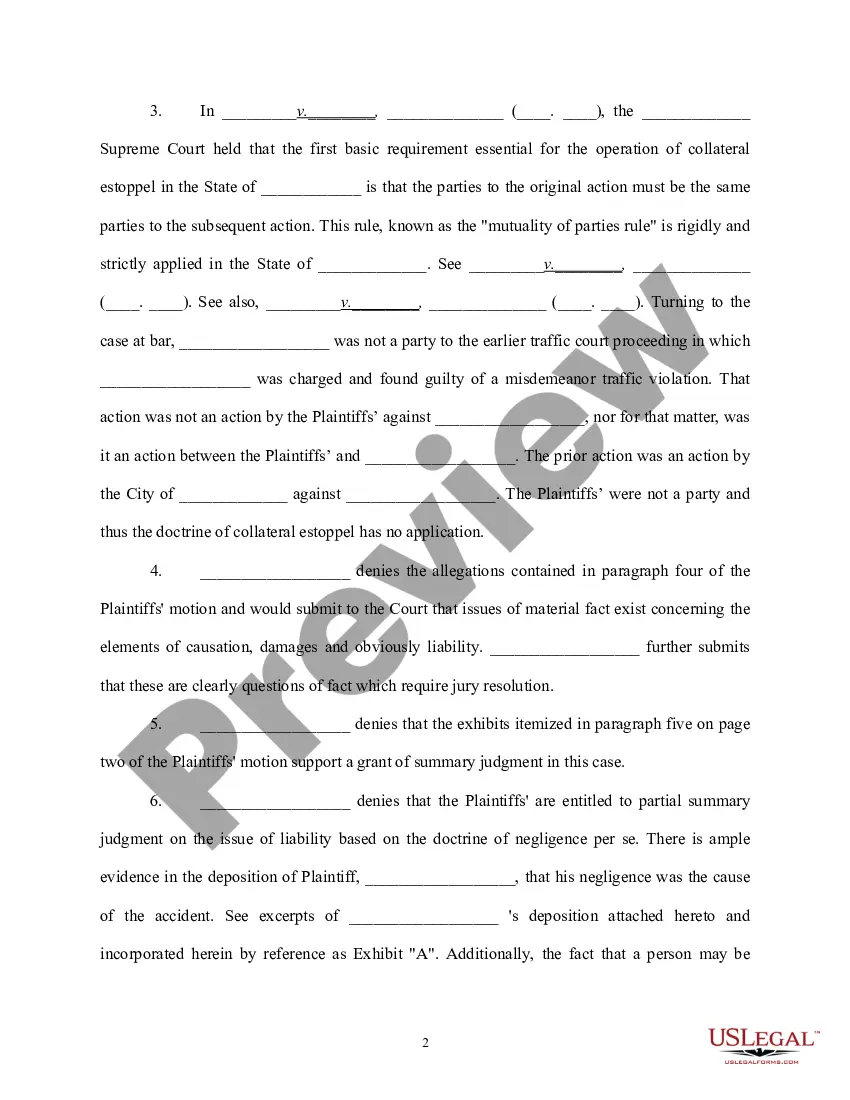
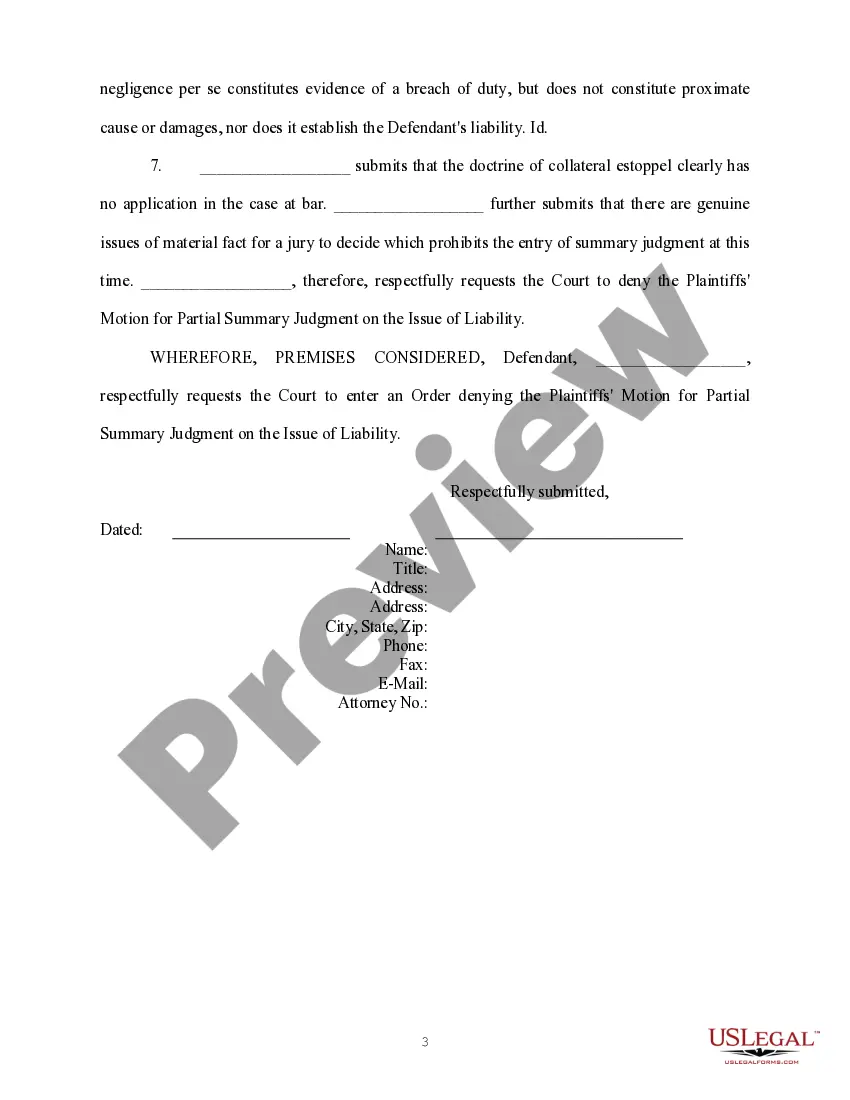
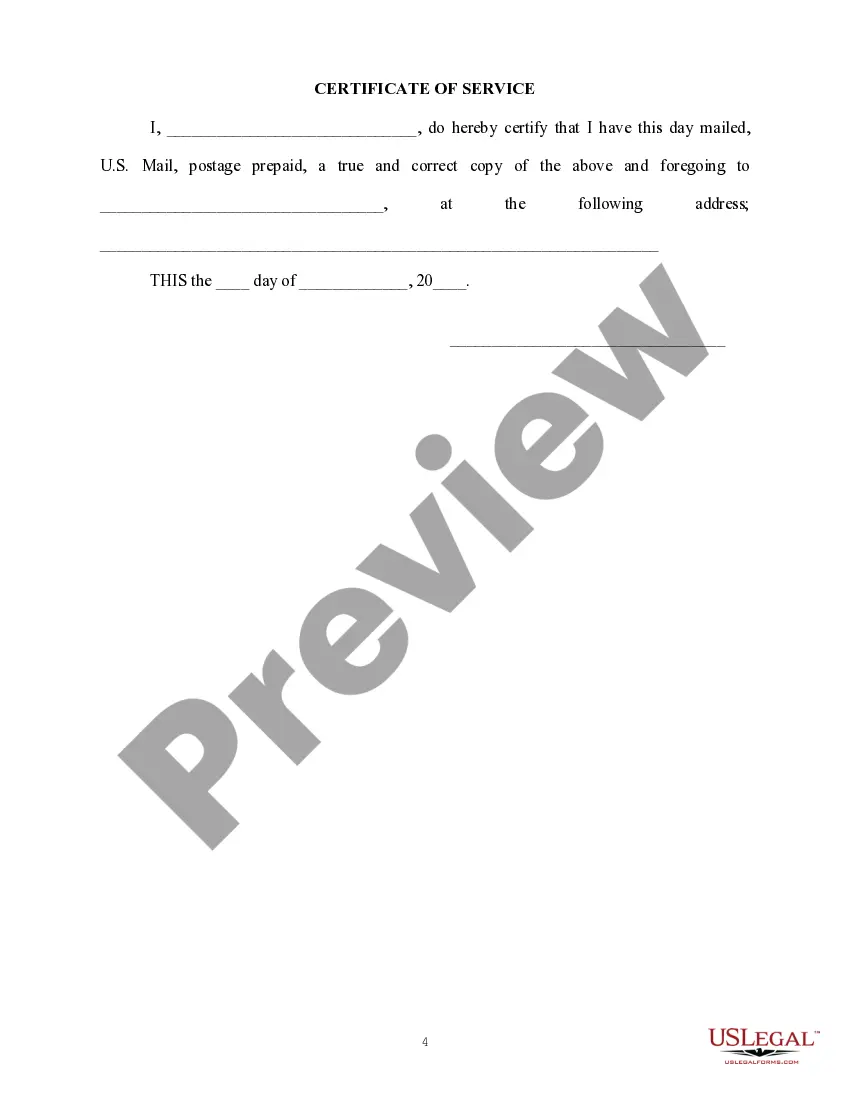
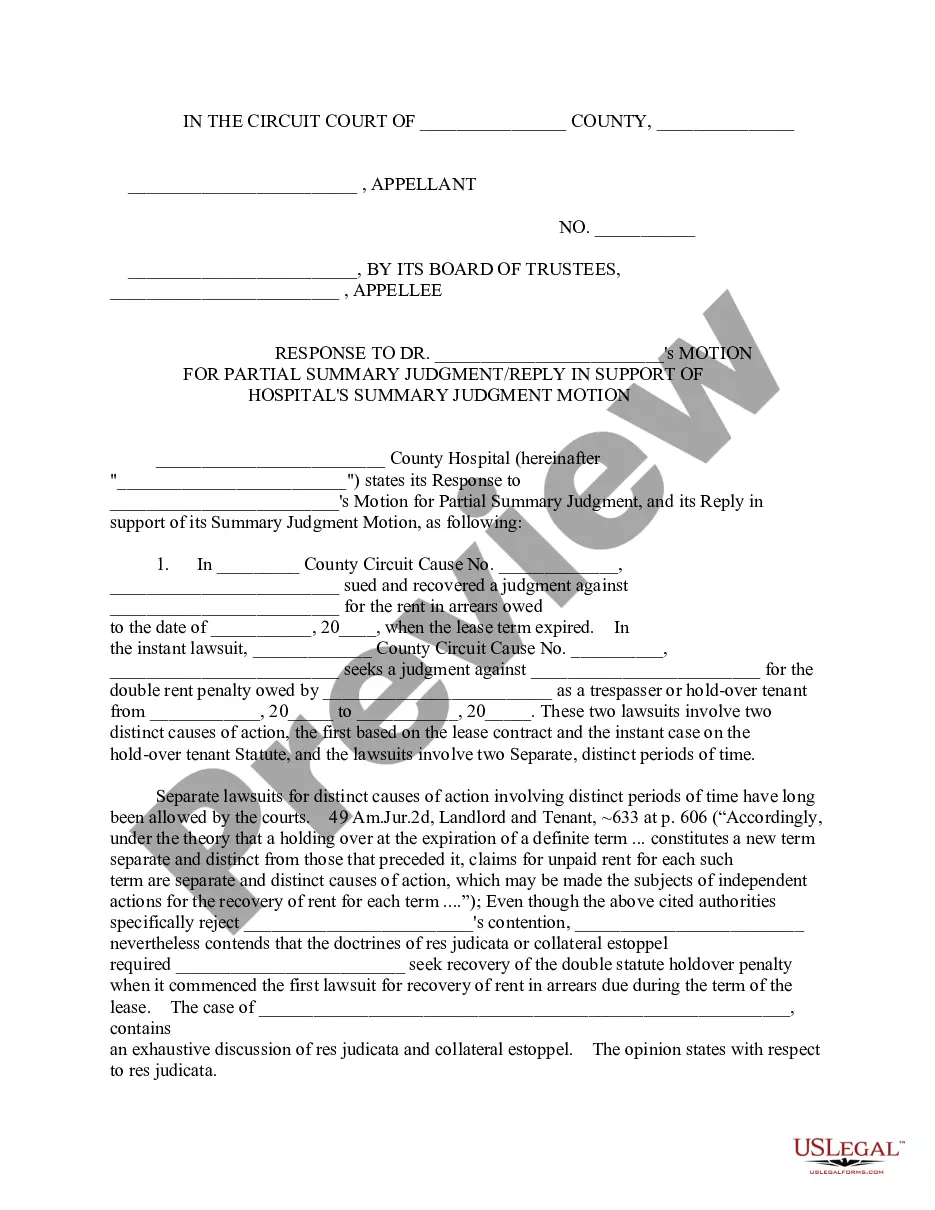
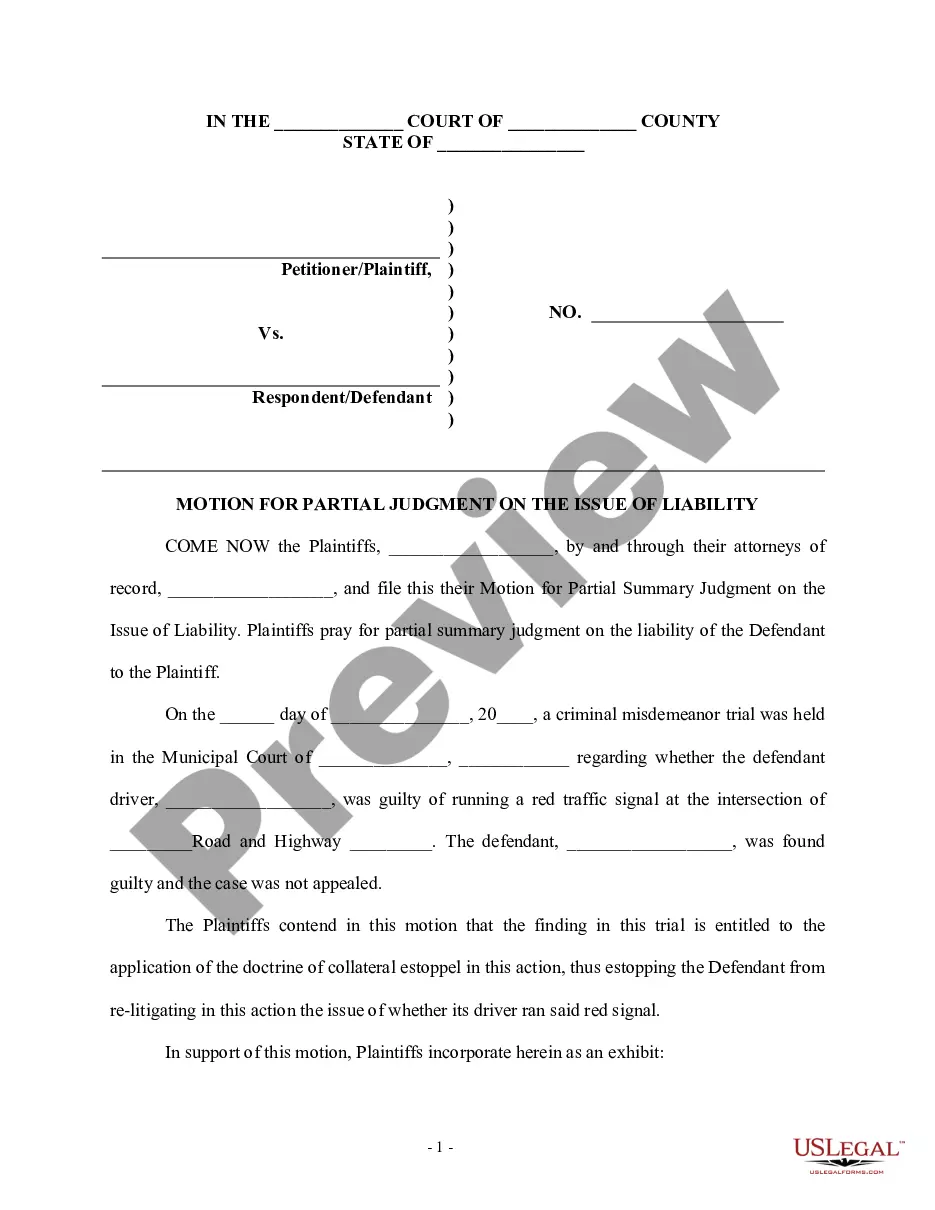
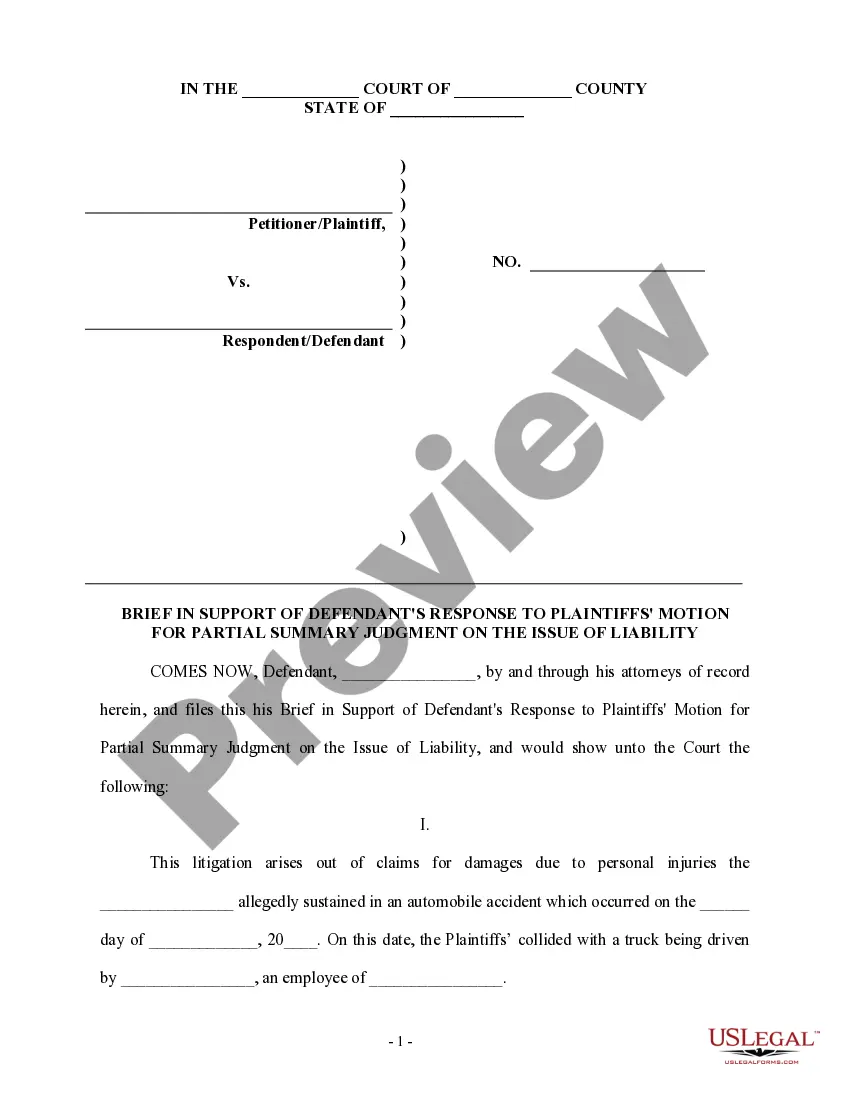
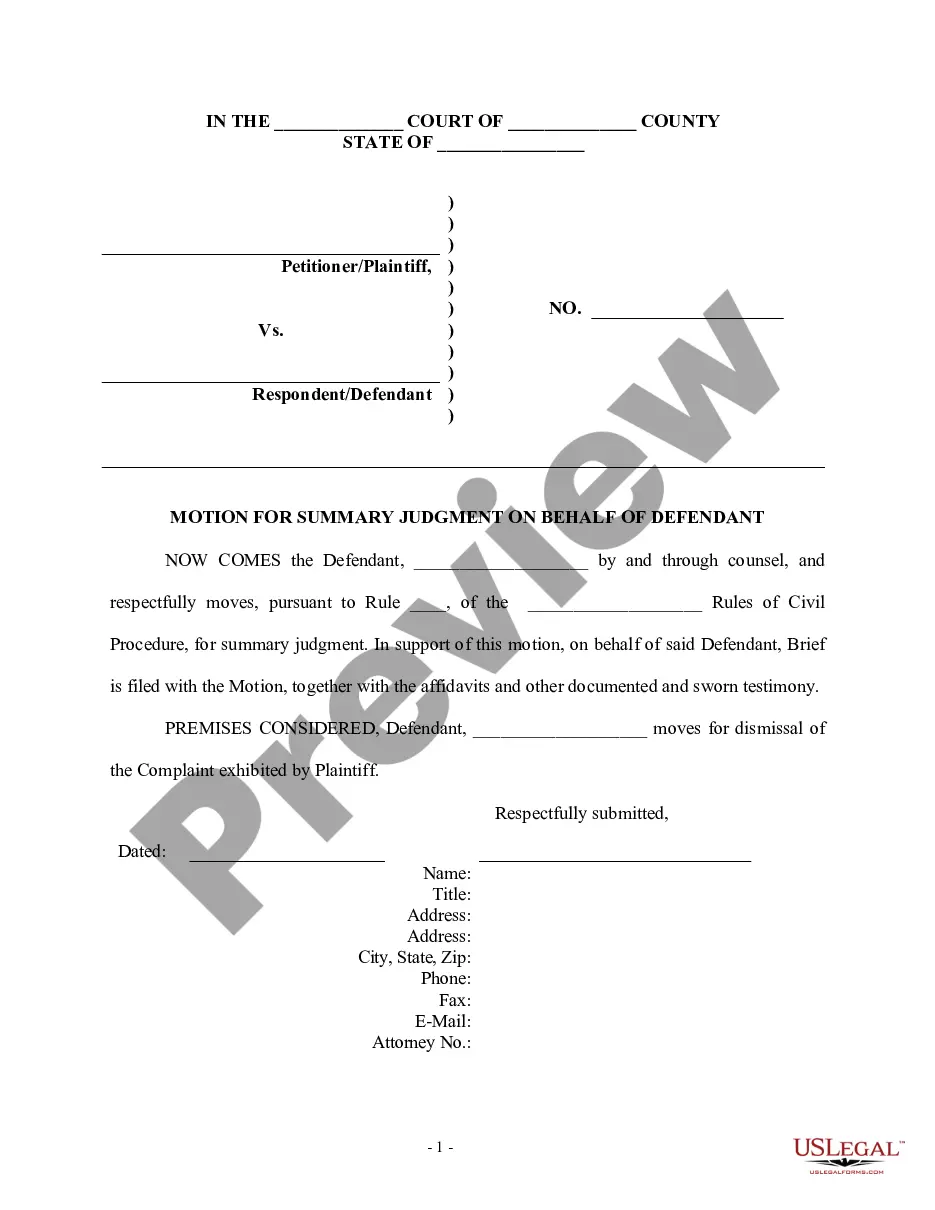
Get your form ready online
Our built-in tools help you complete, sign, share, and store your documents in one place.
Make edits, fill in missing information, and update formatting in US Legal Forms—just like you would in MS Word.
Download a copy, print it, send it by email, or mail it via USPS—whatever works best for your next step.
Sign and collect signatures with our SignNow integration. Send to multiple recipients, set reminders, and more. Go Premium to unlock E-Sign.
If this form requires notarization, complete it online through a secure video call—no need to meet a notary in person or wait for an appointment.
We protect your documents and personal data by following strict security and privacy standards.

Make edits, fill in missing information, and update formatting in US Legal Forms—just like you would in MS Word.

Download a copy, print it, send it by email, or mail it via USPS—whatever works best for your next step.

Sign and collect signatures with our SignNow integration. Send to multiple recipients, set reminders, and more. Go Premium to unlock E-Sign.

If this form requires notarization, complete it online through a secure video call—no need to meet a notary in person or wait for an appointment.

We protect your documents and personal data by following strict security and privacy standards.
Looking for another form?
How to fill out Defendant's Response To Plaintiff's Motion For Summary Judgment On The Issue Of Liability?
The Summary Judgment Reply Accompanied By Motion you see on this page is a versatile legal template created by expert attorneys in accordance with federal and local statutes and regulations.
For over 25 years, US Legal Forms has offered individuals, companies, and legal practitioners more than 85,000 validated, state-specific documents for any commercial and personal situation.
Sign up for US Legal Forms to have verified legal templates for all of life's situations readily available.
- Search for the document you require and verify it.
- Examine the sample you searched for and preview it or review the form description to ensure it meets your requirements. If it doesn’t, utilize the search function to find the correct one. Click Buy Now once you have located the template you need.
- Register and Log In.
- Choose the pricing plan that fits you and set up an account. Use PayPal or a credit card to make a swift payment. If you already have an account, Log In and check your subscription to continue.
- Access the fillable template.
- Choose the format you prefer for your Summary Judgment Reply Accompanied By Motion (PDF, DOCX, RTF) and save the example on your device.
- Complete and sign the documents.
- Print the template to fill it out by hand. Alternatively, use an online multifunctional PDF editor to efficiently and accurately complete and sign your form with a legally-binding electronic signature.
- Redownload your documents when needed.
- Utilize the same document again at any time. Open the My documents tab in your profile to redownload any previously acquired forms.
Form popularity
FAQ
Beating a motion for summary judgment requires demonstrating that genuine disputes of material fact exist. You should focus on gathering evidence that supports your claims and detailing any inconsistencies in the opposing party's arguments. A strategic Summary judgment response with motion plays a crucial role in presenting compelling reasons for the court to deny the motion.
To respond to a motion for summary judgment, you must first review the arguments and evidence presented by the opposing party. Your response should detail any factual disputes and provide supporting documentation to back your claims. A well-prepared Summary judgment response with motion is essential for presenting a strong case and asserting your position.
A motion for summary judgment aims to resolve a case without a trial. This legal process allows a party to argue that there are no genuine disputes over material facts, thus requiring the court to determine the outcome based on the law. Understanding how to craft a solid Summary judgment response with motion enhances your ability to effectively counter such requests.
Responding to a summary judgment motion requires careful preparation of a summary judgment response with motion that highlights issues in the initial motion. Your response should systematically refute the claims made, using evidence to support your positions. Focus on pointing out any factual disputes and demonstrating why summary judgment is inappropriate in your case.
Motion is the action of changing location or position. A force is any interaction that causes a change in motion, shape, or energy. A system possesses energy if it has the ability to do work. ( Work is done when a force causes a change in the energy of a system.)
The introductory paragraph should begin, "Defendant John Smith respectfully moves for summary judgment. As reasons for this motion?." Then list your arguments, as in the motion itself. Some practitioners state that you should not repeat language word for word, but I disagree.
Under a motion for summary judgment, the movant should assert that a fact cannot be genuinely disputed based on the record. The nonmovant is given notice and a reasonable time to respond, after which the court may grant or deny summary judgment.
The chance of success in these cases is less than 10% [1]. Another study found that summary judgment is mostly granted in Title VII cases, for example, cases involving equal pay or employment discrimination [2]. When it comes to federal cases, summary judgments are filed in 17% of total cases.