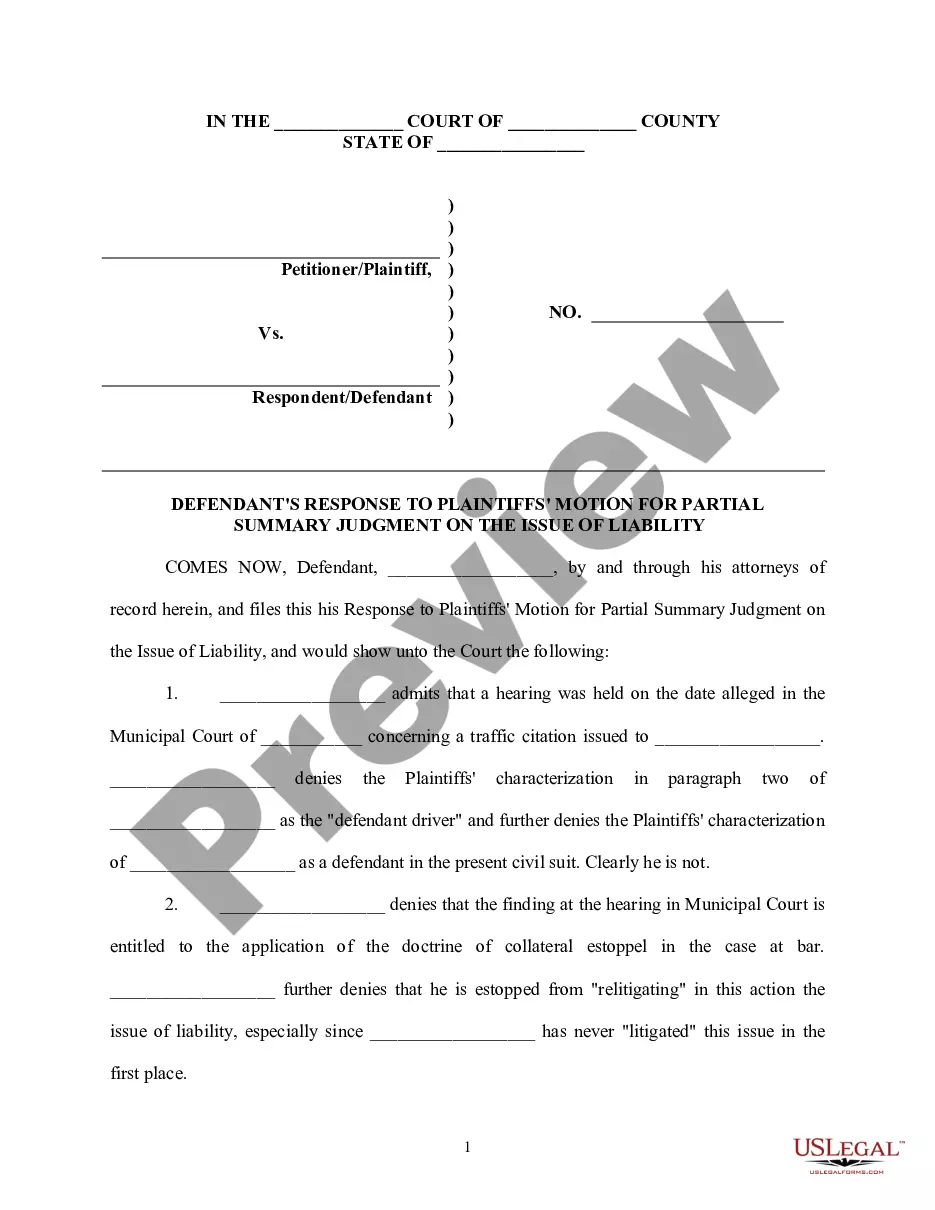
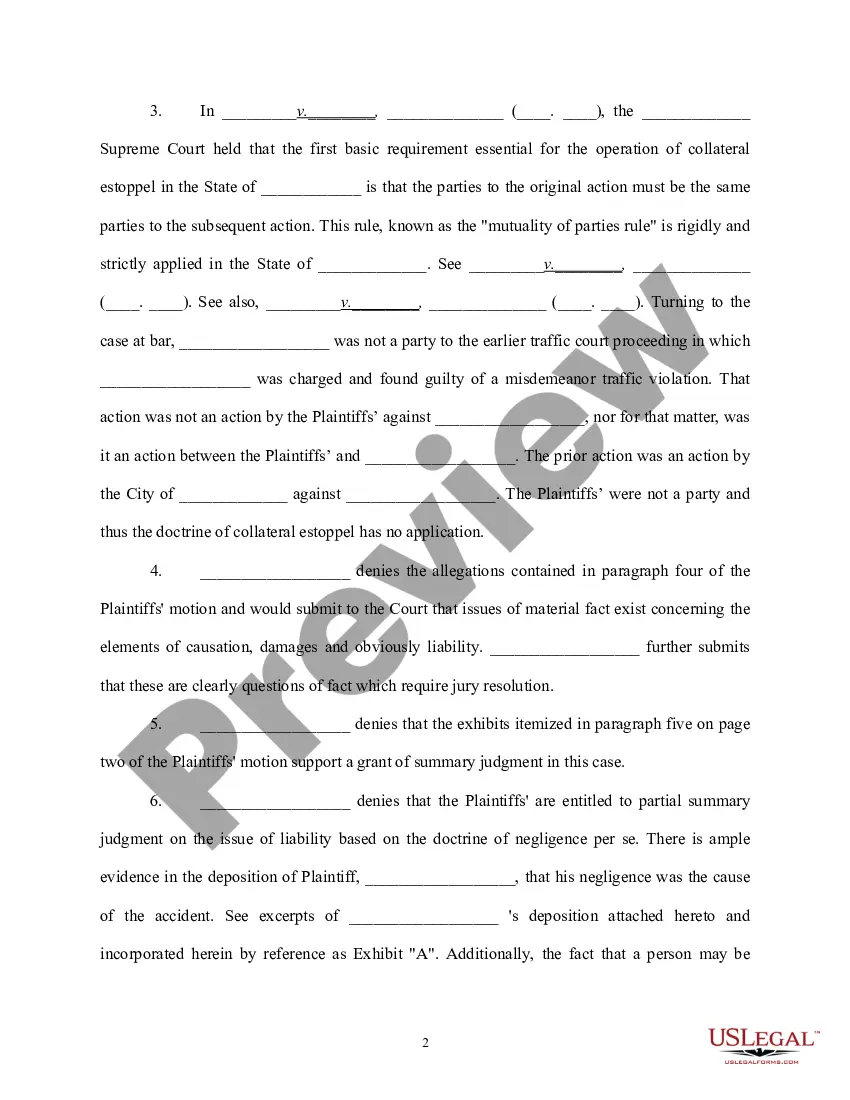
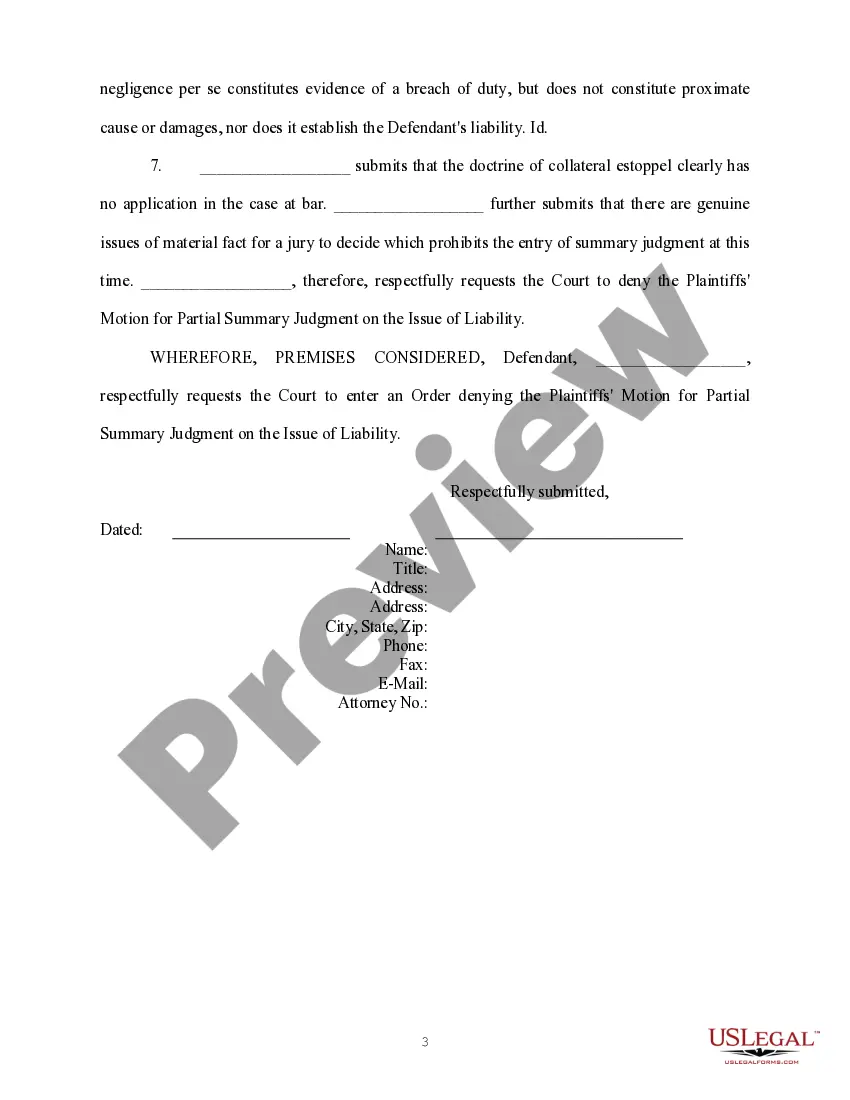
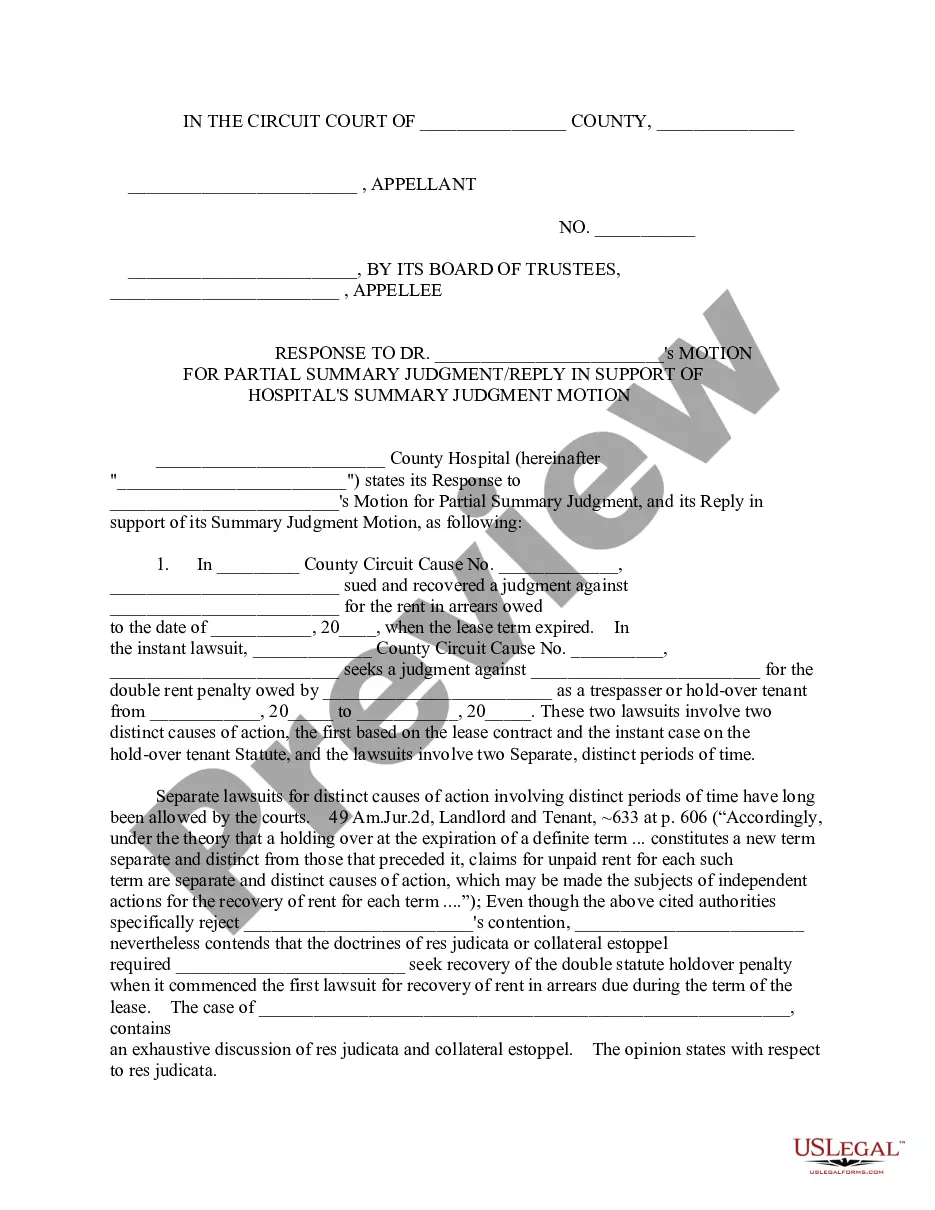
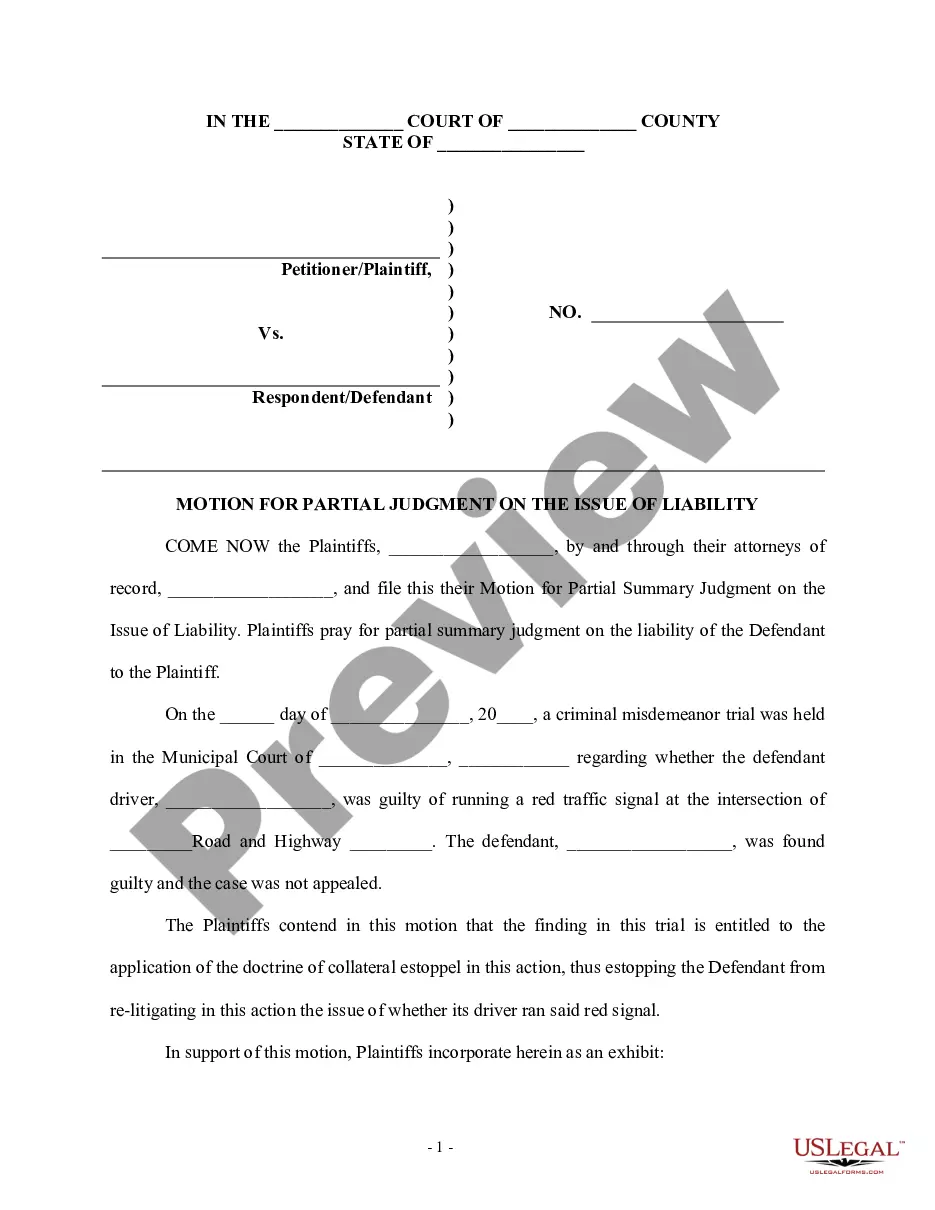
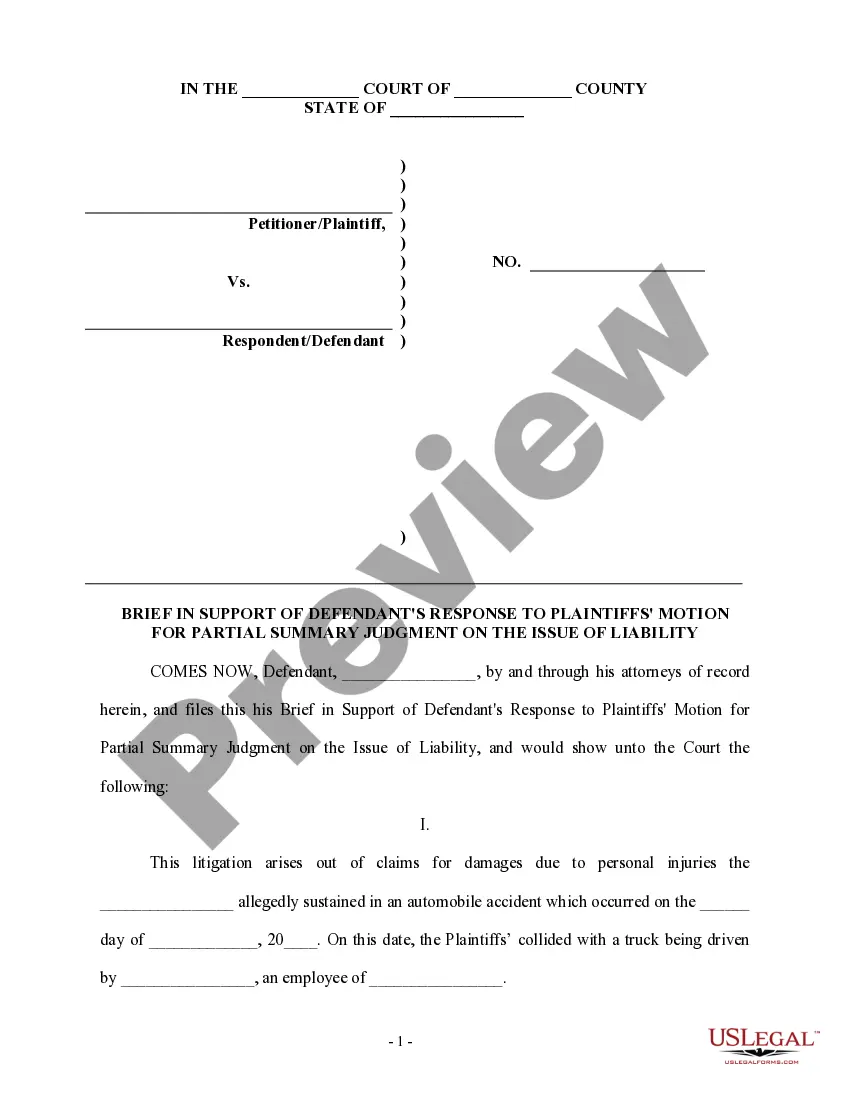
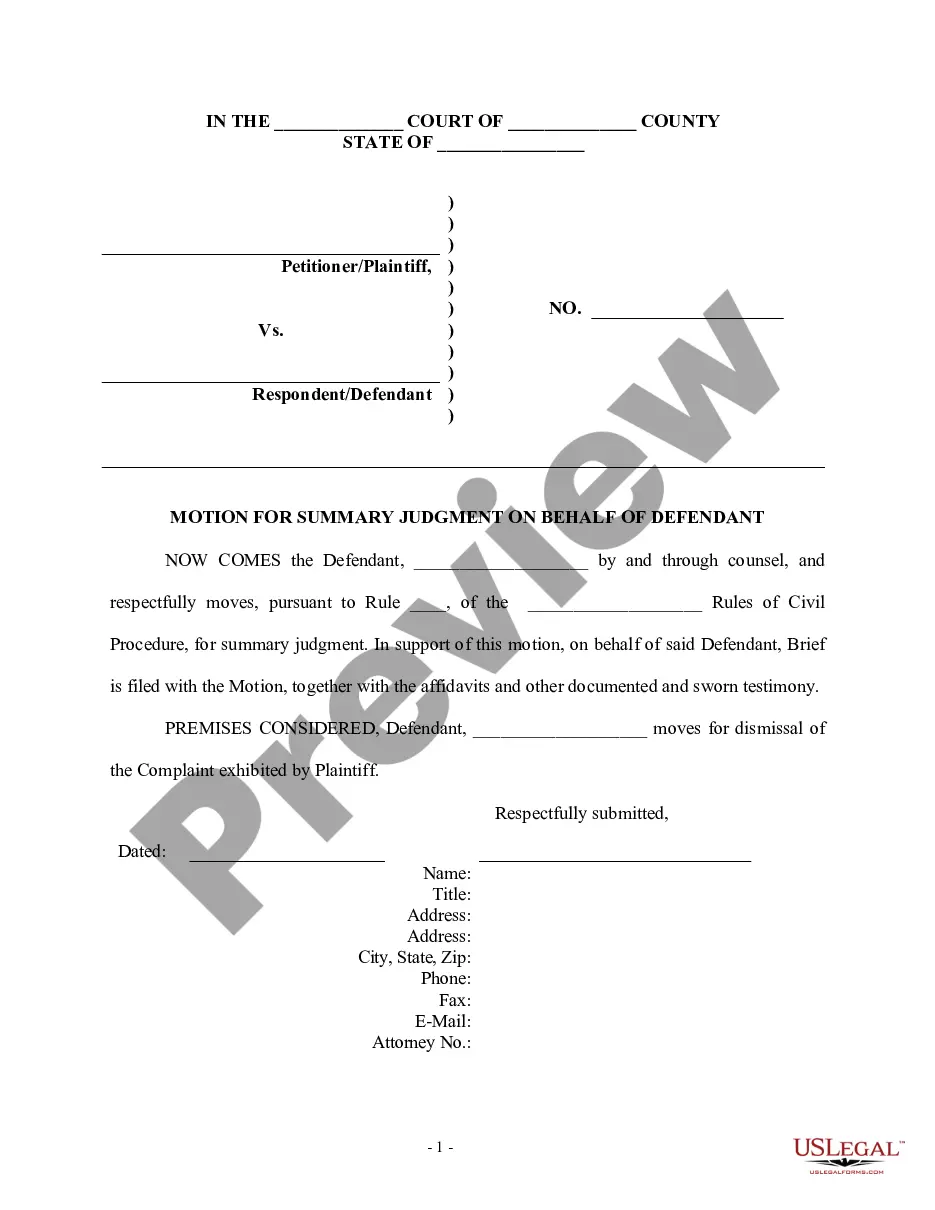
Summary Judgment Response With Evidence
Description
Get your form ready online
Our built-in tools help you complete, sign, share, and store your documents in one place.
Make edits, fill in missing information, and update formatting in US Legal Forms—just like you would in MS Word.
Download a copy, print it, send it by email, or mail it via USPS—whatever works best for your next step.
Sign and collect signatures with our SignNow integration. Send to multiple recipients, set reminders, and more. Go Premium to unlock E-Sign.
If this form requires notarization, complete it online through a secure video call—no need to meet a notary in person or wait for an appointment.
We protect your documents and personal data by following strict security and privacy standards.

Make edits, fill in missing information, and update formatting in US Legal Forms—just like you would in MS Word.

Download a copy, print it, send it by email, or mail it via USPS—whatever works best for your next step.

Sign and collect signatures with our SignNow integration. Send to multiple recipients, set reminders, and more. Go Premium to unlock E-Sign.

If this form requires notarization, complete it online through a secure video call—no need to meet a notary in person or wait for an appointment.

We protect your documents and personal data by following strict security and privacy standards.
Looking for another form?
How to fill out Defendant's Response To Plaintiff's Motion For Summary Judgment On The Issue Of Liability?
Legal management can be exasperating, even for proficient professionals.
When you seek a Summary Judgment Response With Evidence and lack the opportunity to invest in finding the correct and updated version, the procedures can be challenging.
US Legal Forms addresses all your needs, from personal to business documentation, all conveniently located in one place.
Employ cutting-edge tools to complete and manage your Summary Judgment Response With Evidence.
After acquiring the desired form, follow these steps: Validate that this is the correct document by previewing it and reviewing its description.
- Access a valuable resource database filled with articles, tutorials, and guides related to your circumstances and needs.
- Conserve time and effort searching for necessary documentation, and utilize US Legal Forms' advanced search and Review tool to locate Summary Judgment Response With Evidence quickly.
- If you possess a monthly subscription, Log In to your US Legal Forms account, search for the form, and obtain it.
- Check the My documents tab to view the documents you have previously saved and manage your folders as desired.
- If this is your first experience with US Legal Forms, create an account for unlimited access to the entire benefits of the library.
- Utilize a powerful web form repository for anyone aiming to handle these situations effectively.
- US Legal Forms is a leader in online legal forms, offering over 85,000 state-specific legal forms available at your convenience.
- Access state- or county-specific legal and business documents.
Form popularity
FAQ
The odds of winning a summary judgment vary depending on the facts and evidence in your case. Courts typically grant summary judgment if there are no significant disagreements on material facts. A strong summary judgment response with evidence increases your chances of success, as it directly addresses the key issues at stake. Engaging with services like US Legal Forms can help you prepare a solid case.
Yes, summary judgments are generally considered public record. This means that interested parties can access these documents, which may contain the summary judgment response with evidence provided by the parties involved. Public access promotes transparency within the legal system. If you need assistance navigating these records or preparing a summary judgment response with evidence, platforms like uslegalforms can offer helpful resources and templates.
Responding to a summary judgment involves gathering relevant evidence and preparing a written response that outlines your arguments. You should counter the facts presented by the opposing party and substantiate your position with strong evidence. To ensure a comprehensive response, consider using US Legal Forms to access templates and guidance that will help you formulate an effective summary judgment response with evidence.
The timeline to respond to a summary judgment typically follows the local rules where the case is filed, often ranging from 14 to 30 days. It is crucial to adhere to these deadlines to preserve your rights effectively. Staying on top of the timelines ensures you have sufficient time to prepare a thorough summary judgment response with evidence.
Writing a response to a motion for summary judgment involves addressing the points raised in the motion while presenting your own supportive evidence. Begin by outlining the factual background, then clearly state the reasons why summary judgment should be denied, complemented by your evidence. It's important to organize your response logically and cite relevant legal standards that support your position. For additional assistance, consider using the resources available on the US Legal Forms platform, which can guide you through the process effectively.
Motion for summary judgment: The court can consider all evidence in the record, even if the evidence was not cited in the pleadings. However, the court can only consider evidence that would be admissible at trial.
Therefore, to win on summary judgment you have to convince a judge that it is a good use of his or her very limited time and resources to write the decision. This means that your written material has to demonstrate that the law and facts support summary judgment, and contain no misstatements of law or fact.
Answer each numbered fact proposed by the moving party in separate paragraphs, using the same number. The court strongly prefers that the responding party repeat verbatim the moving party's proposed fact and then respond to it. 2. All responses should be succinctly stated.
The chance of success in these cases is less than 10% [1]. Another study found that summary judgment is mostly granted in Title VII cases, for example, cases involving equal pay or employment discrimination [2]. When it comes to federal cases, summary judgments are filed in 17% of total cases.
In this case, you must be able to prove the amount you are owed. If you are the defendant, you can apply for summary judgment on the ground that there is no merit to all or part of the claim that the plaintiff is making against you.