Summary Judgment For Debt Collection
Description
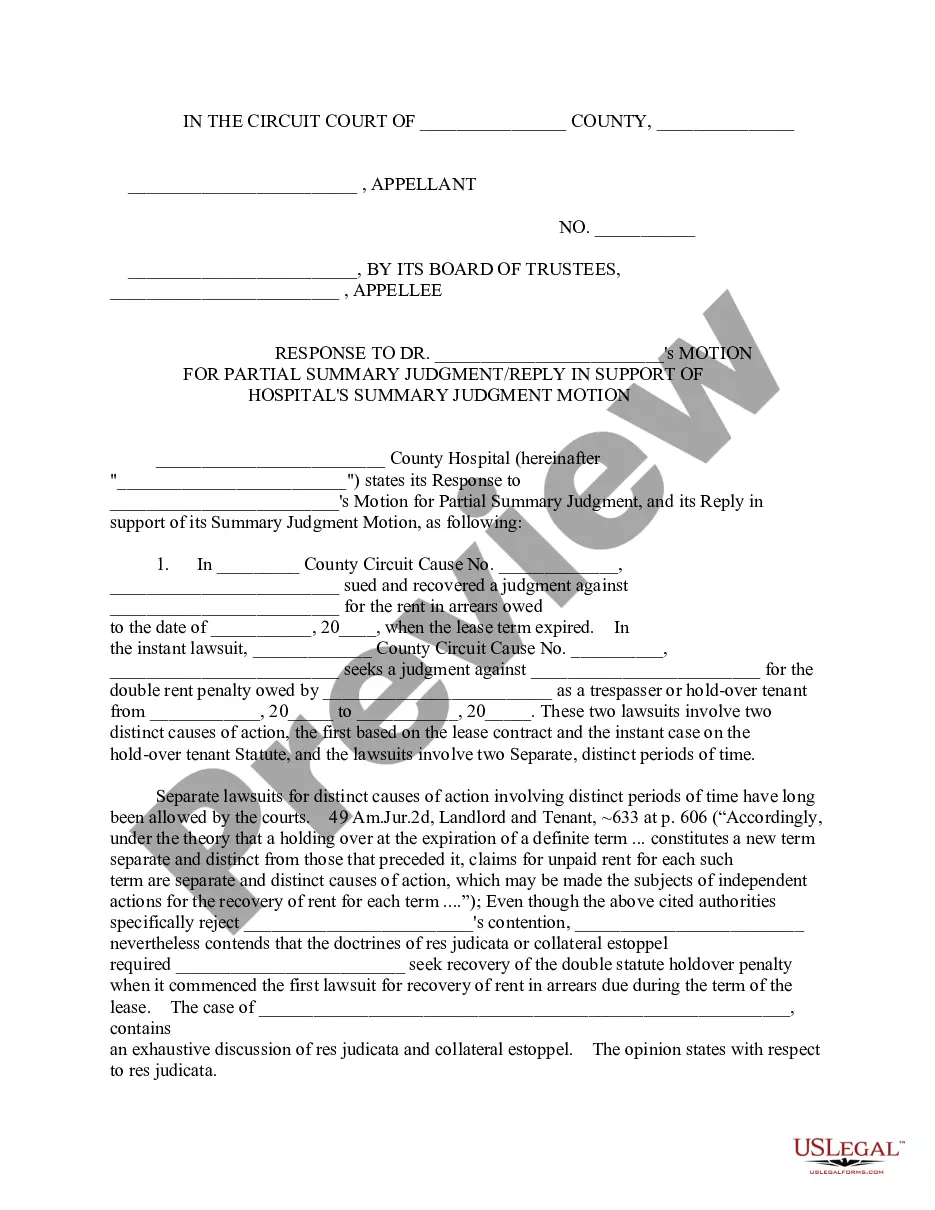
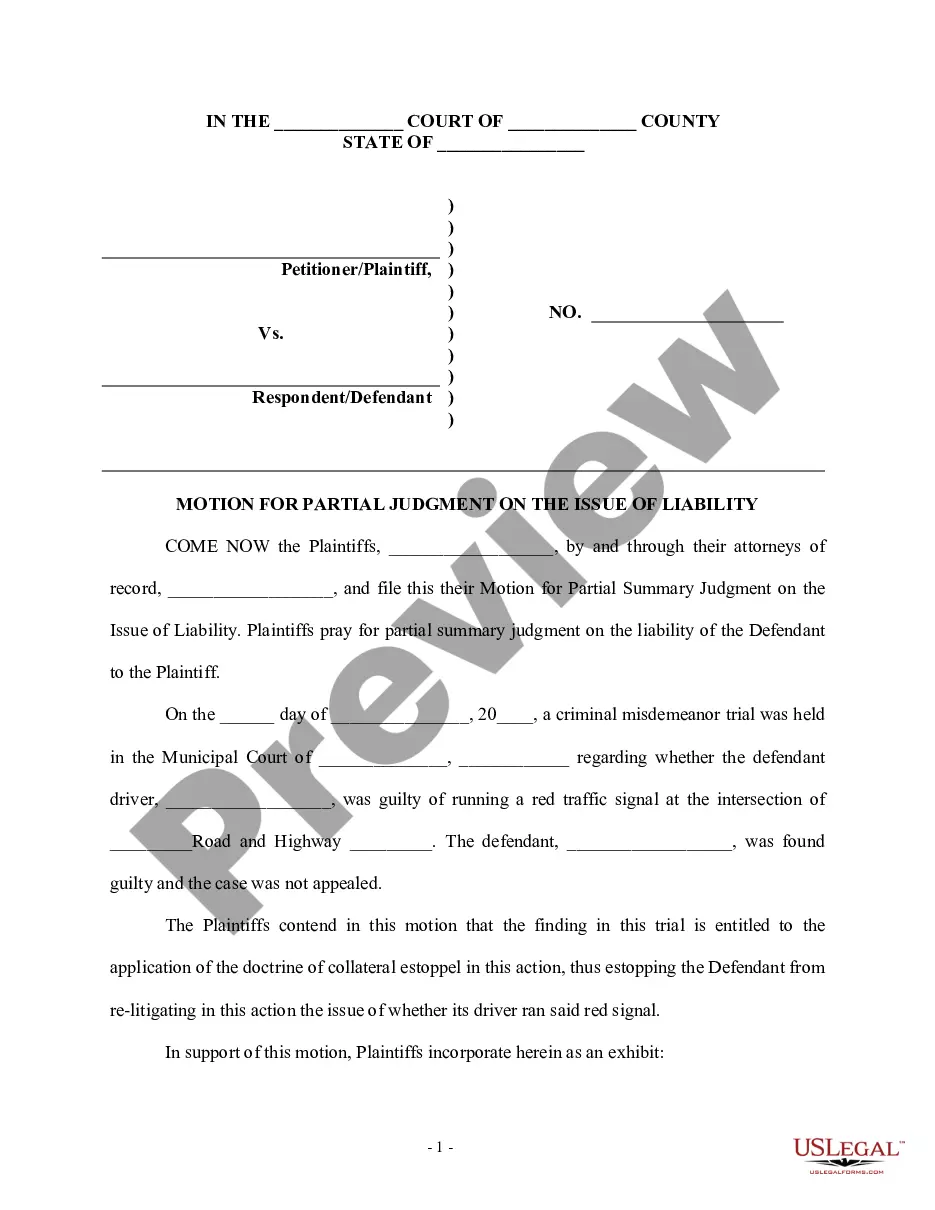
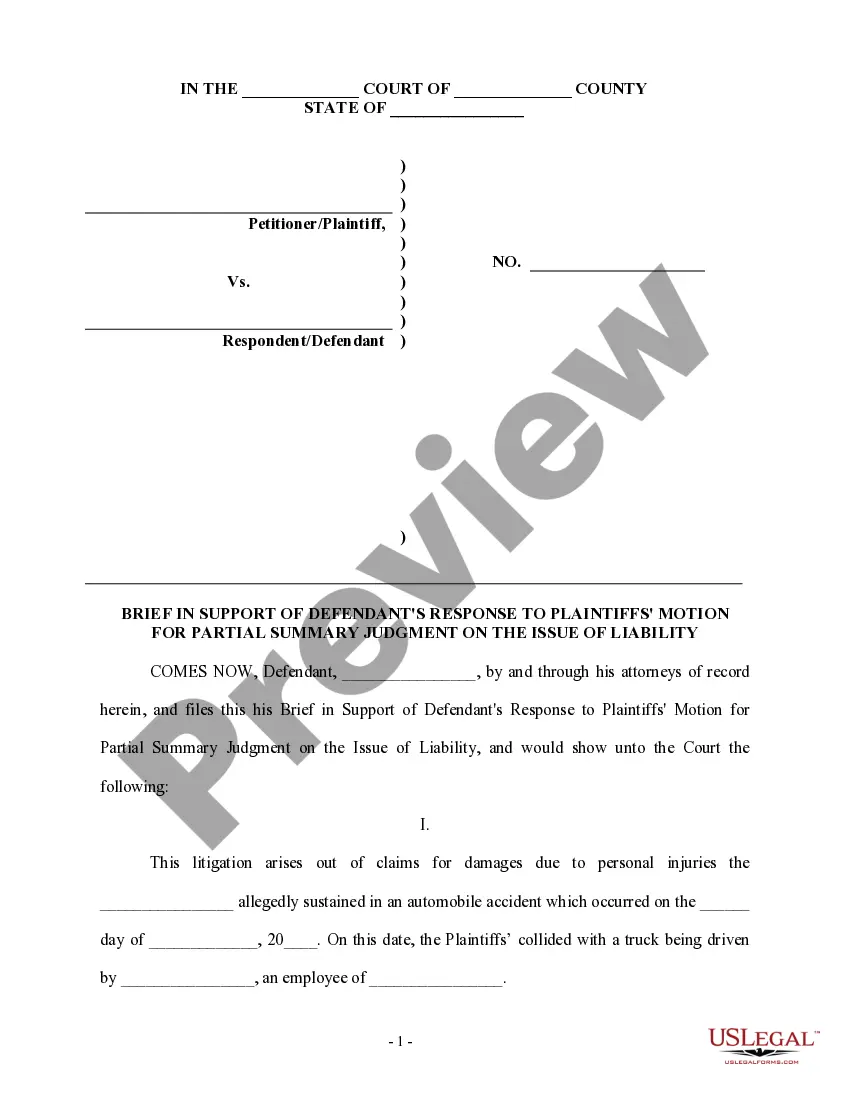
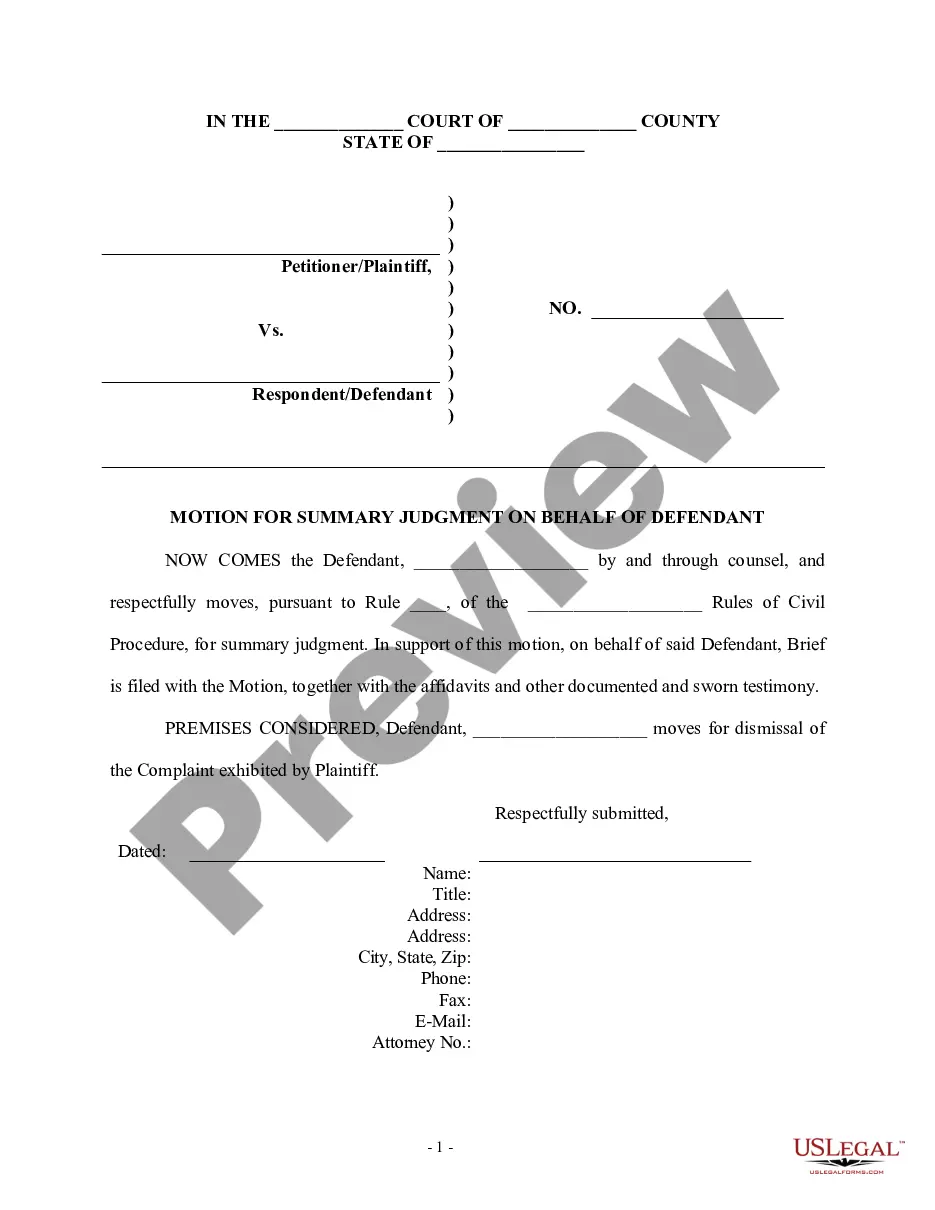
Get your form ready online
Our built-in tools help you complete, sign, share, and store your documents in one place.
Make edits, fill in missing information, and update formatting in US Legal Forms—just like you would in MS Word.
Download a copy, print it, send it by email, or mail it via USPS—whatever works best for your next step.
Sign and collect signatures with our SignNow integration. Send to multiple recipients, set reminders, and more. Go Premium to unlock E-Sign.
If this form requires notarization, complete it online through a secure video call—no need to meet a notary in person or wait for an appointment.
We protect your documents and personal data by following strict security and privacy standards.

Make edits, fill in missing information, and update formatting in US Legal Forms—just like you would in MS Word.

Download a copy, print it, send it by email, or mail it via USPS—whatever works best for your next step.

Sign and collect signatures with our SignNow integration. Send to multiple recipients, set reminders, and more. Go Premium to unlock E-Sign.

If this form requires notarization, complete it online through a secure video call—no need to meet a notary in person or wait for an appointment.

We protect your documents and personal data by following strict security and privacy standards.
Looking for another form?
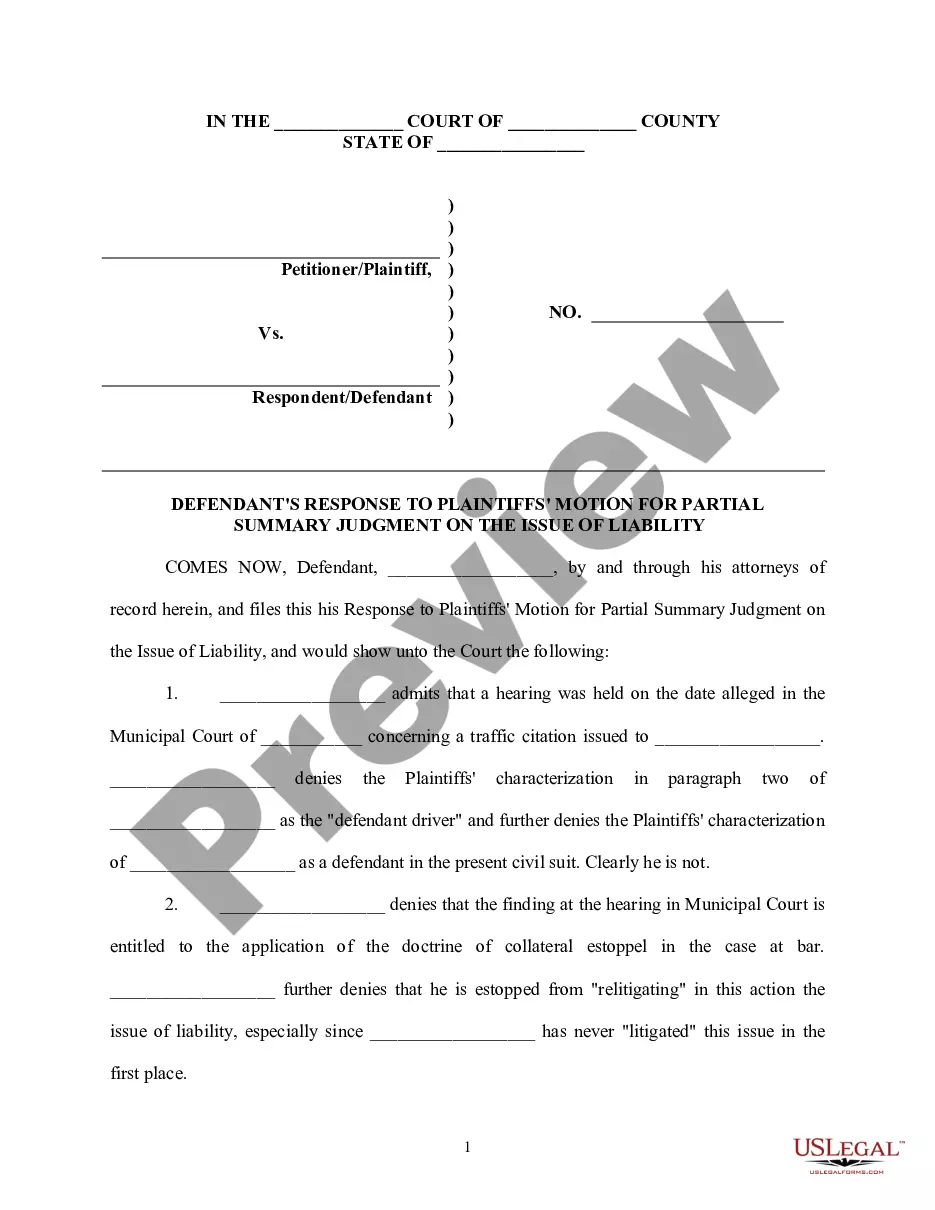
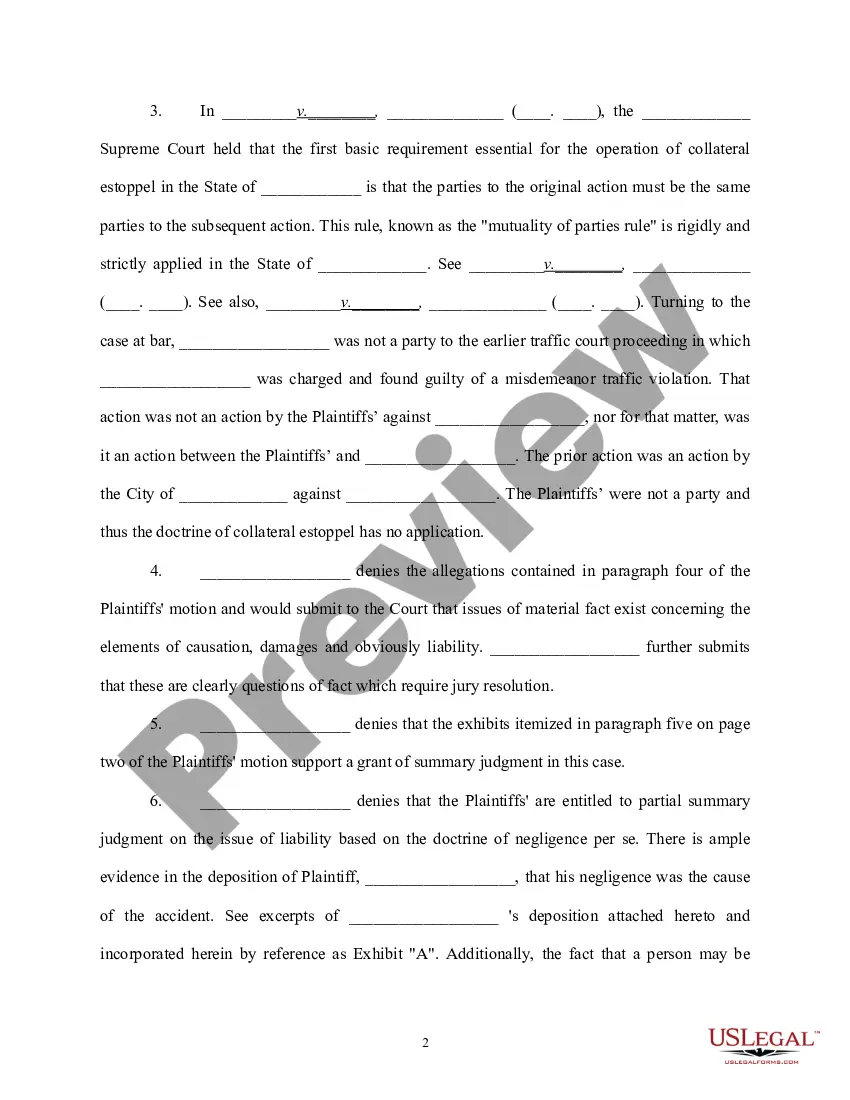
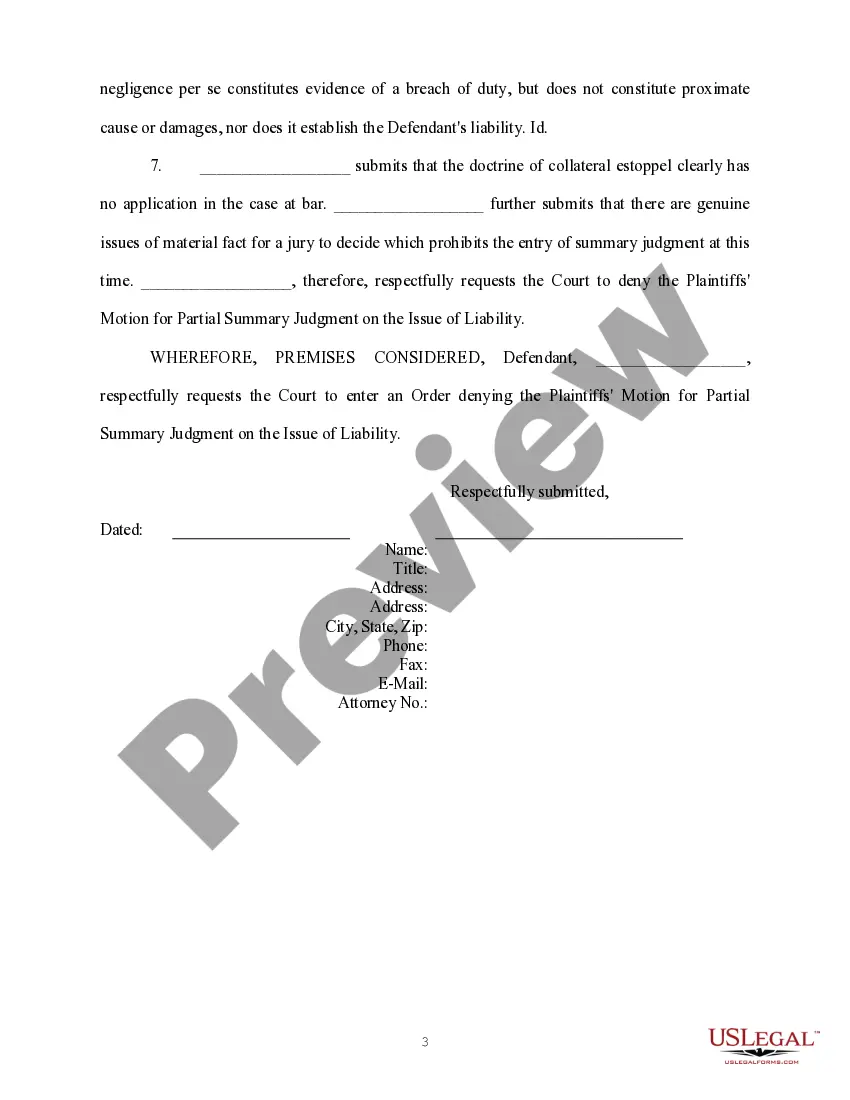
How to fill out Defendant's Response To Plaintiff's Motion For Summary Judgment On The Issue Of Liability?
- If you're a returning user, log in to your account and verify that your subscription is active before downloading the necessary form template.
- If you're new to the service, begin by browsing the extensive library and using the Preview mode to understand your selected form and its compliance with local requirements.
- If you need a different template, utilize the Search feature to find alternative documents that match your needs.
- After finding the right document, click the Buy Now button and select a subscription plan that suits you. Register for an account to unlock complete access.
- Proceed with your purchase by entering your payment information through your credit card or PayPal.
- Finally, download your chosen form and save it to your device. You can always find it later in the My Forms section.
By following these straightforward steps, you can quickly obtain a summary judgment form for debt collection. US Legal Forms not only saves you time but also empowers you with the right tools to enforce your rights effectively.
Ready to get started? Visit US Legal Forms today and unlock a world of legally sound document solutions!
Form popularity
FAQ
When a summary judgment is granted, it signals that the court has determined there is no genuine dispute over the material facts of the case. This ruling allows one party to win the case based on the evidence submitted. For debt collection, this decision often leads to immediate actions to recover the owed amounts. Understanding this impact is critical, and resources like US Legal Forms can provide necessary documents and guidance.
No, a summary judgment for debt collection is not a settlement; rather, it is a judicial decision. It resolves the case without a trial based on the evidence presented. Unlike a settlement, which involves mutual agreement between parties, a summary judgment is forced by the court's assessment of the facts. It's vital to grasp the difference to prepare adequately for the outcome.
After a summary judgment for debt collection is reached, the next step typically involves enforcement of the judgment. This may include actions like wage garnishment or bank levies to collect the debt owed. It's important to stay informed about your rights and obligations following this judgment. Consulting with professionals can help ensure you navigate this process effectively.
A debt generally becomes uncollectible after the statute of limitations expires, which varies by state and type of debt. This time frame is crucial when considering summary judgment for debt collection, as it could influence your options and actions. Typically, the duration ranges from three to ten years, depending on specific circumstances. Staying updated with your local laws, through platforms like USLegalForms, can help you understand these timelines.
The 777 rule with debt collectors is a consumer protection guideline that counters improper collection tactics. It establishes a framework where debt collectors must adhere to ethical practices. Knowing this rule is vital when dealing with summary judgment for debt collection, as it may improve your standing in court. Resources like USLegalForms can provide insights into how the 777 rule impacts your situation.
Requesting a summary judgment involves filing a motion with the court, typically after discovering that there are no disputed facts in your case. You must present supporting evidence and clearly outline why you believe a summary judgment for debt collection is appropriate. Engaging with a platform like USLegalForms can help you prepare the necessary documentation and navigate the court process more smoothly.
To find out if there’s a judgment against you for debt, you can perform a search in your local court records. This search will reveal any outstanding judgments, including those related to summary judgment for debt collection. Additionally, consider checking your credit report, as it may also provide information on any legal actions taken against you. By staying informed, you can take necessary steps to address the situation.
The 777 rule, in the context of debt collection, refers to specific guidelines that limit a debt collector's actions. It helps protect you from aggressive or unfair collection practices. When it comes to summary judgment for debt collection, understanding the 777 rule can serve as an essential tool in your defense strategy. Utilize resources like USLegalForms to navigate this rule effectively.
Filing a summary judgment involves several steps, starting with preparing a motion that outlines your request for the court to rule. You must include supporting documents and evidence that meet the criteria for summary judgment for debt collection. After preparation, you file the motion with the court and serve it to the other party. Utilizing a platform like USLegalForms can simplify this process by providing templates and guidance tailored to your needs.
In summary judgment for debt collection cases, the burden of proof falls on the party seeking the judgment. They must demonstrate that no genuine dispute of material fact exists, and they are entitled to judgment as a matter of law. This typically requires presenting evidence, such as documents or testimony, that supports their claims. Ensuring that you understand this burden can significantly influence the outcome of your case.