Proprietor With Urdu
Description
Get your form ready online
Our built-in tools help you complete, sign, share, and store your documents in one place.
Make edits, fill in missing information, and update formatting in US Legal Forms—just like you would in MS Word.
Download a copy, print it, send it by email, or mail it via USPS—whatever works best for your next step.
Sign and collect signatures with our SignNow integration. Send to multiple recipients, set reminders, and more. Go Premium to unlock E-Sign.
If this form requires notarization, complete it online through a secure video call—no need to meet a notary in person or wait for an appointment.
We protect your documents and personal data by following strict security and privacy standards.

Make edits, fill in missing information, and update formatting in US Legal Forms—just like you would in MS Word.

Download a copy, print it, send it by email, or mail it via USPS—whatever works best for your next step.

Sign and collect signatures with our SignNow integration. Send to multiple recipients, set reminders, and more. Go Premium to unlock E-Sign.

If this form requires notarization, complete it online through a secure video call—no need to meet a notary in person or wait for an appointment.

We protect your documents and personal data by following strict security and privacy standards.
Looking for another form?





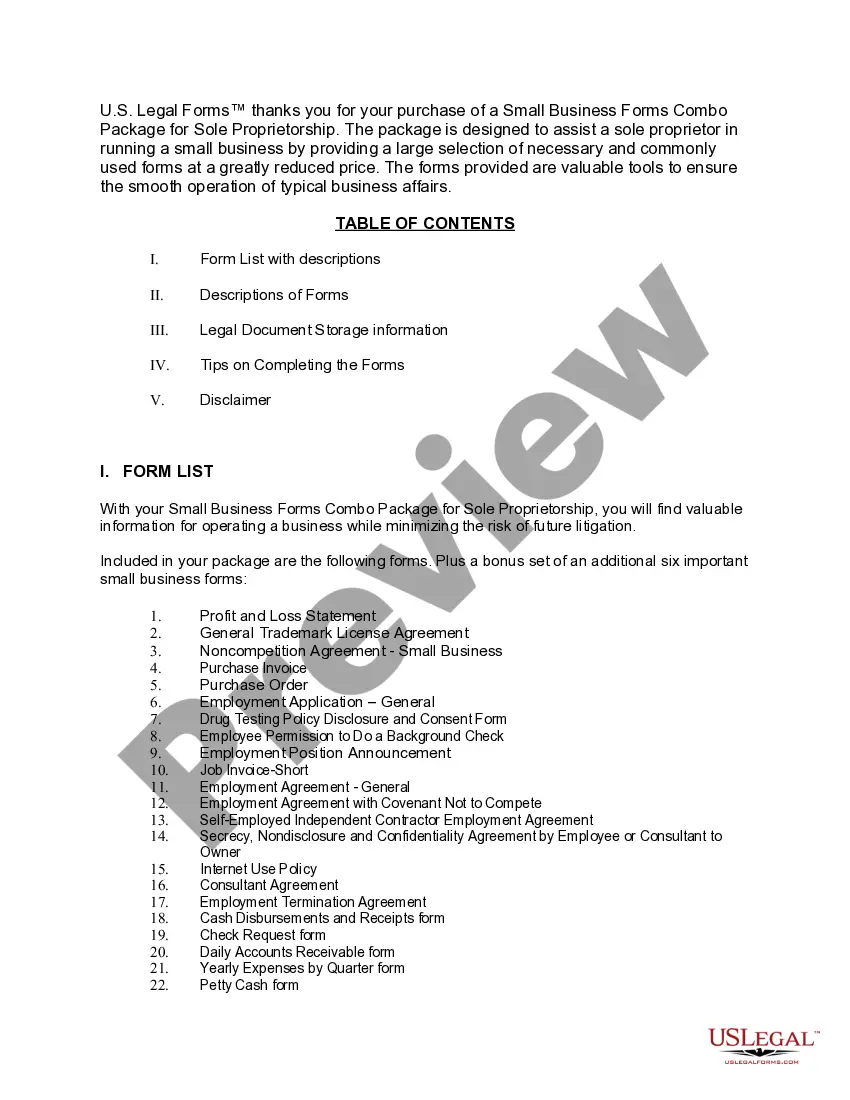
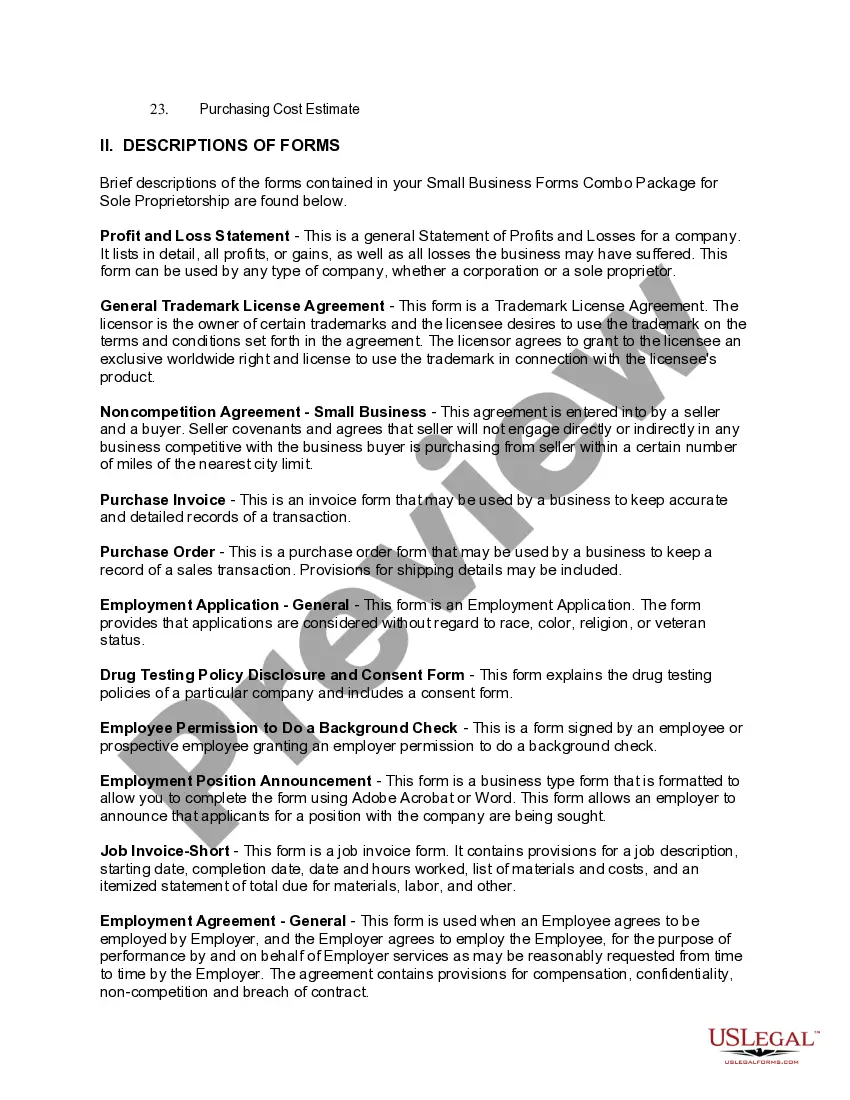
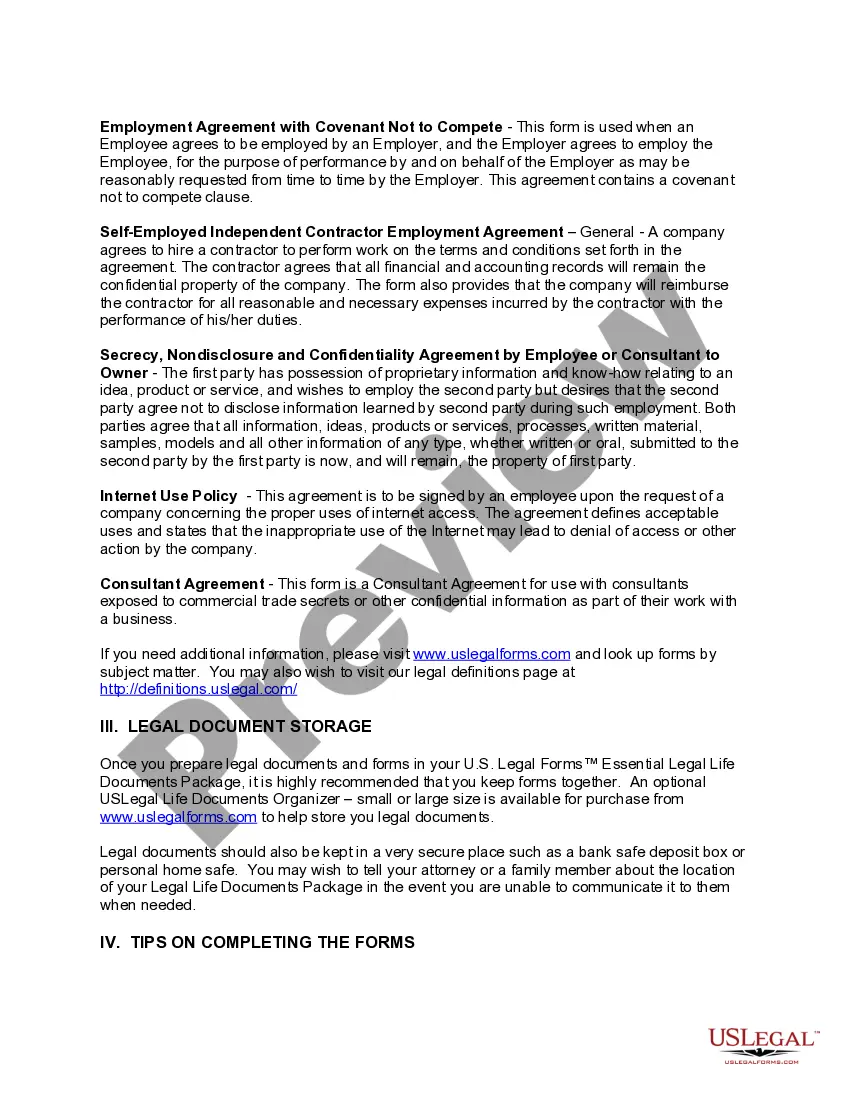
How to fill out Small Business Startup Package For Sole Proprietorship?
Managing legal documents and procedures can be a lengthy addition to your daily routine.
Proprietor With Urdu and similar forms typically necessitate seeking them out and grasping how to fill them out accurately.
For this reason, if you're handling financial, legal, or personal affairs, possessing a robust and user-friendly online collection of forms readily available will be extremely beneficial.
US Legal Forms is the leading online source for legal templates, presenting over 85,000 state-specific forms along with various tools to help you complete your documents easily.
Simply Log In to your account, search for Proprietor With Urdu, and download it instantly from the My documents section. You can also access forms you have saved previously.
- Explore the repository of relevant documents available to you with a single click.
- US Legal Forms offers state- and county-specific forms available for download at any time.
- Ensure your document management processes are safeguarded with high-quality support that enables you to assemble any form in minutes without extra or hidden fees.
Form popularity
FAQ
To obtain a sole proprietorship certificate in Pakistan, you need to visit your local chamber of commerce or relevant regulatory authority. You will typically need to provide your NTN, identification documents, and any other required information about your business. Once everything is verified, you will receive your certificate, which validates your status as a proprietor. This document can boost your credibility and help in securing business opportunities.
Registering a sole proprietorship in Pakistan involves a simple process. First, you must obtain your NTN from the FBR, which serves as a tax identifier for your business. Next, you should open a bank account in your business name and comply with any local requirements for business registration. Following these steps will help establish you as a recognized proprietor, paving the way for your business’s growth and success.
To obtain a National Tax Number (NTN) for your sole proprietorship in Pakistan, you need to register with the Federal Board of Revenue (FBR). You can start this process online by filling out the required forms on the FBR website. Once your application is processed, you will receive your NTN, which is essential for tax compliance as a proprietor. This step is important for ensuring that your business operates legally and effectively.
A single member LLC (Limited Liability Company) is not the same as a sole proprietor. While both structures can be owned by one individual, an LLC offers personal liability protection, unlike a sole proprietor which does not. In simpler terms, as a proprietor, you are personally responsible for any debts or legal issues that arise from your business activities. Understanding these differences is crucial, especially when considering your options in business structure.
In the context of business organization, the sole proprietorship refers to a model where a single owner has full control and responsibility. This structure enables the proprietor to make all decisions without the need for consensus. However, implications such as liability and taxation fall directly on the individual. Understanding this form is vital for anyone considering starting their own business.
To register a sole proprietorship in Pakistan, you must first acquire a National Tax Number (NTN) from the Federal Board of Revenue. Subsequently, you should obtain a business name registration from the relevant provincial authority. Additionally, maintaining proper financial records is essential for tax compliance. Resources like US Legal Forms can provide guidance on navigating this registration process smoothly.
The short form of proprietor is often referred to as 'Prop.' when discussing business titles. This abbreviation is commonly used in legal and business documents. Each proprietor plays a critical role in guiding the business's direction and strategy. Understanding this term can help clarify roles within different types of business structures.
The sole proprietorship form of organization means that a single individual is responsible for the business's operation and all its liabilities. This structure offers full control to the proprietor, who reaps all profits. While it's easy to start and dissolve, the proprietor should be aware that they face personal liability for any business debts. Therefore, it's crucial for the proprietor to manage the business carefully.
An example of a sole proprietorship could be a local bakery owned by an individual. In this scenario, the proprietor manages everything from operations to finances. This simple and straightforward business model allows the owner to engage directly with customers while retaining all profits. Many freelancers and small business owners also operate under this model.
A sole proprietorship is a business structure where one individual owns and operates the entire business. This type of organization allows the proprietor to have complete control over all decisions. With minimal setup and fewer regulatory requirements, it is a popular choice for many entrepreneurs. The proprietor is personally responsible for all debts and obligations incurred by the business.