Property Partition Suit Without Possession
Description
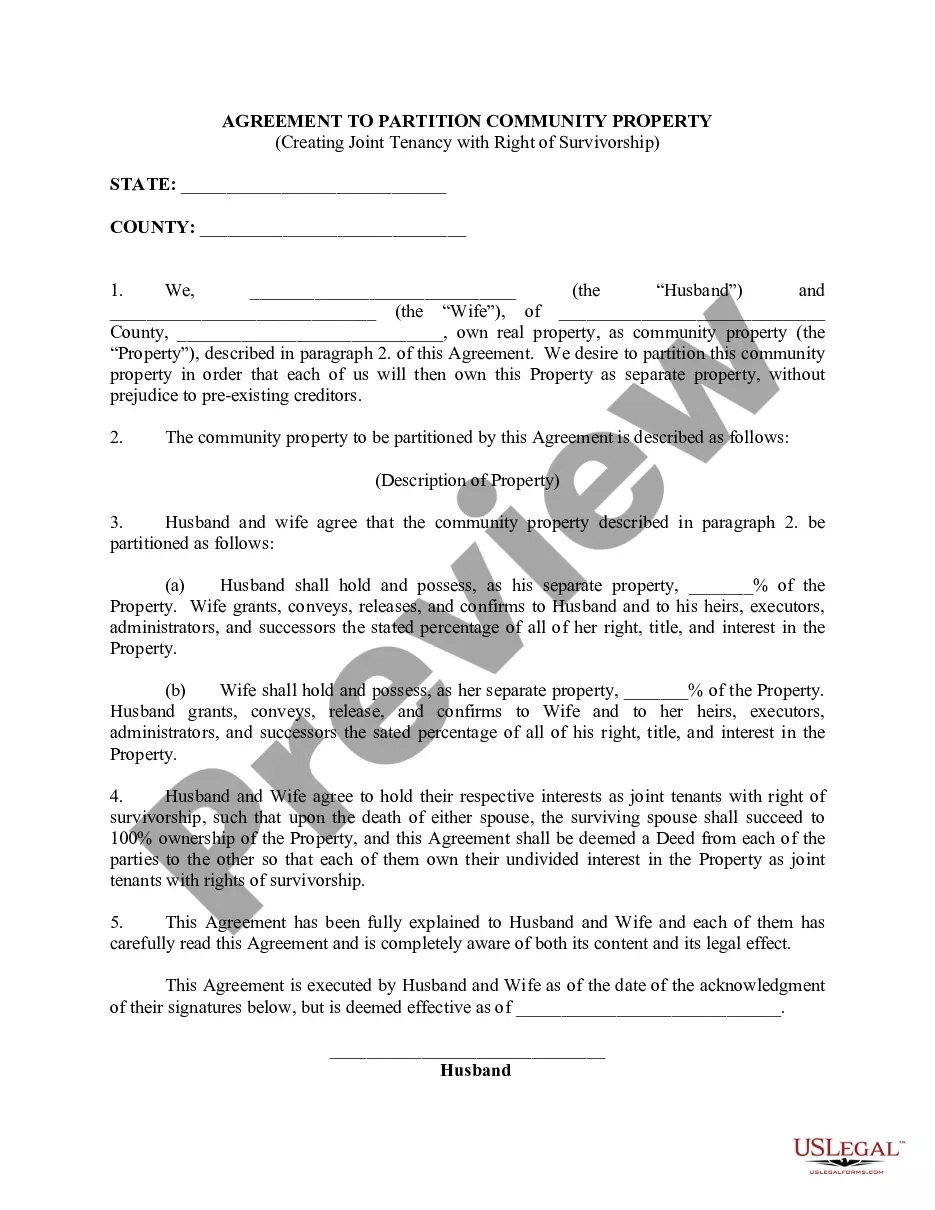
Get your form ready online
Our built-in tools help you complete, sign, share, and store your documents in one place.
Make edits, fill in missing information, and update formatting in US Legal Forms—just like you would in MS Word.
Download a copy, print it, send it by email, or mail it via USPS—whatever works best for your next step.
Sign and collect signatures with our SignNow integration. Send to multiple recipients, set reminders, and more. Go Premium to unlock E-Sign.
If this form requires notarization, complete it online through a secure video call—no need to meet a notary in person or wait for an appointment.
We protect your documents and personal data by following strict security and privacy standards.

Make edits, fill in missing information, and update formatting in US Legal Forms—just like you would in MS Word.

Download a copy, print it, send it by email, or mail it via USPS—whatever works best for your next step.

Sign and collect signatures with our SignNow integration. Send to multiple recipients, set reminders, and more. Go Premium to unlock E-Sign.

If this form requires notarization, complete it online through a secure video call—no need to meet a notary in person or wait for an appointment.

We protect your documents and personal data by following strict security and privacy standards.
Looking for another form?
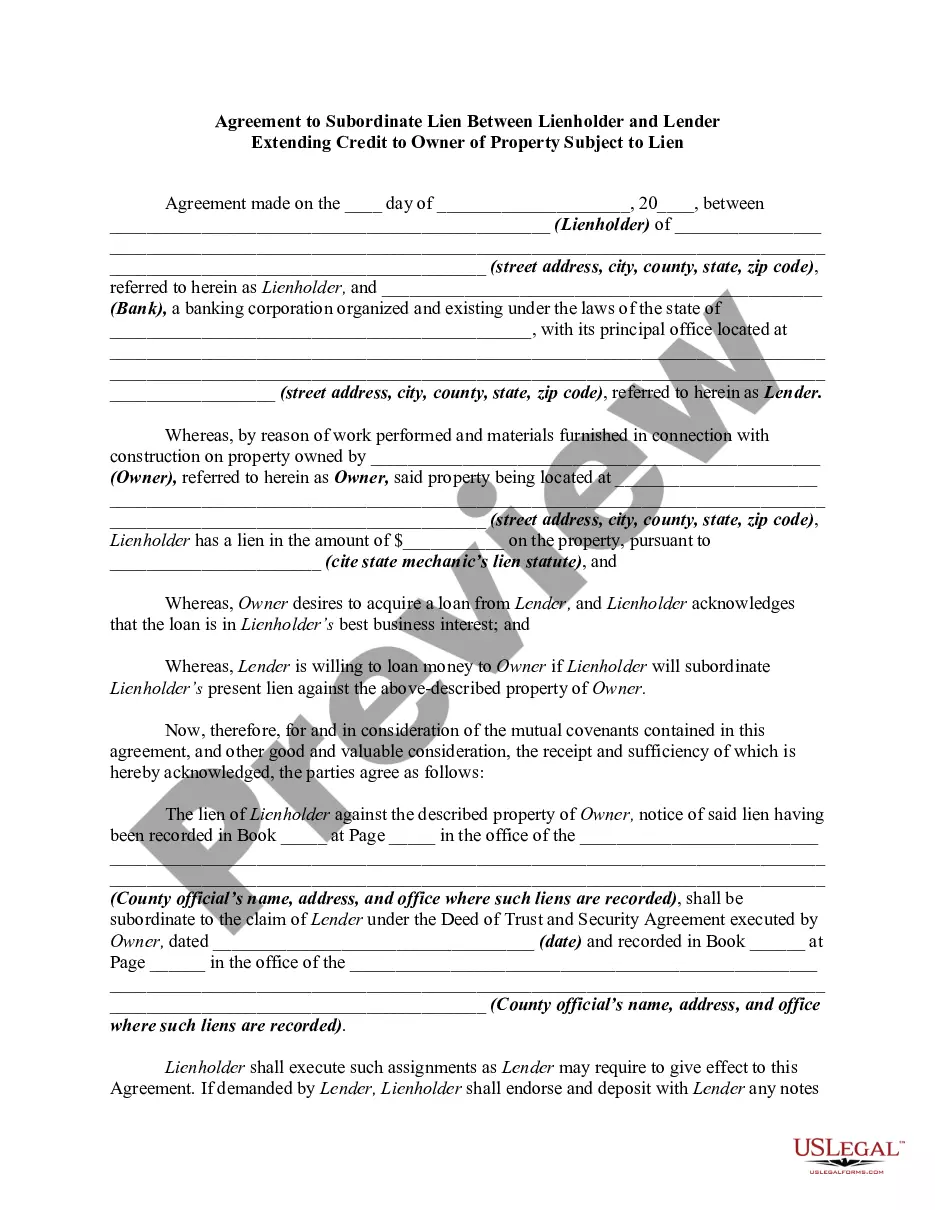
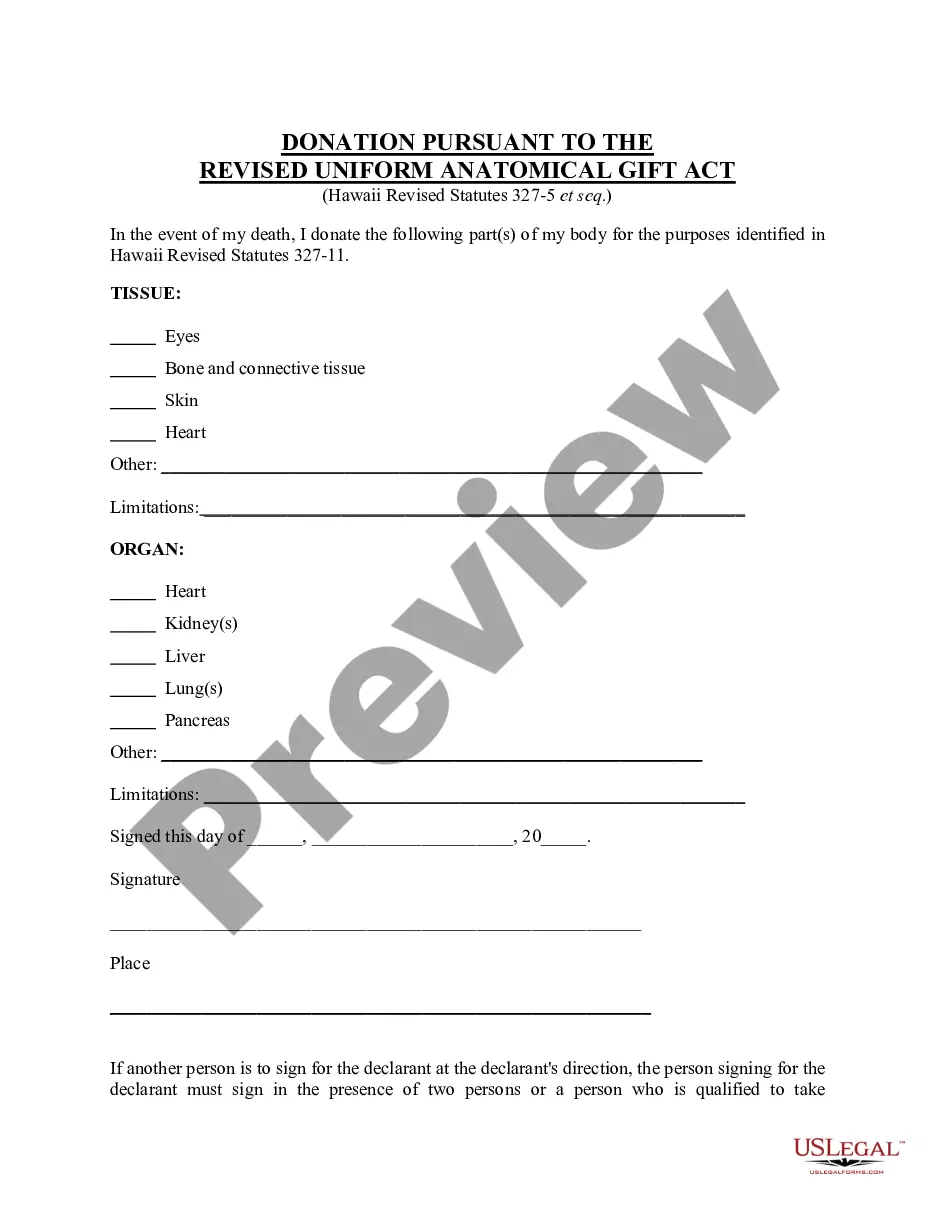

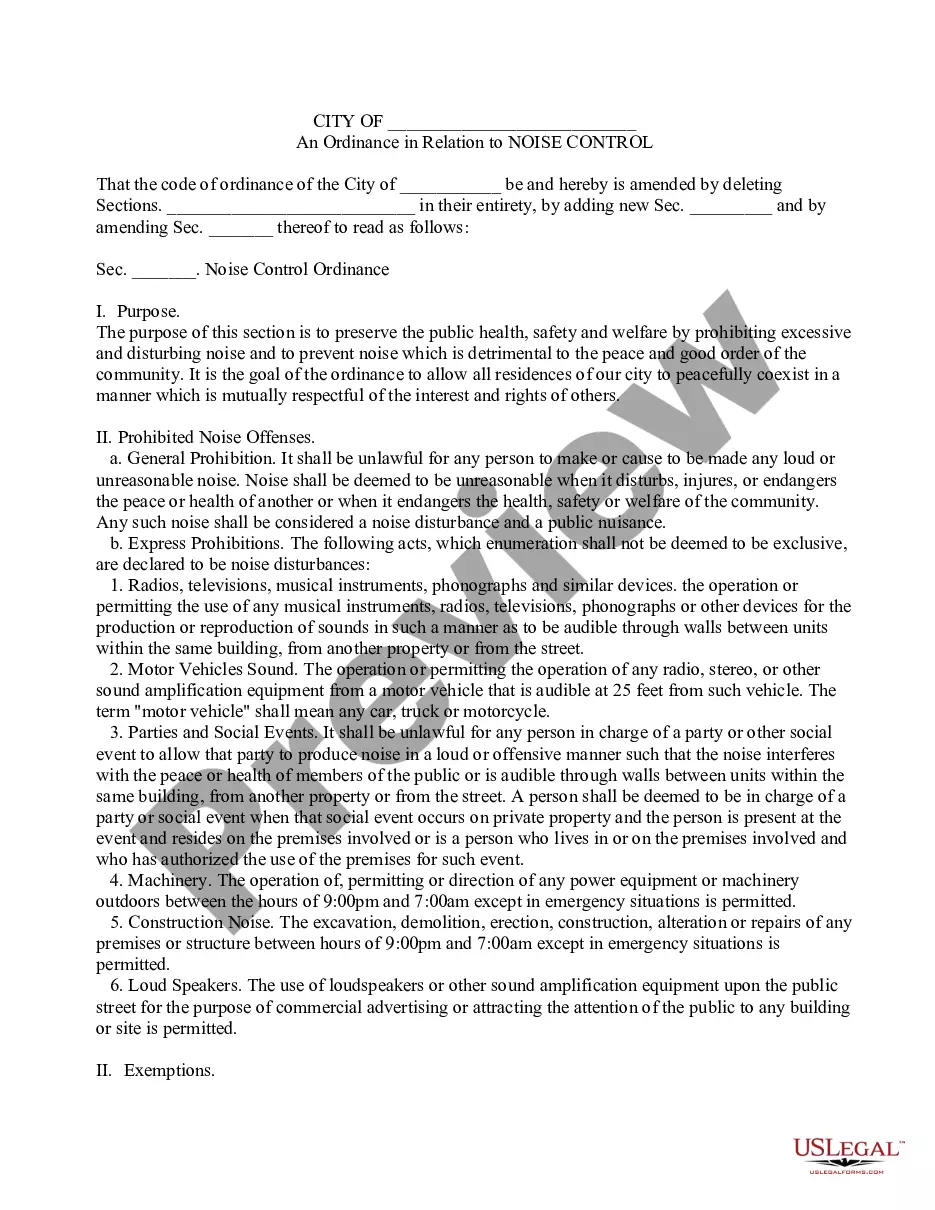
How to fill out Agreement To Partition Community Property Creating Joint Tenancy With Right Of Survivorship?
Obtaining legal documents that comply with federal and local laws is essential, and the internet provides numerous choices to choose from.
However, why spend time hunting for the right Property Partition Suit Without Possession template online when the US Legal Forms digital library already has such documents assembled in one location.
US Legal Forms is the largest online legal repository with over 85,000 customizable templates created by lawyers for any business and personal circumstance.
Review the template using the Preview feature or through the text outline to verify it suits your requirements.
- They are straightforward to navigate with all documents categorized by state and intended use.
- Our experts keep abreast of legal updates, ensuring your documents are current and compliant when obtaining a Property Partition Suit Without Possession from our site.
- Acquiring a Property Partition Suit Without Possession is quick and easy for both existing and new users.
- If you already possess an account with an active subscription, Log In and save the document template you need in your desired format.
- If you are new to our platform, follow the steps outlined below.
Form popularity
FAQ
Winning a partition suit requires a clear understanding of property rights and effective legal strategy. You should gather documentation that proves your ownership and any relevant agreements among co-owners. Additionally, working with legal professionals who specialize in property partition suits can bolster your case. Platforms like US Legal Forms can assist you in preparing the necessary legal documents to strengthen your position in a property partition suit without possession.
There are several alternatives to a partition suit that co-owners can explore. Mediation or negotiation can often lead to a mutually agreeable solution without the need for court intervention. Selling the property and splitting the proceeds is another option that may suit everyone involved. Utilizing platforms like US Legal Forms can help you understand these alternatives and assist in drafting agreements that reflect your decisions.
Yes, a suit for partition without possession is maintainable under certain circumstances. When co-owners of a property cannot agree on its use or division, a partition suit without possession can help resolve the issue. This type of suit allows for the division of property rights among co-owners, even if one party is not currently in possession of the property. It is important to understand your rights and options, and resources like US Legal Forms can provide valuable guidance.
owner may file a property partition suit without possession to seek a legal resolution when they feel unfairly treated or unable to use the property. This legal action allows them to regain control or sell their share, ensuring they receive fair compensation. Additionally, it provides a structured way to handle disputes that could otherwise lead to prolonged conflict. To navigate this process smoothly, consider using US Legal Forms for essential legal documents and guidance.
Before resorting to a property partition suit without possession, consider mediation or negotiation with co-owners to reach an amicable agreement. Other alternatives include selling the property and dividing the profits or buying out the other owner's share. These options can save time, reduce legal costs, and maintain relationships among co-owners. Utilizing platforms like US Legal Forms can help you explore these alternatives effectively.
A property partition suit can be filed when co-owners of a property cannot agree on how to divide or manage their shared property. It is often the last resort when negotiations fail, especially if one owner seeks to sell their share. You can initiate a property partition suit without possession to resolve disputes over ownership and use. It is essential to consult legal resources or platforms like US Legal Forms for guidance on the process.
In case of mutual consent. Irrespective of whether the property is being divided amongst family members, business associates, friends, or others, a partition deed must be signed between the co-owners (co-owners can be more than two). The property is divided based on an investment, a will, or a mutual agreement.
What is a Partition Action in California? A partition lawsuit requires real estate to be sold regardless of the requests of the other title owners. The purpose of a partition action is to permanently end all disputes and remove all obstacles to the free enjoyment of land by one person.
Here are some of the most common ways to win a partition suit: Getting bought out at a fair price. ... The property being sold on the open market. ... Getting a co-owner to move out of the property so it can be rented. ... Getting reimbursed for the funds you put into the property.