Excavation Plan Example
Description
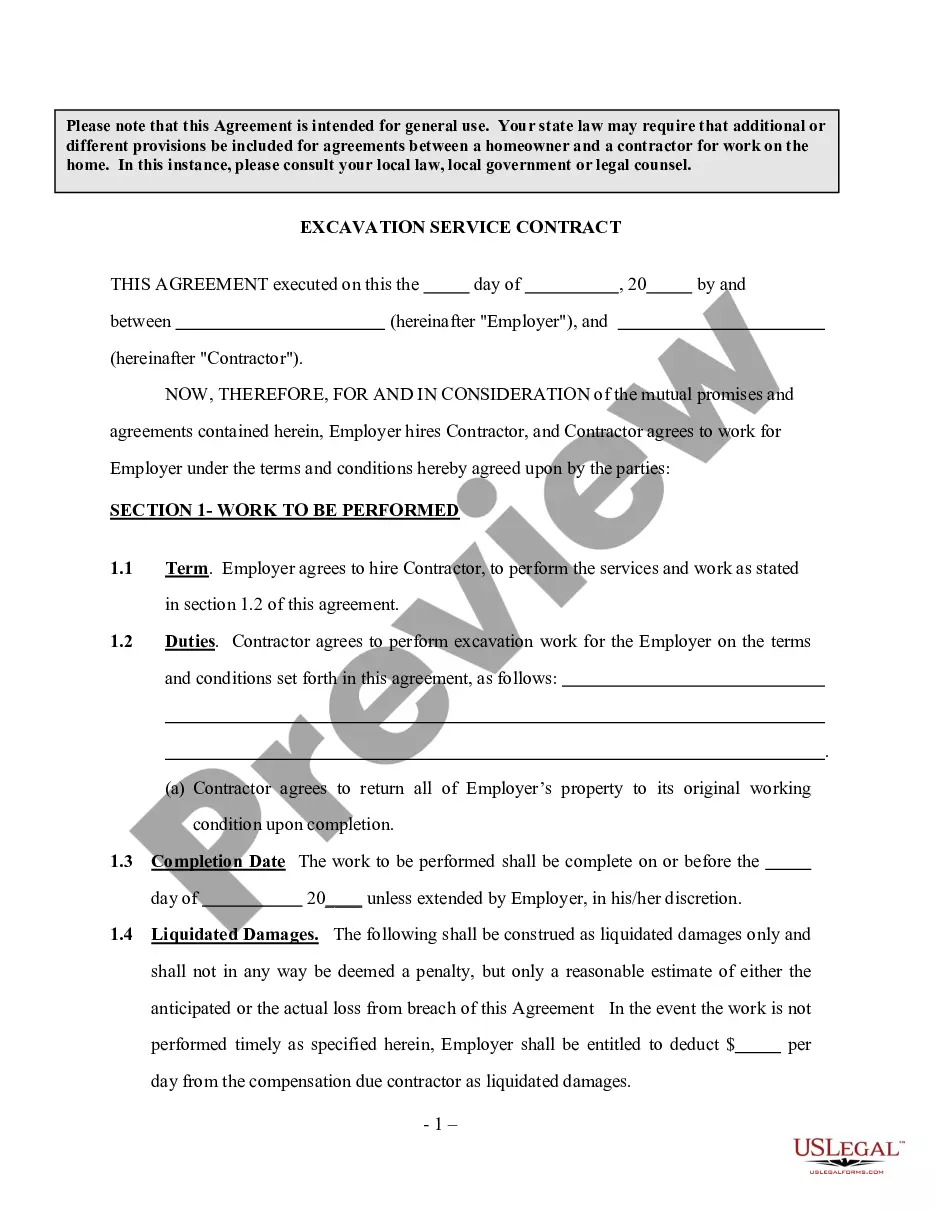
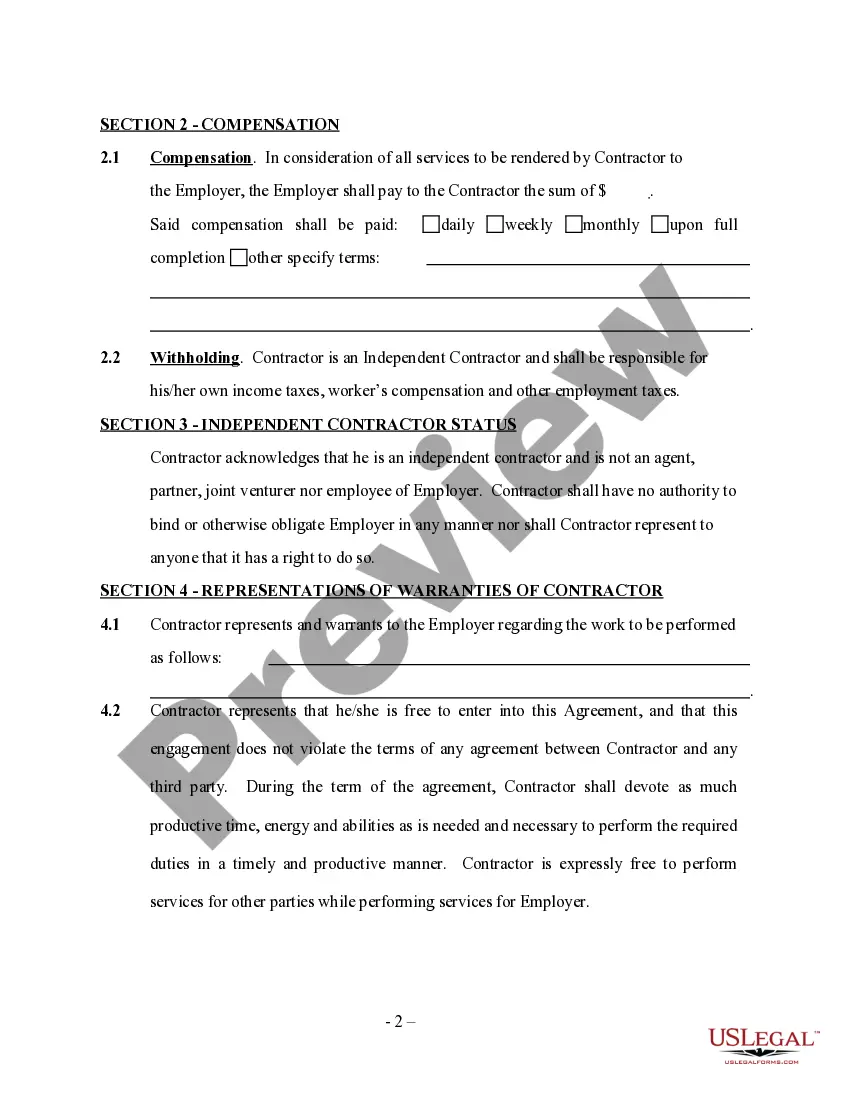
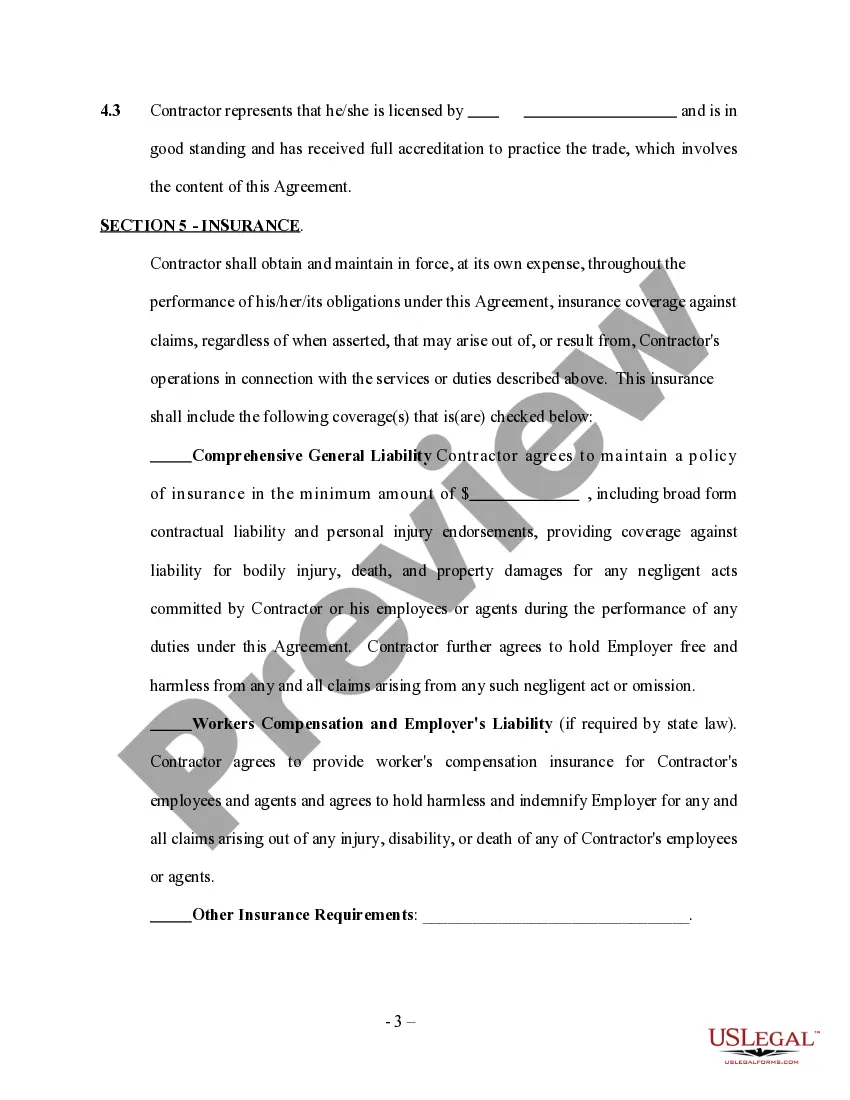
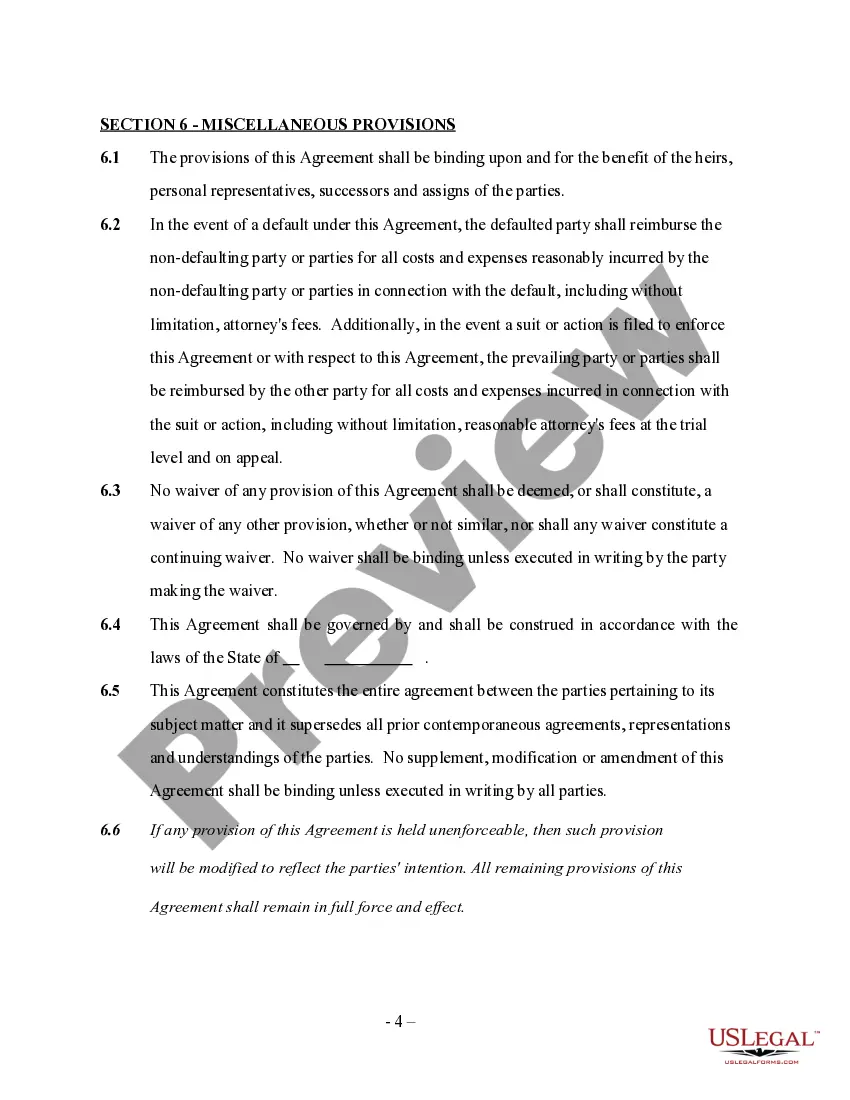
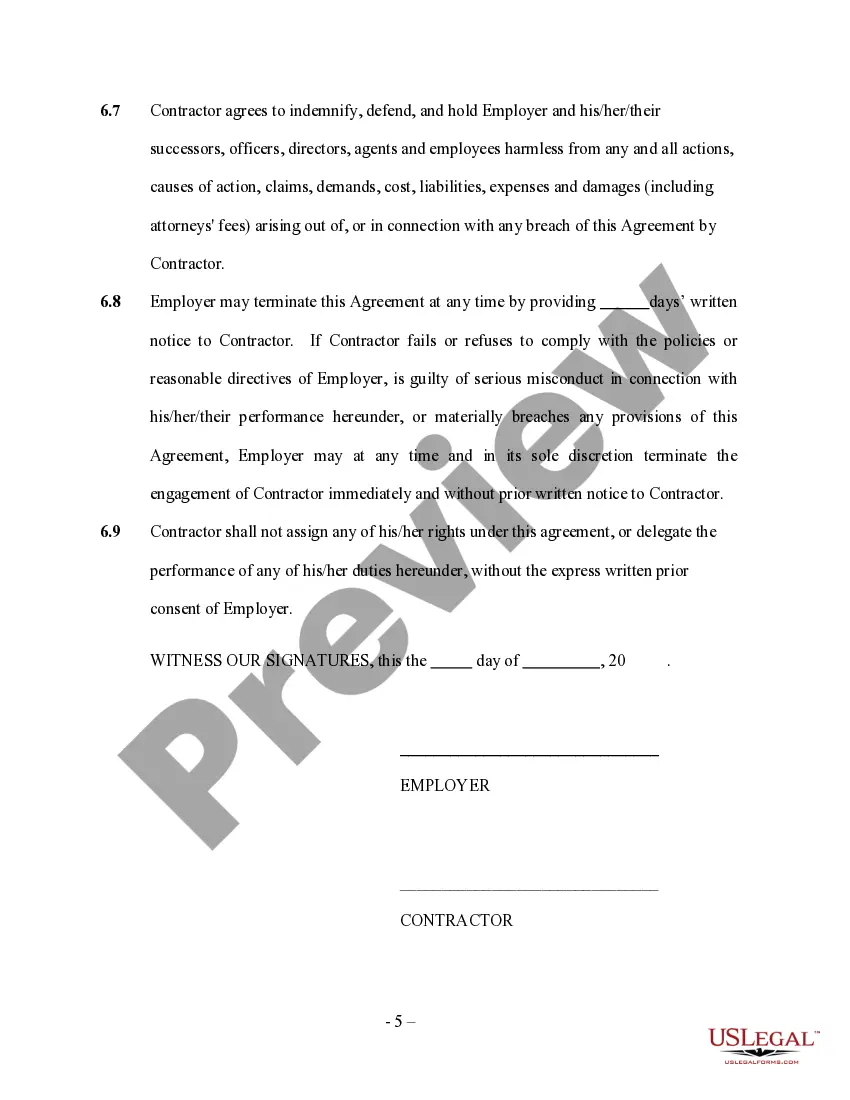
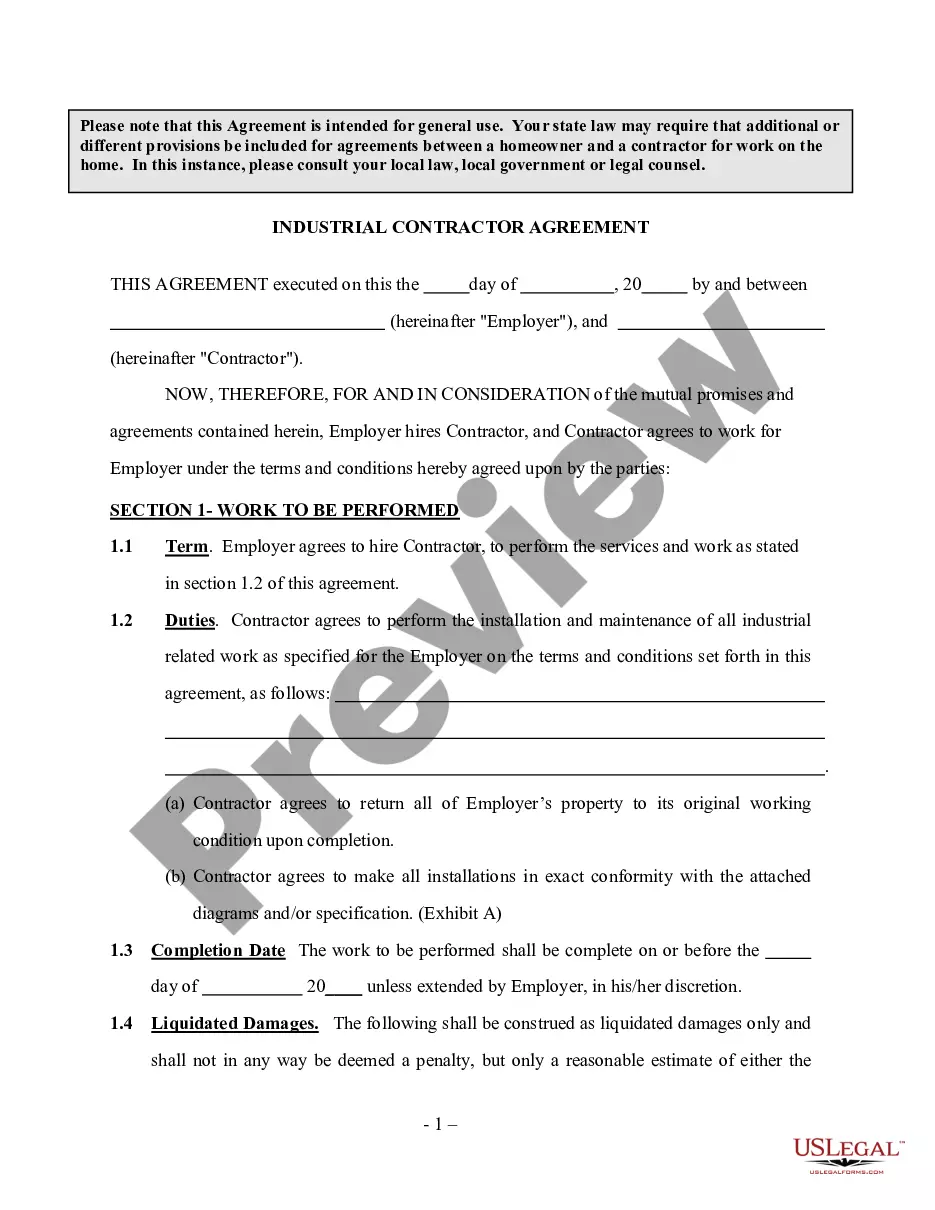
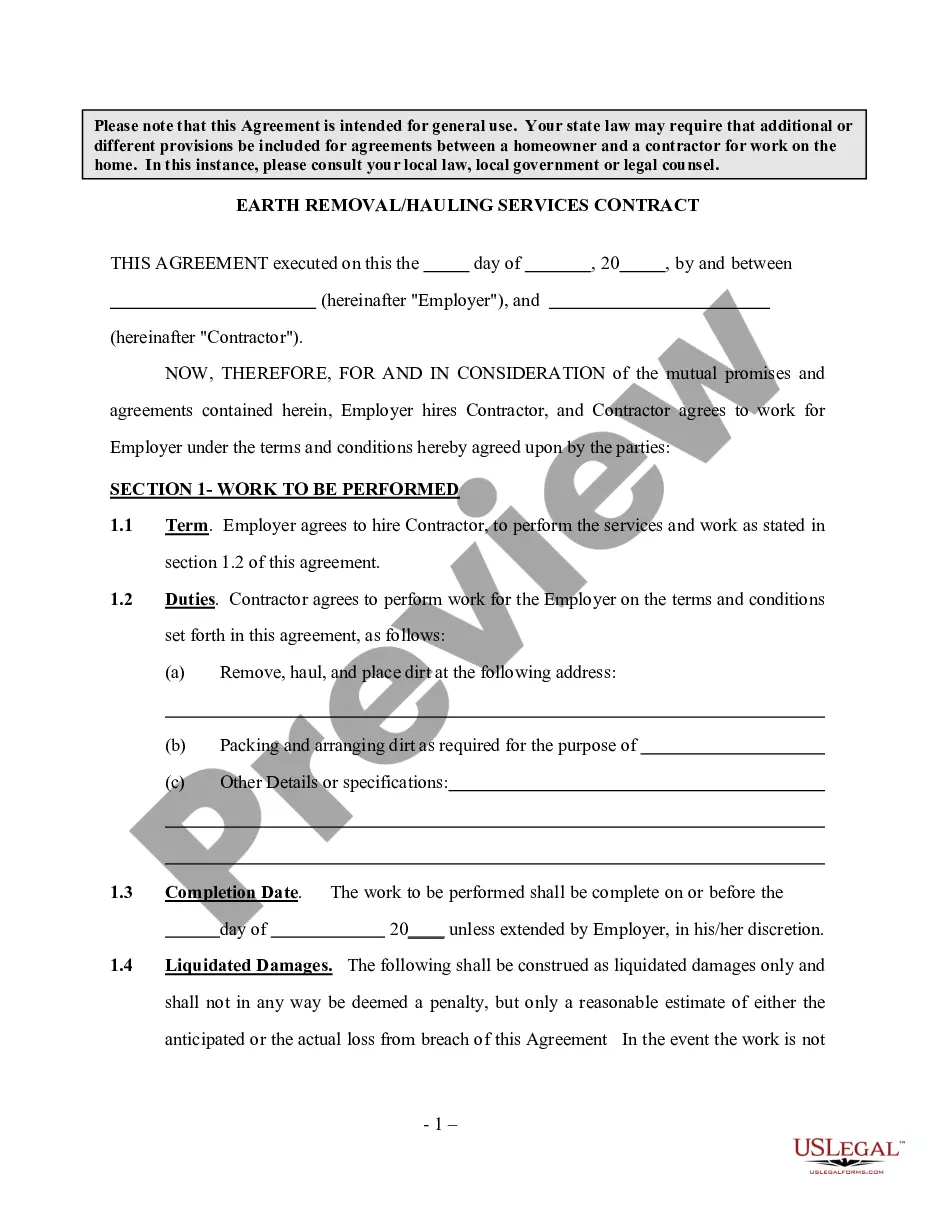
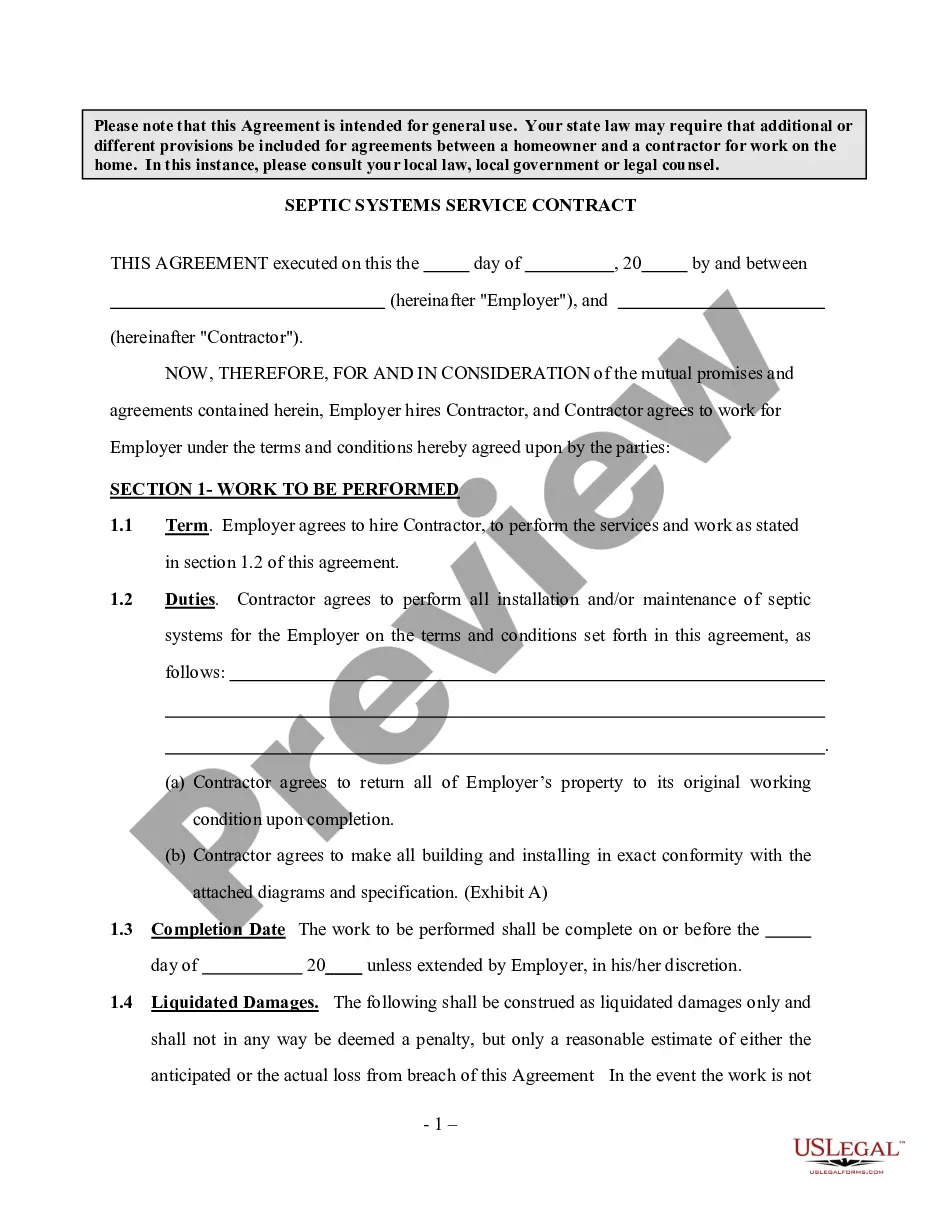
How to fill out Self-Employed Excavation Service Contract?
- If you're a returning user, simply log in to your account to download your excavation plan example. Ensure your subscription remains active; renew it if necessary.
- For new users, start by previewing the excavation plan example to confirm it meets your needs and adheres to local regulations.
- If the selected template isn't right, use the search feature to find another excavation plan example that fits your criteria.
- Once you've identified the correct template, click 'Buy Now' to select your subscription plan.
- Complete your purchase by entering your credit card details or using your PayPal account for payment.
- Finally, download your excavation plan example and save it to your device. You can revisit it anytime through the My Forms section.
By leveraging US Legal Forms, you can easily access a comprehensive selection of legal forms, making the document preparation process smooth and reliable.
Don’t miss out on the benefits of having high-quality legal documents at your fingertips—get started with US Legal Forms today!
Form popularity
FAQ
To organize an excavation, start by developing a detailed project timeline based on your excavation plan example. Identify the resources and equipment needed while assigning roles to your crew members. Ensure clear communication among team members and incorporate regular check-ins to monitor progress. A well-structured approach will lead to a successful excavation project while minimizing risks.
When writing a business plan for an existing company, start by reviewing your current operations thoroughly. Identify areas for improvement and incorporate your new ideas, like existing excavation plan examples, into the plan. Include updated financial data and revised goals based on market research. This reflective process can help you adapt and grow in a competitive environment.
To make a business plan for a construction company, begin with an overview of your business goals and target market. Next, outline your services in detail, highlighting projects similar to your excavation plan example. You should also include a marketing strategy, operational goals, and financial forecasts. This comprehensive approach will strengthen your business position in the construction industry.
The steps of excavation include site preparation, marking utilities, digging, and backfilling. First, clear the area and survey it before marking underground utilities to avoid damage. Next, dig according to the specifications in your excavation plan example, and ensure proper methods for removing and replacing soil. Finally, backfill carefully to restore the site and maintain structural integrity.
The 5 4 3 2 1 rule in excavation is a method for managing project risks efficiently. This rule involves identifying five risks, prioritizing four strategies for mitigation, assessing three action steps, implementing two contingencies, and ensuring one responsible party oversees the plan. Incorporating this approach into your excavation plan example can drive better decision-making and enhance overall project safety.
To write a simple business plan, start with an executive summary that outlines your business vision. Next, include a description of your services, such as excavation plans or construction capabilities. Integrate a market analysis and financial projections to support your plan. Lastly, for a practical example, consider how you can apply an excavation plan example within your business strategy.
The three S's of excavation are safety, stability, and scheduling. These principles guide your excavation plan example, ensuring that the project is executed without incidents and delays. Always prioritize safety procedures to protect workers and comply with regulations, while also ensuring that your excavation site remains stable throughout the project.
Excavation work encompasses any activity that involves moving earth. This may include digging, grading land, creating holes for planting, or preparing sites for construction. An excavation plan example can clarify the scope of work and outline the necessary equipment and labor involved. By having a solid plan, you streamline operations and enhance project outcomes.
An example of excavation work includes digging a foundation for a new residential building. This process involves removing dirt and leveling the ground to prepare for concrete installation. An excavation plan example can guide the specifics of this task, detailing steps, timelines, and equipment needed. Such plans help ensure the project proceeds smoothly and safely.
Writing a business plan for an excavation company requires clear objectives and a market analysis. Start by outlining your services, target audience, and financial projections. An excavation plan example can serve as a helpful reference, ensuring you cover essential elements such as operational procedures and required licenses. Using a structured format makes your plan more effective.