Excavation
Description
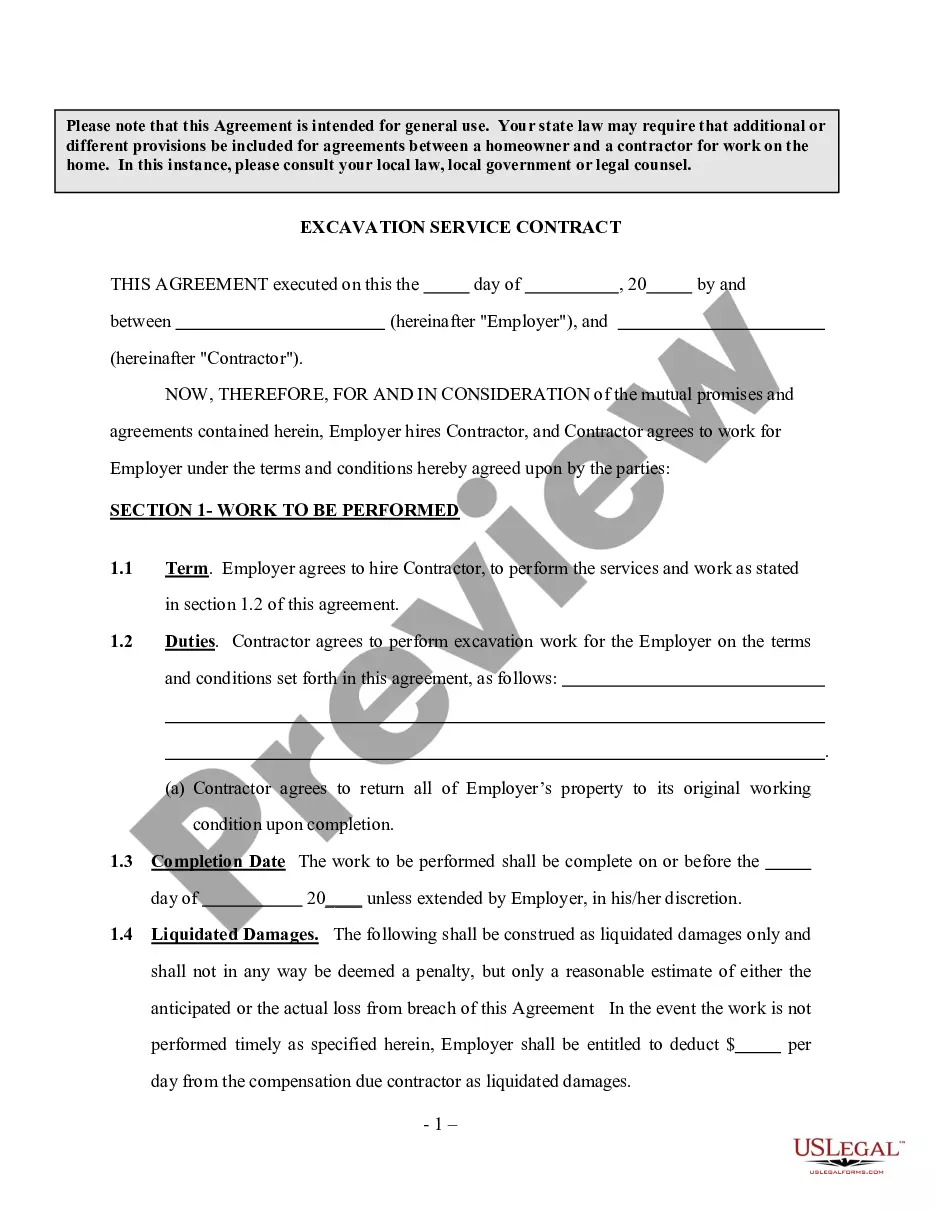
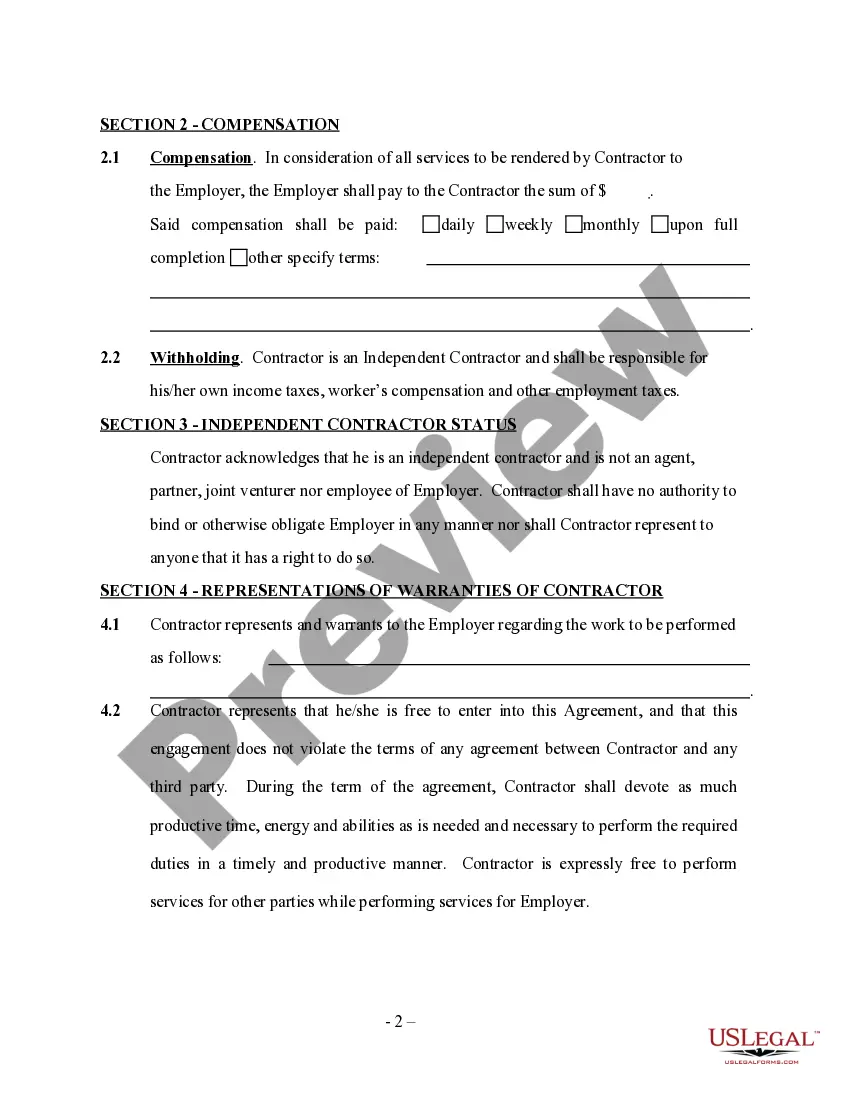
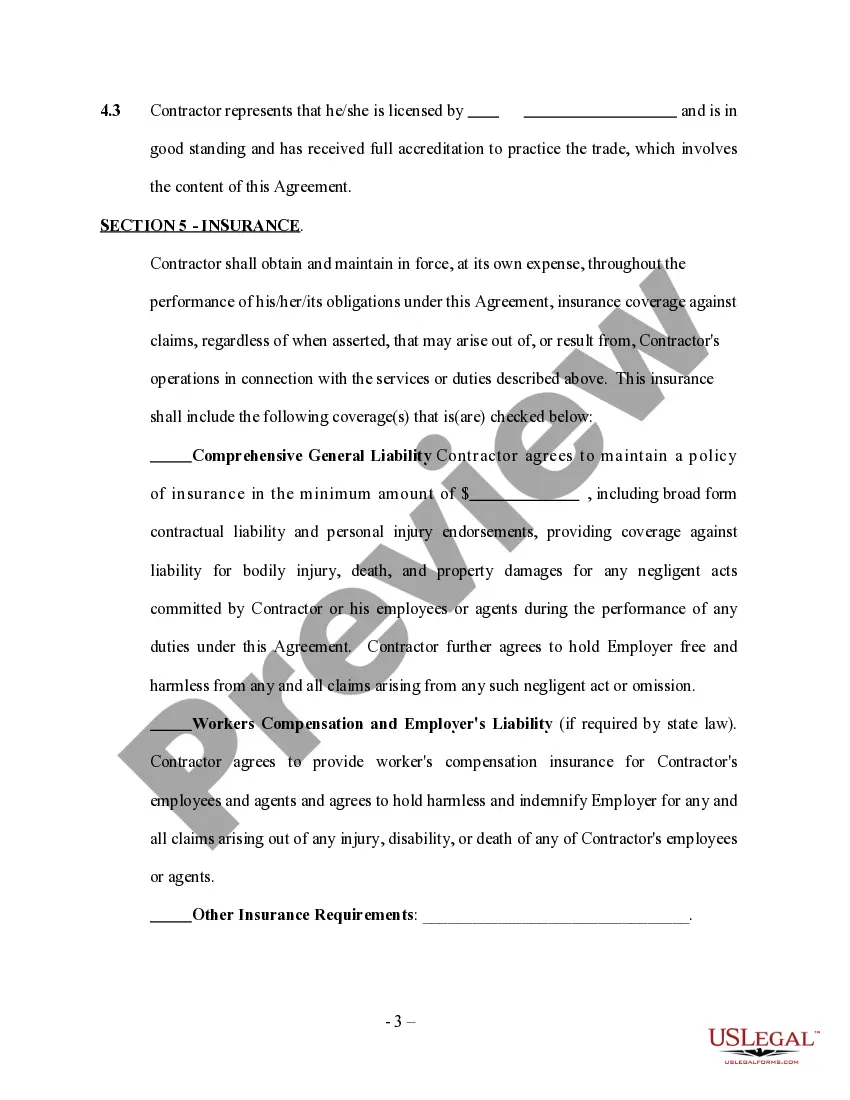
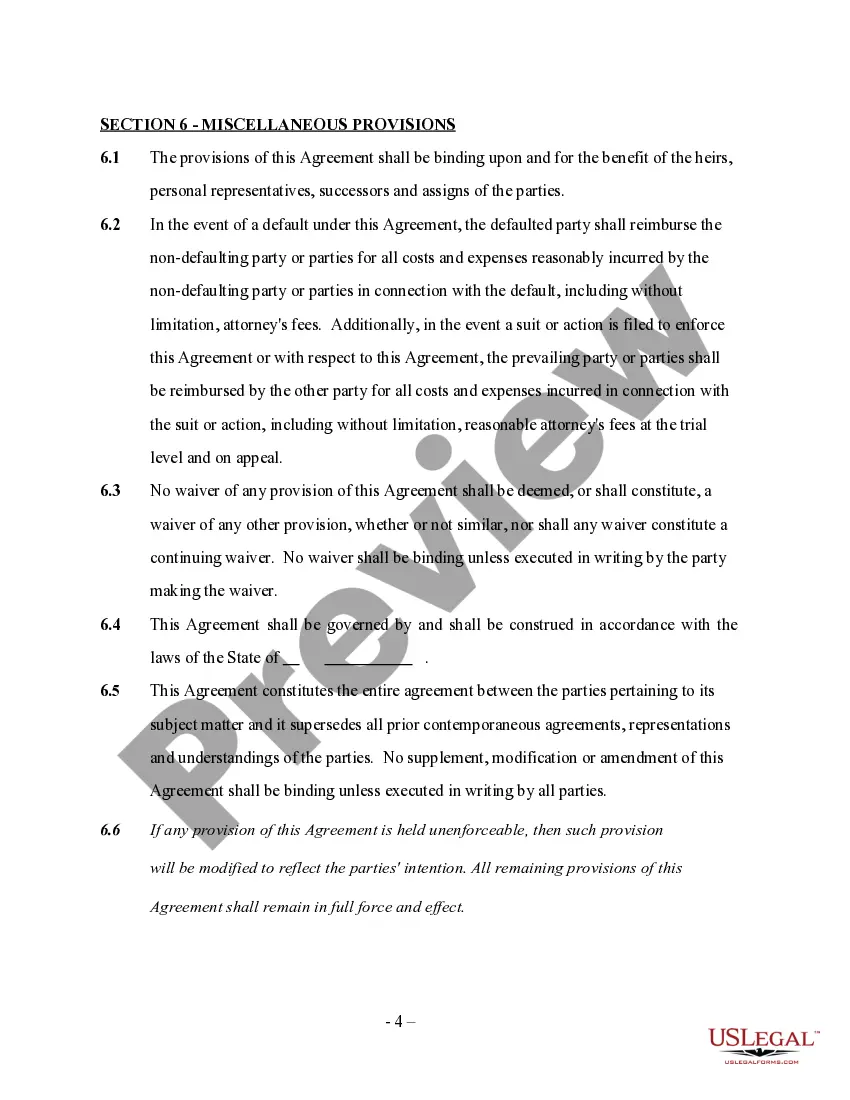
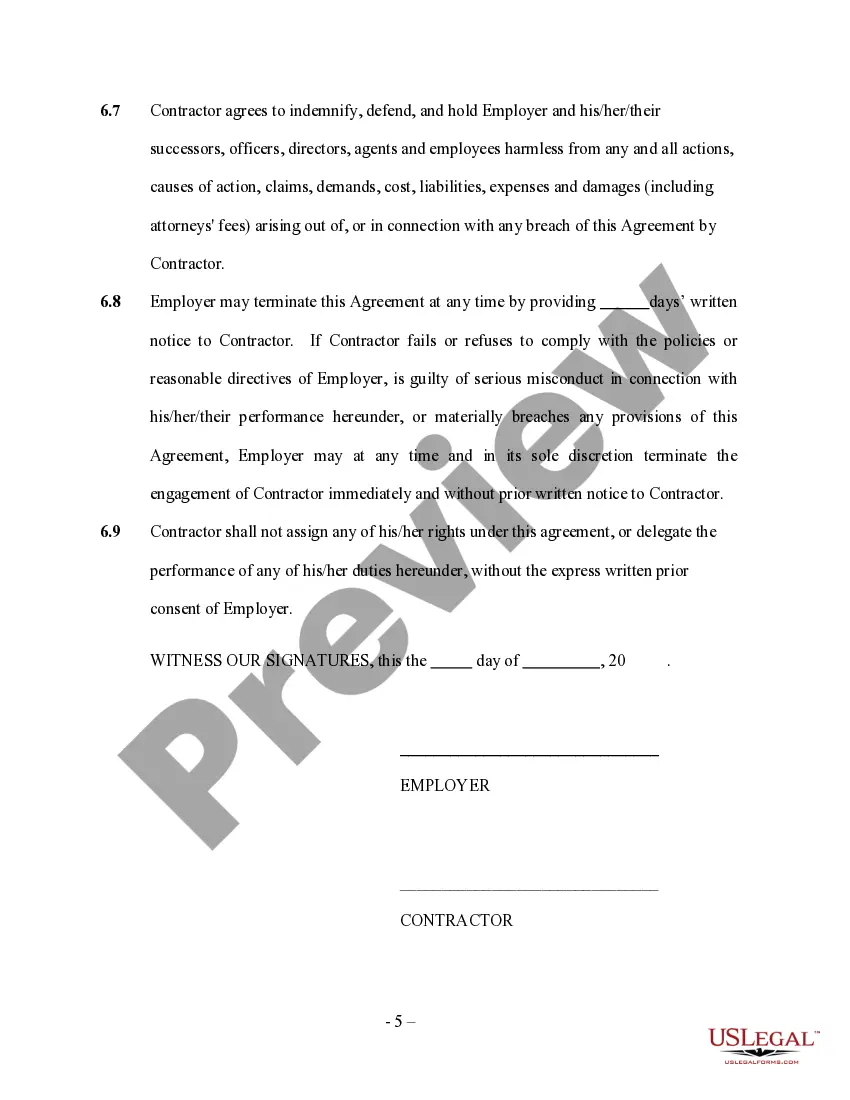
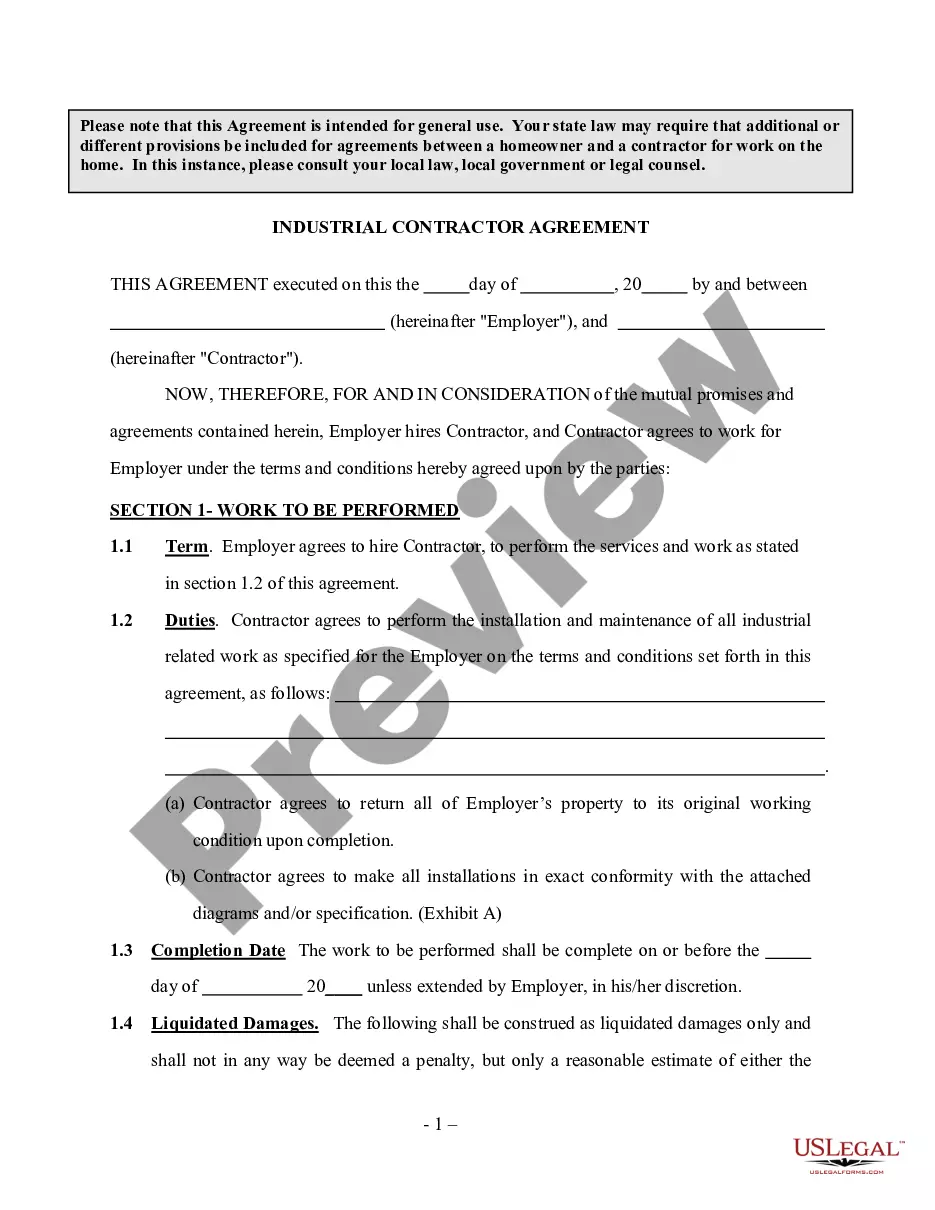
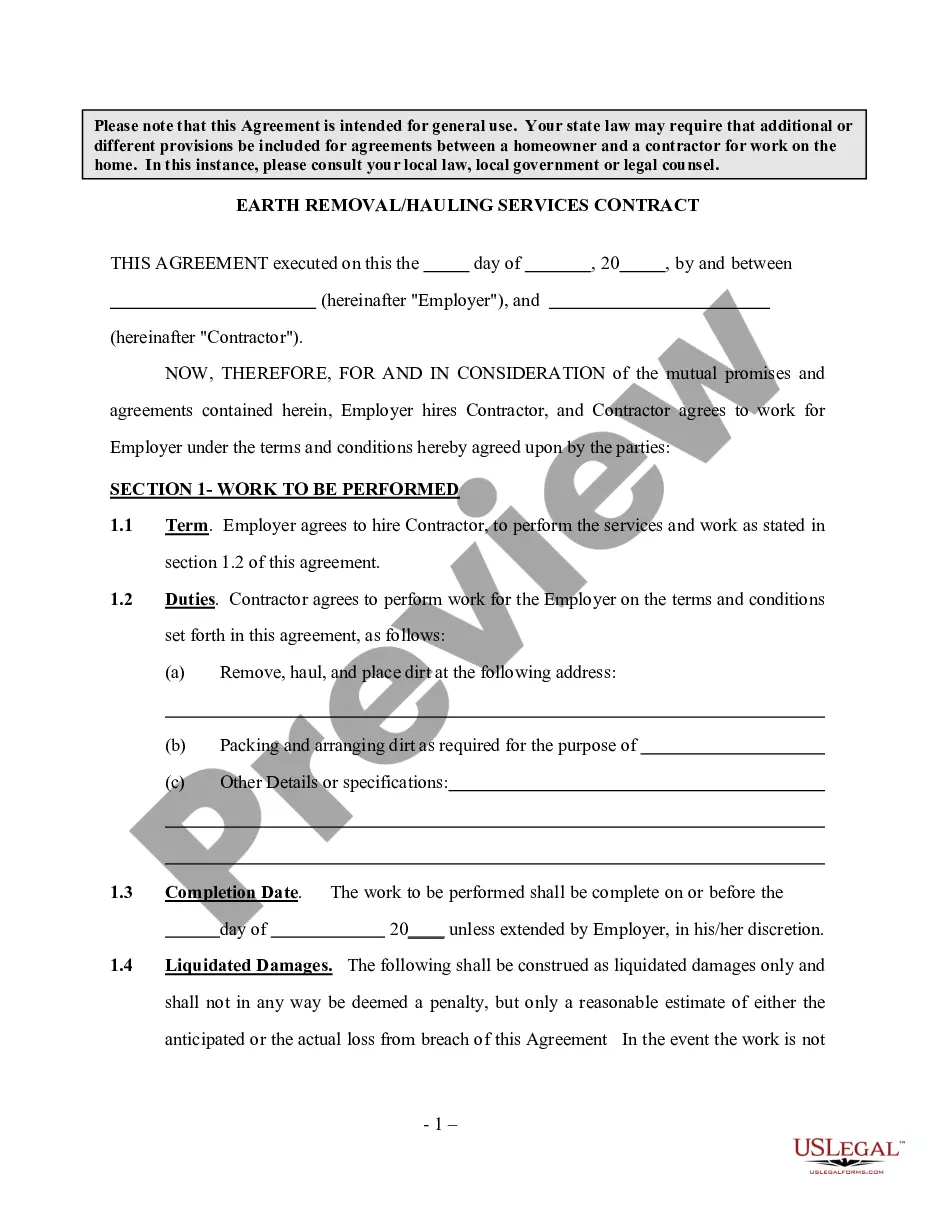
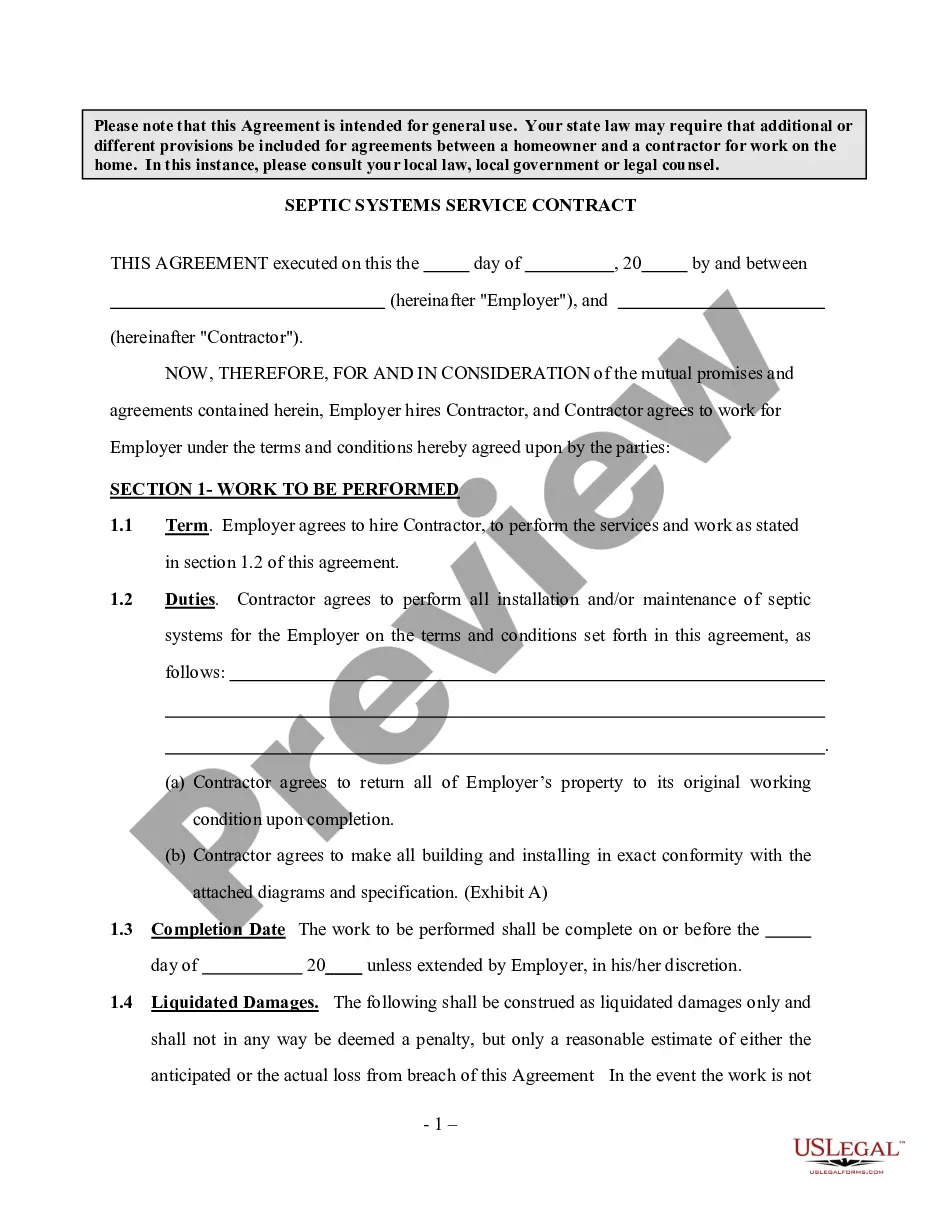
Get your form ready online
Our built-in tools help you complete, sign, share, and store your documents in one place.
Make edits, fill in missing information, and update formatting in US Legal Forms—just like you would in MS Word.
Download a copy, print it, send it by email, or mail it via USPS—whatever works best for your next step.
Sign and collect signatures with our SignNow integration. Send to multiple recipients, set reminders, and more. Go Premium to unlock E-Sign.
If this form requires notarization, complete it online through a secure video call—no need to meet a notary in person or wait for an appointment.
We protect your documents and personal data by following strict security and privacy standards.

Make edits, fill in missing information, and update formatting in US Legal Forms—just like you would in MS Word.

Download a copy, print it, send it by email, or mail it via USPS—whatever works best for your next step.

Sign and collect signatures with our SignNow integration. Send to multiple recipients, set reminders, and more. Go Premium to unlock E-Sign.

If this form requires notarization, complete it online through a secure video call—no need to meet a notary in person or wait for an appointment.

We protect your documents and personal data by following strict security and privacy standards.
Looking for another form?
How to fill out Self-Employed Excavation Service Contract?
- Begin by checking the Preview mode and the form description to ensure you've selected the correct document that aligns with your local jurisdiction.
- If you find inconsistencies, utilize the Search tab at the top of the page to locate the appropriate form, ensuring it meets your specific needs.
- Select the form and click on the Buy Now button, then choose the subscription plan that best suits your requirements and create an account.
- Complete your purchase by entering your credit card details or opting for PayPal to finalize your subscription.
- Download your form and save it directly to your device. Access it later via the My Forms menu for easy retrieval.
By following these steps, you can take full advantage of the US Legal Forms service. This platform not only provides a diverse selection of forms but also connects users with premium experts for personalized assistance.
Start your journey towards hassle-free legal document creation today, and ensure your forms are both precise and legally compliant!
Form popularity
FAQ
The three types of excavation protection are sloping, shoring, and shielding. Sloping involves cutting back the sides of the excavation to a safe angle; shoring provides support with temporary structures; and shielding uses protective barriers to prevent cave-ins. Implementing these methods helps safeguard workers' safety during excavation.
In construction, excavation is the foundational process that prepares a site for building. It includes clearing the area, trenching for utilities, and preparing the ground for footings or foundations. Proper excavation is critical, as it influences the stability and success of the entire construction project.
Excavation refers to the process of digging, removing, or relocating soil and rock to create space for construction projects. This work can involve different tools and techniques, depending on the site conditions and project requirements. Understanding excavation is essential for effective land management during any development.
The three common types of excavation are earth excavation, which involves removing soil; rock excavation, which requires breaking up and removing rock; and muck excavation, which deals with undesirable materials. Each type addresses unique challenges, so knowing them enhances your planning process in excavation projects.
The three S's of excavation stand for safety, skill, and supervision. Safety ensures that workers remain protected during the excavation process; skill requires knowledgeable personnel to handle equipment effectively; and supervision involves overseeing the project to adhere to regulations. These principles help maintain a secure and efficient excavation operation.
Excavation encompasses various types used for specific purposes. The main categories include site excavation, which clears land for construction; trench excavation, which digs narrow channels for utilities; and footings excavation, which prepares the base for structures. Understanding these types aids in choosing the right method for your project.
General excavation involves removing earth for various construction projects such as foundations, grading, and land clearing. This process requires careful planning and execution to mitigate risks associated with underground utilities and unstable soil. General excavation is essential in preparing a site for building and infrastructure development. For reliable excavation services and resources, consider using the US Legal Forms platform.
Excavation fill refers to the material used to refill an excavated area. This can include dirt, gravel, or other suitable materials that provide stability. Properly selecting and placing fill is crucial to prevent settling and ensure structural integrity. Excavation fill plays a significant role in completing a project effectively.
The process of general excavation includes a series of organized steps starting from site assessment to the final fill placement. Planning involves gathering information about the site and its needs, followed by detailed marking and clearing. The digging phase requires heavy machinery to safely excavate soil, ensuring all regulations are followed. Finally, the area may be backfilled or left open for further construction.
The steps in excavation include initial assessment, site marking, clearing the area, and actual digging. After preparing the site, it is vital to dig according to specifications while monitoring for any utilities. Once excavation is complete, inspection ensures that the depth and layout meet project requirements. Each step contributes to a well-executed excavation.