Agreement Self Employed Form For Tax Purposes
Description
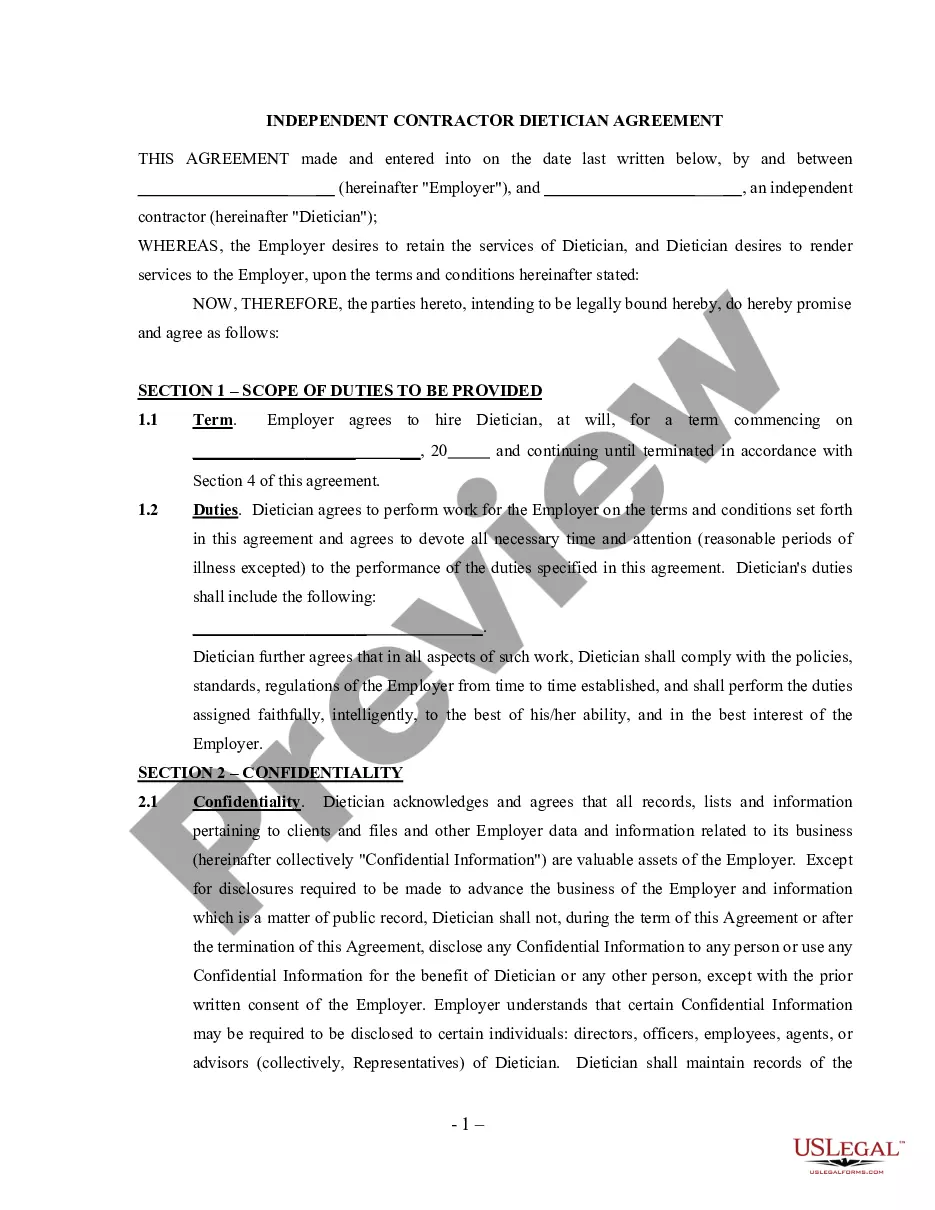
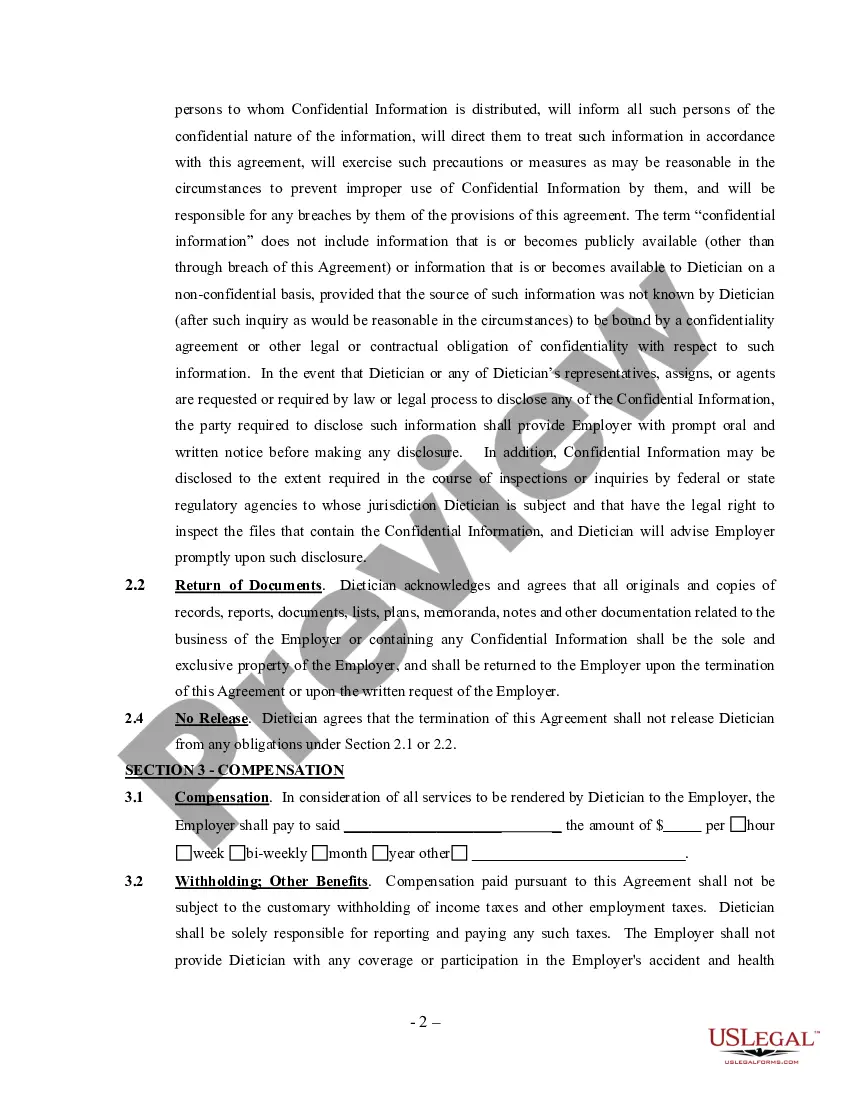
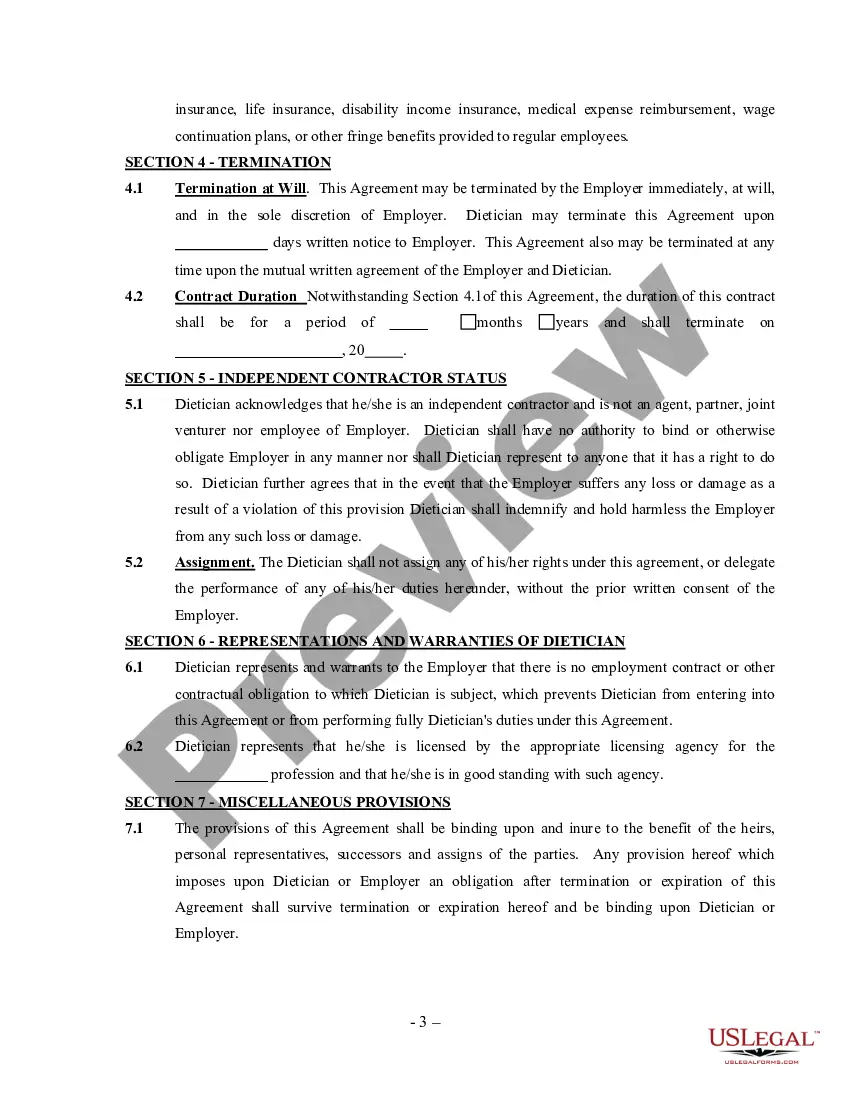
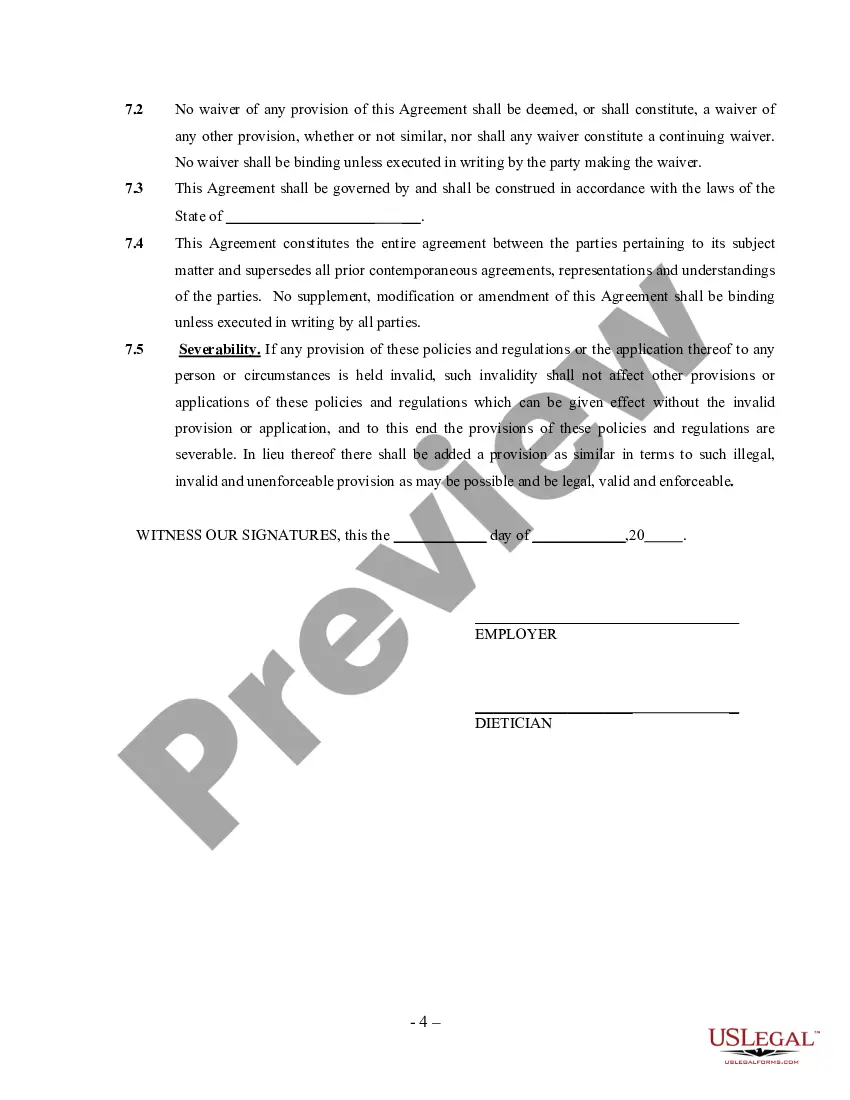
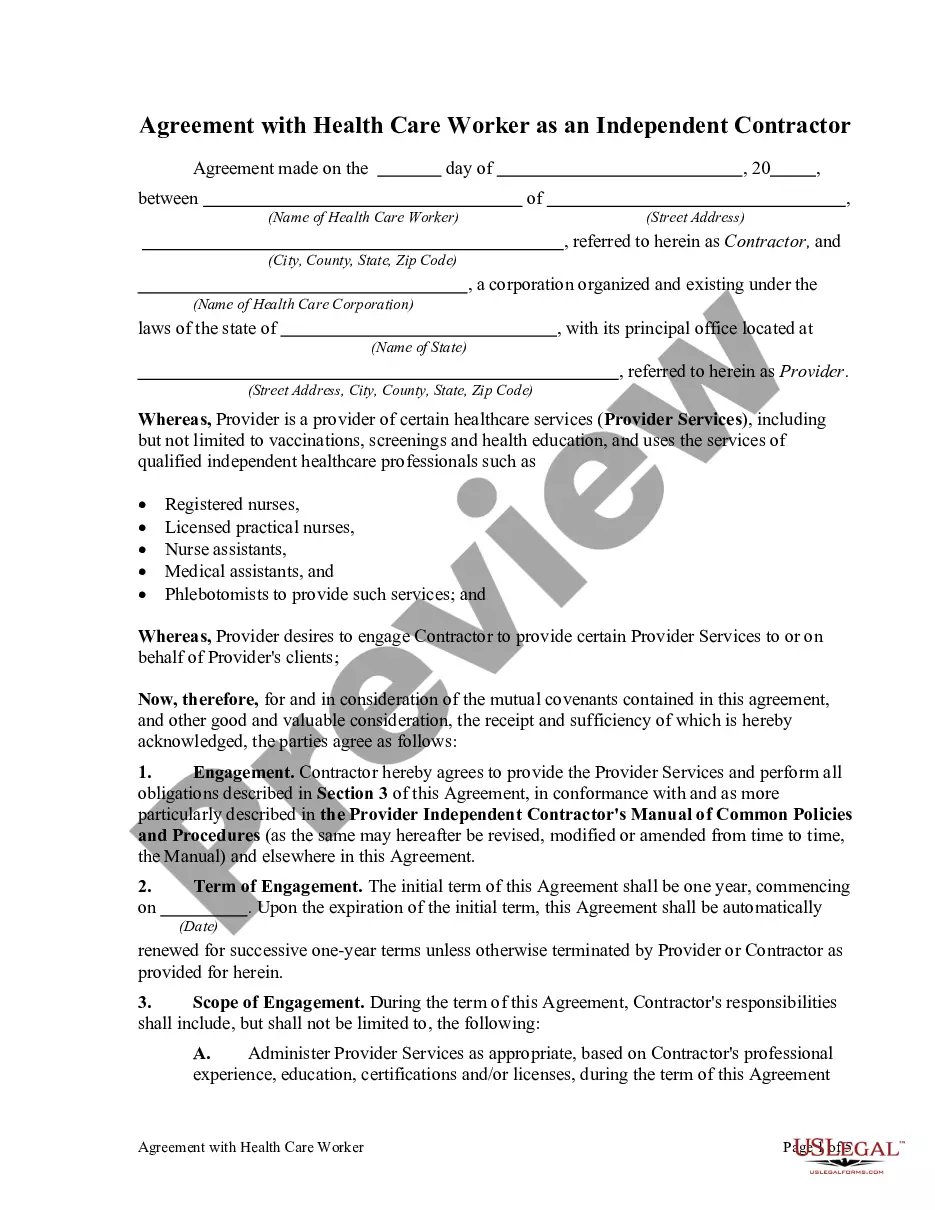
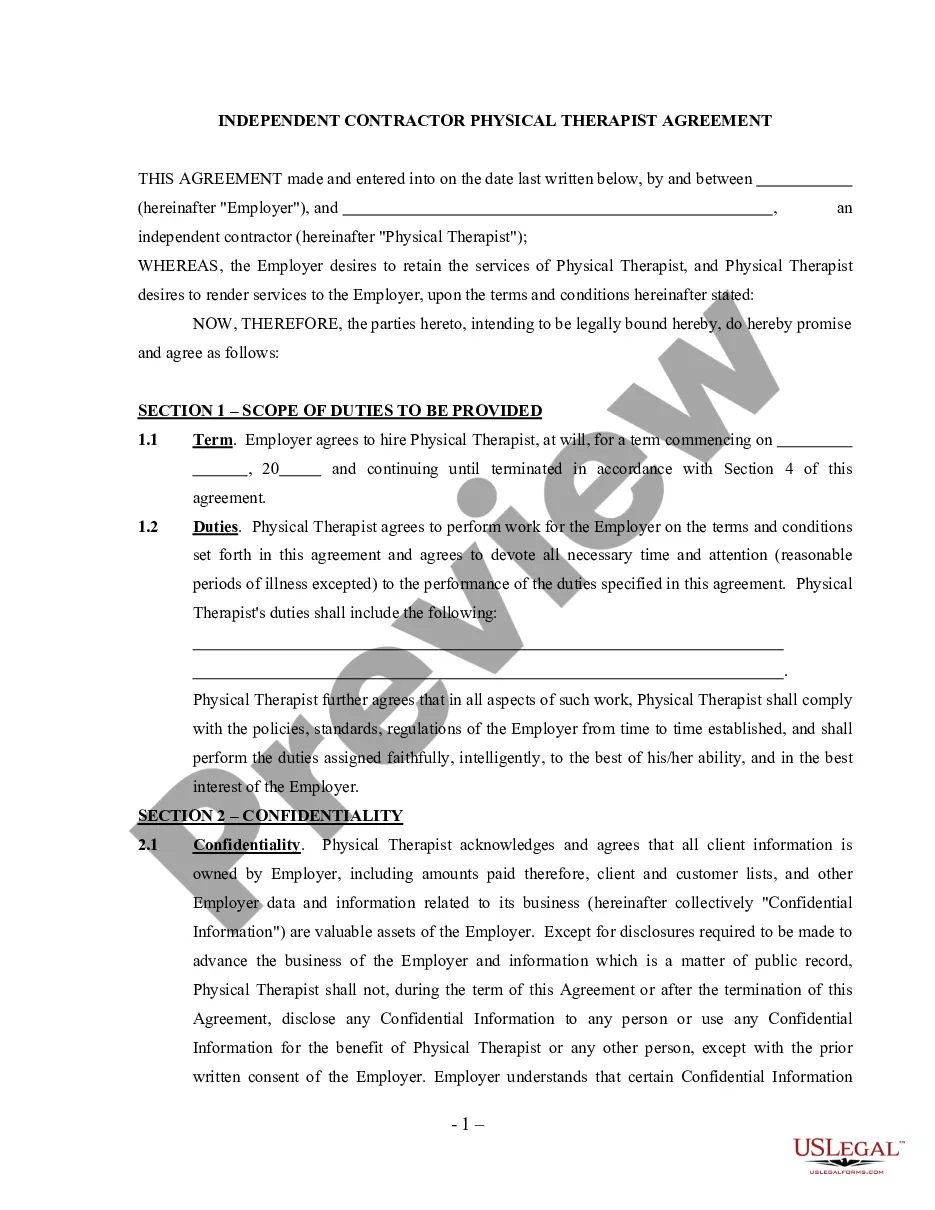
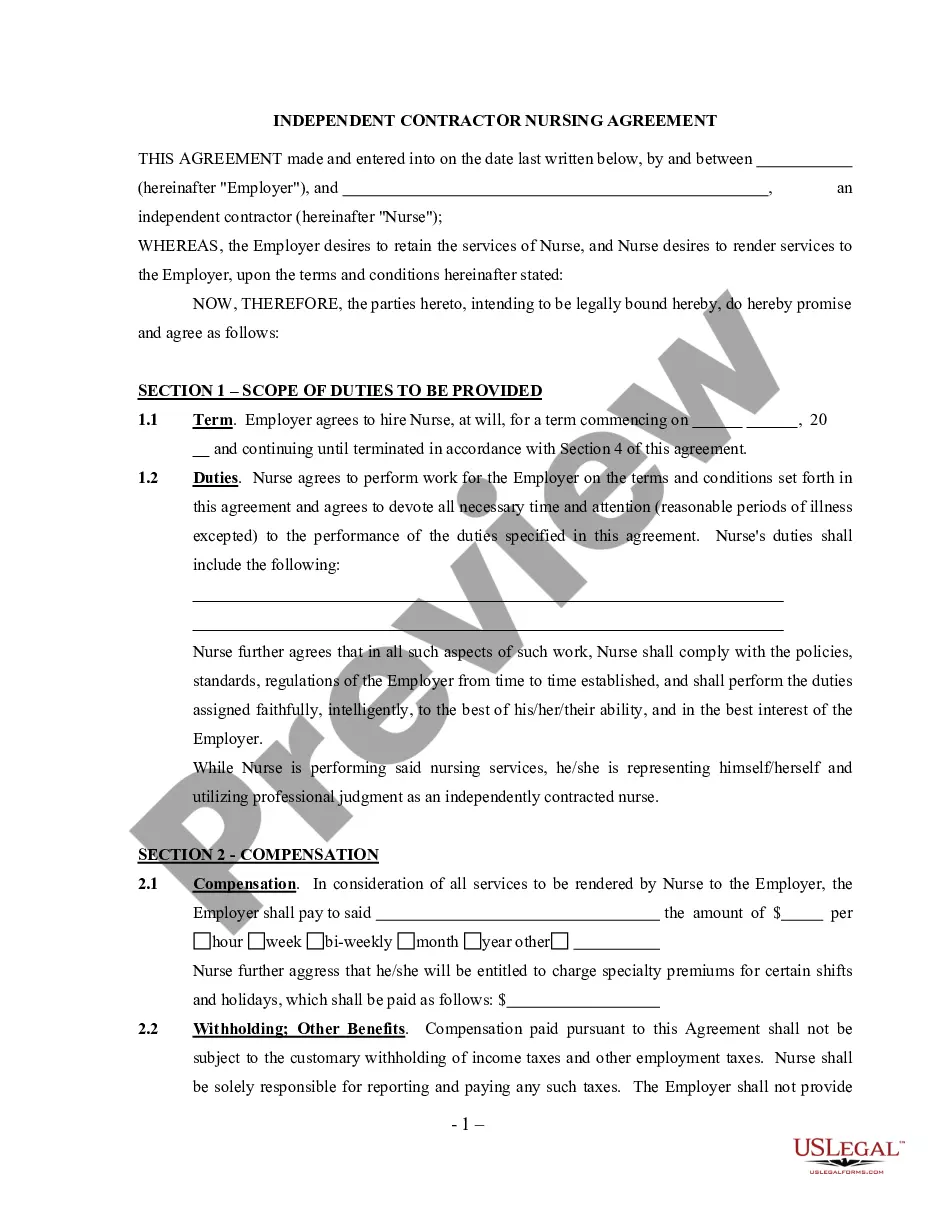
Get your form ready online
Our built-in tools help you complete, sign, share, and store your documents in one place.
Make edits, fill in missing information, and update formatting in US Legal Forms—just like you would in MS Word.
Download a copy, print it, send it by email, or mail it via USPS—whatever works best for your next step.
Sign and collect signatures with our SignNow integration. Send to multiple recipients, set reminders, and more. Go Premium to unlock E-Sign.
If this form requires notarization, complete it online through a secure video call—no need to meet a notary in person or wait for an appointment.
We protect your documents and personal data by following strict security and privacy standards.

Make edits, fill in missing information, and update formatting in US Legal Forms—just like you would in MS Word.

Download a copy, print it, send it by email, or mail it via USPS—whatever works best for your next step.

Sign and collect signatures with our SignNow integration. Send to multiple recipients, set reminders, and more. Go Premium to unlock E-Sign.

If this form requires notarization, complete it online through a secure video call—no need to meet a notary in person or wait for an appointment.

We protect your documents and personal data by following strict security and privacy standards.
Looking for another form?



How to fill out Dietitian Agreement - Self-Employed Independent Contractor?
Identifying a reliable source to obtain the latest and pertinent legal templates is half the battle of navigating bureaucracy. Finding the appropriate legal documents requires precision and meticulousness, which is why it is crucial to source the Agreement Self Employed Form For Tax Purposes exclusively from trustworthy providers, like US Legal Forms. An incorrect template will squander your time and prolong your current situation. With US Legal Forms, you have minimal concerns. You can access and view all the details regarding the document’s application and relevance for your specific situation and in your state or county.
Follow these outlined steps to complete your Agreement Self Employed Form For Tax Purposes.
Once you have the form on your device, you may edit it with the editor or print it out and complete it manually. Eliminate the hassle associated with your legal documentation. Browse the extensive US Legal Forms collection to discover legal samples, verify their relevance to your situation, and download them instantly.
- Utilize the catalog navigation or search bar to find your template.
- Examine the form’s description to determine if it meets the requirements of your state and county.
- Check the form preview, if available, to make sure the template is the one you are seeking.
- Return to the search and look for the correct template if the Agreement Self Employed Form For Tax Purposes does not suit your needs.
- If you are confident in the form’s applicability, download it.
- As an authorized user, click Log in to verify and access your chosen templates in My documents.
- If you do not have an account yet, click Buy now to acquire the form.
- Select the pricing plan that matches your preferences.
- Proceed to the registration to complete your transaction.
- Finalize your purchase by selecting a payment method (credit card or PayPal).
- Choose the document format for downloading Agreement Self Employed Form For Tax Purposes.
Form popularity
FAQ
To prove self-employment income for taxes, you can provide various documents, including invoices, bank statements, and your Agreement self employed form for tax purposes. Keep detailed records of your earnings and expenses throughout the year, as this documentation supports your income claims. Using tools from US Legal Forms can help you create and organize these essential documents, ensuring you have everything you need when tax season arrives. Being prepared with accurate records will make your tax filing process smoother.
You can find the self-employment tax form on the IRS website or through tax preparation software. Additionally, consider using the Agreement self employed form for tax purposes, which simplifies the process of reporting your income. Many platforms, like US Legal Forms, offer easy access to these forms, making it convenient for you to comply with tax regulations. With the right resources, you can efficiently manage your self-employment tax obligations.
The choice between a 1099 and W9 depends on your role in the transaction. A 1099 form is used to report payments made to independent contractors, while a W9 form is used to collect taxpayer information from these contractors. If you are self-employed, you will likely use both forms throughout your business operations. As you navigate your Agreement self employed form for tax purposes, understanding these distinctions can aid in accurate reporting and compliance.
A basic 1099 agreement outlines the financial relationship between a business and an independent contractor. This document typically specifies the payment terms, services to be provided, and the responsibilities of both parties. It is essential for tax purposes, as it helps ensure that all income is accurately reported. When drafting your Agreement self employed form for tax purposes, consider including a 1099 agreement to clarify this relationship.
Self-employed individuals typically need to file a Schedule C along with their personal tax return, using Form 1040. This schedule allows you to report income and expenses related to your business. Additionally, if you are working with independent contractors, you may need to provide them with a 1099 form. When you create your Agreement self employed form for tax purposes, ensure it aligns with the requirements for these forms to maintain compliance.
To file taxes as an independent contractor, first gather all your income documentation, including 1099 forms. Next, complete the necessary tax forms, ensuring to report your earnings accurately and claim any deductions. Using an Agreement self employed form for tax purposes can help you navigate this process, ensuring you meet all filing requirements and deadlines.
As a self-employed individual, you will typically use Schedule C, which is attached to your personal income tax return (Form 1040). This form allows you to report your income and expenses related to your business. To ensure you are filling it out correctly, reference the Agreement self employed form for tax purposes, which can guide you through the necessary details.
Filing taxes for independent contract work involves gathering your income records, such as 1099 forms, and calculating your total earnings. You'll also want to track any deductible expenses to lower your taxable income. Utilizing an Agreement self employed form for tax purposes can streamline this process, making it easier to file correctly and on time.
Some common tax mistakes include failing to report all income, neglecting deductible expenses, and misclassifying workers. These errors can lead to penalties and increased tax liabilities. To avoid such pitfalls, use tools like the Agreement self employed form for tax purposes. This form helps ensure accuracy and compliance with tax regulations.
The term '1099' refers to the tax form used to report income earned by independent contractors and freelancers. In contrast, 'self-employed' describes the work status of individuals who run their own businesses and earn income without a traditional employer. Understanding this distinction is vital when preparing your Agreement self employed form for tax purposes, as it influences how you report your earnings.