No Contact Order In Iowa
Description
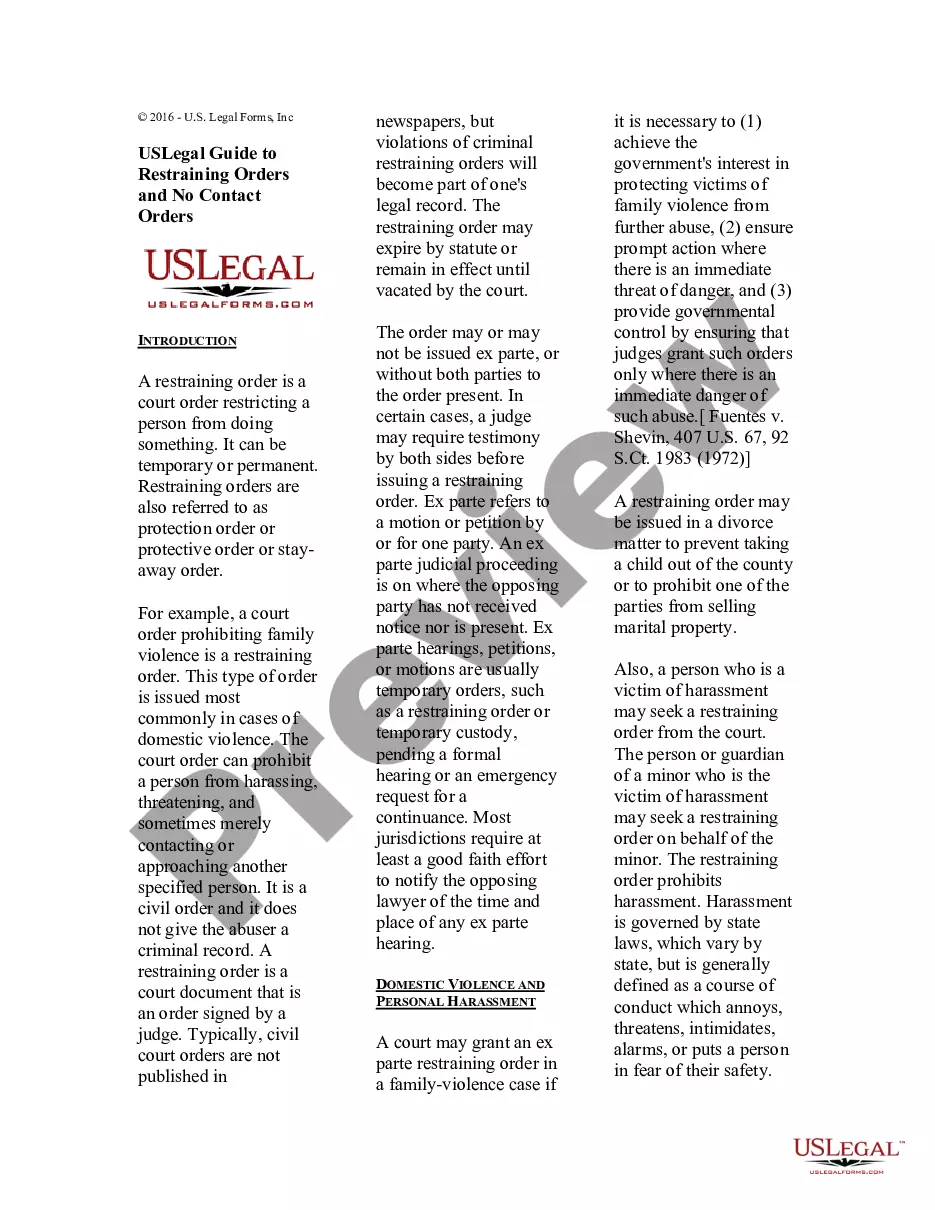
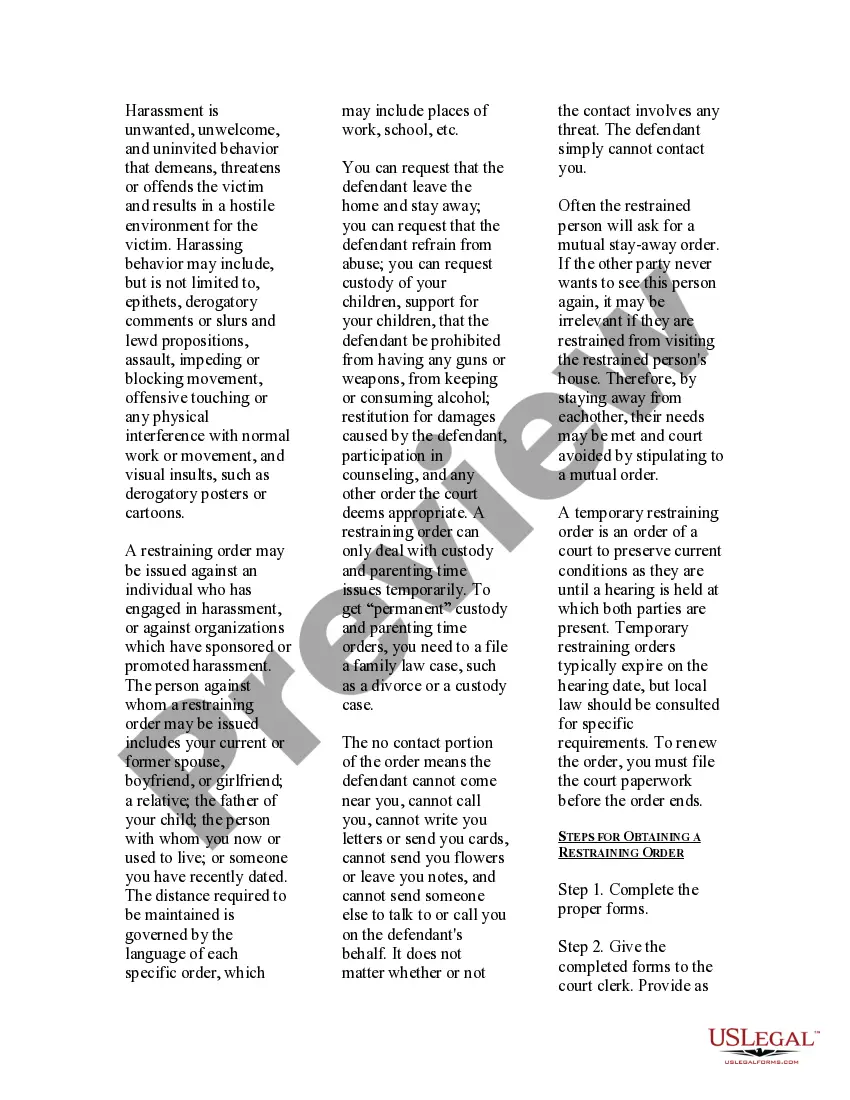
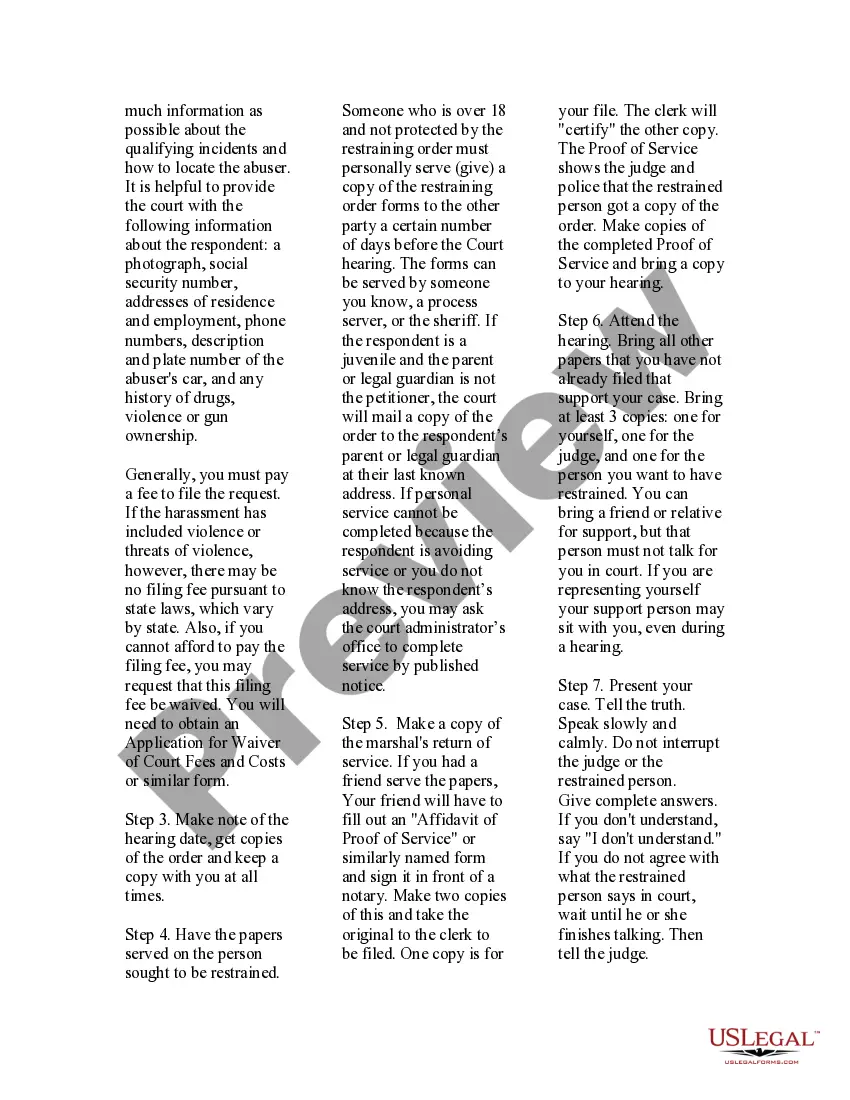

Get your form ready online
Our built-in tools help you complete, sign, share, and store your documents in one place.
Make edits, fill in missing information, and update formatting in US Legal Forms—just like you would in MS Word.
Download a copy, print it, send it by email, or mail it via USPS—whatever works best for your next step.
Sign and collect signatures with our SignNow integration. Send to multiple recipients, set reminders, and more. Go Premium to unlock E-Sign.
If this form requires notarization, complete it online through a secure video call—no need to meet a notary in person or wait for an appointment.
We protect your documents and personal data by following strict security and privacy standards.

Make edits, fill in missing information, and update formatting in US Legal Forms—just like you would in MS Word.

Download a copy, print it, send it by email, or mail it via USPS—whatever works best for your next step.

Sign and collect signatures with our SignNow integration. Send to multiple recipients, set reminders, and more. Go Premium to unlock E-Sign.

If this form requires notarization, complete it online through a secure video call—no need to meet a notary in person or wait for an appointment.

We protect your documents and personal data by following strict security and privacy standards.
Looking for another form?
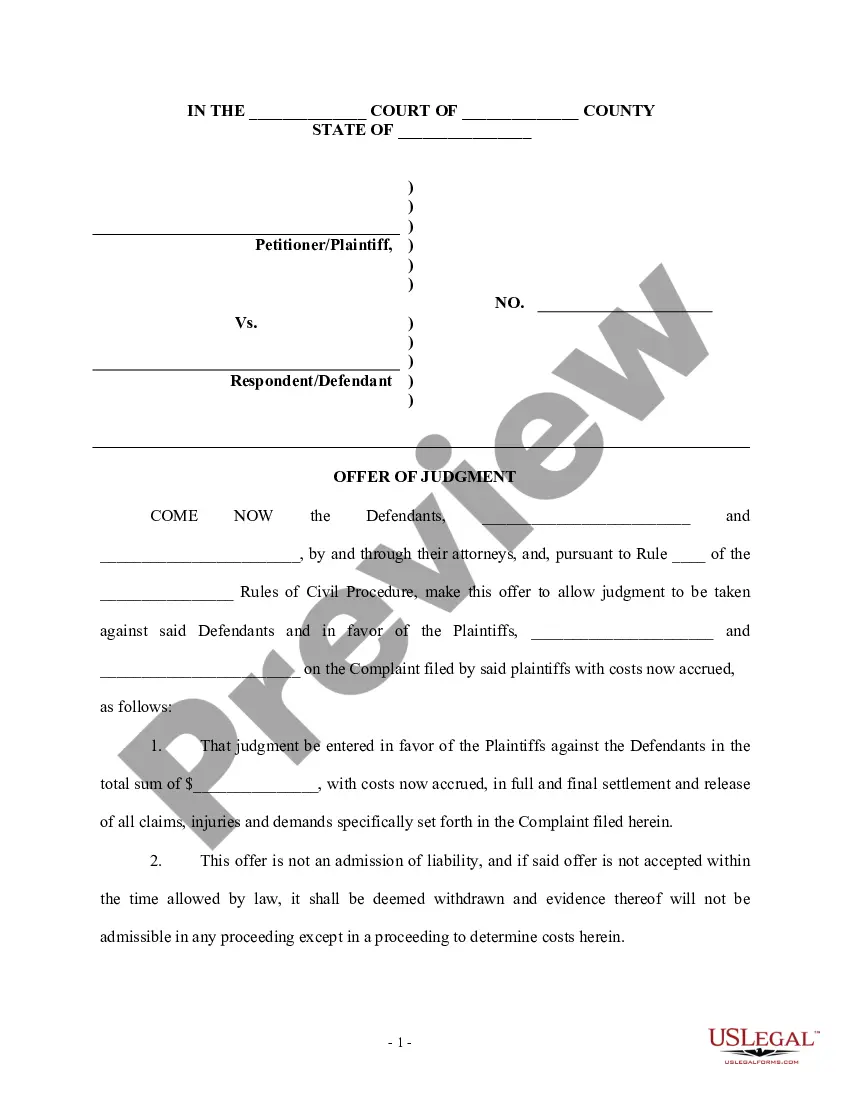
How to fill out USLegal Guide On Restraining Orders And No Contact Orders?
Managing legal papers and processes can be a labor-intensive addition to your daily routine.
No Contact Order In Iowa and similar forms generally necessitate you to locate them and comprehend the correct method for completing them.
Therefore, if you are addressing financial, legal, or personal issues, having a comprehensive and efficient online library of forms when necessary will be incredibly beneficial.
US Legal Forms is the leading online platform for legal templates, showcasing over 85,000 state-specific forms and various resources to assist you in easily completing your documents.
Is this your first time using US Legal Forms? Create an account in just a few minutes to access the form library and No Contact Order In Iowa. Then, adhere to the following steps to complete your form: Ensure you possess the correct template by utilizing the Preview feature and reviewing the form details. Click Buy Now when ready, and choose the monthly subscription option that suits your requirements. Click Download, then finish, eSign, and print the form. US Legal Forms has twenty-five years of experience helping customers handle their legal documents. Find the form you need today and simplify any process with ease.
- Browse the extensive collection of relevant documents available with a single click.
- US Legal Forms offers you state- and county-specific templates ready for download at any time.
- Protect your document management processes with a reliable service that allows you to prepare any form within minutes without additional or concealed charges.
- Simply Log In to your account, locate No Contact Order In Iowa, and download it instantly from the My documents section.
- You can also access previously downloaded forms.
Form popularity
FAQ
To write a letter requesting the dismissal of a no contact order in Iowa, start by addressing the appropriate court. Clearly state your request at the beginning of the letter and include any relevant case numbers. Provide a concise explanation of your reasons for wanting to drop the order, along with any information that supports your case. Consider using platforms like uslegalforms to find templates and guidance that can simplify the process.
In Iowa, the code governing no contact orders is found under Iowa Code Section 236. A no contact order in Iowa is typically issued as part of a criminal case, often involving domestic violence or harassment. This legal code outlines the procedures and requirements for obtaining, modifying, or terminating these orders. Knowing this code can help you navigate the legal process more effectively.
When appearing before a judge to request the termination of a no contact order in Iowa, it is important to express your desire clearly and respectfully. You should explain the reasons for your request, emphasizing any changes in circumstances that support your case. Additionally, highlighting your commitment to ensuring everyone’s safety can be beneficial. Make sure to refer to the no contact order in Iowa specifically, as this shows you understand its implications.
In Iowa, the duration of a no contact order varies depending on the specific case circumstances, but they often last for several months to a year. However, it is possible to request an extension if the threat persists. After the order expires, the situation can be reevaluated based on any new developments. US Legal Forms can assist you in managing the extension process seamlessly.
In Iowa, a no contact order typically qualifies when one person fears for their safety due to harassment, stalking, or domestic violence. The court assesses the details of the situation, such as prior incidents and available evidence. It is essential to provide clear documentation to support the need for a no contact order in Iowa, ensuring that the legal process acts in your favor. You can utilize resources like US Legal Forms to make this process simpler.
The key difference between a protective order and a no contact order in Iowa lies in their focus and application. A protective order often addresses abuse or harassment, allowing the protected person to seek safety from an abuser. In contrast, a no contact order specifically restricts contact between designated parties, regardless of the nature of their relationship. Understanding these distinctions is crucial for anyone navigating legal issues in Iowa.
In Iowa, a no contact order prohibits the individual named in the order from contacting another person directly or indirectly. This means you cannot call, text, email, or even approach the other party. Violating a no contact order in Iowa can result in serious legal consequences, including arrest. It’s important to understand these rules clearly to ensure compliance.
To obtain a no contact order in Iowa, you must demonstrate a credible threat or harassment from the individual you want to restrict. The law typically requires specific details about the incidents and evidence supporting your claims. Meeting these requirements is crucial, and US Legal Forms offers guidance and templates to help you prepare your application for a no contact order in Iowa effectively.
Filing a no contact order in Iowa begins with going to your local courthouse or accessing their online services. You will need to fill out the necessary forms, providing detailed information about the incidents that prompted the order. It is important to gather all supportive evidence to strengthen your case for the no contact order in Iowa, and using a platform like US Legal Forms can simplify this process by providing the required documentation.
In Iowa, a restraining order generally involves preventing someone from making contact or approaching you, while a no contact order specifically prohibits a person from contacting you in any manner. No contact orders are often issued in criminal cases, whereas restraining orders can arise from domestic situations. Understanding these distinctions is essential, especially when considering your rights and options regarding a no contact order in Iowa.