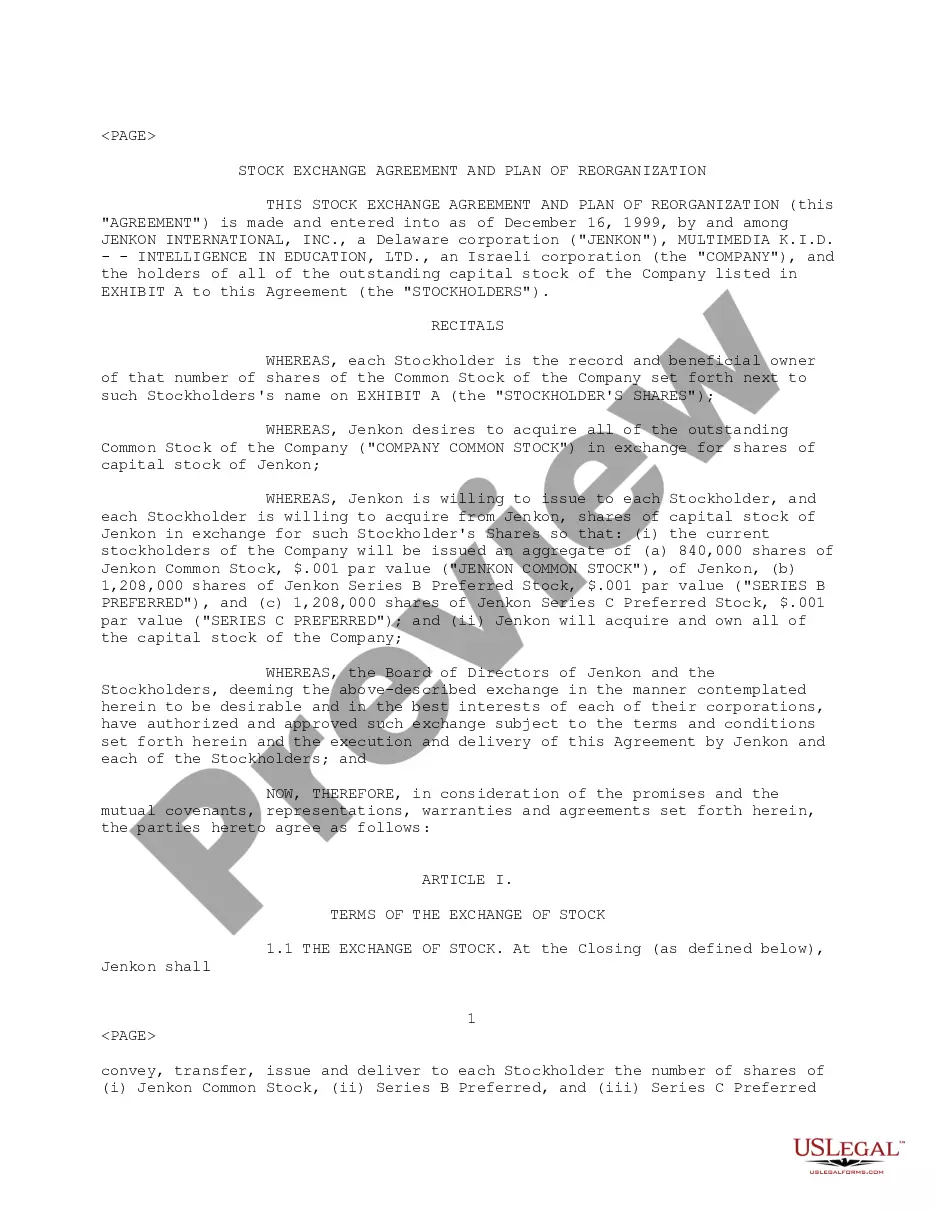
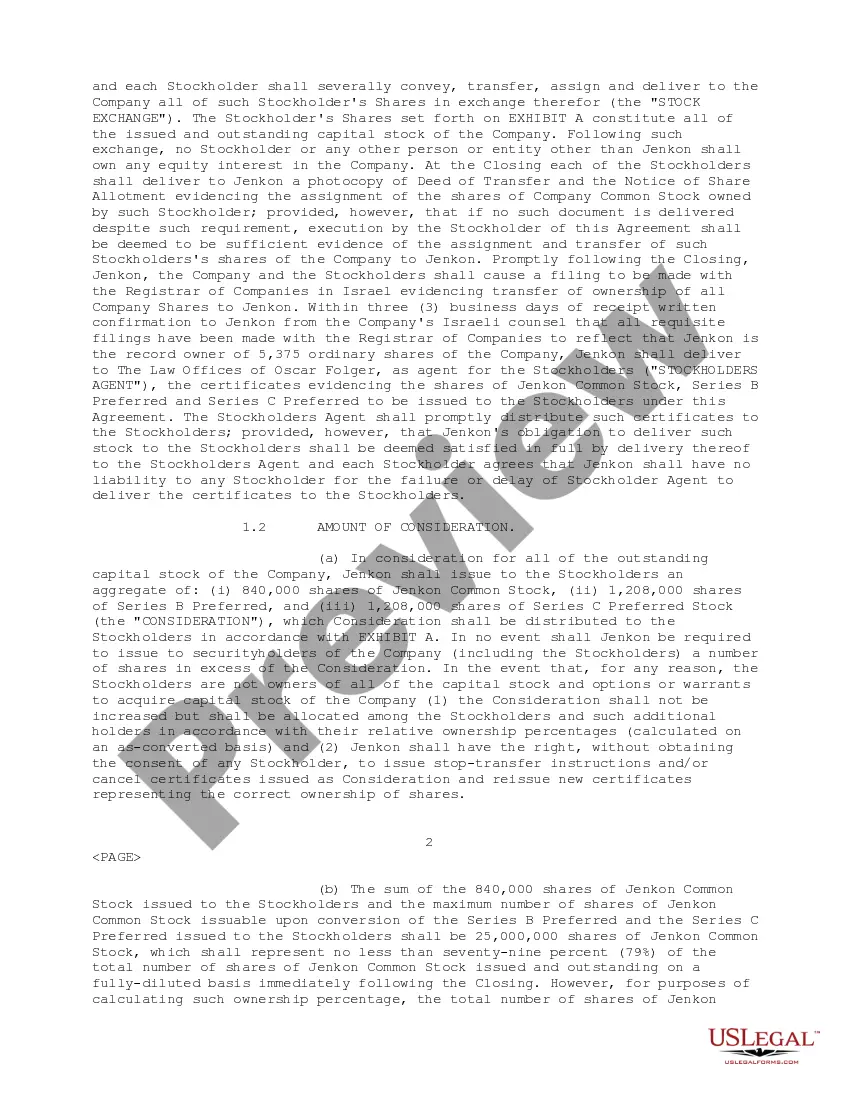
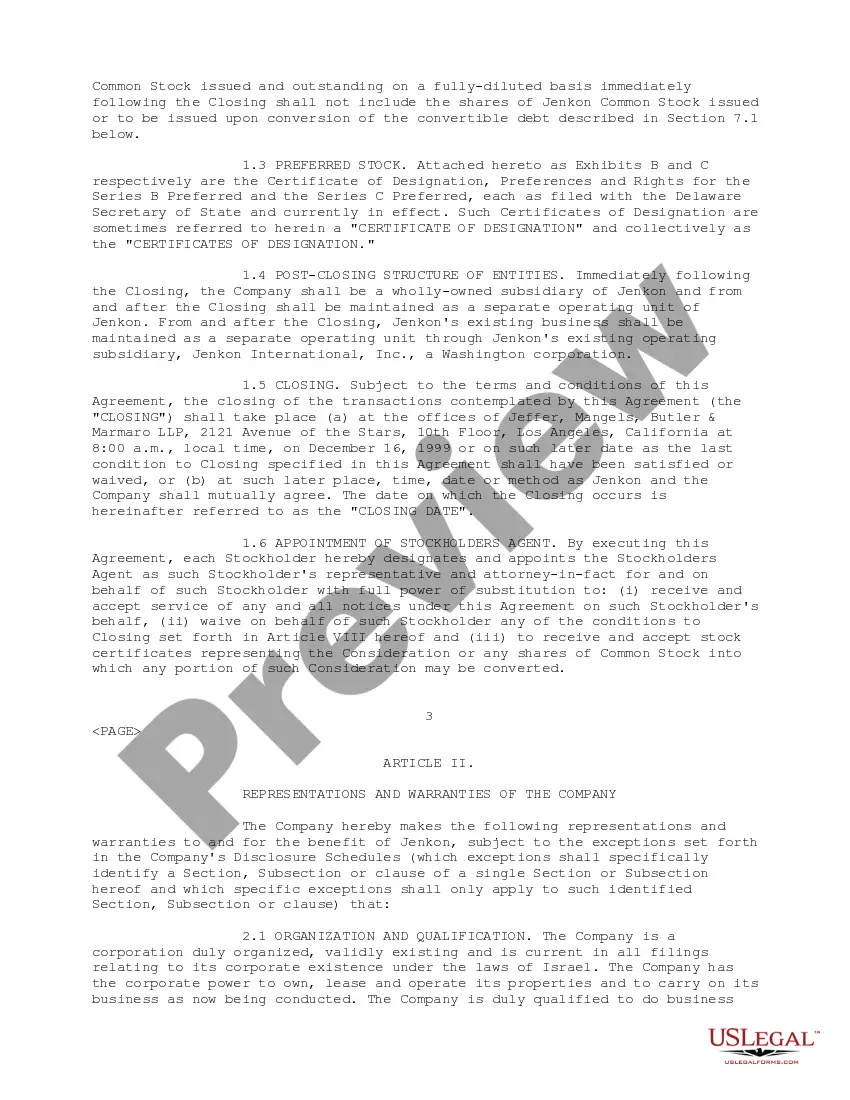
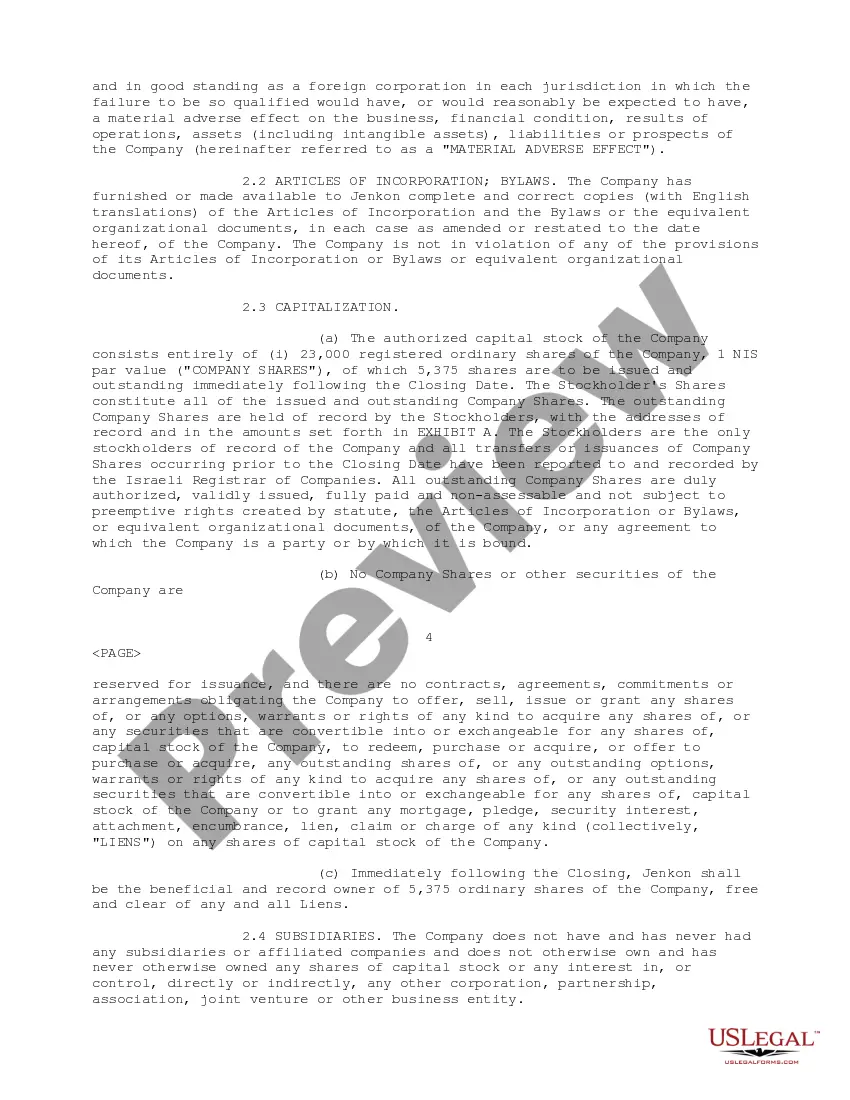
Stock Exchangen Agreement For The Eu
Description
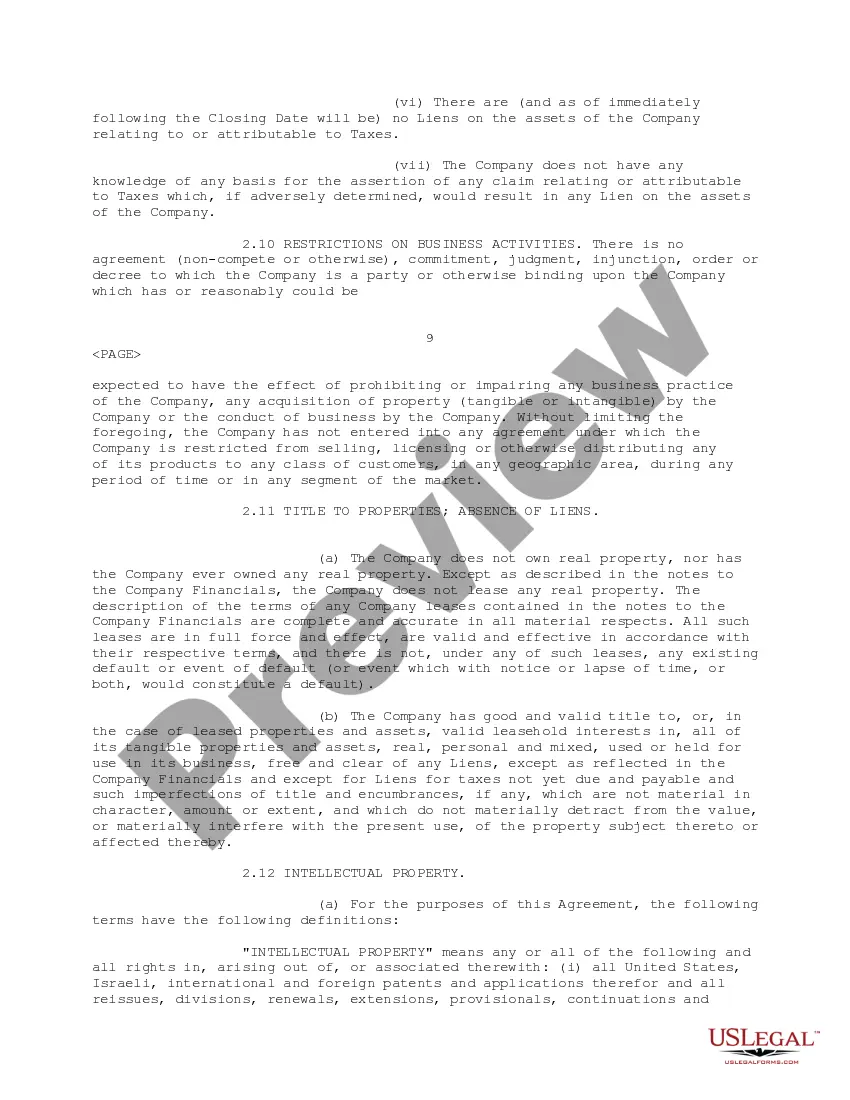
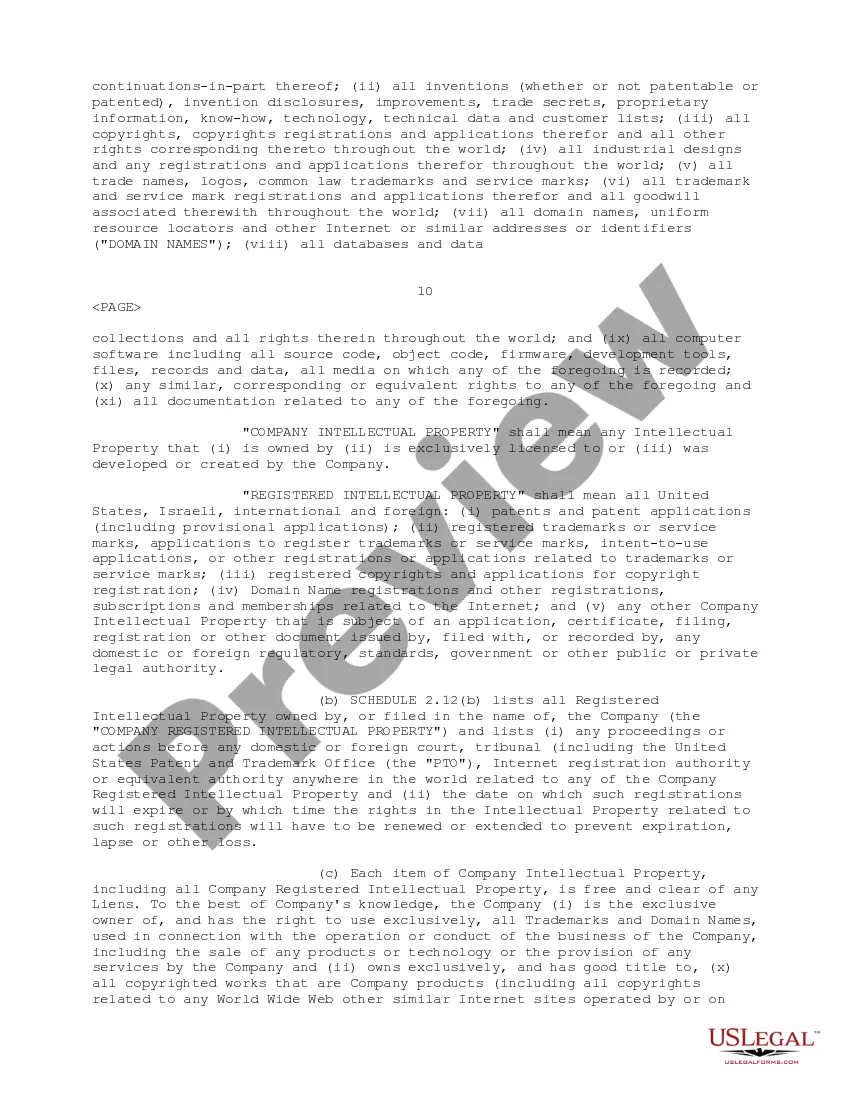

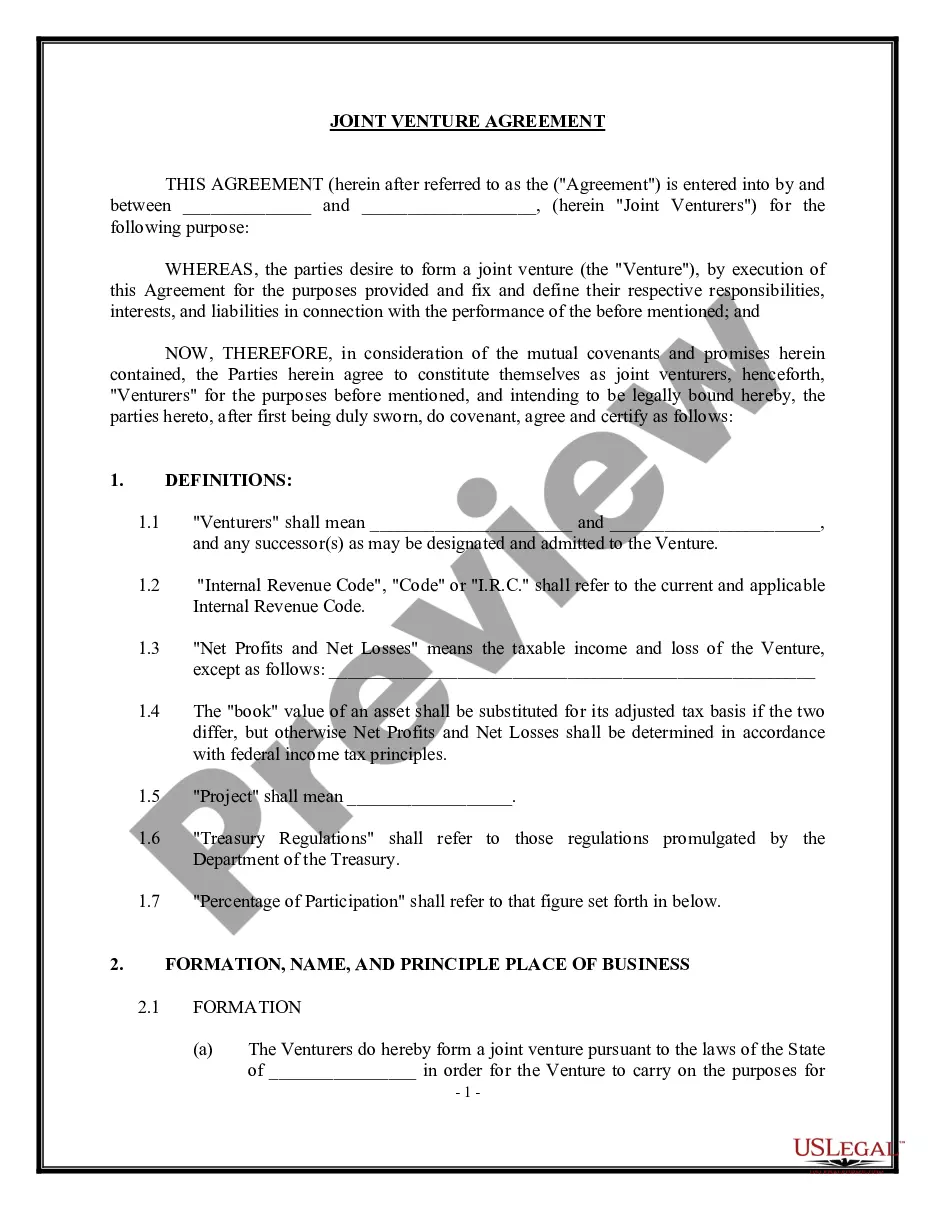
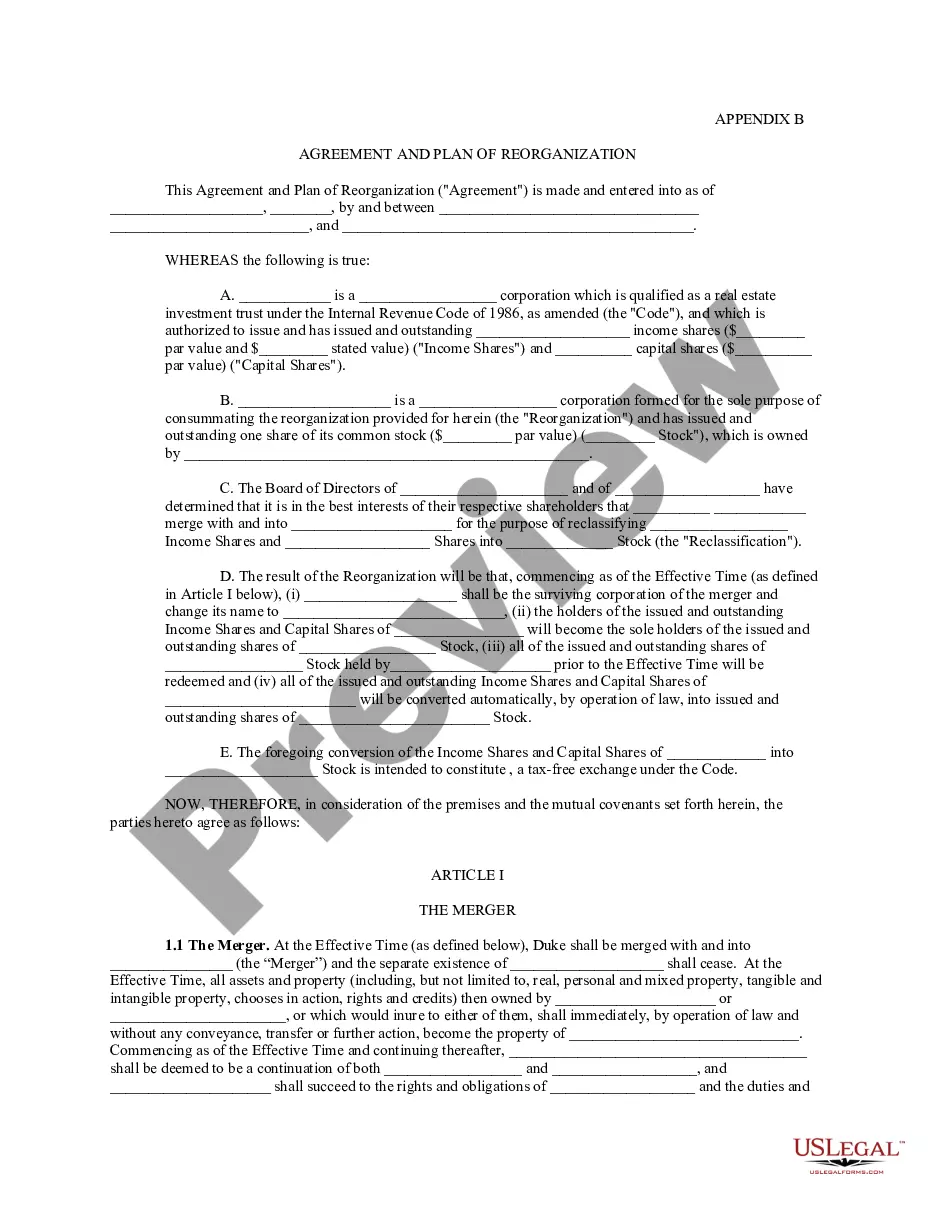
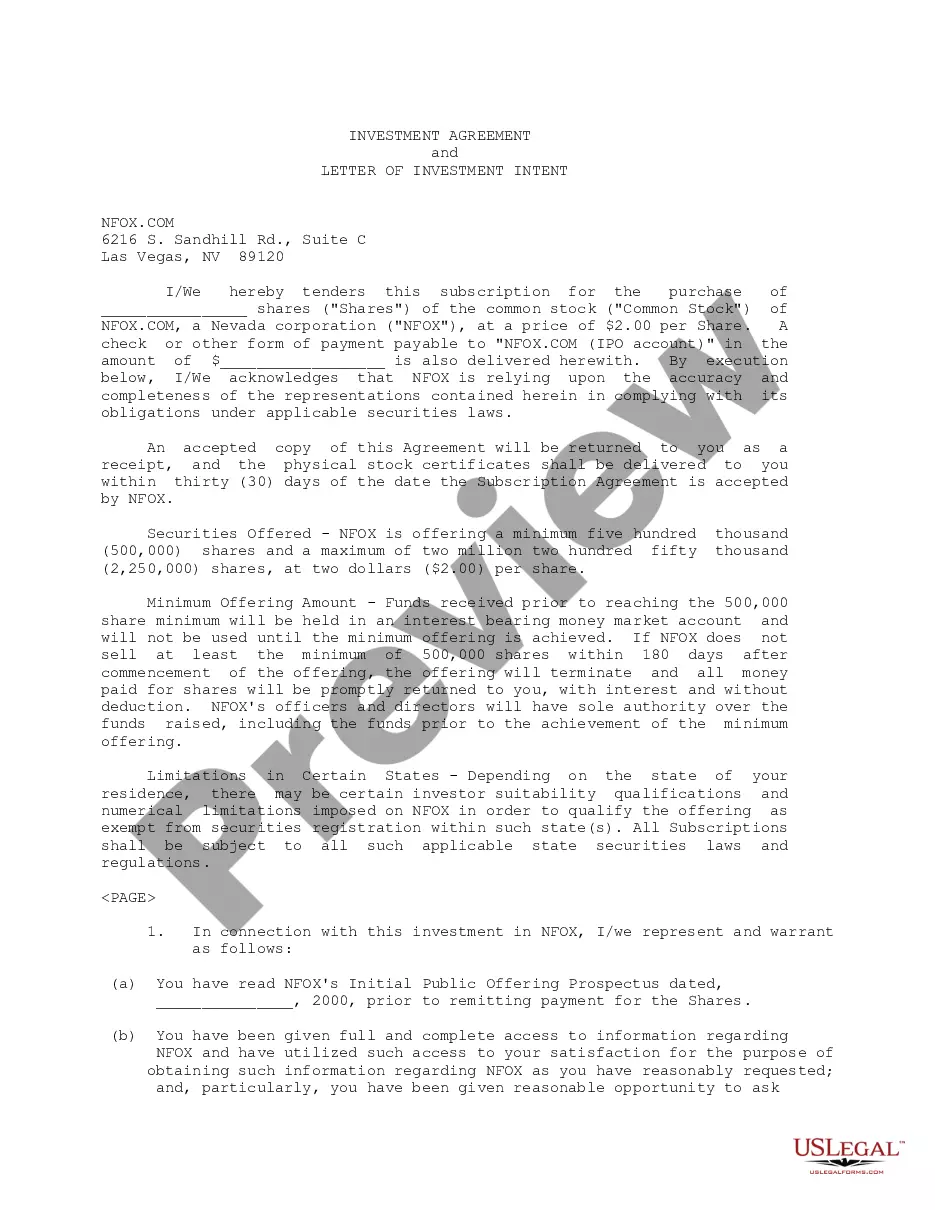
Get your form ready online
Our built-in tools help you complete, sign, share, and store your documents in one place.
Make edits, fill in missing information, and update formatting in US Legal Forms—just like you would in MS Word.
Download a copy, print it, send it by email, or mail it via USPS—whatever works best for your next step.
Sign and collect signatures with our SignNow integration. Send to multiple recipients, set reminders, and more. Go Premium to unlock E-Sign.
If this form requires notarization, complete it online through a secure video call—no need to meet a notary in person or wait for an appointment.
We protect your documents and personal data by following strict security and privacy standards.

Make edits, fill in missing information, and update formatting in US Legal Forms—just like you would in MS Word.

Download a copy, print it, send it by email, or mail it via USPS—whatever works best for your next step.

Sign and collect signatures with our SignNow integration. Send to multiple recipients, set reminders, and more. Go Premium to unlock E-Sign.

If this form requires notarization, complete it online through a secure video call—no need to meet a notary in person or wait for an appointment.

We protect your documents and personal data by following strict security and privacy standards.
Looking for another form?
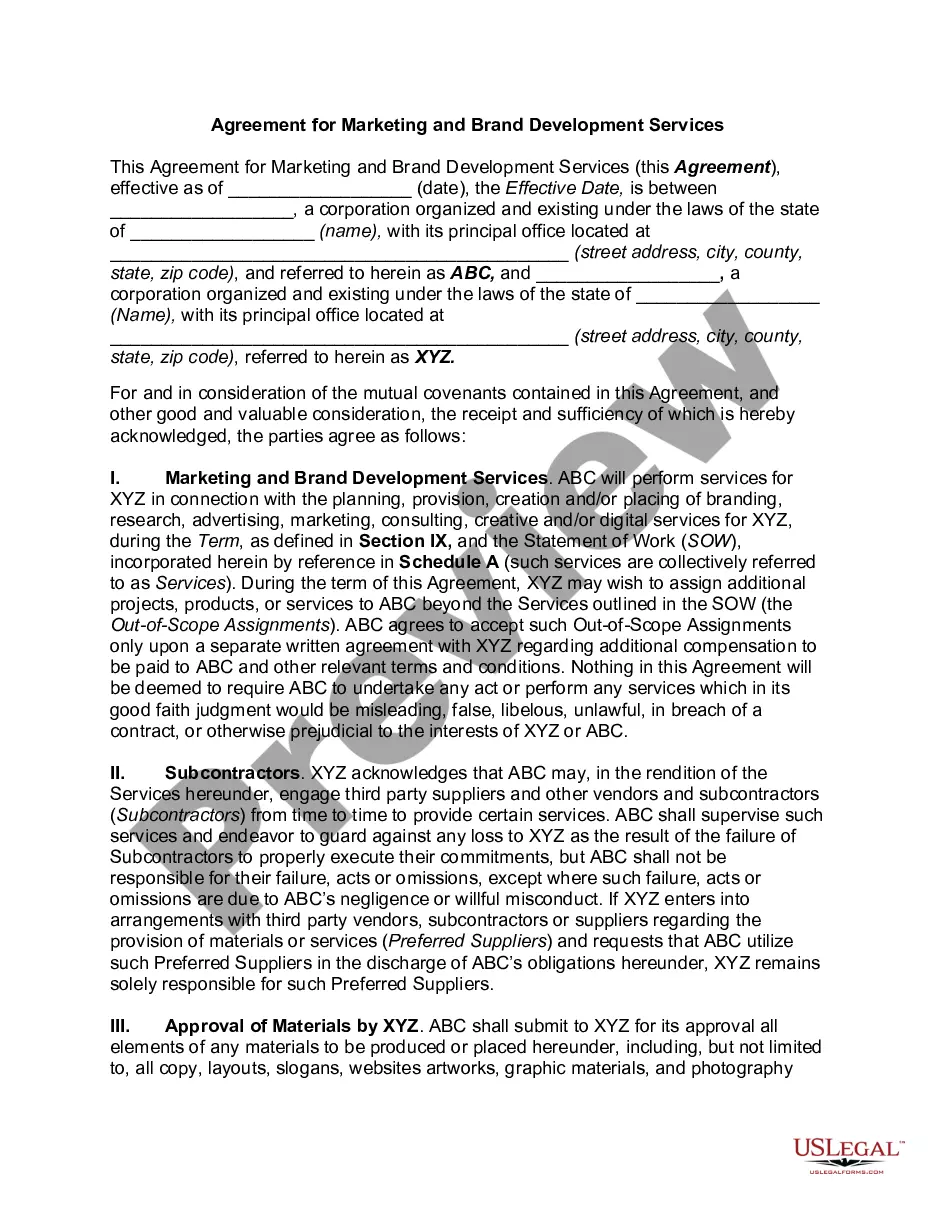

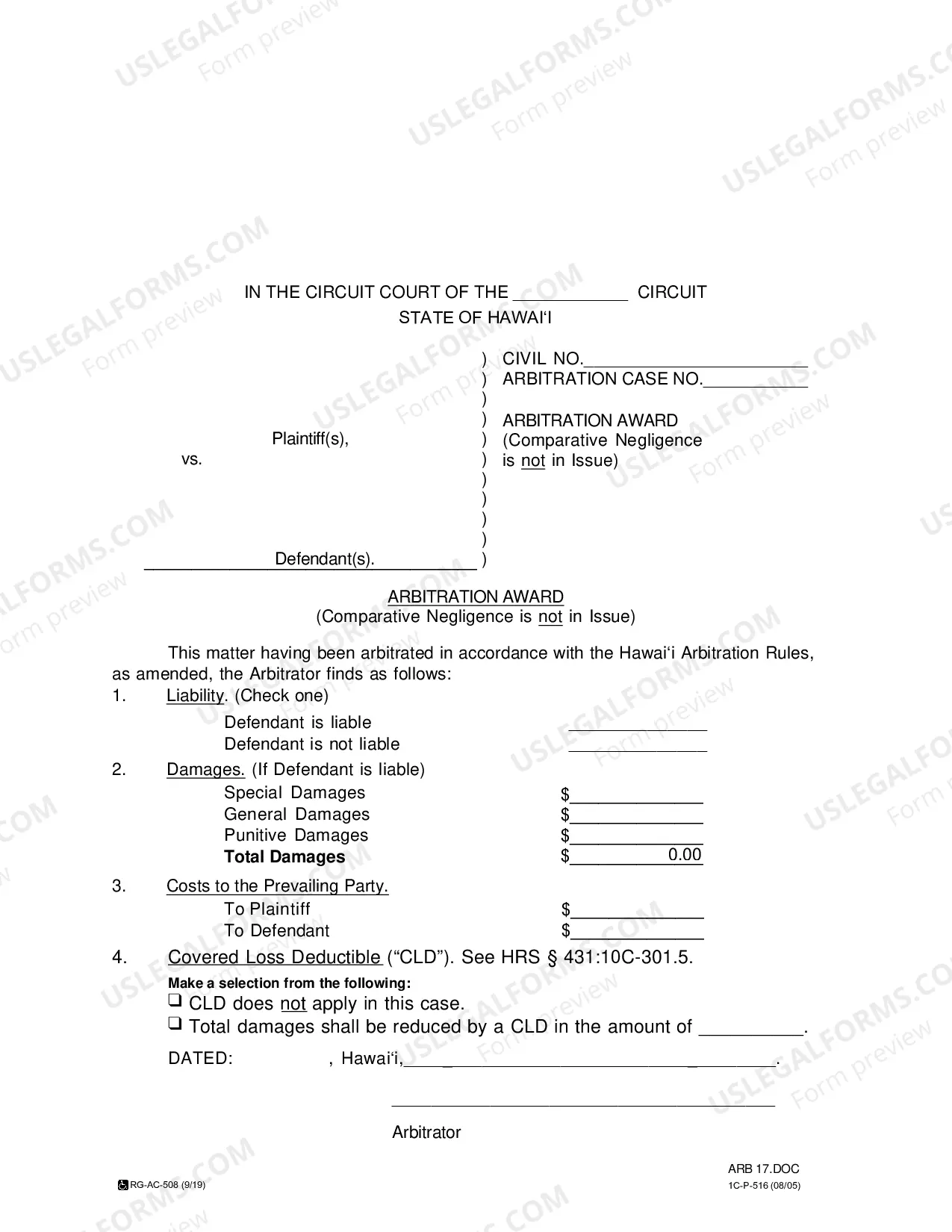
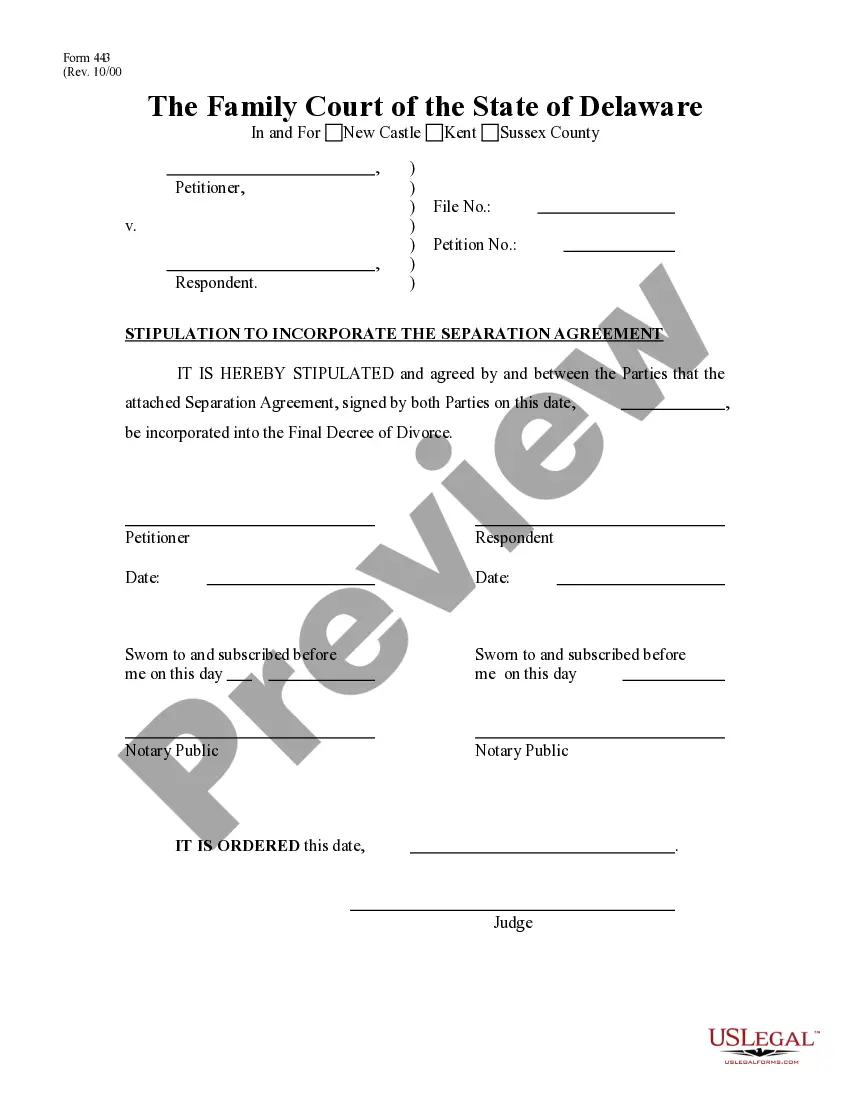
How to fill out Stock Exchange Agreement And Plan Of Reorganization By Jenkon International, Inc., Multimedia K.I.D. Intelligence In Education, Ltd., And Stockholders?
- Begin by visiting the US Legal Forms website and log in to your account if you are an existing user. Make sure your subscription is active to access the required templates.
- If you are new, explore the available forms by checking the preview mode and ensuring they comply with your local jurisdiction.
- Should you need additional templates, utilize the Search tab to find the appropriate form that meets your requirements.
- Select your desired document and click the Buy Now button. Choose your subscription plan and create an account to access the library.
- Complete your purchase by entering your payment details or using PayPal to finalize your subscription.
- Once your purchase is confirmed, download the form and save it to your device. You can access it later in the My Forms section of your profile.
By following these straightforward steps, you can easily secure your stock exchange agreement for the EU through US Legal Forms. Their robust collection of legal forms and access to premium support ensures that you are well-equipped to handle your legal needs.
Start your journey to legal compliance today by visiting US Legal Forms and discovering the power of convenience in legal documentation!
Form popularity
FAQ
The EU has established numerous trade agreements globally, including the Comprehensive Economic and Trade Agreement (CETA) with Canada and the trade partnership agreements with Japan and South Korea. These agreements are designed to enhance trade by reducing tariffs and promoting cooperation in various sectors. They play a crucial role in ensuring competitive trading environments for EU member states. For businesses, understanding these agreements is essential, especially when looking into forming a stock exchange agreement for the EU.
The EU and the USMCA both aim to facilitate trade and eliminate barriers for businesses operating across borders. They emphasize the importance of protecting labor rights and environmental standards in their agreements. Moreover, both frameworks seek to ensure that small and medium-sized enterprises can participate in trade. When considering a stock exchange agreement for the EU, these common goals can greatly influence cross-border investment strategies.
The EU and the US share common values such as democracy, rule of law, and respect for human rights. Both entities engage in significant trade relations, influencing global economic dynamics through exports and imports. They also collaborate on addressing global challenges like climate change and security. A stock exchange agreement for the EU can benefit from the strategic relationship between these economic giants.
Both the USMCA and the European Union promote economic integration among their member states, fostering trade and investment opportunities. They emphasize the importance of cooperation in regulating sectors like agriculture, services, and technology. Additionally, both agreements provide frameworks that facilitate cross-border transactions and business operations. Understanding these similarities can help in navigating a stock exchange agreement for the EU.
Yes, the EU has several prominent stock exchanges, the most notable being the Euronext and the Frankfurt Stock Exchange. These platforms facilitate trading in various securities, including stocks and bonds, across multiple countries within the EU. The stock exchange ecosystem supports businesses and investors, making it an essential part of the financial landscape. For those interested in a stock exchange agreement for the EU, engaging with these exchanges can provide valuable opportunities.
NAFTA and the EU both facilitate trade by reducing tariffs and promoting economic cooperation among member countries. They aim to create a favorable environment for businesses, enhancing market access and competitiveness. Both agreements focus on protecting intellectual property rights and harmonizing regulations to benefit participating countries. When considering a stock exchange agreement for the EU, it's beneficial to understand these cooperative frameworks.
Yes, there is a stock exchange in the EU, known as the European Stock Exchange. It serves as a platform for trading various financial instruments and stocks from companies across Europe. A stock exchange agreement for the EU facilitates the trading process, ensuring that transactions comply with EU regulations. For those seeking to navigate this landscape, USLegalForms offers resources and templates to help you establish a stock exchange agreement that meets legal standards.
Mutual recognition in the EU refers to the principle that a product legally sold in one member state should be allowed to be sold in all other member states without additional regulatory hurdles. This principle significantly eases trade barriers within the EU market. For those exploring a stock exchange agreement for the EU, understanding mutual recognition can enhance your strategic planning and execution.
The mutual recognition agreement is a pact that allows countries to accept each other's regulatory standards for goods and services. This concept works to reduce barriers to market entry and helps businesses operate more effectively internationally. When you're looking into a stock exchange agreement for the EU, familiarity with mutual recognition agreements can pave the way for smoother operations.
The USA does have trade agreements with the EU, promoting trade and investment between both regions. These agreements allow for greater collaboration in many sectors, including finance. If you are interested in a stock exchange agreement for the EU, understanding these trade agreements can provide insights into potential benefits and obligations.