Stock Option Accounting
Description









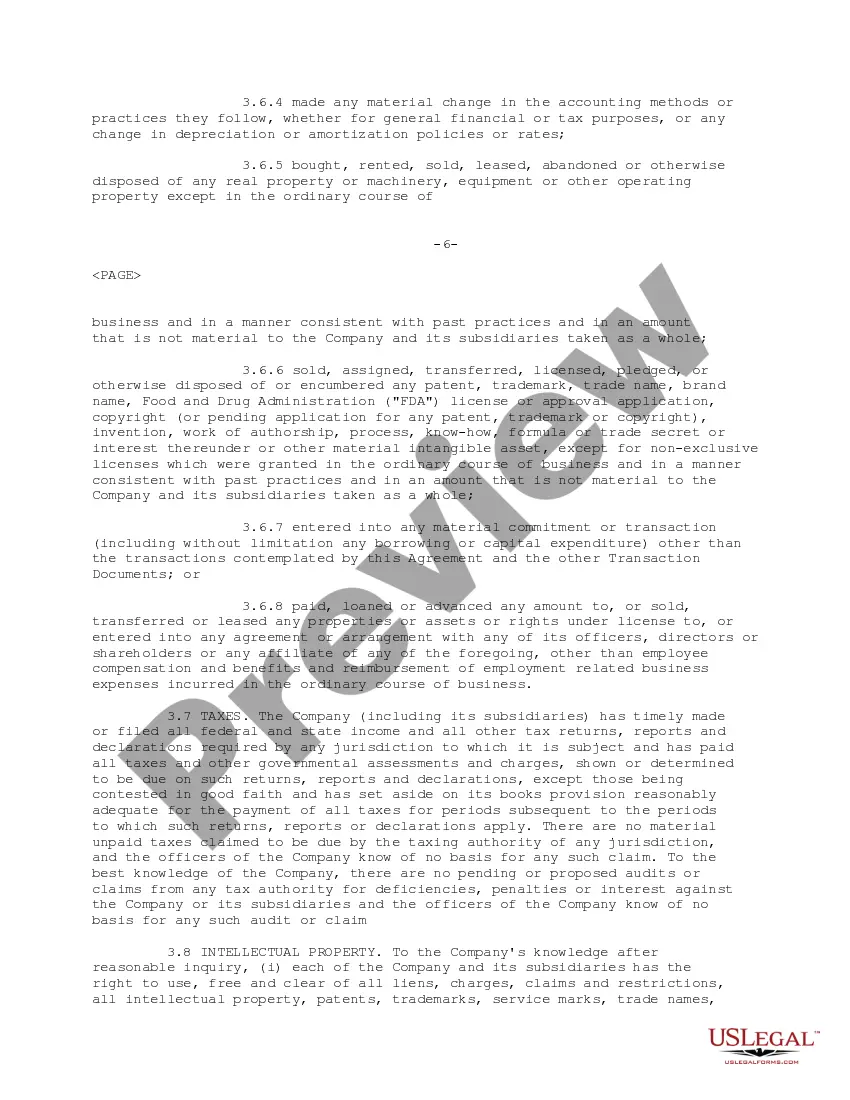

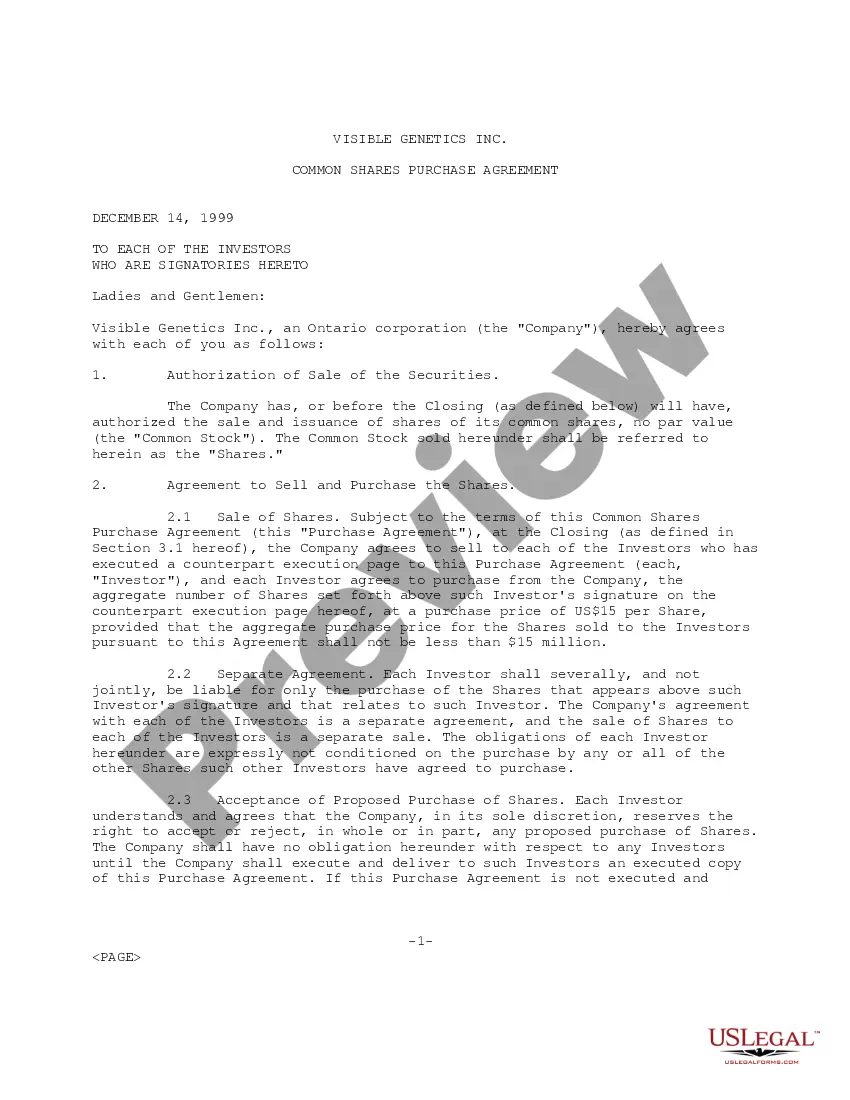
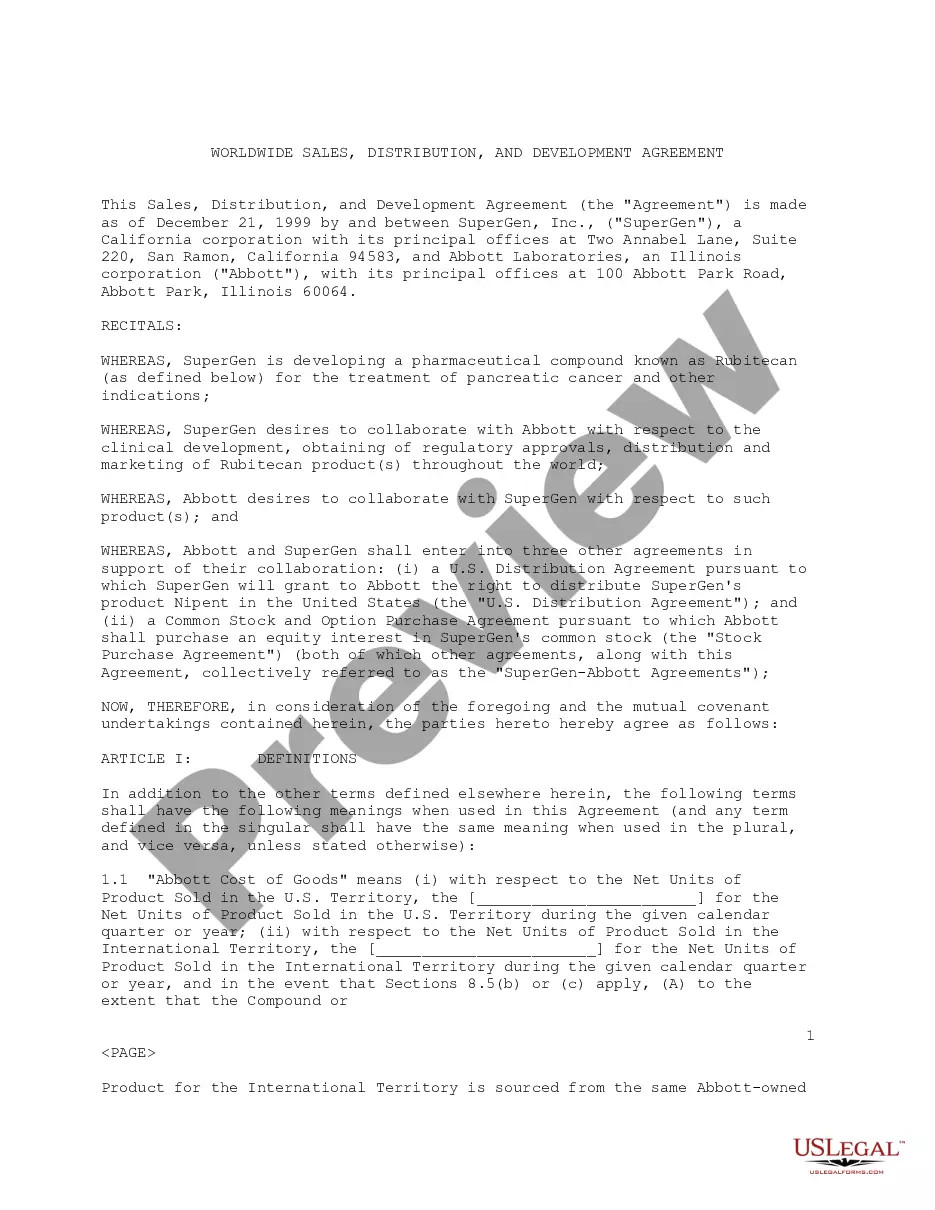
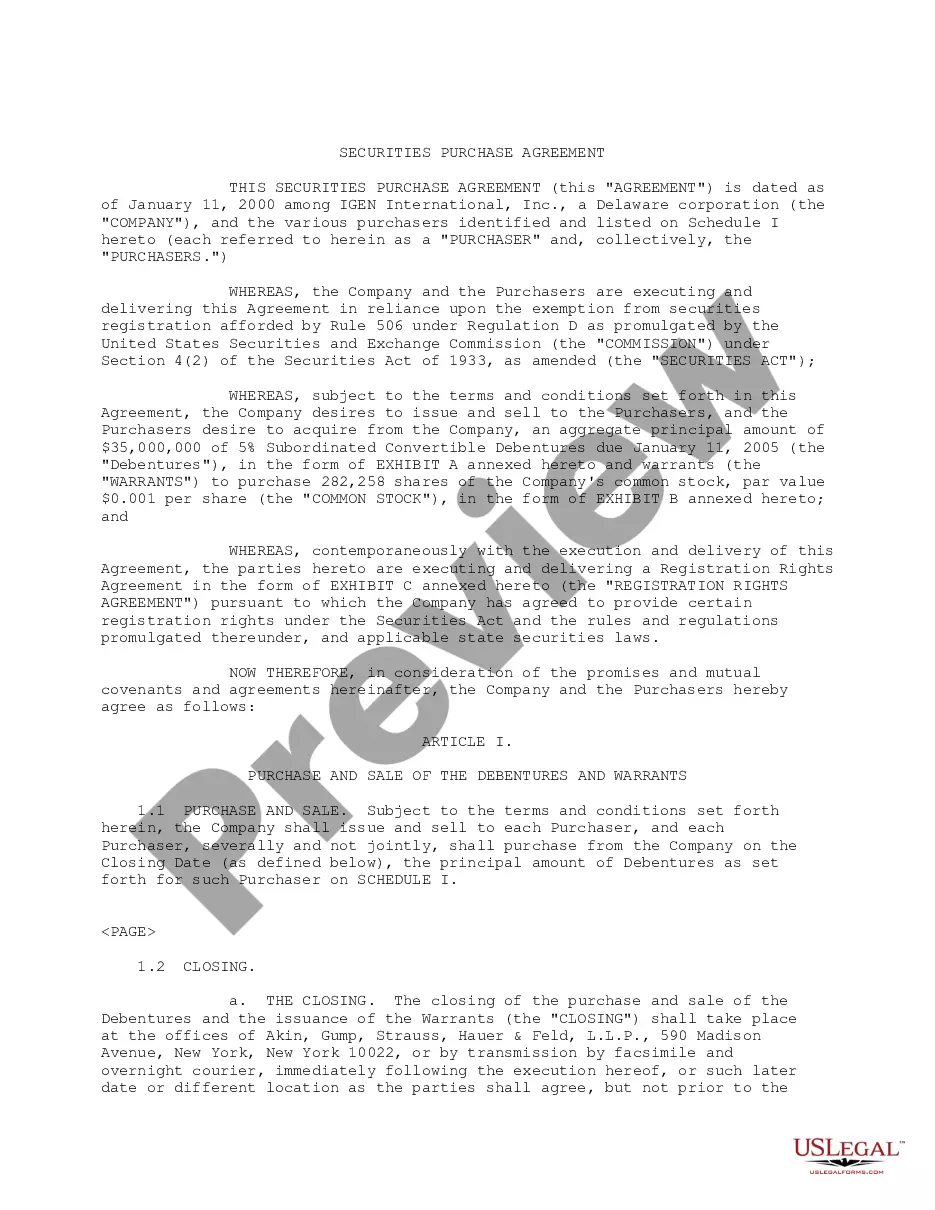
Get your form ready online
Our built-in tools help you complete, sign, share, and store your documents in one place.
Make edits, fill in missing information, and update formatting in US Legal Forms—just like you would in MS Word.
Download a copy, print it, send it by email, or mail it via USPS—whatever works best for your next step.
Sign and collect signatures with our SignNow integration. Send to multiple recipients, set reminders, and more. Go Premium to unlock E-Sign.
If this form requires notarization, complete it online through a secure video call—no need to meet a notary in person or wait for an appointment.
We protect your documents and personal data by following strict security and privacy standards.

Make edits, fill in missing information, and update formatting in US Legal Forms—just like you would in MS Word.

Download a copy, print it, send it by email, or mail it via USPS—whatever works best for your next step.

Sign and collect signatures with our SignNow integration. Send to multiple recipients, set reminders, and more. Go Premium to unlock E-Sign.

If this form requires notarization, complete it online through a secure video call—no need to meet a notary in person or wait for an appointment.

We protect your documents and personal data by following strict security and privacy standards.
Looking for another form?
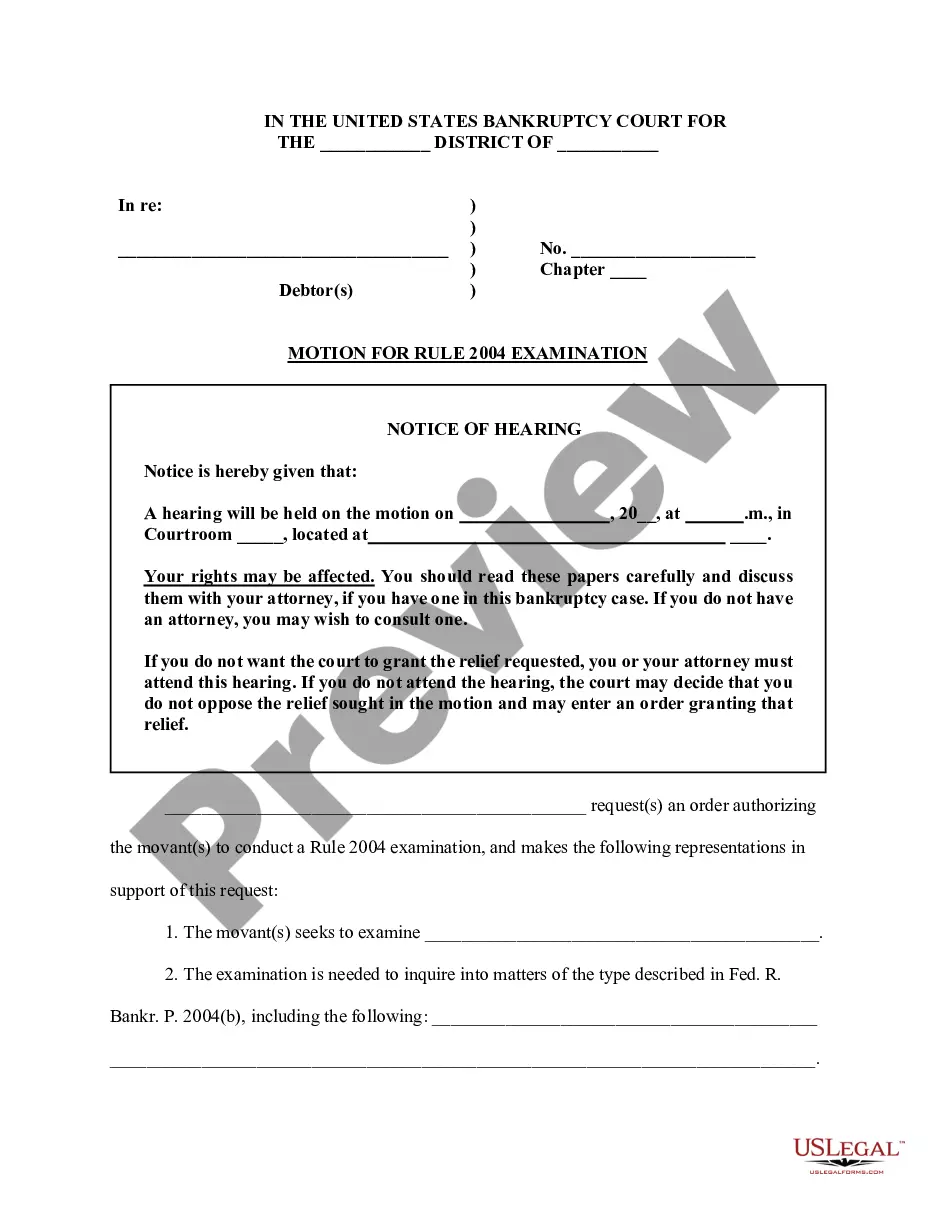



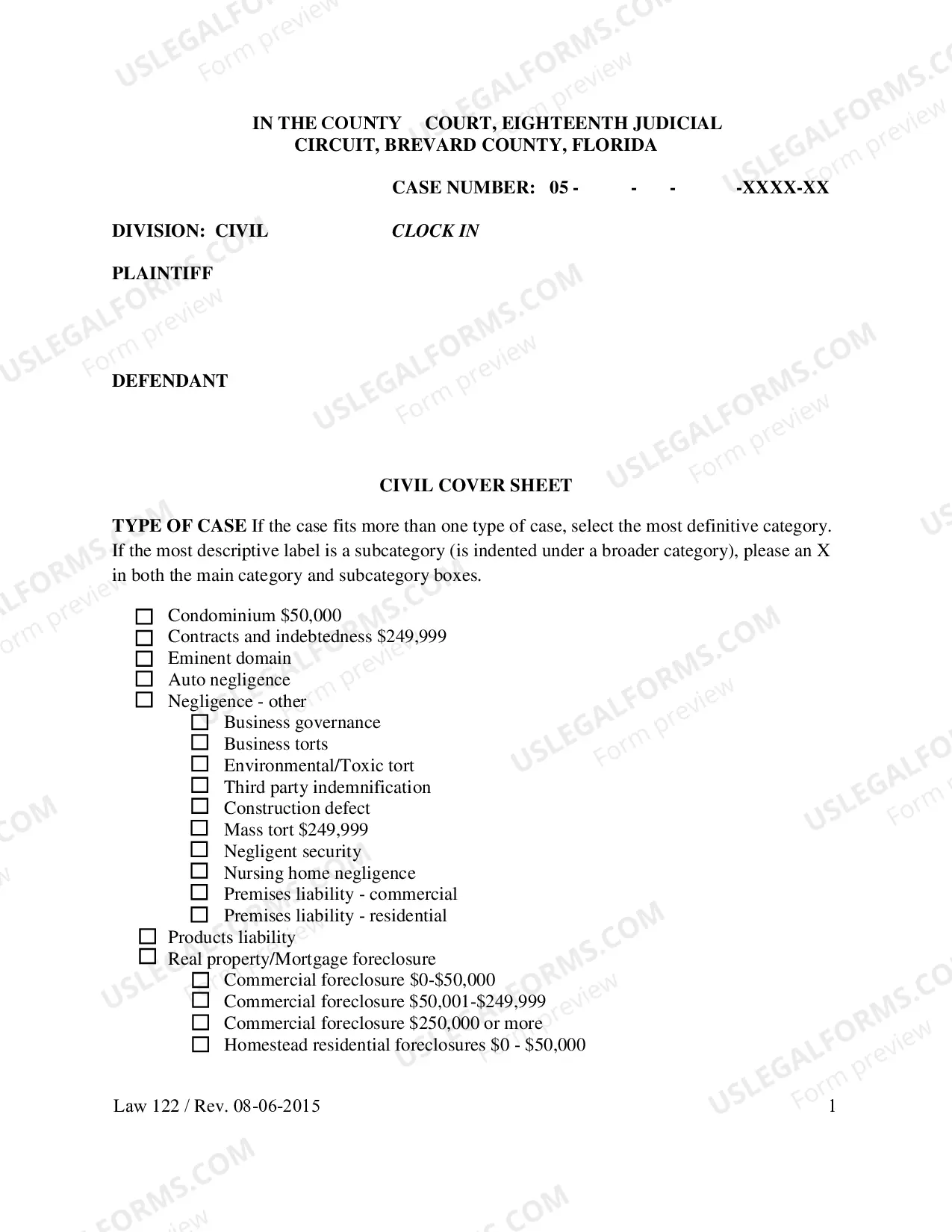

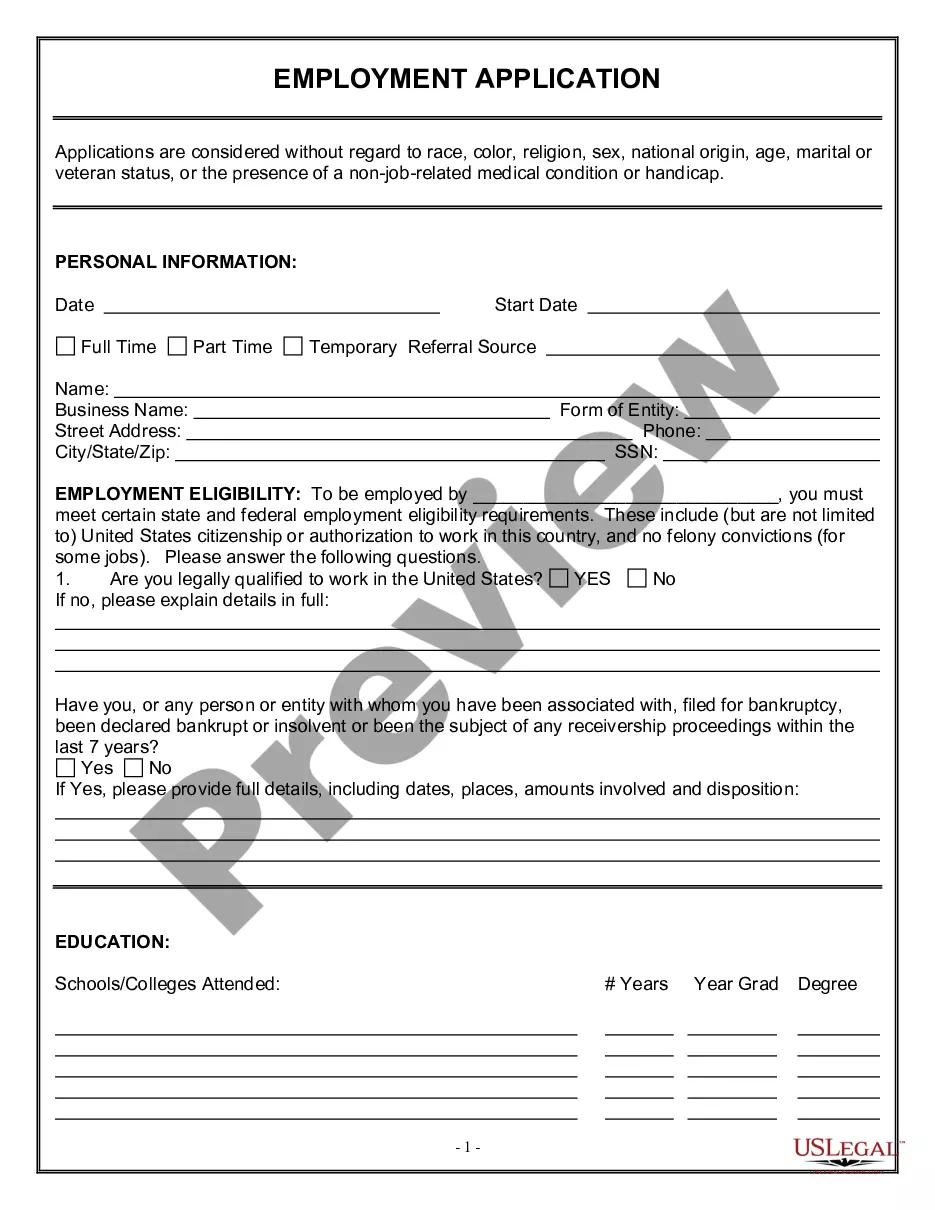

How to fill out Sample Stock And Option Purchase Agreement Between Supergen, Inc. And Abbott Laboratories, Inc. Regarding Authorization And Sale Of Securities?
- If you're an existing user, log into your account and select the required form from your dashboard. Ensure your subscription is active; if not, renew it according to your plan.
- For first-time users, begin by previewing the form descriptions. Ensure you find a template that aligns with your needs and adheres to your local jurisdiction regulations.
- If you encounter discrepancies, utilize the Search tab to find the appropriate form. Once you identify a suitable template, proceed to the next step.
- Purchase the selected document by clicking on the Buy Now button and choosing your preferred subscription plan. Registration is necessary for access to the library's resources.
- Complete your purchase by entering your payment information, either via credit card or PayPal.
- Finally, download your form and save it to your device. You can always access your documents later in the My Forms section of your profile.
By following these steps, you will efficiently gather the legal forms needed for effective stock option accounting. US Legal Forms stands out with its vast collection, premium support, and user-friendly interface, making it an ideal choice for your legal documentation needs.
Get started today and streamline your stock option accounting process with US Legal Forms!
Form popularity
FAQ
Filing taxes on stock options can seem complex, but understanding stock option accounting simplifies the process. First, determine whether your stock options are incentive stock options (ISOs) or non-qualified stock options (NSOs), as this affects your taxable income. Generally, you report any income from stock options on your tax return in the year you exercise the options. For accurate stock option accounting, consider using a reliable platform like US Legal Forms, which can guide you through forming your tax strategy effectively.
To receive stock options, you typically need to be offered them as part of an employment package, especially in startups or tech companies. Employers grant these options to align employee interests with company success. You can find resources on stock option accounting through platforms like US Legal Forms, which provide guidance on understanding your options. This knowledge equips you to make informed decisions about your compensation and future financial opportunities.
Calculating stock option expense involves determining the fair value of the stock options granted. This value is then allocated over the vesting period, which is the time employees must wait before exercising their options. To ensure compliance with stock option accounting standards, you should consider utilizing software that simplifies this process, like the tools available on the US Legal Forms platform. By streamlining your stock option accounting, you can focus on your core business activities.
You typically do not receive a 1099 for stock options unless the options are sold during the tax year, which would trigger capital gains reporting. Instead, if you exercise non-qualified options, the income is usually reported on your W-2. Understanding the nuances of stock option accounting helps you stay informed and avoid potential tax issues.
In accounting for stock options, you typically follow the fair value method to determine the expense associated with granting options. This involves calculating the fair value at the grant date and recognizing that expense over the vesting period. Comprehensive stock option accounting helps ensure compliance with accounting standards while presenting accurate financial information.
The $100,000 rule refers to the limit on the amount of incentive stock options (ISOs) you can qualify for in a calendar year. If the fair market value of the options granted exceeds this threshold, any excess will be treated as non-qualified options. Understanding this rule is crucial for effective stock option accounting and maximizing your tax implications.
Recording stock options involves accounting for the grant date, exercise date, and any associated income. You would create journal entries to reflect the initial stock option grant, the exercise of the options, and the recognition of any income. Mastering these entries ensures precise stock option accounting for your financial statements.
When reporting stock options on your tax return, it's essential to accurately reflect the income you recognize upon exercising them. Typically, non-qualified stock options are reported on Form 1040, while qualified options may be taxed differently. Proper stock option accounting ensures that you comply with tax regulations while maximizing your tax benefits.
To report income from stock options, you need to determine if the options are qualified or non-qualified. Generally, for non-qualified stock options, you report the income as ordinary income when you exercise them. You will receive a Form W-2 from your employer that reflects this income, which will also help you in your stock option accounting.
Stock options are reported in the financial statements under equity, often as part of the overall compensation expense. The relevant disclosures include information about the stock option plan, the number of options granted, and the valuation method used. Proper reporting aligns with stock option accounting standards and aids in transparent financial communication.