Llc Stands For Limited Liability Corporation
Description





Get your form ready online
Our built-in tools help you complete, sign, share, and store your documents in one place.
Make edits, fill in missing information, and update formatting in US Legal Forms—just like you would in MS Word.
Download a copy, print it, send it by email, or mail it via USPS—whatever works best for your next step.
Sign and collect signatures with our SignNow integration. Send to multiple recipients, set reminders, and more. Go Premium to unlock E-Sign.
If this form requires notarization, complete it online through a secure video call—no need to meet a notary in person or wait for an appointment.
We protect your documents and personal data by following strict security and privacy standards.

Make edits, fill in missing information, and update formatting in US Legal Forms—just like you would in MS Word.

Download a copy, print it, send it by email, or mail it via USPS—whatever works best for your next step.

Sign and collect signatures with our SignNow integration. Send to multiple recipients, set reminders, and more. Go Premium to unlock E-Sign.

If this form requires notarization, complete it online through a secure video call—no need to meet a notary in person or wait for an appointment.

We protect your documents and personal data by following strict security and privacy standards.
Looking for another form?
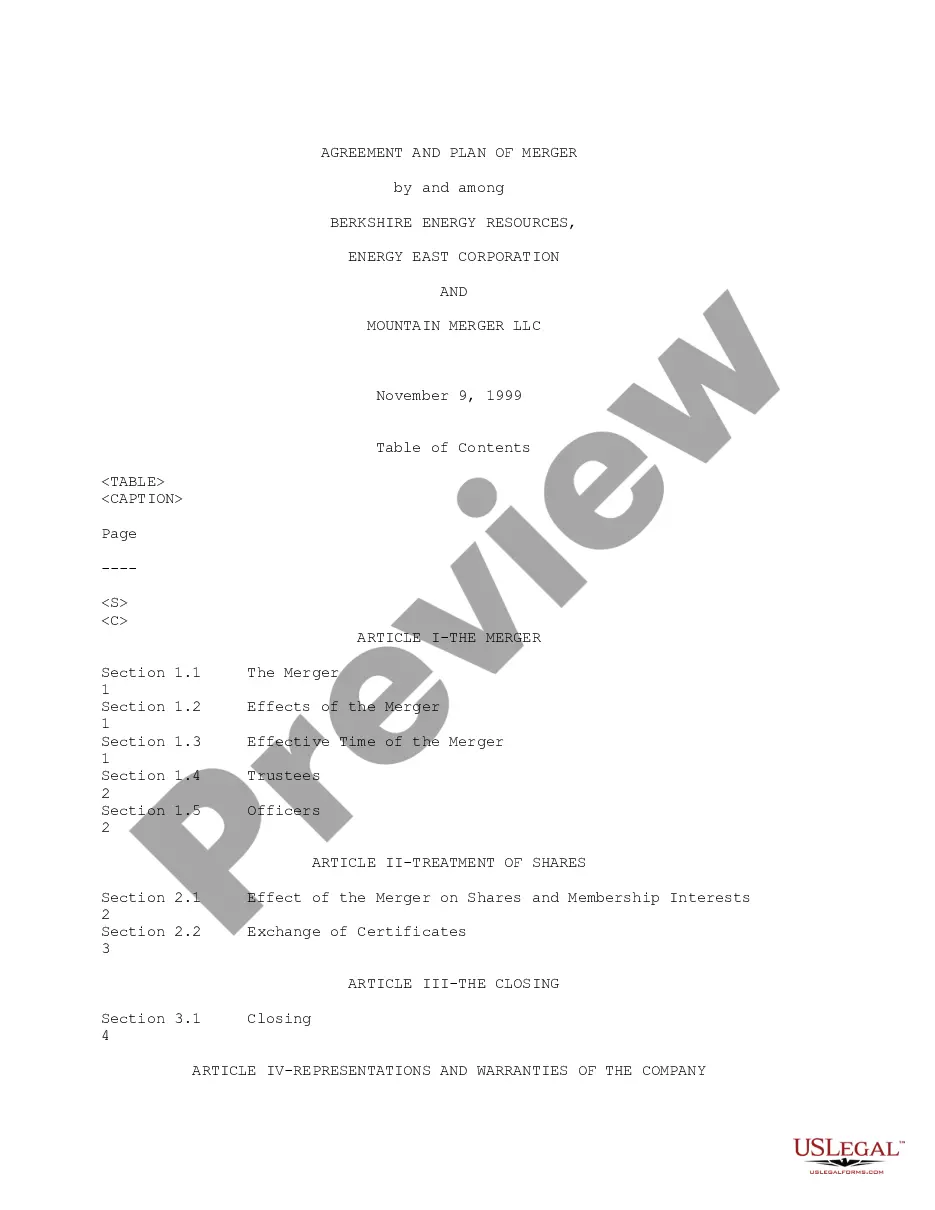
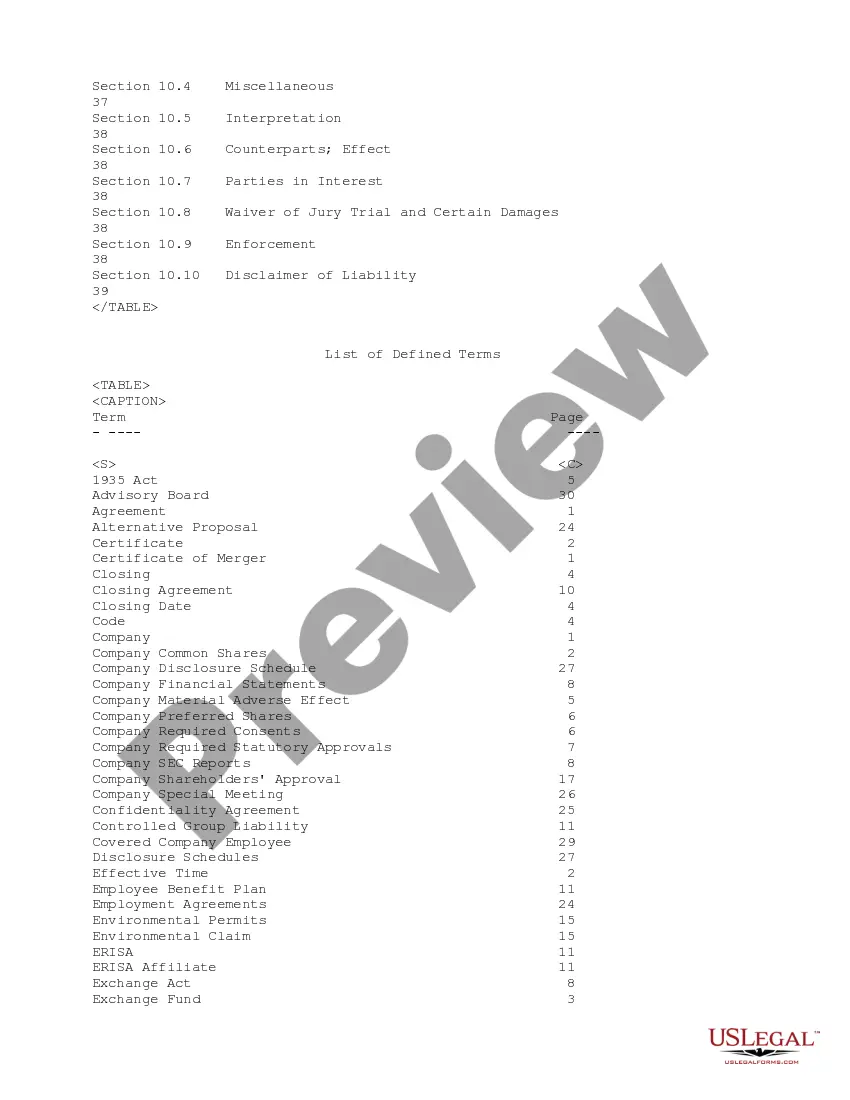
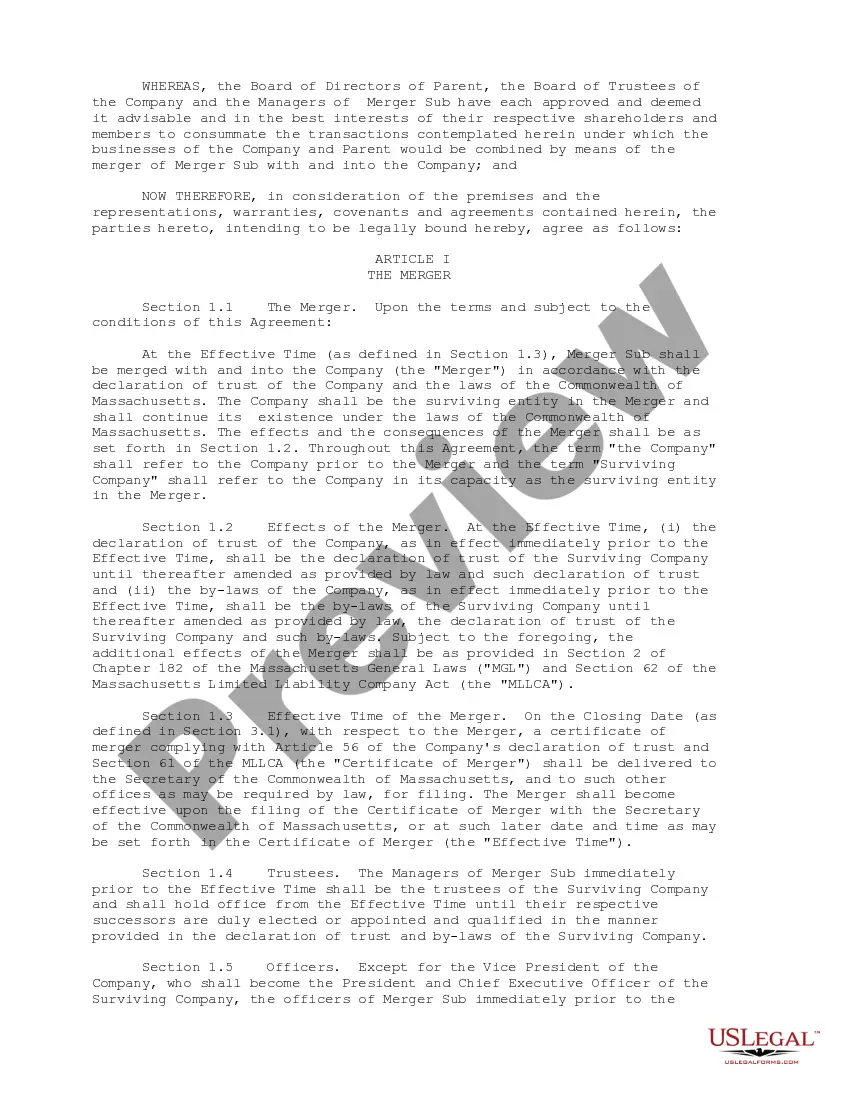
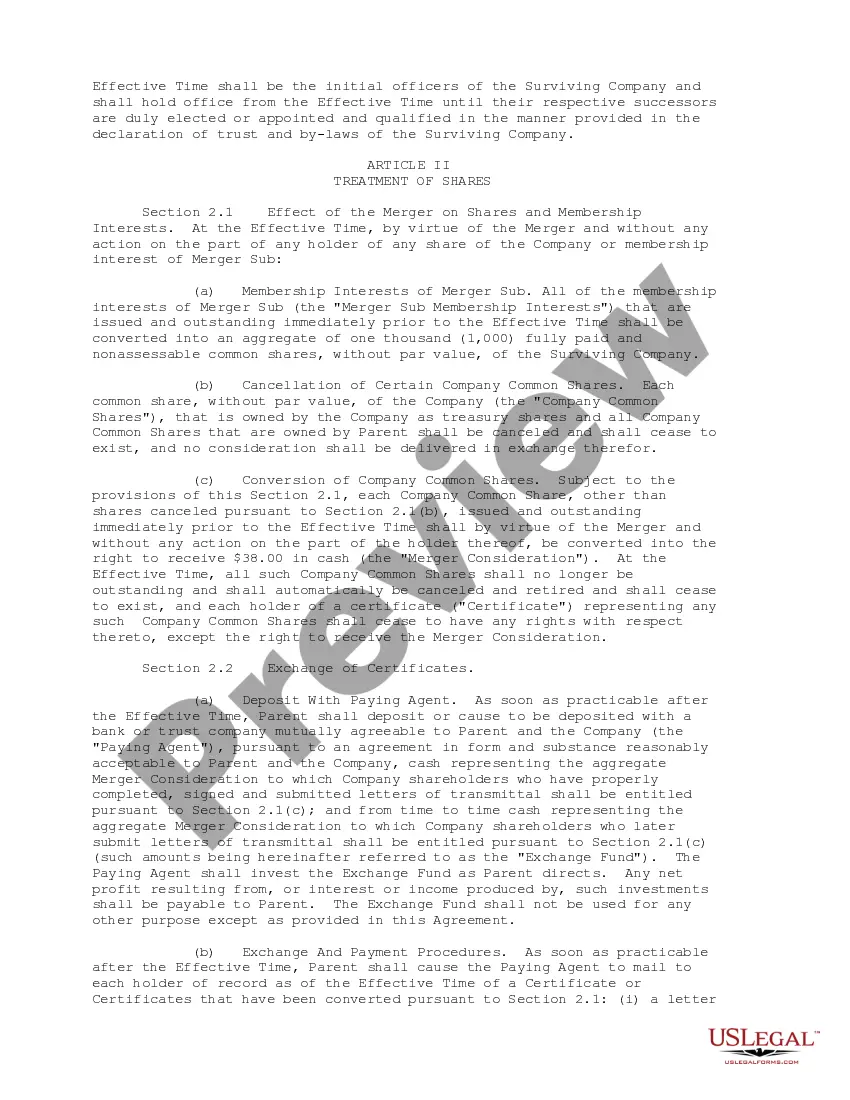
How to fill out Plan Of Merger Between Berkshire Energy Resources, Energy East Corporation And Mountain Merger, LLC?
- Log in to your existing account on US Legal Forms. Confirm your subscription is active; renew if necessary.
- Browse the library for relevant forms. Utilize the Preview mode to review the form’s details for your specific needs and jurisdiction.
- If the initial template doesn’t fit, use the Search option to find another suitable form.
- Select the desired form and click the Buy Now button. Choose a subscription plan that aligns with your needs.
- Input your payment information using a credit card or PayPal to complete your purchase.
- Download the file directly to your device. Access it anytime from the My Forms section for completing your documentation.
US Legal Forms provides an extensive collection of over 85,000 fillable legal documents, surpassing competitors in quantity and value.
Start your journey towards forming an LLC today and ensure your legal documents are precise and compliant. Visit US Legal Forms now!
Form popularity
FAQ
To distinguish between an LLC and a C Corp, you should look at the company’s formation documents filed with the state. LLCs typically have 'LLC' or 'Limited Liability Company' in their names, whereas C Corps use 'Corp' or 'Inc.' Understanding that an LLC stands for limited liability corporation can help clarify this classification. If needed, you can easily use platforms like uslegalforms to access your company’s filing information and determine its structure.
To confirm if your LLC is classified as an S Corp, review your IRS filings, especially the Form 2553, which you would have filed to elect this status. Additionally, check your state registration, as some states require separate classification. Keep in mind that an LLC stands for limited liability corporation, which means it can choose various tax structures based on your business needs.
No, your LLC is not automatically an S Corp just by being formed as an LLC. An S Corp is a tax classification that you must elect by filing specific forms with the IRS. It is important to understand that while an LLC stands for limited liability corporation, it operates under different rules than an S Corp unless you choose that classification.
To determine the classification of your LLC, first check the documents filed with your state, as they often specify its structure. You can also consult your operating agreement and any tax election forms you may have submitted. Remember, an LLC stands for limited liability corporation, but it can have different tax classifications depending on how you decide to structure it.
To find out if your LLC is classified as an S Corp or C Corp, review the forms you filed with the IRS when you established your business. An LLC can choose its tax designation, which can impact how profits are taxed. If you're unsure or need assistance, US Legal Forms can provide the necessary paperwork and guidance, enabling you to navigate these classifications effectively and confidently.
Choosing between an LLC and a corporation depends on your business goals and structure. An LLC offers flexibility in management and fewer formalities, while a corporation may provide more credibility and access to investor funding. Since LLC stands for limited liability corporation, you can enjoy limited liability while maintaining operational flexibility. Consider consulting with a legal expert or using resources like US Legal Forms to make the best decision.
To determine if your LLC is designated as an S Corp or C Corp, you must check your tax election status with the IRS. An LLC can elect to be taxed as an S Corp or a C Corp based on specific criteria and filing requirements. Utilizing a platform like US Legal Forms can simplify this process by providing easy access to necessary forms and instructions. This way, you can confidently navigate the tax implications of your LLC.
The term LLC stands for limited liability company, not corporation. It's important to note that while many people may interchange these terms, they refer to different business structures. An LLC provides its owners with limited liability protection, much like a corporation. Understanding this distinction can help you choose the right business form for your needs.
When you own an LLC, you can refer to yourself as a member. This term reflects the ownership structure of your business, which Llc stands for limited liability corporation. Unlike shareholders in a corporation, LLC members have more flexibility in management and profit sharing. It is an important distinction that highlights your role in your respective business.
Choosing between an LLC and a limited partnership (LP) depends on your business goals. An LLC, which stands for limited liability corporation, provides personal liability protection for all members, whereas an LP has a general partner liable for debts and limited partners with protection against personal liability. If you prioritize flexibility and protection, an LLC might serve you better. Consider consulting with our resources at uslegalforms for assistance in making the right decision.