Limited Business
Description









Get your form ready online
Our built-in tools help you complete, sign, share, and store your documents in one place.
Make edits, fill in missing information, and update formatting in US Legal Forms—just like you would in MS Word.
Download a copy, print it, send it by email, or mail it via USPS—whatever works best for your next step.
Sign and collect signatures with our SignNow integration. Send to multiple recipients, set reminders, and more. Go Premium to unlock E-Sign.
If this form requires notarization, complete it online through a secure video call—no need to meet a notary in person or wait for an appointment.
We protect your documents and personal data by following strict security and privacy standards.

Make edits, fill in missing information, and update formatting in US Legal Forms—just like you would in MS Word.

Download a copy, print it, send it by email, or mail it via USPS—whatever works best for your next step.

Sign and collect signatures with our SignNow integration. Send to multiple recipients, set reminders, and more. Go Premium to unlock E-Sign.

If this form requires notarization, complete it online through a secure video call—no need to meet a notary in person or wait for an appointment.

We protect your documents and personal data by following strict security and privacy standards.
Looking for another form?

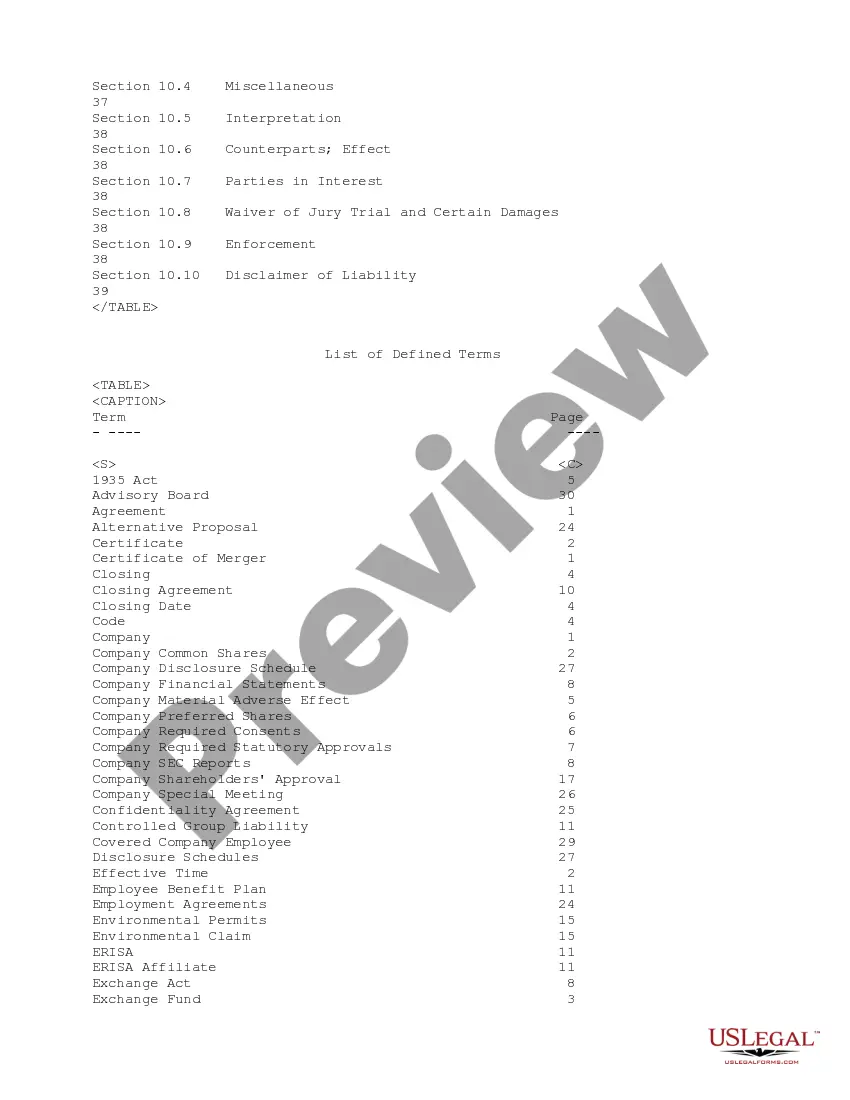
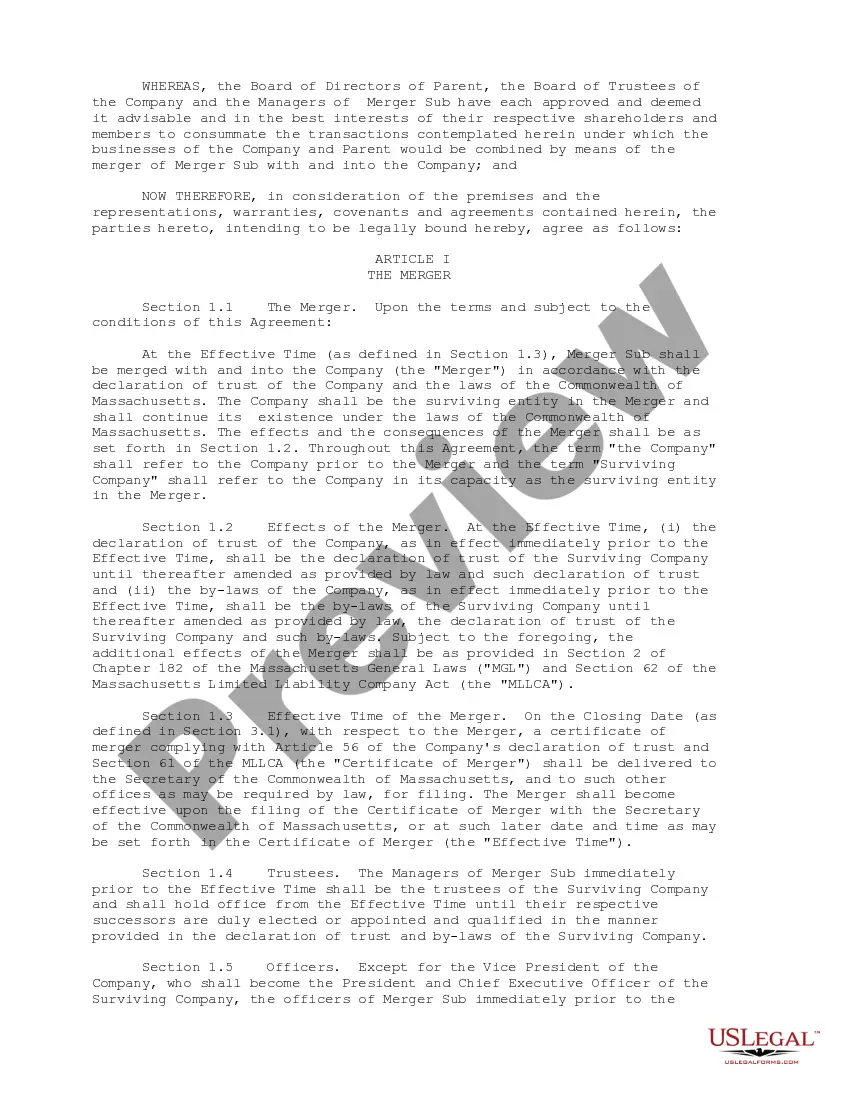
How to fill out Plan Of Merger Between Berkshire Energy Resources, Energy East Corporation And Mountain Merger, LLC?
- If you're an existing user, log in to your account and ensure your subscription is active. Once confirmed, locate your desired template and click 'Download.'
- For new users, start by browsing the extensive library for the form you need. Always preview the document to verify it aligns with your requirements and jurisdiction.
- If your initial search doesn't yield the right forms, utilize the Search feature for better options tailored to your specific needs.
- Once you find the appropriate document, click the 'Buy Now' button and select a subscription plan that fits your business model, ensuring access to a wider array of forms.
- Complete your payment through credit card or PayPal. Make sure to check your payment confirmation for access.
- Finally, download the form to your device. You can also view it later in the My Forms section within your profile.
US Legal Forms enhances your limited business operations with its robust library of over 85,000 legal templates. This ensures you can find the right document quickly and easily.
Take advantage of the platform's expert support for any questions regarding form completion. Start simplifying your legal processes today!
Form popularity
FAQ
To determine if you are a limited company, check your business registration and any documentation that states your company's structure. If your name includes 'Limited' or 'Ltd,' you are operating as a limited business. Additionally, you may review your operating agreement or articles of incorporation, which outline the specifics of your structure. If you need assistance with this, US Legal Forms can help you clarify your business type and ensure compliance.
While both a limited company and a limited liability company (LLC) offer liability protection, they have distinct characteristics. A limited company typically refers to corporations, which can issue shares and have shareholders. In contrast, an LLC is a more flexible structure that allows for pass-through taxation, meaning profits are taxed only at the owners' level. Understanding these differences can help you choose the best structure for your limited business.
A limited company is a type of business structure that protects its owners from personal liability for the company's debts. This means that your personal assets are safe, and you will only risk what you have invested in the business. To establish a limited business, you must register with the appropriate authorities and adhere to specific compliance requirements. By choosing this structure, you gain credibility and can attract more clients.
'Limited' stands for limited liability, a key feature that protects business owners' personal wealth. In a limited business, owners are shielded from personal liability beyond their investment, which makes entrepreneurship less risky. By choosing this structure, you create a safer environment to innovate and grow your business without fearing financial ruin.
When a business has 'limited' in its name, it signifies that it operates as a limited company and offers liability protection to its owners. This means that the shareholders are only accountable for the company’s debts up to the amount they invested. This can foster trust and confidence among stakeholders, as it mitigates financial risks for individual investors.
Businesses use the term 'limited' to indicate their legal structure and to highlight the limitation of liability for their owners. This terminology assures customers, investors, and partners that their personal assets are safe if the business faces financial difficulties. The limited business structure also demonstrates professionalism and credibility in the market.
Being a limited company means that your business is a separate legal entity from its owners. This structure provides limited liability protection, where the owners’ financial responsibilities are limited to the amount they invested. This distinction can encourage investment and growth while protecting personal assets from business risks.
In the context of a limited business, the term 'limited' typically refers to the liability of the owners. This means that the personal assets of the owners are protected, and they are not personally liable for the debts of the business. By choosing this structure, you can safeguard your individual finances while operating your business.
You must report all business income, even if it is under $600. The IRS requires you to report any earnings, regardless of how limited they may be. Keeping track of all income ensures that you maintain compliance and can avoid potential issues down the line. It's best to adopt good accounting practices from the start of your limited business.
If your LLC is a single-member entity, you will file your LLC income on your personal tax return, treating it as a sole proprietorship. This approach allows you to consolidate your financial reporting in your limited business. However, if your LLC is classified as a corporation or has multiple members, separate filings will be necessary. Ensuring compliance in these cases is crucial.