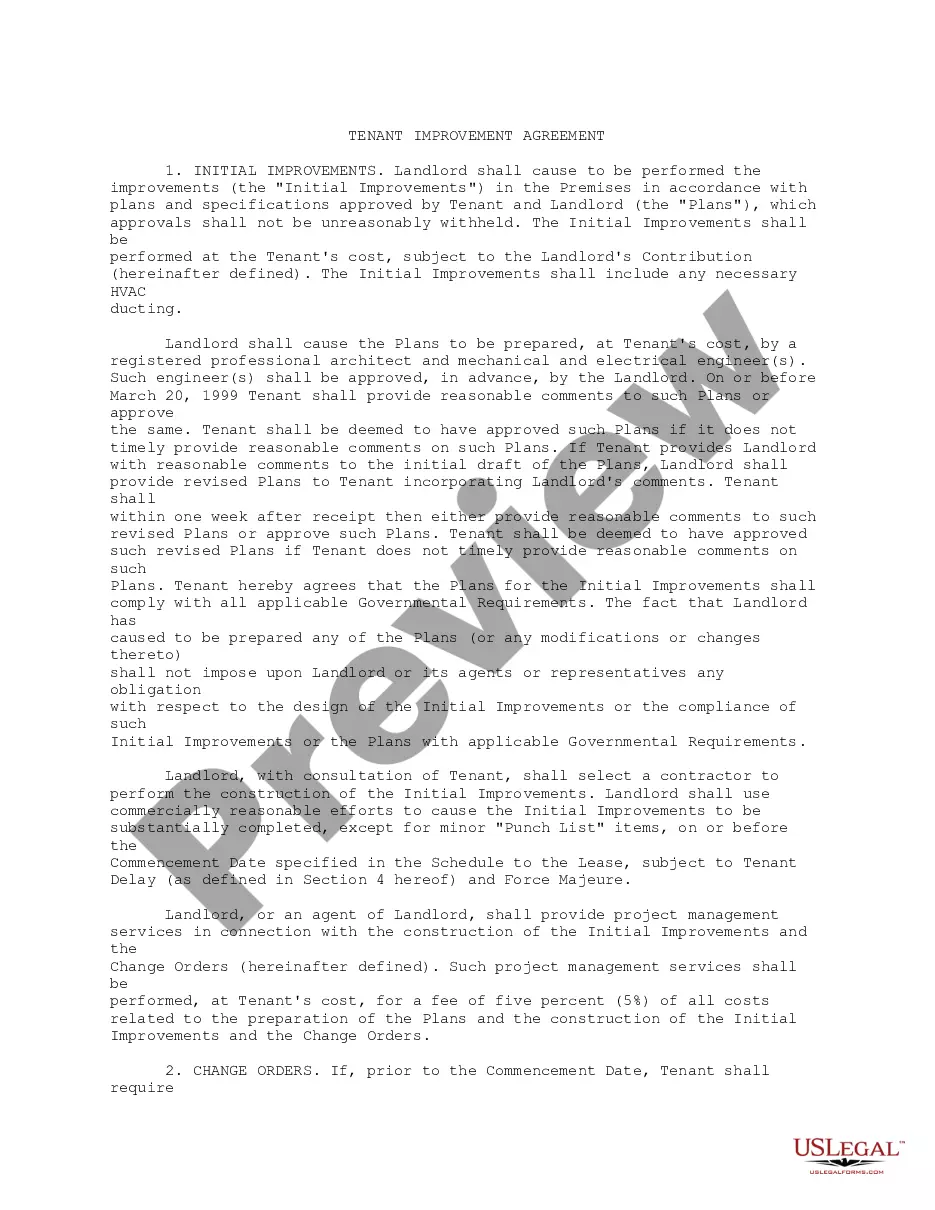
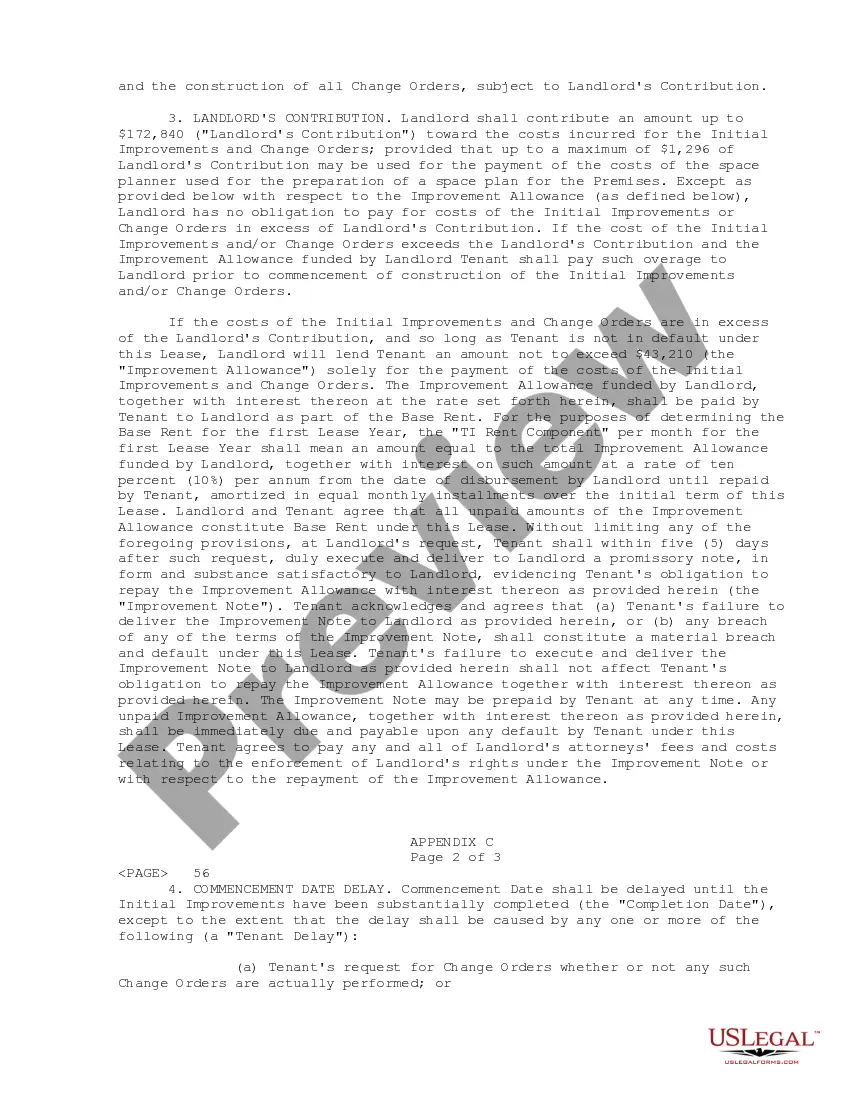
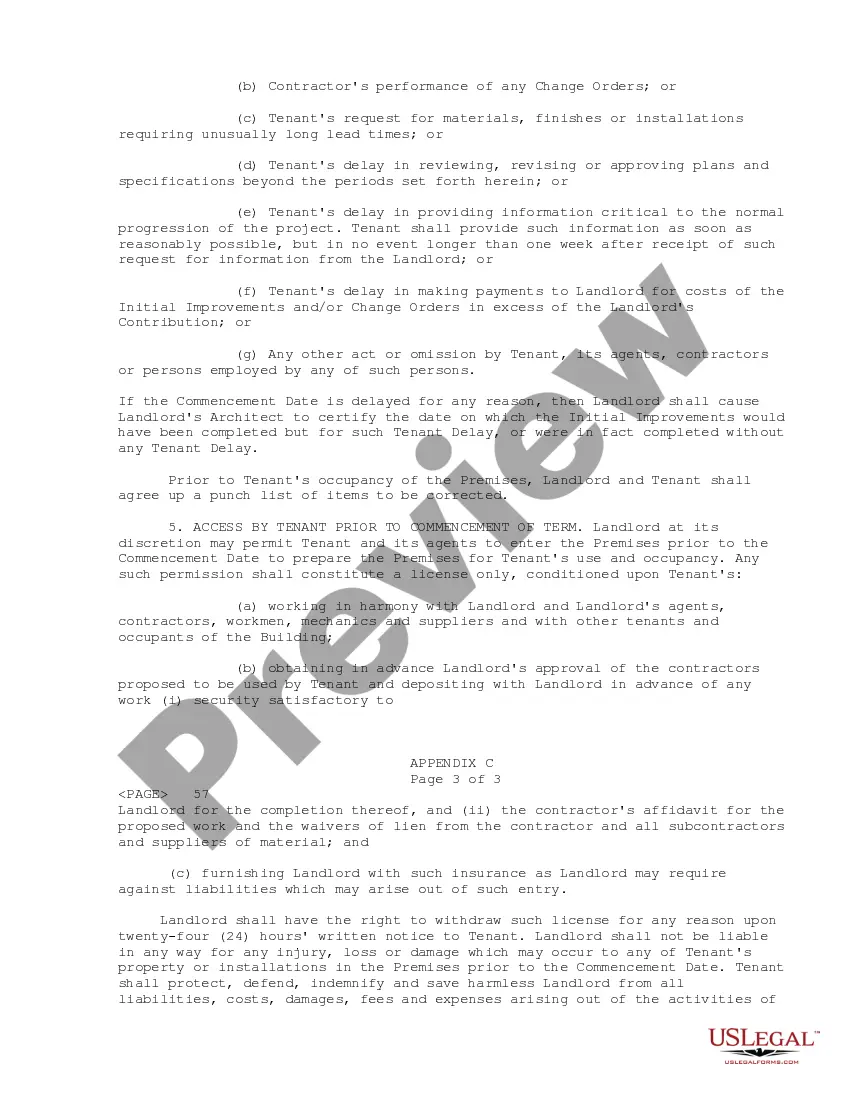
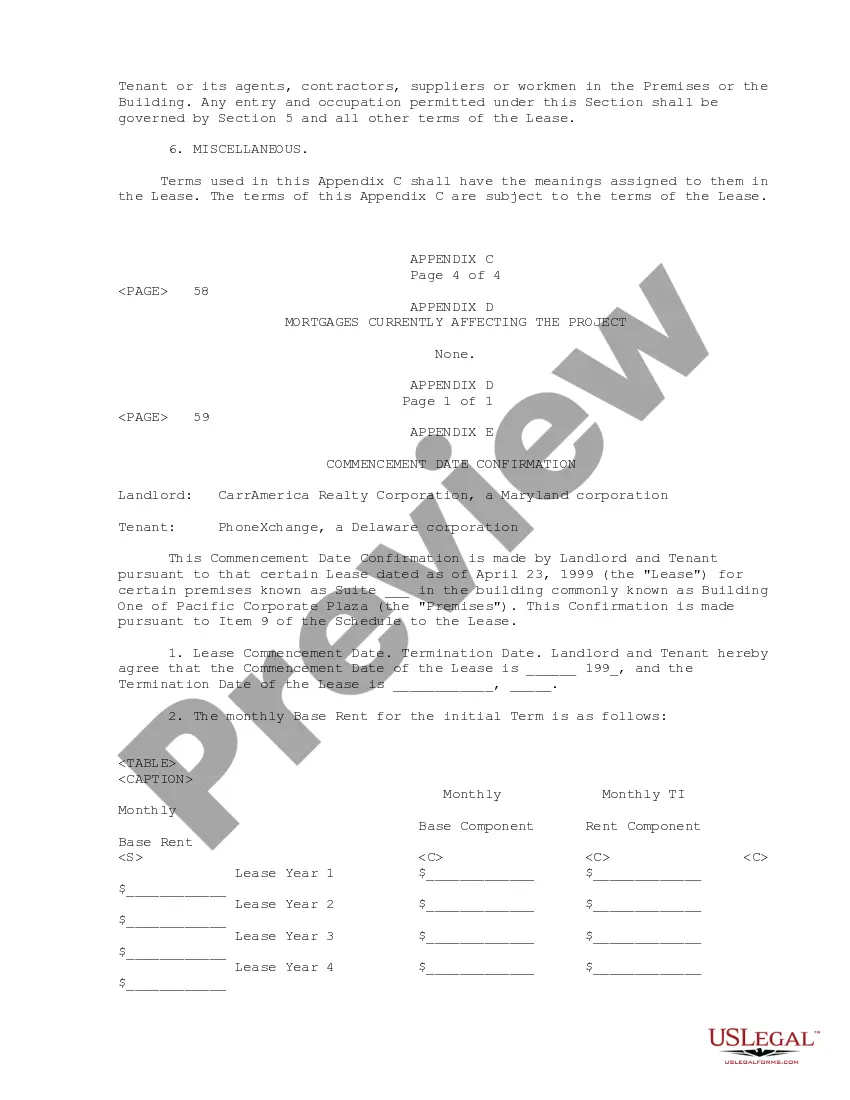
Tenant Ti
Description
Get your form ready online
Our built-in tools help you complete, sign, share, and store your documents in one place.
Make edits, fill in missing information, and update formatting in US Legal Forms—just like you would in MS Word.
Download a copy, print it, send it by email, or mail it via USPS—whatever works best for your next step.
Sign and collect signatures with our SignNow integration. Send to multiple recipients, set reminders, and more. Go Premium to unlock E-Sign.
If this form requires notarization, complete it online through a secure video call—no need to meet a notary in person or wait for an appointment.
We protect your documents and personal data by following strict security and privacy standards.

Make edits, fill in missing information, and update formatting in US Legal Forms—just like you would in MS Word.

Download a copy, print it, send it by email, or mail it via USPS—whatever works best for your next step.

Sign and collect signatures with our SignNow integration. Send to multiple recipients, set reminders, and more. Go Premium to unlock E-Sign.

If this form requires notarization, complete it online through a secure video call—no need to meet a notary in person or wait for an appointment.

We protect your documents and personal data by following strict security and privacy standards.
Looking for another form?


How to fill out Tenant Improvement Lease?
- If you are a returning user, simply log in to your account and download the necessary form template directly by selecting the Download button. Ensure your subscription is up-to-date.
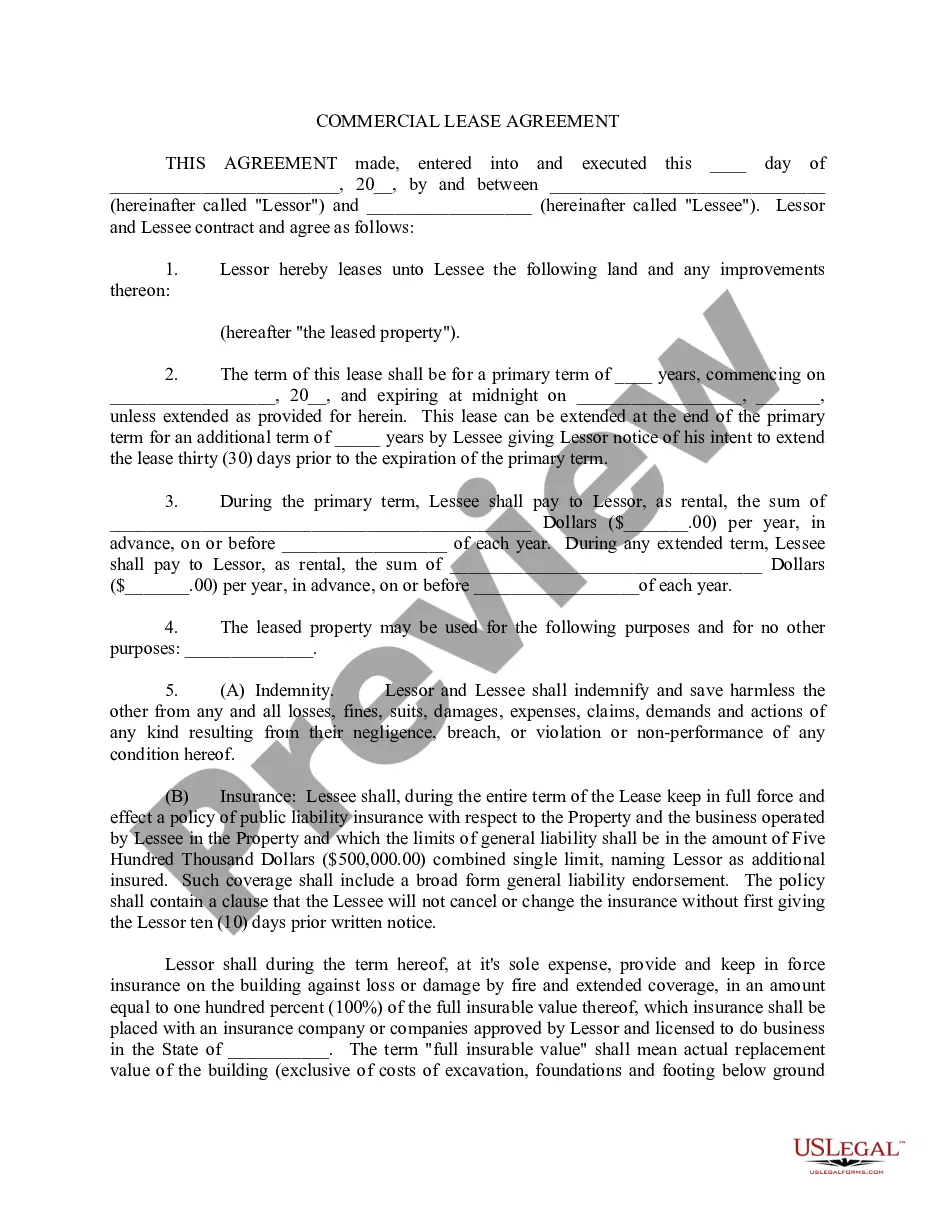
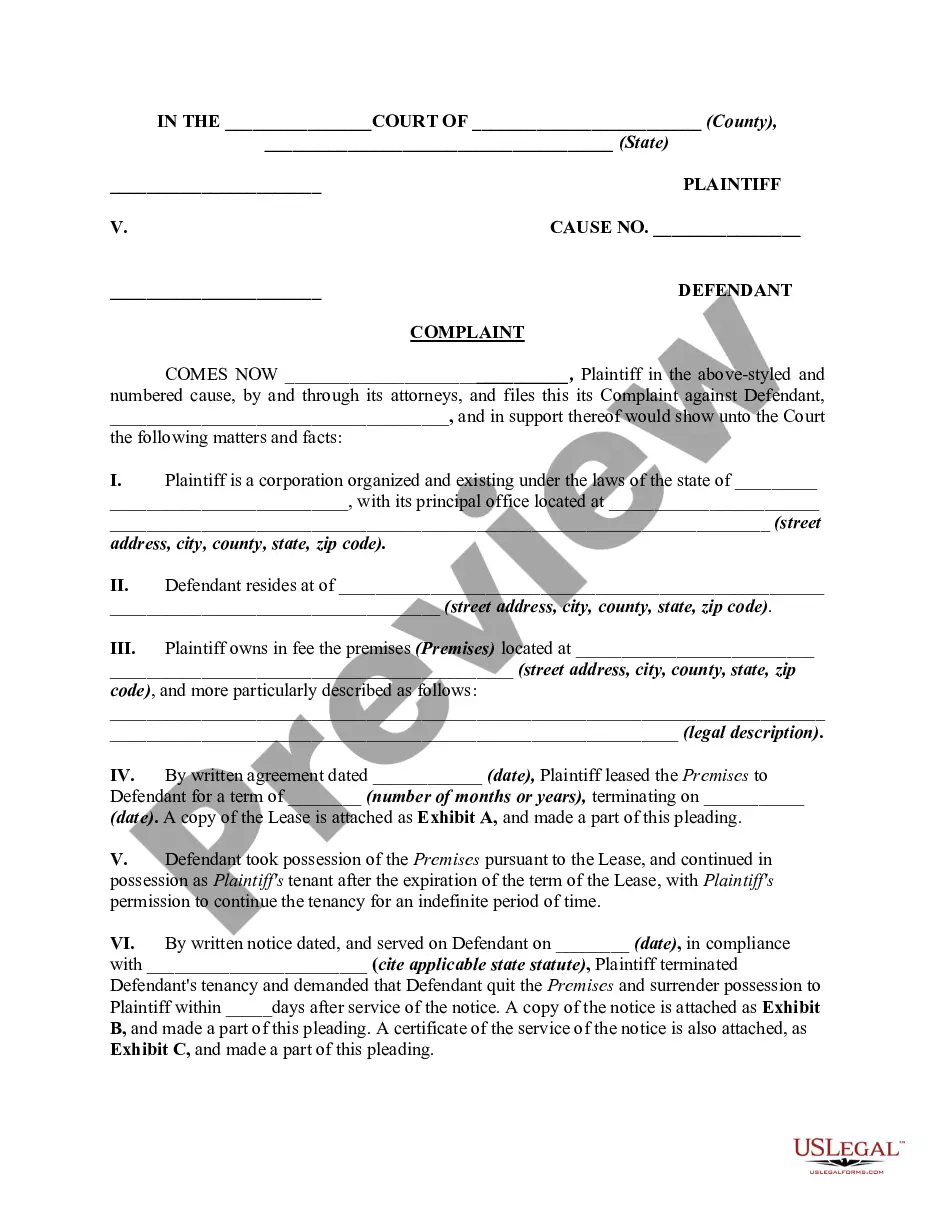
- For first-time users, start by reviewing the Preview mode and form descriptions. Confirm that the selected form aligns with your requirements and complies with your local jurisdiction.
- If you encounter any discrepancies, utilize the Search feature to find a suitable template. Proceed only when you've identified the correct form.
- To purchase your document, click on the Buy Now button and choose your preferred subscription plan. You'll need to create an account for full access to our resources.
- Complete your purchase by entering your credit card information or opting for PayPal to finalize the subscription.
- Download your chosen form and save it to your device. Access it anytime through the My Forms section of your profile.
By utilizing US Legal Forms, you ensure that you have access to a robust collection of legal documents at your fingertips. With over 85,000 fillable forms and the option to consult with legal experts, your legal needs are efficiently met.
Take control of your legal documentation process today with US Legal Forms. Start now and streamline your legal needs with ease!
Form popularity
FAQ
When writing a notice to vacate as a tenant, clearly state your intention to leave and include the date by which you will vacate. It is essential to provide the appropriate notice period as specified in your lease agreement. Also, express gratitude for your time at the property and ask about the procedure for your security deposit return. Accessing resources on US Legal Forms can help you find a suitable format for your notice.
To record a tenant improvement allowance, you should document the allowance as a lease incentive or expense in your accounting records. Typically, this involves noting the amount provided and detailing the improvements made. Ensure that both parties agree on the conditions under which the allowance is granted and used. Consider using US Legal Forms to access clear agreements that outline these terms.
Writing a letter to quit a rental property involves stating your intention to leave and providing the required notice period. Begin the letter with your address and the landlord’s address, then express your intention to vacate the unit along with the intended move-out date. Be sure to thank your landlord for the opportunity to rent the property and inquire about the procedure for returning your security deposit. You can find helpful templates on US Legal Forms for this purpose.
To write a quit notice for a tenant, start by clearly stating the reason for the notice, such as lease violation or non-payment of rent. Include the date by which the tenant must vacate the property and any relevant lease details. It’s best to use a formal tone and ensure that you follow your local laws regarding the notice period. You can find templates on platforms like US Legal Forms to make this process easier.
In construction, TI stands for Tenant Improvements, which are the custom alterations made to a space occupied by a tenant. These changes can greatly impact how a business operates and serves its customers. At US Legal Forms, we offer resources that can help you navigate the complexities surrounding Tenant TI agreements and improve your leasing experience.
In a lease agreement, TI stands for Tenant Improvements. This term outlines the modifications that a landlord may agree to make for the tenant’s benefit in a rented space. Recognizing the TI components in your lease can empower you to negotiate better terms that align with your business needs.
TI stands for Tenant Improvements, while LC refers to Leasehold Commission. Together, these terms are often discussed in the context of negotiating a lease for commercial space. When you understand both TI and LC, you can more effectively plan your budget and expectations for your new business location.
In a legal context, TI in a contract typically outlines the responsibilities and allowances for tenant improvements in a leased space. This clause specifies what alterations the tenant is allowed to make and often includes details on funding for these changes. Familiarizing yourself with the TI provisions can help ensure that you have clarity and protection throughout your lease term.
In construction, TI stands for Tenant Improvements, which involve customizing a rented space to fit the tenant's requirements. This can include changes to the layout, adding new features, or updating existing facilities. Understanding TI is essential for tenants looking to create an efficient and welcoming environment that supports their business operations.
A Tenant Improvement (TI) job in construction refers to the renovations or alterations made to a commercial space to meet the specific needs of the tenant. This work can include everything from minor upgrades to extensive build-outs. When you choose to pursue a Tenant TI project, you enhance the functionality and aesthetics of a space, making it uniquely suitable for your business.