Tenant Improvements
Description
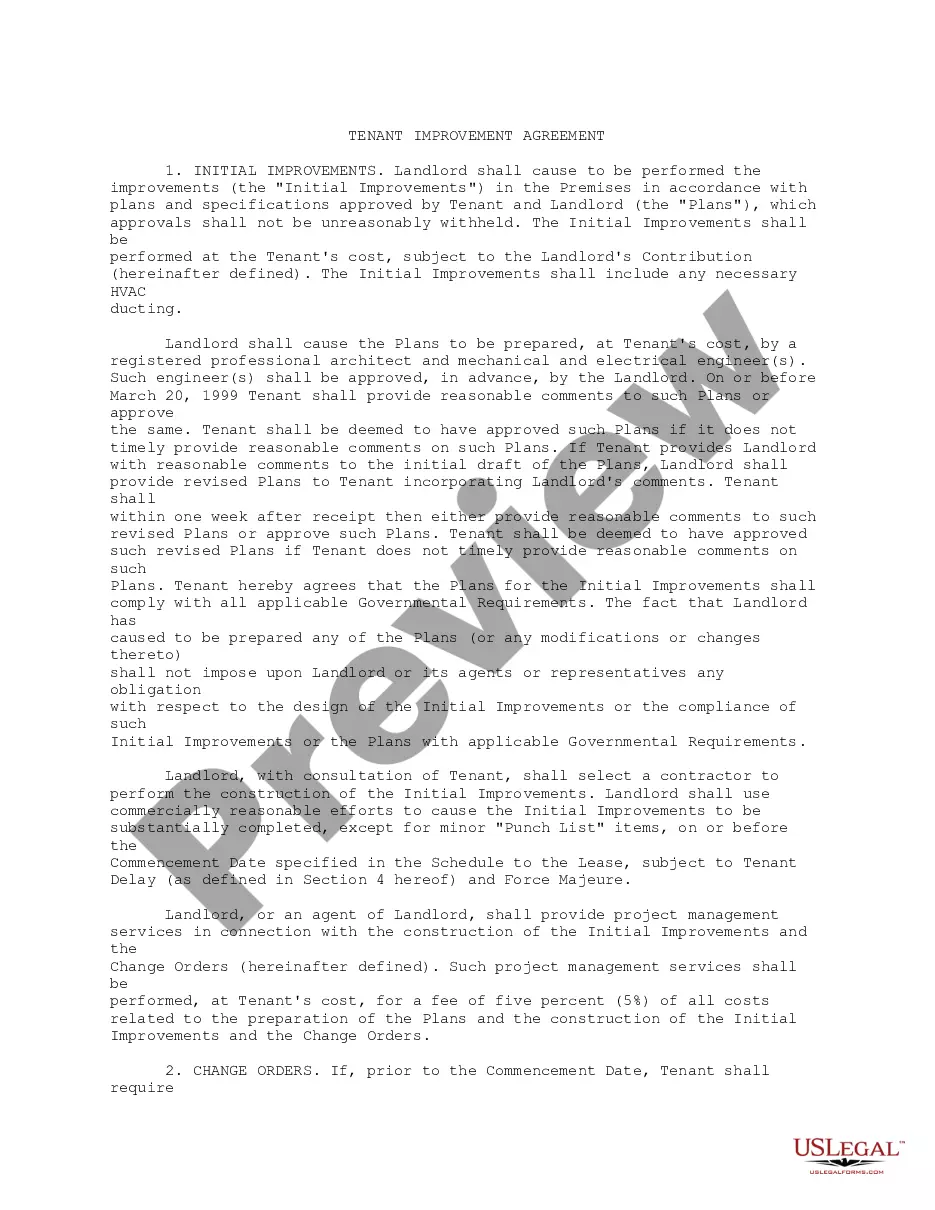

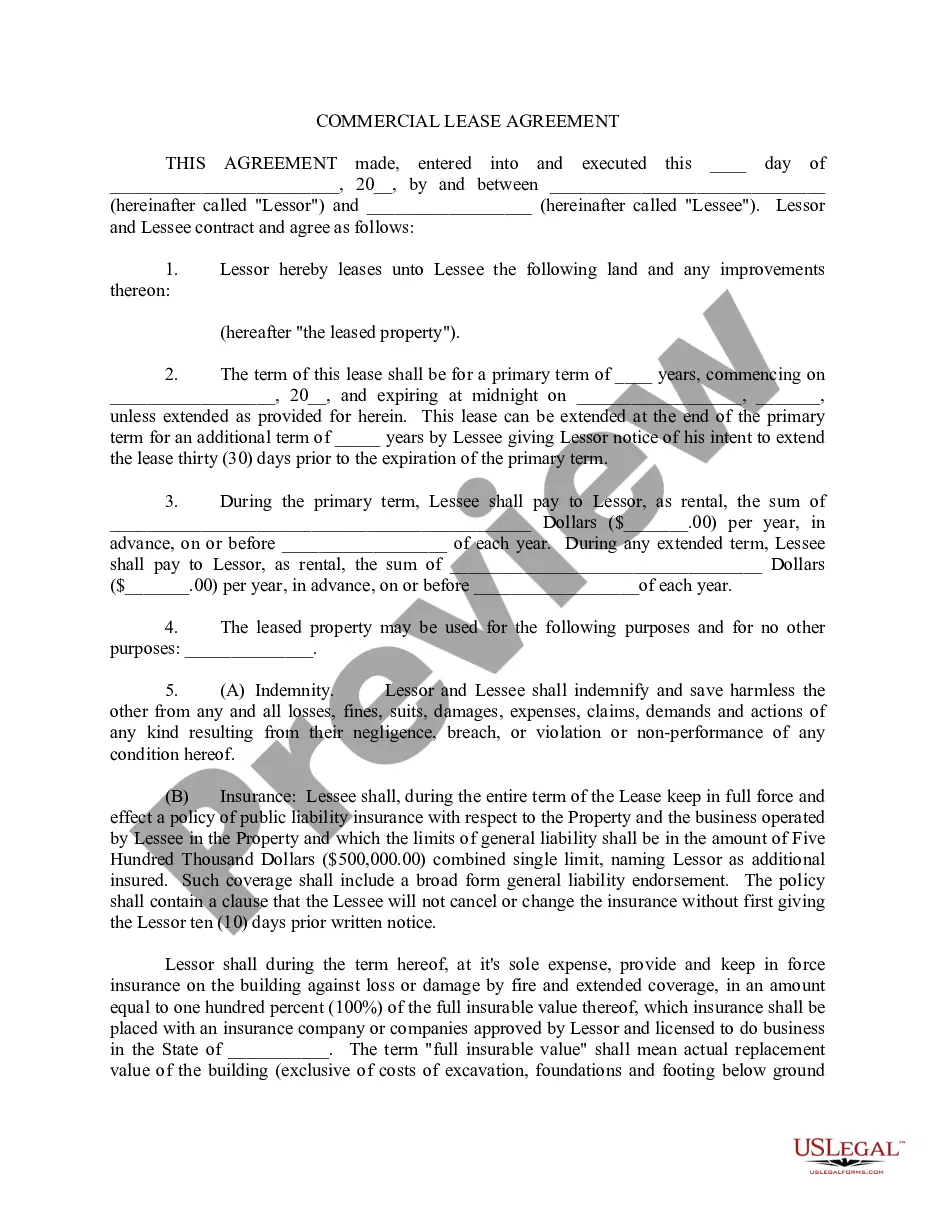
Get your form ready online
Our built-in tools help you complete, sign, share, and store your documents in one place.
Make edits, fill in missing information, and update formatting in US Legal Forms—just like you would in MS Word.
Download a copy, print it, send it by email, or mail it via USPS—whatever works best for your next step.
Sign and collect signatures with our SignNow integration. Send to multiple recipients, set reminders, and more. Go Premium to unlock E-Sign.
If this form requires notarization, complete it online through a secure video call—no need to meet a notary in person or wait for an appointment.
We protect your documents and personal data by following strict security and privacy standards.

Make edits, fill in missing information, and update formatting in US Legal Forms—just like you would in MS Word.

Download a copy, print it, send it by email, or mail it via USPS—whatever works best for your next step.

Sign and collect signatures with our SignNow integration. Send to multiple recipients, set reminders, and more. Go Premium to unlock E-Sign.

If this form requires notarization, complete it online through a secure video call—no need to meet a notary in person or wait for an appointment.

We protect your documents and personal data by following strict security and privacy standards.
Looking for another form?

How to fill out Tenant Improvement Lease?
- If you’re a returning user, log in to your account and download the required form. Ensure your subscription is active; if it isn’t, renew it based on your payment plan.
- For new users, start by exploring the Preview mode to analyze the form description carefully. Confirm that it fits your requirements and complies with local regulations.
- If there are discrepancies, utilize the Search tab to locate the appropriate template. Once you find a match, proceed to the next step.
- Purchase your document by clicking the Buy Now button, selecting your preferred subscription plan. Create an account to gain access to the extensive resources available.
- Complete the payment process by entering your credit card information or using your PayPal account to finalize the subscription.
- Download your selected form and save it to your device. You can also access it anytime in the My Forms section within your profile.
In summary, US Legal Forms minimizes the hassle of finding and completing legal documents related to tenant improvements. With an extensive library and expert assistance at your fingertips, you can ensure your documents are precise and legally valid.
Start your journey with US Legal Forms today and navigate your tenant improvement projects with ease!
Form popularity
FAQ
To record tenant improvement allowance, first document the allowance received and any expenses incurred related to those improvements. Use your accounting software or logbook to maintain accurate records. This documentation will not only aid in tax reporting but also help you track your investment in tenant improvements effectively.
Reporting tenant improvement allowance correctly is important for tax purposes. Gather your financial documents, including any agreements related to the allowance. You will usually report this in the income section of your tax return, so consult with a tax specialist to ensure compliance with current regulations regarding tenant improvements.
Estimating tenant improvements involves assessing the scope of work needed to customize a space. Start by measuring the area, considering design elements, and identifying necessary materials and labor costs. Creating a detailed project plan will help you arrive at a realistic budget and timeline for completing the tenant improvements.
Yes, a tenant improvement allowance is generally considered taxable income. This allowance is often treated as additional income unless specific conditions allow for different tax treatment. It’s essential to consult with a tax professional to understand how this could impact your overall financial position when managing tenant improvements.
Reporting housing allowance involves documenting the amount received and how it applies to your tenant improvements. Include this information in your annual tax return, ensuring it's part of your total income. It’s crucial to maintain accurate records to substantiate your claims, especially if you're utilizing these allowances as part of a larger financial strategy.
To report tenant improvement allowance, gather your documentation, including lease agreements and records of any improvements made. Use the appropriate forms when filing your taxes to ensure you accurately reflect these allowances. Keep in mind that your records should clearly outline any costs associated with tenant improvements to provide a complete picture of your financial situation.
To expense tenant improvements, document all costs associated with the changes. You can account for these expenses on your tax returns, generally over a defined depreciation period. Consulting with a tax professional can provide you with precise guidance on maximizing your benefits from these tenant improvements.
To persuade your landlord to renovate, communicate your needs effectively and demonstrate how these changes can improve the property’s value. Providing a clear benefit to the landlord as a return on investment can motivate them to consider your request. Collaborative communication often leads to positive outcomes for both parties.
When asking for tenant improvements, clearly outline your needs and how they benefit both you and the landlord. Prepare to present your case with specifics about the changes you want and why they are essential. This approach can strengthen your request and increase your chances of approval.
To estimate tenant improvements, begin by assessing the scope of the changes you need. Get quotes from contractors and factor in materials and labor costs. Compare these estimates with your budget to align your financial planning with your desired tenant improvements.