Vehicle Complaints For The Vehicle
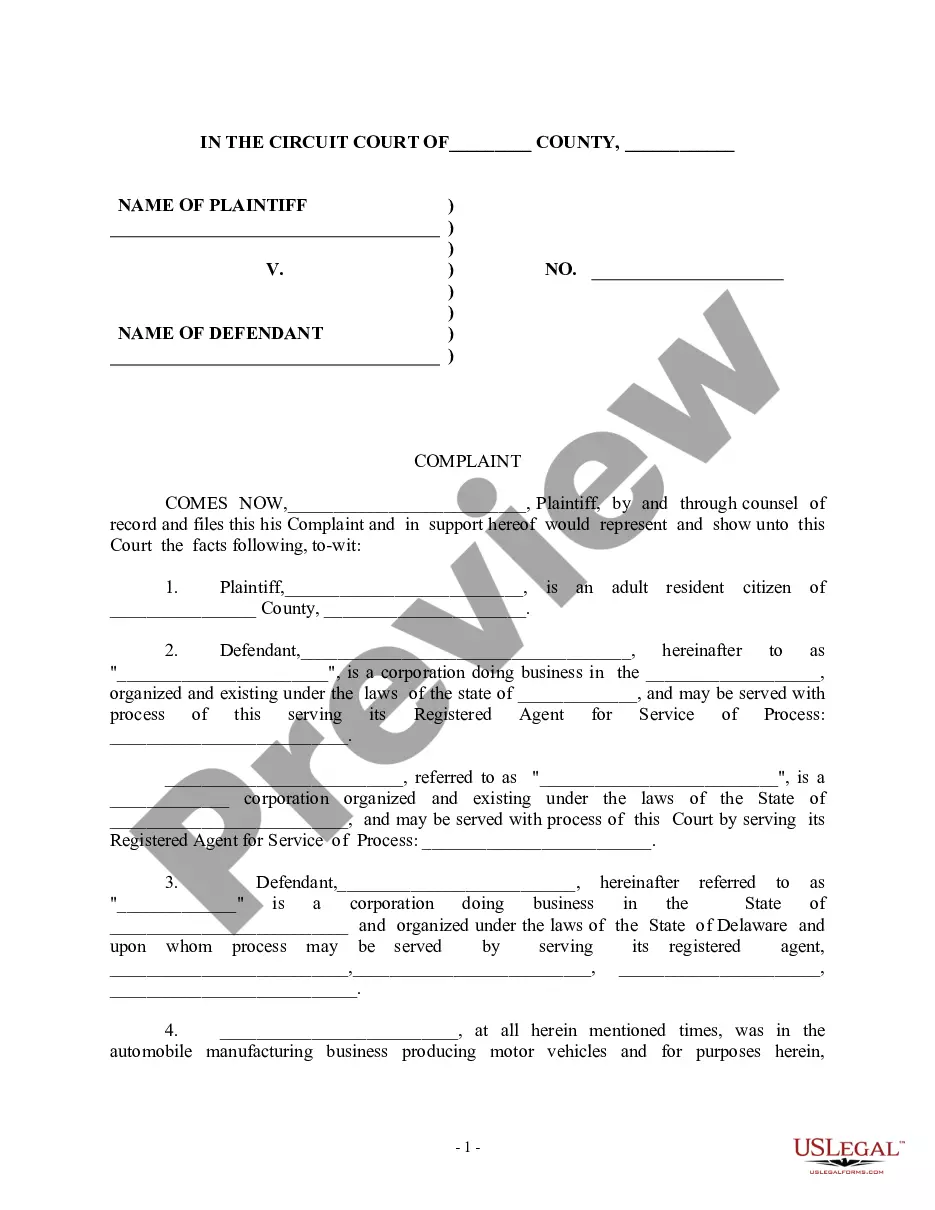
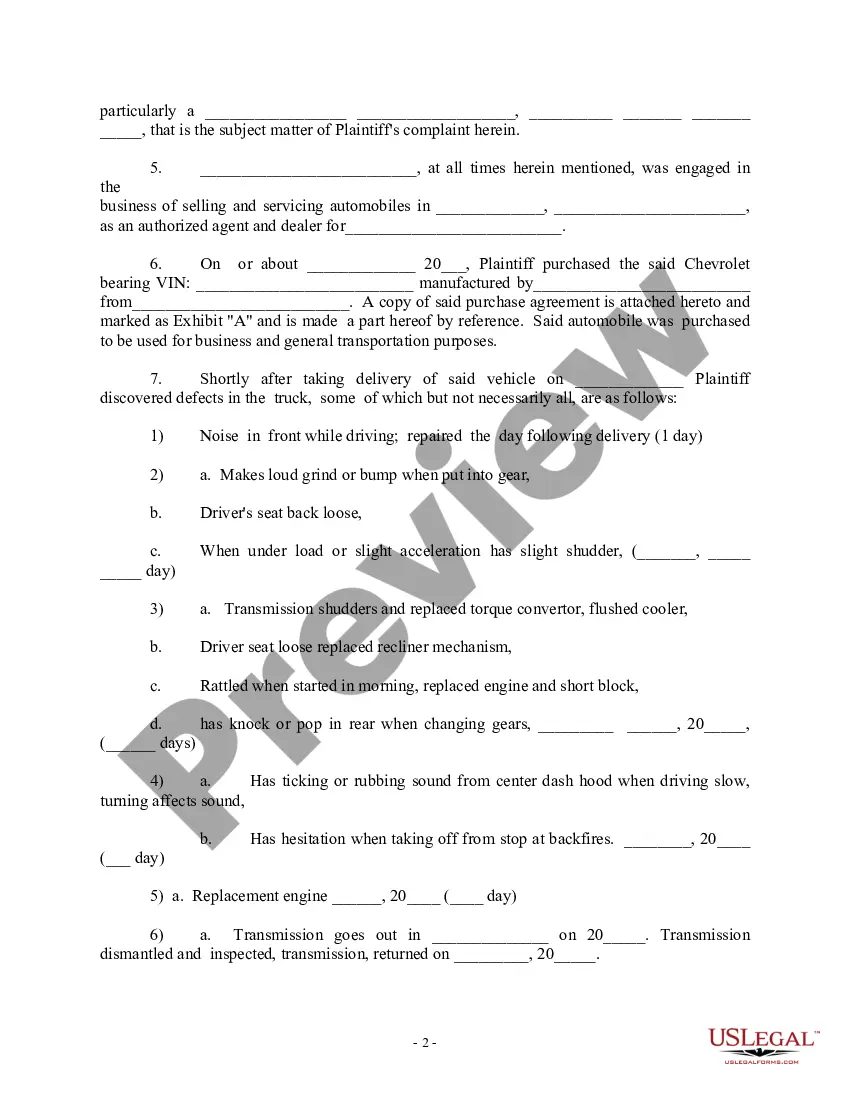
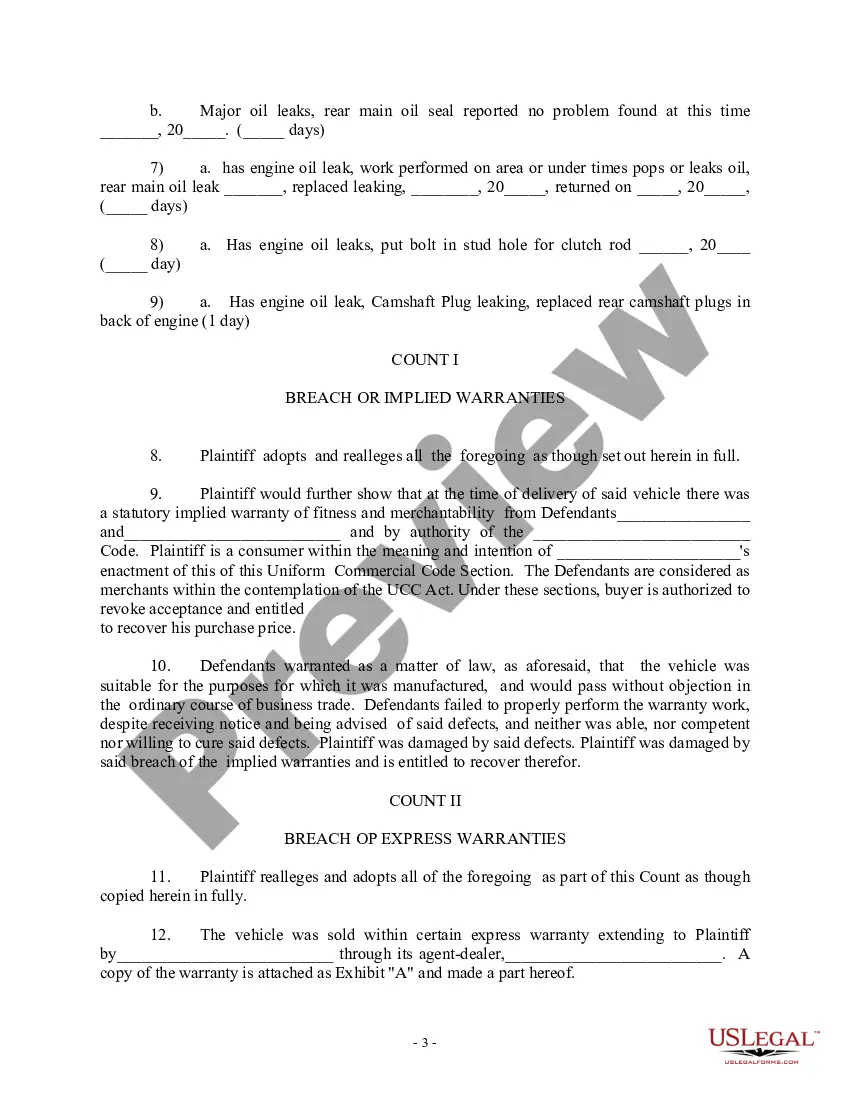
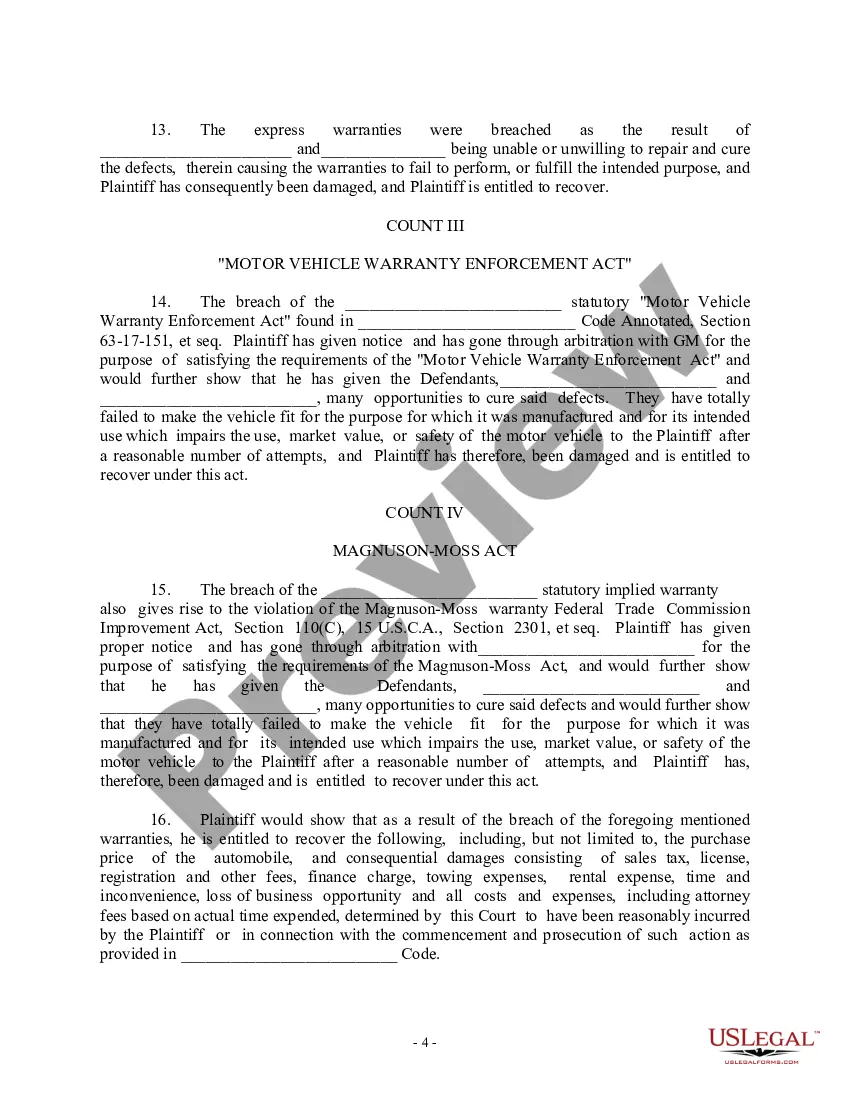
Description
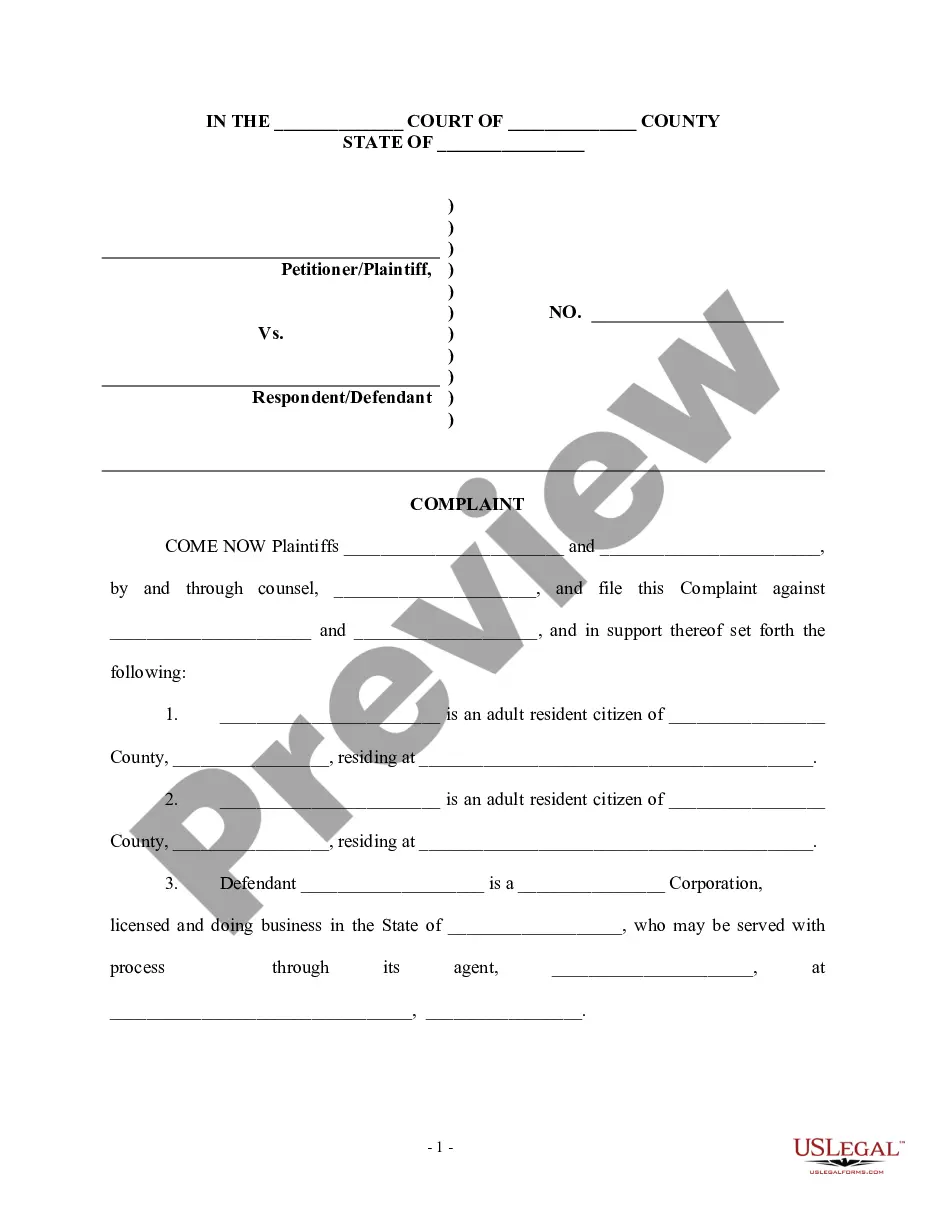
Get your form ready online
Our built-in tools help you complete, sign, share, and store your documents in one place.
Make edits, fill in missing information, and update formatting in US Legal Forms—just like you would in MS Word.
Download a copy, print it, send it by email, or mail it via USPS—whatever works best for your next step.
Sign and collect signatures with our SignNow integration. Send to multiple recipients, set reminders, and more. Go Premium to unlock E-Sign.
If this form requires notarization, complete it online through a secure video call—no need to meet a notary in person or wait for an appointment.
We protect your documents and personal data by following strict security and privacy standards.

Make edits, fill in missing information, and update formatting in US Legal Forms—just like you would in MS Word.

Download a copy, print it, send it by email, or mail it via USPS—whatever works best for your next step.

Sign and collect signatures with our SignNow integration. Send to multiple recipients, set reminders, and more. Go Premium to unlock E-Sign.

If this form requires notarization, complete it online through a secure video call—no need to meet a notary in person or wait for an appointment.

We protect your documents and personal data by following strict security and privacy standards.
Looking for another form?
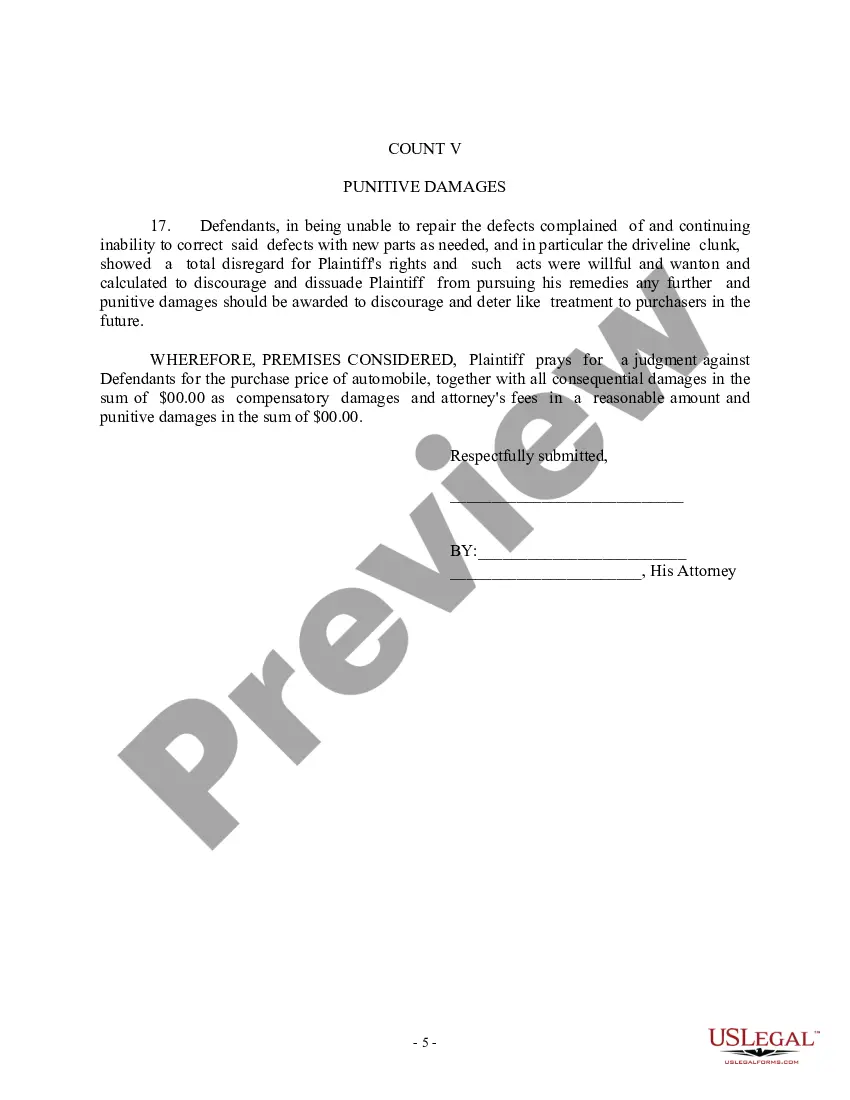
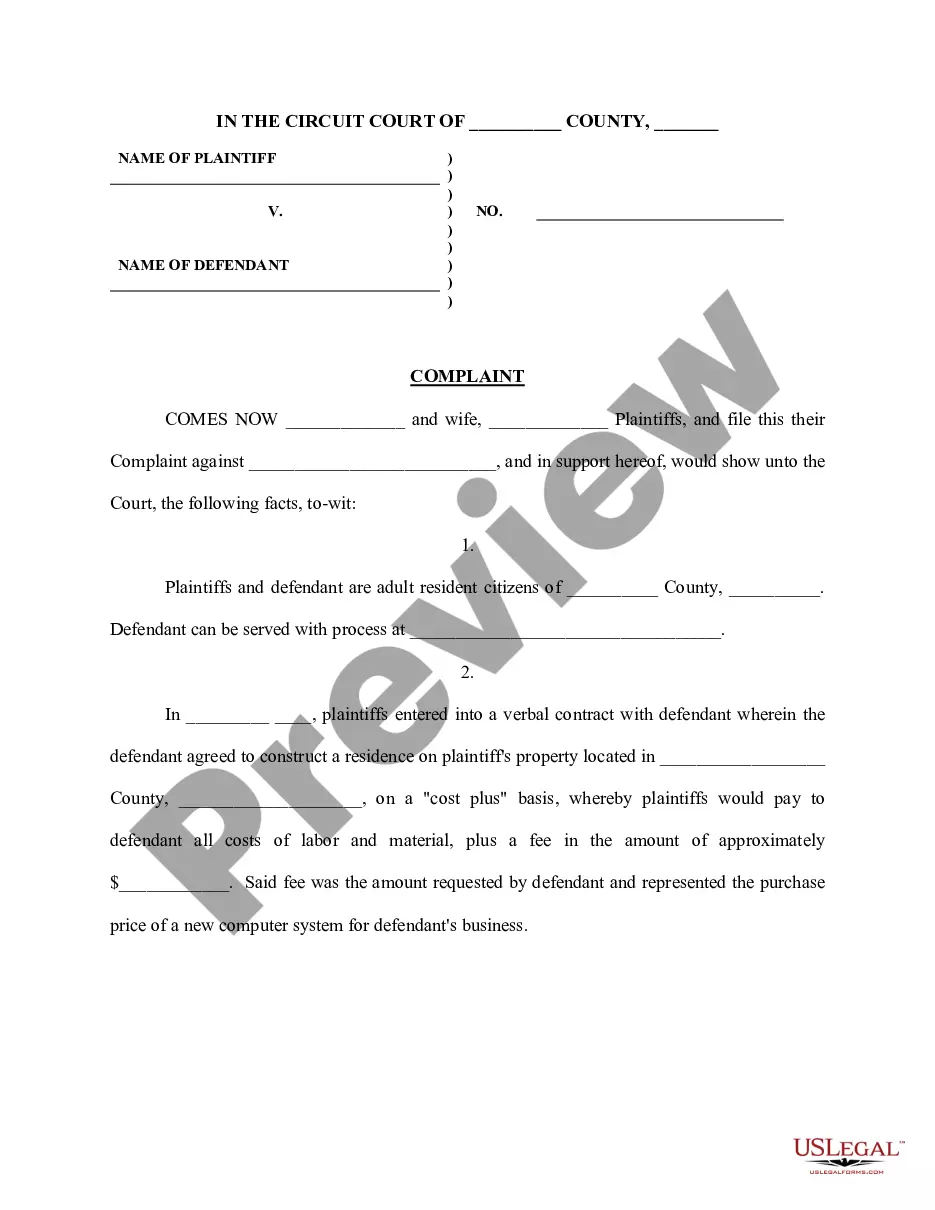
How to fill out Complaint Regarding Defective Auto, Breach Of Warranty, Motor Vehicle Warranty Act, And Magnuson Moss Act, Punitive Damages?
- Begin by logging into your existing US Legal Forms account. Confirm your subscription status is valid before downloading any form.
- If you are new to US Legal Forms, visit the website and browse the extensive library of over 85,000 fillable and editable legal forms.
- Utilize the Preview mode and detailed descriptions to select the form that suits your local jurisdiction and requirements.
- Should you find a discrepancy with your chosen form, search using the Search tab to find a more appropriate template.
- Once you have located the correct document, click on the Buy Now button, select your desired subscription plan, and register for an account to unlock access.
- Proceed with your payment using a credit card or PayPal, ensuring a smooth transaction.
- After purchasing, download the form directly to your device and access it anytime through the My Forms section in your profile.
By using US Legal Forms, you gain access to a robust collection of legal documents that outclass competitors. This ensures you receive forms that are not only extensive but also precise.
In conclusion, US Legal Forms streamlines the document acquisition process for vehicle complaints, empowering users with comprehensive resources. Start your journey with us today and ensure your legal needs are met efficiently!
Form popularity
FAQ
A vehicle recall is typically justified by evidence of a safety defect or non-compliance with federal safety standards. Factors include reports of accidents or injuries related to the defect, as well as ongoing vehicle complaints for the vehicle that highlight widespread concerns. When such issues arise, it becomes essential for manufacturers to issue recalls to protect consumers and maintain trust.
To get a car company to issue a recall, start by documenting any safety issues you encounter. Next, submit your findings to the manufacturer and the NHTSA, emphasizing the severity of the problem. By generating vehicle complaints for the vehicle, you can strengthen your case and help spur action from the manufacturer.
To complain about a car recall, you should contact the manufacturer directly to express your concerns. Additionally, you can file a report with the NHTSA, detailing your experience and any issues with the recall process. Your efforts in raising vehicle complaints for the vehicle can lead to better accountability and improvements in safety measures.
Yes, car complaints are legitimate and play a crucial role in vehicle safety. These complaints help alert manufacturers and regulatory authorities about potential defects or safety hazards. By voicing your vehicle complaints for the vehicle, you contribute to maintaining vehicle safety standards and protecting other drivers on the road.
To initiate a recall, you must gather evidence of a safety defect or non-compliance with safety standards in your vehicle. Then, you can report your findings to the NHTSA, who will evaluate the situation. By submitting your vehicle complaints for the vehicle, you can help encourage the manufacturer to take appropriate action and rectify the issue.
If a dealer refuses to fix a recall, you have several options. First, you should contact the manufacturer's customer service to report the situation. Furthermore, you can file a complaint with the National Highway Traffic Safety Administration (NHTSA) to ensure they are aware of the dealer's refusal. Taking these steps will help you resolve your vehicle complaints for the vehicle effectively.
Filling out reg 256 involves providing vital information about your vehicle and your identification. Include accurate vehicle details, your contact information, and any necessary documentation that supports your claims. This form is pivotal for resolving vehicle complaints for the vehicle, ensuring that your concerns reach the appropriate DMV authorities.
Yes, you can file a lawsuit against the DMV, particularly if you believe that the DMV has neglected your complaints regarding the vehicle. However, it's advisable to exhaust all administrative remedies before taking legal actions. Understanding your rights and options through USLegalForms can simplify the process for addressing vehicle complaints for the vehicle.
In the statement of facts for the DMV, include a clear and concise summary of your situation regarding vehicle complaints for the vehicle. Highlight relevant data such as dates, vehicle details, and a detailed description of the issue. This clarity allows the DMV to address your complaint effectively and efficiently.
When filling out form reg 256, start by entering your vehicle's details, such as the make, model, and VIN number. Next, you need to provide your contact information and any relevant documentation that supports your vehicle complaints for the vehicle. This form acts as a formal request for changes or issues related to your vehicle registration.