Legal Memo Format With Multiple Questions Presented
Description
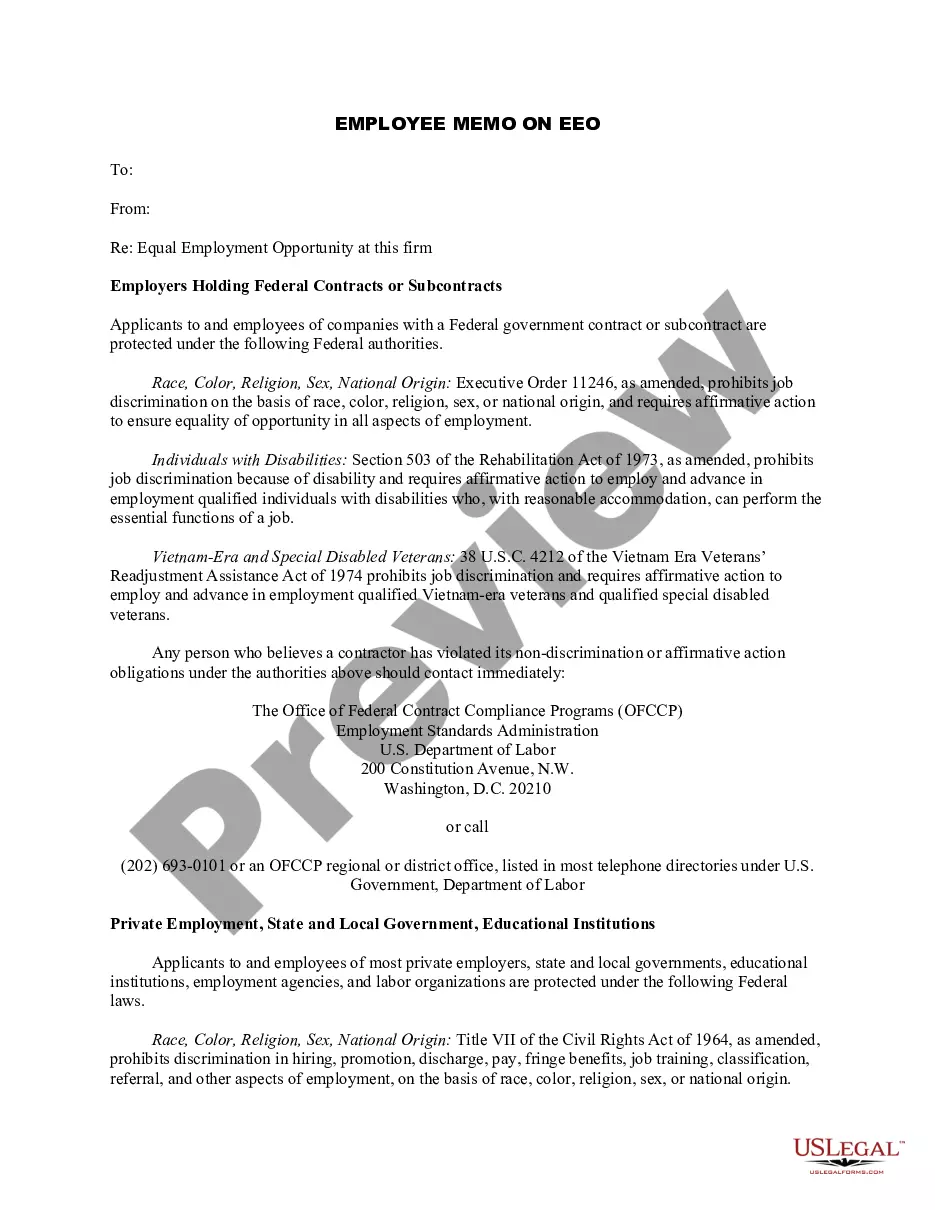
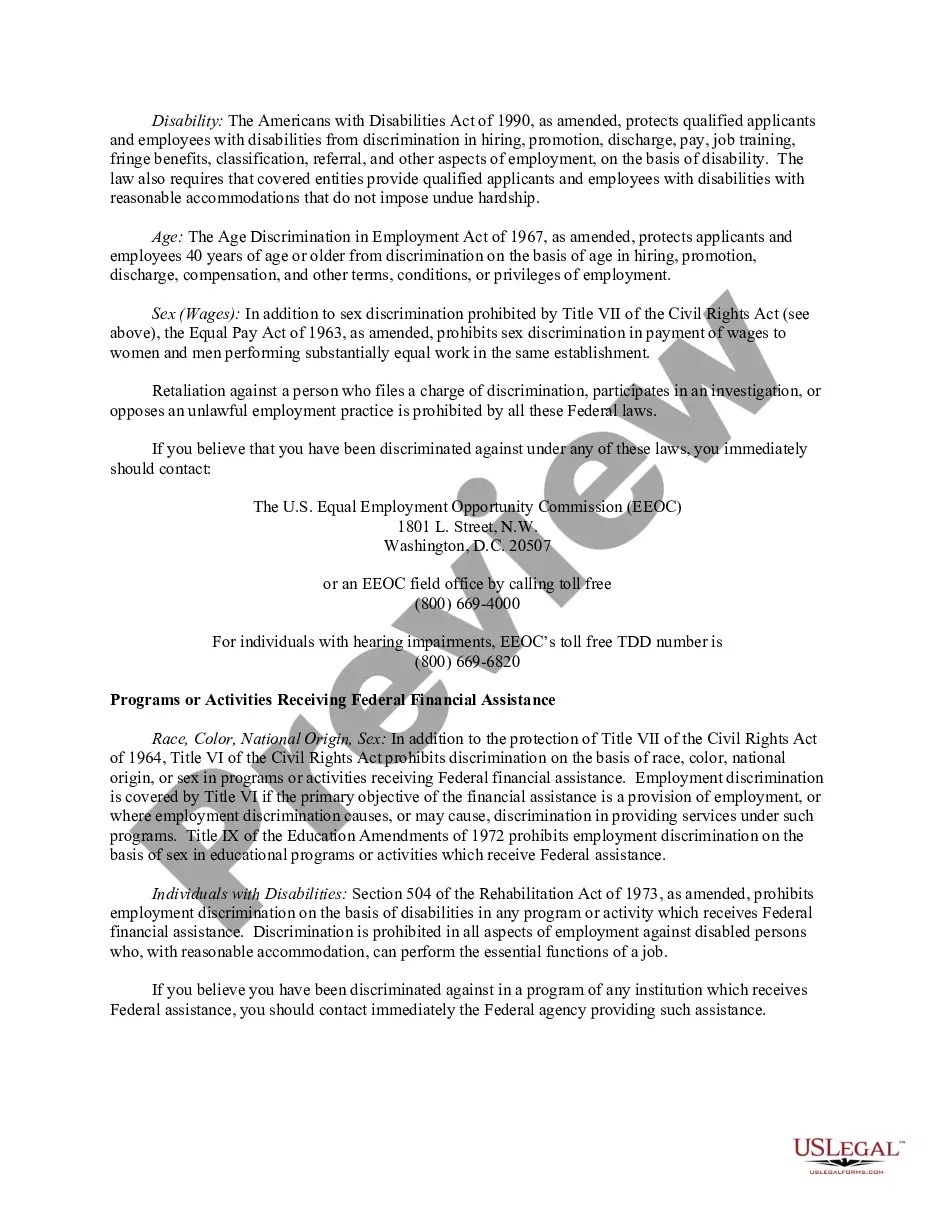
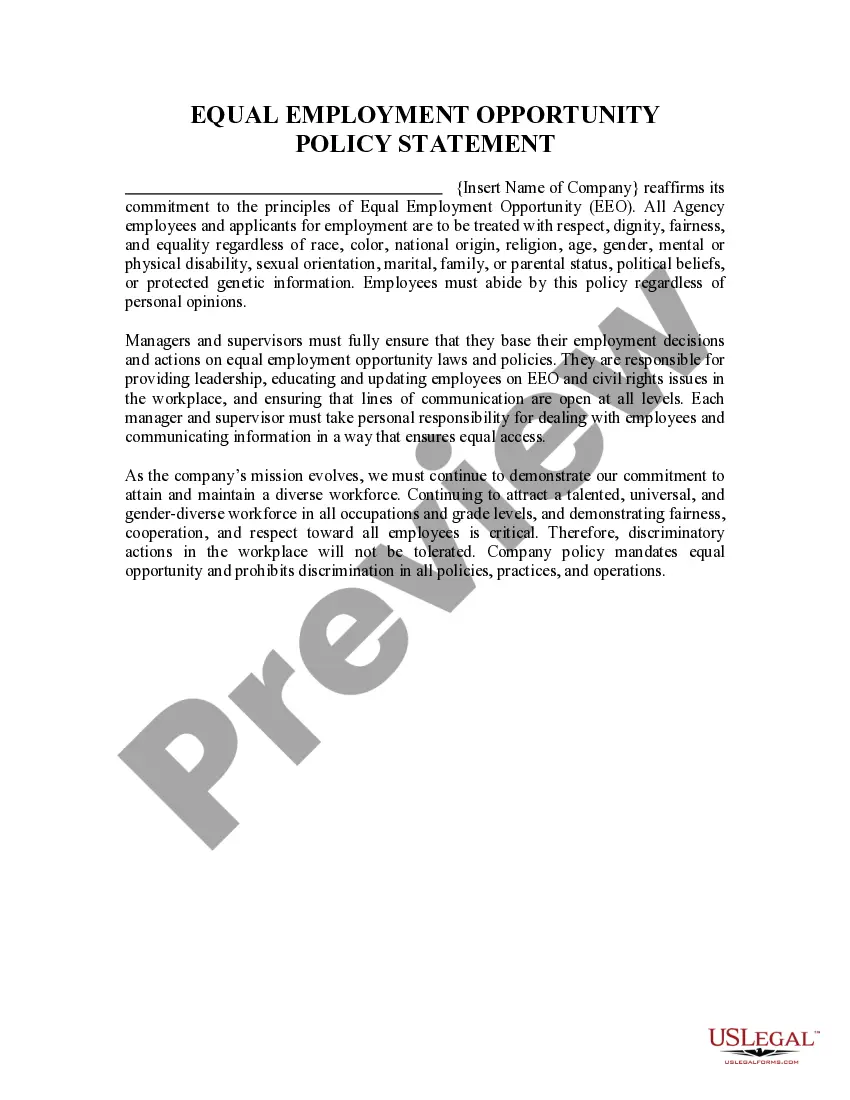
How to fill out Employee Memo On EEO?
- Log in to your US Legal Forms account if you’re a returning user. Ensure your subscription is active and locate the Download button for your form template.
- For new users, review the form preview and description to confirm it aligns with your legal requirements and jurisdiction.
- If you need another template, utilize the Search tab to find the appropriate one tailored to your needs.
- Purchase the selected document by clicking the Buy Now button, and choose your preferred subscription plan, following through by creating an account to access numerous resources.
- Complete your purchase by entering your payment details, either with a credit card or PayPal.
- Once your purchase is confirmed, download your legal memo template to your device and access it anytime from the My Forms section of your profile.
By choosing US Legal Forms, you benefit from an extensive library of legal documents, tailored templates, and the option to consult with legal experts to ensure your paperwork is precise and compliant.
Start navigating your legal documentation efficiently today with US Legal Forms and simplify your memo writing process!
Form popularity
FAQ
Formatting an official memo requires attention to detail, including proper margins, font size, and alignment. Typically, use a standard font like Times New Roman or Arial, size 12, and maintain one-inch margins. Also, follow the legal memo format, ensuring that sections are clearly labeled. For assistance in creating a polished and official-sounding memo, turn to uslegalforms for comprehensive examples and templates.
Yes, indentations are commonly used in legal memos, especially for paragraphs that follow the first line of a paragraph. This practice enhances readability, helping the reader navigate through the text more efficiently. However, be mindful of consistency in formatting throughout your document. Consider using uslegalforms to access formatting guidelines and templates that facilitate a professional appearance.
To start a legal memo, begin with a clear heading that includes the recipient's name, the sender's name, the date, and the subject line. Follow this with an introduction that outlines the purpose of the memo and the issues being addressed. This sets the tone and provides context, allowing the reader to understand the legal memo format immediately. Uslegalforms offers templates that can help you create effective memos effortlessly.
A legal memo typically includes several key sections: a heading, a statement of facts, an issue section, a discussion, and a conclusion. Each part serves a distinct purpose, ensuring clarity and organization within the legal memo format. Utilizing this structure allows you to present your arguments and analysis logically. For detailed guidance on crafting legal documents, consider uslegalforms as a robust resource.
When writing a formal letter to multiple recipients, begin with a proper salutation that includes all names, or use a generic greeting like 'Dear Colleagues'. Clearly outline the purpose of the letter in the introductory paragraph. Ensure that each recipient feels addressed by using inclusive language throughout your message. Following this approach aligns well with the legal memo format and promotes clarity and professionalism.
Addressing a memo to multiple recipients requires a thoughtful approach. List the names or positions of the recipients under the 'To' section, or alternatively, use a broader term like 'To Whom It May Concern'. This clarity in the legal memo format ensures that no one feels excluded. Additionally, being specific about who the information pertains to can enhance its relevance and impact.
To start a memo to all staff, begin with a clear subject line that identifies the topic at a glance. Follow this with a formal greeting such as 'To All Staff' or 'Dear Team'. Next, succinctly state the purpose of the memo in the introduction. This establishes the context right away and sets a professional tone, reinforcing the effectiveness of your communication.
When addressing a message to multiple people, start with a salutation that includes everyone’s names, or use a collective term like 'Dear Team' or 'Dear All'. This approach creates an inclusive tone. In a legal memo format, ensuring clear communication to all recipients is essential, so be direct and concise in your message. By acknowledging all parties involved, you foster a collaborative atmosphere.
The IRAC format stands for Issue, Rule, Application, and Conclusion, which is a systematic method for legal analysis. First, identify the legal issue at hand. Then, state the relevant legal rule. Apply this rule to the facts of your case, and finally, conclude with a summary of your analysis. Utilizing the IRAC approach in a legal memo format ensures that you present a comprehensive and logical argument.
To effectively organize a legal memo, begin with a clear header that includes the date, the recipient's name, the sender's name, and the subject. Next, create an introduction that outlines the purpose of the memo. Follow this with the main body, where you present your analysis and conclusions, and conclude with a summary or recommendation. Keeping to a structured legal memo format can enhance clarity and coherence, ensuring that readers easily grasp your points.