Irs Contractor Rules
Description
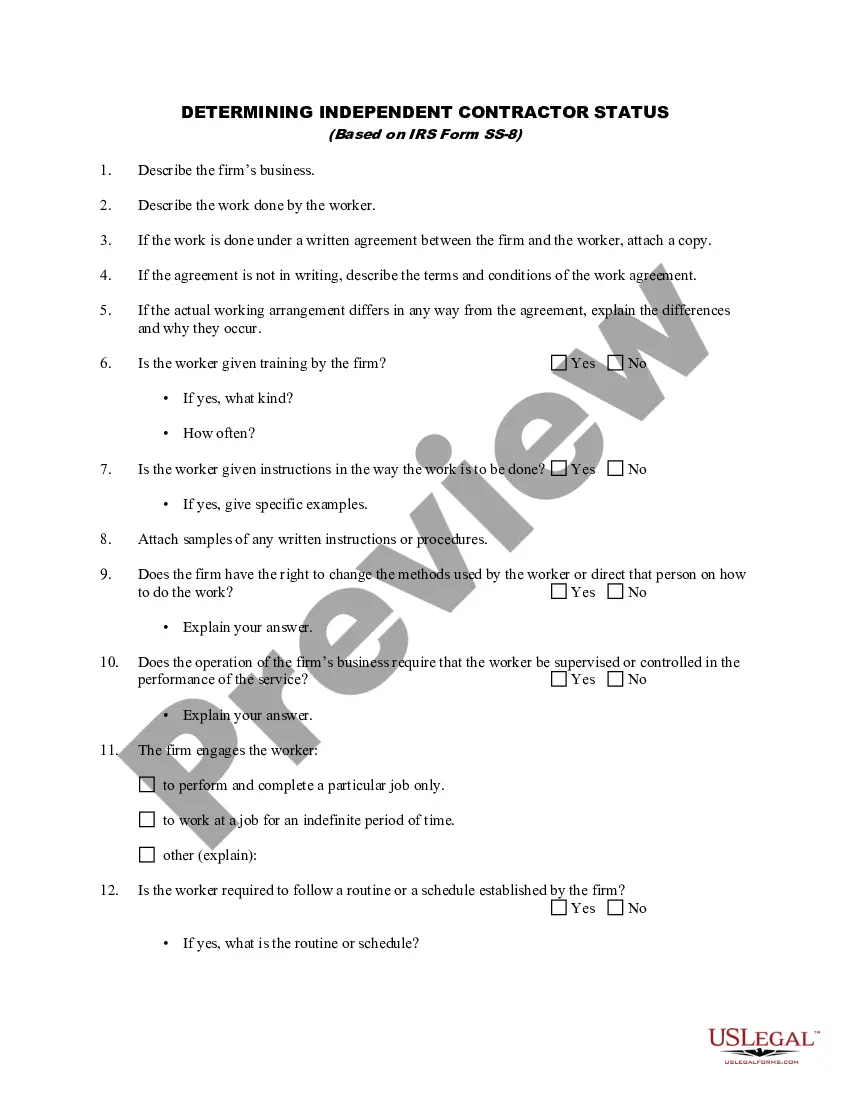
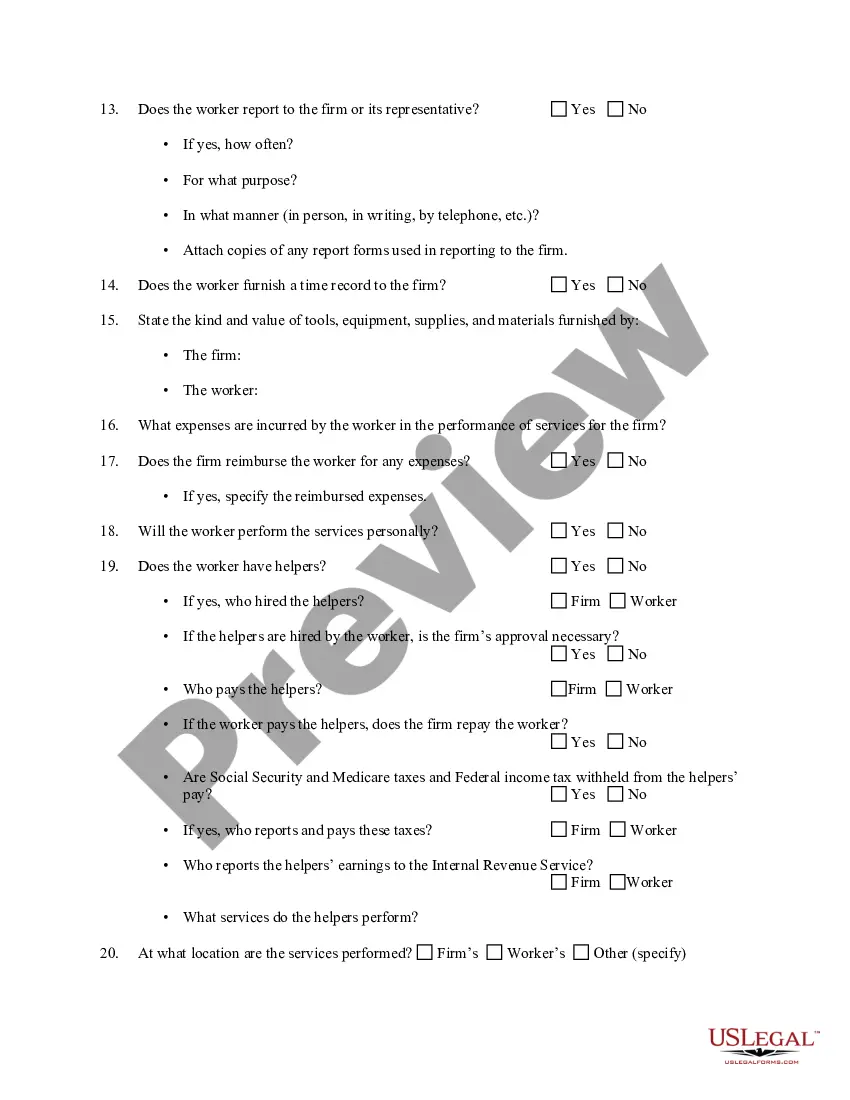
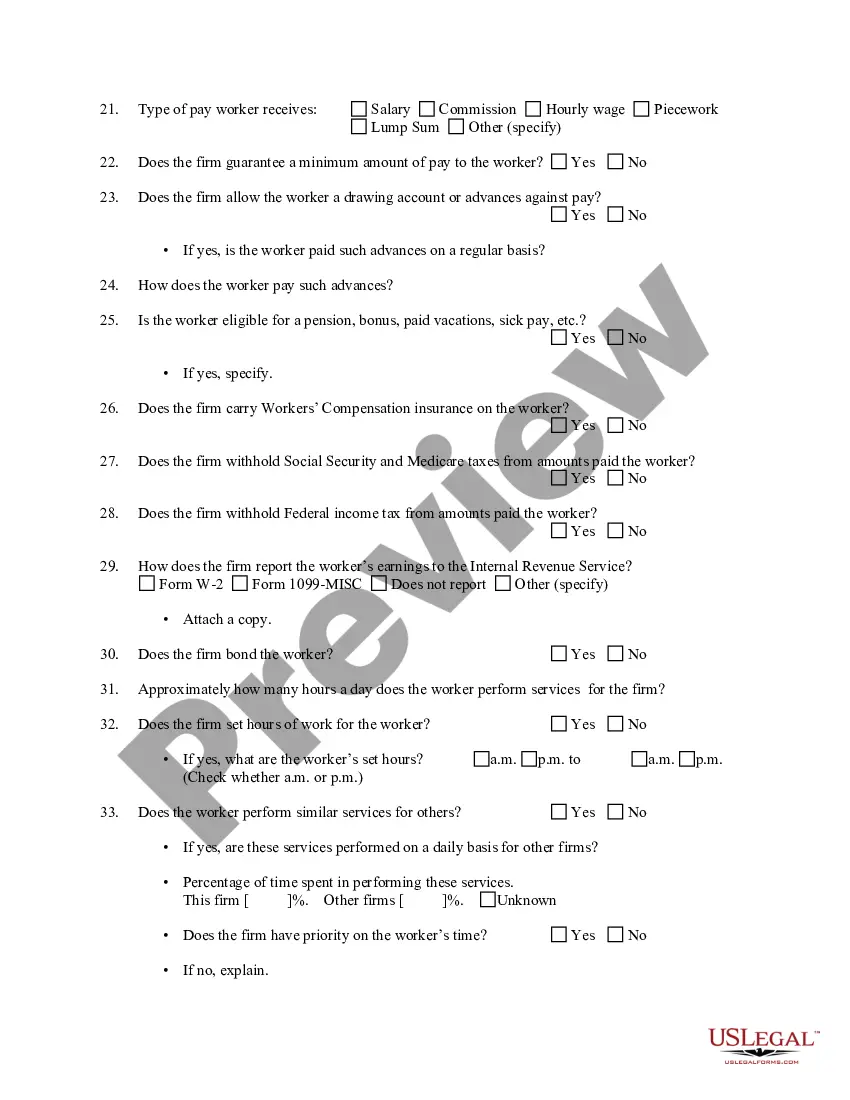
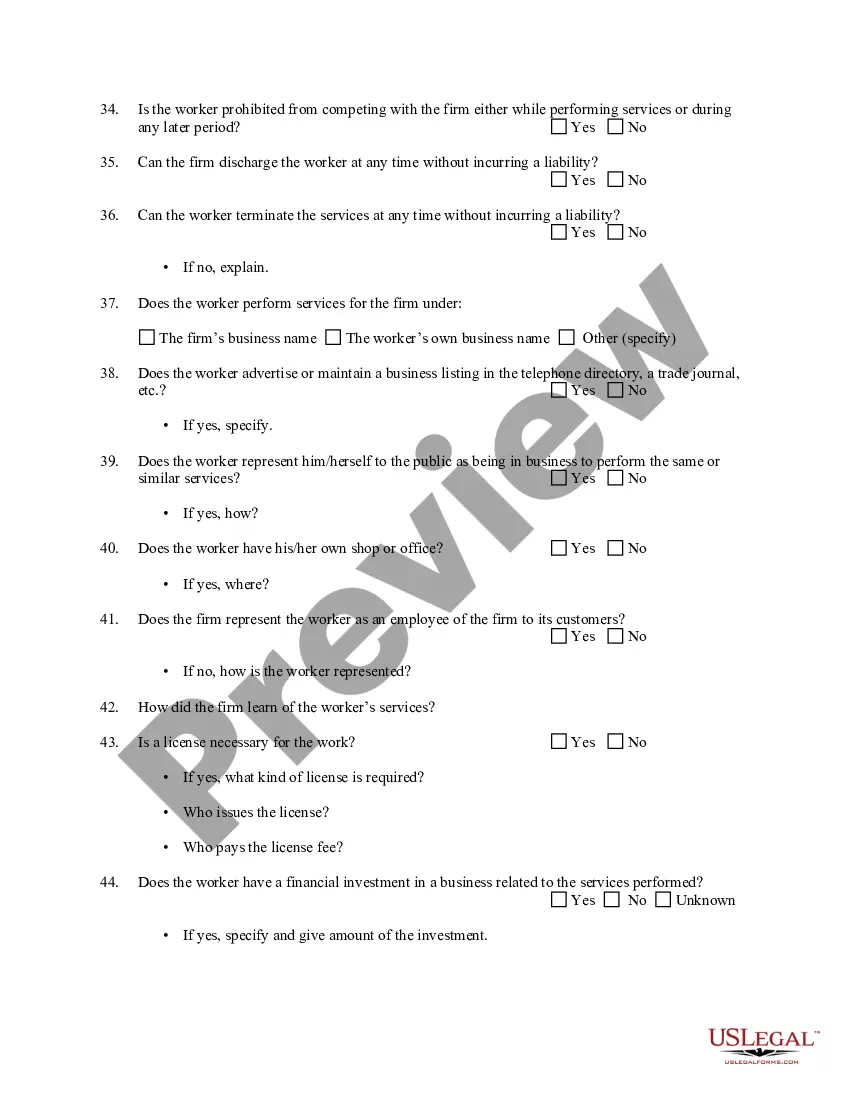
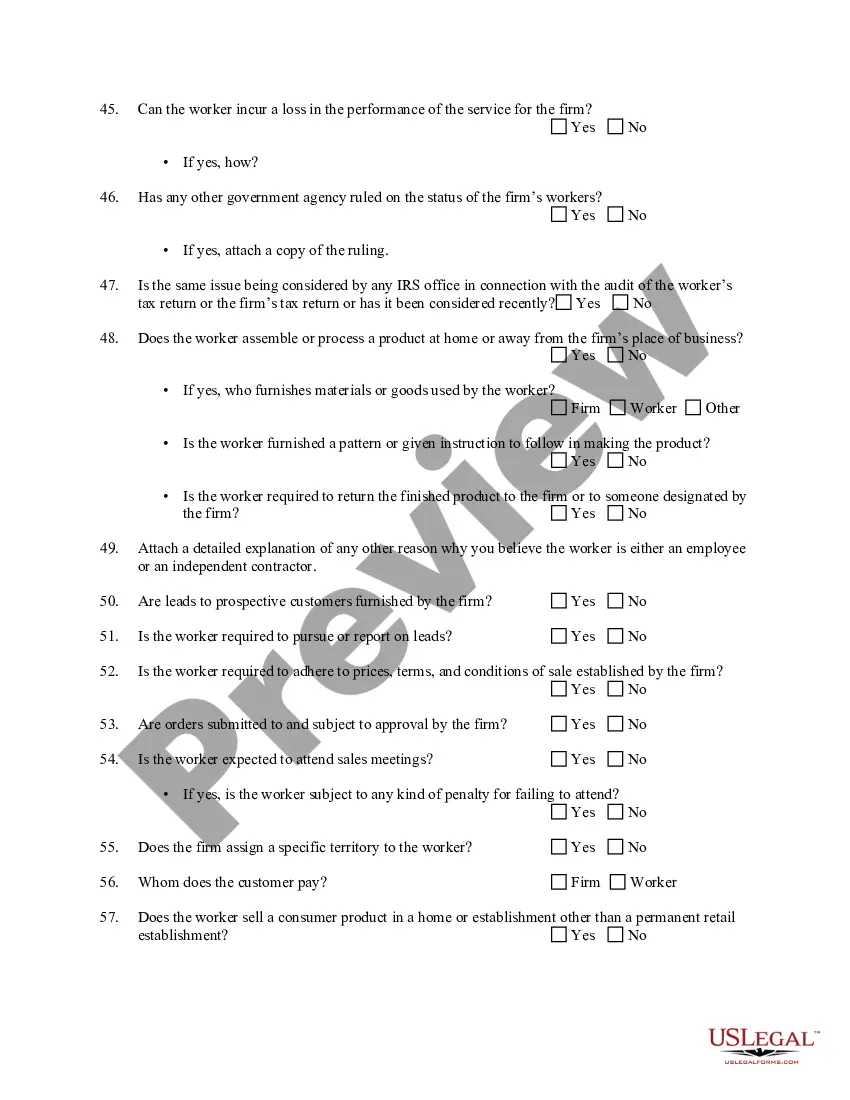
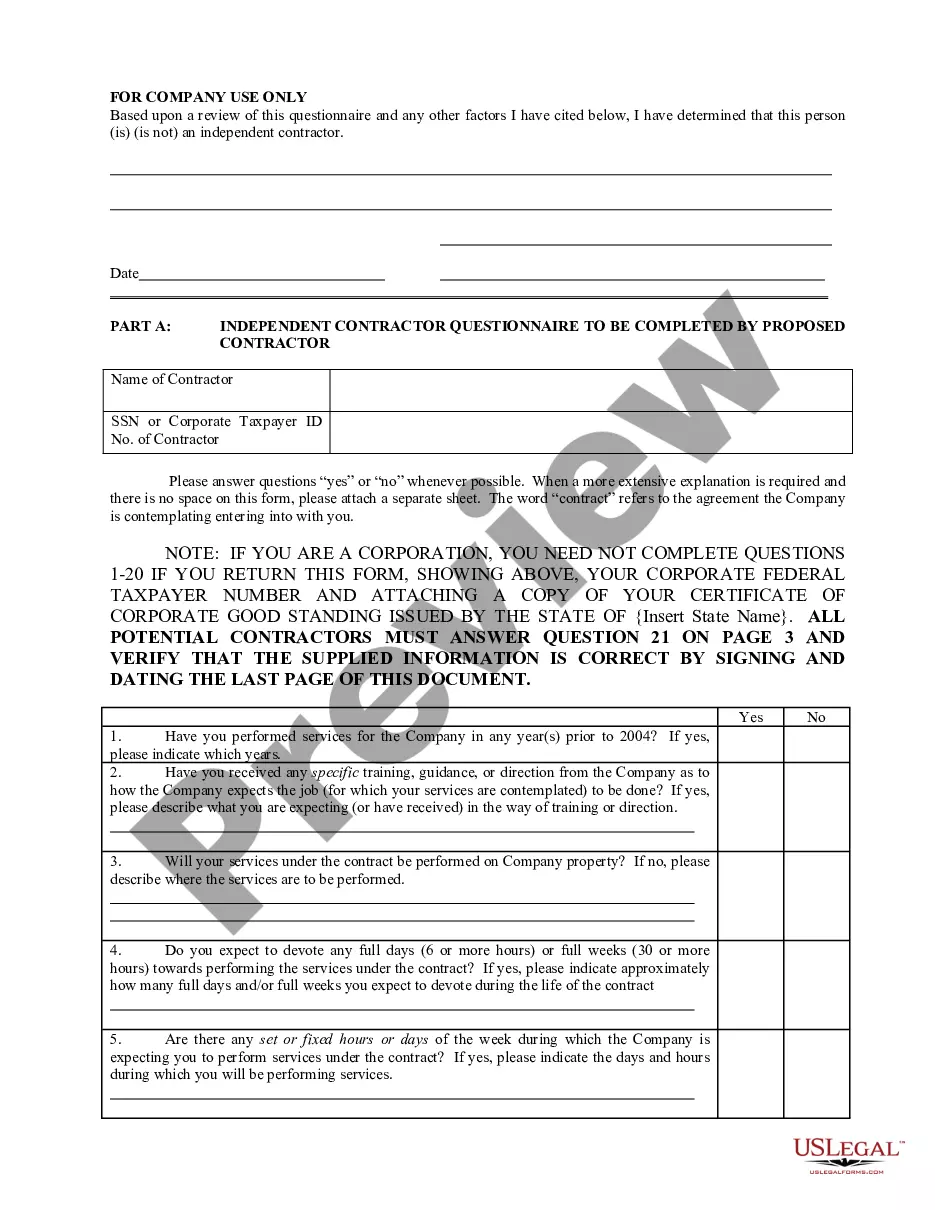
Get your form ready online
Our built-in tools help you complete, sign, share, and store your documents in one place.
Make edits, fill in missing information, and update formatting in US Legal Forms—just like you would in MS Word.
Download a copy, print it, send it by email, or mail it via USPS—whatever works best for your next step.
Sign and collect signatures with our SignNow integration. Send to multiple recipients, set reminders, and more. Go Premium to unlock E-Sign.
If this form requires notarization, complete it online through a secure video call—no need to meet a notary in person or wait for an appointment.
We protect your documents and personal data by following strict security and privacy standards.

Make edits, fill in missing information, and update formatting in US Legal Forms—just like you would in MS Word.

Download a copy, print it, send it by email, or mail it via USPS—whatever works best for your next step.

Sign and collect signatures with our SignNow integration. Send to multiple recipients, set reminders, and more. Go Premium to unlock E-Sign.

If this form requires notarization, complete it online through a secure video call—no need to meet a notary in person or wait for an appointment.

We protect your documents and personal data by following strict security and privacy standards.
Looking for another form?
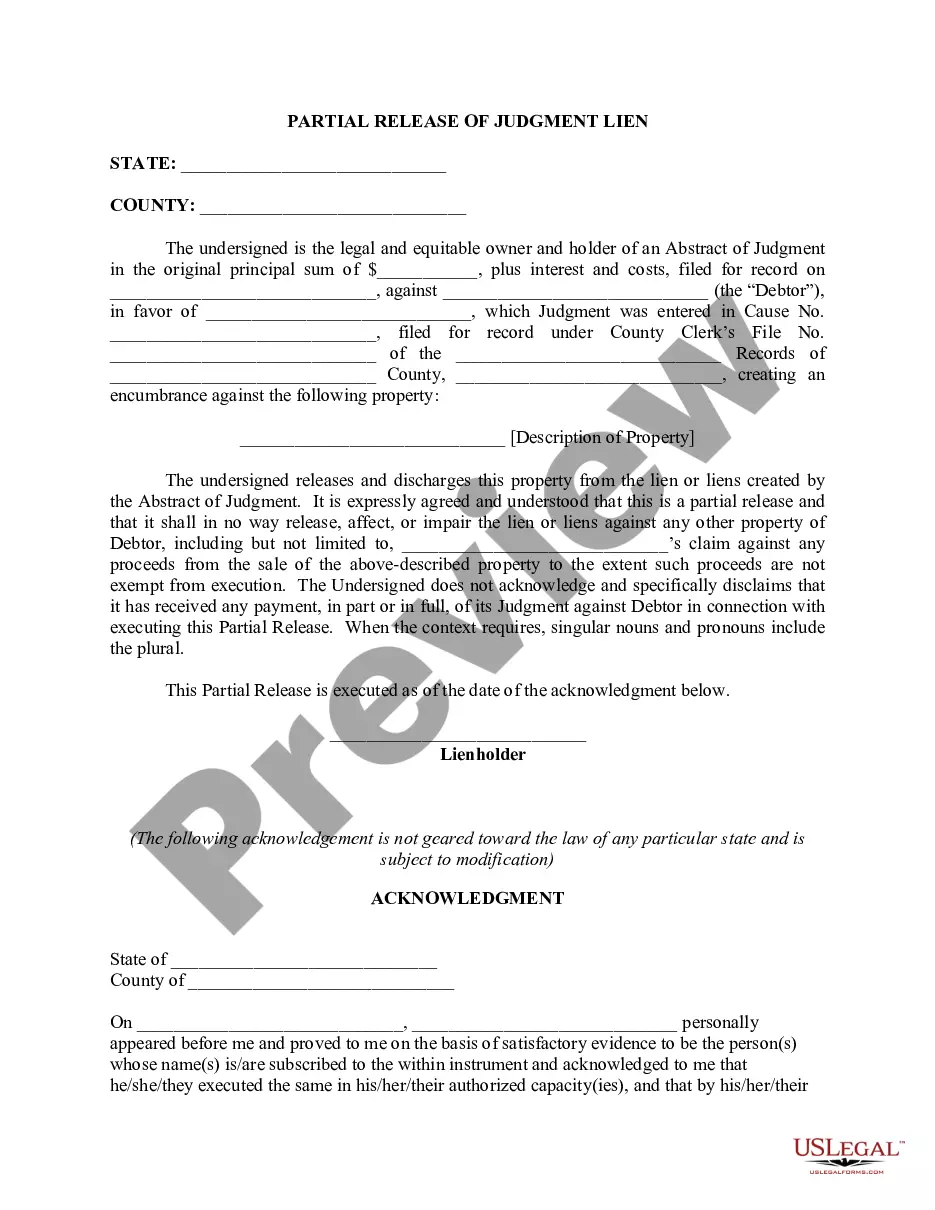
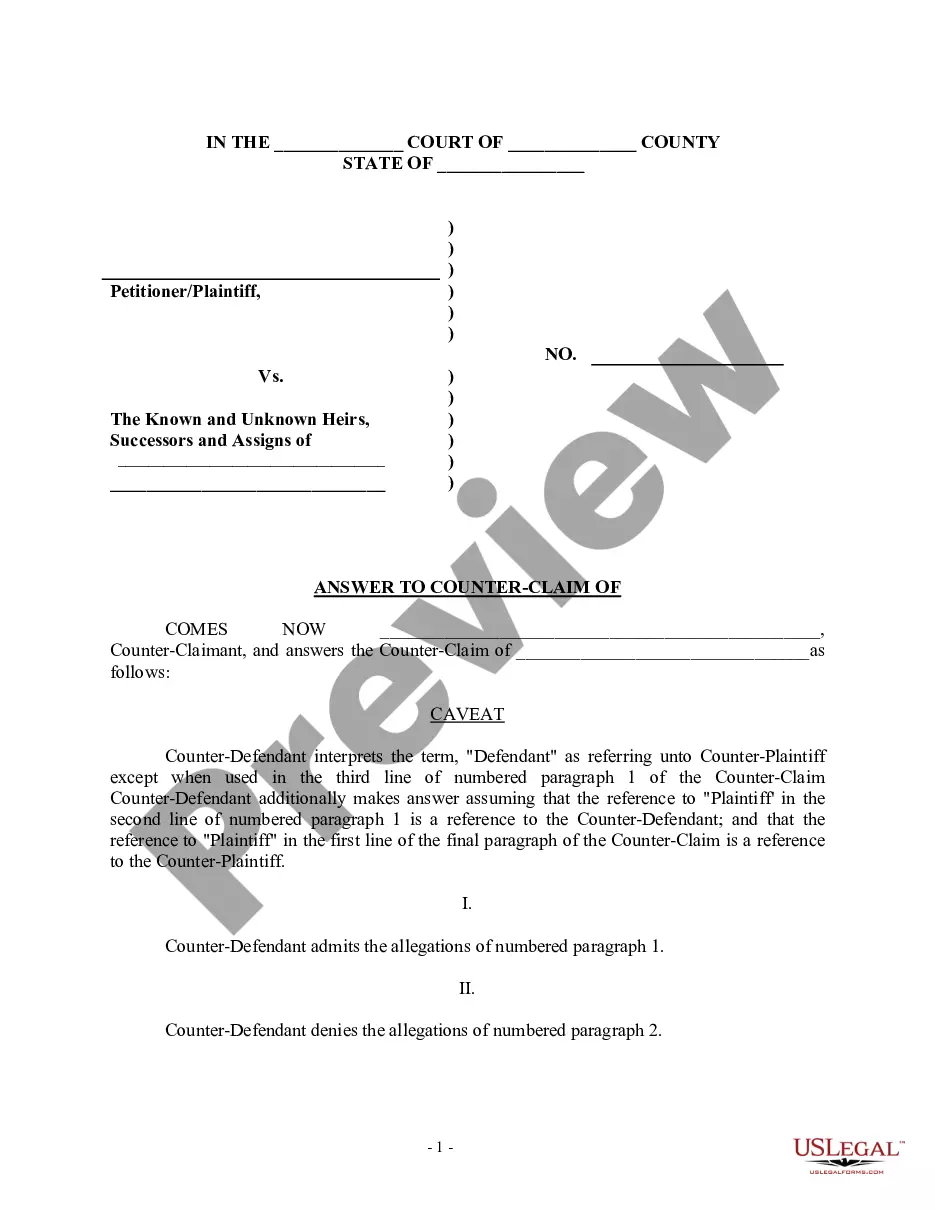


How to fill out Determining Self-Employed Independent Contractor Status?
Legal paperwork management can be perplexing, even for experienced professionals.
When you are searching for IRS Contractor Regulations and lack the time to invest in finding the correct and current version, the process can be challenging.
US Legal Forms fulfills any requirements you may have, from personal to business paperwork, all in one location.
Utilize advanced tools to complete and manage your IRS Contractor Regulations.
Here are the steps to follow after downloading the form you need: Verify that this is the correct form by previewing it and reading its description. Ensure that the template is valid in your state or county. Click Buy Now when you are ready. Choose a subscription plan. Select the file format you prefer, and Download, complete, sign, print, and submit your document. Take advantage of the US Legal Forms online library, supported by 25 years of expertise and trustworthiness. Improve your daily document management in a seamless and user-friendly manner today.
- Access a repository of articles, guides, and materials relevant to your situation and requirements.
- Save time and effort searching for the documents you need, and utilize US Legal Forms' sophisticated search and Preview tool to find IRS Contractor Regulations and obtain it.
- If you have a subscription, Log In to your US Legal Forms account, search for the form, and download it.
- Check your My documents tab to view the documents you have previously downloaded and to manage your folders as desired.
- If it's your first experience with US Legal Forms, create a free account and gain unlimited access to all benefits of the library.
- A comprehensive online form library can be transformative for anyone aiming to handle these matters effectively.
- US Legal Forms is a leading provider of online legal documents, offering over 85,000 state-specific legal forms available at your convenience.
- With US Legal Forms, you can access state or county-specific legal and business documents.
Form popularity
FAQ
An independent contractor needs to fill out a Schedule C to report income and expenses from self-employment. Additionally, they must complete a Schedule SE to calculate self-employment taxes. Familiarizing yourself with these forms and the IRS contractor rules can simplify your tax preparation process.
Filling out a W-9 as an individual contractor involves providing your name, business name (if applicable), address, and taxpayer identification number. It's crucial to ensure that the information matches IRS records. A correctly completed W-9 enables you to receive 1099 forms and ensures compliance with IRS contractor rules.
The new IRS contractor rules for 1099 reporting include changes to the thresholds for reporting income and the types of payments that qualify. For instance, some states may require reporting for payments as low as $600. Staying up-to-date on these changes helps both contractors and payers remain compliant.
One downside of being a 1099 employee is the lack of benefits typically offered to traditional employees, such as health insurance and retirement plans. Additionally, independent contractors must handle their own tax withholdings, which can complicate financial planning. Knowing these factors can help you make informed decisions about your employment status.
The IRS contractor rules state that 1099 employees, or independent contractors, must report all income received during the tax year. They are responsible for paying their own taxes, including self-employment tax. Understanding these rules helps contractors manage their finances and avoid penalties.
According to IRS contractor rules, any independent contractor who earns $600 or more in a calendar year should receive a 1099 form from the payer. This amount includes fees, commissions, and other forms of compensation. It's essential for both the payer and the contractor to keep accurate records to comply with these regulations.
Receiving a 1099 can impact your taxes significantly, as it indicates income that you must report. According to the IRS contractor rules, this income is subject to self-employment tax, which can increase your overall tax burden. However, you can offset this impact by claiming all eligible business expenses on your tax return. Understanding these rules helps you manage your tax responsibilities effectively.
Independent contractors file their taxes using IRS Form 1040 along with Schedule C to report income and expenses. The IRS contractor rules require you to keep detailed records of earnings and expenses throughout the year. Additionally, you may need to make estimated tax payments quarterly. Utilizing platforms like uslegalforms can help you access the necessary forms and ensure compliance.
The new federal rule on independent contractors focuses on clarifying the classification of workers. Under these IRS contractor rules, workers must meet certain criteria to be considered independent contractors rather than employees. This distinction affects tax obligations, benefit eligibility, and rights. Understanding these rules can help you navigate your responsibilities as a contractor.
Filing taxes as an independent contractor requires careful attention to the IRS contractor rules. Begin by gathering all your income records, including 1099 forms and receipts for deductible expenses. You can use tax software or consult a tax professional to ensure accuracy. It's crucial to report all income and take advantage of deductions to minimize your tax liability.