Apartment Rm
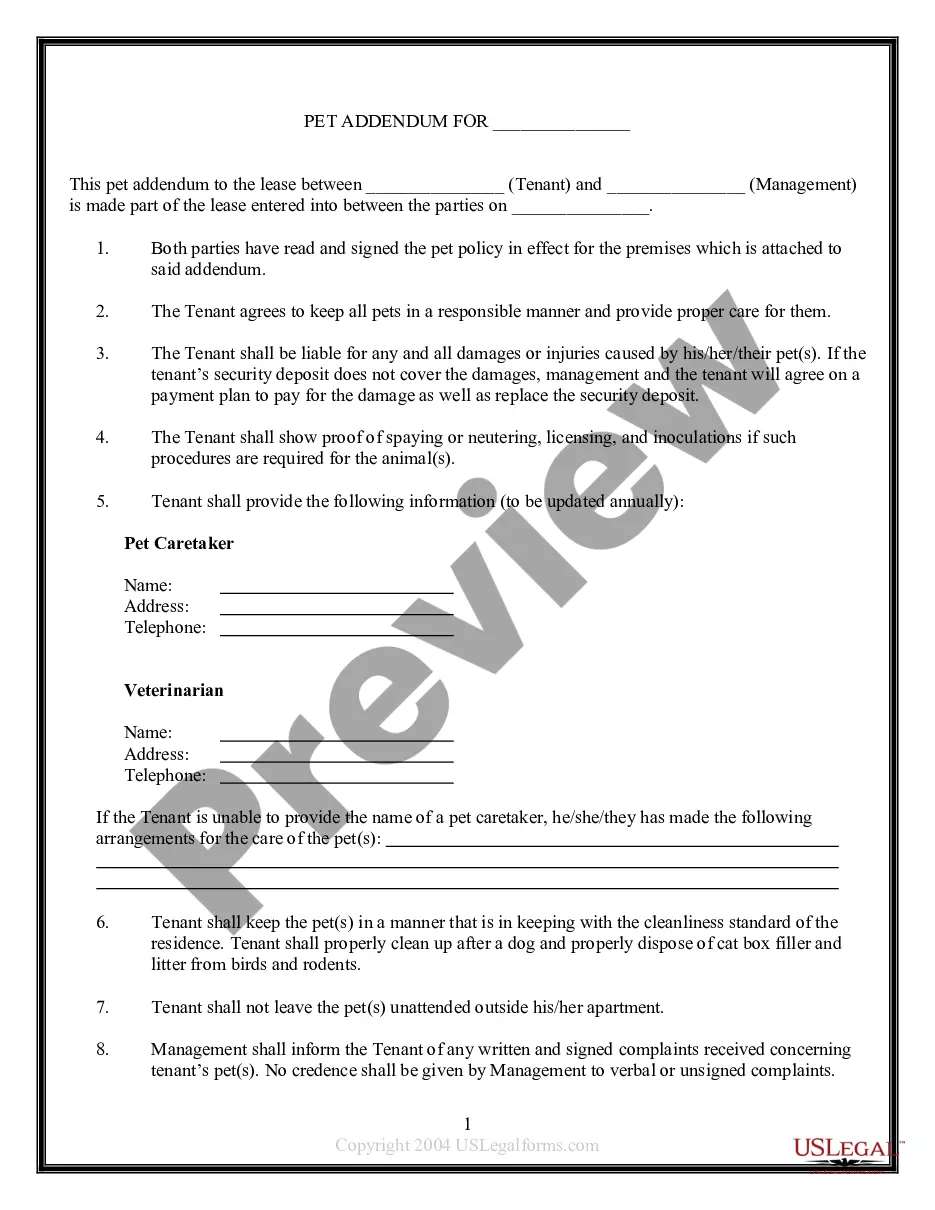
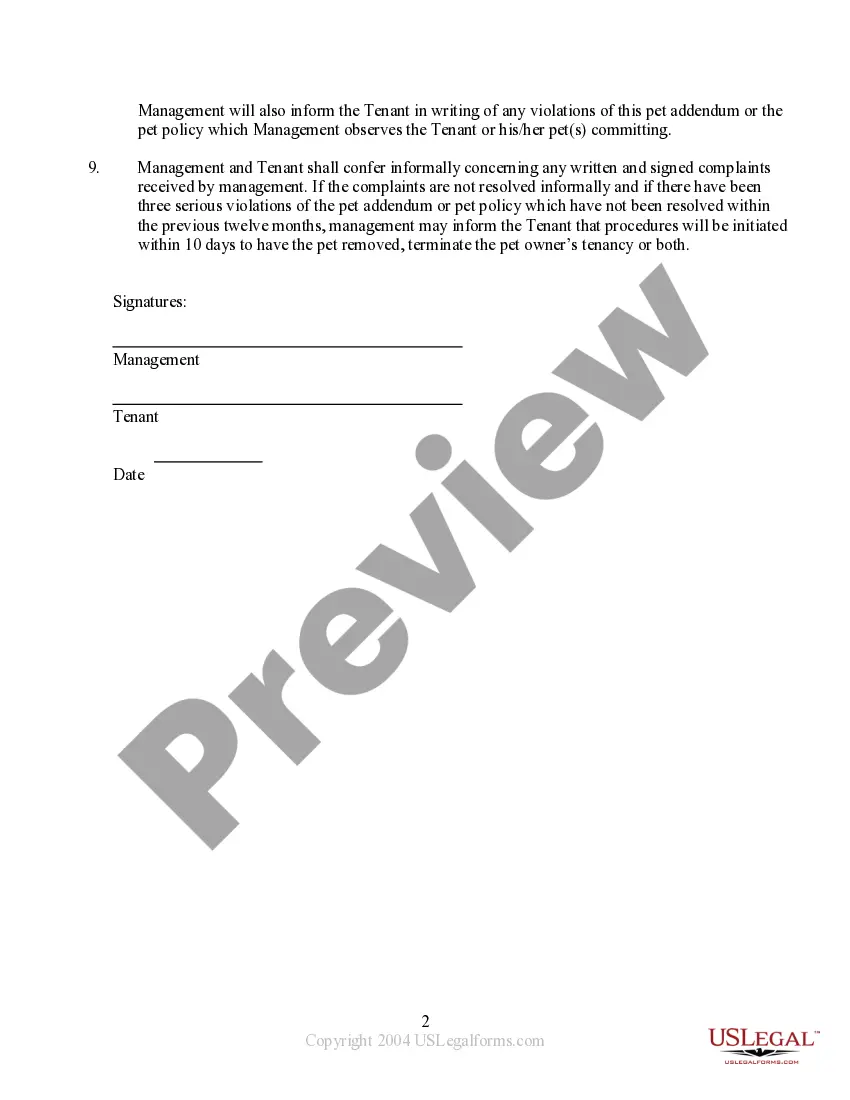
Description
Get your form ready online
Our built-in tools help you complete, sign, share, and store your documents in one place.
Make edits, fill in missing information, and update formatting in US Legal Forms—just like you would in MS Word.
Download a copy, print it, send it by email, or mail it via USPS—whatever works best for your next step.
Sign and collect signatures with our SignNow integration. Send to multiple recipients, set reminders, and more. Go Premium to unlock E-Sign.
If this form requires notarization, complete it online through a secure video call—no need to meet a notary in person or wait for an appointment.
We protect your documents and personal data by following strict security and privacy standards.

Make edits, fill in missing information, and update formatting in US Legal Forms—just like you would in MS Word.

Download a copy, print it, send it by email, or mail it via USPS—whatever works best for your next step.

Sign and collect signatures with our SignNow integration. Send to multiple recipients, set reminders, and more. Go Premium to unlock E-Sign.

If this form requires notarization, complete it online through a secure video call—no need to meet a notary in person or wait for an appointment.

We protect your documents and personal data by following strict security and privacy standards.
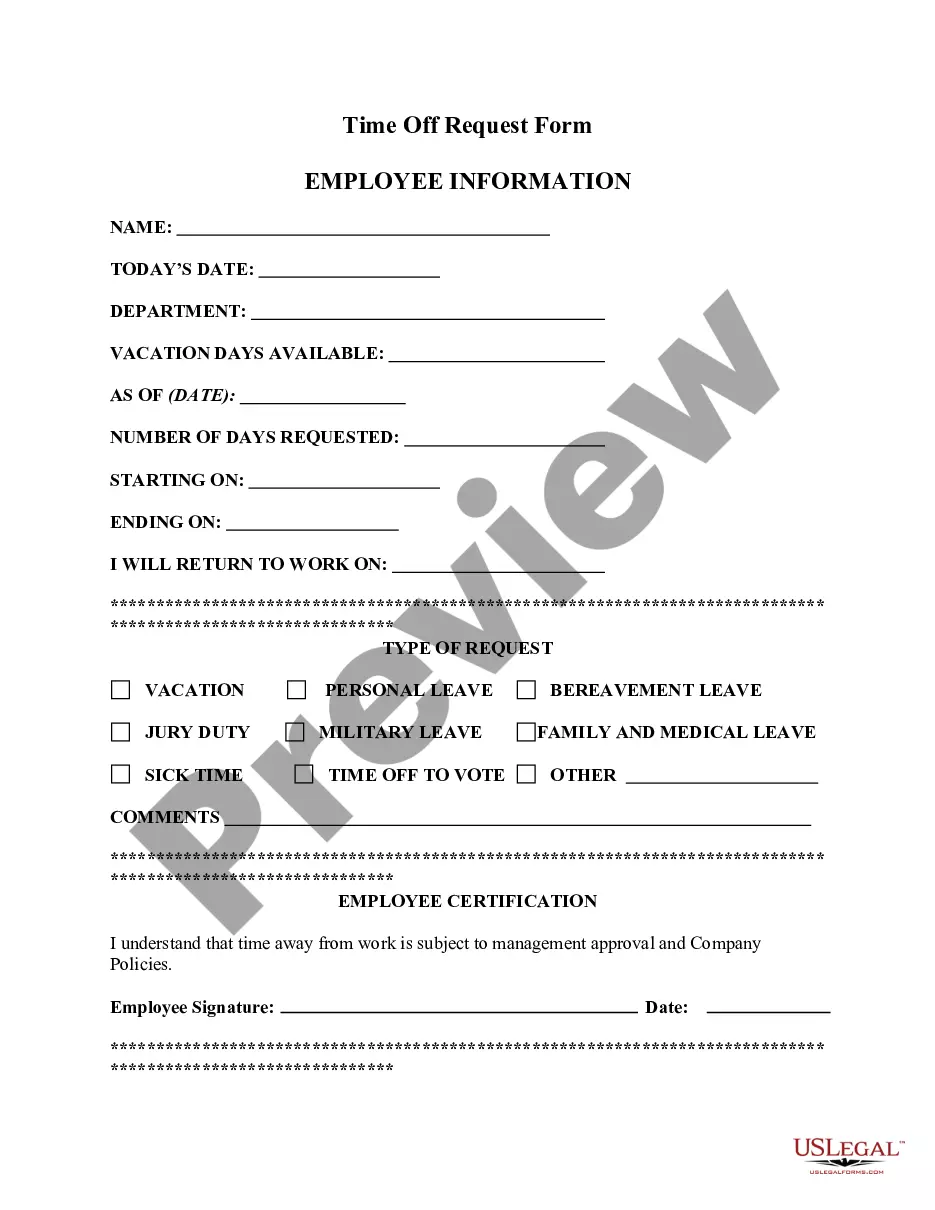
Looking for another form?
How to fill out Addendum To Apartment Lease Regarding Pets?
- If you already have an account, log in and click the Download button for your chosen template. Ensure your subscription is current; renew if necessary.
- For first-time users, start by checking the Preview mode and description of potential forms. Confirm that the selected document meets your requirements and complies with your jurisdiction.
- In case you need a different template, use the Search tab to locate alternatives. If you find a suitable option, proceed to the next step.
- Purchase the document by clicking on the Buy Now button, and select your preferred subscription plan. Creating an account will grant you access to the resource library.
- Finalize your payment using credit card details or your PayPal account for your subscription plan.
- Download your form and save it on your device. You can also access it later through the My Forms section of your profile.
US Legal Forms empowers users with a robust collection of over 85,000 fillable legal documents, ensuring precision and compliance.
Ready to simplify your legal needs? Start today with US Legal Forms and gain access to an unmatched library of resources tailored for your apartment rm requirements.
Form popularity
FAQ
To fight an apartment collection, start by gathering all relevant documentation, such as your lease agreement and payment records. If you believe the collection is incorrect, contact the collection agency to dispute the claim and provide your evidence. Platforms like US Legal Forms can offer helpful templates and advice for managing apartment rm collections effectively.
You can sue an apartment complex for several reasons, including breach of contract, negligence, or failure to provide habitable living conditions. Additionally, if your landlord violates local housing laws or discriminates against you, you may have grounds for a lawsuit. Understanding your rights is essential, so consider using legal resources like US Legal Forms for clarity regarding your apartment rm rights.
To fight damage charges from an apartment, review your lease agreement and document the condition of the unit before moving out. If you believe the charges are unjust, collect evidence to support your claim, such as photographs and witness testimony. You can also negotiate with your landlord directly or seek assistance through platforms like US Legal Forms for templates and guidance on disputing these charges related to your apartment rm.
Whether it's worth suing a landlord depends on the specifics of your situation, including the damages you’ve suffered and the potential outcome. If your landlord has violated your rights or caused significant harm, legal action could be beneficial. Consider consulting with a lawyer to assess your case before deciding how to proceed with your apartment rm issue.
Typically, a tenant's rights attorney or a civil litigation lawyer handles cases against apartment complexes. These lawyers specialize in landlord-tenant disputes and understand the nuances of housing law. When dealing with an apartment rm issue, it’s vital to seek legal expertise to navigate your options and advocate effectively.
In Washington state, you can report your landlord to the Washington State Department of Commerce or your local housing authority. These organizations handle landlord-tenant issues and can guide you through your options regarding your apartment rm concerns. Always document your interactions with your landlord to support your case when reporting.
To file a lawsuit against an apartment complex, start by gathering evidence that supports your claim. This evidence may include leases, photographs, and correspondence with your landlord. Next, determine the appropriate court for your case and complete the required forms. Lastly, consider using US Legal Forms to streamline the filing process and ensure you follow all legal requirements related to your apartment rm dispute.
RC-1 zoning is a residential and commercial mixed-use category that permits certain commercial uses alongside residential development. This zoning allows for a unique blend of living and working spaces, potentially ideal for those seeking an apartment RM. If you value accessibility to shops and services, exploring RC-1 zones may enhance your apartment RM search.
R 1 zoning refers to low-density residential areas primarily intended for single-family homes. This type of zoning often supports a quiet living environment, which can be appealing for families or individuals seeking peace. As you explore your apartment RM options, understanding R 1 zoning might inspire you to look for residences that fit your lifestyle.
Philadelphia features several zoning classifications, including residential, commercial, and industrial types. Each type dictates how land can be developed and used. If you are searching for apartment RM options, knowing these zoning types will direct you to areas that support your housing needs and aspirations.