Employee Time Vacation For Teachers
Description
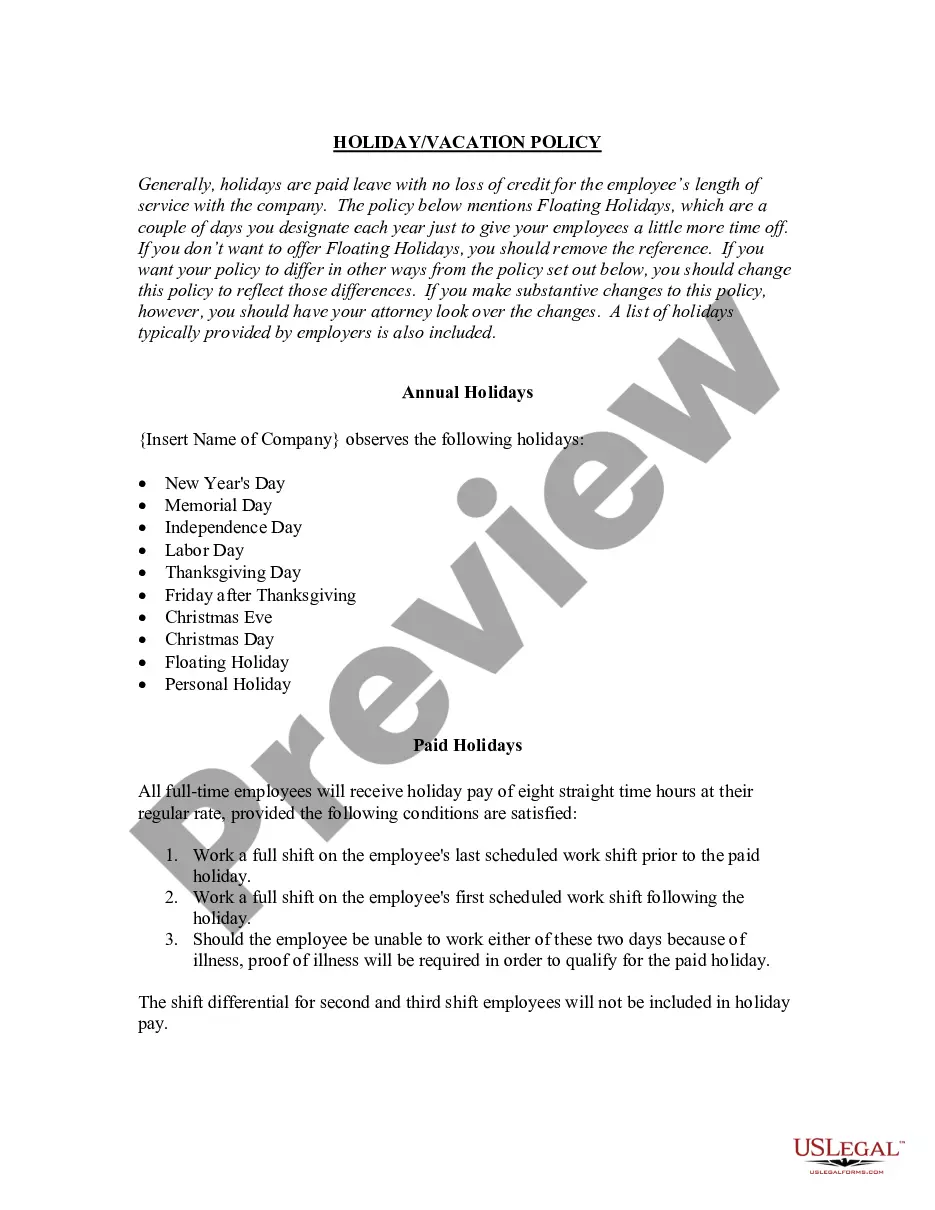
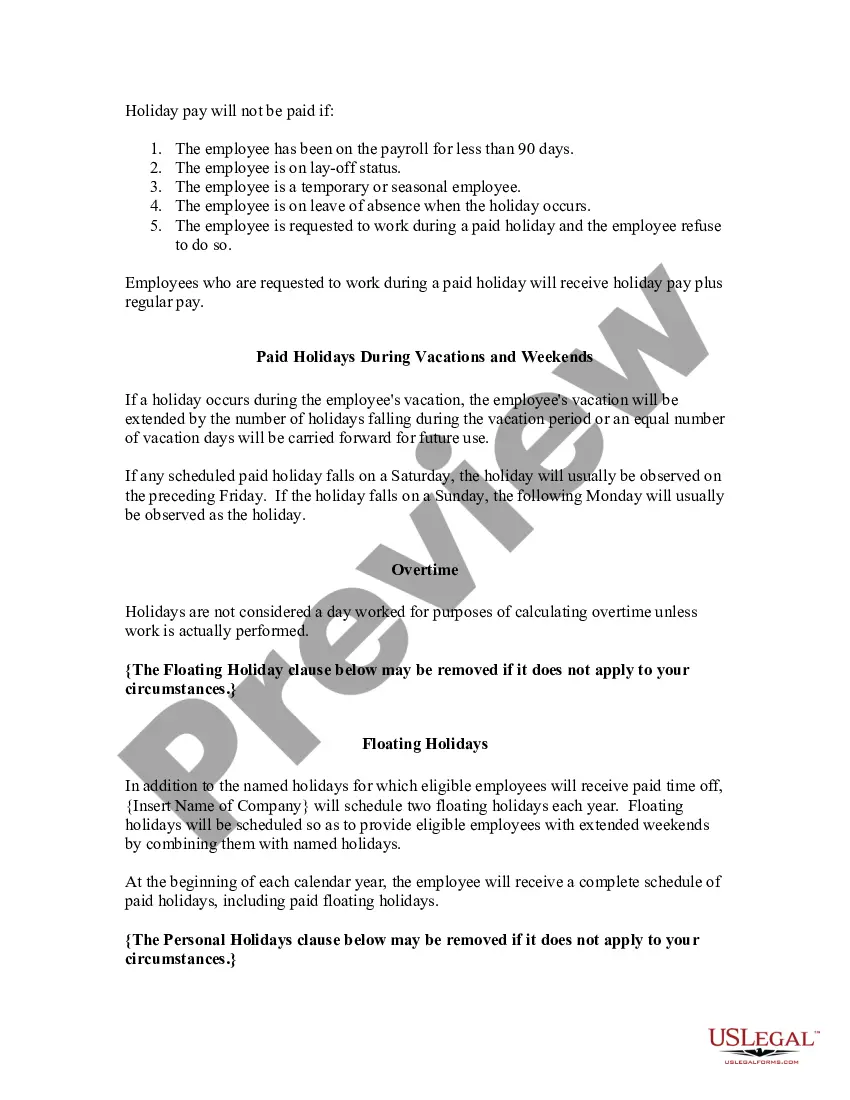
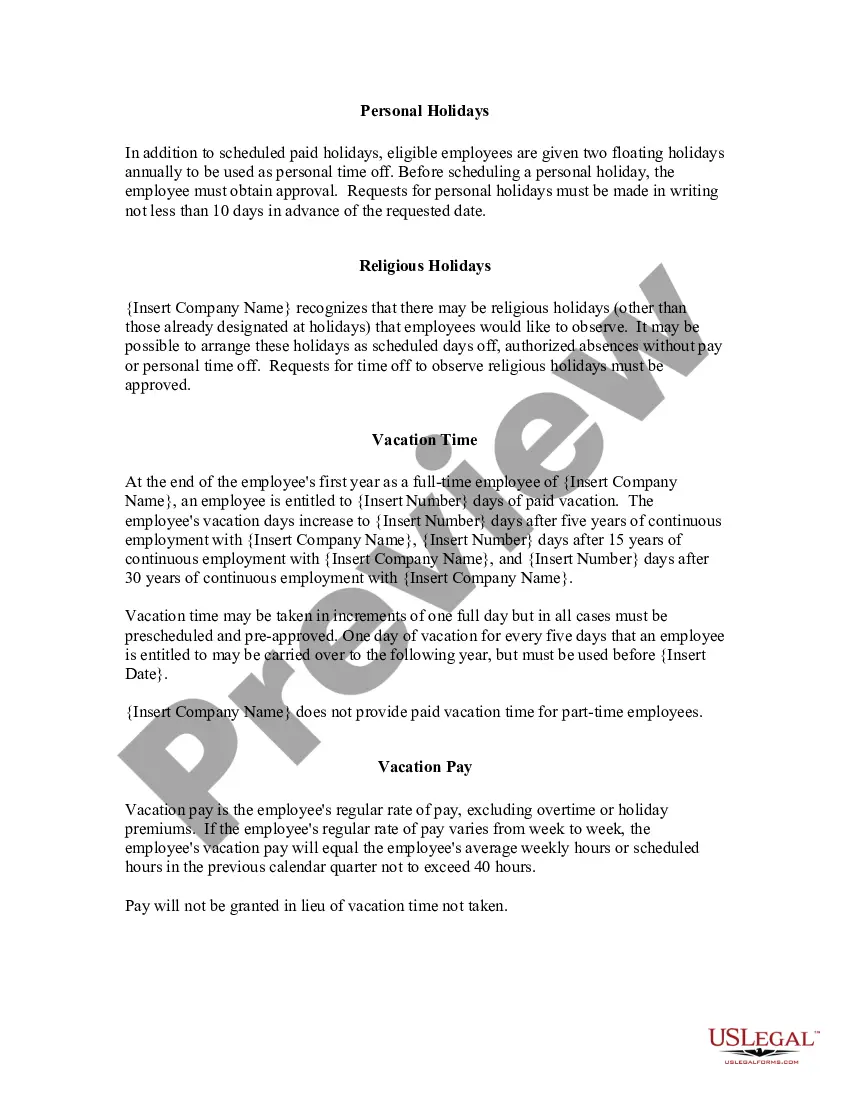
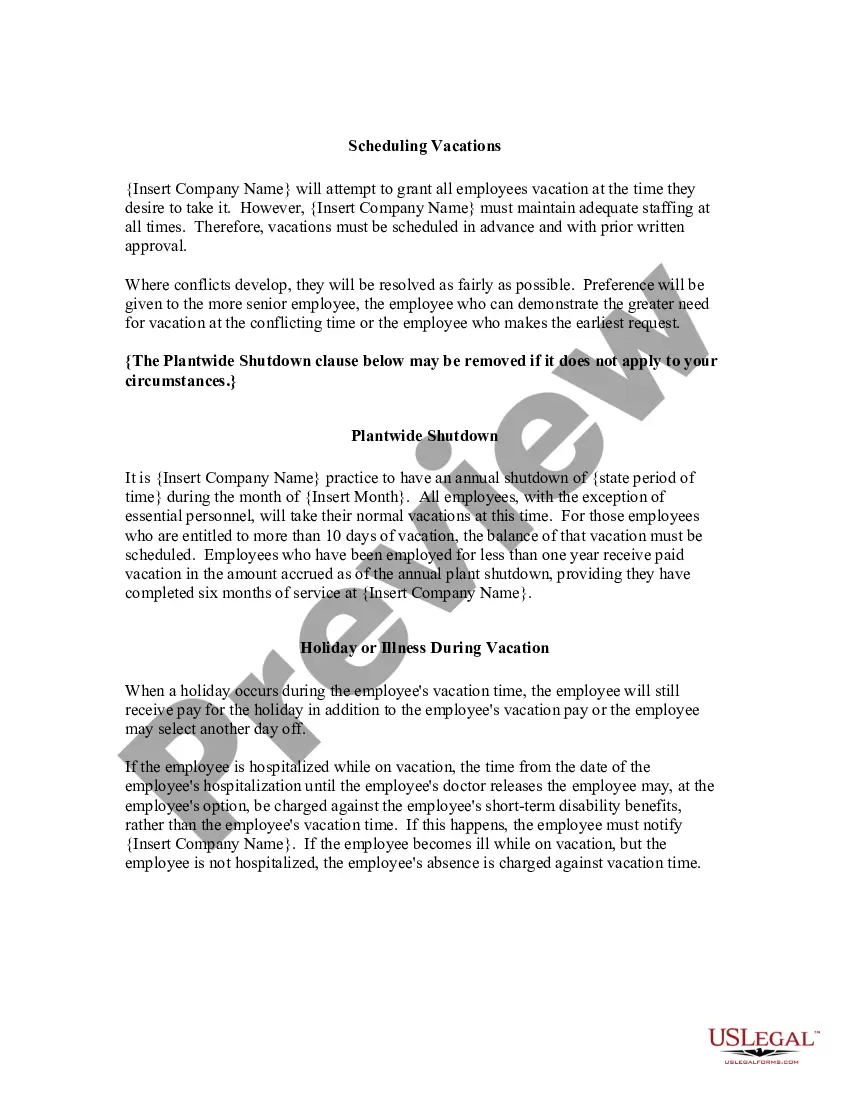


Get your form ready online
Our built-in tools help you complete, sign, share, and store your documents in one place.
Make edits, fill in missing information, and update formatting in US Legal Forms—just like you would in MS Word.
Download a copy, print it, send it by email, or mail it via USPS—whatever works best for your next step.
Sign and collect signatures with our SignNow integration. Send to multiple recipients, set reminders, and more. Go Premium to unlock E-Sign.
If this form requires notarization, complete it online through a secure video call—no need to meet a notary in person or wait for an appointment.
We protect your documents and personal data by following strict security and privacy standards.

Make edits, fill in missing information, and update formatting in US Legal Forms—just like you would in MS Word.

Download a copy, print it, send it by email, or mail it via USPS—whatever works best for your next step.

Sign and collect signatures with our SignNow integration. Send to multiple recipients, set reminders, and more. Go Premium to unlock E-Sign.

If this form requires notarization, complete it online through a secure video call—no need to meet a notary in person or wait for an appointment.

We protect your documents and personal data by following strict security and privacy standards.
Looking for another form?





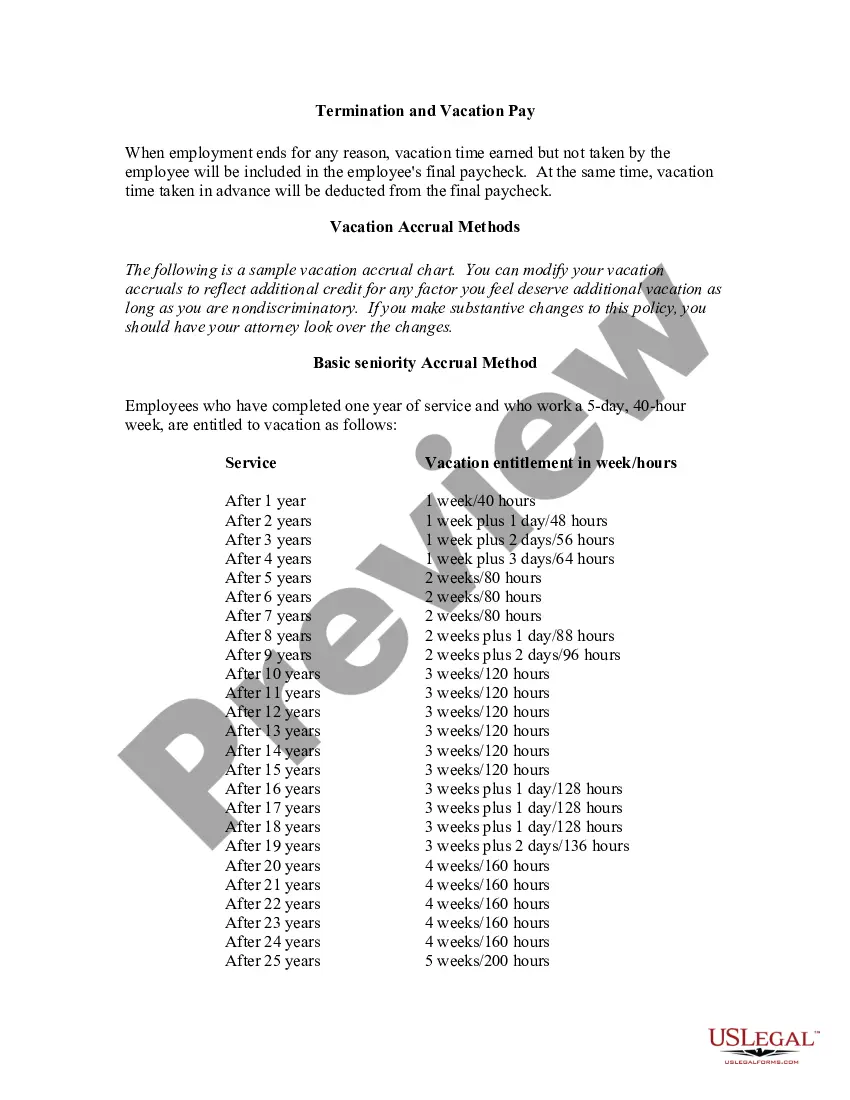
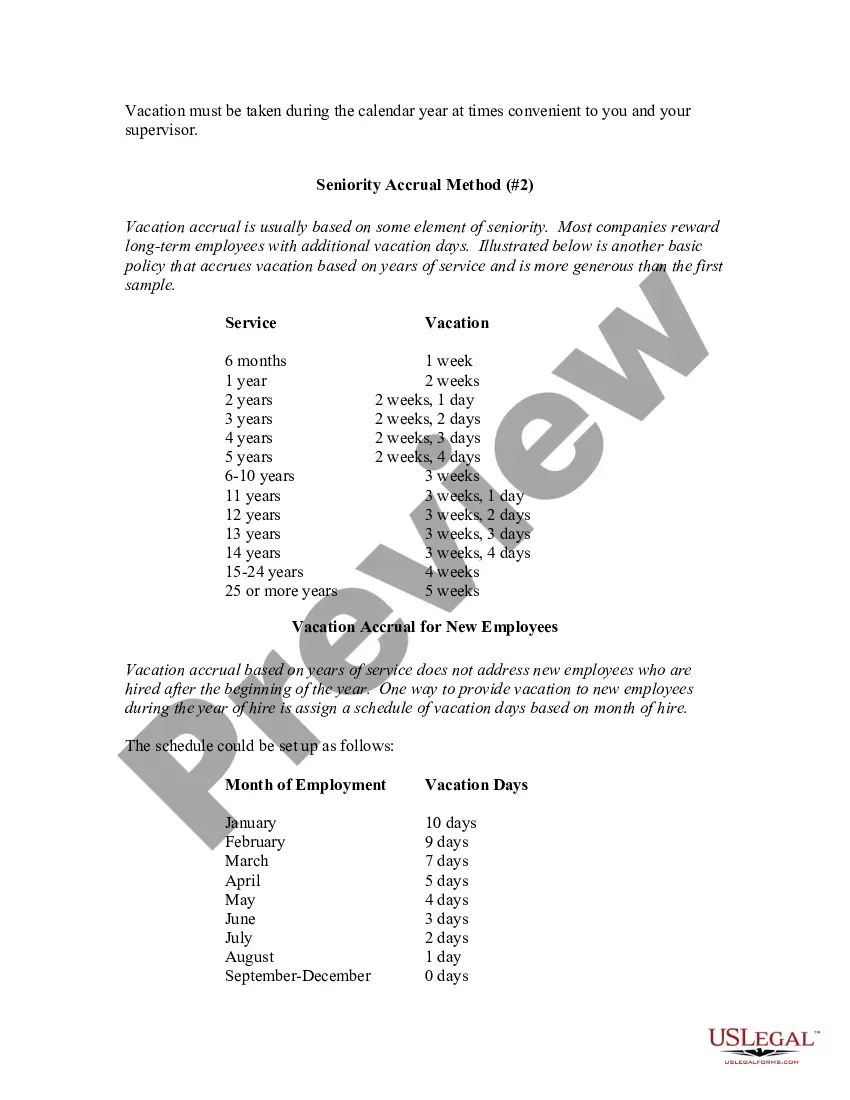
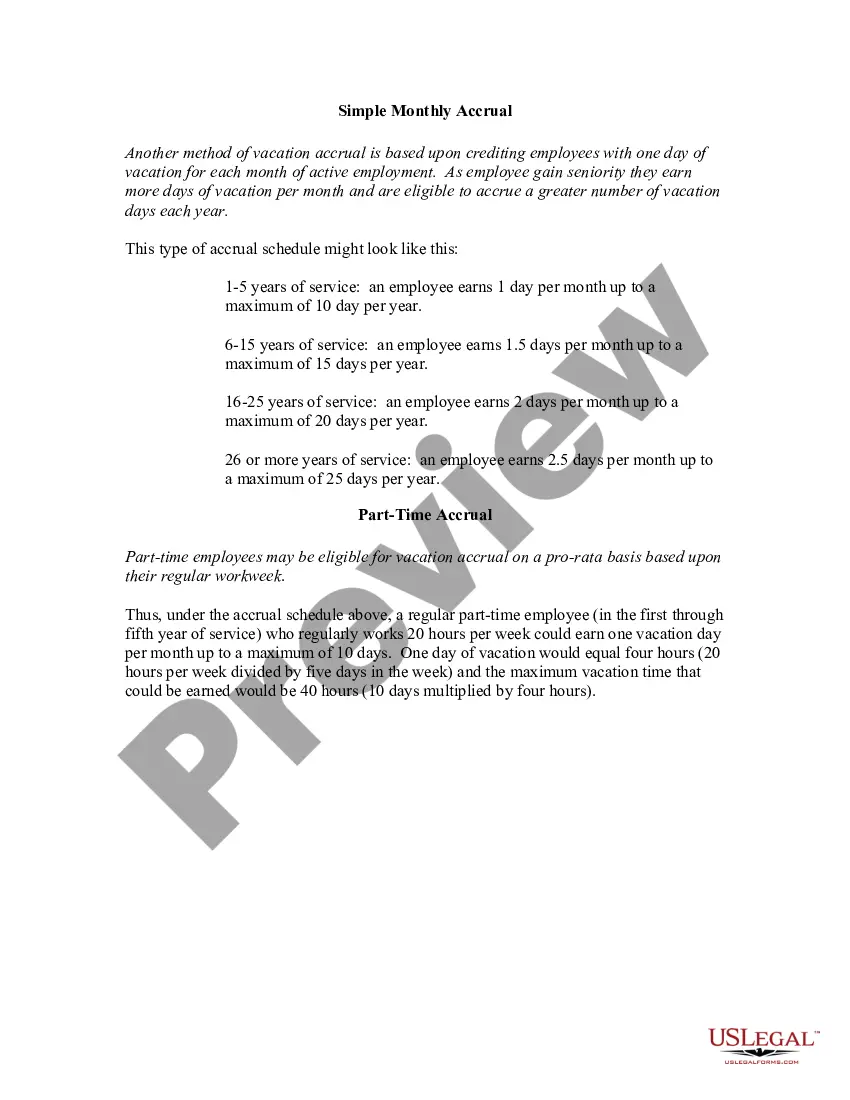
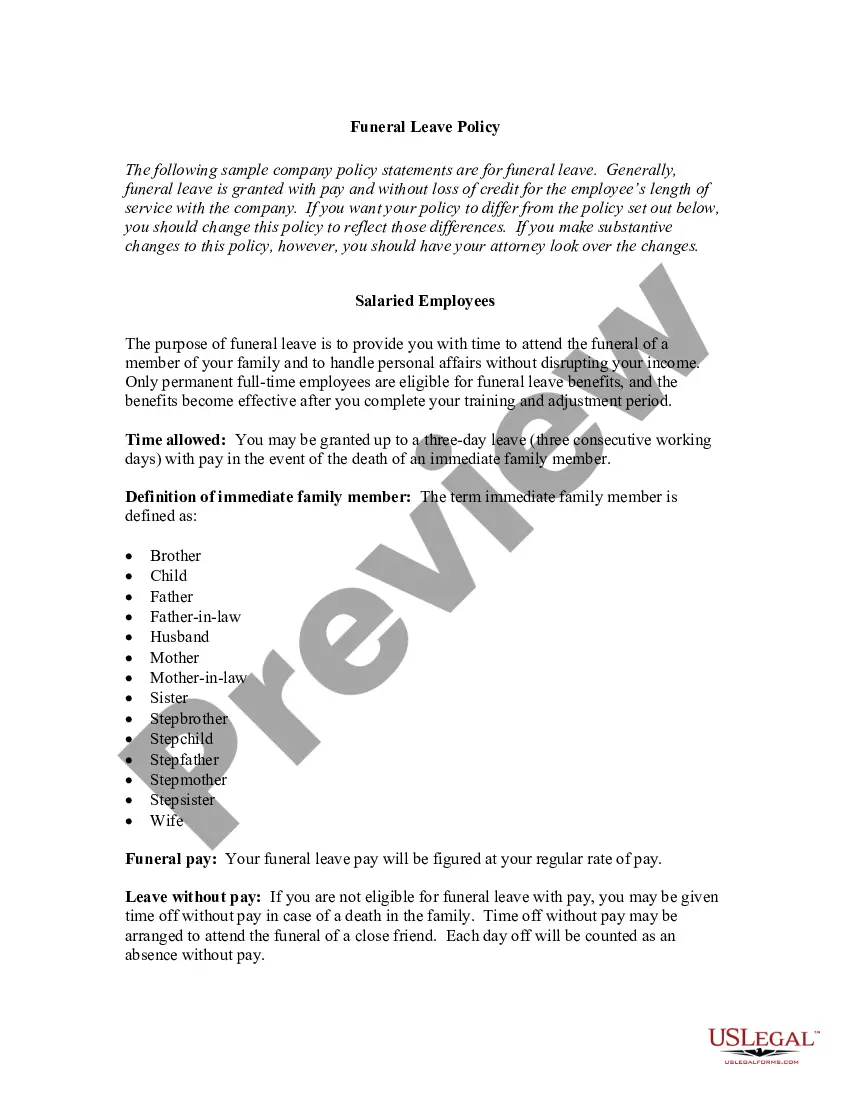
How to fill out Holiday Vacation Policy?
Whether for corporate needs or personal issues, everyone must handle legal matters at some stage in their lives.
Filling out legal documents demands meticulous attention, beginning with selecting the proper template.
With a vast catalog from US Legal Forms available, you do not have to waste time looking for the right template online. Utilize the library’s user-friendly navigation to find the appropriate form for any circumstance.
- Locate the template you require using the search bar or through the catalog.
- Review the form’s description to confirm it aligns with your situation, state, and locality.
- Click on the form’s preview to view it.
- If it is the wrong document, return to the search function to find the Employee Time Vacation For Teachers template you need.
- Download the file if it satisfies your requirements.
- If you possess a US Legal Forms account, just click Log in to access previously saved documents in My documents.
- If you do not have an account yet, you can acquire the form by clicking Buy now.
- Select the suitable pricing option.
- Fill out the account registration form.
- Choose your payment method: use a credit card or PayPal.
- Select the document format you desire and download the Employee Time Vacation For Teachers.
- Once it is saved, you are able to complete the form using editing software or print it out and fill it in manually.
Form popularity
FAQ
Efficiently managing employee vacation time is crucial for maintaining productivity, especially regarding employee time vacation for teachers. Consider implementing a system that tracks vacation requests and balances staff availability. Regularly reviewing vacation schedules can help identify potential conflicts and ensure that your team is adequately staffed. Platforms like USLegalForms can offer helpful resources to simplify this management process.
Calculating vacation time for employees is straightforward and essential for employee time vacation for teachers. Typically, vacation time is based on the total hours worked or the number of days an employee has been with the organization. You can use various methods, such as dividing the total annual hours by the number of working days in a year. Utilizing platforms like USLegalForms can streamline this process by providing templates and guidance.
When it comes to employee time vacation for teachers, salaried employees generally receive a set number of vacation days per year. This allocation might vary based on the employer’s policy and local regulations. Teachers often accumulate vacation time over the school year, allowing them to plan breaks accordingly. Understanding these details can help educators make the most of their time off.
The number of days teachers can miss varies based on district policies and contractual obligations. Many districts allow a specific number of sick days, often ranging from ten to fifteen per year, in addition to vacation days. It’s important to familiarize yourself with employee time vacation for teachers, as this knowledge ensures you utilize your allotted days effectively while maintaining your commitment to education.
Some teachers may be eligible for up to four weeks of vacation after ten years of service, depending on their school's policy and contractual agreements. This benefit often increases with tenure, rewarding long-term dedication. For specific details about employee time vacation for teachers, it's helpful to review your contract or consult with your human resources department.
The 70 30 rule in teaching refers to the distribution of a teacher's instructional time, where 70% focuses on direct instruction and 30% on student engagement activities. This balance helps ensure effective learning while allowing teachers to manage their employee time vacation for teachers effectively. This approach also fosters a positive learning environment and enhances student outcomes.
The number of vacation days a teacher receives varies by district and experience level. Generally, teachers might receive anywhere from ten to twenty days each year. Knowing your rights and options regarding employee time vacation for teachers is essential, as it helps you plan your time off efficiently.
To acquire vacation hours, teachers typically accumulate time based on their work schedule and the school's policy. This often includes initial accumulation at the start of the employment year or upon completion of specific milestones. Understanding the employee time vacation for teachers can help you track this accumulation effectively using platforms like US Legal Forms, which provide clarity on your entitlements.
Vacation time for salaried employees is usually calculated based on the hours worked annually, divided by the number of vacation days offered. Many schools have policies that grant a specific number of days per year, which may be accrued over time. Understanding how to calculate your employee time vacation for teachers can help you plan effectively. For clarity on these policies, check resources like USLegalForms that offer detailed information regarding calculations and entitlement.
Submitting a vacation request typically involves completing a form that details the dates you wish to take off and the reason for your absence. You might need to send this request to your supervisor or through your school's HR system. If you are looking for a structured way to handle this, consider using the employee time vacation for teachers feature on USLegalForms, which provides templates and guidance for efficient request submissions.