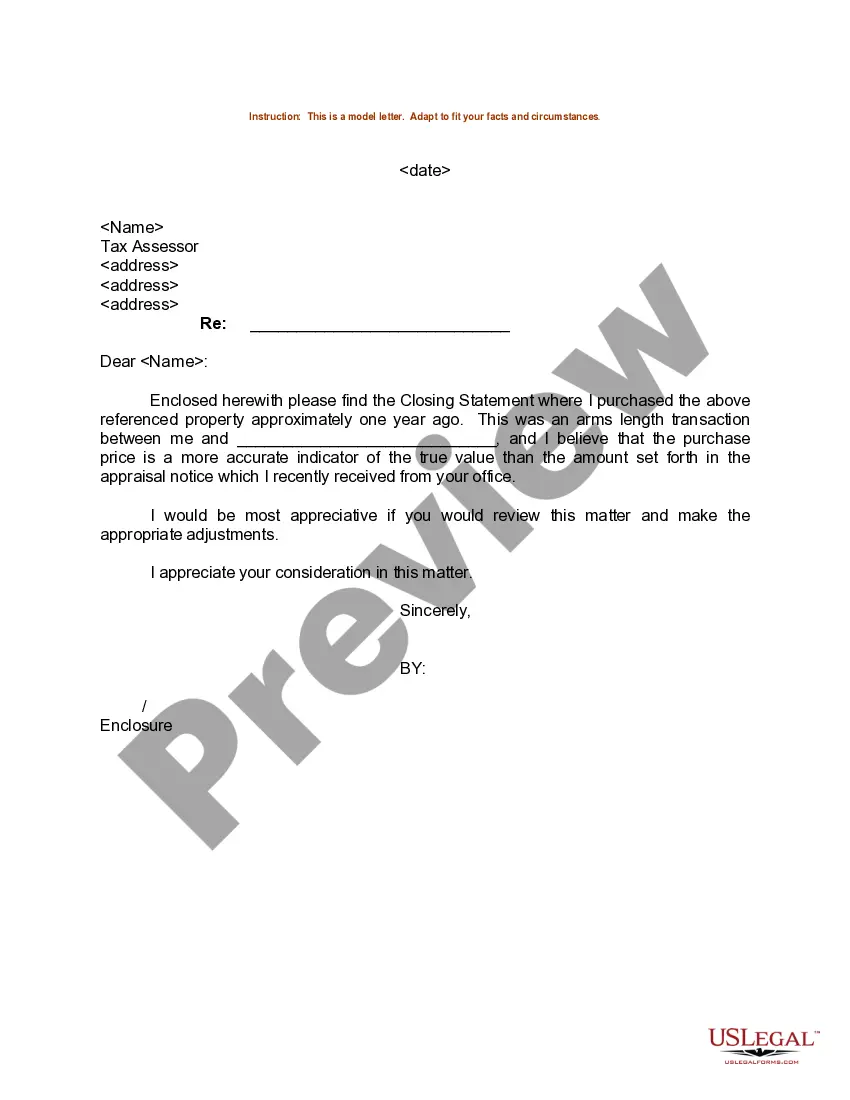
Sample Statement Letter For Court
Description
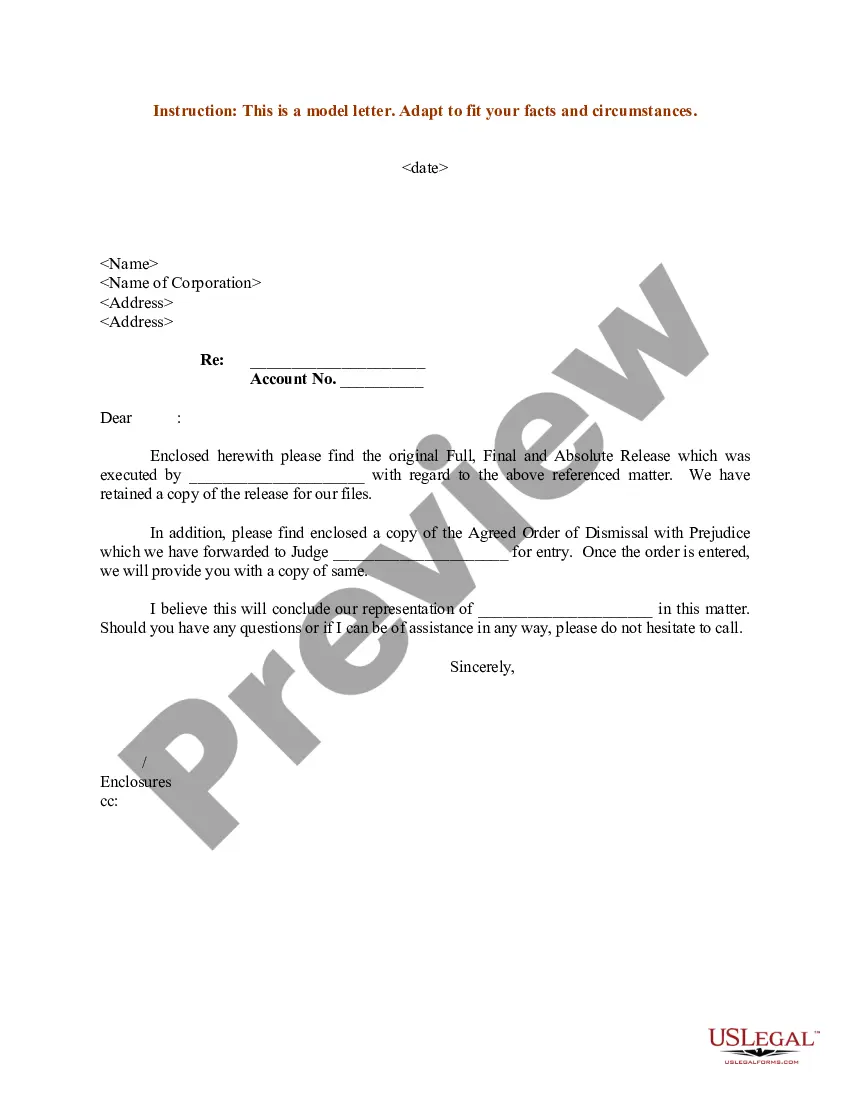
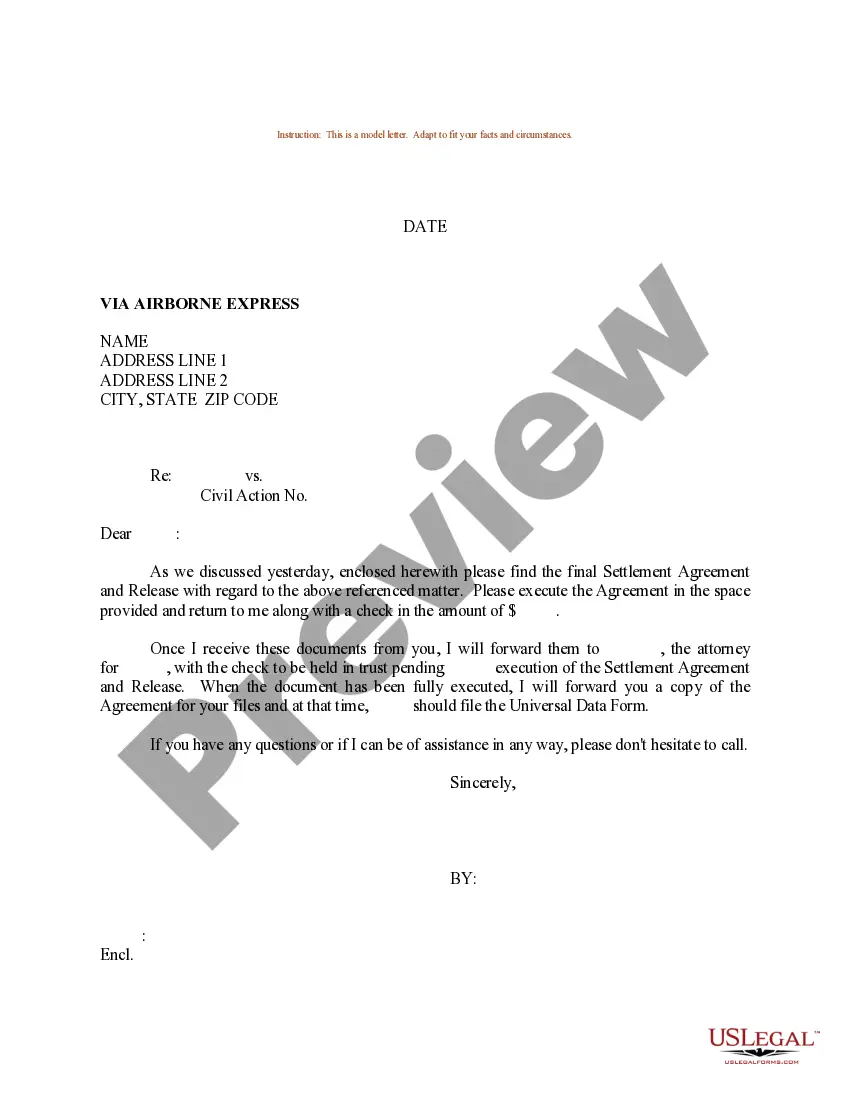
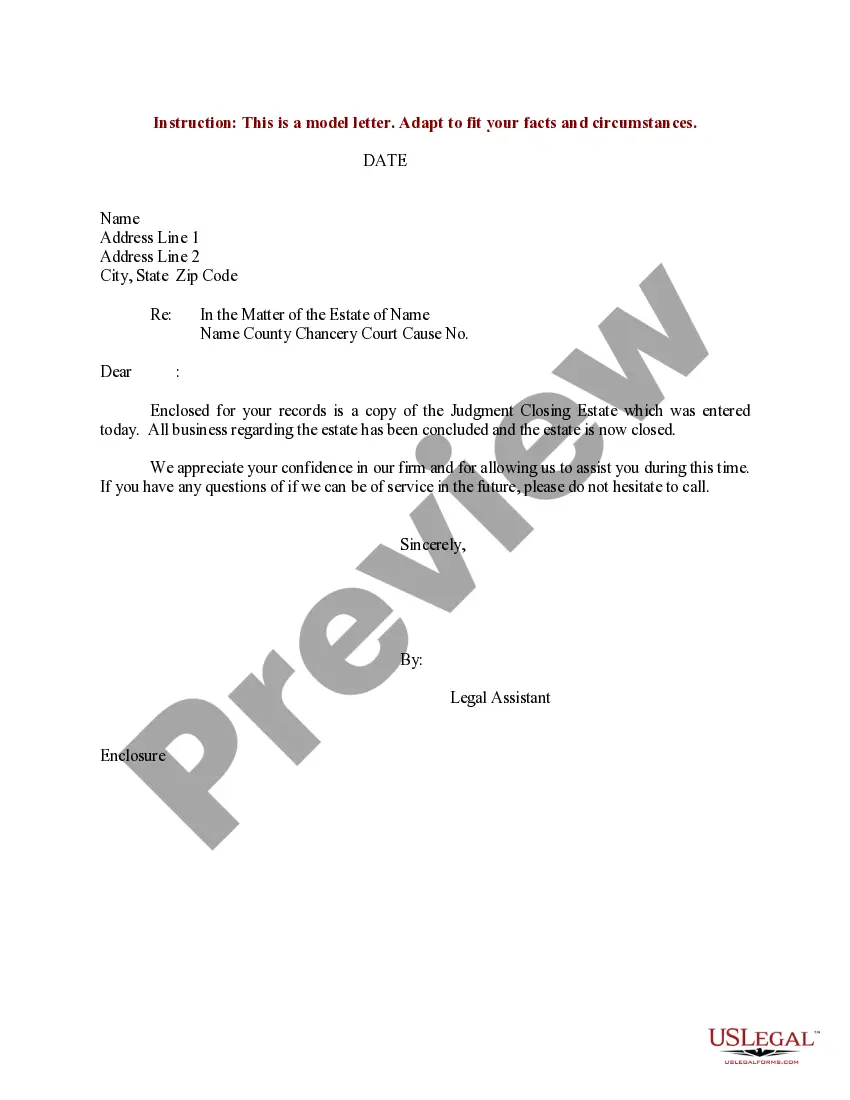
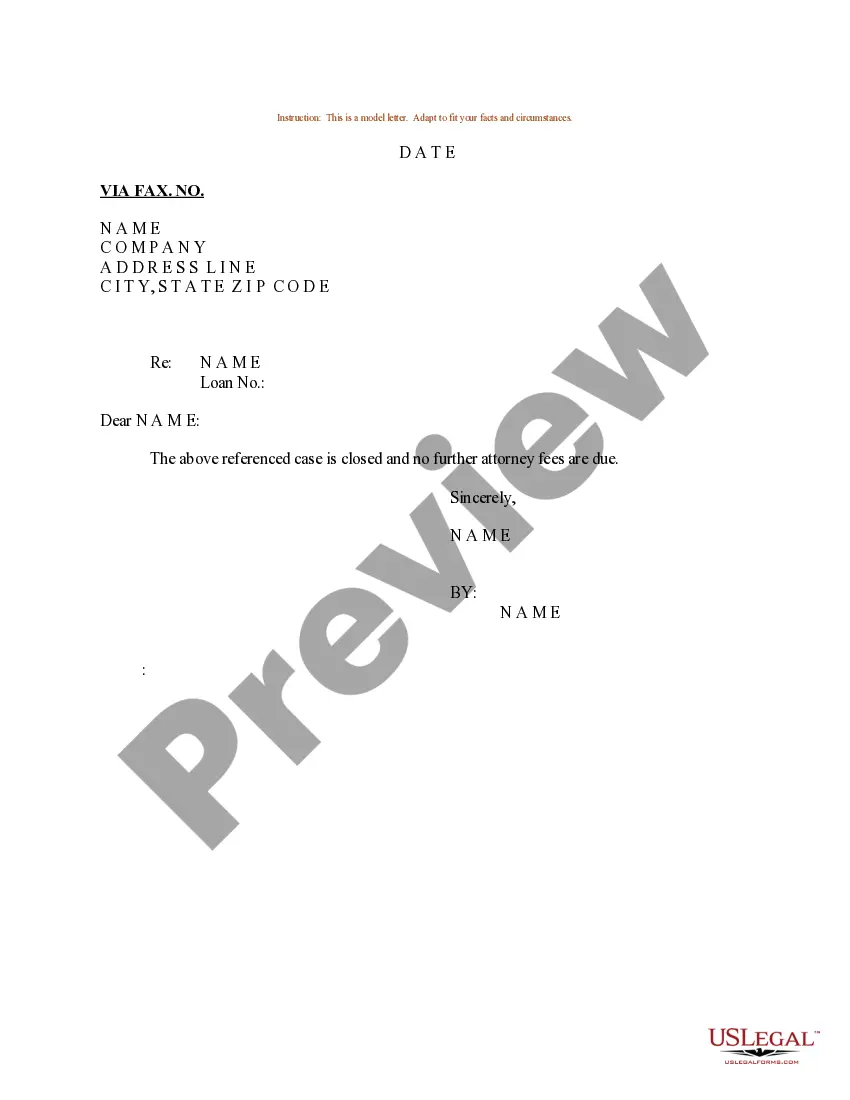
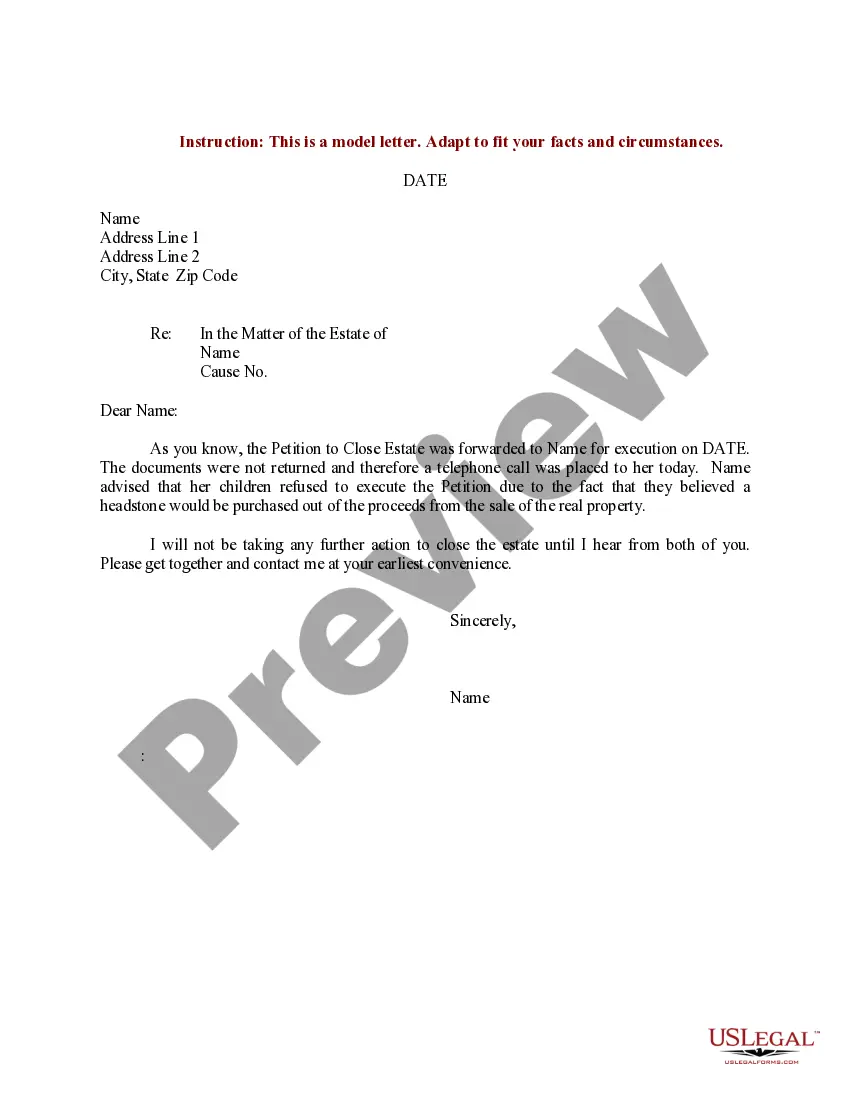
Get your form ready online
Our built-in tools help you complete, sign, share, and store your documents in one place.
Make edits, fill in missing information, and update formatting in US Legal Forms—just like you would in MS Word.
Download a copy, print it, send it by email, or mail it via USPS—whatever works best for your next step.
Sign and collect signatures with our SignNow integration. Send to multiple recipients, set reminders, and more. Go Premium to unlock E-Sign.
If this form requires notarization, complete it online through a secure video call—no need to meet a notary in person or wait for an appointment.
We protect your documents and personal data by following strict security and privacy standards.

Make edits, fill in missing information, and update formatting in US Legal Forms—just like you would in MS Word.

Download a copy, print it, send it by email, or mail it via USPS—whatever works best for your next step.

Sign and collect signatures with our SignNow integration. Send to multiple recipients, set reminders, and more. Go Premium to unlock E-Sign.

If this form requires notarization, complete it online through a secure video call—no need to meet a notary in person or wait for an appointment.

We protect your documents and personal data by following strict security and privacy standards.
Looking for another form?

How to fill out Sample Letter For Closing Statement?
- If you're an existing user, log in to your account and choose the template you require from your list. Ensure your subscription remains active; if it has expired, renew it promptly.
- For new users, start by browsing through the extensive preview mode and descriptions of available forms. Confirm that the selected template meets your specific needs and aligns with local jurisdictional requirements.
- Should you need a different template, utilize the Search feature to locate a suitable alternative. Ensure it meets your criteria before proceeding.
- Once you've found your desired form, click on the Buy Now button and select your preferred subscription plan. You will need to create an account to gain access to the complete library.
- Complete your purchase by entering your credit card information or using your PayPal account to finalize the transaction.
- Download your completed form directly to your device. Access it anytime through the My Forms section of your account.
US Legal Forms provides a wealth of resources, giving users access to over 85,000 fillable legal documents. This extensive library, combined with the support of premium experts, ensures that every document is tailored to your specific needs, fostering accuracy and compliance.
Start transforming your legal document drafting process today by accessing the vast resources at US Legal Forms. Make your legal journey smoother and more efficient!
Form popularity
FAQ
When formatting a personal statement in law, begin with a strong introduction that outlines your purpose. Use clear paragraphs for each point you want to make, allowing for a logical flow of ideas. It’s crucial to be precise and focused to ensure your message is understood. If you seek inspiration, a sample statement letter for court can serve as a useful reference.
Proper formatting for legal documents includes using standard fonts like Times New Roman, size 12, and maintaining uniform margins. Each document should have a header with the case information placed at the top. Consistently number your pages and include a footer with your contact information. For examples, a sample statement letter for court can illustrate these formatting requirements.
A court statement should be formatted with a heading that includes the court's name, case number, and parties involved. Organize your content into clear paragraphs, focusing on presenting facts in a logical order. Use appropriate legal terminology and provide references to any relevant laws or evidence. A sample statement letter for court can guide you through this process effectively.
Writing a legal statement involves articulating your facts clearly and concisely. Start by outlining the critical points you want to address and ensure your statements are factual rather than opinion-based. Use direct and simple language, and include any relevant information pertinent to your case. For assistance, a sample statement letter for court can provide a helpful framework.
Begin your explanation letter by addressing the court appropriately. Clearly state your purpose for writing and provide a succinct explanation of the situation. Ensure that your letter has a respectful tone and presents any necessary documents or evidence. If you need to draft a sample statement letter for court, consider using platforms like USLegalForms for guidance.
To format a legal statement, start with your personal information at the top, including your name and address. Next, include the date, followed by the court’s name and address. Finally, write a clear title and organize your content in paragraphs that address your points directly. A well-structured format enhances the effectiveness of your sample statement letter for court.
Writing a strong character reference for court involves presenting a clear, honest view of the individual’s personality. Begin with your relationship to the person, then share relevant examples that illustrate their character and values. Conclude with a strong statement supporting their positive traits.
To start a court statement letter, begin with a formal greeting, followed by an introduction that specifies who you are and your relationship to the case. Clearly state the purpose of your letter to establish context and engage the reader right from the start.
An example of a written statement for court may include an introduction stating the purpose of the letter, a detailed account of the events, and a clear conclusion advocating for compassion or understanding. Use facts and personal observations to enhance credibility.
To write an effective support letter, ensure it is well-structured and specific. Address the letter to the appropriate recipient, clearly state your purpose, and provide detailed examples that support your message. A focused, heartfelt letter makes a stronger impact.