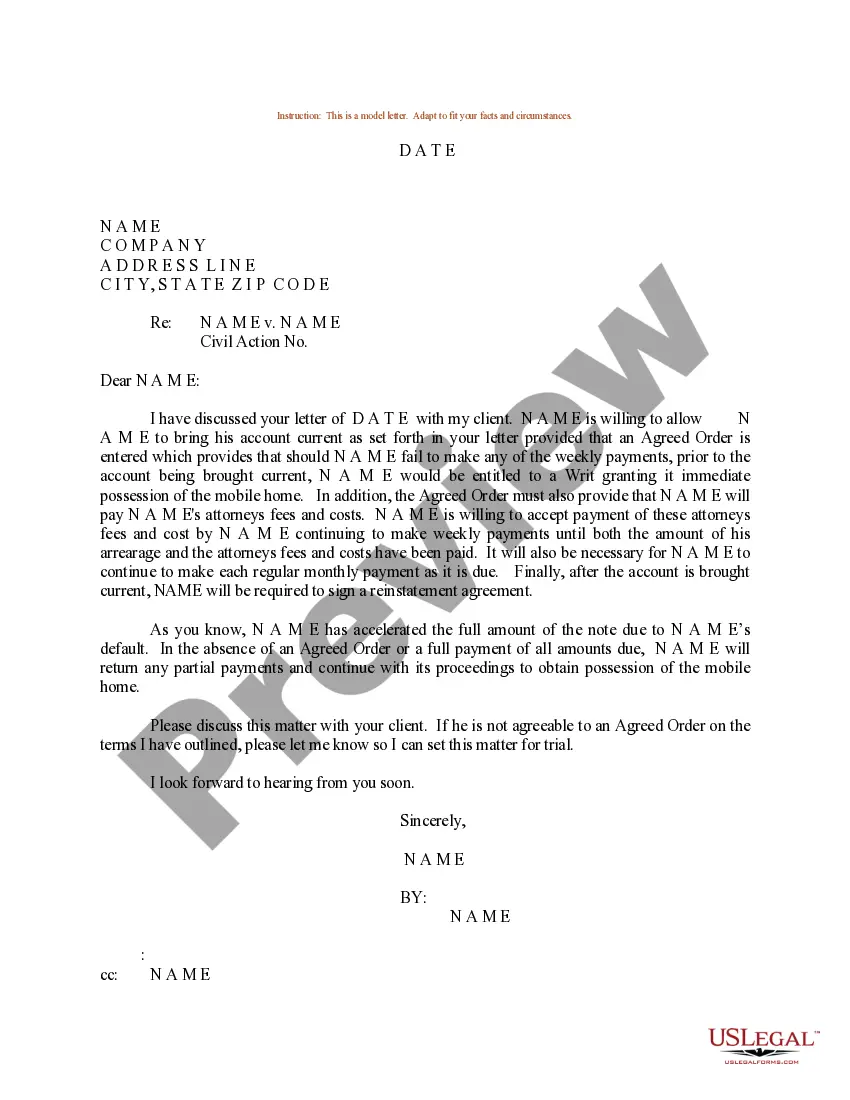
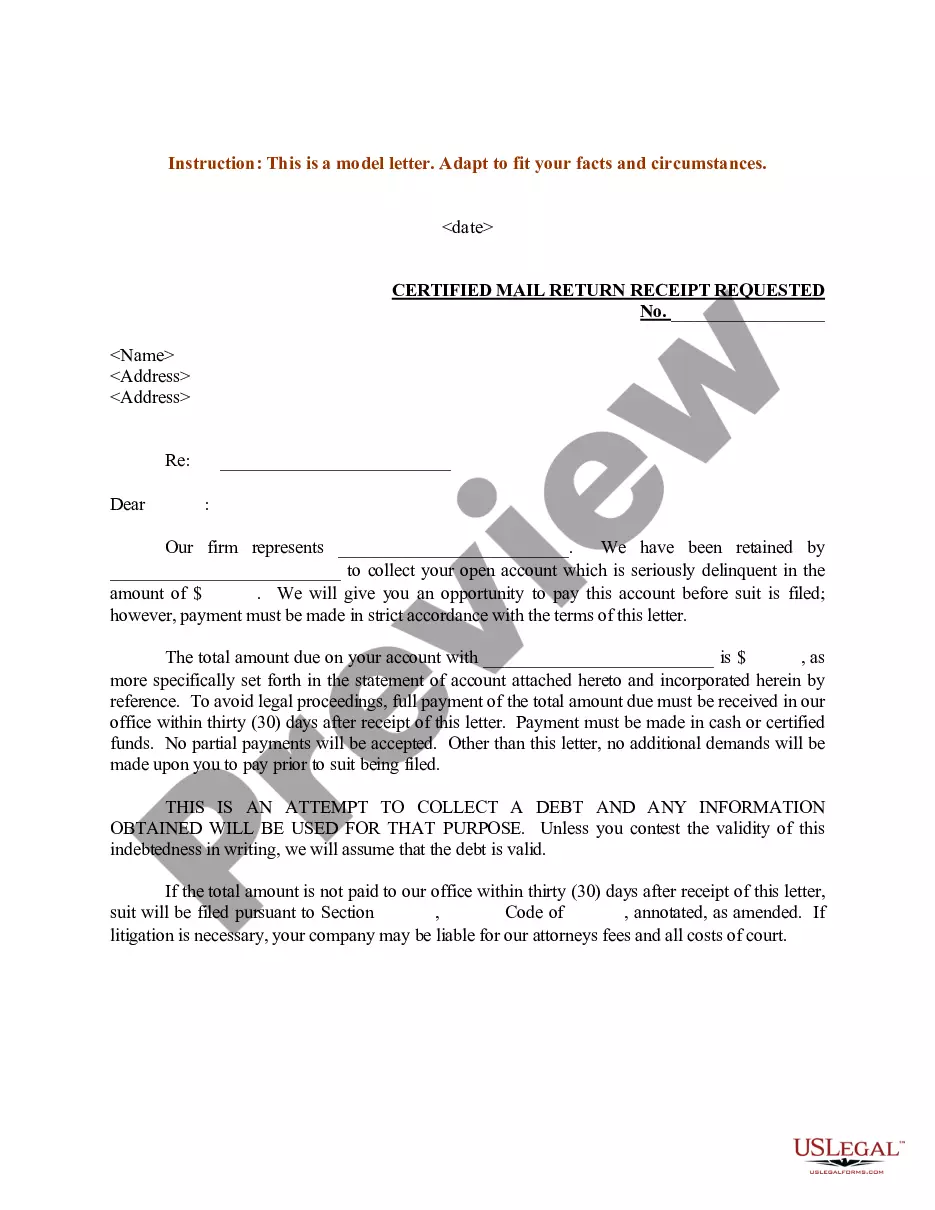
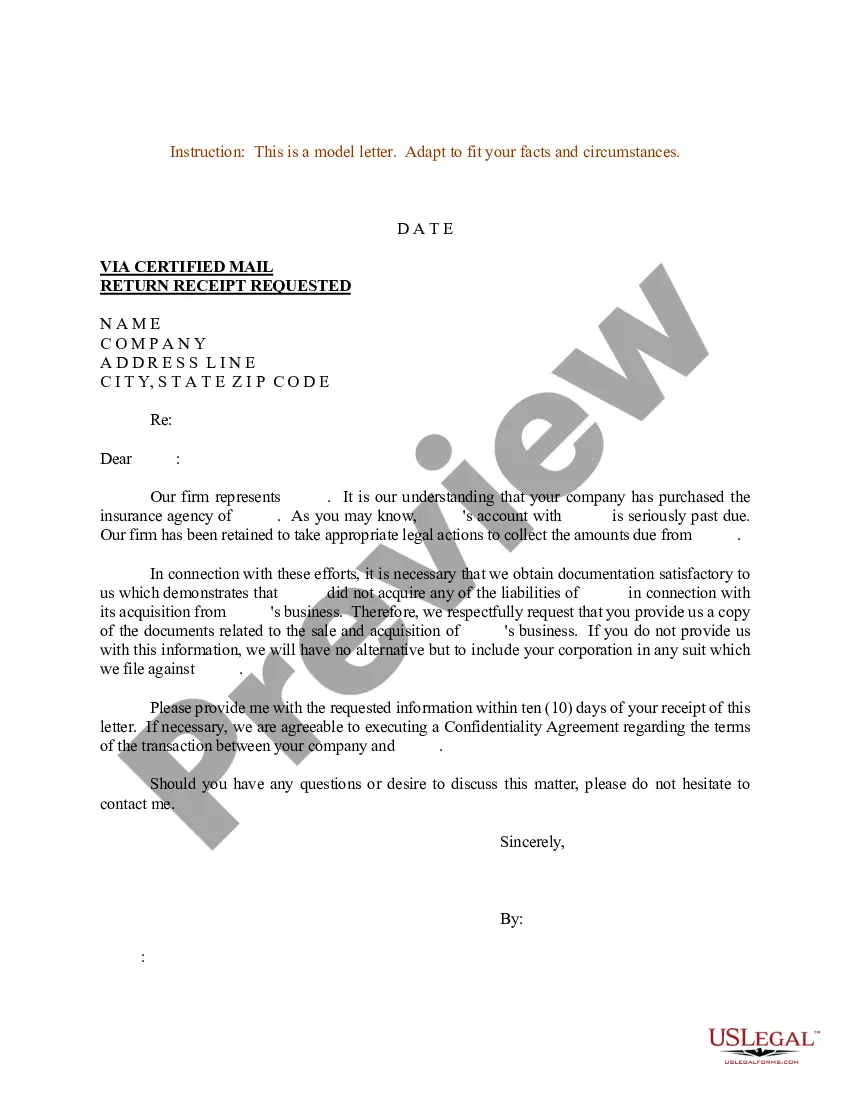
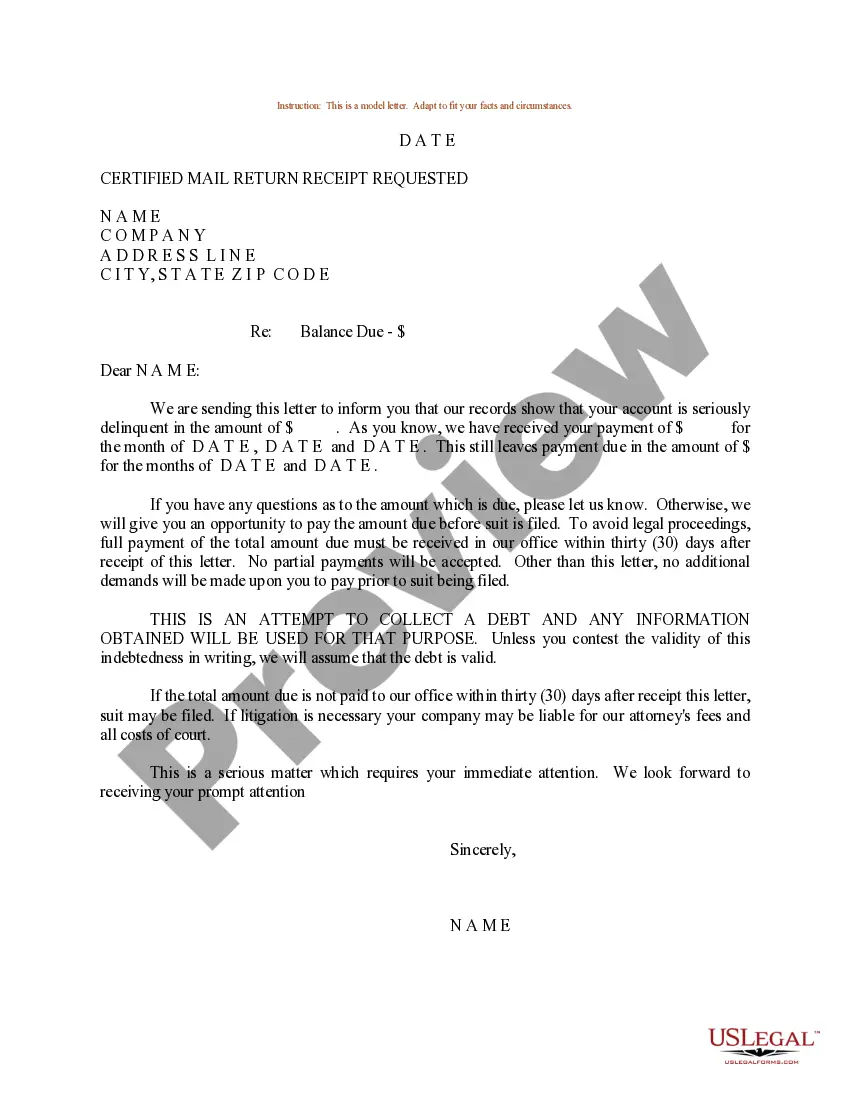
Bring Account Current Format
Description
Get your form ready online
Our built-in tools help you complete, sign, share, and store your documents in one place.
Make edits, fill in missing information, and update formatting in US Legal Forms—just like you would in MS Word.
Download a copy, print it, send it by email, or mail it via USPS—whatever works best for your next step.
Sign and collect signatures with our SignNow integration. Send to multiple recipients, set reminders, and more. Go Premium to unlock E-Sign.
If this form requires notarization, complete it online through a secure video call—no need to meet a notary in person or wait for an appointment.
We protect your documents and personal data by following strict security and privacy standards.
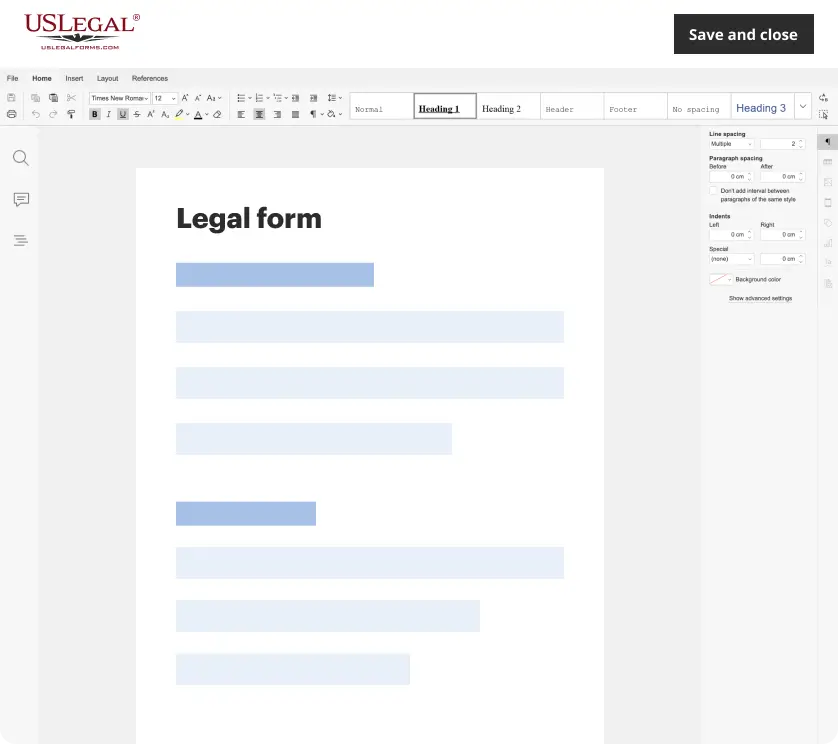
Make edits, fill in missing information, and update formatting in US Legal Forms—just like you would in MS Word.
Download a copy, print it, send it by email, or mail it via USPS—whatever works best for your next step.
Sign and collect signatures with our SignNow integration. Send to multiple recipients, set reminders, and more. Go Premium to unlock E-Sign.

If this form requires notarization, complete it online through a secure video call—no need to meet a notary in person or wait for an appointment.
We protect your documents and personal data by following strict security and privacy standards.
Looking for another form?
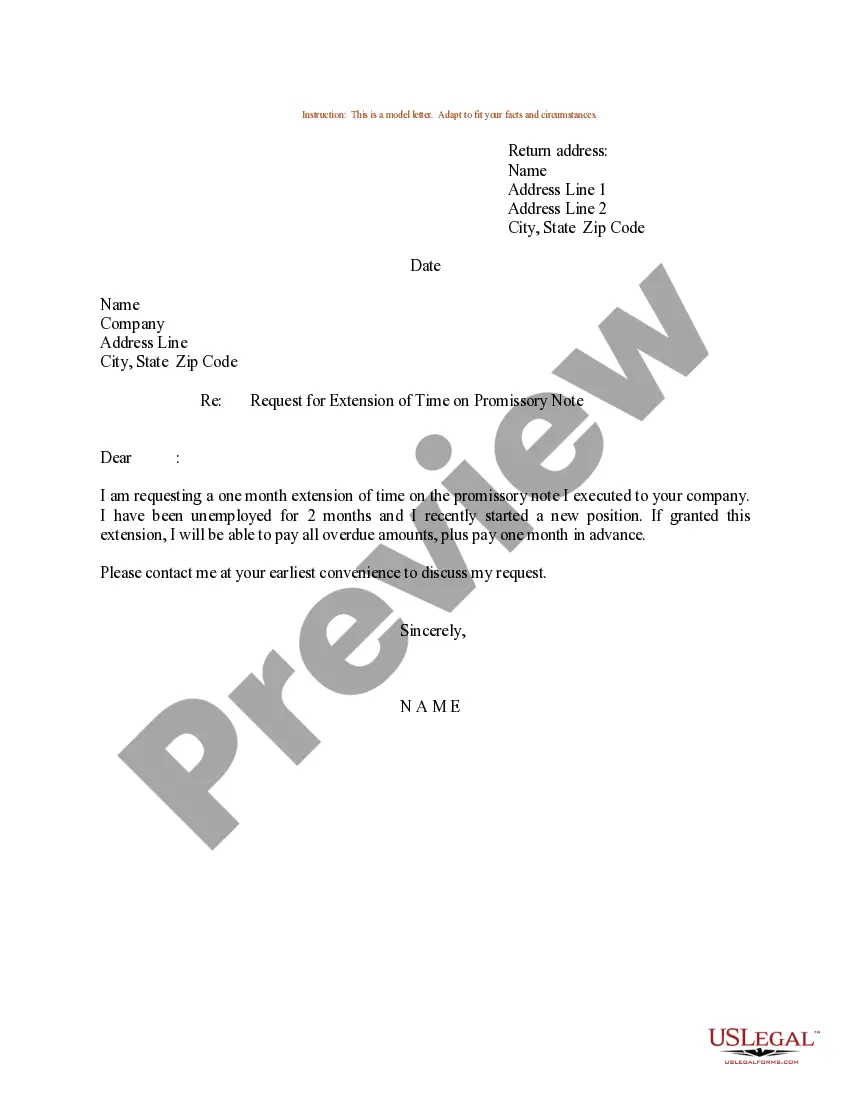
How to fill out Sample Letter For Bringing Account Current?
Whether for commercial reasons or for personal matters, everyone must deal with legal circumstances at some stage in their life.
Filling out legal documents demands meticulous consideration, starting with choosing the correct template sample.
Select your payment method: you can use a credit card or PayPal account. Choose the document format you desire and download the Bring Account Current Format. After it is downloaded, you can fill out the form using editing software or print it and complete it manually. With an extensive US Legal Forms catalog available, you do not need to waste time searching for the correct template online. Leverage the library’s user-friendly navigation to find the right template for any circumstance.
- For example, if you choose an incorrect version of the Bring Account Current Format, it will be rejected when you submit it.
- Thus, it is crucial to find a reliable source of legal documents such as US Legal Forms.
- If you need to acquire a Bring Account Current Format sample, follow these simple steps.
- Locate the template you need by using the search bar or catalog navigation.
- Review the form’s details to ensure it aligns with your situation, state, and locality.
- Click on the form’s preview to view it.
- If it is the incorrect form, return to the search feature to find the Bring Account Current Format sample you require.
- Obtain the template once it suits your needs.
- If you already have a US Legal Forms account, just click Log in to access your previously saved templates in My documents.
- If you do not have an account yet, you can acquire the form by clicking Buy now.
- Choose the suitable pricing option.
- Complete the profile registration form.
Form popularity
FAQ
To bring account current means to update your financial records to reflect any outstanding payments or balances. This process often involves paying off overdue amounts or reconciling discrepancies in your account. By following the bring account current format, you ensure that your account is in good standing and that all transactions are accurately recorded. This practice is essential for managing your finances effectively and avoiding potential penalties.
When we refer to an account being current, we mean that all payments have been made on time and there are no overdue amounts. A current account reflects a positive financial behavior and maintains your creditworthiness. If you're unsure how to maintain this status, consider using the bring account current format for clear guidelines. With the right tools, such as those provided by uslegalforms, you can easily navigate these processes.
Bringing an account to current signifies addressing any past due amounts and restoring payment accuracy. This action reinvigorates the standing of the account, allowing you to access services without concern. Following the bring account current format helps you document your payments effectively. Furthermore, it promotes financial stability and peace of mind.
Bringing your account current means settling any overdue payments to restore your account status to good standing. It involves making payments that cover all outstanding dues. Completing this action helps prevent service interruptions or negative impacts on credit reports. You can easily find guidance on how to utilize the bring account current format to ensure clarity in your transactions.
A simple account has three parts. First, the account title or account name. Second, the left side column for the debit side and third is the right side of the column for the credit side. The most common way to format or display the accounts is through T-accounts.
?Bring the account current? means to make a payment into your account to pay any overdrawn amount.
A current account is a bank account where you can store and withdraw money. Most banks offer a range of current accounts that have different features, so you can find an account that best suits your needs.
Account Current Statements in Insurance Operations For example, the insurance agency receives commissions and fees earned on the sale of an insurance policy. After that, the net premiums belong to general agents or insurance companies, depending on the agency's structure.
Insuranceopedia Explains Account Current As a reminder of their performance for a specific period of time, an insurance agent is given a statement called the account current. This statement details the monetary transactions that they have in their name.