Claimable
Description
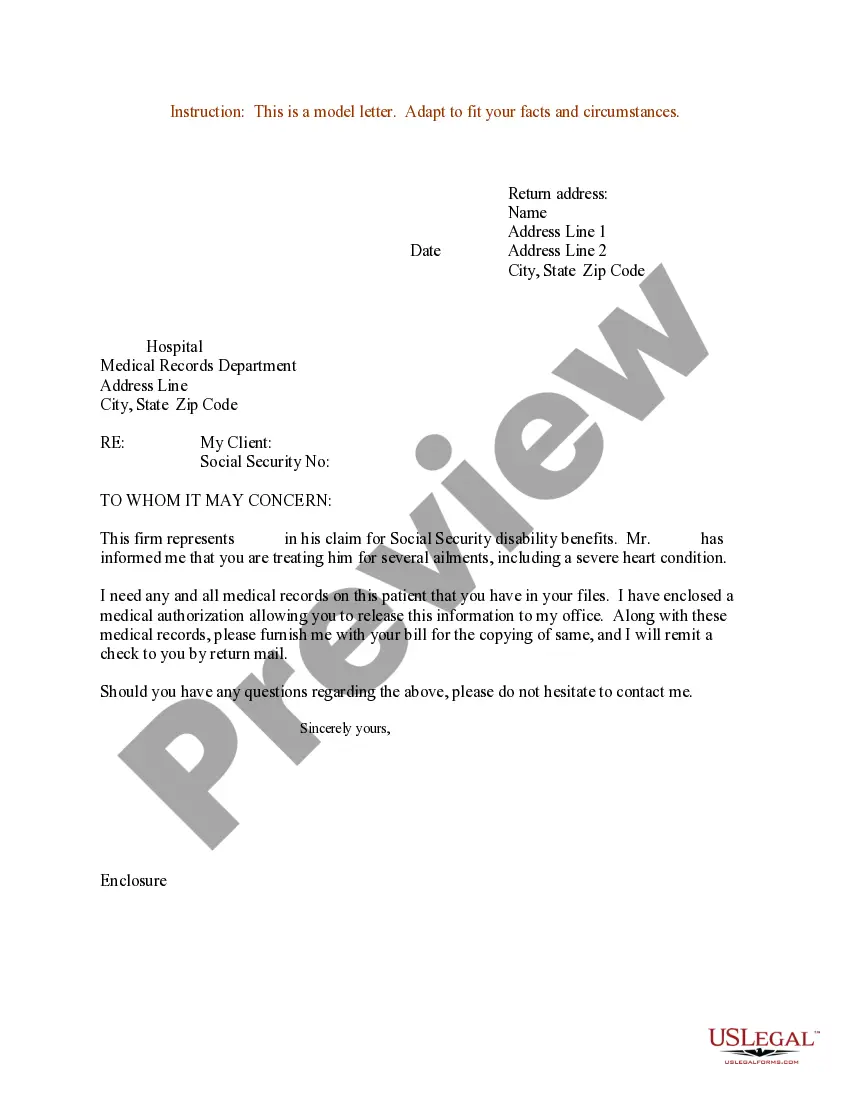
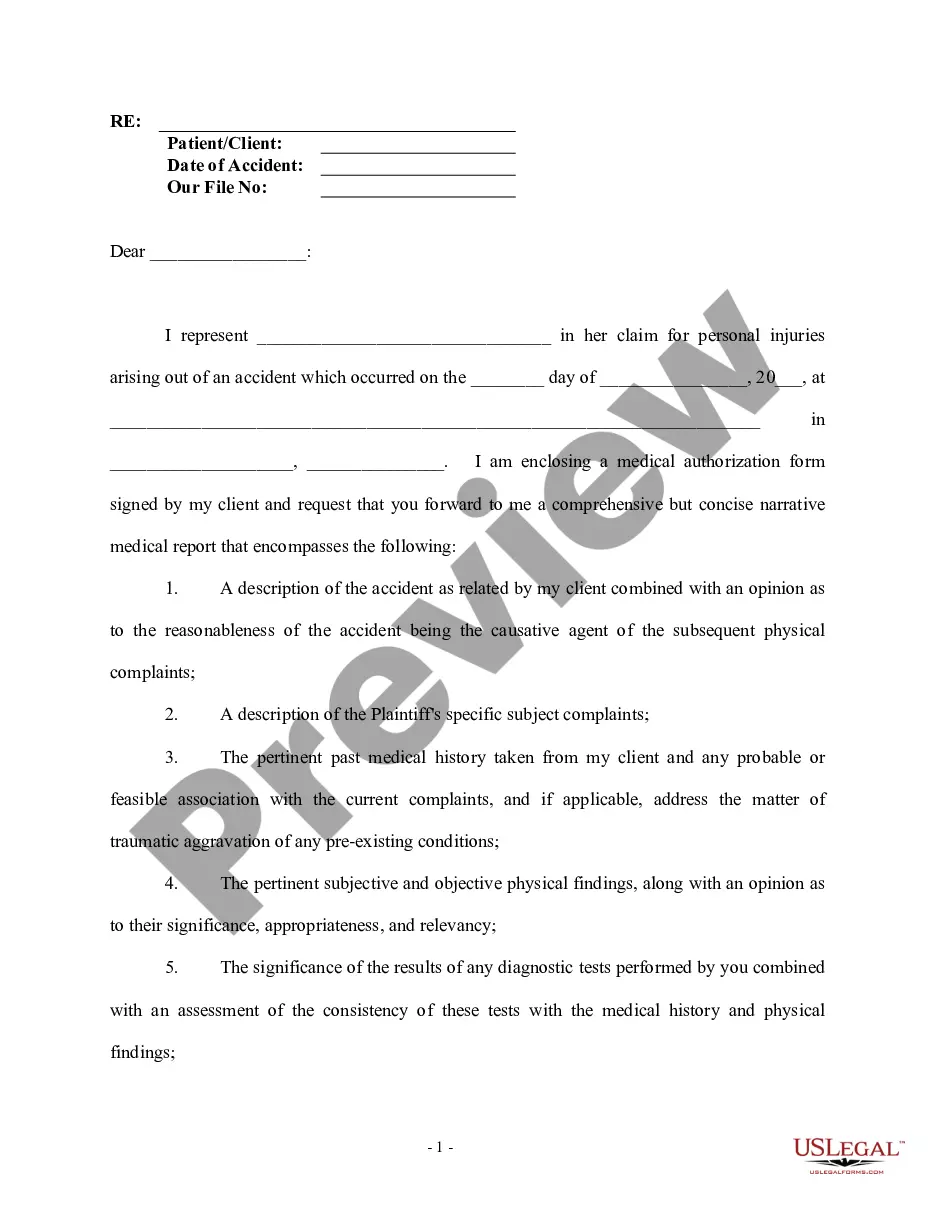
Get your form ready online
Our built-in tools help you complete, sign, share, and store your documents in one place.
Make edits, fill in missing information, and update formatting in US Legal Forms—just like you would in MS Word.
Download a copy, print it, send it by email, or mail it via USPS—whatever works best for your next step.
Sign and collect signatures with our SignNow integration. Send to multiple recipients, set reminders, and more. Go Premium to unlock E-Sign.
If this form requires notarization, complete it online through a secure video call—no need to meet a notary in person or wait for an appointment.
We protect your documents and personal data by following strict security and privacy standards.

Make edits, fill in missing information, and update formatting in US Legal Forms—just like you would in MS Word.

Download a copy, print it, send it by email, or mail it via USPS—whatever works best for your next step.

Sign and collect signatures with our SignNow integration. Send to multiple recipients, set reminders, and more. Go Premium to unlock E-Sign.

If this form requires notarization, complete it online through a secure video call—no need to meet a notary in person or wait for an appointment.

We protect your documents and personal data by following strict security and privacy standards.
Looking for another form?
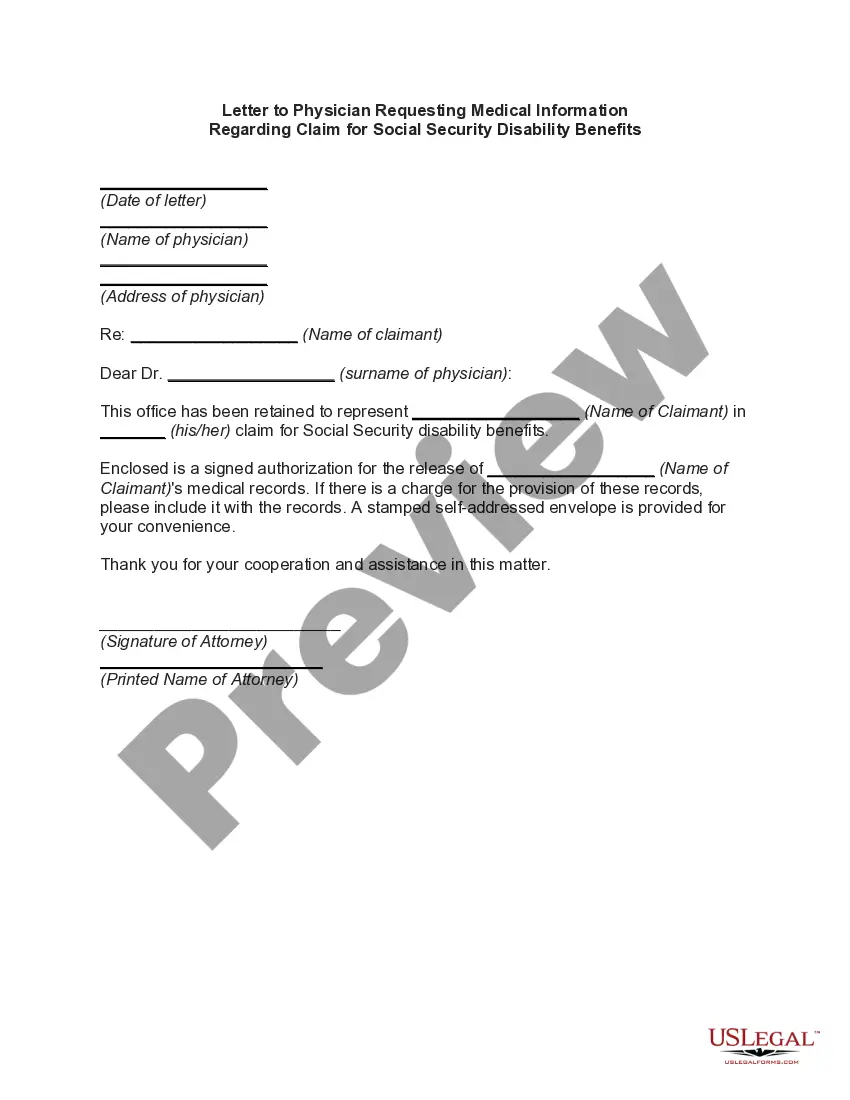
How to fill out Letter To Physician Requesting Medical Information Regarding Claim For Social Security Disability Benefits?
- If you are a returning user, log in to your account. Ensure that your subscription remains active, renewing it as necessary before proceeding.
- For first-time users, begin by exploring the Preview mode to review form descriptions to find the most suitable template that meets your local jurisdiction requirements.
- If you encounter issues with the current selection, utilize the Search tab above to locate an alternate template and verify that it meets your specifications.
- Once satisfied with your choice, click on the Buy Now button and select a subscription plan that fits your needs. You will need to create an account to access the vast library.
- Proceed to checkout by entering your payment information, which can include credit card details or your PayPal account.
- After completing your purchase, download the document to your device. You can access it anytime through the My Forms section of your profile.
In conclusion, US Legal Forms not only provides a robust collection of legal forms but also offers exceptional customer support from premium experts to ensure your documents are completed accurately.
Start taking advantage of this indispensable resource today and streamline your legal paperwork!
Form popularity
FAQ
Deciding whether to claim yourself as 1 or 0 depends on your current financial situation and future tax projections. If your income is low, claiming 1 could be a more beneficial option. However, consider your expenses and whether you’ll qualify for tax credits or deductions to determine the ideal number. Always seek to understand what is claimable to maximize your financial benefits.
To fill out your tax withholding form, you'll need to provide your personal information, filing status, and any deductions you plan to claim. Carefully consider your earnings and potential tax liabilities, as this will determine the number of allowances to claim. The more allowances you claim, the less tax will be withheld; therefore, think about your financial goals. For clearer guidance, USLegalForms has resources that can simplify this process.
Claiming 0 while being single may seem like it reduces your tax bill, but it does not guarantee you will not owe taxes. If you earn enough income throughout the year without corresponding deductions or credits, taxes may still apply. Additionally, any self-employment income can also trigger tax liabilities even with 0 withholding. Staying informed on what is claimable can help you navigate these often confusing tax situations.
Filling out a tax exemption typically involves submitting a form to your employer that indicates your exemption status. Be sure to provide accurate information about your finances and expected taxable income for the year. A tax exemption reduces the amount of income subject to taxation, making it a valuable option if you qualify. Utilize resources like USLegalForms to find straightforward forms and instructions to make this process easier.
When deciding whether to claim 1 or 0 for yourself, consider your financial situation and tax liability. Claiming 1 generally reduces the amount of taxes withheld, allowing you to receive more in your paycheck. On the other hand, claiming 0 means more taxes come out, which could lead to a refund. Ultimately, what you choose is claimable based on your individual circumstances.
Claiming dependents involves specific IRS rules you need to follow. Generally, dependents must be related to you and meet certain age, residency, and support criteria. Ensuring compliance can maximize your tax benefits significantly. For a clearer understanding of these rules and assistance in filing, consider using USLegalForms to navigate the complexities of claiming dependents.
The amount you can claim without receipts typically depends on the type of deduction you are taking. For instance, the IRS allows certain standard deduction amounts without needing receipts for everyday expenses. However, keeping records is always good practice, as it can protect you during an audit. You can rely on USLegalForms to help you understand these limits and how to maximize your claims.
Whether you need to file taxes on $5,000 depends on your filing status, age, and type of income. Generally, if your income exceeds the standard deduction amount for your filing status, you must file a return. However, even at lower income levels, filing could result in refunds from withheld taxes. If you have questions about your specific situation, USLegalForms can assist you.
Traditionally, you would claim yourself on your tax return unless someone else claims you as a dependent. This is important for determining your eligibility for various tax credits. Always check your dependency status to avoid any complications. Utilizing resources like USLegalForms can provide valuable insights and guidance for your filing.
Yes, you can claim 1 on your taxes for yourself as long as you are not being claimed as a dependent by someone else. This designation affects your withholding and potential refund. It’s advantageous to review your situation annually to ensure you’re optimizing your tax benefits. Platforms like USLegalForms are available to help clarify these options.