Wife Inheritance In Africa
Description

Get your form ready online
Our built-in tools help you complete, sign, share, and store your documents in one place.
Make edits, fill in missing information, and update formatting in US Legal Forms—just like you would in MS Word.
Download a copy, print it, send it by email, or mail it via USPS—whatever works best for your next step.
Sign and collect signatures with our SignNow integration. Send to multiple recipients, set reminders, and more. Go Premium to unlock E-Sign.
If this form requires notarization, complete it online through a secure video call—no need to meet a notary in person or wait for an appointment.
We protect your documents and personal data by following strict security and privacy standards.

Make edits, fill in missing information, and update formatting in US Legal Forms—just like you would in MS Word.

Download a copy, print it, send it by email, or mail it via USPS—whatever works best for your next step.

Sign and collect signatures with our SignNow integration. Send to multiple recipients, set reminders, and more. Go Premium to unlock E-Sign.

If this form requires notarization, complete it online through a secure video call—no need to meet a notary in person or wait for an appointment.

We protect your documents and personal data by following strict security and privacy standards.
Looking for another form?

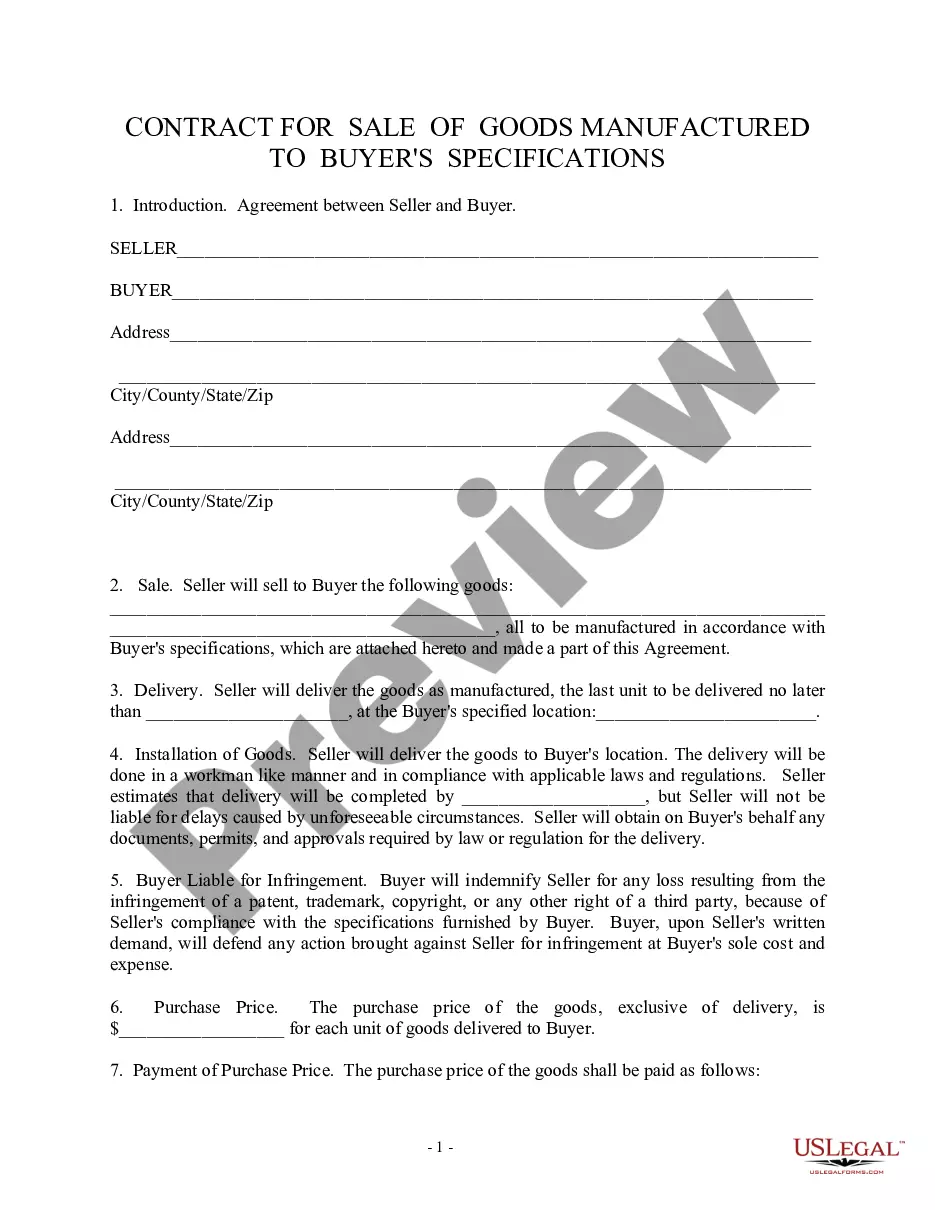
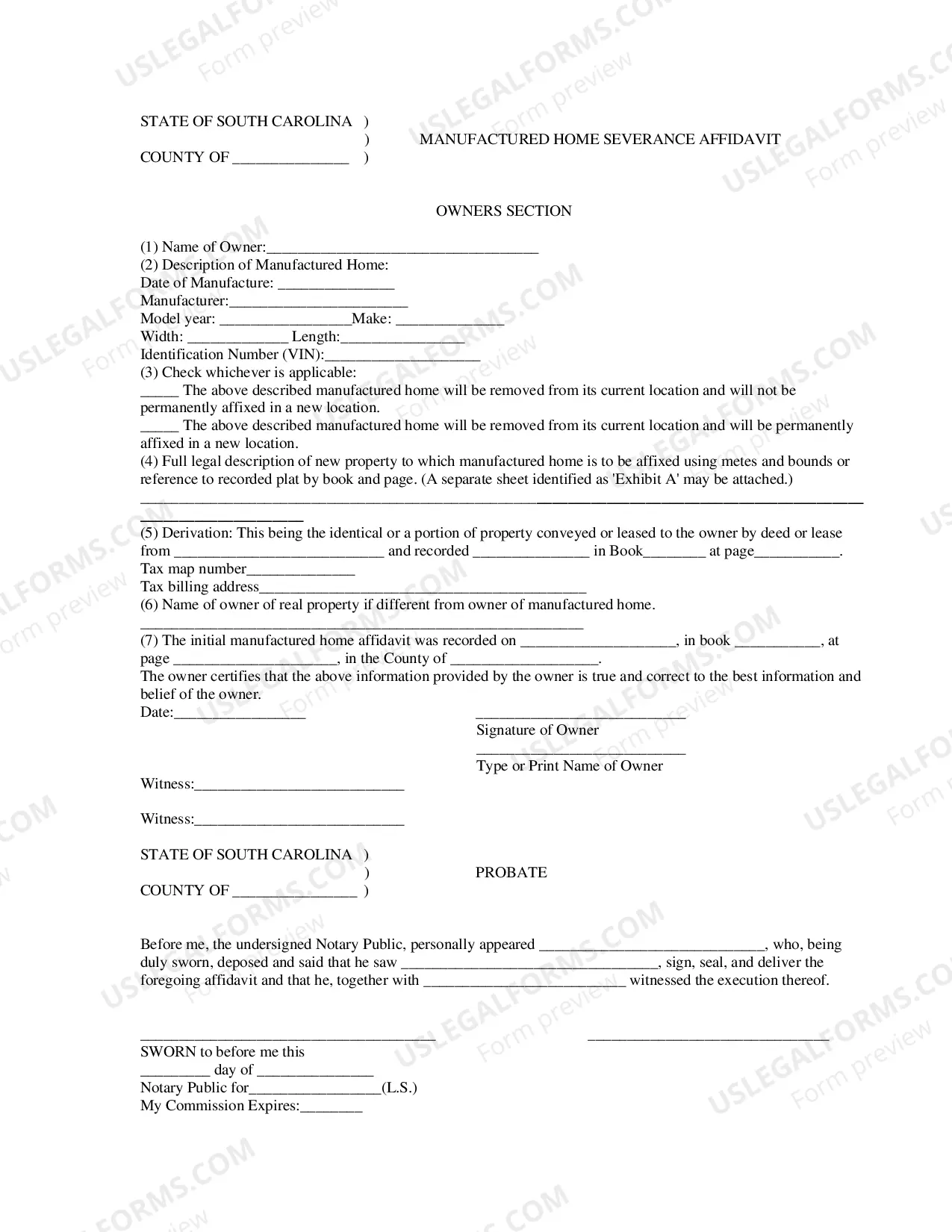

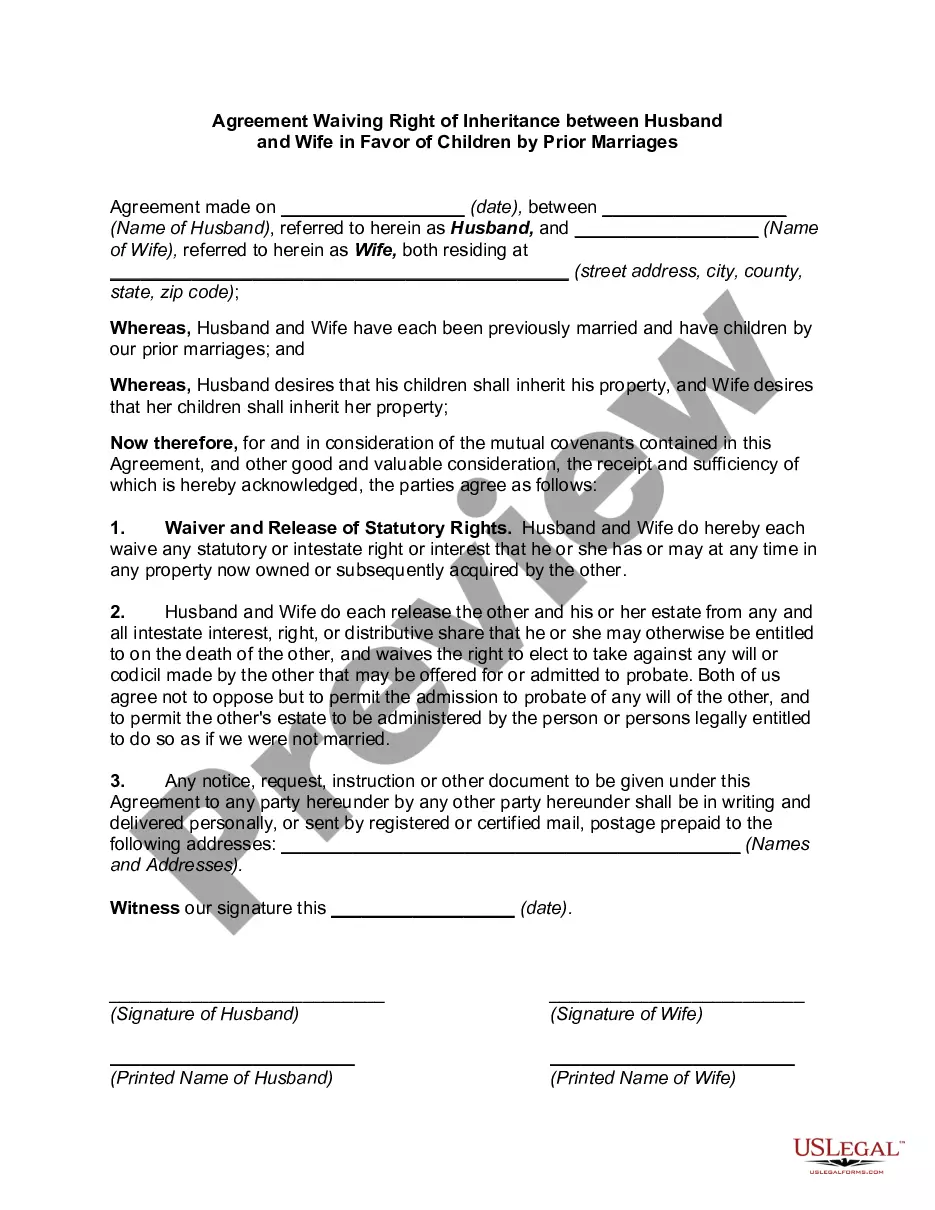
How to fill out Agreement Waiving Right Of Inheritance Between Husband And Wife In Favor Of Children By Prior Marriages?
Utilizing legal documents that adhere to federal and local regulations is crucial, and the web provides numerous choices to choose from.
However, what’s the use of spending time seeking the right Wife Inheritance In Africa template online when the US Legal Forms digital library already consolidates such documents in one location.
US Legal Forms is the largest online legal repository with over 85,000 fillable forms created by attorneys for various professional and personal scenarios.
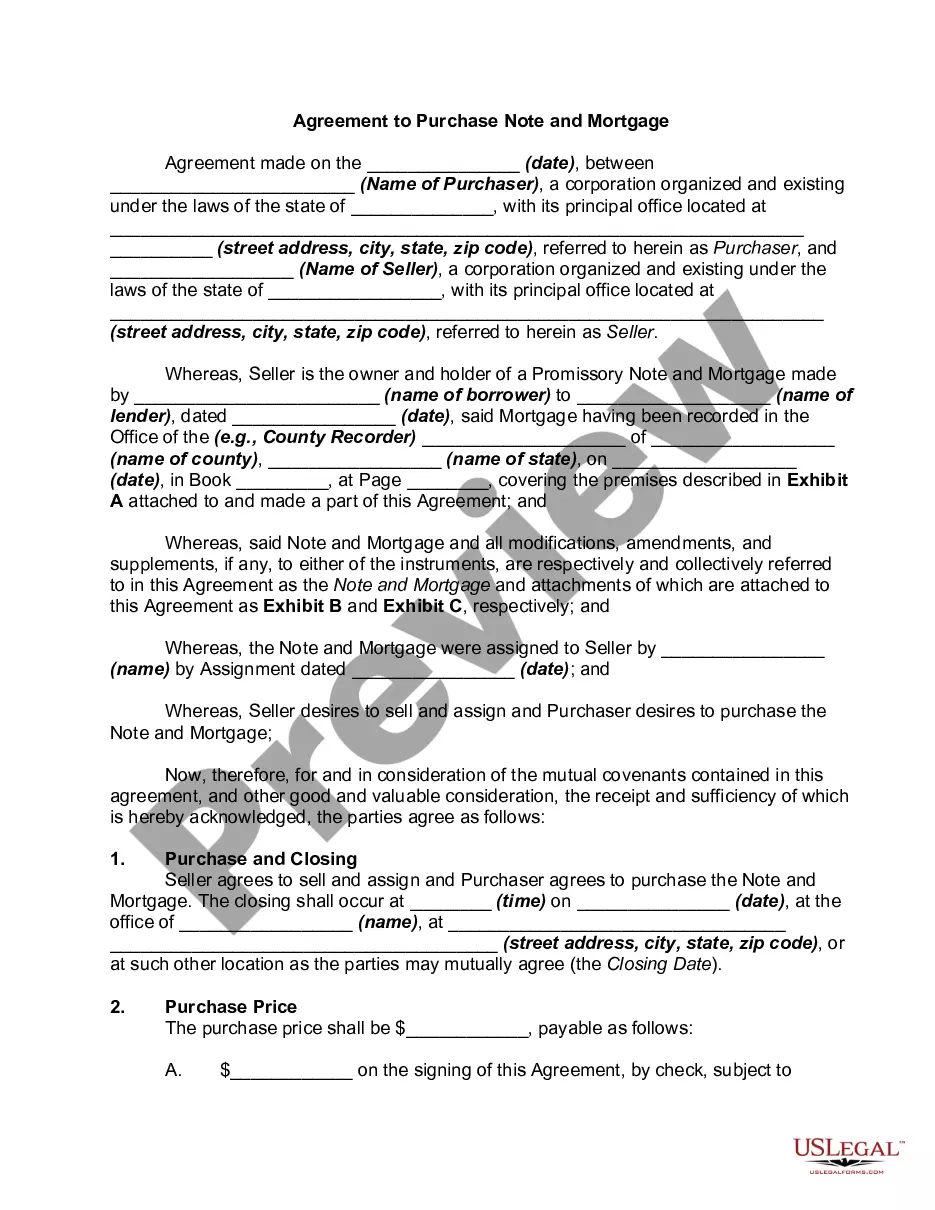
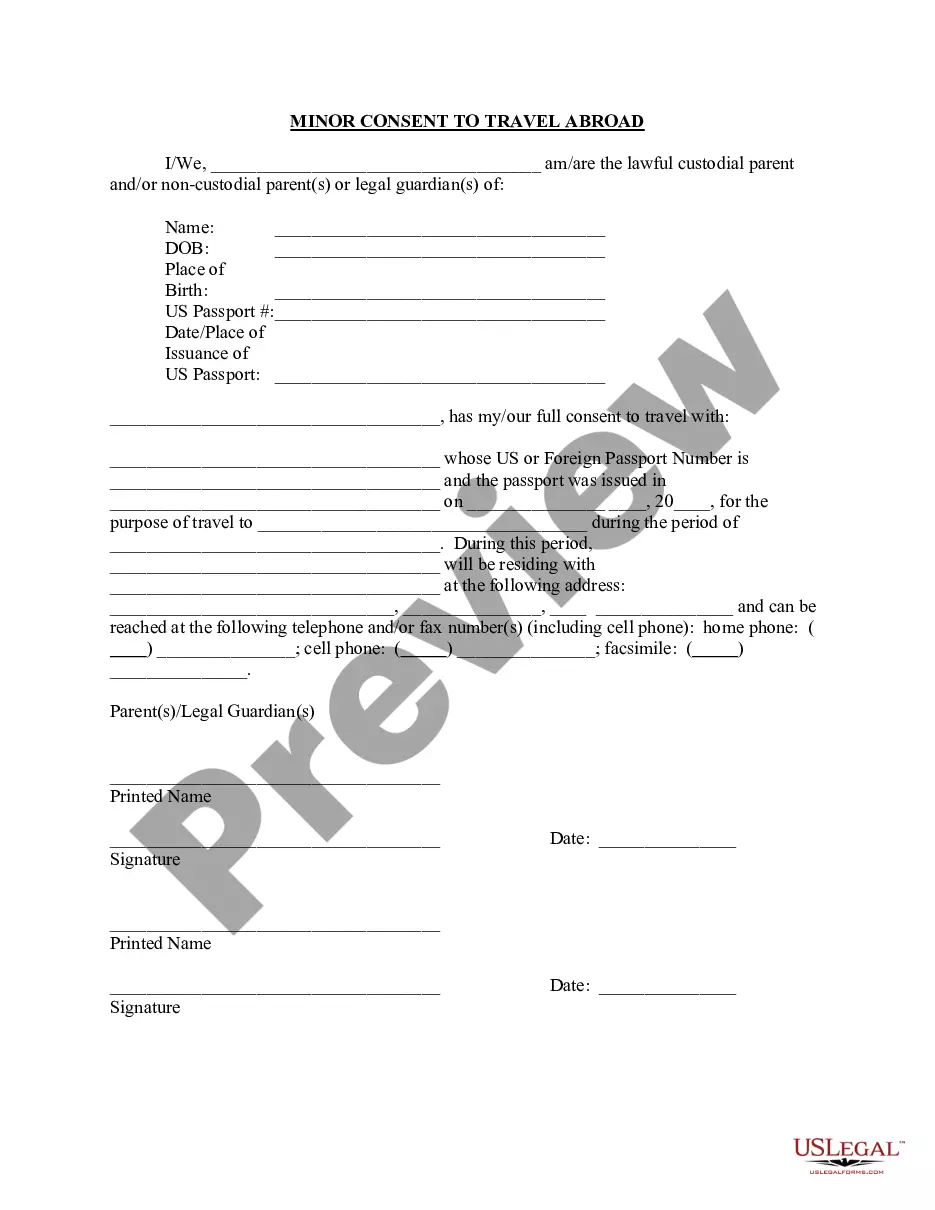
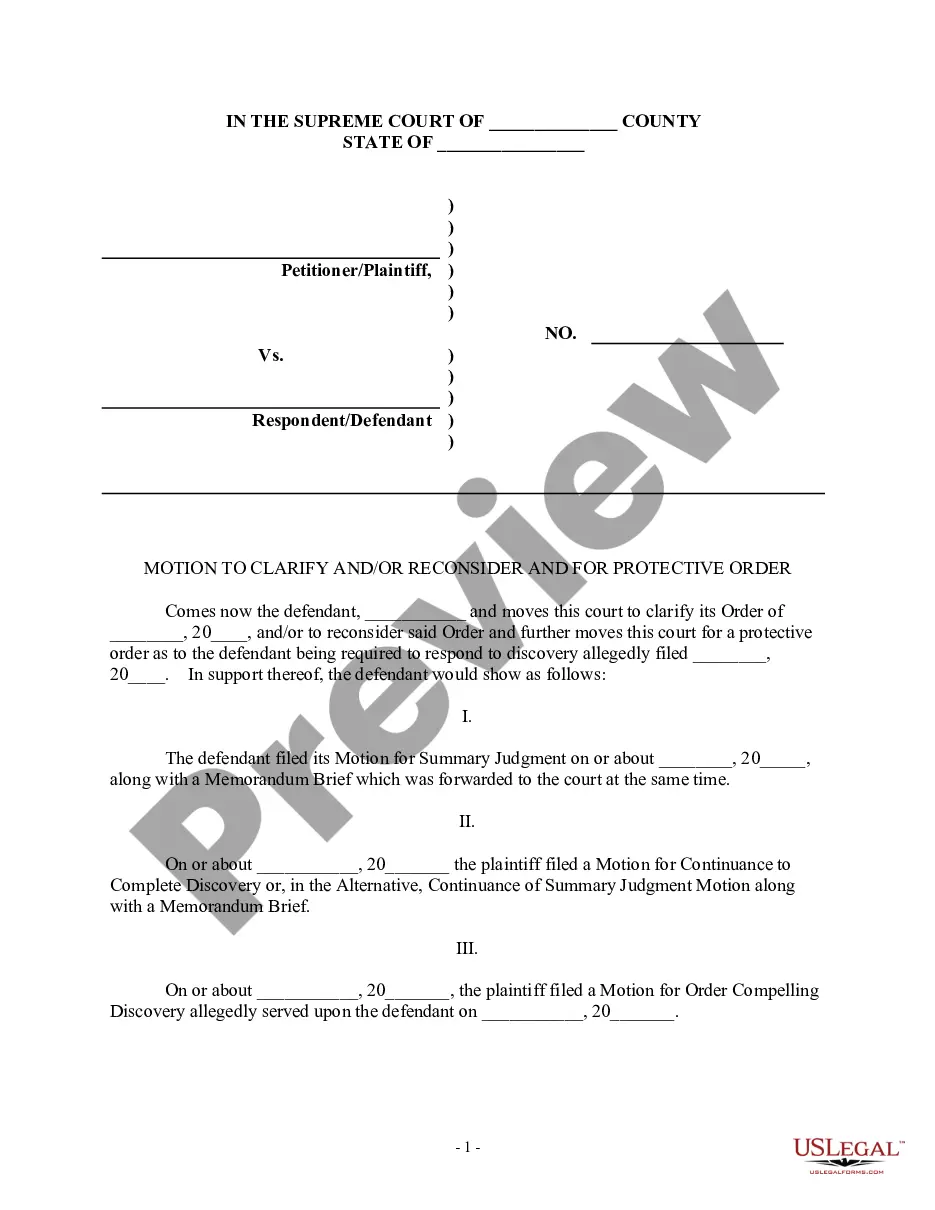
Review the template utilizing the Preview function or via the text description to ensure it fulfills your requirements.
- They are simple to navigate with all documents categorized by state and intended purpose.
- Our specialists keep up with legislative changes, ensuring your form is current and adherent when acquiring a Wife Inheritance In Africa from our site.
- Acquiring a Wife Inheritance In Africa is quick and easy for both existing and new clients.
- If you have an account with an active subscription, Log In and download the necessary document in the desired format.
- If you are a newcomer to our platform, adhere to the steps outlined below.
Form popularity
FAQ
Whether you must split your inheritance with your wife largely hinges on legal definitions of property in your jurisdiction. In certain places, inheritances are regarded as separate property, while others might treat them as marital assets. It's essential to seek clarity on the laws of wife inheritance in Africa to protect your rights effectively. Consulting legal experts can aid in creating a strategy that aligns with your wishes.
The share of a wife in an inheritance can vary greatly depending on the laws governing inheritance in your locality. In many cases, these laws outline specific proportions based on the estate's value and the type of property. It's critical to understand local regulations regarding wife inheritance in Africa as they can significantly influence how inheritances are shared. Knowing your rights can empower your decisions.
Typically, your wife is not entitled to your father's inheritance unless it has been passed to you as joint property. Inheritance law often protects your separate property, meaning your wife may not have a legal claim to it. However, the specifics can vary based on local laws. To navigate such situations effectively, it’s wise to consult with experts in wife inheritance in Africa.
Your wife may have the right to claim part of your inheritance, especially if you live in a community property state or if the inheritance is not explicitly defined as separate property. It's important to document and manage your inheritance carefully. If you have concerns, creating legal agreements or trusts may be advisable. Understand how wife inheritance in Africa affects your estate to make the right decisions.
The rights of a wife in inheritance can differ greatly based on regional laws and cultural practices. Generally, wives may have rights to inherit from their husband’s estate, depending on how the property is categorized. In Africa, these rights can be complex and may vary across different cultures and legal systems. Gaining clarity on wife inheritance in Africa can prepare you for any inheritance-related discussions.
Whether your wife gets half of your inheritance depends on local laws and how your inheritance is classified. In many jurisdictions, if an inheritance is deemed separate property, it may remain solely yours. However, if it is commingled with marital assets, your wife may have a claim. Always review the specific rules regarding wife inheritance in Africa to protect your interests.
In most cases, your wife may have claim to your inheritance, especially if you do not have a legal agreement in place. Inheritances can be considered marital property in some regions, depending on the laws of your state or country. It's crucial to seek legal advice to understand how wife inheritance in Africa applies to your specific situation. Thus, it's beneficial to safeguard your inheritance legally.
To protect your inheritance from your wife, you can consider creating a prenuptial agreement or a postnuptial agreement. These legal documents outline how inheritance will be treated in case of divorce or separation. Furthermore, keep your inheritance separate from joint assets to avoid any claims during asset division. Understanding wife inheritance in Africa can also guide you in making informed decisions.
The family structure in African culture often comprises extended families that include not just immediate relatives but also cousins and other kin. This system fosters a sense of community and shared responsibility, where each member plays a crucial role. Wife inheritance in Africa is a notable aspect of this structure, as it reinforces connections and stability following the loss of a family member. Understanding these dynamics is essential for those seeking to engage with or support families in diverse African contexts.
The culture of inheritance in Africa reflects deep-rooted traditions that prioritize familial bonds and the continuity of family legacies. Generally, it highlights the importance of blood relations, where inheritance often favors male heirs, while recognizing the valuable role of women, particularly through wife inheritance in Africa. These customs are shaped by social, economic, and historical factors, and they can vary widely across different regions. Engaging with these practices allows families to navigate contemporary challenges while respecting their heritage.