Testamentary Trust For Pets
Description

Get your form ready online
Our built-in tools help you complete, sign, share, and store your documents in one place.
Make edits, fill in missing information, and update formatting in US Legal Forms—just like you would in MS Word.
Download a copy, print it, send it by email, or mail it via USPS—whatever works best for your next step.
Sign and collect signatures with our SignNow integration. Send to multiple recipients, set reminders, and more. Go Premium to unlock E-Sign.
If this form requires notarization, complete it online through a secure video call—no need to meet a notary in person or wait for an appointment.
We protect your documents and personal data by following strict security and privacy standards.

Make edits, fill in missing information, and update formatting in US Legal Forms—just like you would in MS Word.

Download a copy, print it, send it by email, or mail it via USPS—whatever works best for your next step.

Sign and collect signatures with our SignNow integration. Send to multiple recipients, set reminders, and more. Go Premium to unlock E-Sign.

If this form requires notarization, complete it online through a secure video call—no need to meet a notary in person or wait for an appointment.

We protect your documents and personal data by following strict security and privacy standards.
Looking for another form?
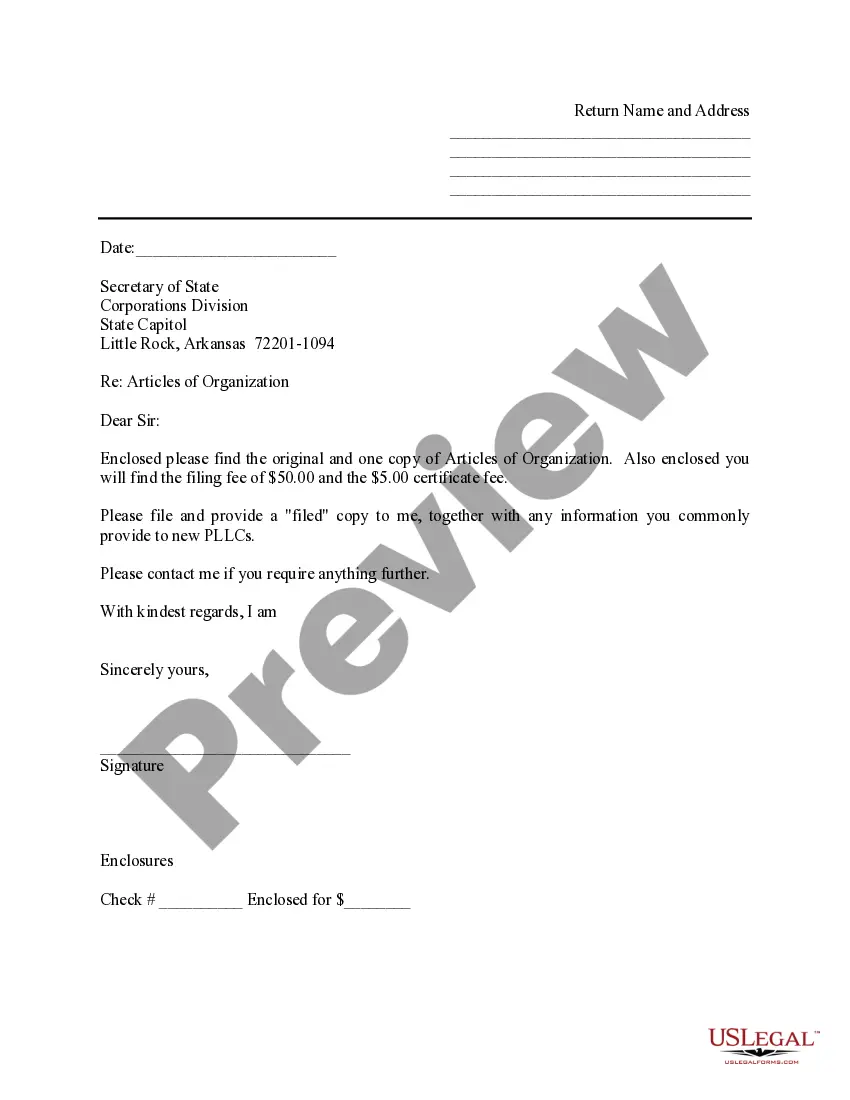


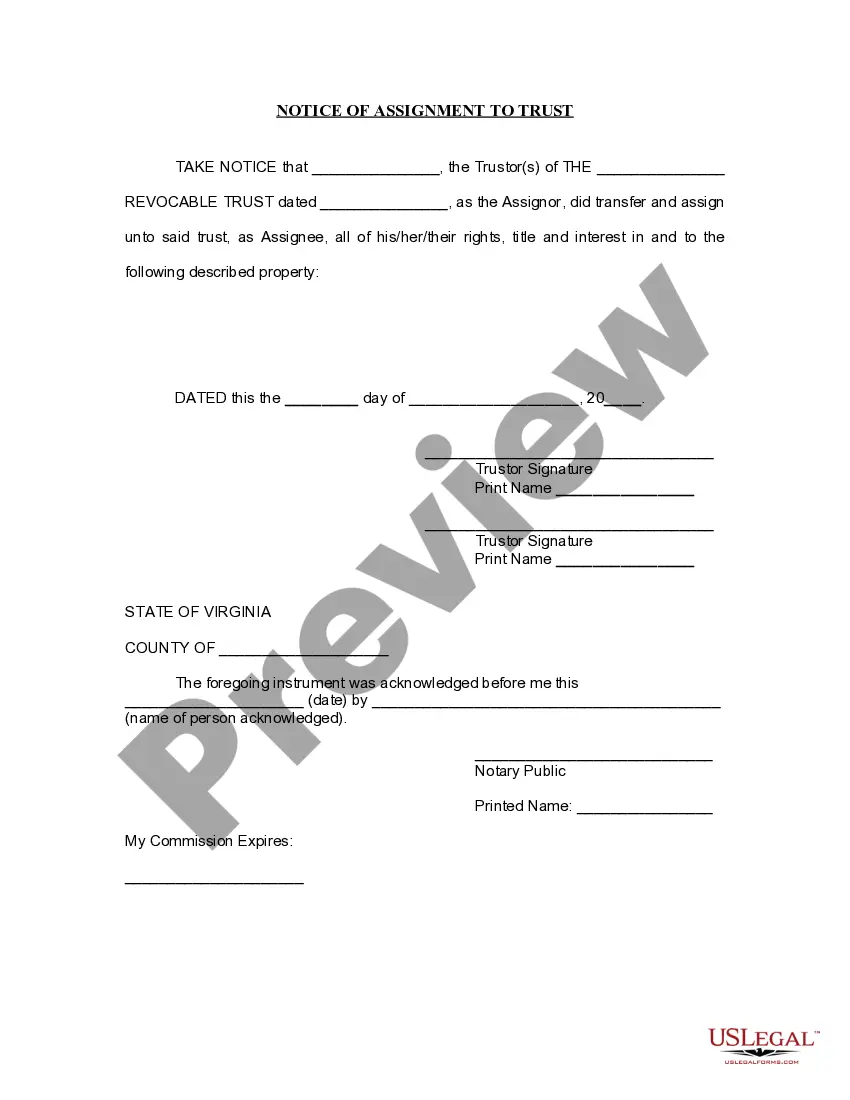
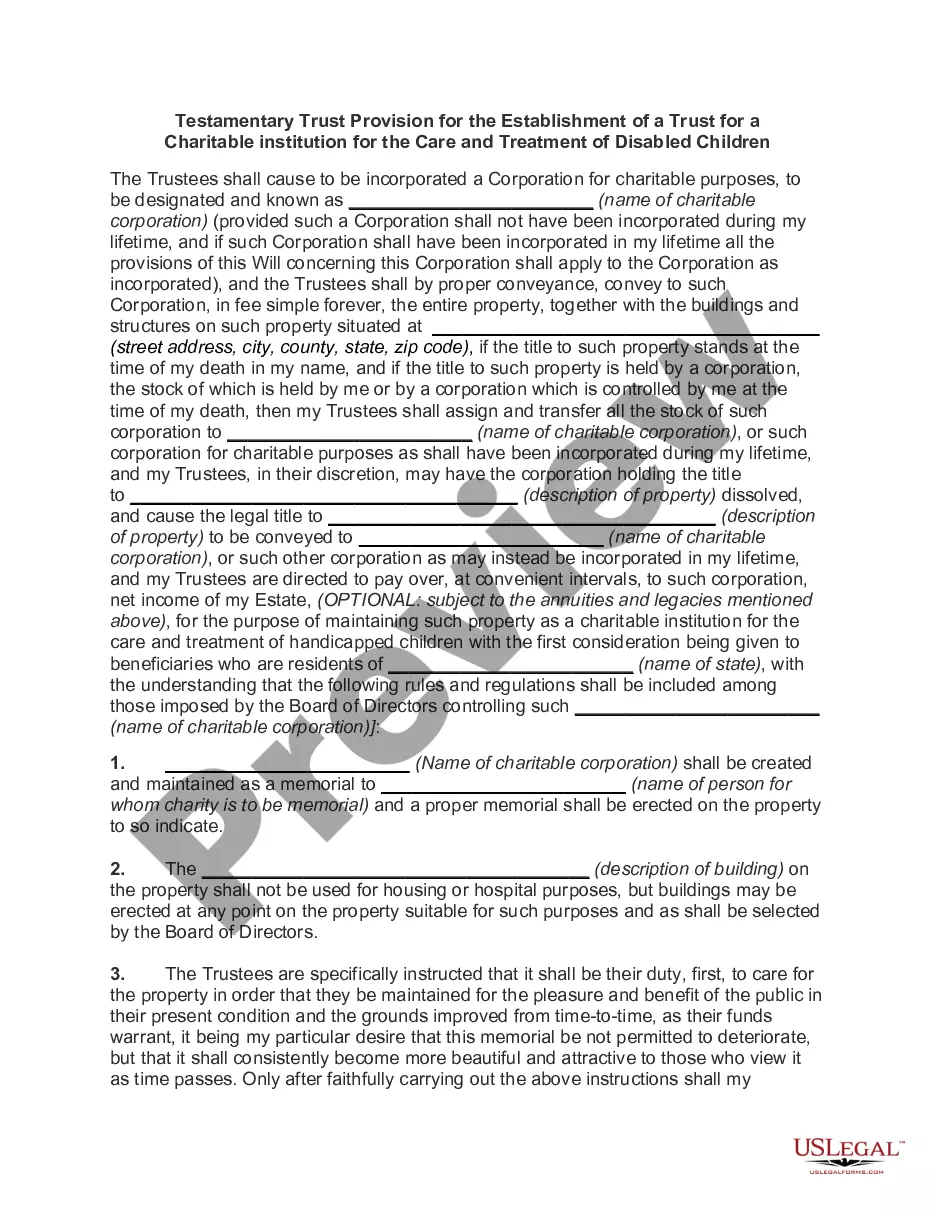
How to fill out Testamentary Trust Provision For The Establishment Of A Trust For A Charitable Institution For The Care And Treatment Of Disabled Children?
- If you’re a returning user, log in and access your account to download the required form template by clicking the Download button. Verify that your subscription is active; renew if necessary.
- For first-time users, begin by browsing the Preview mode to review the form descriptions. Confirm that you have selected the right document that aligns with your local jurisdiction.
- If the initial template does not meet your requirements, utilize the Search tab to find an alternative. Proceed once you find the correct form.
- Purchase the chosen document by clicking the Buy Now button and selecting your preferred subscription plan. You must create an account to access the full library.
- Finalize your purchase by entering your payment information, either via credit card or PayPal.
- Download the completed form to your device. You can access it in the My Forms section of your profile whenever needed.
US Legal Forms empowers individuals and attorneys to quickly execute legal documents with a comprehensive library of forms that exceed competitors' offerings. With over 85,000 fillable and editable templates, accessing legal aid has never been easier.
Don't wait to secure your pet's future; start the process today with US Legal Forms!
Form popularity
FAQ
Creating a testamentary trust for pets involves drafting a will that specifies the trust's terms and your intentions for your pet’s care. You need to name a trustee who will manage the trust according to your wishes. Using services from US Legal Forms can facilitate this creation, providing you with resources to form a comprehensive estate plan.
Yes, you can leave an inheritance to your pet through a testamentary trust for pets. While pets cannot legally own property, the trust allows you to allocate funds for their care. This ensures that your pet receives support from your estate after your passing.
To establish a testamentary trust for pets, you begin by drafting a will that clearly outlines your wishes regarding your pet's care and finances. It's important to designate a reliable trustee and specify how assets should be managed. Utilizing a platform like US Legal Forms can simplify this process, providing essential templates to help you create an effective will.
You should consider setting up a testamentary trust for pets when you have specific plans for their care and financial needs after your death. Generally, it is wise to establish this trust during estate planning to address potential uncertainties. This proactive step can safeguard your pet’s future and ensure a steady quality of life for them.
The disadvantages of a testamentary trust for pets include the possibility of costs associated with probate, which can reduce the funds available for your pet. Moreover, the trust only becomes active after your death, which may leave your pet without immediate support. Assessing these drawbacks helps ensure the best care for your pet.
A testamentary trust for pets is triggered upon the death of the person who created it. The trust becomes effective when the will is probated, and assets are allocated according to the terms specified. Essentially, this type of trust is designed to provide for your pet's needs after you are gone.
One disadvantage of a testamentary trust for pets is that it only takes effect after the grantor's death, which means your pet may not receive immediate benefits. Additionally, probate can delay access to funds, leading to potential financial stress for caregivers. It's essential to consider these factors when planning for your pet’s future.
Yes, you can set up a testamentary trust for pets to ensure they receive care after your passing. A testamentary trust for pets allows you to designate funds specifically for your pet's needs, such as food, veterinary care, and other expenses. This type of trust becomes effective after your death, allowing you to provide for your furry friend even when you are no longer there. Using USLegalForms, you can easily create a testamentary trust that meets your wishes and protects your beloved pet.
Building trust with your pet involves providing consistent care and positive interactions. Spend quality time with your pet through regular play, feeding routines, and training sessions. It’s essential to create a safe environment where your pet feels secure and loved. The stronger your bond becomes, the more effectively you will be able to communicate and train, enhancing the lifelong companionship you share.
While you cannot leave your will directly to your pet, you can establish a testamentary trust for pets in your will. This legal structure allows you to allocate funds specifically for your pet’s care after your passing. By appointing a trustee to manage these funds, you can ensure that your pet receives the support they need, such as food, shelter, and medical care, without legal complications. It's a thoughtful way to protect your furry friend’s future.