Change File Name With Javascript
Description
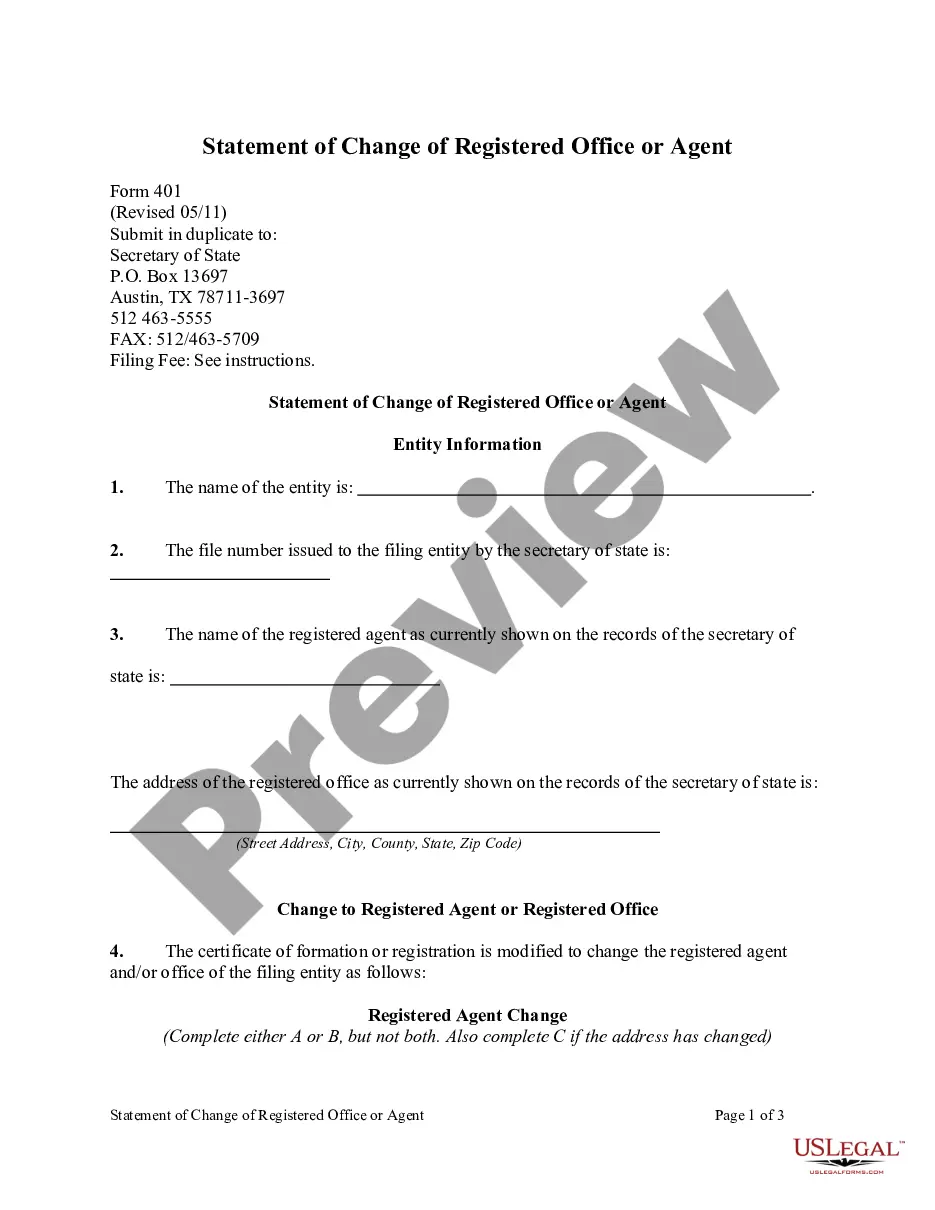
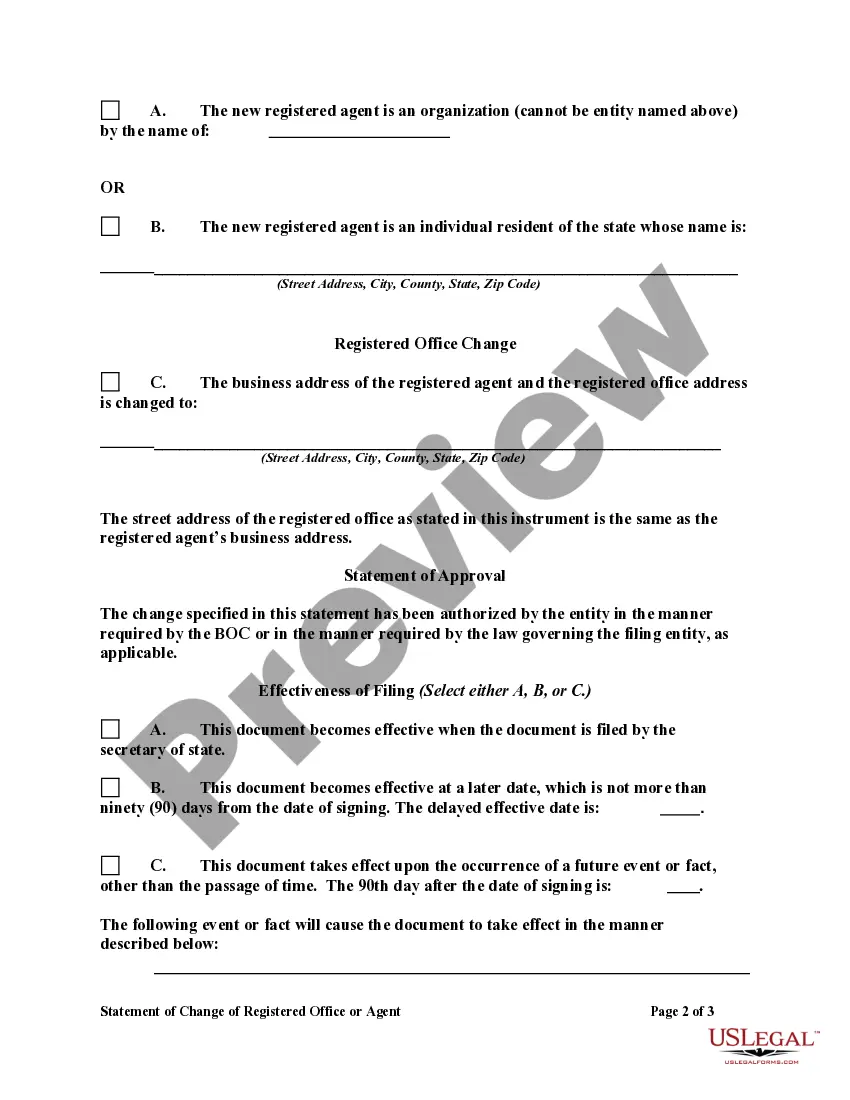

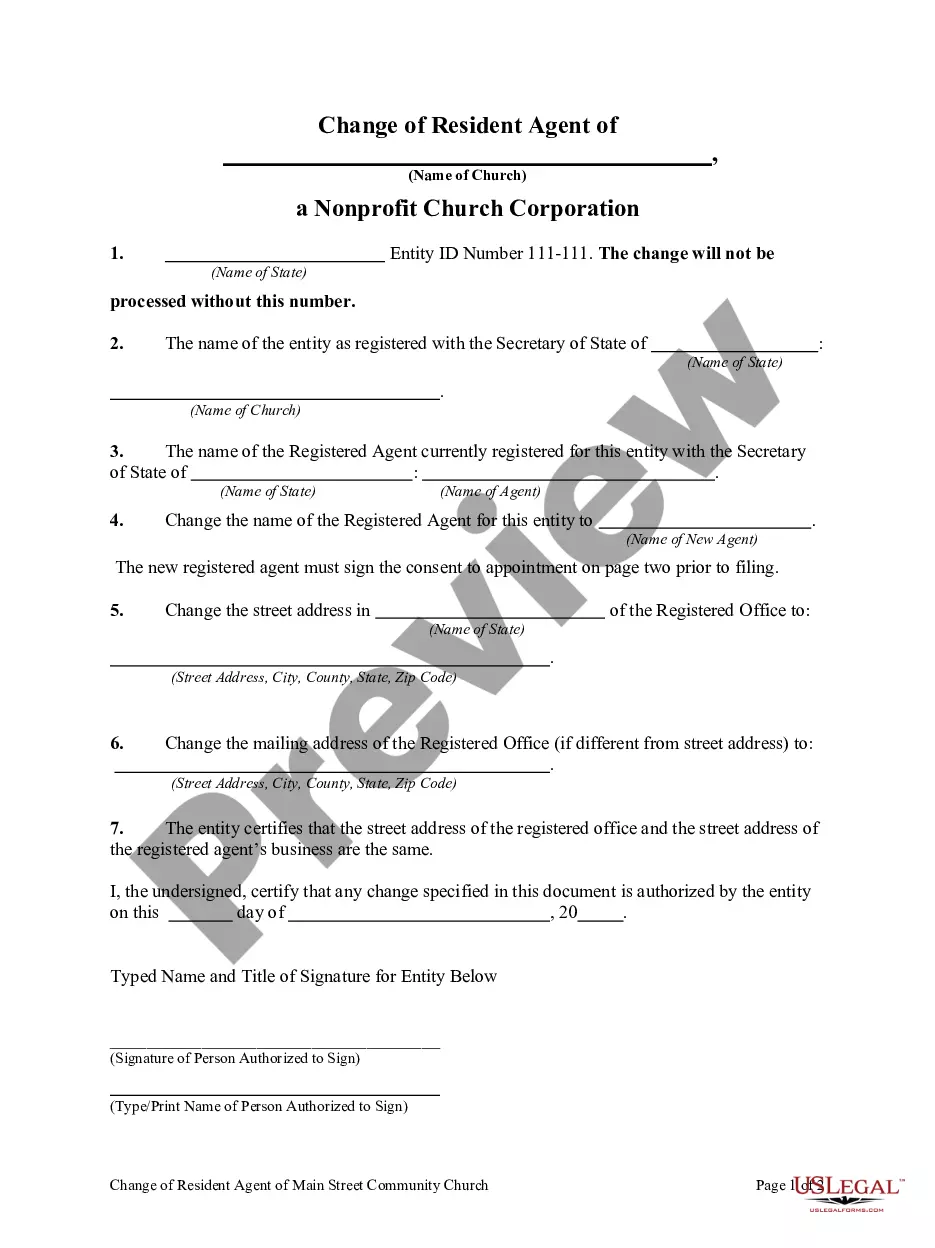
Get your form ready online
Our built-in tools help you complete, sign, share, and store your documents in one place.
Make edits, fill in missing information, and update formatting in US Legal Forms—just like you would in MS Word.
Download a copy, print it, send it by email, or mail it via USPS—whatever works best for your next step.
Sign and collect signatures with our SignNow integration. Send to multiple recipients, set reminders, and more. Go Premium to unlock E-Sign.
If this form requires notarization, complete it online through a secure video call—no need to meet a notary in person or wait for an appointment.
We protect your documents and personal data by following strict security and privacy standards.

Make edits, fill in missing information, and update formatting in US Legal Forms—just like you would in MS Word.

Download a copy, print it, send it by email, or mail it via USPS—whatever works best for your next step.

Sign and collect signatures with our SignNow integration. Send to multiple recipients, set reminders, and more. Go Premium to unlock E-Sign.

If this form requires notarization, complete it online through a secure video call—no need to meet a notary in person or wait for an appointment.

We protect your documents and personal data by following strict security and privacy standards.
Looking for another form?
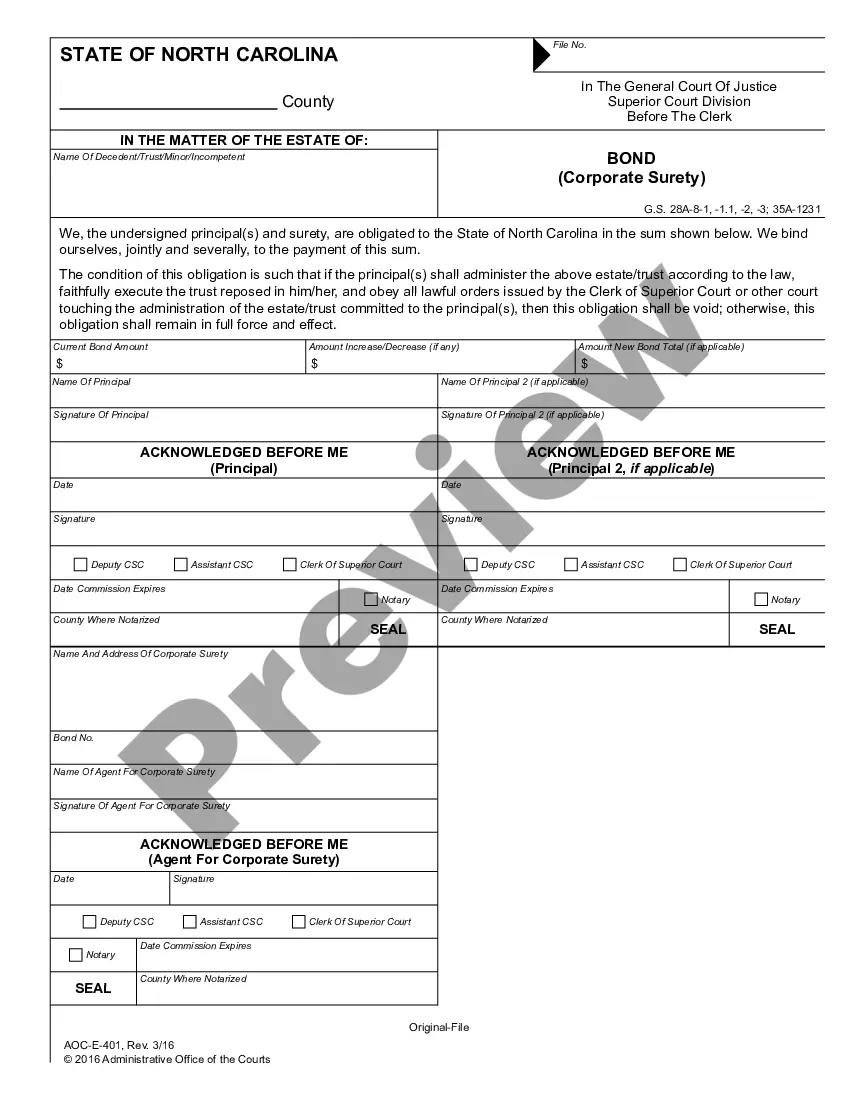

How to fill out Statement Of Change Of Registered Office Or Agent?
Legal documentation administration can be perplexing, even for the most seasoned experts.
When you are in search of a Change File Name With Javascript and lack the time to explore for the appropriate and current version, the tasks may be strenuous.
Access a valuable resource hub of articles, guides and manuals relevant to your situation and needs.
Save time and effort searching for the documents you need, and utilize US Legal Forms’ sophisticated search and Review feature to find Change File Name With Javascript and obtain it.
Ensure the template is recognized in your state or county. Choose Buy Now when you are ready. Select a monthly subscription plan. Find the format you need, and Download, fill out, sign, print, and submit your documents. Enjoy the US Legal Forms online collection, backed by 25 years of expertise and trustworthiness. Transform your daily document management into a seamless and user-friendly process today.
- If you have a monthly subscription, Log In to your US Legal Forms account, locate the form, and download it.
- Check the My documents tab to see the documents you've downloaded before and manage your files as you choose.
- If this is your first encounter with US Legal Forms, create an account and gain unlimited access to all the benefits of the library.
- Follow these steps after obtaining the form you need.
- Confirm it is the correct document by previewing it and reviewing its description.
- Access state- or county-specific legal and business documents.
- US Legal Forms accommodates any needs you might have, from personal to business documentation, all in one location.
- Utilize advanced tools to complete and administer your Change File Name With Javascript.
Form popularity
FAQ
To get a file name using JavaScript, you can utilize the File API, which provides a straightforward method for accessing file properties. When a user selects a file through an input element, you can retrieve the name property of the File object. This approach not only helps you track file names but also enhances your application's functionality. Therefore, if you aim to change file names with JavaScript, knowing how to retrieve file names is a crucial first step.
The rename() function in JavaScript allows you to change file names programmatically. This function is pivotal when you want to manage file names efficiently and dynamically. By using this function, you can simplify the process and ensure that your files are organized in a way that meets your needs. Thus, if you want to change file names with JavaScript, understanding the rename() function is essential.
Changing a file name with JavaScript requires you to manipulate the File object using the File System API. First, you would create a new file with the desired name, and then you would delete the old file. This process involves asynchronous programming, so using promises or async/await can help manage the flow. For users unfamiliar with this, platforms like US Legal Forms offer resources to simplify file management tasks.
To change file name with JavaScript, you can create a function that takes the current file name and the new desired name as parameters. Use the File System API to perform this operation safely. Remember to handle any potential errors, such as the new name already existing or permission issues. This way, you can ensure a smooth renaming process.
When you want to change file name with JavaScript, you need to follow a specific pattern. A typical file name consists of the name, followed by a period, and then the file extension, such as '.js' for a JavaScript file. Ensure that the name is descriptive and follows the naming conventions, like using camelCase or underscores. Proper naming helps in identifying the file's purpose easily.
To change file name with JavaScript, you typically use the File System API. The syntax for renaming a file involves creating a new file with the desired name and deleting the old file. This process is asynchronous, so you must handle it with callbacks or promises. Always ensure you check for errors during this operation to maintain file integrity.
Renaming an existing file with JavaScript involves a few steps. First, you need to access the file through an HTML input element, then use the File API to read its contents. After that, you can create a new file with the desired name while retaining the original content. If you seek a more structured solution, USLegalForms offers resources that can guide you through this process to efficiently change file name with javascript.
To rename a file in JavaScript, you typically work with the File API and create a new file with the desired name. You can read the content of the original file, then create a new Blob object with that content and specify the new file name. This approach allows you to effectively change file name with javascript in a way that is user-friendly and straightforward. Remember, this process usually requires user interaction, such as a file upload.
JavaScript, when run in a browser, does not have the ability to directly edit files on your local system due to security restrictions. However, you can use JavaScript to create or modify files in a web application context. For instance, using the File API, you can manipulate files uploaded by users. If you want to change file name with javascript, consider using web technologies that allow file handling within web applications.
To change a file name with JavaScript, you can utilize the File API along with the Blob constructor. First, you retrieve the file object, then create a new Blob with the desired file name using the URL.createObjectURL method. This approach allows you to prompt the user to download the file with the new name while keeping the original file intact. By leveraging these methods, you can effectively change file names with JavaScript and enhance your web applications.