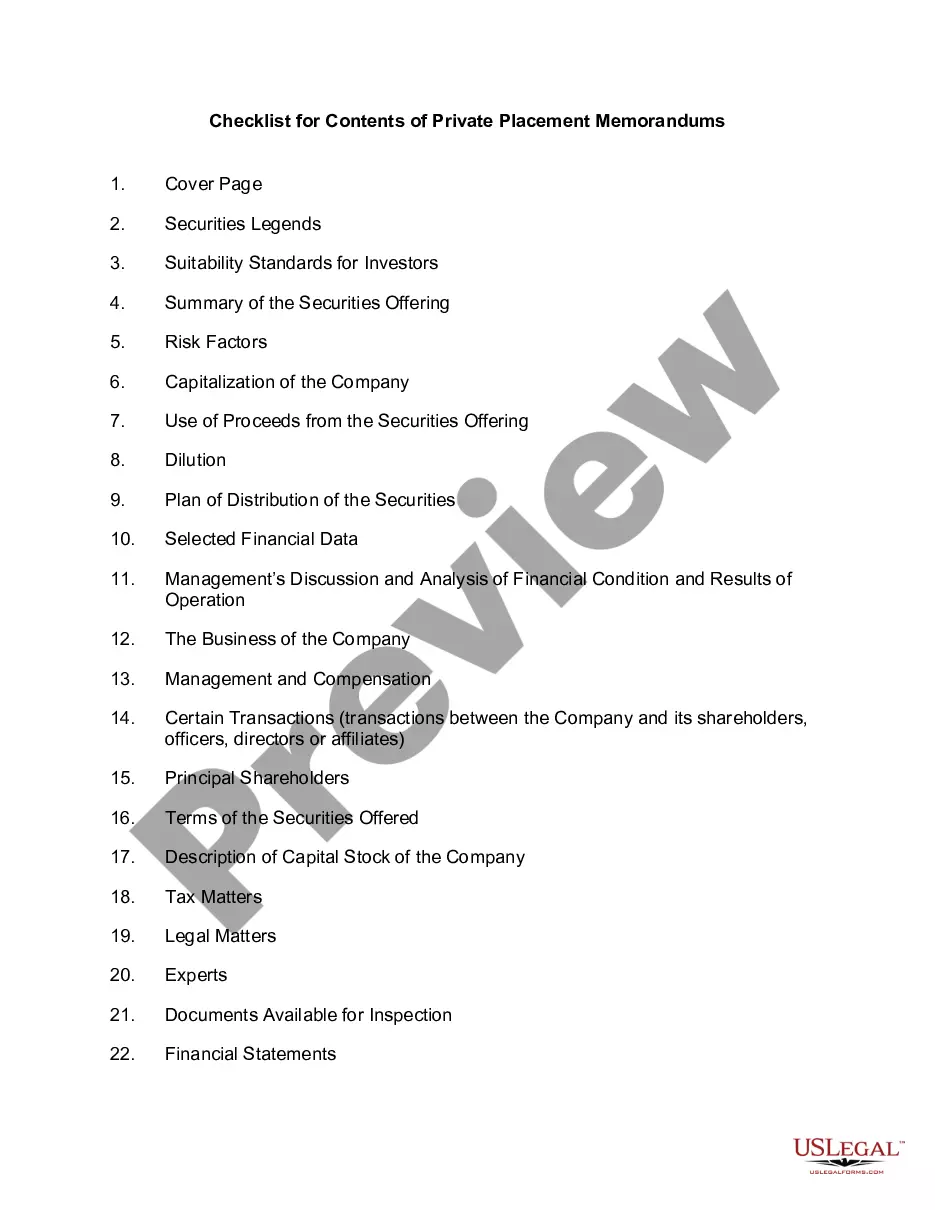
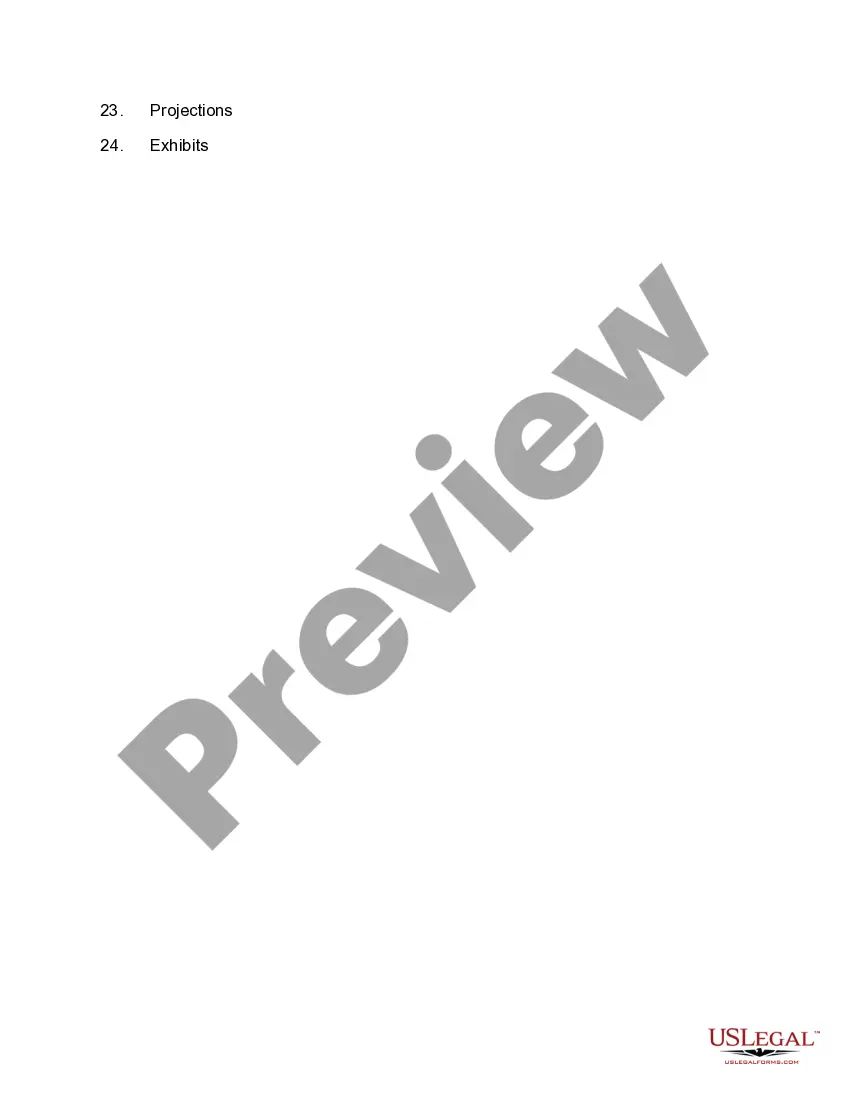
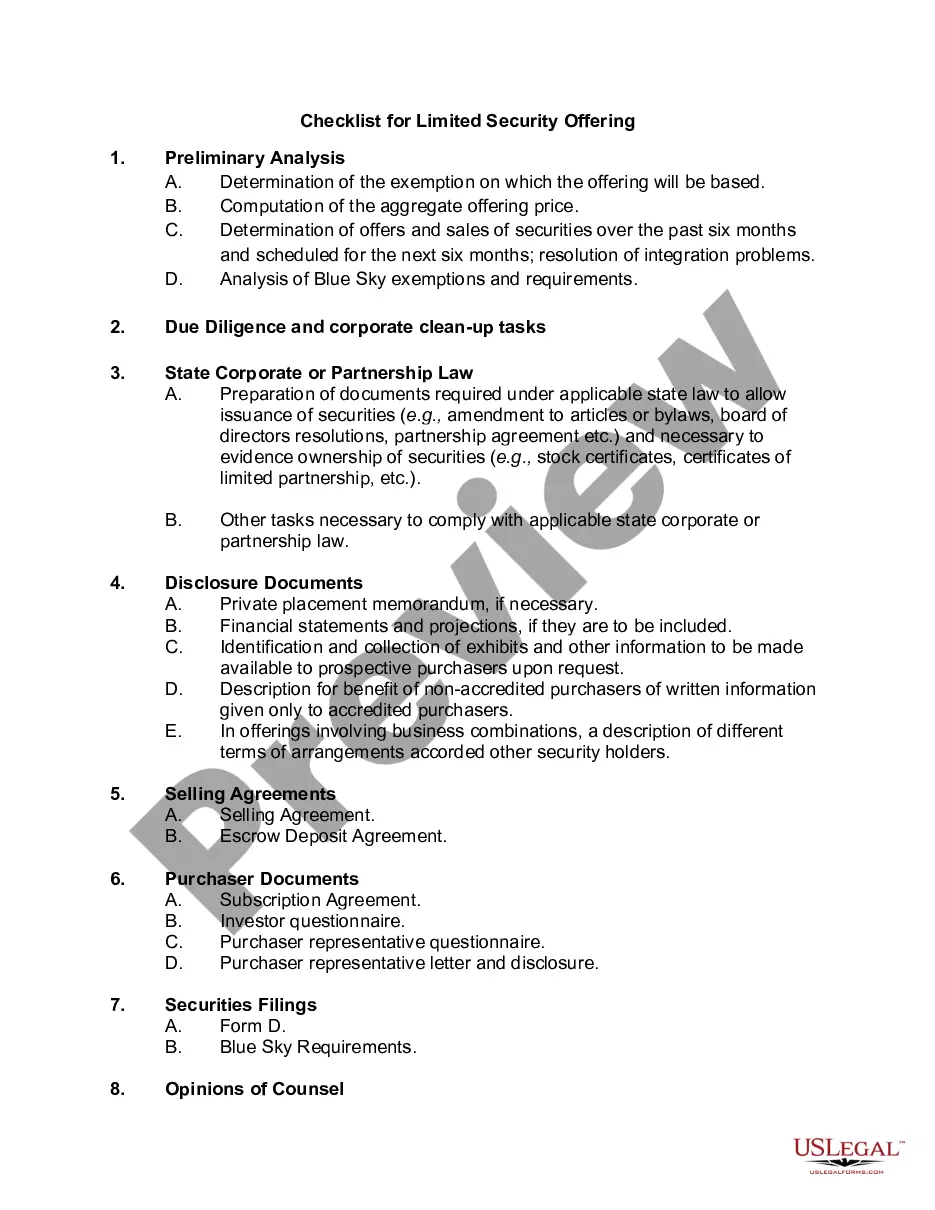
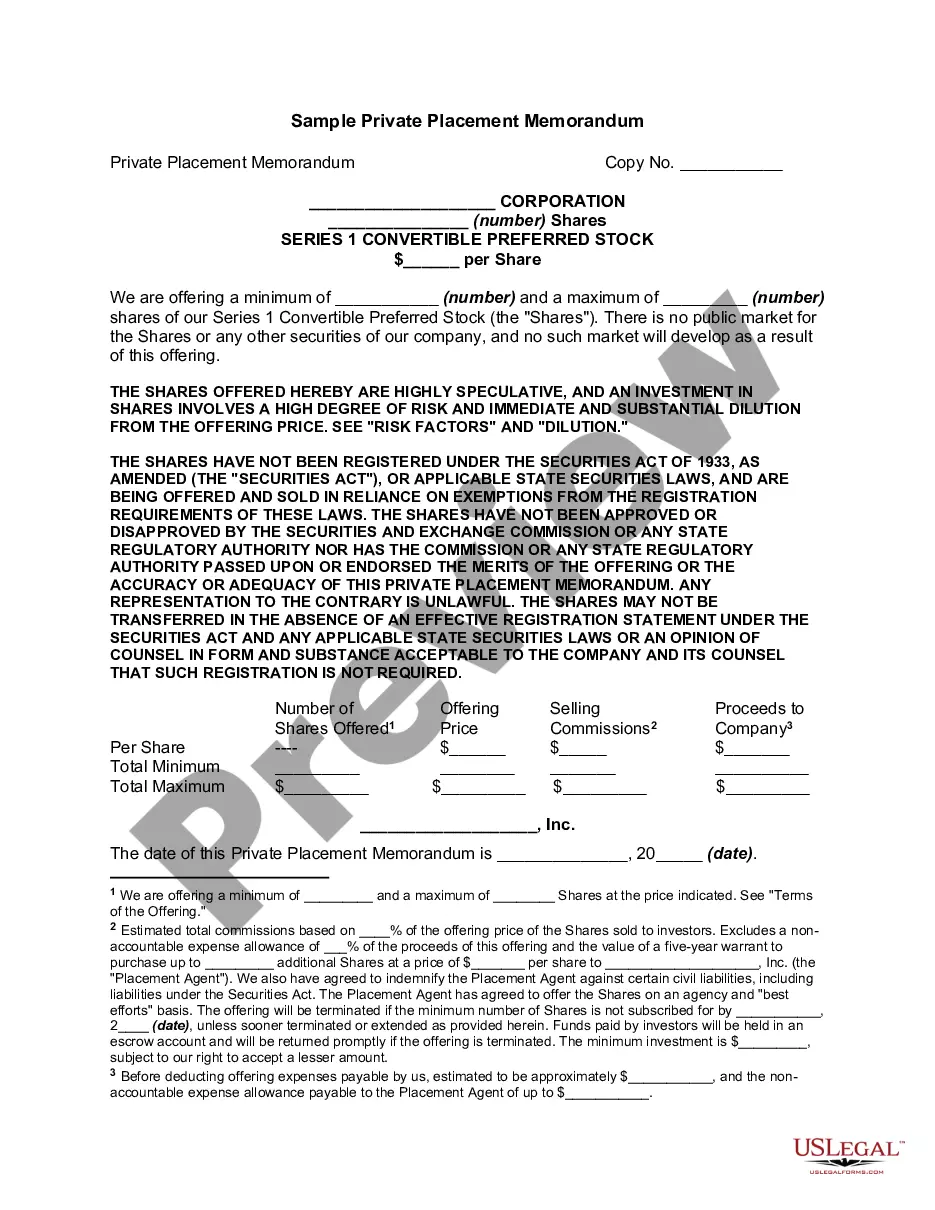
Private Placement Memorandum Checklist For Real Estate
Description
Get your form ready online
Our built-in tools help you complete, sign, share, and store your documents in one place.
Make edits, fill in missing information, and update formatting in US Legal Forms—just like you would in MS Word.
Download a copy, print it, send it by email, or mail it via USPS—whatever works best for your next step.
Sign and collect signatures with our SignNow integration. Send to multiple recipients, set reminders, and more. Go Premium to unlock E-Sign.
If this form requires notarization, complete it online through a secure video call—no need to meet a notary in person or wait for an appointment.
We protect your documents and personal data by following strict security and privacy standards.

Make edits, fill in missing information, and update formatting in US Legal Forms—just like you would in MS Word.

Download a copy, print it, send it by email, or mail it via USPS—whatever works best for your next step.

Sign and collect signatures with our SignNow integration. Send to multiple recipients, set reminders, and more. Go Premium to unlock E-Sign.

If this form requires notarization, complete it online through a secure video call—no need to meet a notary in person or wait for an appointment.

We protect your documents and personal data by following strict security and privacy standards.
Looking for another form?
How to fill out Checklist For Contents Of Private Placement Memorandum?
Regardless of whether it's for professional objectives or personal circumstances, each individual encounters legal matters at some time in their lives.
Filling out legal documents necessitates meticulous consideration, starting with selecting the appropriate form template.
With an extensive US Legal Forms catalog available, you will never have to waste time searching for the appropriate template across the internet. Utilize the library’s straightforward navigation to find the right form for any circumstance.
- Acquire the template you require by using the search bar or browsing the catalog.
- Review the details of the form to ensure it corresponds with your situation, state, and locality.
- Click on the form’s preview to inspect it.
- If it is the incorrect form, return to the search feature to locate the Private Placement Memorandum Checklist For Real Estate sample you need.
- Download the document once it satisfies your requirements.
- If you have a US Legal Forms account, click Log in to access previously saved documents in My documents.
- If you do not possess an account yet, you can acquire the form by clicking Buy now.
- Select the appropriate pricing option.
- Fill out the account registration form.
- Choose your payment method: either a credit card or PayPal account.
- Select the document format you prefer and download the Private Placement Memorandum Checklist For Real Estate.
- Once saved, you can complete the form using editing software or print it to finish it manually.
Form popularity
FAQ
It generally includes: Full disclosure regarding the terms being offered. General information about the company, including financial statements. Operations information. Management information. Intended use of the investment funding. Risk factors associated with the specific business as well as the industry at large.
Ppm in a sample of 1 of air, with 0.0006 of carbon dioxide, the ppm is equal to 600 ppm. This is because 0.0006 x 1,000,000 = 600. Another example of calculating ppm is to use the example of a solution of salt (NaCl) in water. The solution has 0.007 grams of salt, and the final mass of the solution is 1 kilogram.
A PPM is usually drafted by a real estate syndication attorney and discloses information about the industry, the issuer's business, plans, terms of the offering, financials, taxation, etc. This document also contains information about potential risks and how to avoid them.
Typically PPMs contain: a complete description of the security offered for sale, the terms of the sales, and fees; capital structure and historical financial statements; a description of the business; summary biographies of the management team; and the numerous risk factors associated with the investment.