Court Case With
Description
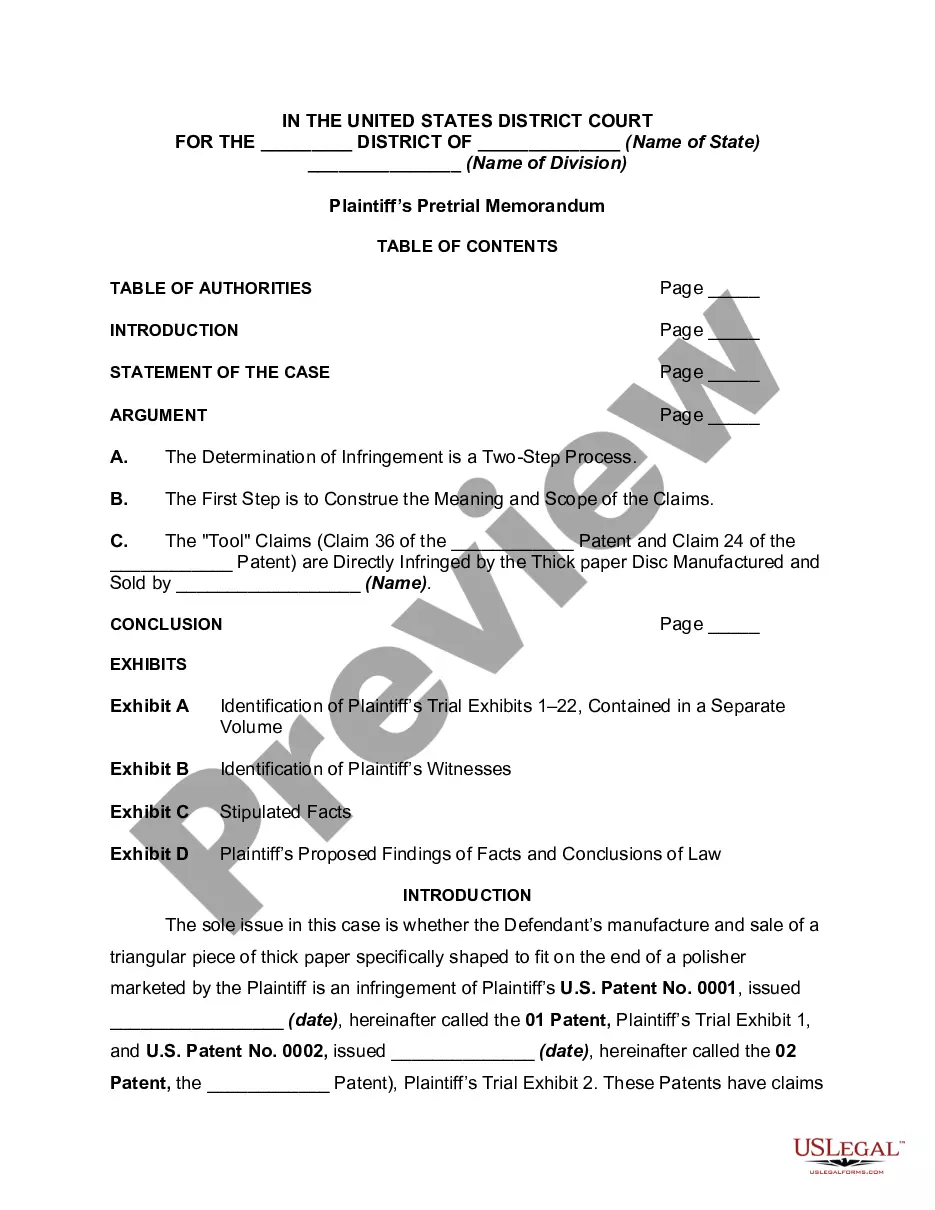
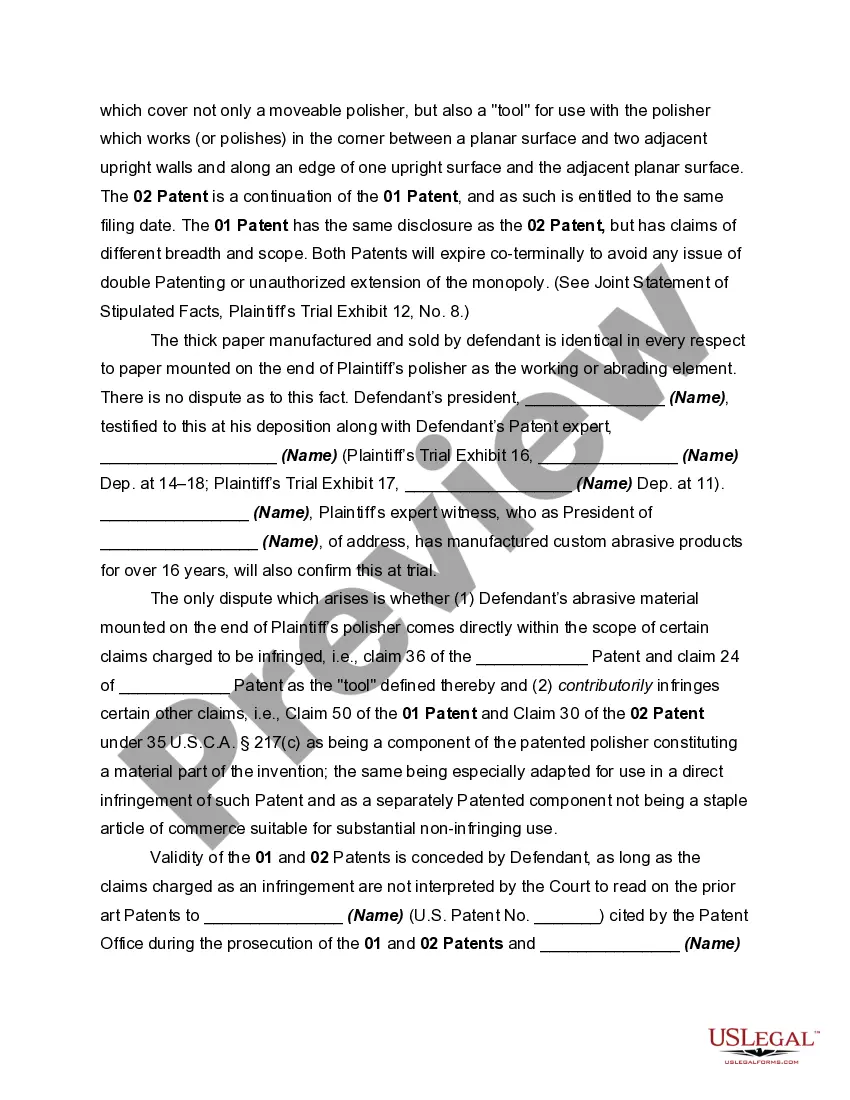
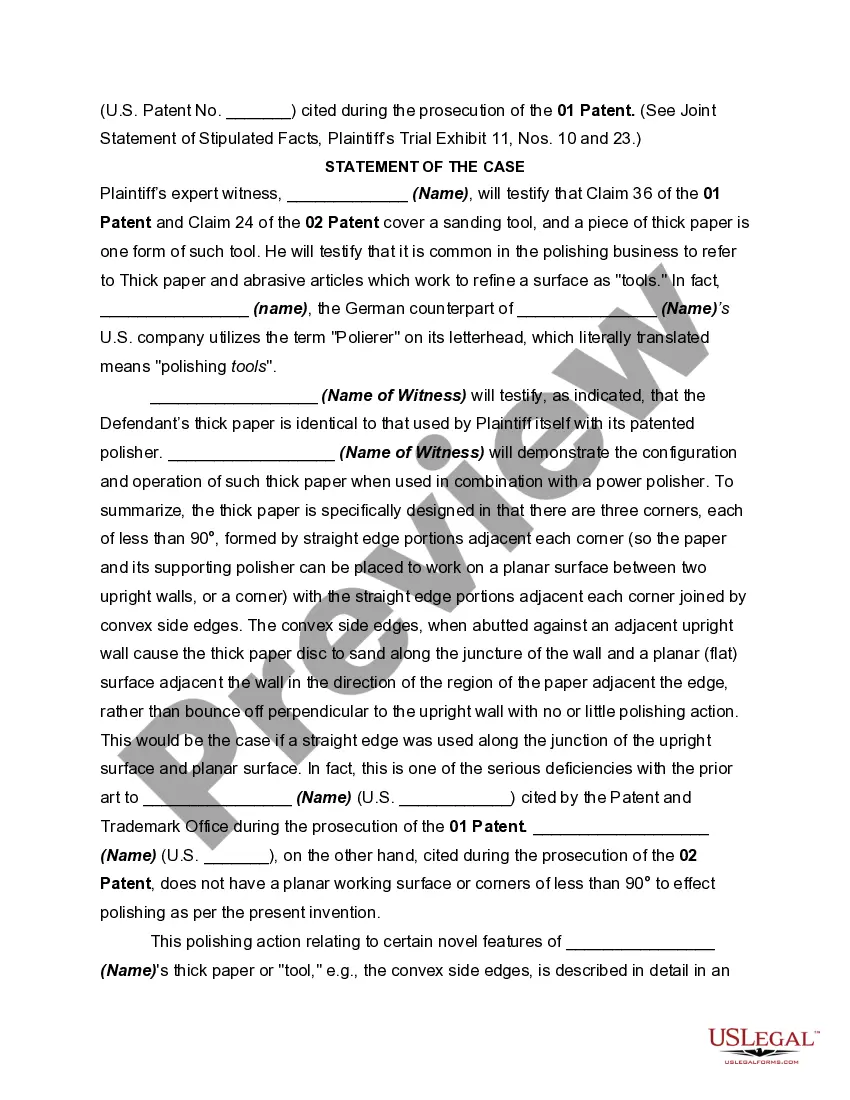
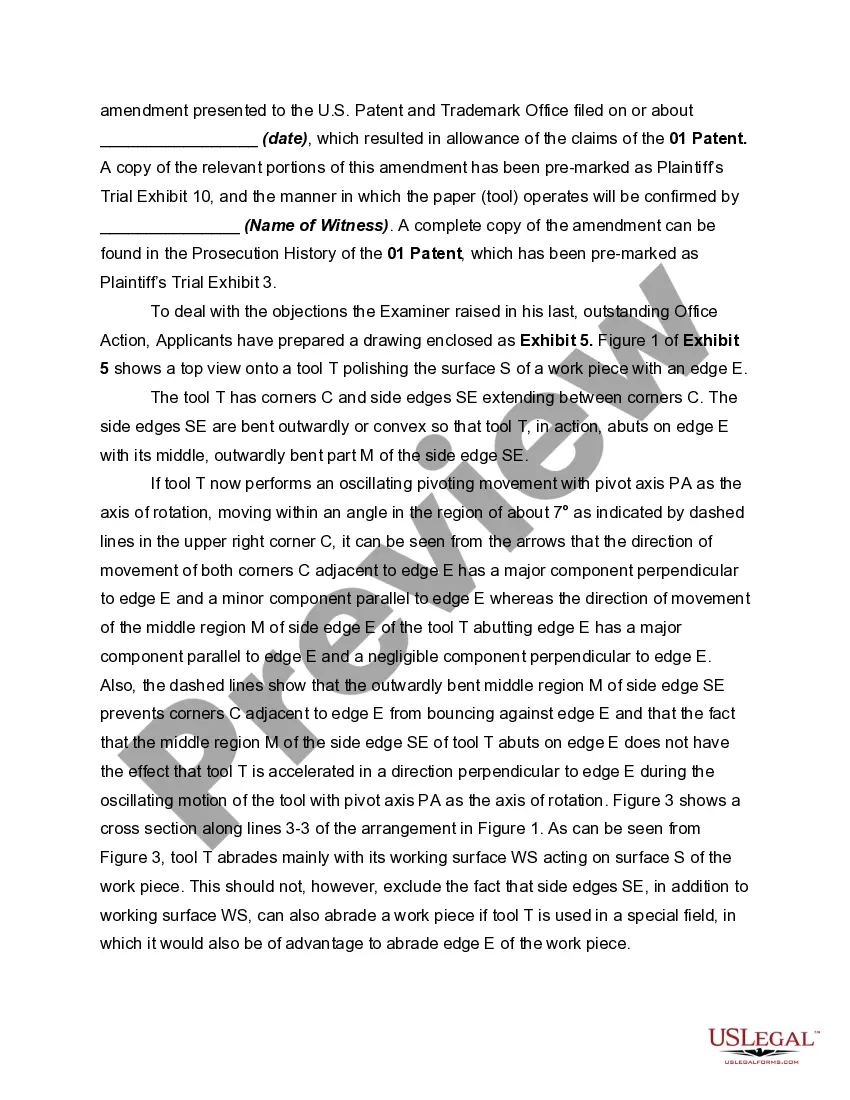

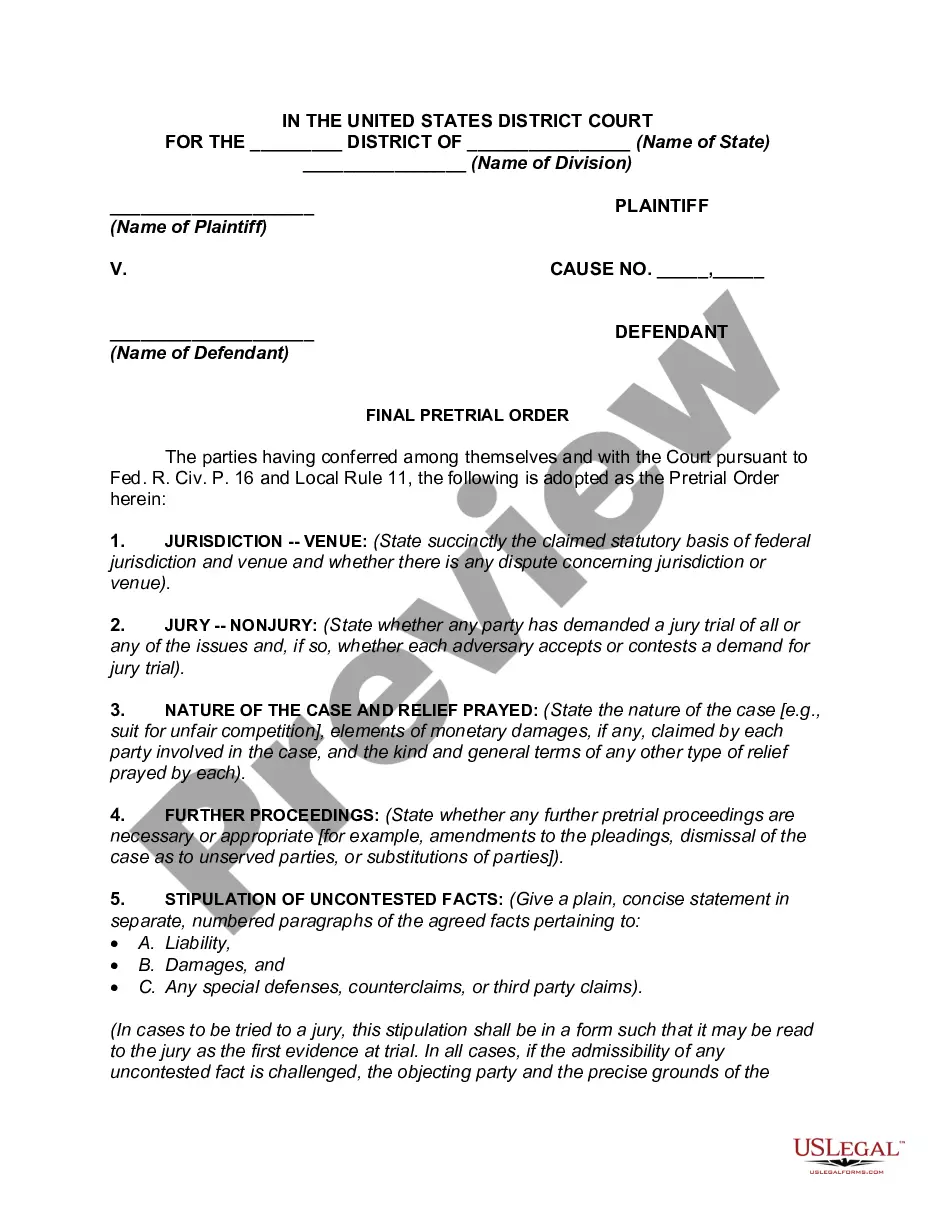
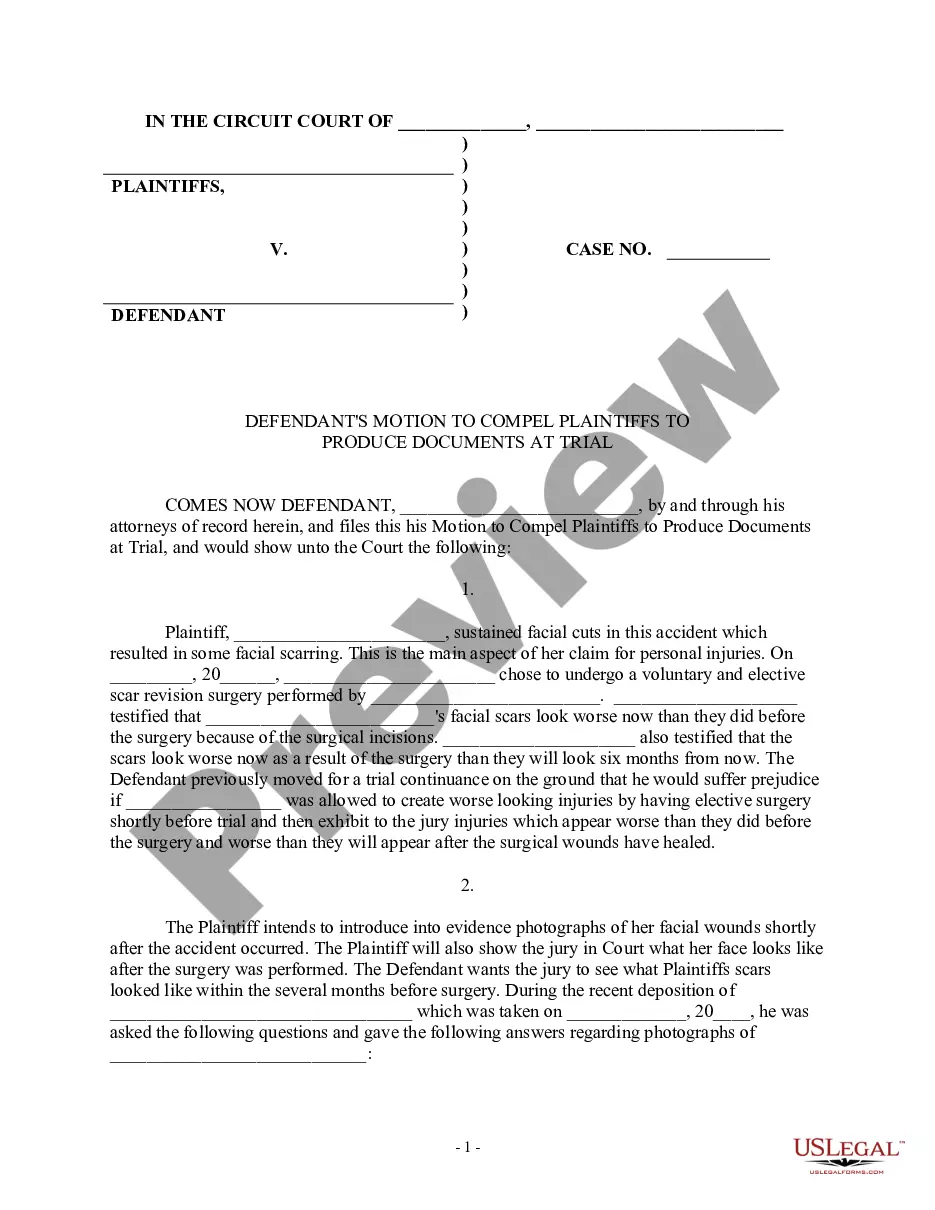
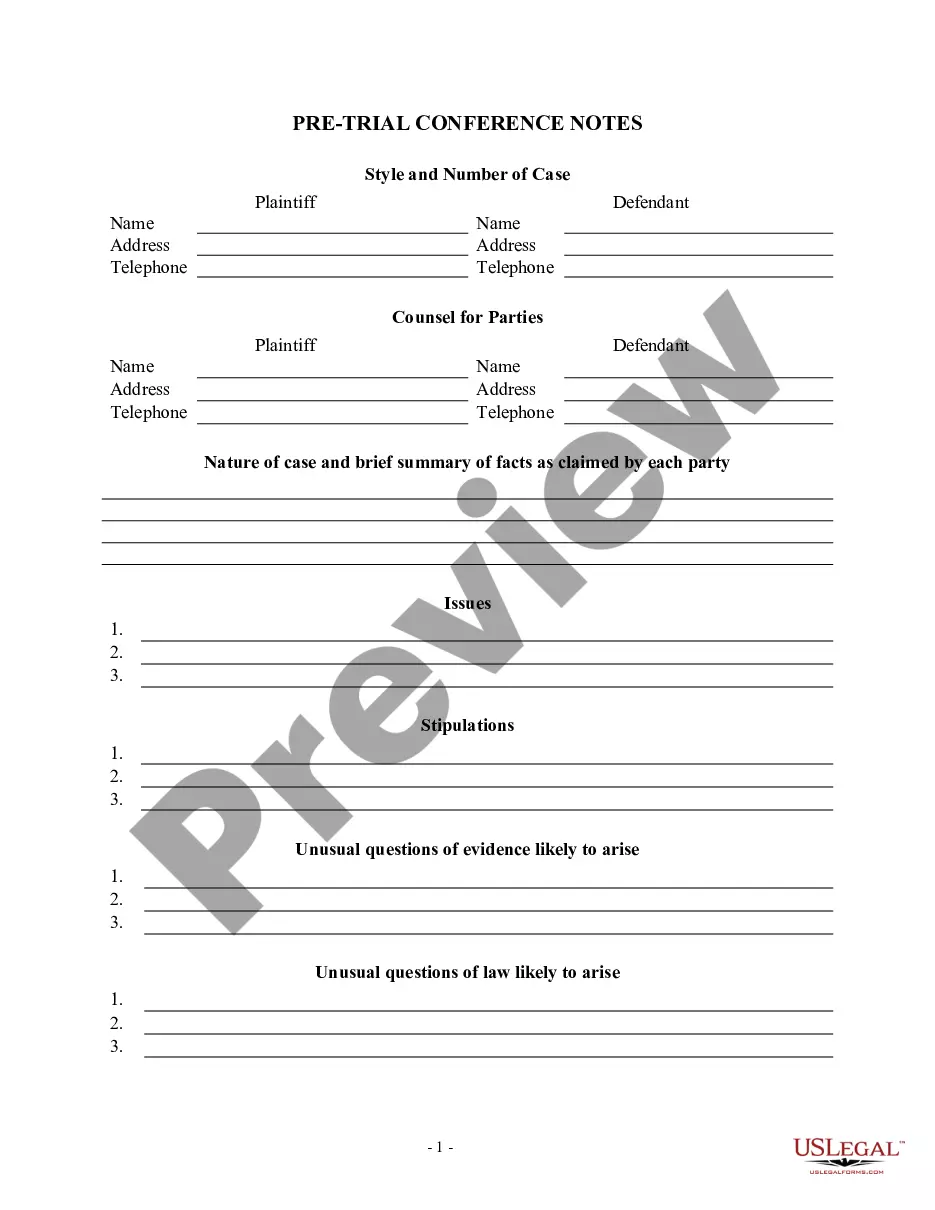

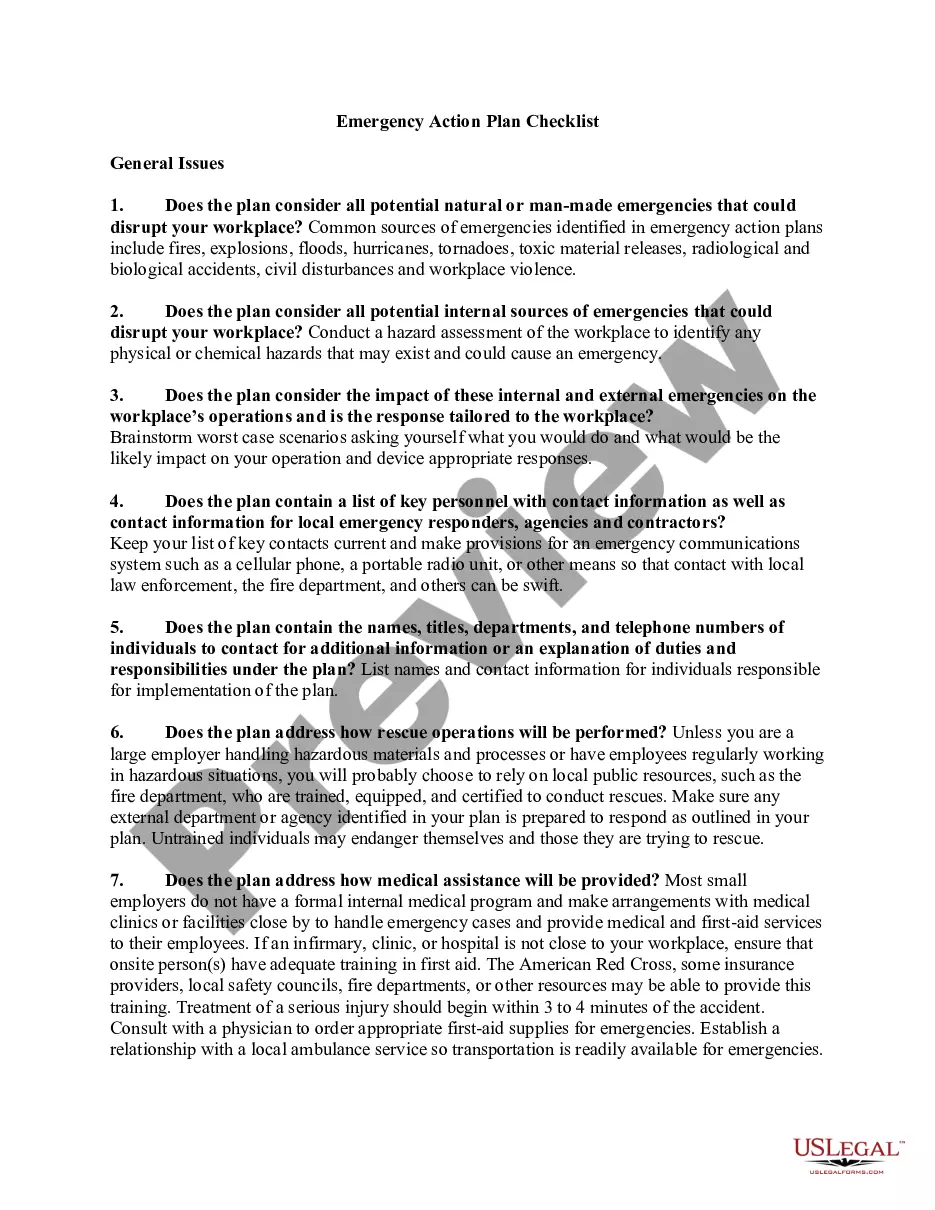


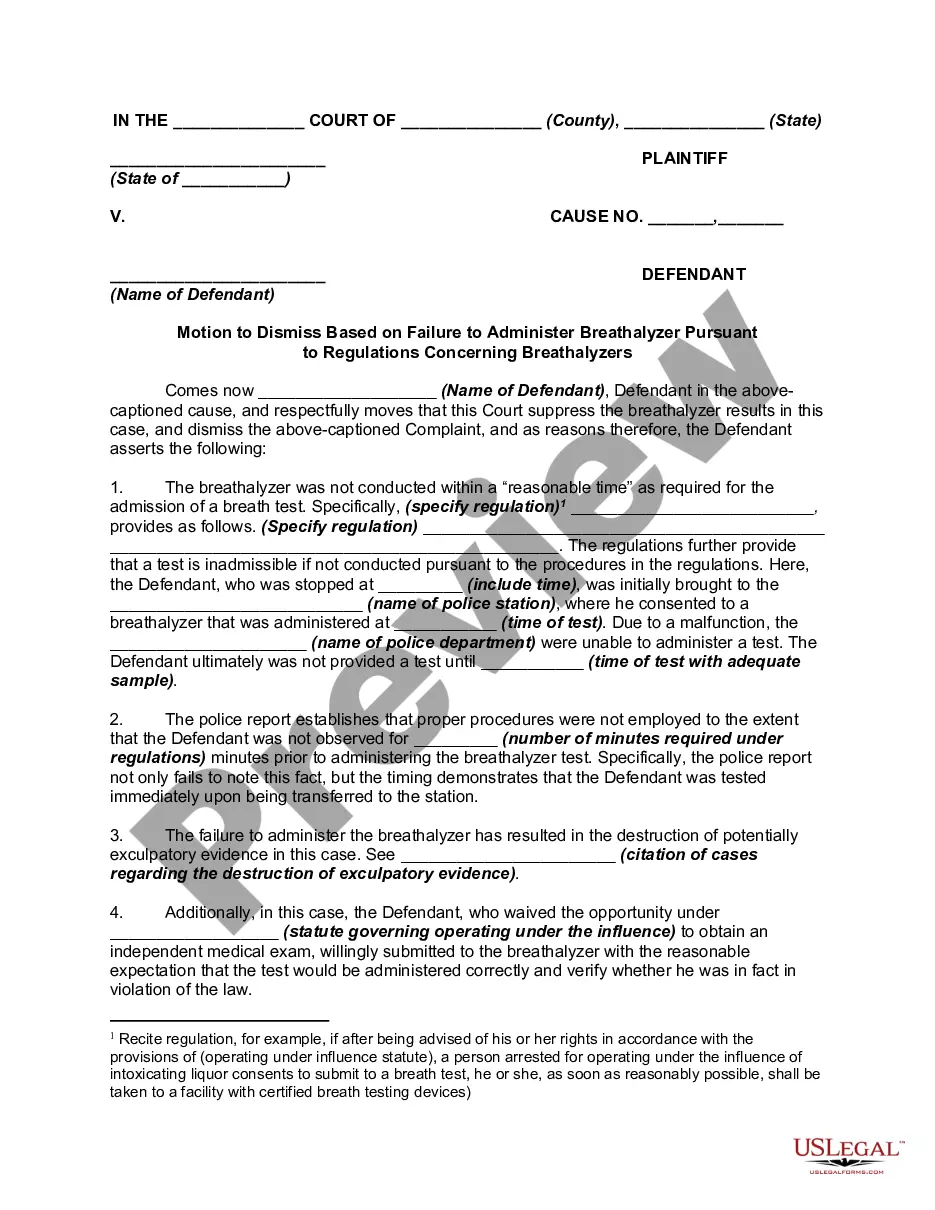
How to fill out Plaintiff's Pretrial Memorandum For A Bench Trial In A Patent Case?
It’s obvious that you can’t become a legal professional overnight, nor can you grasp how to quickly draft Court Case With without having a specialized background. Creating legal documents is a long venture requiring a certain training and skills. So why not leave the preparation of the Court Case With to the specialists?
With US Legal Forms, one of the most comprehensive legal document libraries, you can find anything from court papers to templates for in-office communication. We know how crucial compliance and adherence to federal and local laws are. That’s why, on our platform, all forms are location specific and up to date.
Here’s how you can get started with our platform and obtain the form you require in mere minutes:
- Discover the document you need with the search bar at the top of the page.
- Preview it (if this option available) and read the supporting description to figure out whether Court Case With is what you’re looking for.
- Start your search over if you need a different form.
- Register for a free account and choose a subscription plan to purchase the template.
- Pick Buy now. Once the payment is through, you can get the Court Case With, fill it out, print it, and send or mail it to the designated individuals or entities.
You can re-gain access to your forms from the My Forms tab at any time. If you’re an existing customer, you can simply log in, and locate and download the template from the same tab.
No matter the purpose of your forms-whether it’s financial and legal, or personal-our platform has you covered. Try US Legal Forms now!
Form popularity
FAQ
Courts often specify whether certain documents should be single or double-sided so that they can be processed efficiently. The general rule is to use a single-sided format, so it's easier to scan into the document retrieval system and avoid mistakes (e.g., forgetting to scan the back of a page).
Types of Pleadings Complaint. Every lawsuit begins when a plaintiff files a complaint against a defendant. ... Answer. This document follows the complaint, and it's the defendant's written response to it. ... Counterclaim. ... Cross-claim. Different Types of Pleadings | Long, Jean & Wechsler, P.A. Long, Jean & Wechsler, P.A. ? How to Win a Civil Lawsuit Long, Jean & Wechsler, P.A. ? How to Win a Civil Lawsuit
3. Prepare your case Gather and share evidence (discovery) Decide if you want a jury trial. Update the court on your status (case management conference) Be prepared to respond to any motions. Alternative dispute resolution.
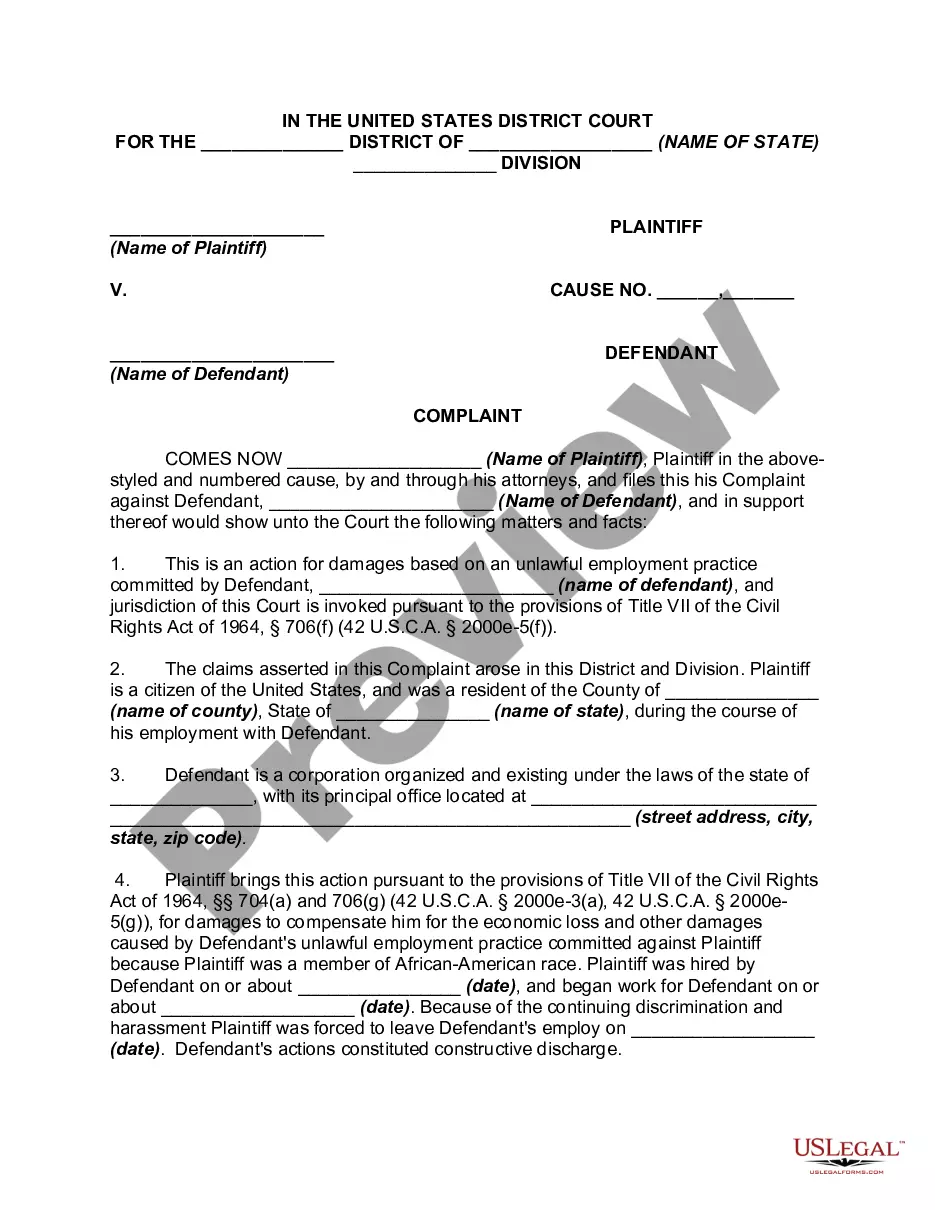
For example, a legal pleading might involve a complaint from a homeowner that a roofer did not adequately perform a repair, resulting in a leak in the roof and damage to the home. The roofer could then file an answer to the claim, denying culpability.
When you (the appellant) argue that the trial court made a legal error, the appellate court first decides what standard of review applies to the decision made in your case.