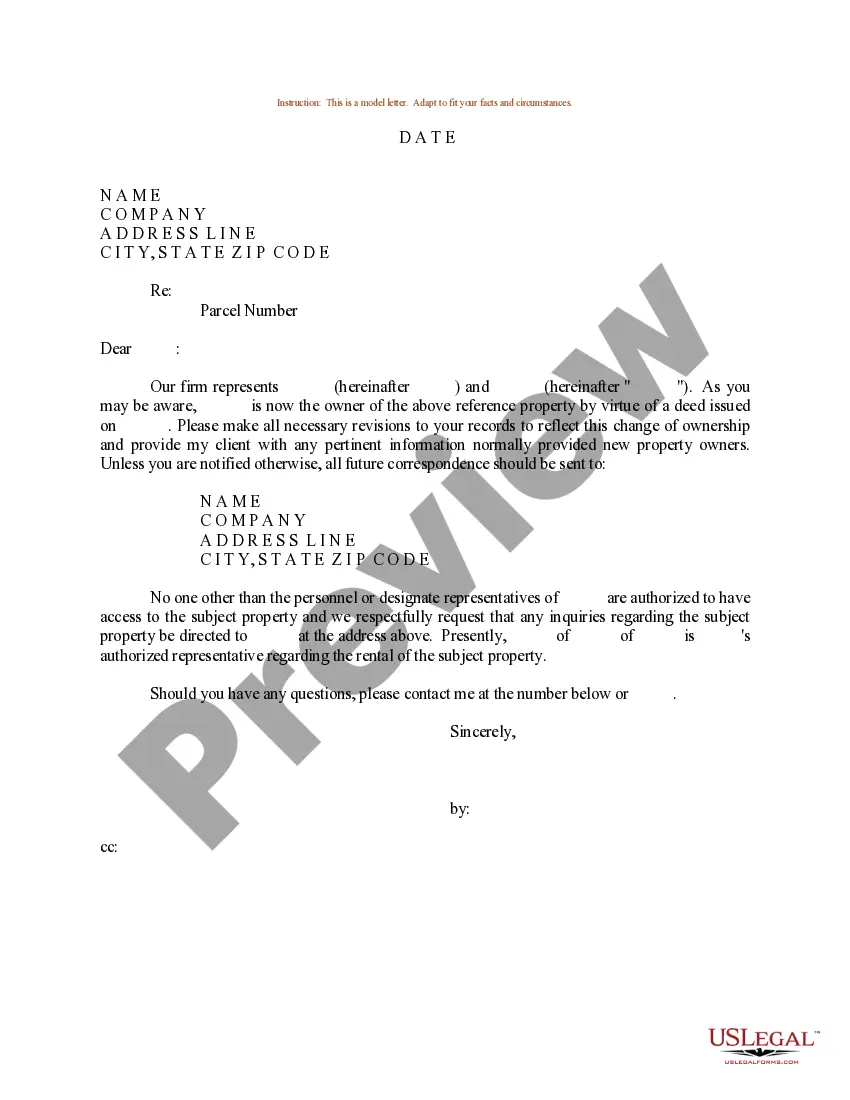
Beneficial Ownership Form For Trusts
Description
Get your form ready online
Our built-in tools help you complete, sign, share, and store your documents in one place.
Make edits, fill in missing information, and update formatting in US Legal Forms—just like you would in MS Word.
Download a copy, print it, send it by email, or mail it via USPS—whatever works best for your next step.
Sign and collect signatures with our SignNow integration. Send to multiple recipients, set reminders, and more. Go Premium to unlock E-Sign.
If this form requires notarization, complete it online through a secure video call—no need to meet a notary in person or wait for an appointment.
We protect your documents and personal data by following strict security and privacy standards.

Make edits, fill in missing information, and update formatting in US Legal Forms—just like you would in MS Word.

Download a copy, print it, send it by email, or mail it via USPS—whatever works best for your next step.

Sign and collect signatures with our SignNow integration. Send to multiple recipients, set reminders, and more. Go Premium to unlock E-Sign.

If this form requires notarization, complete it online through a secure video call—no need to meet a notary in person or wait for an appointment.

We protect your documents and personal data by following strict security and privacy standards.
Looking for another form?

How to fill out Sample Letter For Change Of Ownership?
Whether for professional objectives or for personal matters, everyone must handle legal issues at some stage in their life.
Completing legal paperwork requires meticulous focus, beginning with choosing the correct form template.
With an extensive catalog of US Legal Forms available, you do not have to waste time searching for the correct template online. Use the library’s easy navigation to find the right form for any occasion.
- Locate the example you need via the search bar or catalog browsing.
- Review the document’s details to confirm it aligns with your situation, state, and area.
- Select the form’s preview to take a look at it.
- If it is the wrong document, return to the search feature to find the Beneficial Ownership Form For Trusts template you need.
- Download the template once it satisfies your requirements.
- If you already possess a US Legal Forms account, just click Log in to access documents you've saved in My documents.
- If you haven't created an account yet, you may acquire the form by clicking Buy now.
- Select the right pricing plan.
- Fill out the profile registration form.
- Choose your payment method: either a credit card or PayPal.
- Select the document format you prefer and download the Beneficial Ownership Form For Trusts.
- Once it is downloaded, you can fill out the form using editing software or print it and complete it by hand.
Form popularity
FAQ
A qualifying ultimate beneficial owner of a trust is typically the person who receives the benefits from the trust's assets, directly or indirectly. This may include individuals who control, manage, or receive distributions from the trust. It is vital to document this correctly on the beneficial ownership form for trusts to adhere to legal requirements and ensure proper governance.
Yes, a trust can have a Ultimate Beneficial Owner (UBO). In the context of trusts, the UBO is typically the person who ultimately benefits from the trust assets. Understanding the UBO is essential for completing the beneficial ownership form for trusts accurately.
You are probably familiar with the Miranda warning, in which officers recite a person's "right to remain silent." The requirement that police must issue such a warning to a criminal suspect in custody before beginning an interrogation came from a the U.S. Supreme Court's decision in Miranda v. Arizona in 1956.
Michie's Jurisprudence of Virginia and West Virginia: A Complete Treatise of Virginia and West Virginia Law: This is a legal encyclopedia which addresses Virginia legal topics in an introductory fashion. There is a summary of the law, citations to cases, statutes and secondary sources.
In law, common law (also known as judicial precedent, judge-made law, or case law) is the body of law created by judges and similar quasi-judicial tribunals by virtue of being stated in written opinions.
Case law is the body of law developed from judicial opinions or decisions over time (whereas statutory law comes from legislative bodies and administrative law comes from executive bodies). This guide introduces beginner legal researchers to resources for finding judicial decisions in case law resources.
Judicial Law. This is also known as case law.
Common law, also known as case law, is a body of unwritten laws based on legal precedents established by the courts. Common law draws from institutionalized opinions and interpretations from judicial authorities and public juries.