Asking For Divorce
Description
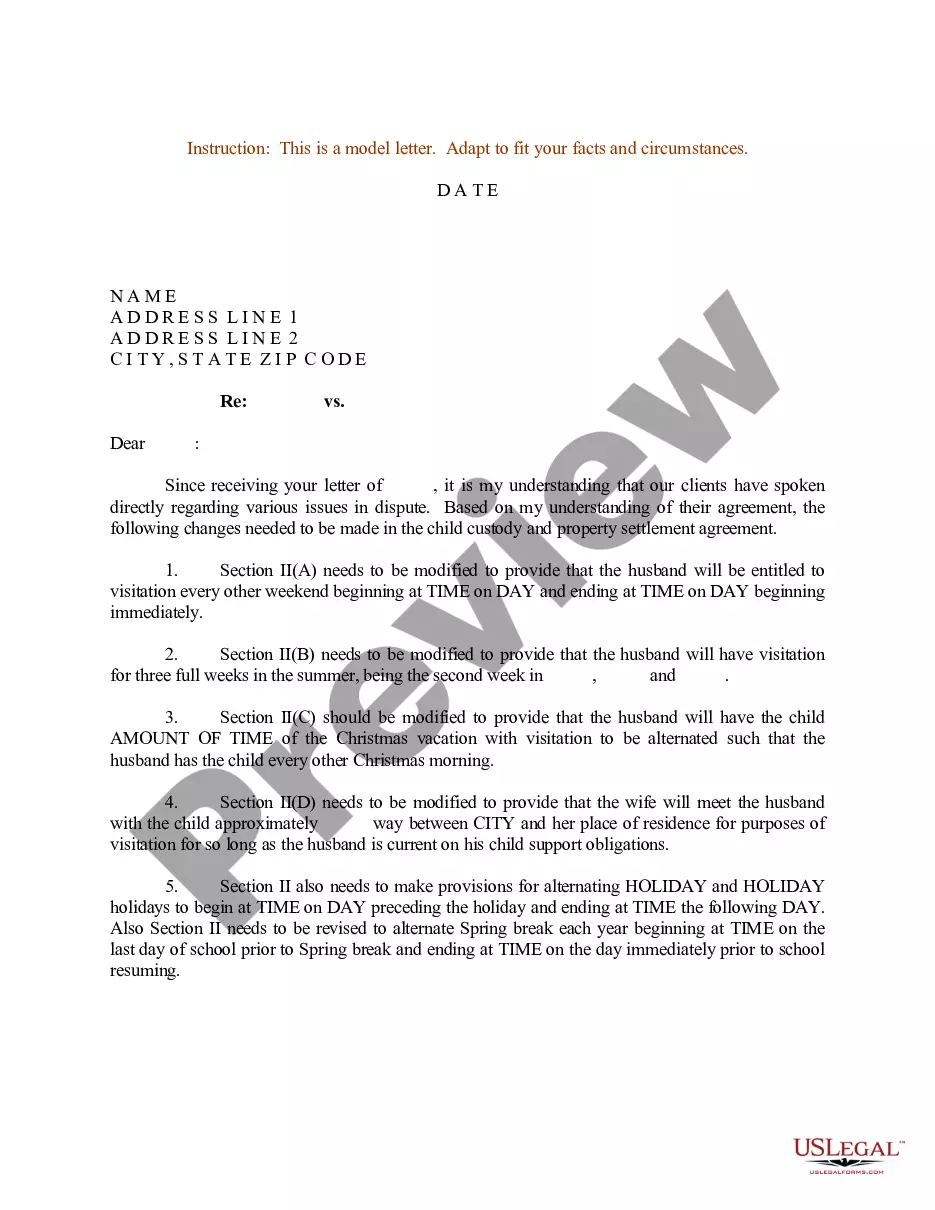
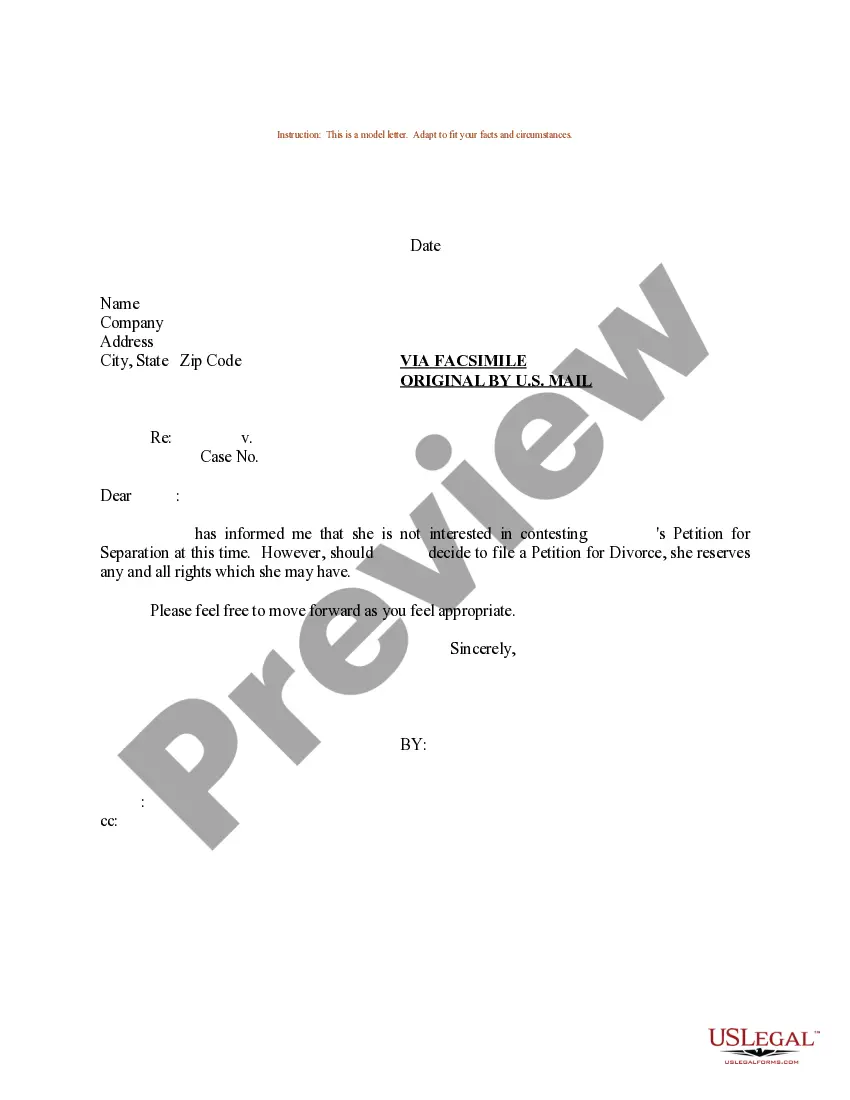
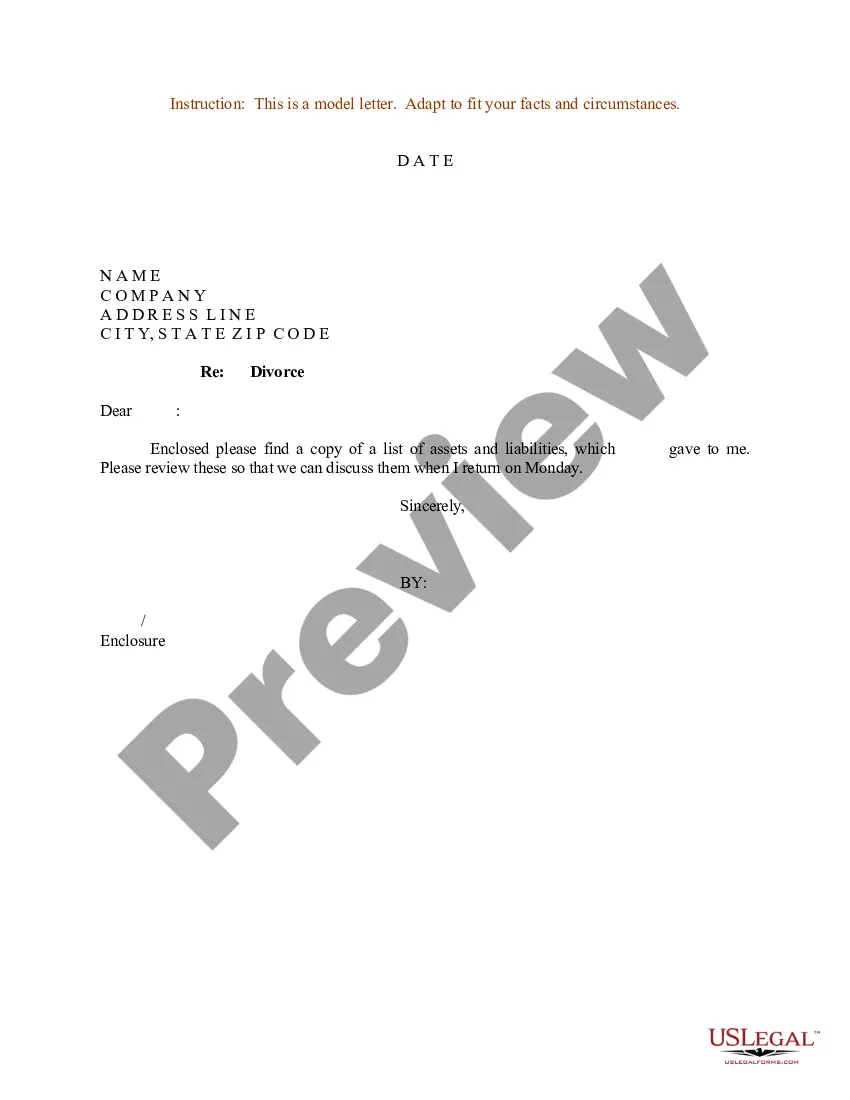
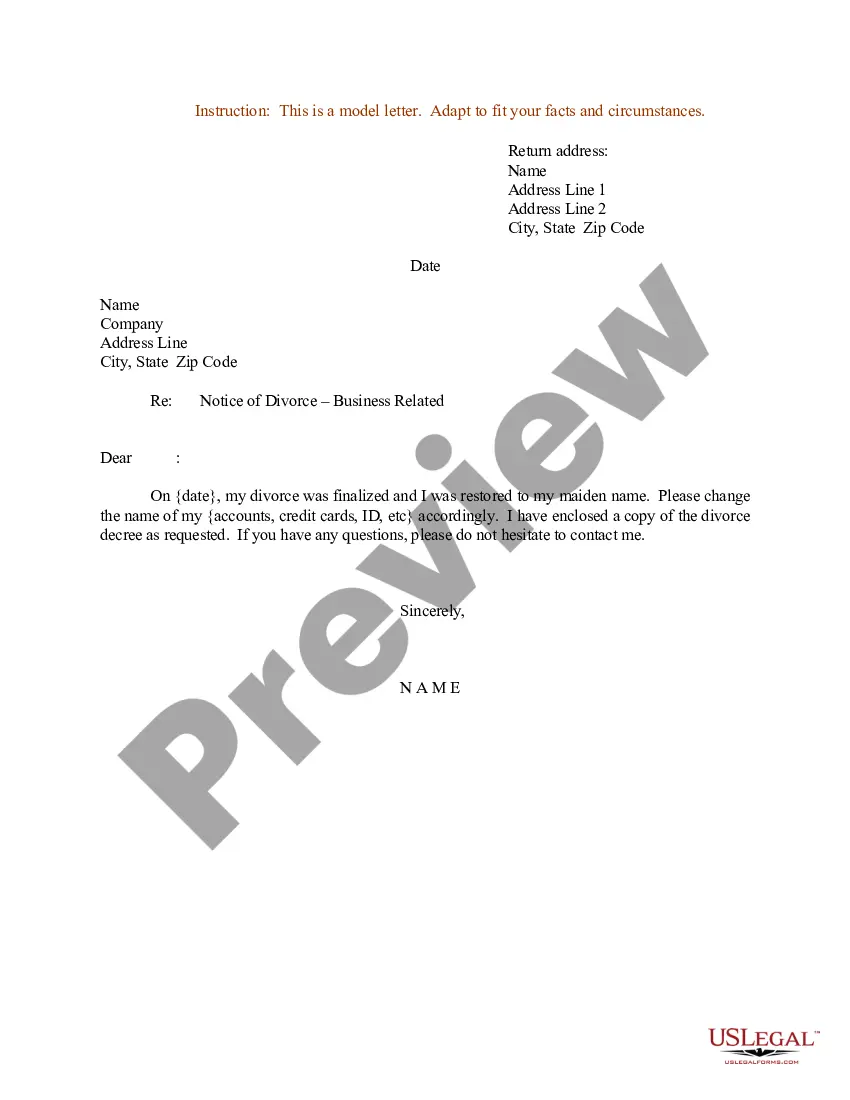
Get your form ready online
Our built-in tools help you complete, sign, share, and store your documents in one place.
Make edits, fill in missing information, and update formatting in US Legal Forms—just like you would in MS Word.
Download a copy, print it, send it by email, or mail it via USPS—whatever works best for your next step.
Sign and collect signatures with our SignNow integration. Send to multiple recipients, set reminders, and more. Go Premium to unlock E-Sign.
If this form requires notarization, complete it online through a secure video call—no need to meet a notary in person or wait for an appointment.
We protect your documents and personal data by following strict security and privacy standards.

Make edits, fill in missing information, and update formatting in US Legal Forms—just like you would in MS Word.

Download a copy, print it, send it by email, or mail it via USPS—whatever works best for your next step.

Sign and collect signatures with our SignNow integration. Send to multiple recipients, set reminders, and more. Go Premium to unlock E-Sign.

If this form requires notarization, complete it online through a secure video call—no need to meet a notary in person or wait for an appointment.

We protect your documents and personal data by following strict security and privacy standards.
Looking for another form?

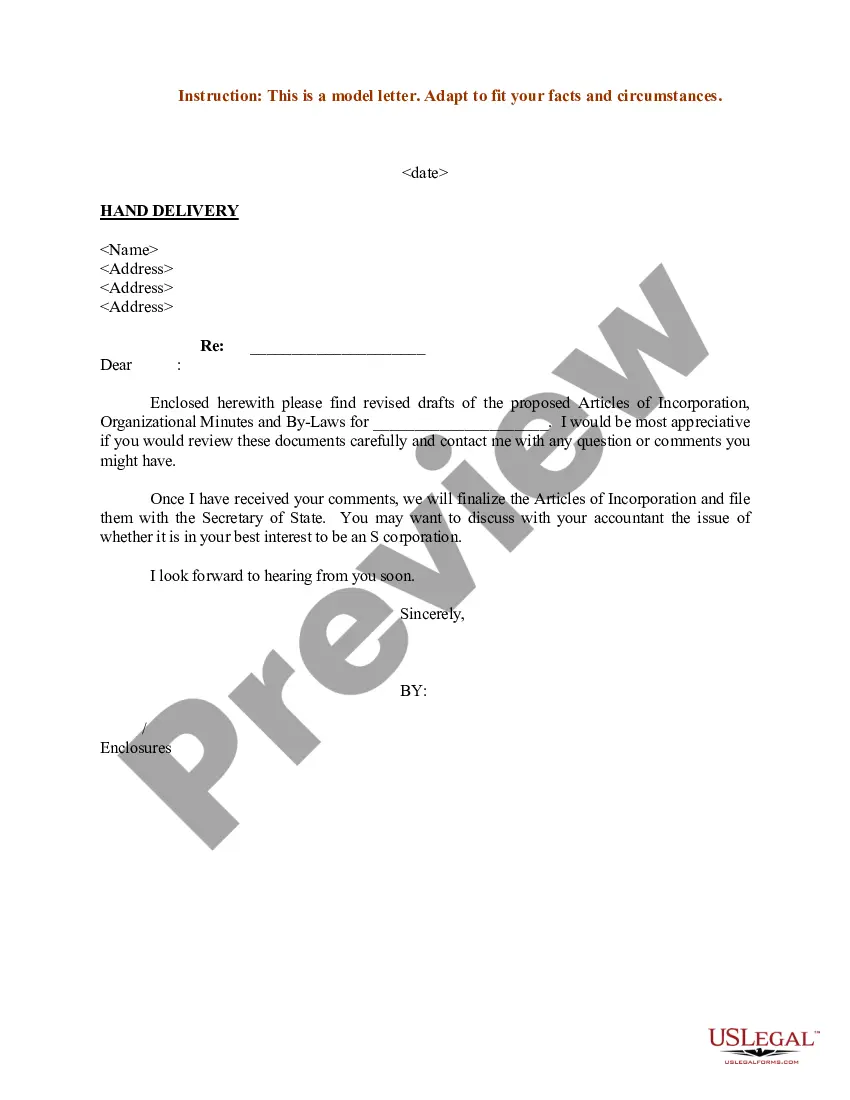


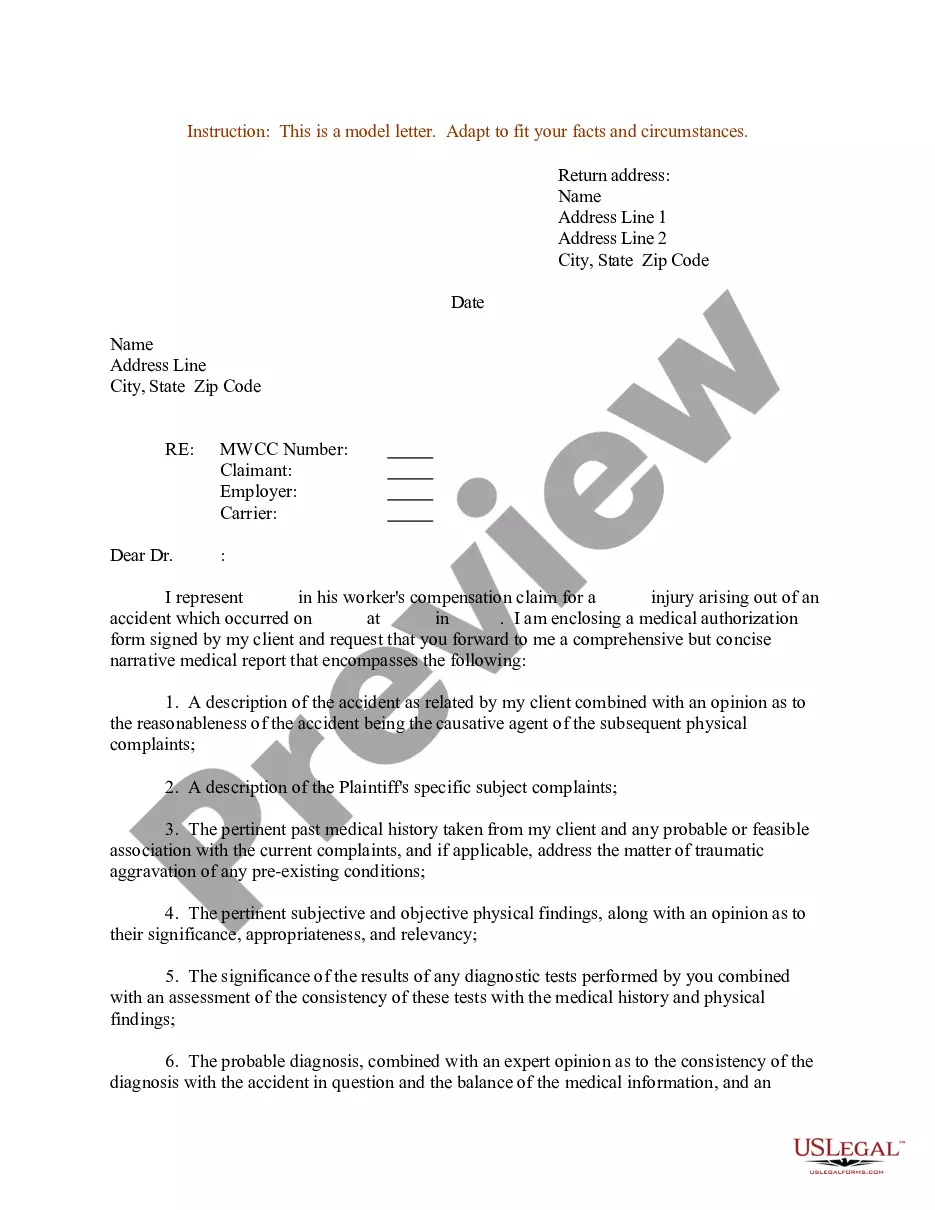
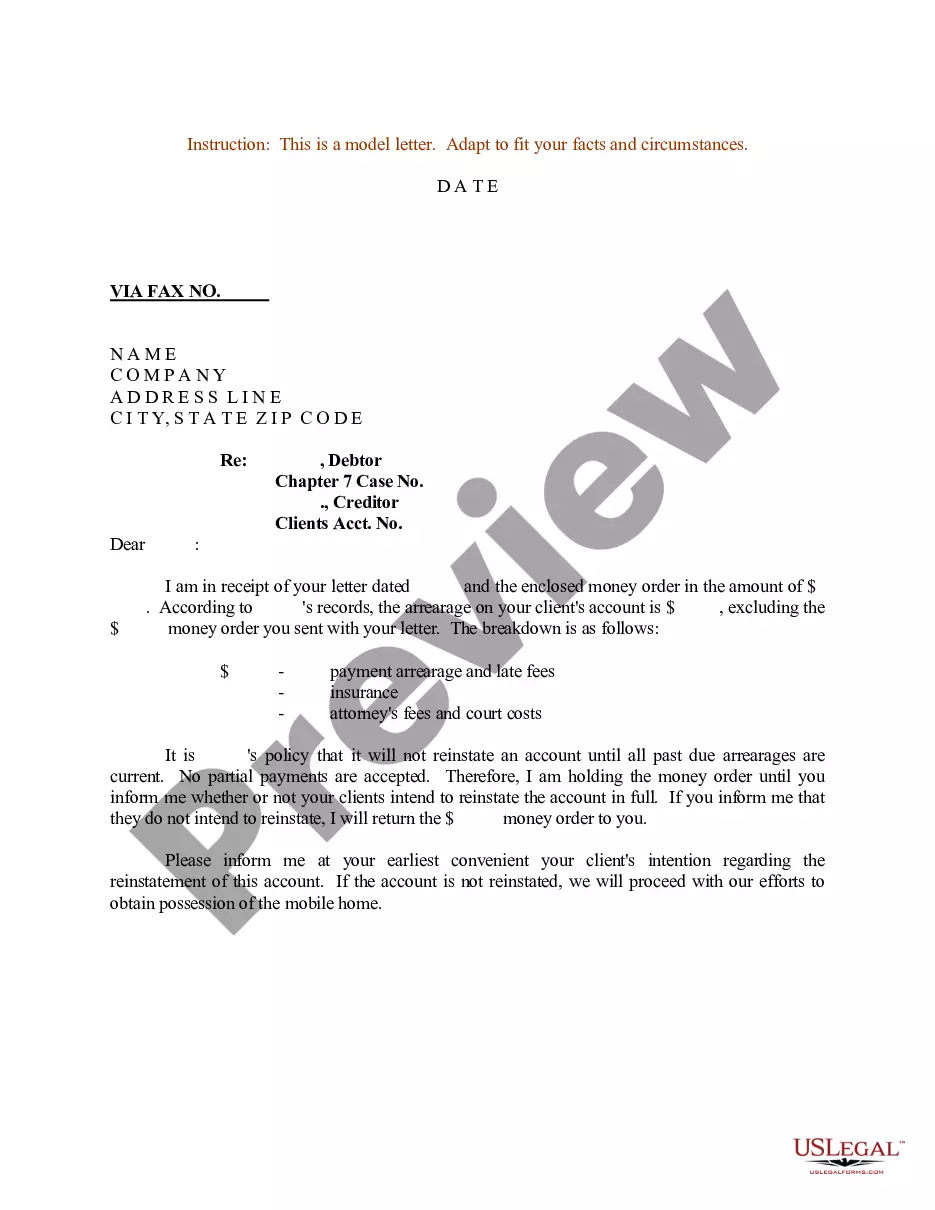
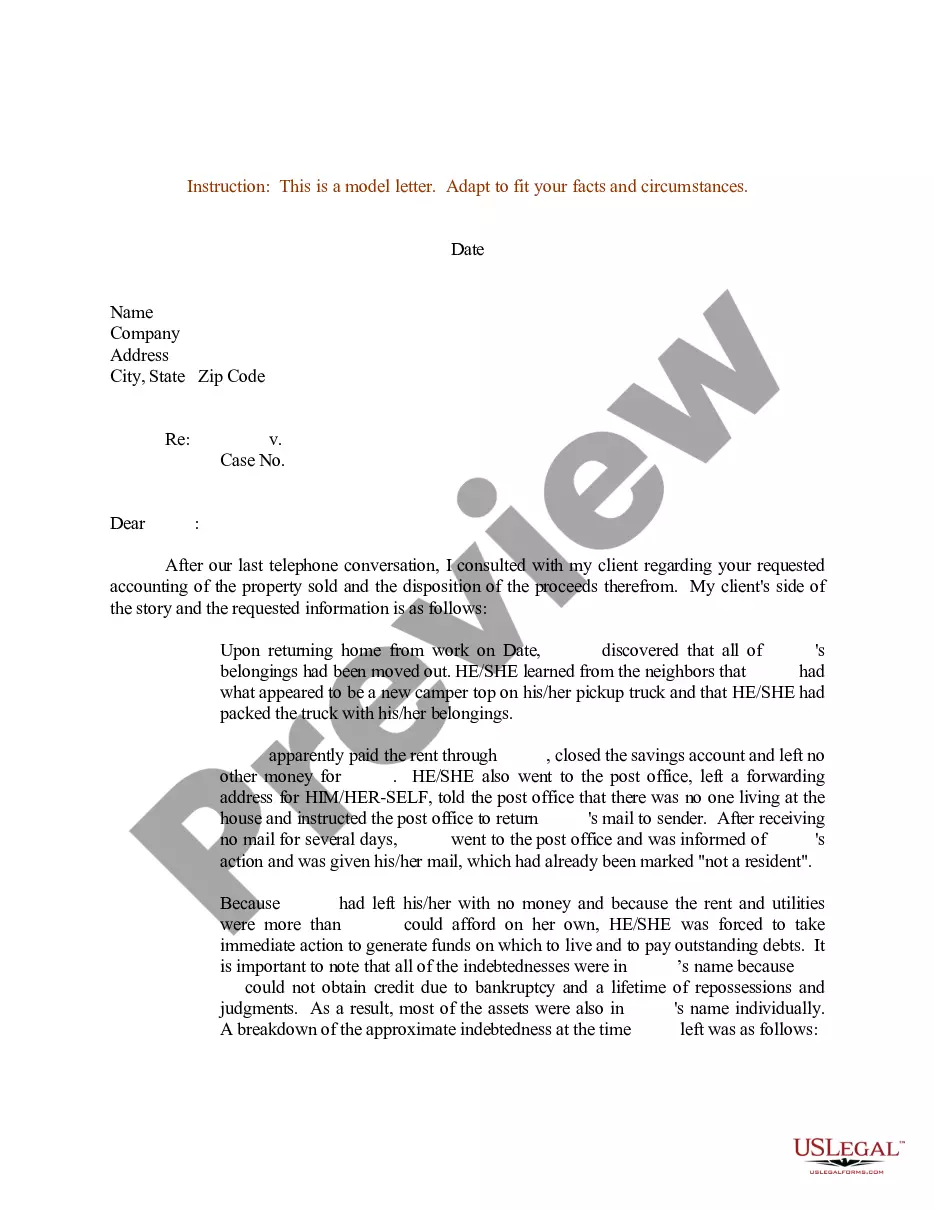
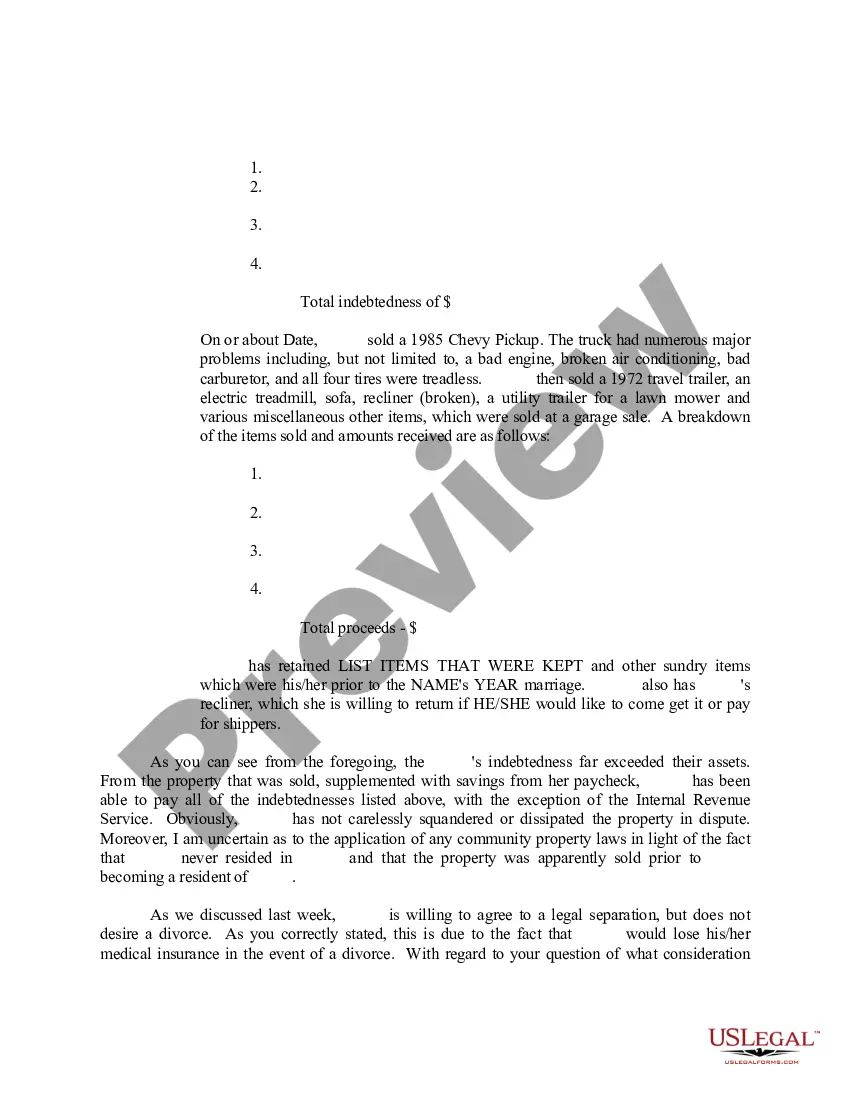
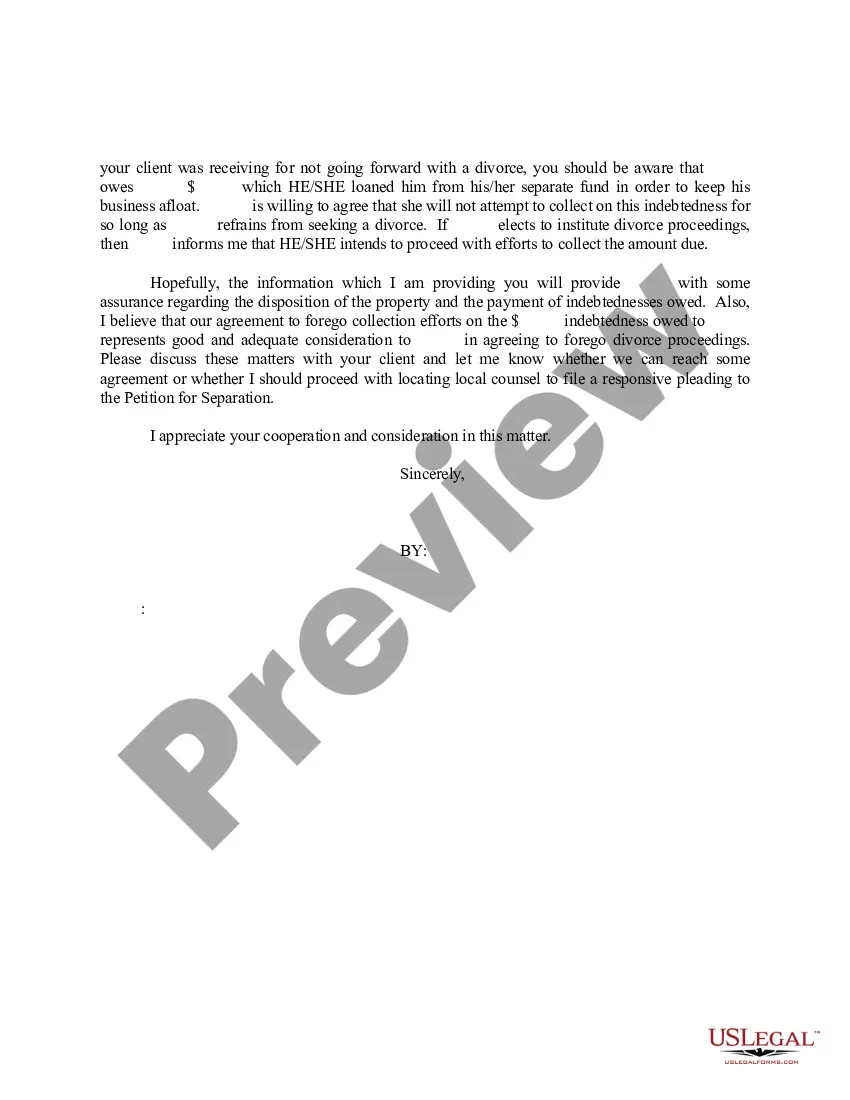
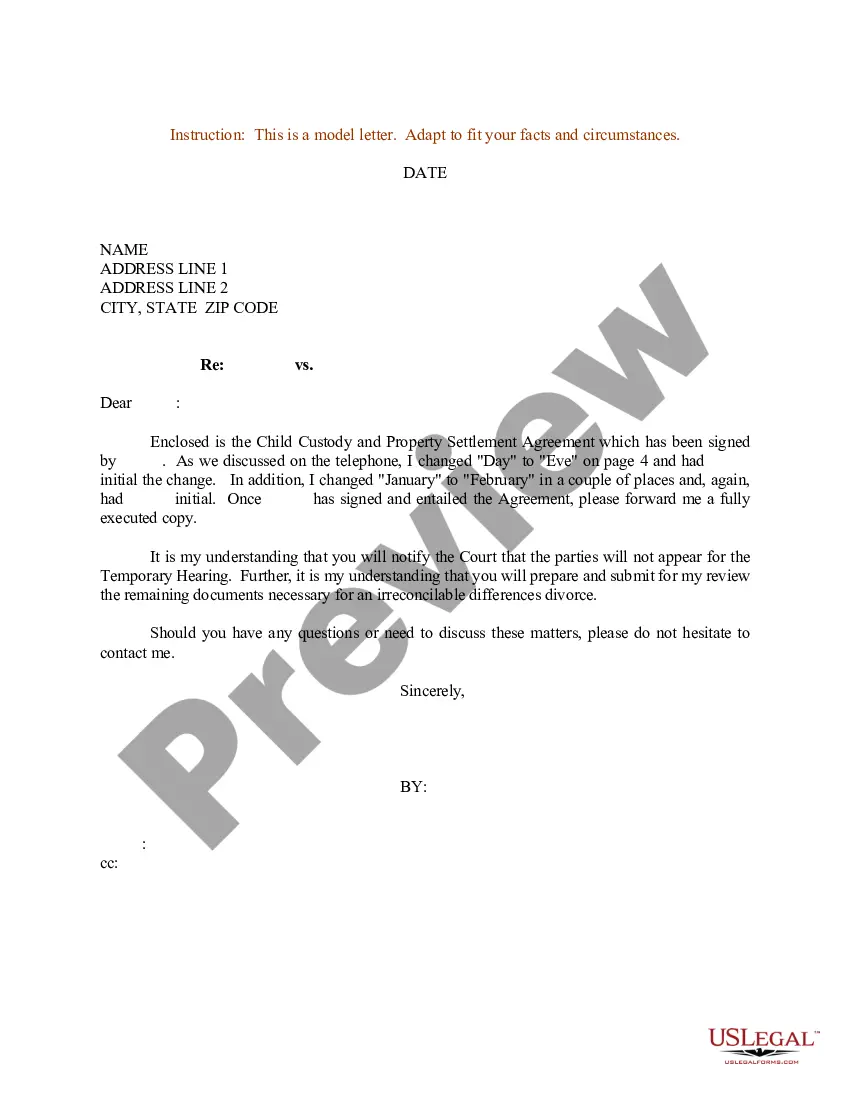
How to fill out Sample Letter For Divorce Or Separation - Request To Account For Property?
- Log in to your account if you've previously used US Legal Forms. Verify your subscription is active before downloading the necessary templates.
- If you're a first-time user, start by browsing our extensive online library to find the divorce form that fits your local jurisdiction and requirements. Use the Preview mode to review the details.
- If you need additional templates, utilize the Search tab to locate other forms that match your needs.
- Purchase the form by selecting the 'Buy Now' button and choose a subscription plan that best suits your needs. Account registration is necessary for access.
- Complete your purchase by entering your payment details or using your PayPal account.
- Download the form onto your device for immediate use, and remember you can access it later in the 'My Forms' section of your profile.
With US Legal Forms, you benefit from an expansive collection of legal documents, which empowers individuals to execute them confidently and efficiently.
Why wait? Start your divorce process today by choosing US Legal Forms to ensure you have the proper legal documentation needed. Visit us now to get started!
Form popularity
FAQ
Approaching the topic of divorce requires sensitivity and clarity. Find a private moment to discuss your feelings openly and honestly with your partner. Using clear language can help convey your intentions, making the conversation constructive rather than confrontational. If you need additional help, consider resources like uslegalforms that provide guidance on how to approach this delicate conversation.
The three C's of divorce are conflict, communication, and change. Understanding these elements can help you navigate your feelings around asking for divorce. When conflict becomes frequent and communication falters, it often signals deeper issues. Recognizing these patterns can guide your decision-making process.
Deciding to end a marriage is a significant choice. You might feel distant from your partner, experience constant conflict, or notice a lack of emotional support. Reflecting on these feelings can lead you to consider asking for divorce. It’s essential to evaluate your overall happiness and whether the relationship still serves you.
Certain behaviors can signal potential divorce in a relationship. These include frequent criticism, defensiveness, contempt, and stonewalling. Recognizing these patterns early is vital when considering asking for divorce, as they can erode intimacy over time. Seeking professional support may help couples address these issues before making a decision.
Studies show that around 90% of divorces are initiated by women. Often, they become dissatisfied with the relationship due to emotional neglect or unmet needs. This statistic highlights the importance of addressing concerns openly when asking for divorce. Recognizing this tendency can help both partners approach the process thoughtfully and compassionately.
One significant contributor to divorce is a lack of communication between partners. When couples struggle to discuss feelings or resolve conflicts, misunderstandings can grow, leading to frustration. Financial stress also plays a critical role in many divorce cases. Therefore, clear communication and shared financial goals are essential when asking for divorce.
A GREY divorce refers to the trend of older adults, typically those over 50, seeking to end their marriages. This phenomenon often results from changes in societal norms, personal growth, or evolving priorities as people age. When asking for divorce at this life stage, individuals may face different challenges, such as dividing assets or considering retirement plans. It’s important to seek guidance to navigate these unique complexities.
When asking for divorce, approach the conversation with empathy and respect. Choose a private, calm setting to discuss your feelings and explain your reasons clearly. Be honest yet gentle, allowing space for your partner to express their emotions. Remember, clear communication can soften the impact of such a significant life change.
The first step to asking for a divorce typically involves taking time to reflect on your feelings and the reasons behind your decision. Prepare yourself both emotionally and practically by seeking support from friends or a counselor. Communicating your thoughts clearly with your spouse is essential, as it paves the way for a more amicable process. Utilizing resources from USLegalForms can also assist you in initiating this sensitive conversation.
If you're considering asking for divorce, the first step is to educate yourself about the process and its implications. Gather relevant financial documents, understand your rights, and consider seeking advice from a legal professional. This foundation will empower you to make informed decisions. Platforms like USLegalForms can provide vital templates and resources to help you throughout this journey.