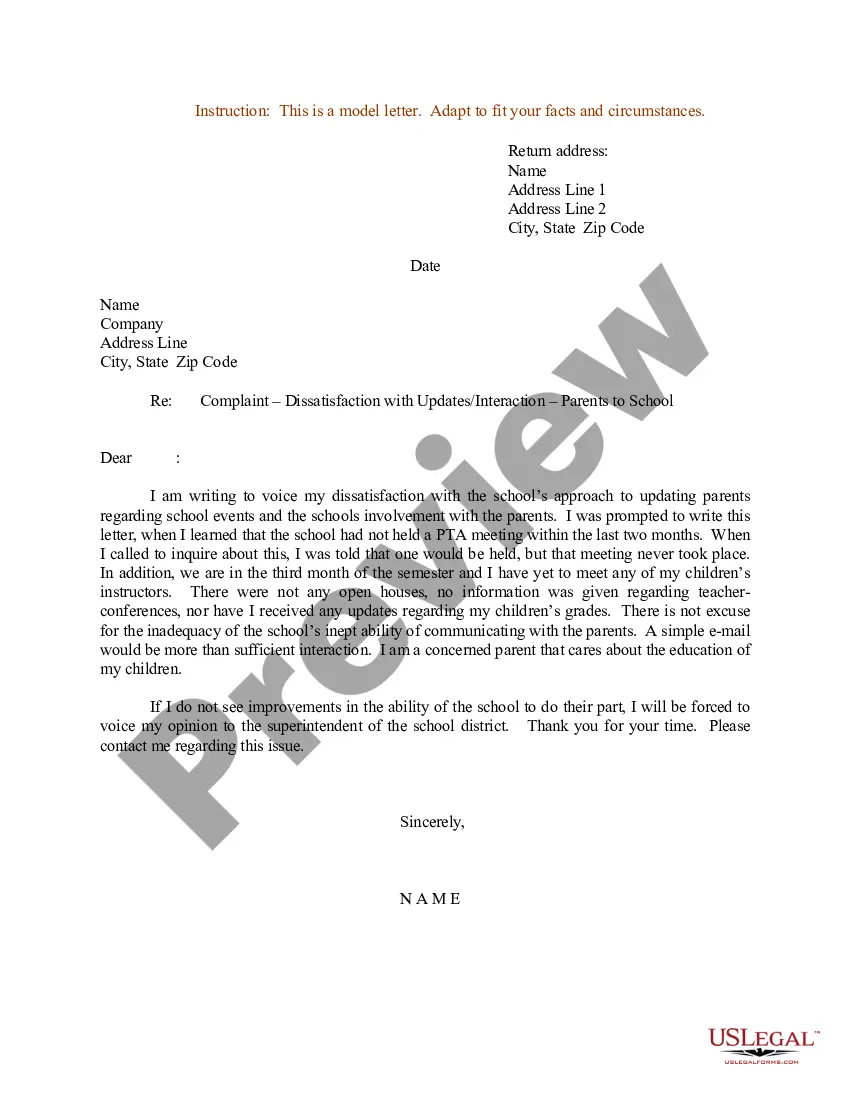
Address Letter On Behalf Of
Description
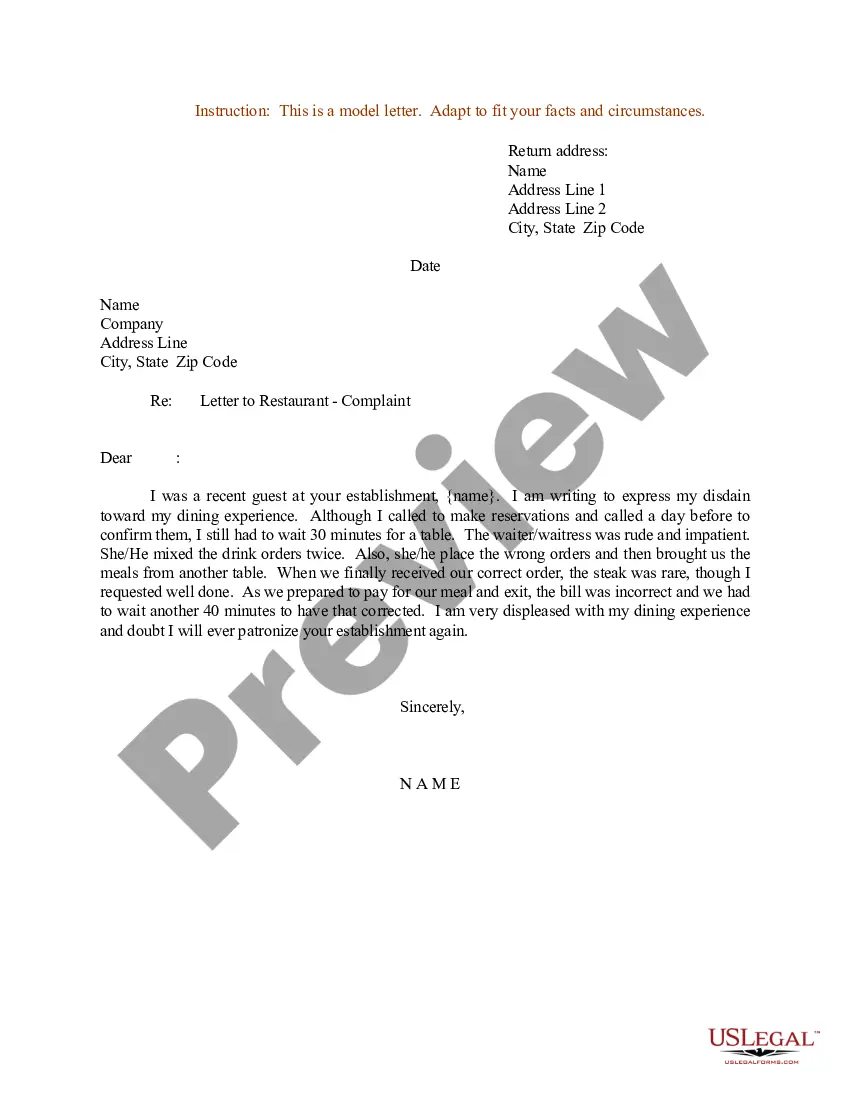
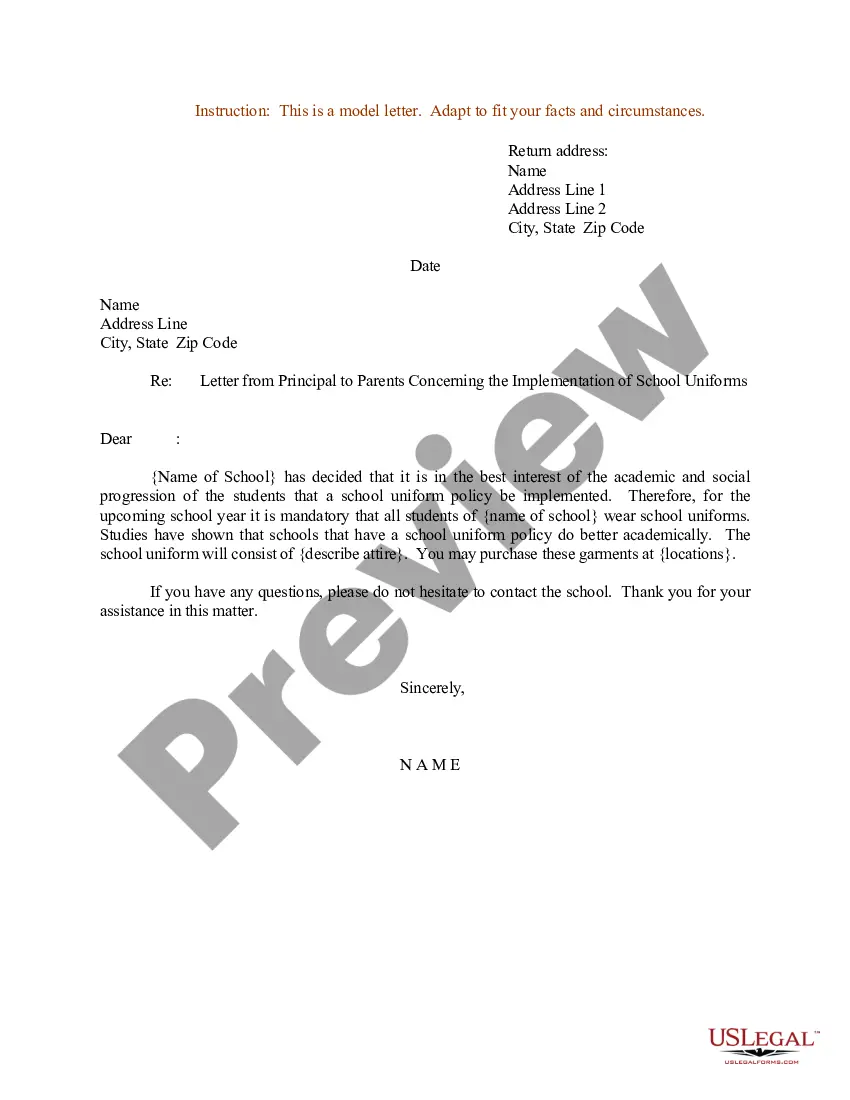
Get your form ready online
Our built-in tools help you complete, sign, share, and store your documents in one place.
Make edits, fill in missing information, and update formatting in US Legal Forms—just like you would in MS Word.
Download a copy, print it, send it by email, or mail it via USPS—whatever works best for your next step.
Sign and collect signatures with our SignNow integration. Send to multiple recipients, set reminders, and more. Go Premium to unlock E-Sign.
If this form requires notarization, complete it online through a secure video call—no need to meet a notary in person or wait for an appointment.
We protect your documents and personal data by following strict security and privacy standards.

Make edits, fill in missing information, and update formatting in US Legal Forms—just like you would in MS Word.

Download a copy, print it, send it by email, or mail it via USPS—whatever works best for your next step.

Sign and collect signatures with our SignNow integration. Send to multiple recipients, set reminders, and more. Go Premium to unlock E-Sign.

If this form requires notarization, complete it online through a secure video call—no need to meet a notary in person or wait for an appointment.

We protect your documents and personal data by following strict security and privacy standards.
Looking for another form?
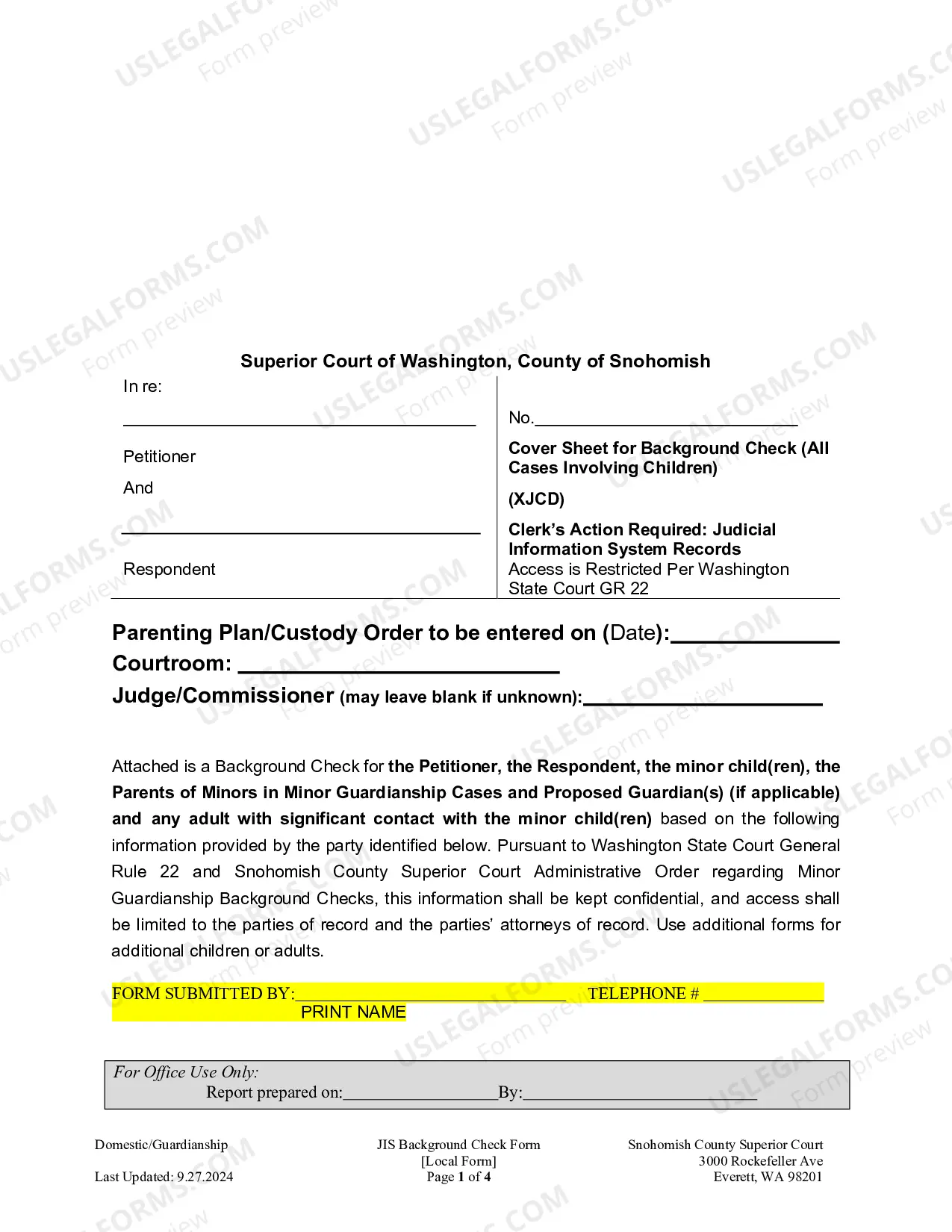



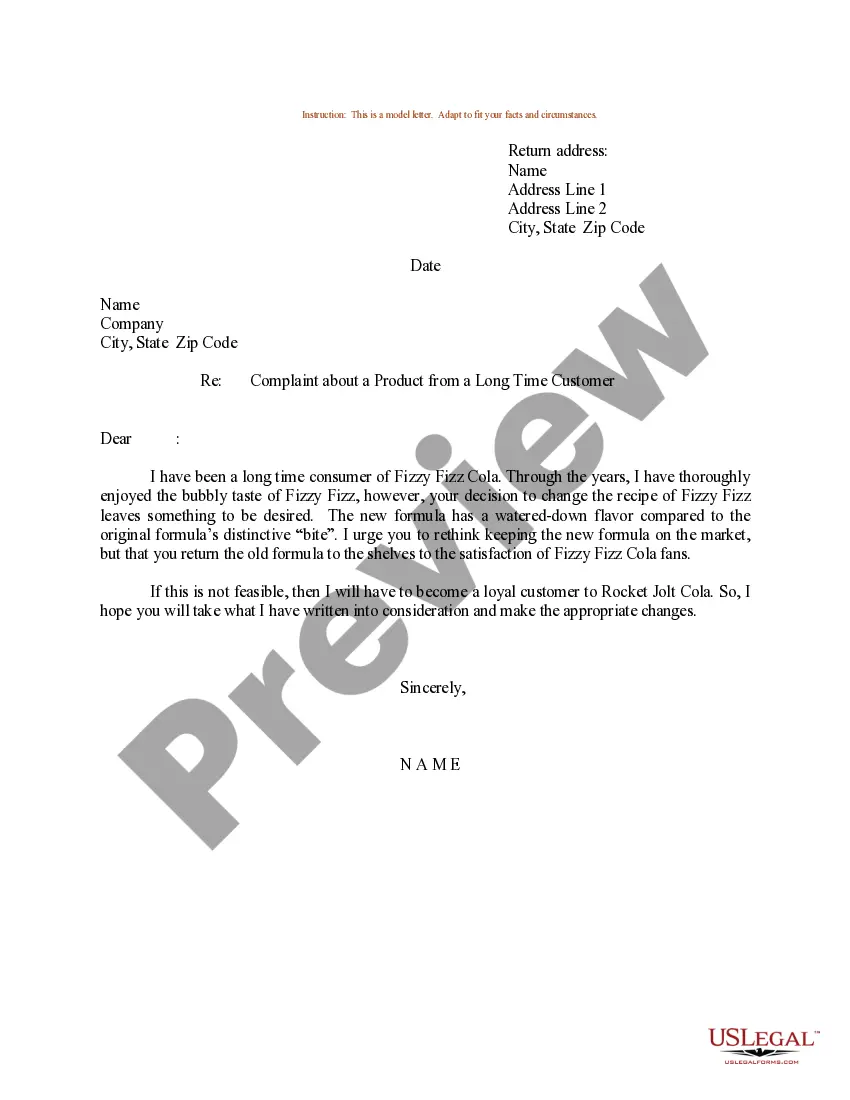
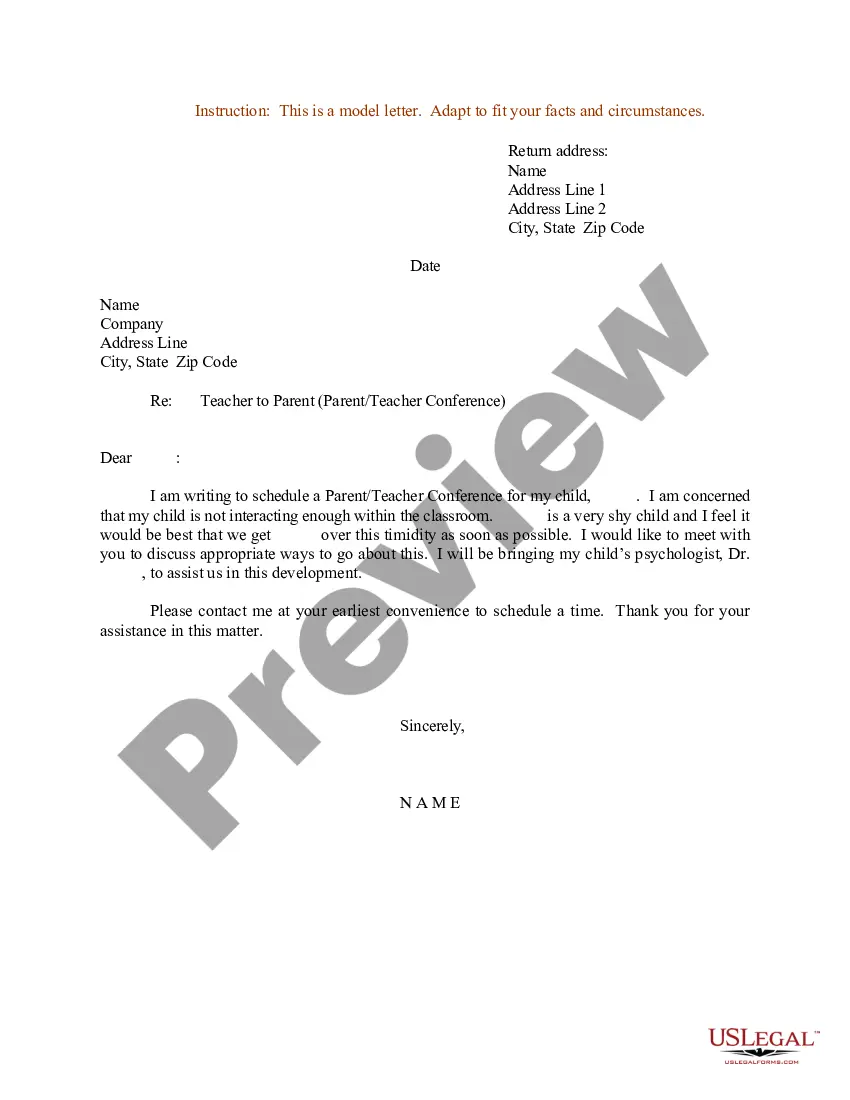
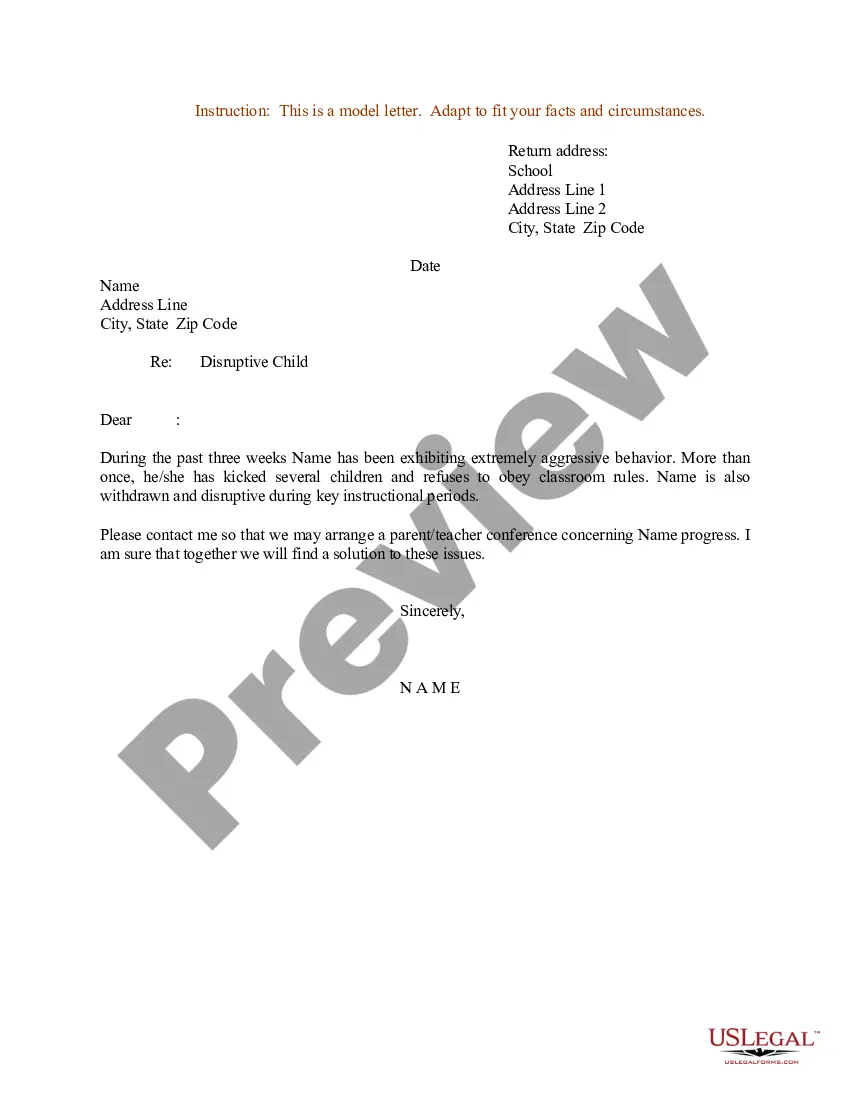
How to fill out Sample Letter For Complaint - Dissatisfaction With Updates - Interaction - Parents To School?
Managing legal documents can be perplexing, even for seasoned professionals.
When you're seeking an Address Letter On Behalf Of and lack the opportunity to invest time searching for the appropriate and current version, the process can be stressful.
Access state- or county-specific legal and business templates.
US Legal Forms addresses any requirements you might have, from personal to business documents, all in one place.
If this is your first experience with US Legal Forms, create a free account and enjoy unrestricted access to all the resources in the library. Here are the actions to take after obtaining the document you need.
- Utilize advanced tools to complete and manage your Address Letter On Behalf Of.
- Access a resource library of articles, guides, and manuals pertinent to your circumstances and needs.
- Save time and energy in searching for the forms you require and use US Legal Forms’ sophisticated search and Preview feature to locate Address Letter On Behalf Of and download it.
- If you have a monthly membership, Log In to your US Legal Forms account, search for the document, and download it.
- Check your My documents section to review the documents you've previously downloaded and manage your files as you see fit.
- A strong online form repository could be revolutionary for anyone looking to handle these matters effectively.
- US Legal Forms is a frontrunner in online legal documents, providing more than 85,000 state-specific legal templates available to you at any time.
- With US Legal Forms, you can.
Form popularity
FAQ
Using 'in care of' correctly involves placing 'c/o' before the name of the individual or organization that will handle the mail. Be sure to include the full address of the person or entity, starting with the name of the person receiving the mail first, followed by 'c/o' and the name of the responsible party. This method ensures proper delivery and reduces the chances of miscommunication.
When writing an address with 'in care of', include the recipient's name first, followed by 'c/o' and then the person or company responsible for delivering the mail. For example, you would write: 'John Smith, c/o Jane Doe, 123 Main St, City, State, ZIP'. This method helps ensure that your letter reaches the intended person even if they are not at the address listed.
If you're an officer of that group, the secretary say, then just sign it and put 'secretary' under your name. If you are not an official but have the authority to represent the group, then just sign it and put 'on behalf of . . the group' underneath.
Write the letter as normal, sign it with your own name, and then add ?pp.? plus their name (?pp.? stands for ?per pro? - it means ?for and on behalf of?). Here is an example: Dear Mr. Smith, <Insert body text of letter here> Yours sincerely, A.B. Brown (Secretary) pp. C.D. Green (Director)
To Whom It May Concern: Use only when you do not know to whom you must address the letter, for example, when writing to an institution. Dear Sir/Madam, Use when writing to a position without having a named contact.
Envelopes: Write your address (the "return" or "sender" address) in the top left corner. Write the delivery address (the "recipient" address) in the bottom center.
It's always best to address the person directly by name if you can find out this information. If not, other options include using the name of the group or department, the person's job title, or, if you're not addressing one specific person, ?To Whom It May Concern.? Examples: Dear Sir or Madam alternatives Dear Ms.