Convertible Note Corporation With Dividends
Description
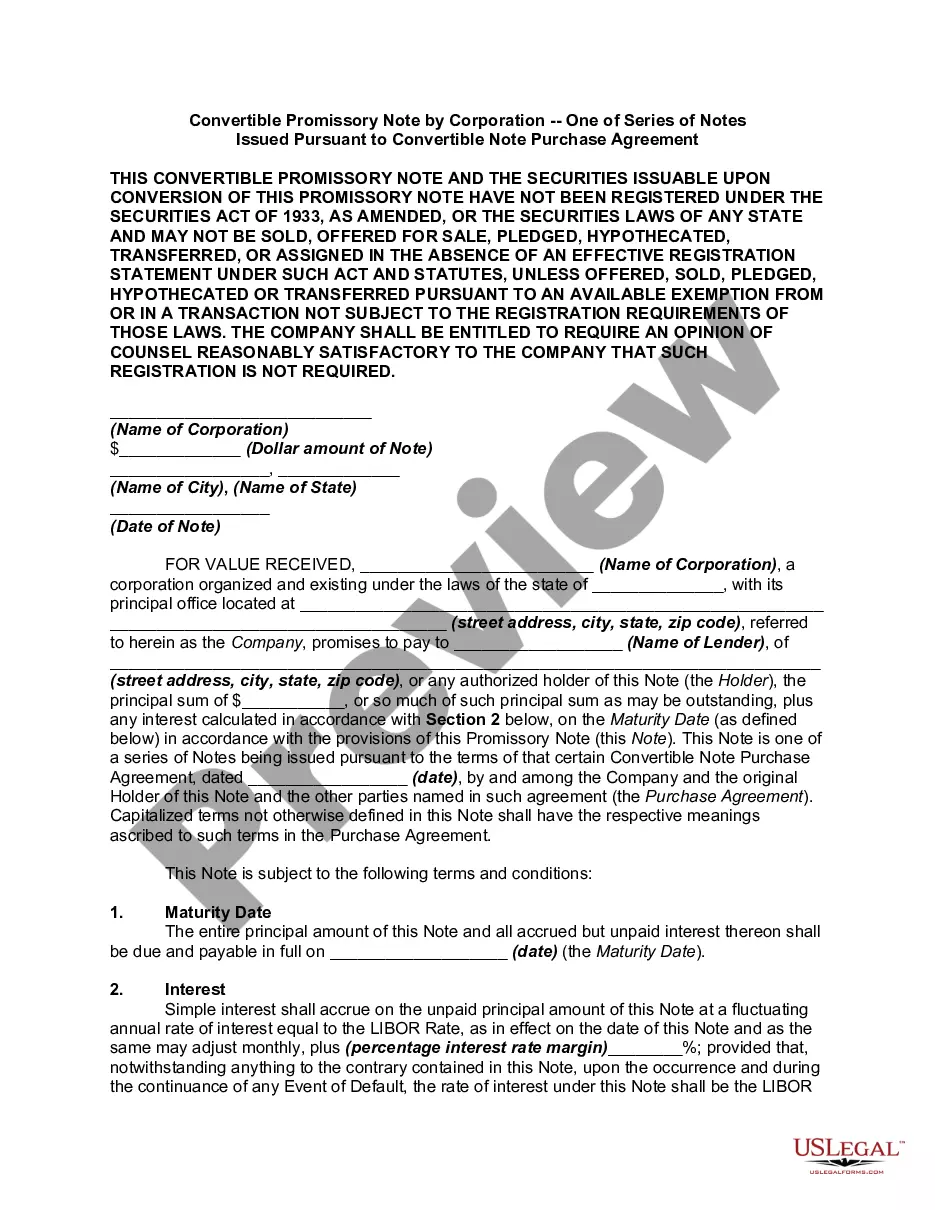
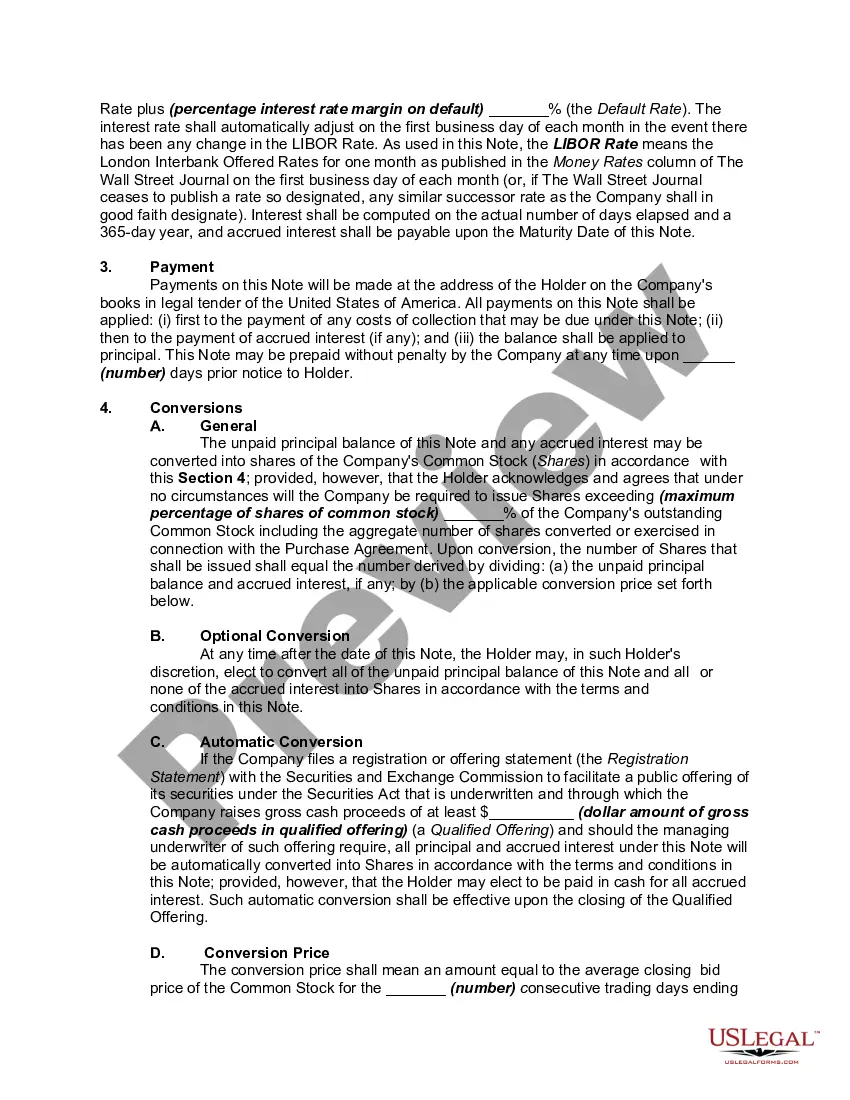
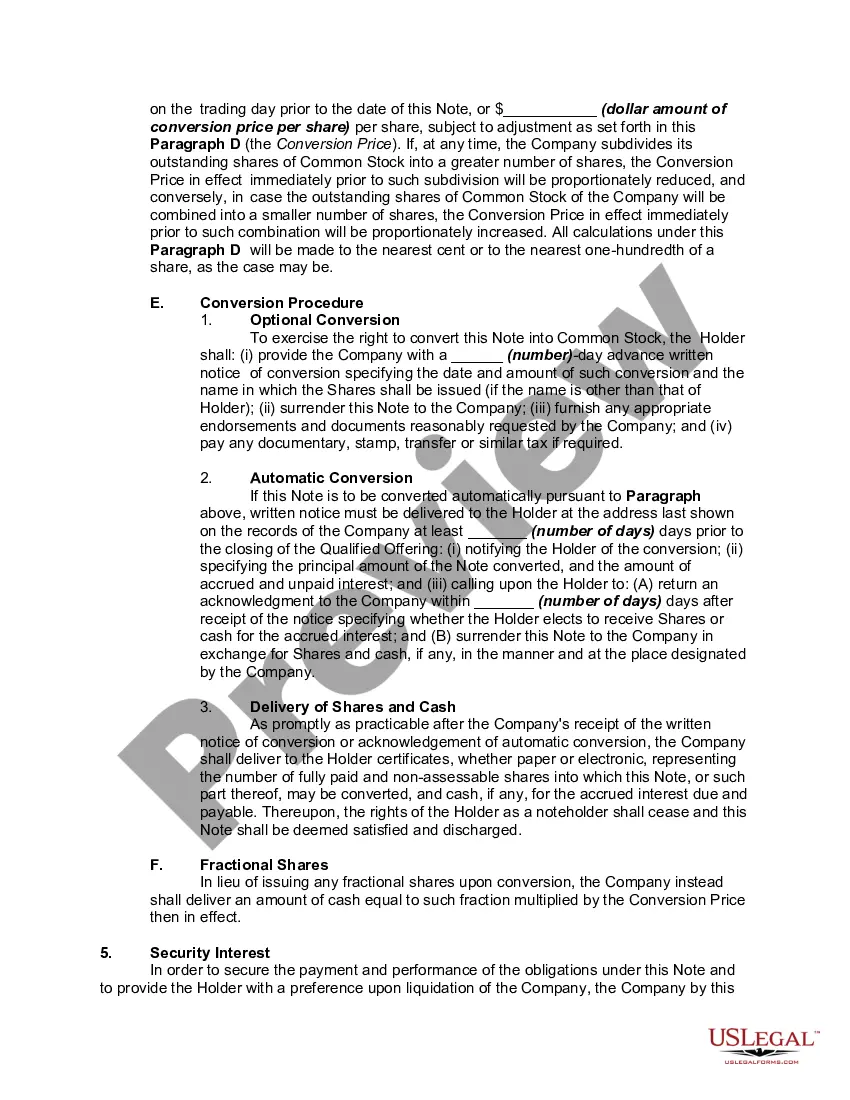
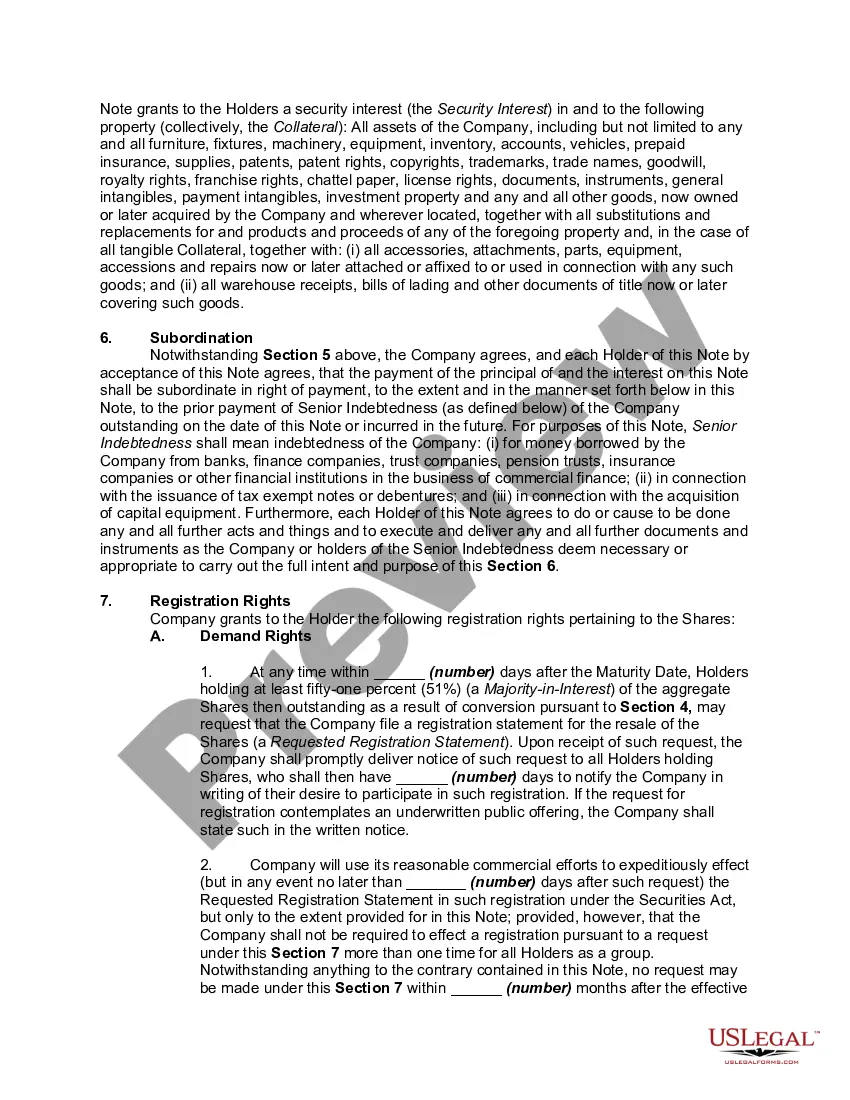
Get your form ready online
Our built-in tools help you complete, sign, share, and store your documents in one place.
Make edits, fill in missing information, and update formatting in US Legal Forms—just like you would in MS Word.
Download a copy, print it, send it by email, or mail it via USPS—whatever works best for your next step.
Sign and collect signatures with our SignNow integration. Send to multiple recipients, set reminders, and more. Go Premium to unlock E-Sign.
If this form requires notarization, complete it online through a secure video call—no need to meet a notary in person or wait for an appointment.
We protect your documents and personal data by following strict security and privacy standards.

Make edits, fill in missing information, and update formatting in US Legal Forms—just like you would in MS Word.

Download a copy, print it, send it by email, or mail it via USPS—whatever works best for your next step.

Sign and collect signatures with our SignNow integration. Send to multiple recipients, set reminders, and more. Go Premium to unlock E-Sign.

If this form requires notarization, complete it online through a secure video call—no need to meet a notary in person or wait for an appointment.

We protect your documents and personal data by following strict security and privacy standards.
Looking for another form?
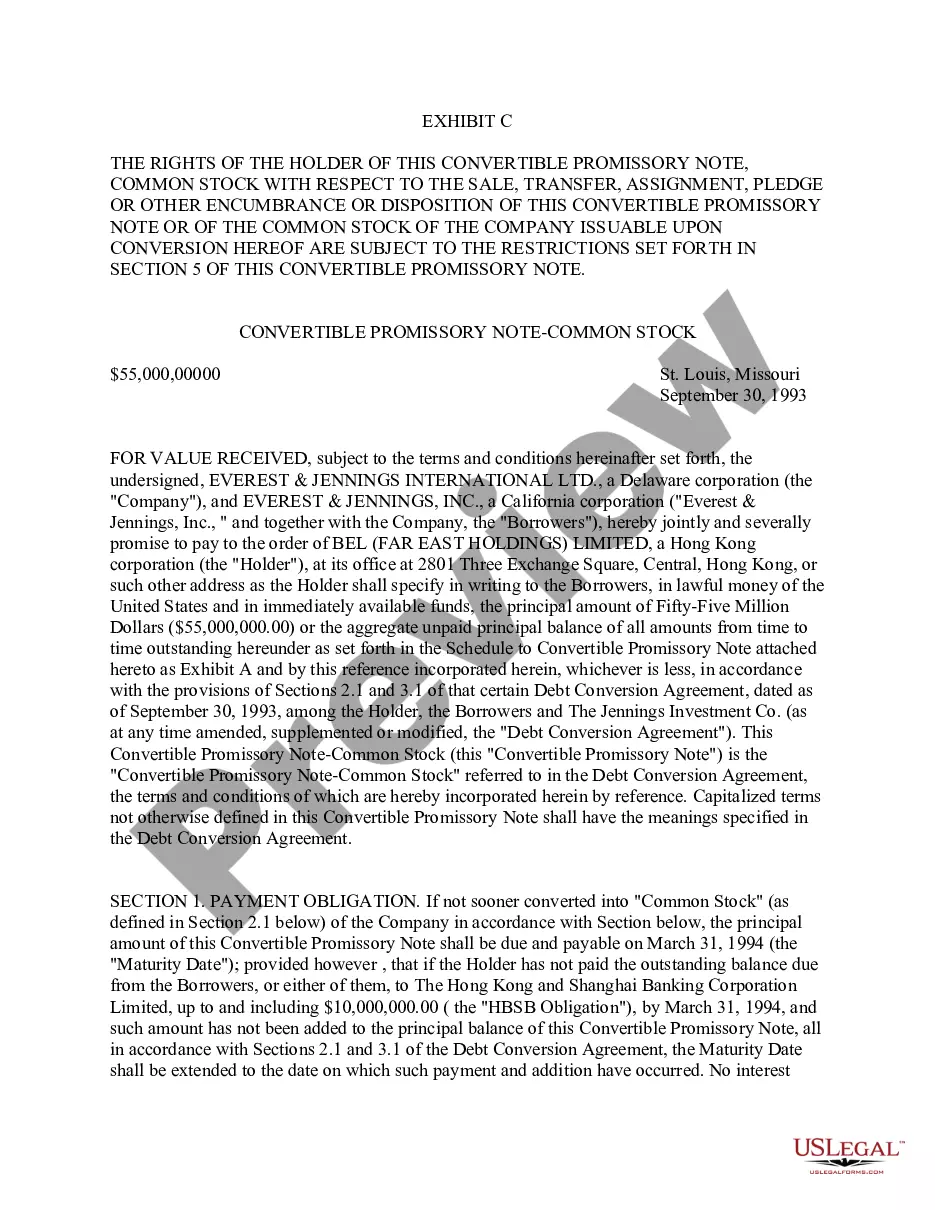
How to fill out Convertible Promissory Note By Corporation - One Of Series Of Notes Issued Pursuant To Convertible Note Purchase Agreement?
Utilizing legal documents that comply with federal and local regulations is essential, and the internet provides numerous alternatives.
However, why squander time searching for the appropriate Convertible Note Corporation With Dividends template online when the US Legal Forms digital library already compiles such documents in one location.
US Legal Forms is the largest online legal repository featuring over 85,000 fillable forms crafted by lawyers for various business and personal situations.
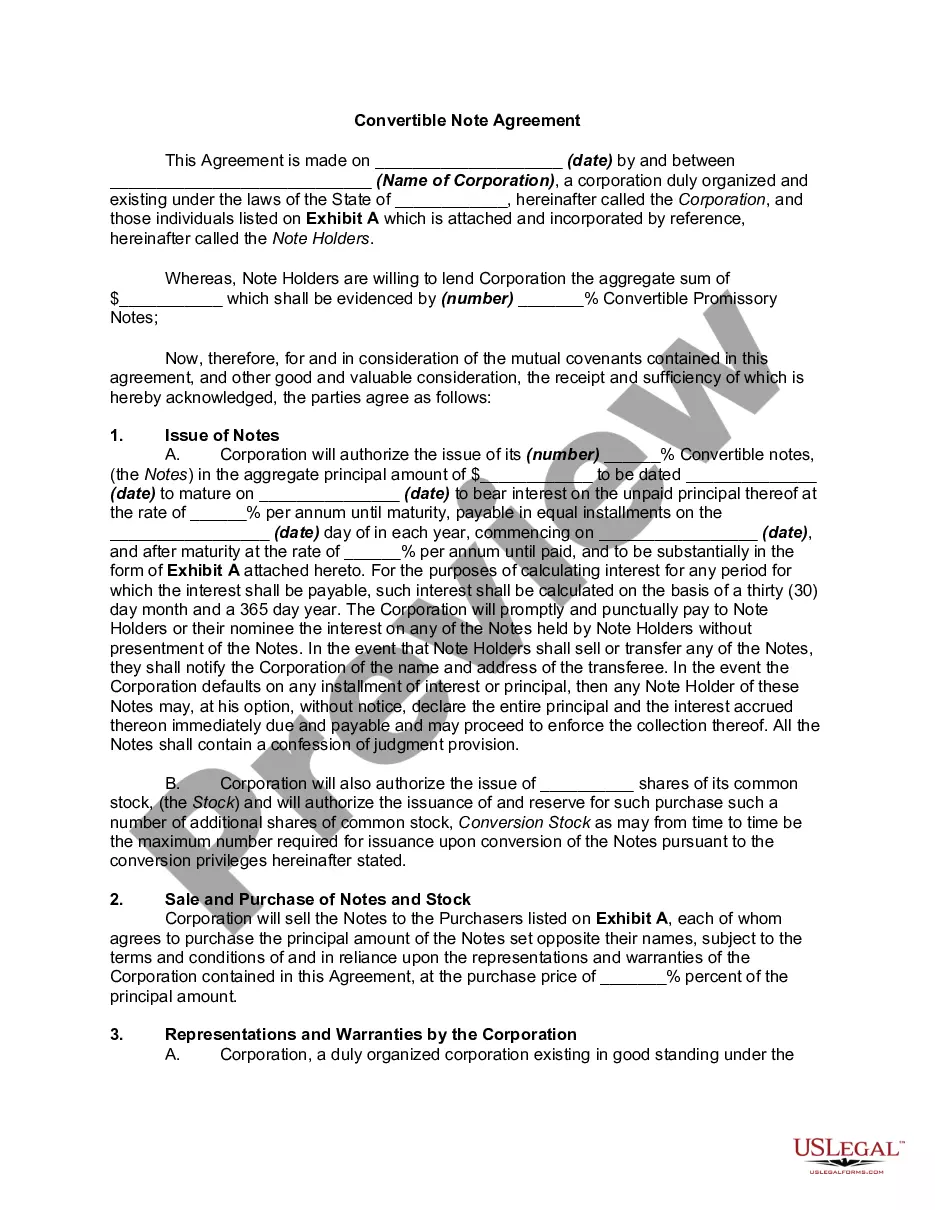
View the template using the Preview feature or via the text description to confirm it aligns with your requirements.
- They are straightforward to navigate with all files categorized by state and intended use.
- Our specialists keep abreast of legal updates, ensuring your documentation is current and compliant when acquiring a Convertible Note Corporation With Dividends from our site.
- Obtaining a Convertible Note Corporation With Dividends is quick and easy for both existing and new customers.
- If you already possess an account with an active subscription, Log In and download the document template you need in the correct format.
- If you are new to our site, follow the steps outlined below.
Form popularity
FAQ
Accounting for a convertible note in a corporation with dividends requires careful tracking of the note's value and terms. Initially, record the note as a liability on your balance sheet, and then monitor changes in terms during its life. When the note converts to equity, ensure you reclassify it correctly to reflect ownership changes. Using platforms like US Legal Forms can help you manage this process seamlessly, ensuring accurate documentation and compliance.
One significant disadvantage of a convertible note corporation with dividends is the complexity involved in conversion terms. Startups may face challenges understanding how valuation caps and discounts impact their future funding. Additionally, convertible notes can lead to dilution during conversion, affecting existing shareholders. It's essential to weigh these factors when considering financing options.
Convertible notes can be beneficial for shareholders in a convertible note corporation with dividends. They offer a way for companies to raise funds while giving shareholders potential upside if the company's value increases. Additionally, these notes often yield interest, which can provide a steady return until the conversion event, making them an appealing option for both current and future investors.
Investors in a convertible note corporation with dividends should understand that these financial instruments usually defer tax consequences until conversion or repayment. When the note converts into equity, it may trigger capital gains tax based on the equity's fair market value at that time. Hence, careful planning and consultation with a tax professional are essential for mitigating potential tax liabilities related to the convertible notes.
Accounting for a convertible note in a convertible note corporation with dividends involves recording it as a liability on the balance sheet initially. As it accrues interest, you recognize this interest expense. Upon conversion, it is important to reclassify the liability into equity, ensuring your financial statements accurately reflect the company's obligations and capital structure.
While convertible bonds offer benefits, they also come with disadvantages. A convertible note corporation with dividends may have lower yields compared to traditional bonds, and they may carry higher risk if the company performs poorly. Additionally, if interest rates rise, the bond's value might decline, which can impact investors.
Currently, convertible bonds can be an attractive investment option due to their potential for capital appreciation and income generation. A convertible note corporation with dividends can provide both security and yield, especially in volatile markets. Investors should assess their risk tolerance and market conditions before making a decision, as returns can vary.
Yes, a convertible note corporation with dividends can dilute existing shareholders when the notes convert into equity. When investors convert their notes into shares, the overall number of shares outstanding increases, which may reduce the ownership percentage of existing shareholders. However, this dilution often offsets by the additional capital that can help the company grow.
A convertible note corporation with dividends typically does not issue a K1 form since K1s are usually used for partnerships. Instead, convertible notes may generate interest income that investors report on different tax forms. Tax reporting can vary based on the structure of the investment, so consulting a tax professional is advisable.
Convertible notes generally have specific terms defining when conversion can occur. It is important to review the agreement, as many convertible notes, especially those associated with a convertible note corporation with dividends, specify a conversion event, often tied to funding rounds or maturity dates. Understanding these terms can prevent surprises and ensure that you capitalize on your investment. For tailored guidance, consider exploring the US Legal Forms platform, which provides resources on convertible notes and their implications.