Equipment Lease Advantages
Description
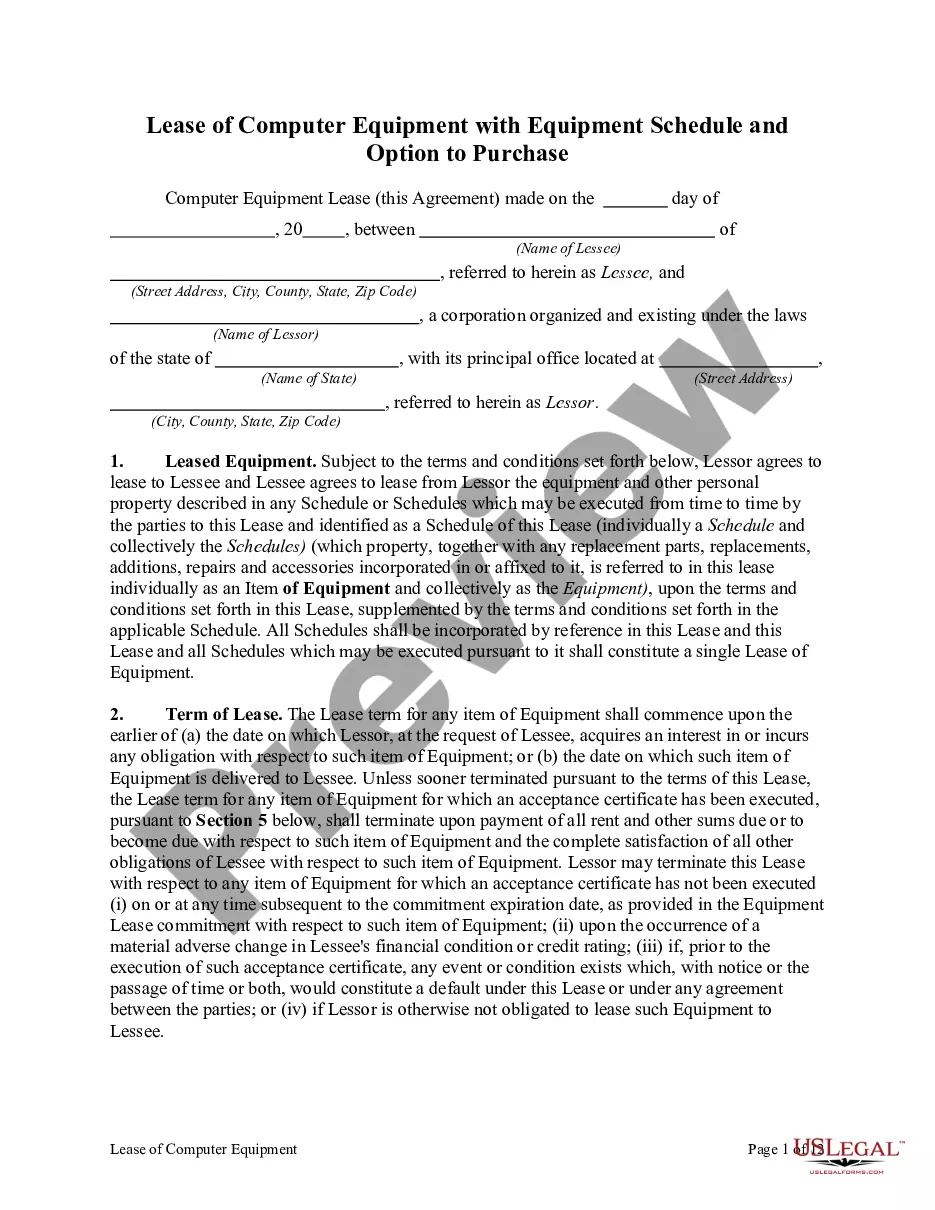
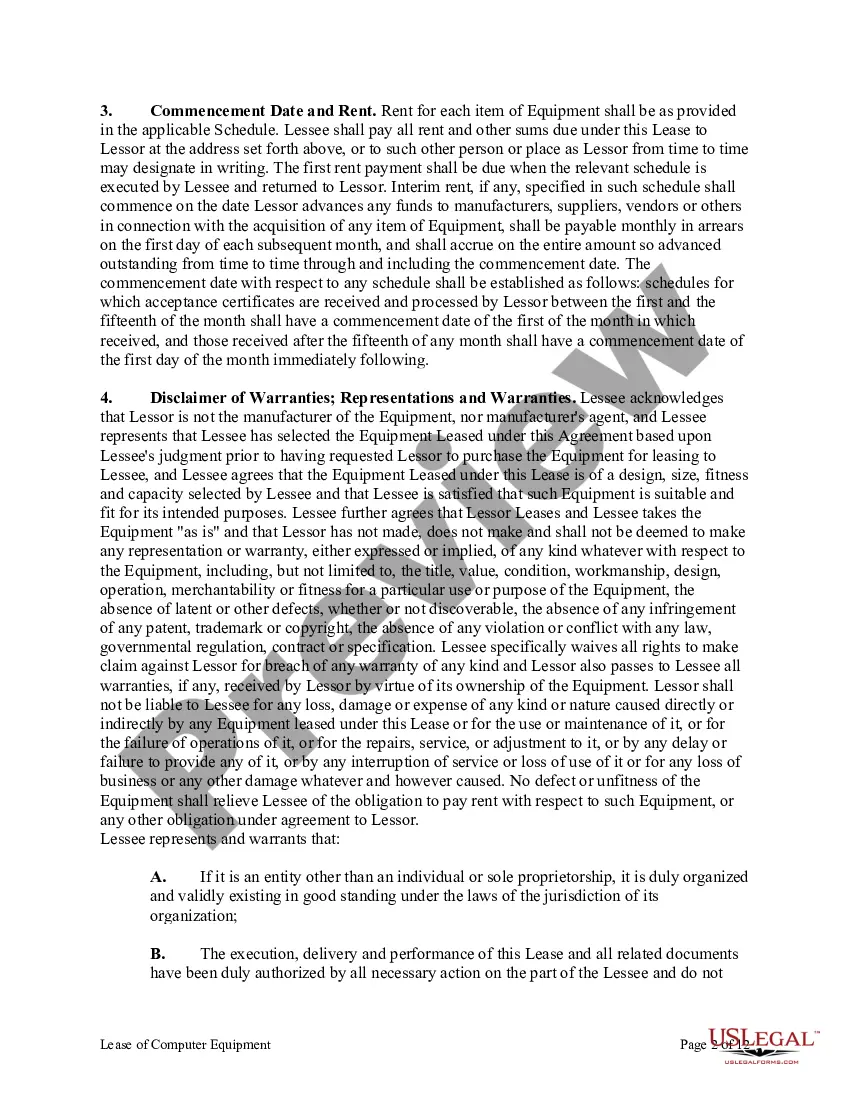
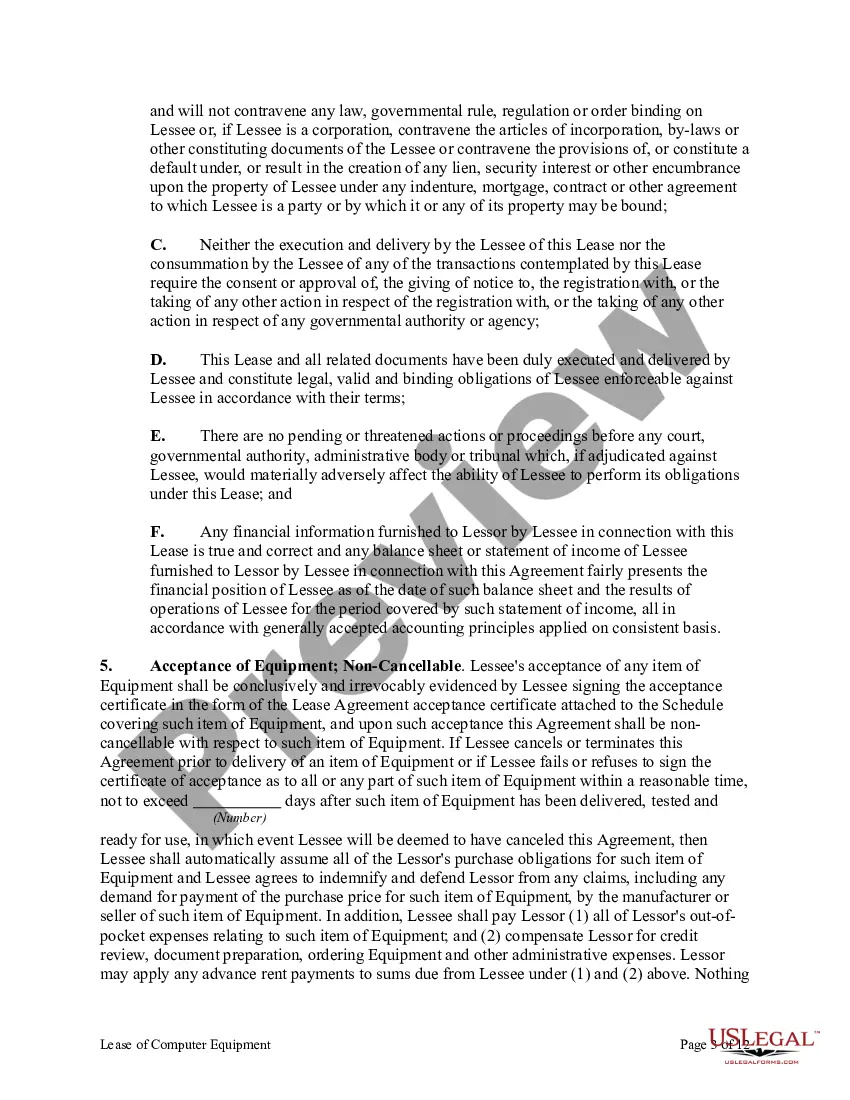
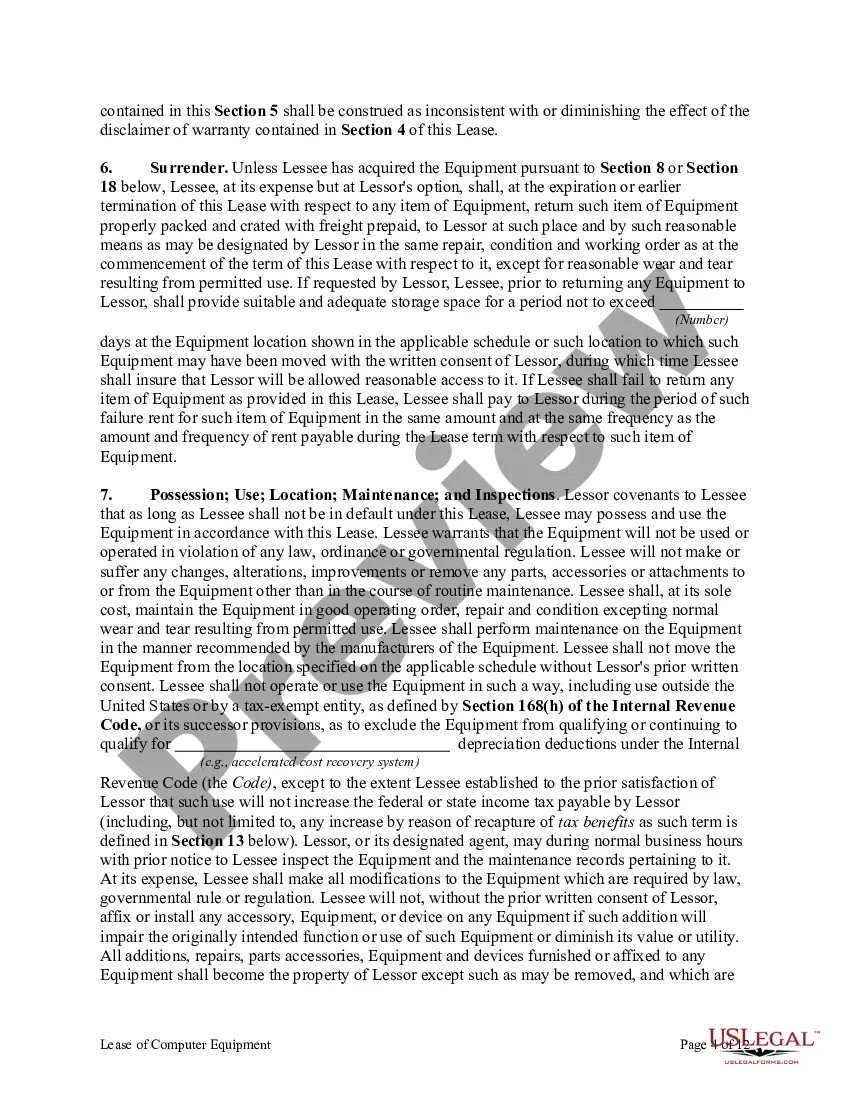
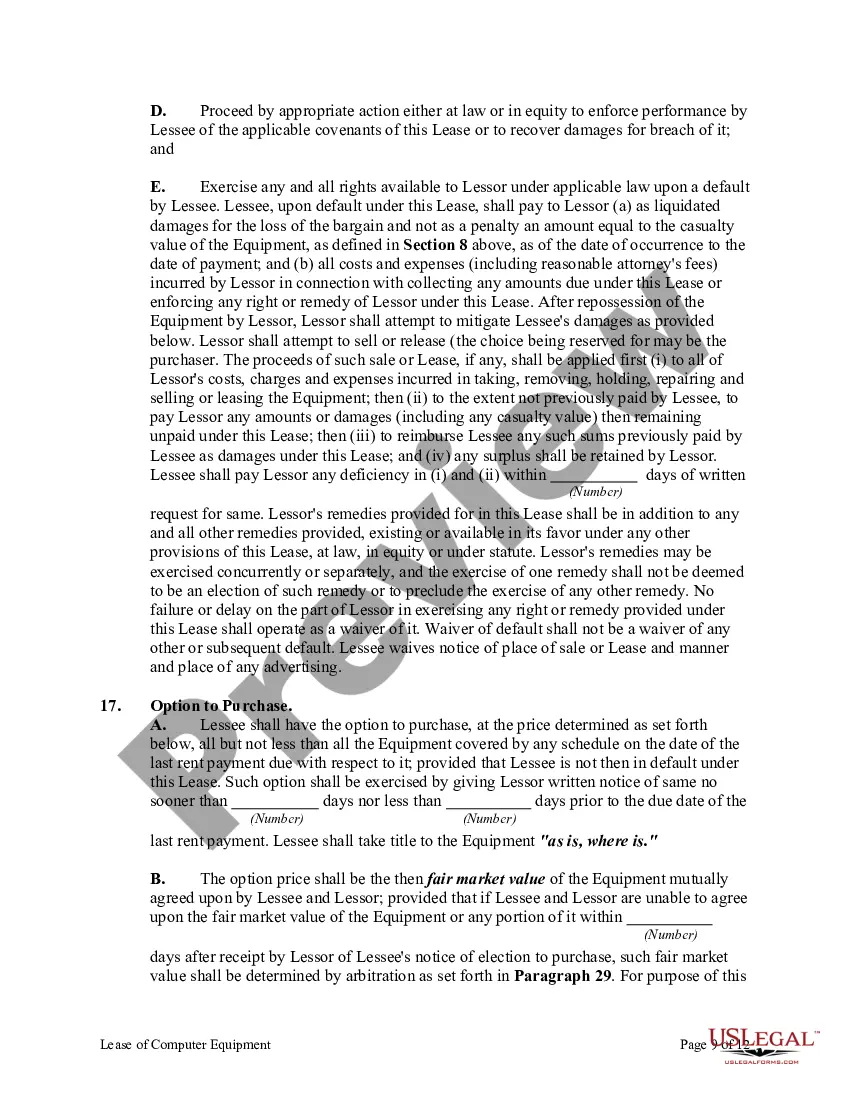
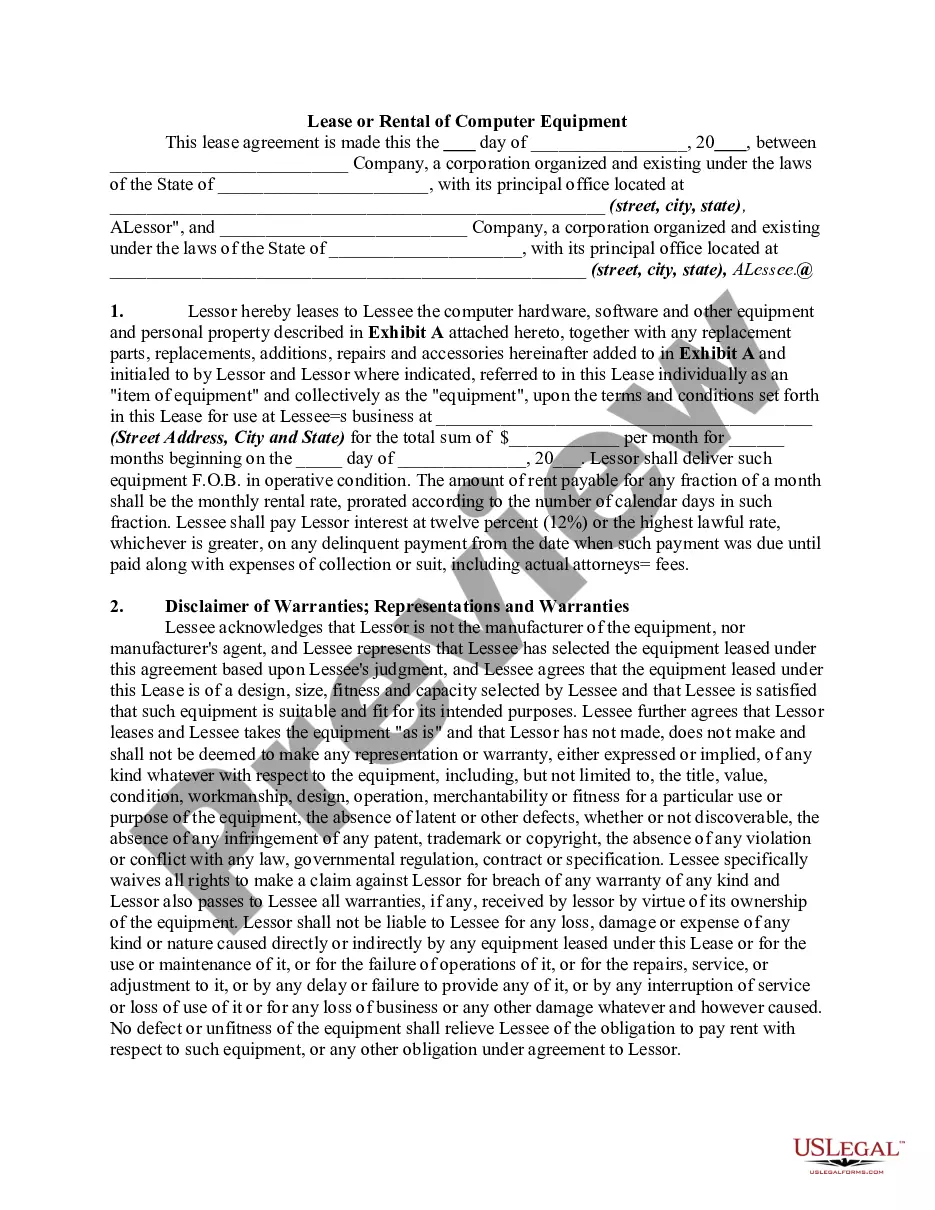
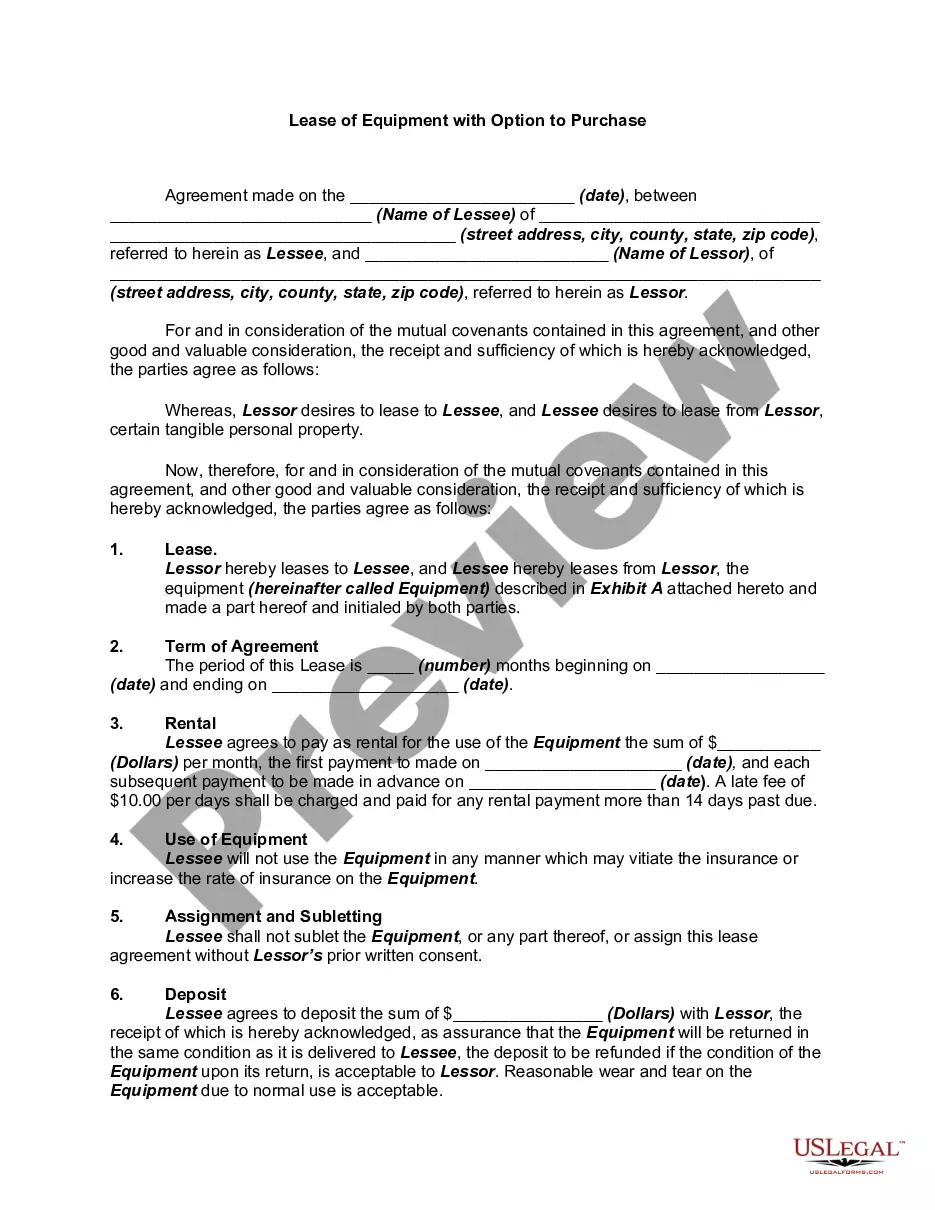
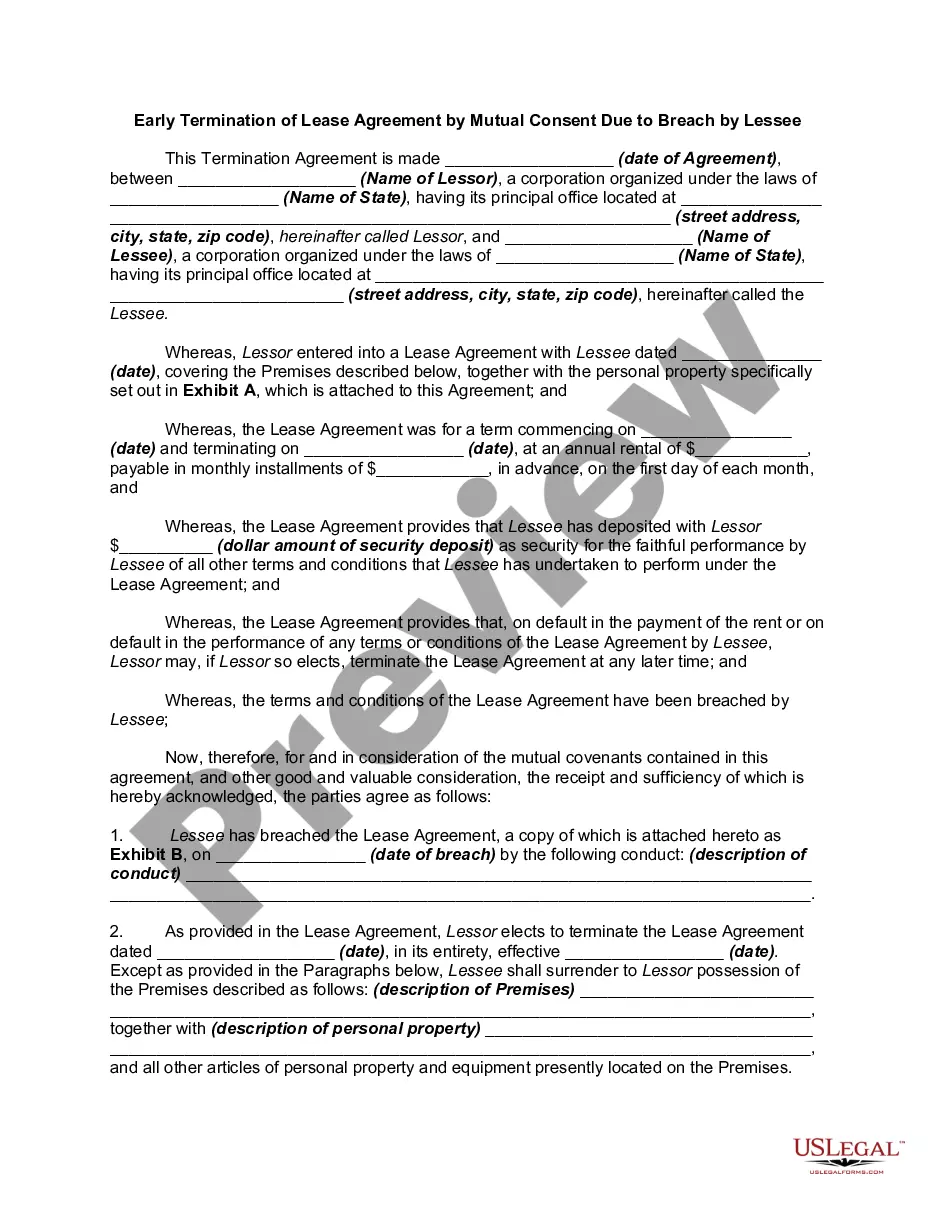
How to fill out Lease Of Computer Equipment With Equipment Schedule And Option To Purchase?
Obtaining legal document examples that adhere to federal and local statutes is essential, and the internet provides numerous alternatives to select from.
However, why squander time searching for the accurately formulated Equipment Lease Benefits template online when the US Legal Forms digital library has already gathered such formats in one location.
US Legal Forms is the largest online legal repository with more than 85,000 customizable templates crafted by lawyers for any business and personal circumstance.
Review the template using the Preview function or through the text outline to confirm it satisfies your requirements.
- They are simple to navigate with all documents categorized by state and intended use.
- Our experts keep up with legal modifications, ensuring that you can always trust your form is current and compliant when obtaining an Equipment Lease Benefits from our site.
- Acquiring an Equipment Lease Benefits is straightforward and rapid for both existing and new users.
- If you already possess an account with an active subscription, Log In and store the document sample you need in the appropriate format.
- If you are new to our website, adhere to the steps outlined below.
Form popularity
FAQ
What Are the Pros and Cons of Equipment Leasing? Less Upfront Cost for Equipment Purchases. ... Easy to Upgrade to Better Models. ... Greater Flexibility than Other Business Financing Options. ... You Don't Own the Equipment. ... You're Paying Interest. ... Limited Accessibility for New Business Owners.
Leasing capital equipment: Lowers upfront costs, compared to buying equipment outright. Reduces the chance that your company gets stuck with obsolete equipment, if your contract specifies upgrades. Transfers the cost of equipment maintenance to the leasing company, again ing to the terms of your contract.
Equipment leasing companies make money by charging fees for their services. These fees can include application fees, closing costs and interest on the loan. Additionally, some leasing companies may charge additional fees for late payments or maintenance of the equipment.
If the agreement is a lease, you may deduct the payments as rent. If the agreement is a conditional sales contract, you consider yourself as the outright purchaser of the equipment. You may generally recover the cost of such property used in a trade or business through depreciation deductions.
The equipment account in the balance sheet is debited by the present value of the minimum lease payments, and the lease liability account is the difference between the value of the equipment and cash paid at the beginning of the year.