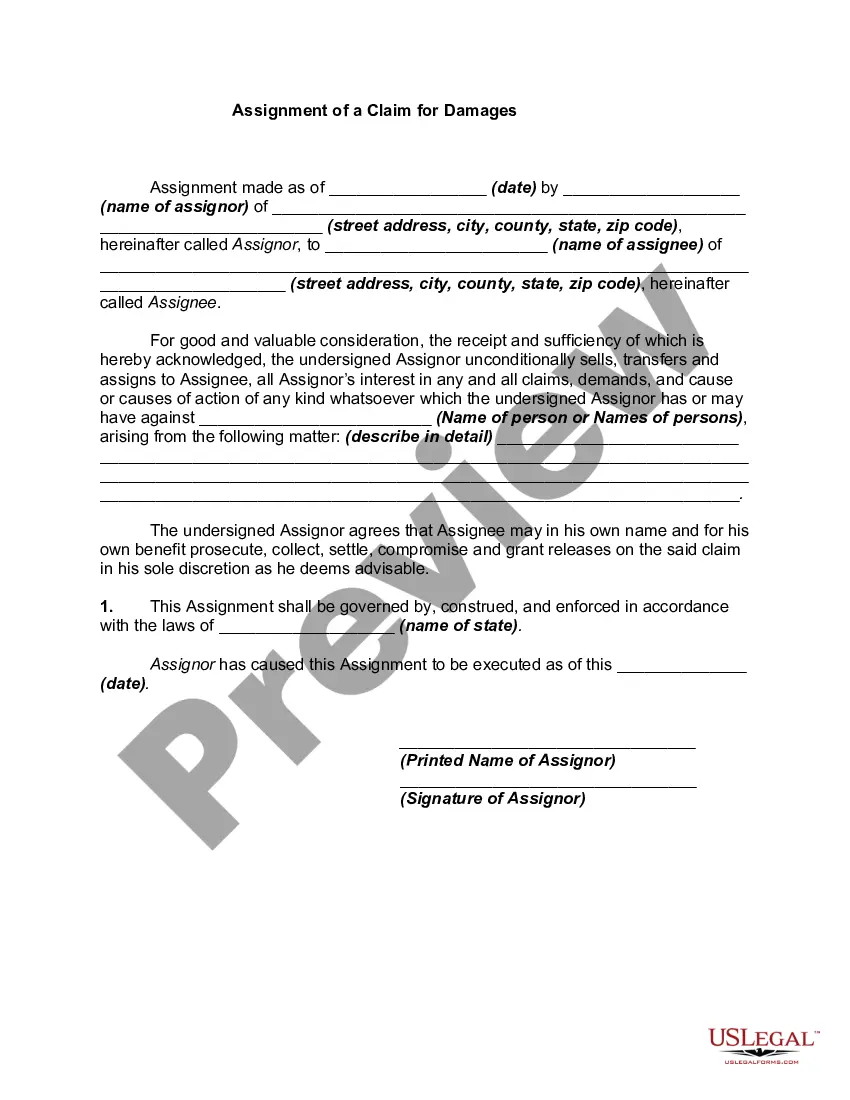
Contract Damages Formula
Description
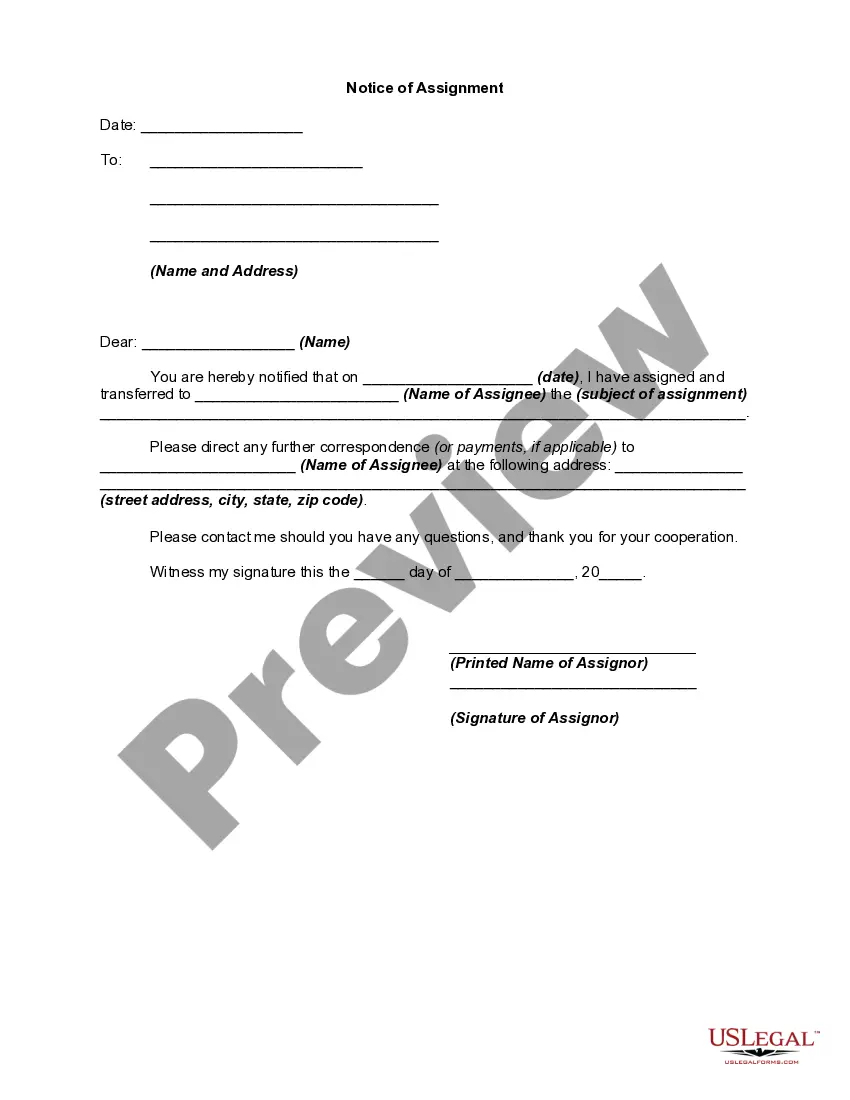
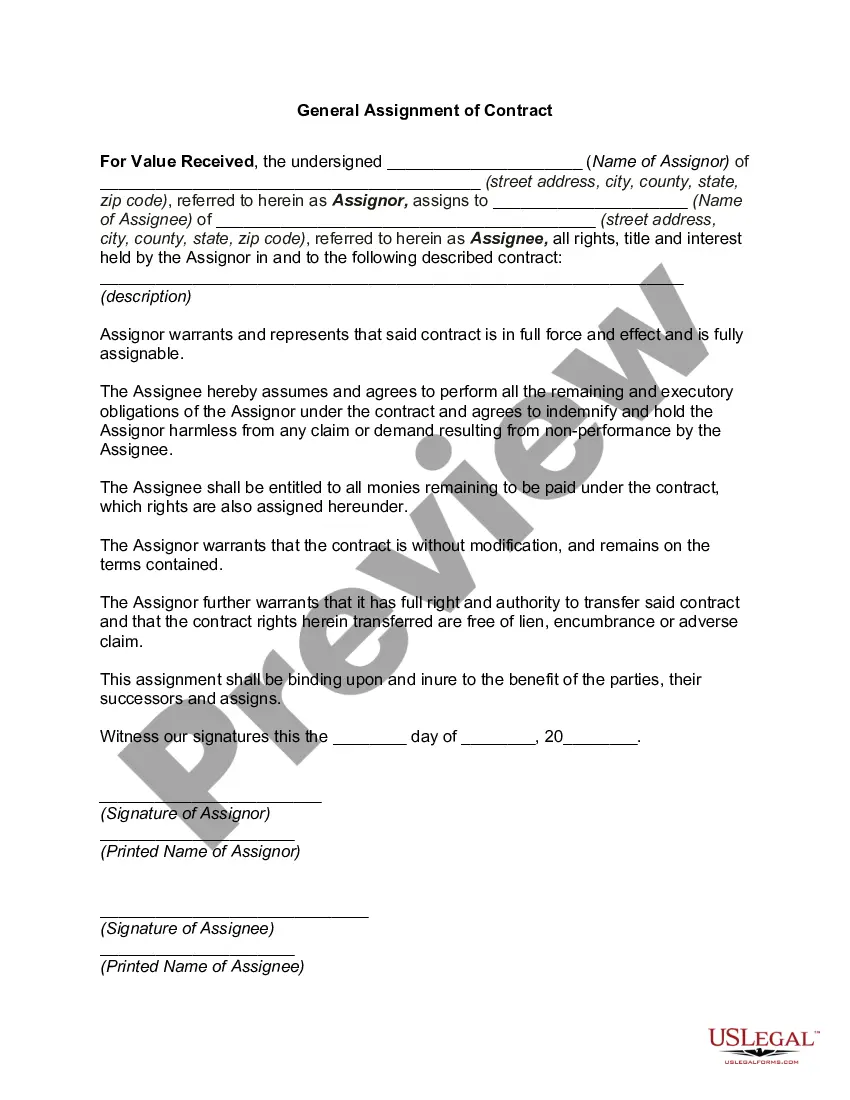
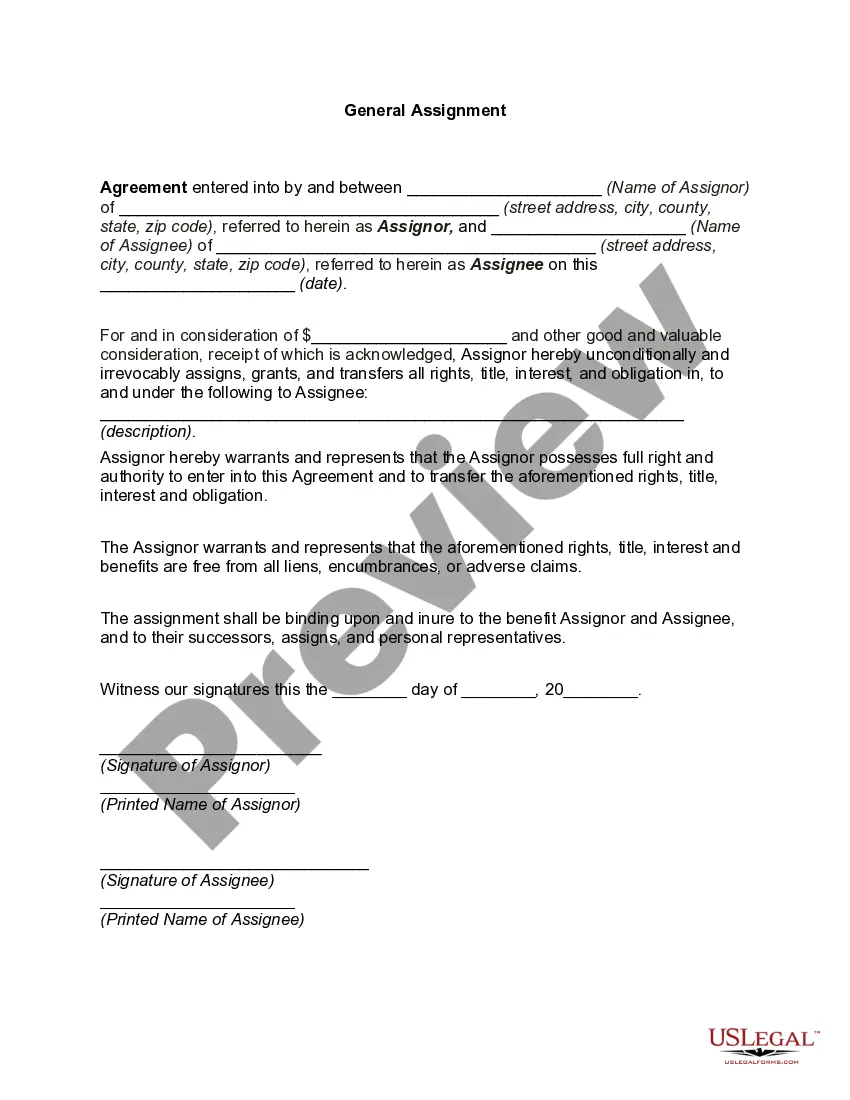
Get your form ready online
Our built-in tools help you complete, sign, share, and store your documents in one place.
Make edits, fill in missing information, and update formatting in US Legal Forms—just like you would in MS Word.
Download a copy, print it, send it by email, or mail it via USPS—whatever works best for your next step.
Sign and collect signatures with our SignNow integration. Send to multiple recipients, set reminders, and more. Go Premium to unlock E-Sign.
If this form requires notarization, complete it online through a secure video call—no need to meet a notary in person or wait for an appointment.
We protect your documents and personal data by following strict security and privacy standards.

Make edits, fill in missing information, and update formatting in US Legal Forms—just like you would in MS Word.

Download a copy, print it, send it by email, or mail it via USPS—whatever works best for your next step.

Sign and collect signatures with our SignNow integration. Send to multiple recipients, set reminders, and more. Go Premium to unlock E-Sign.

If this form requires notarization, complete it online through a secure video call—no need to meet a notary in person or wait for an appointment.

We protect your documents and personal data by following strict security and privacy standards.
Looking for another form?



How to fill out Assignment Of A Claim For Damages?
Managing legal documents can be perplexing, even for the most experienced professionals.
When searching for a Contract Damages Formula without the opportunity to dedicate time to finding the correct and current edition, the process can become overwhelming.
US Legal Forms meets all your requirements, ranging from personal to business paperwork, in a single location.
Use cutting-edge tools to complete and manage your Contract Damages Formula.
Here are the steps to follow after obtaining your required form: Validate that this is the appropriate document by previewing it and reviewing its details.
- Access a comprehensive resource pool of articles, guides, handbooks, and materials relevant to your situation and requirements.
- Save time and effort by utilizing US Legal Forms' advanced search and Review feature to locate and download the Contract Damages Formula you need.
- If you have a subscription, Log In to your US Legal Forms account, search for the form, and download it.
- Check the My documents tab to see the documents you have previously downloaded and organize your files as desired.
- If you are new to US Legal Forms, create a free account to gain unlimited access to all the benefits of the library.
- Utilize a robust online form library that could transform the way individuals handle these scenarios effectively.
- US Legal Forms is a frontrunner in online legal documents, offering over 85,000 state-specific legal forms accessible at any time.
- Facilitate access to state- or county-specific legal and business documents.
Form popularity
FAQ
Expectation damages can be calculated by using the contract damages formula, which focuses on what the injured party expected to gain from the contract. You evaluate the difference between what was promised and what was actually delivered. This approach includes anticipated profits and any consequential damages relevant to the breach. Clearly outlining these aspects in your claim can strengthen your position.
To compute for damages, you can employ the contract damages formula, which guides you in assessing financial impacts. Begin by identifying all losses, including lost wages, medical expenses, and necessary expenses for mitigation. Next, add any additional costs that arose from the breach or the circumstances surrounding it. Clear documentation of your damages can facilitate a smoother compensation process.
Calculating actual damages involves determining the direct financial losses caused by a contract breach. The contract damages formula typically includes evaluating expenses incurred and any profits that were not realized due to the breach. Additionally, consider any consequential losses that arose from the incident, as they may impact the overall calculation. Accurate records will be crucial to support your claim.
To calculate compensation for damages, you apply the contract damages formula, which often considers actual losses incurred. You start by assessing all relevant expenses and losses resulting from the breach of contract. This may include lost profits, incurred costs, and other foreseeable damages. It's important to document these losses to present a compelling case.
An example of expectancy damages occurs when a seller fails to deliver goods as promised in a contract. Suppose a business ordered custom machinery worth $10,000 but only received inferior quality goods worth $4,000. In this case, the expectancy damages would be $6,000, reflecting the difference between the expected value and what was actually received. Understanding the contract damages formula helps clarify such situations and provide a clear pathway for seeking adequate compensation.
To calculate expectation damages, a court typically uses the formula that focuses on the loss of what was expected from the contract. This involves determining the difference between the actual value received and what was promised under the contract. The court aims to put the injured party in a position they would have been in had the contract been fulfilled. Utilizing the contract damages formula correctly is crucial for accurately assessing these losses.
Calculating actual damages involves determining the true financial loss incurred due to the breach of contract. You can apply the contract damages formula to assess both direct losses and any consequential impacts. This precise calculation is vital, as it sets the basis for compensation and legal proceedings.
To calculate restitution damages, you need to focus on returning any benefits unjustly gained from the contract breach. The aim is to restore the wronged party to their pre-contract position. Using the contract damages formula can streamline this calculation, ensuring that any unjust enrichment is fairly addressed.
The standard measure for contractual damages is usually the expectation interest, which aims to put the injured party in a position as if the contract had been fulfilled. Utilizing the contract damages formula helps to calculate this expectation by comparing the promised benefits with what was actually delivered. This approach ensures consistency and fairness in compensation.
To effectively measure contract damages, start by identifying all financial losses related to the breach. This includes direct losses and any additional costs incurred. Leveraging the contract damages formula allows for an accurate calculation and provides assurance that all potential damages have been considered.