Grounds For Motion To Dismiss Civil Case Philippines
Description
Get your form ready online
Our built-in tools help you complete, sign, share, and store your documents in one place.
Make edits, fill in missing information, and update formatting in US Legal Forms—just like you would in MS Word.
Download a copy, print it, send it by email, or mail it via USPS—whatever works best for your next step.
Sign and collect signatures with our SignNow integration. Send to multiple recipients, set reminders, and more. Go Premium to unlock E-Sign.
If this form requires notarization, complete it online through a secure video call—no need to meet a notary in person or wait for an appointment.
We protect your documents and personal data by following strict security and privacy standards.

Make edits, fill in missing information, and update formatting in US Legal Forms—just like you would in MS Word.

Download a copy, print it, send it by email, or mail it via USPS—whatever works best for your next step.

Sign and collect signatures with our SignNow integration. Send to multiple recipients, set reminders, and more. Go Premium to unlock E-Sign.

If this form requires notarization, complete it online through a secure video call—no need to meet a notary in person or wait for an appointment.

We protect your documents and personal data by following strict security and privacy standards.
Looking for another form?



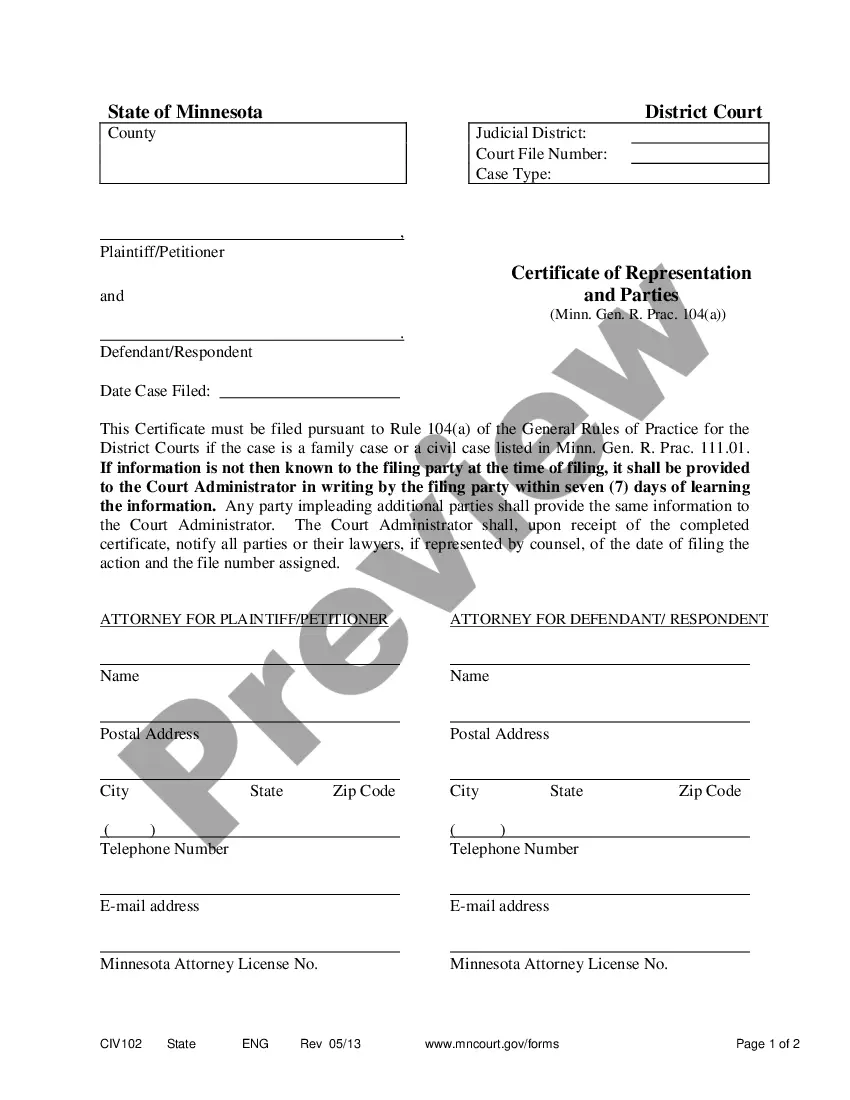

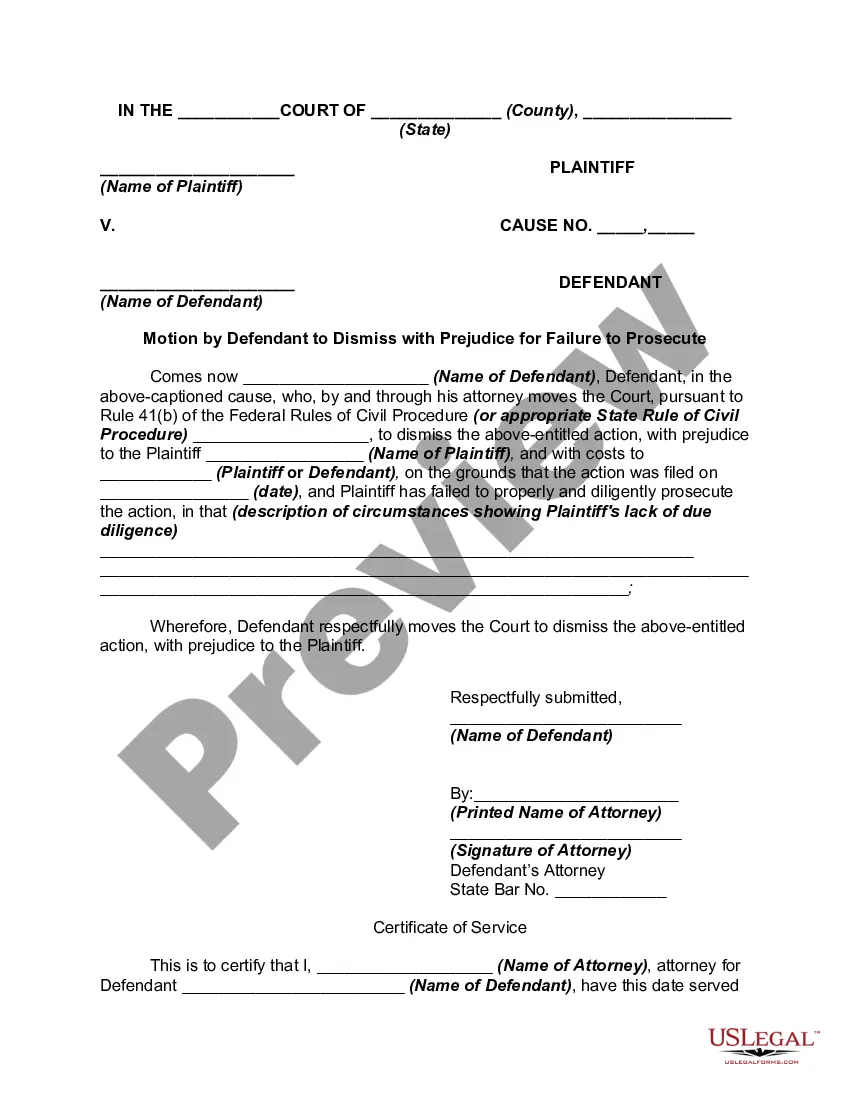
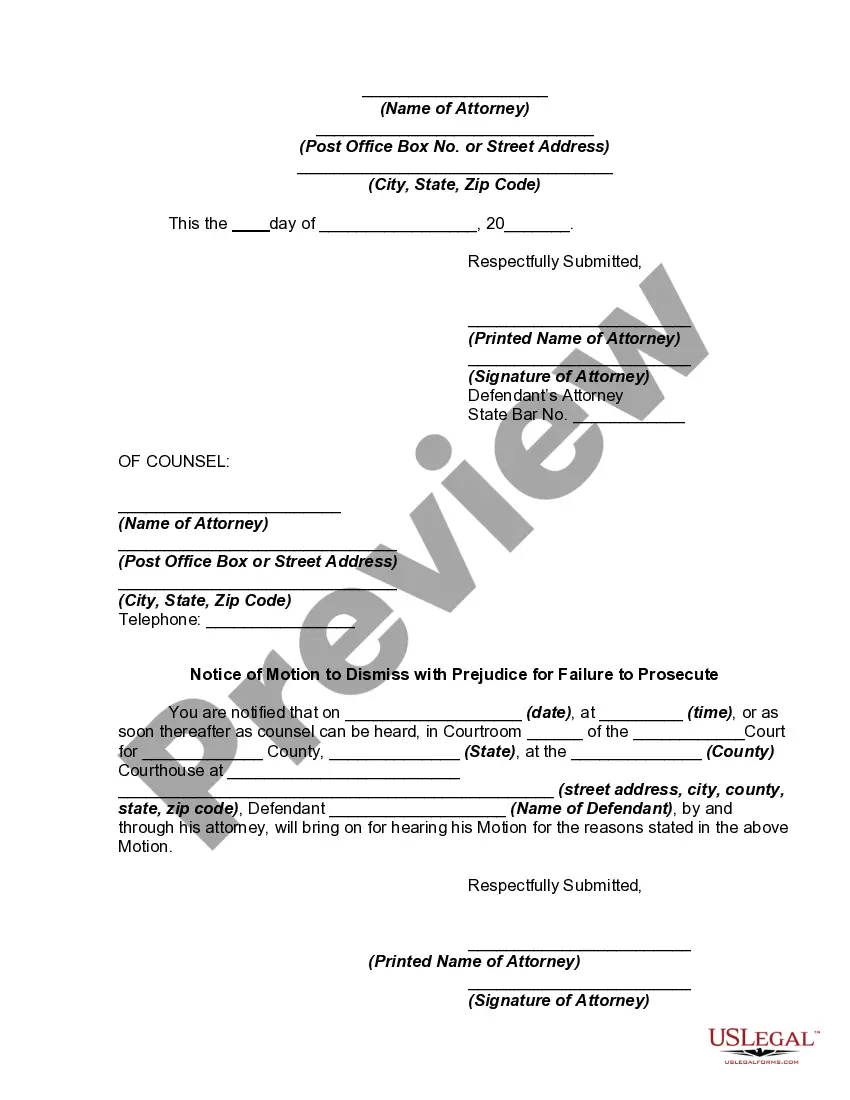
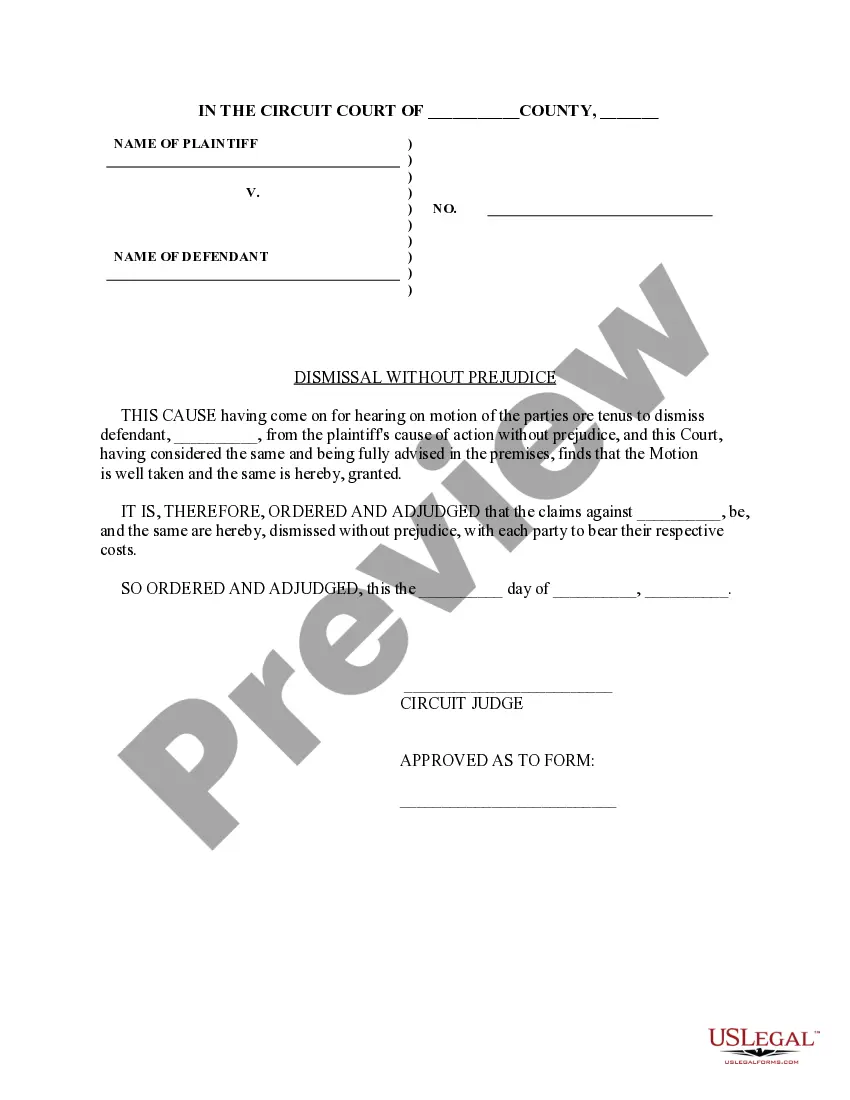
How to fill out Motion By Defendant To Dismiss With Prejudice For Failure To Prosecute?
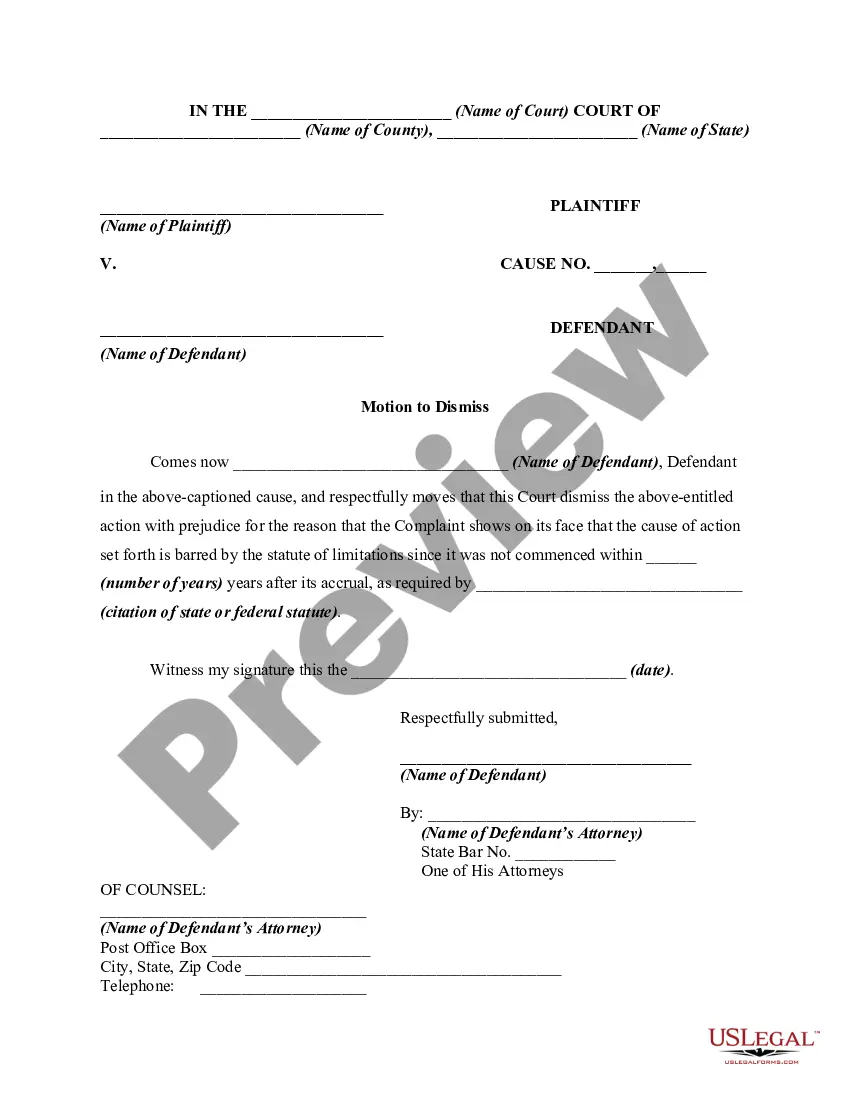
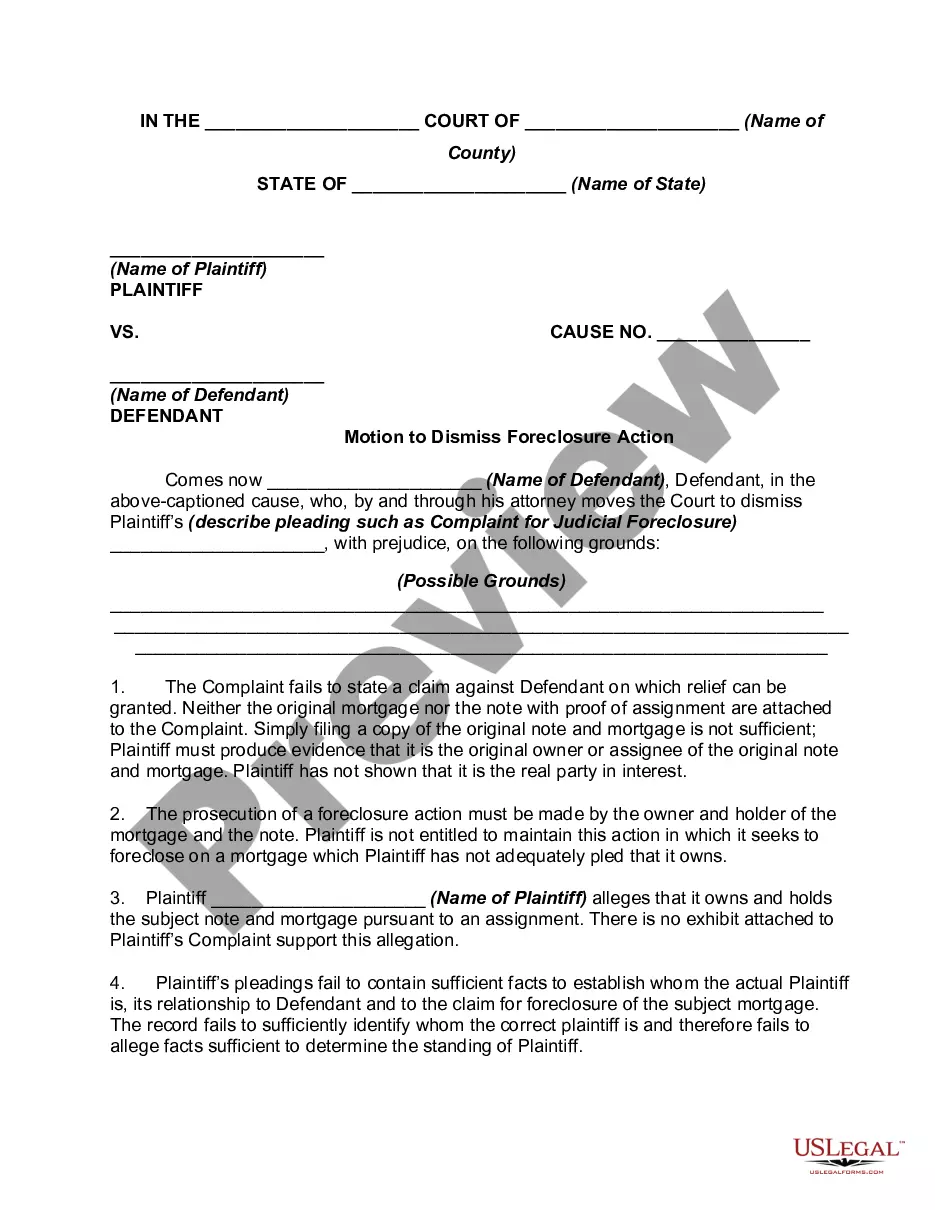
The Basis For Motion To Dismiss Civil Litigation Philippines you observe on this page is a reusable legal model crafted by expert attorneys in compliance with national and state regulations.
For over 25 years, US Legal Forms has supported individuals, businesses, and lawyers with over 85,000 validated, state-specific documents for any personal or professional occasion. It’s the fastest, most straightforward, and most reliable way to acquire the paperwork you require, as the service ensures bank-grade data protection and anti-malware safeguards.
Choose the format you desire for your Basis For Motion To Dismiss Civil Litigation Philippines (PDF, DOCX, RTF) and save the document on your device.
- Search for the document you require and examine it.
- Browse the sample you looked for and view it or assess the form description to verify it meets your requirements. If it doesn’t, utilize the search function to find the correct one. Click Buy Now when you have identified the template you seek.
- Register and Log In to your account.
- Select the pricing plan that works for you and set up an account. Use PayPal or a credit card to make an immediate payment. If you already possess an account, Log In and verify your subscription to move forward.
- Obtain the editable template.
Form popularity
FAQ
Yes, a motion to dismiss can be filed instead of an answer, but it must be done within the appropriate timeframe. This option is often utilized when you believe the complaint fails to present a valid claim against you. Understanding the grounds for motion to dismiss civil case Philippines can guide you in making this decision confidently.
If a motion to dismiss is denied, the case will proceed to trial or further legal proceedings. This outcome may require you to prepare for more extensive litigation, such as discovery or pre-trial motions. Staying informed about the grounds for motion to dismiss civil case Philippines will help you adapt your strategy for the upcoming stages.
The strategy behind filing a motion to dismiss often focuses on eliminating cases that lack sufficient legal foundation. This can save time and resources for both parties involved. By recognizing the grounds for motion to dismiss civil case Philippines, you can effectively decide whether this legal strategy is suitable for your situation.
To argue against a motion to dismiss, you need to prepare a strong opposition that highlights how your case has merit. Focus on disproving the claims made in the motion, and cite relevant facts or legal precedents. Remember, understanding the grounds for motion to dismiss civil case Philippines will empower your argument and increase your chances of success.
Arguing a motion to dismiss in court requires presenting clear, logical arguments supported by relevant laws and facts. Start by addressing the specific grounds for the motion, emphasizing how the case meets its dismissal criteria. Keeping the focus on the grounds for motion to dismiss civil case Philippines will help the court see your perspective.
Proper grounds for a motion to dismiss can include failure to allege sufficient facts, lack of jurisdiction, and res judicata. Each of these grounds forms part of the broader discussion on grounds for motion to dismiss civil case Philippines. When filing a motion, ensure you accurately reference the appropriate legal foundations.
In the Philippines, common grounds for dismissing a civil case include lack of jurisdiction, failure to state a cause of action, and improper venue. It is essential to understand these grounds for motion to dismiss civil case Philippines to effectively navigate potential challenges in court. Familiarize yourself with the legal provisions related to these grounds.
To object to a motion to dismiss, you should file an opposition pleading in court. This document must outline the reasons why the motion lacks merit, emphasizing the grounds for motion to dismiss civil case Philippines. Use clear arguments and supporting evidence to strengthen your objection.
To write a motion for civil court, ensure it starts with a clear title and the parties involved. Provide a thorough background and state the legal basis for your motion, emphasizing any grounds for motion to dismiss civil case Philippines. Lastly, conclude with a precise request for relief, ensuring all information is easy to understand and follow.
Writing a motion for civil court involves drafting a document that succinctly states your request. You should present the facts, cite appropriate laws, and explain why the court should grant your request. Focus on clearly stating the grounds for motion to dismiss civil case Philippines to strengthen your argument.