Qtip Spouses Form Blank With The Letter
Description
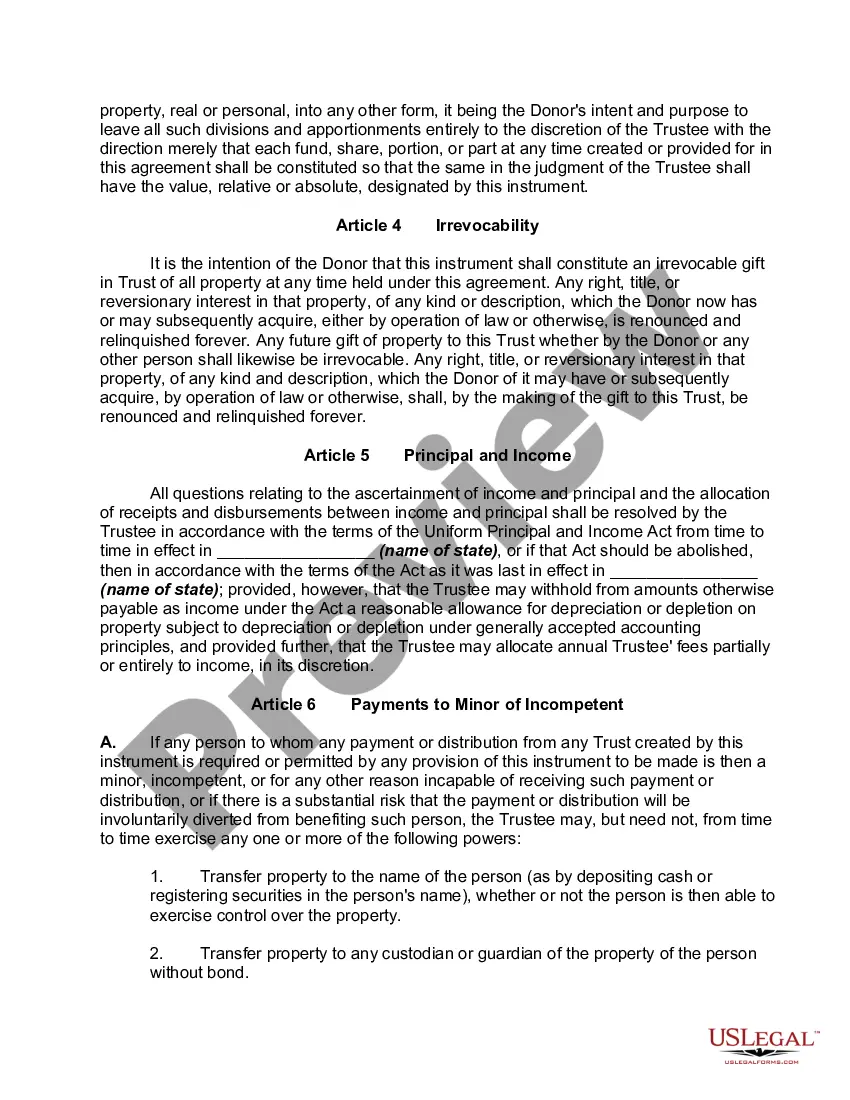
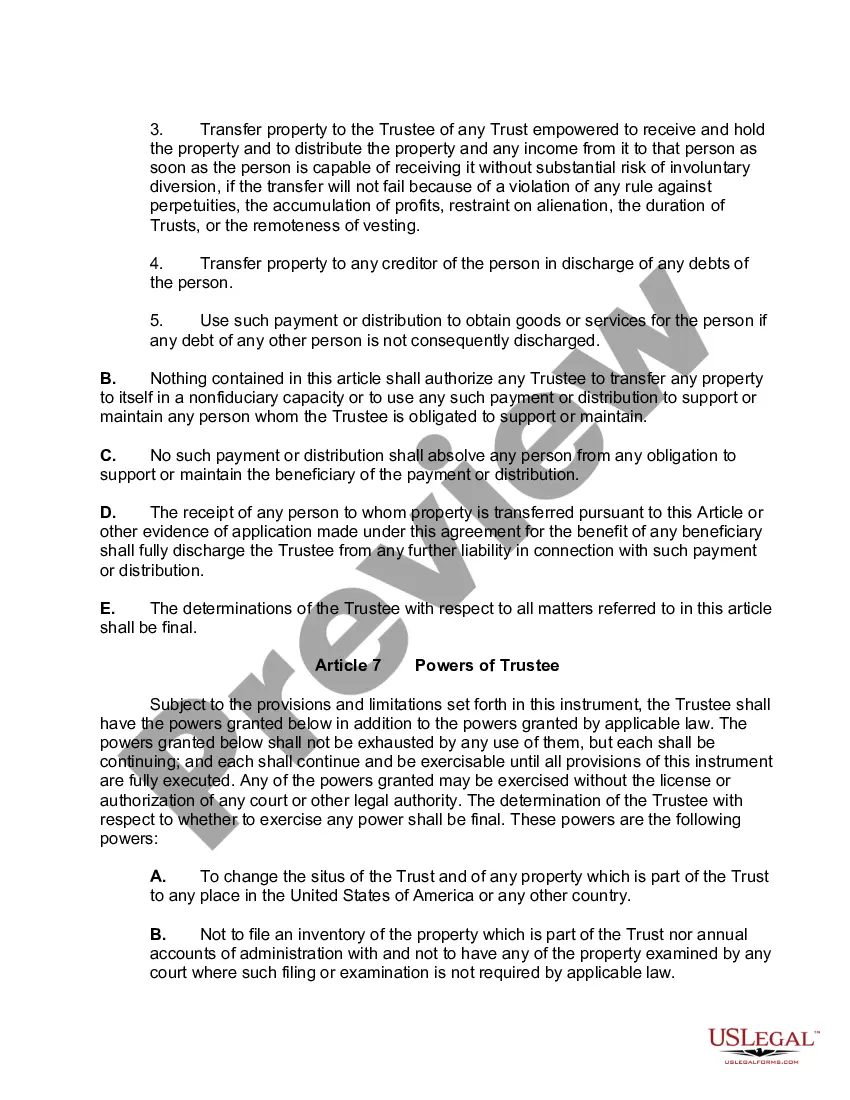
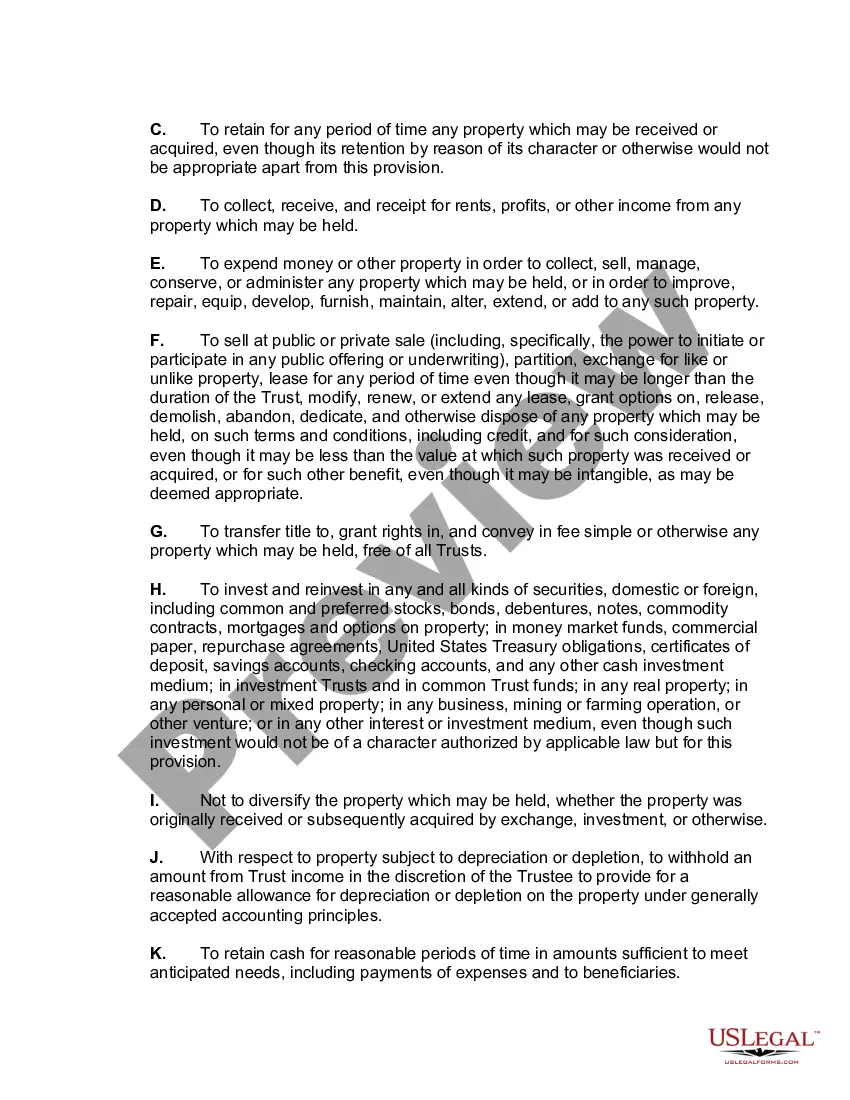
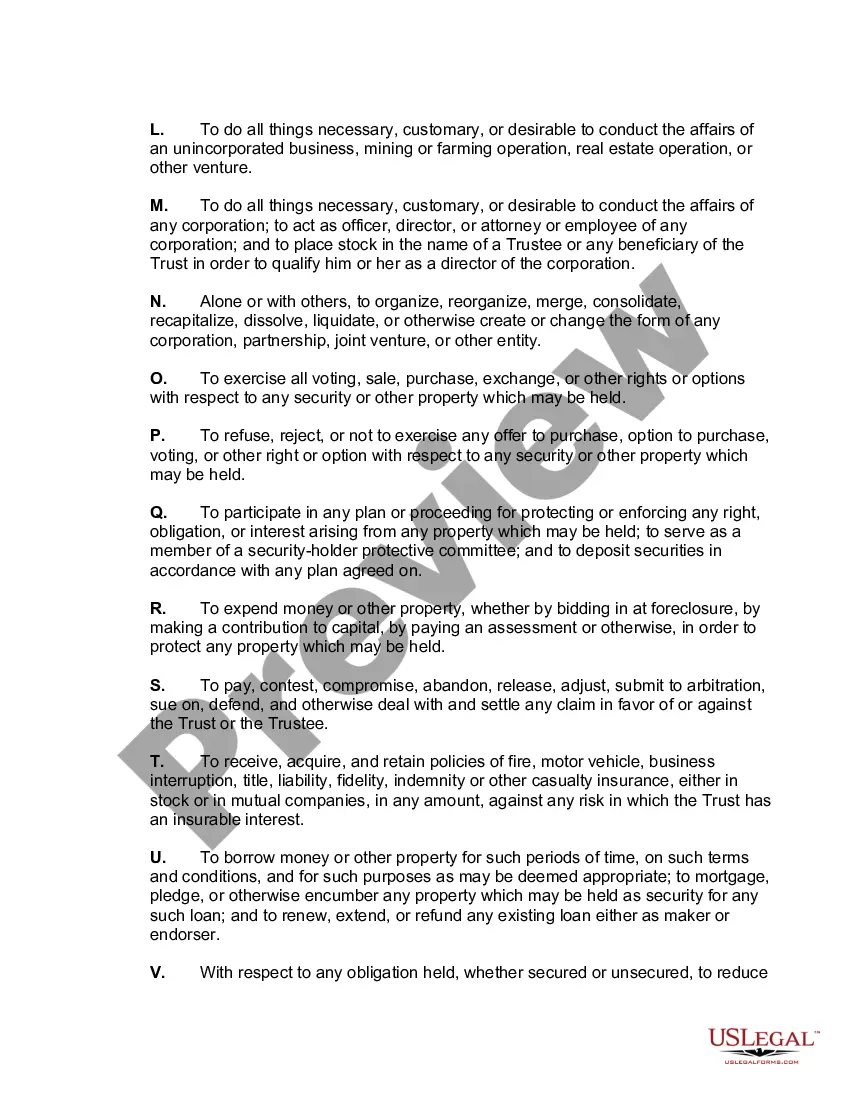

Get your form ready online
Our built-in tools help you complete, sign, share, and store your documents in one place.
Make edits, fill in missing information, and update formatting in US Legal Forms—just like you would in MS Word.
Download a copy, print it, send it by email, or mail it via USPS—whatever works best for your next step.
Sign and collect signatures with our SignNow integration. Send to multiple recipients, set reminders, and more. Go Premium to unlock E-Sign.
If this form requires notarization, complete it online through a secure video call—no need to meet a notary in person or wait for an appointment.
We protect your documents and personal data by following strict security and privacy standards.

Make edits, fill in missing information, and update formatting in US Legal Forms—just like you would in MS Word.

Download a copy, print it, send it by email, or mail it via USPS—whatever works best for your next step.

Sign and collect signatures with our SignNow integration. Send to multiple recipients, set reminders, and more. Go Premium to unlock E-Sign.

If this form requires notarization, complete it online through a secure video call—no need to meet a notary in person or wait for an appointment.

We protect your documents and personal data by following strict security and privacy standards.
Looking for another form?
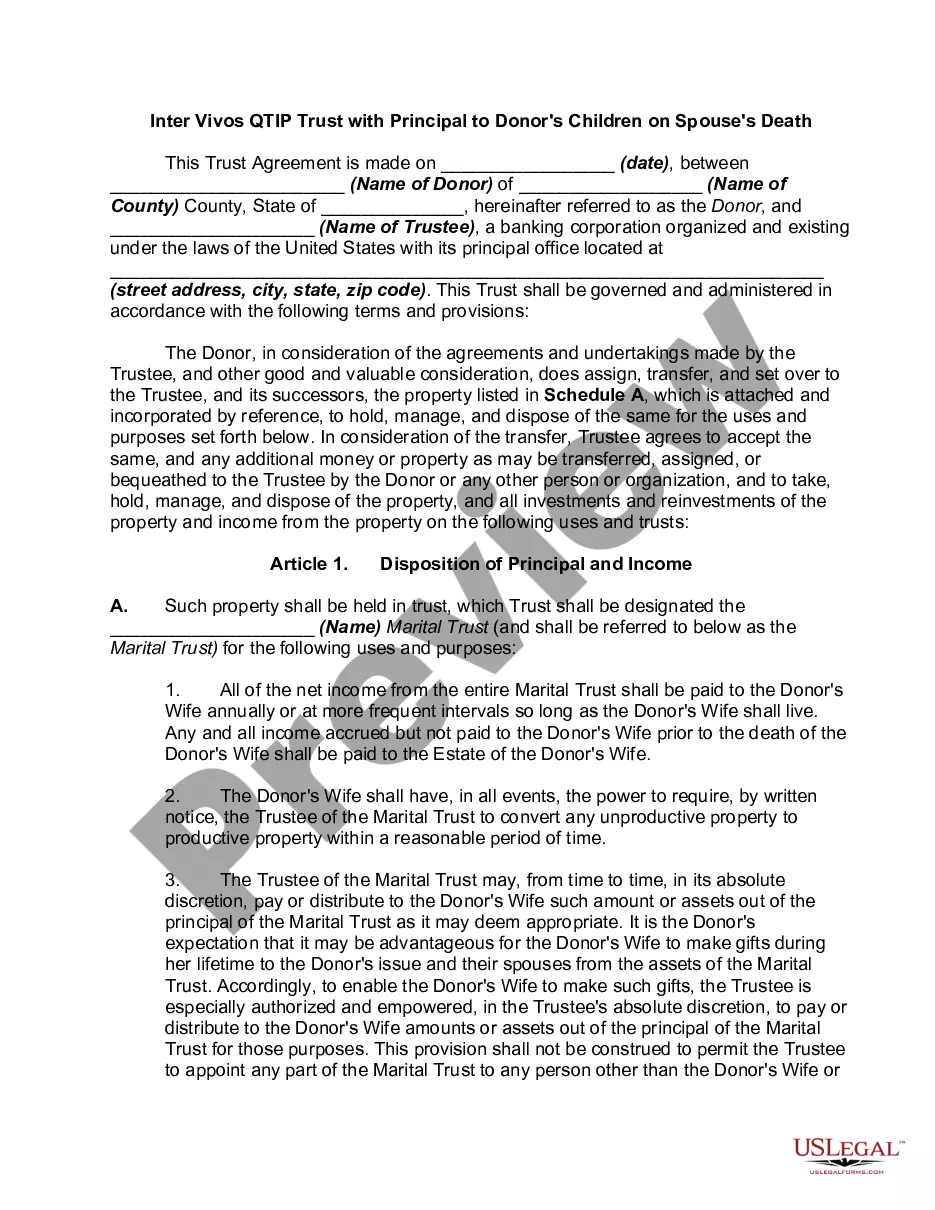
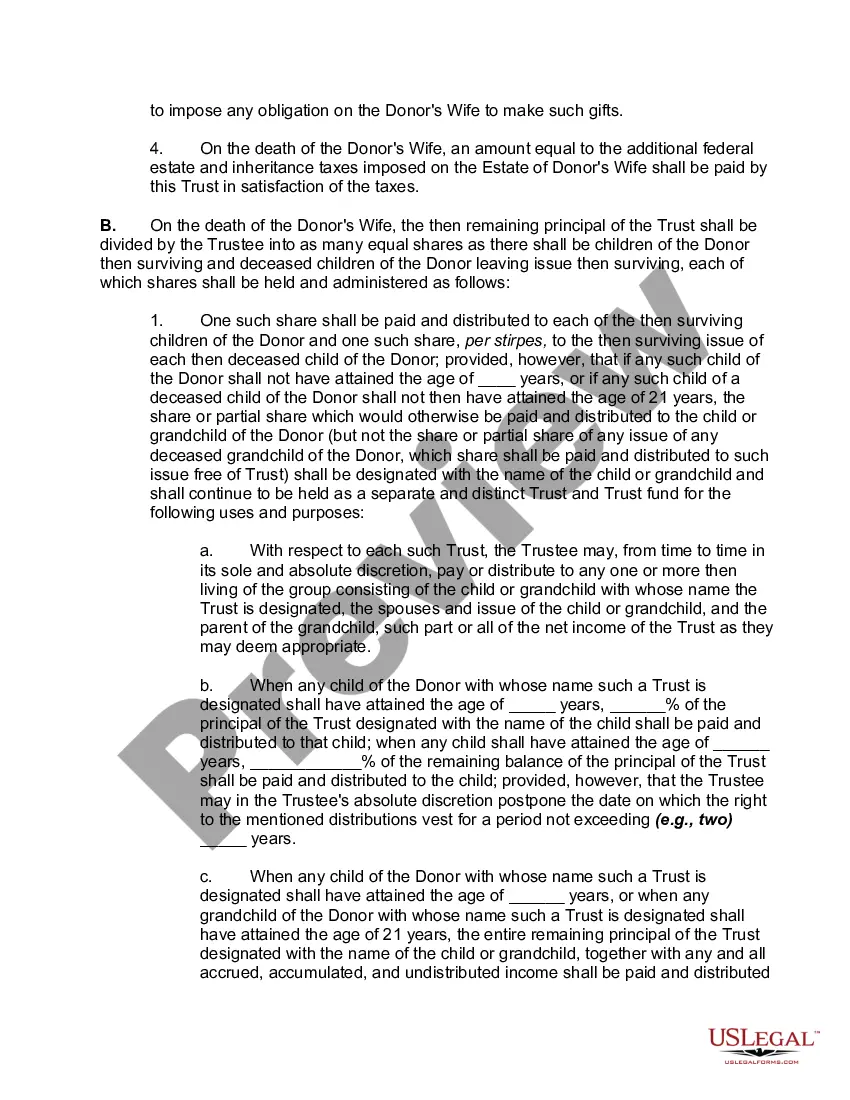
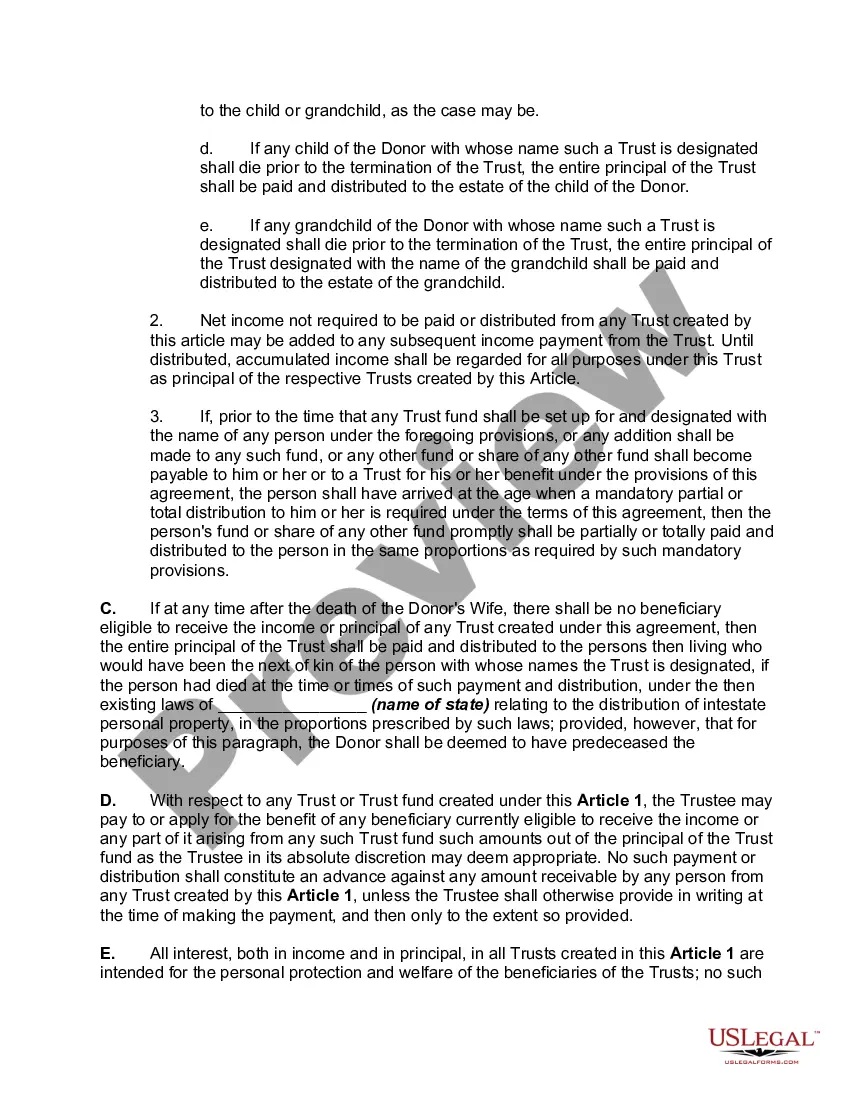
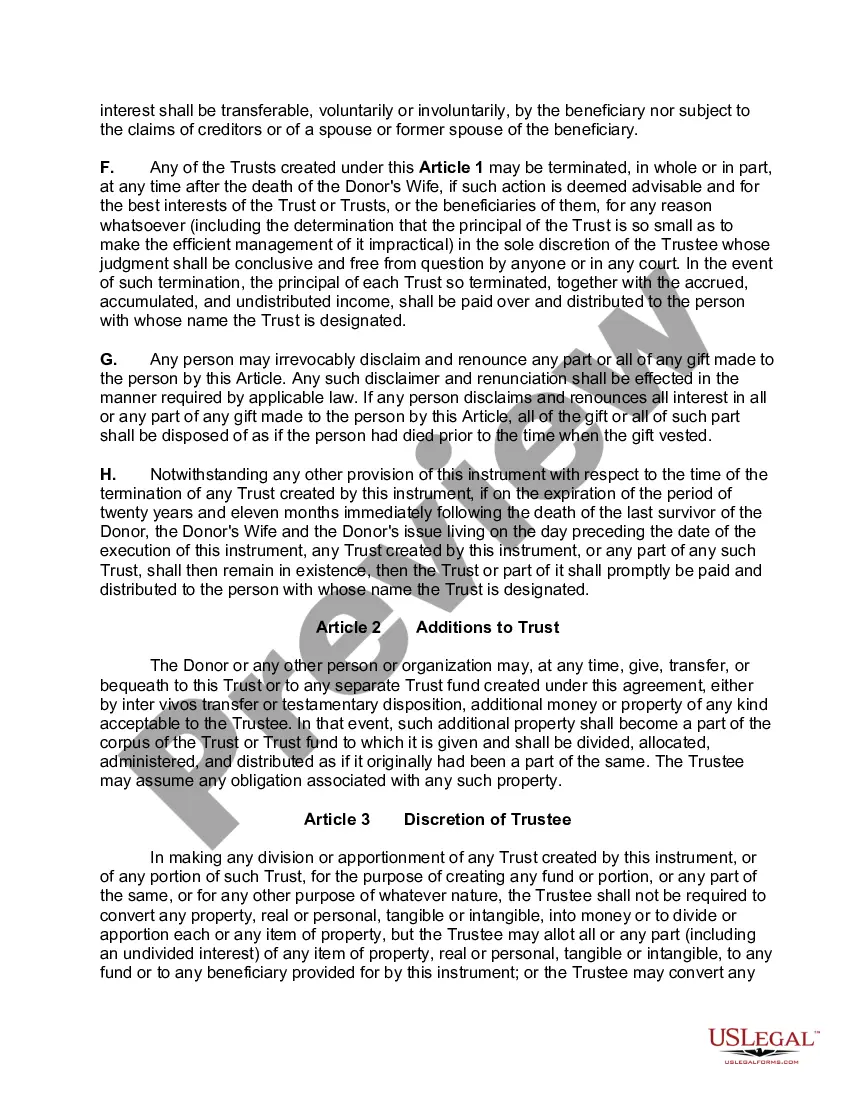
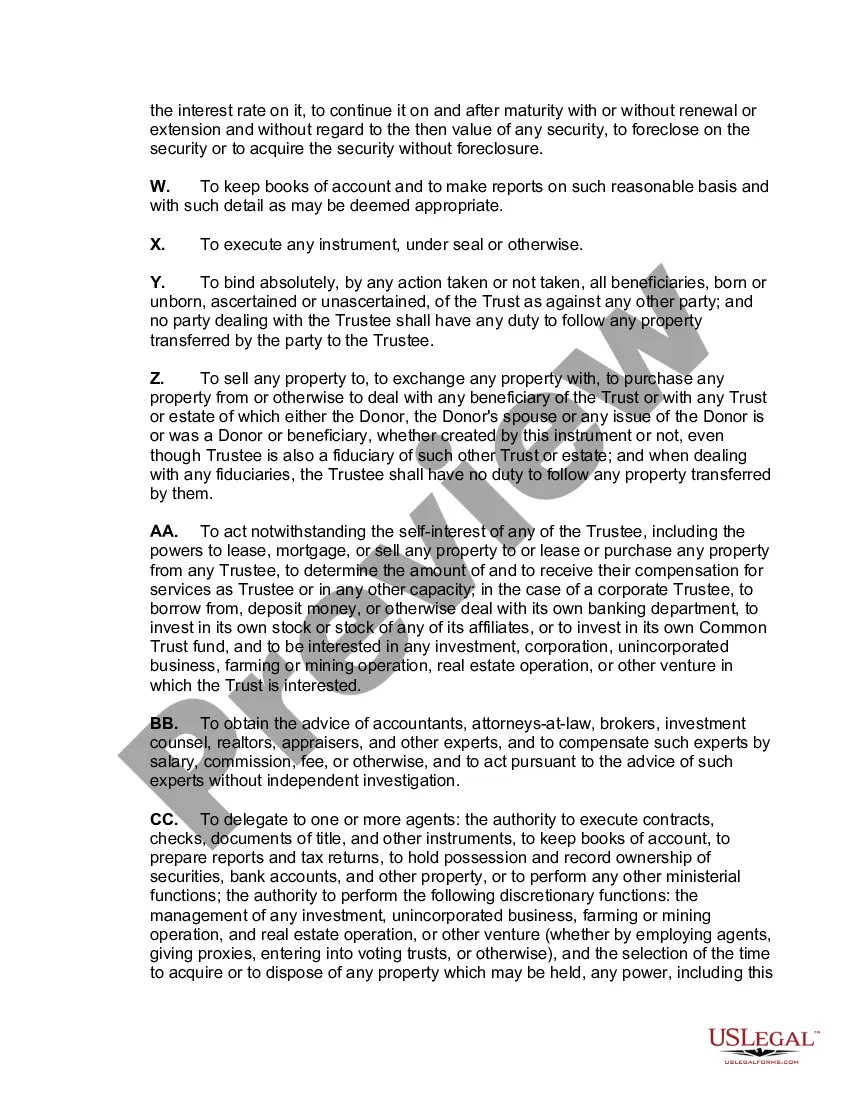
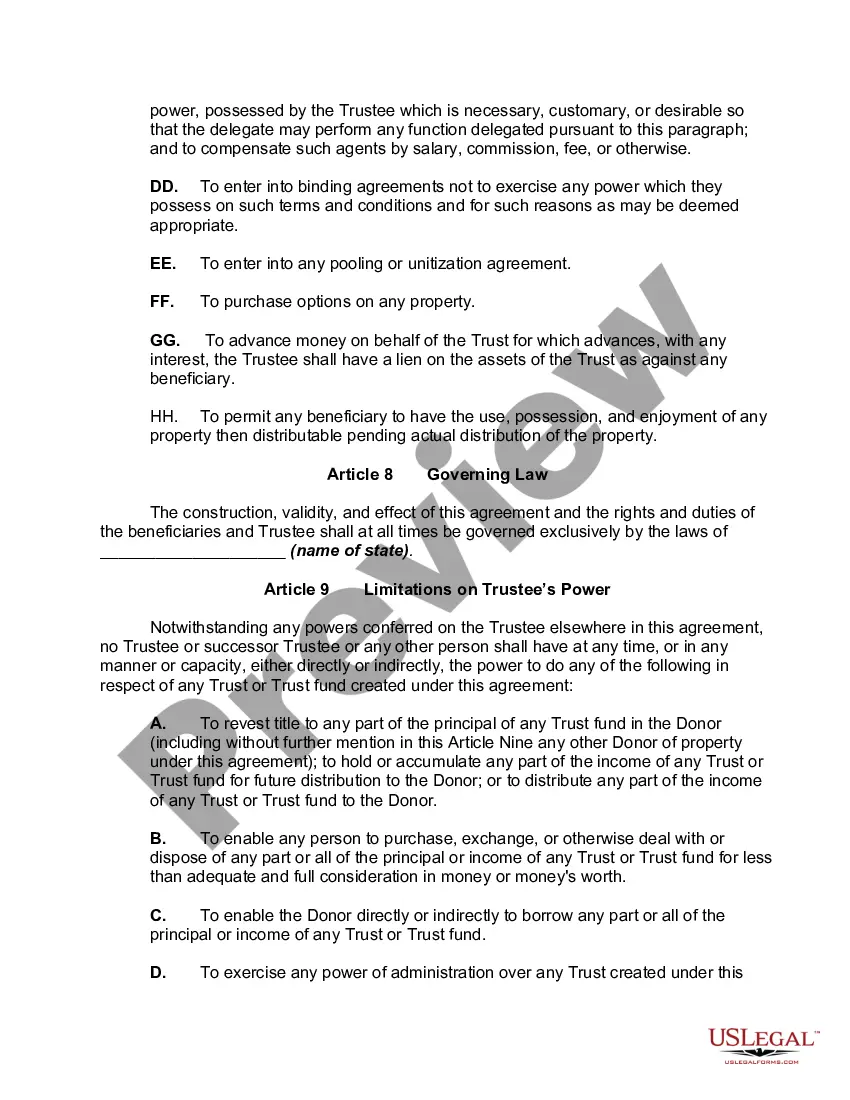
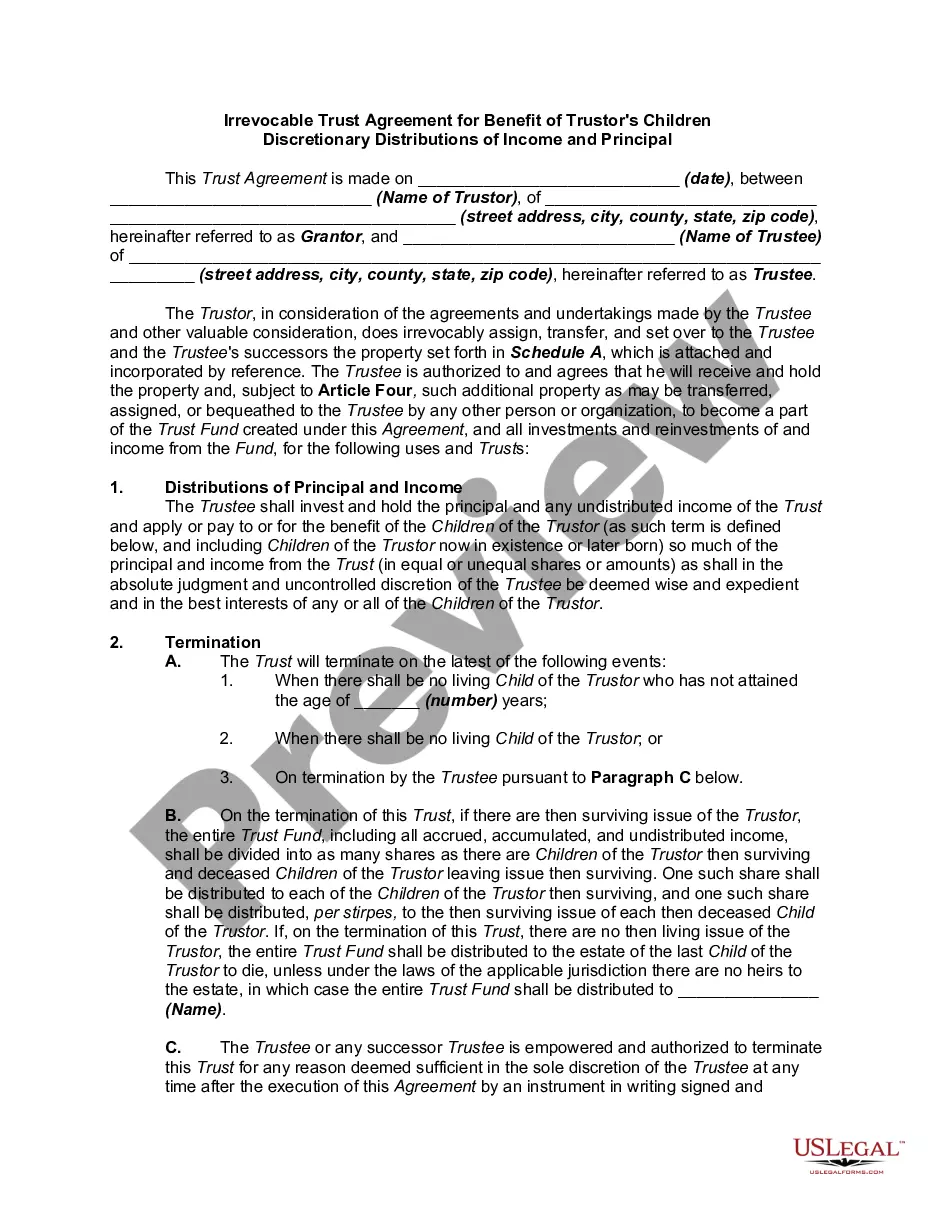
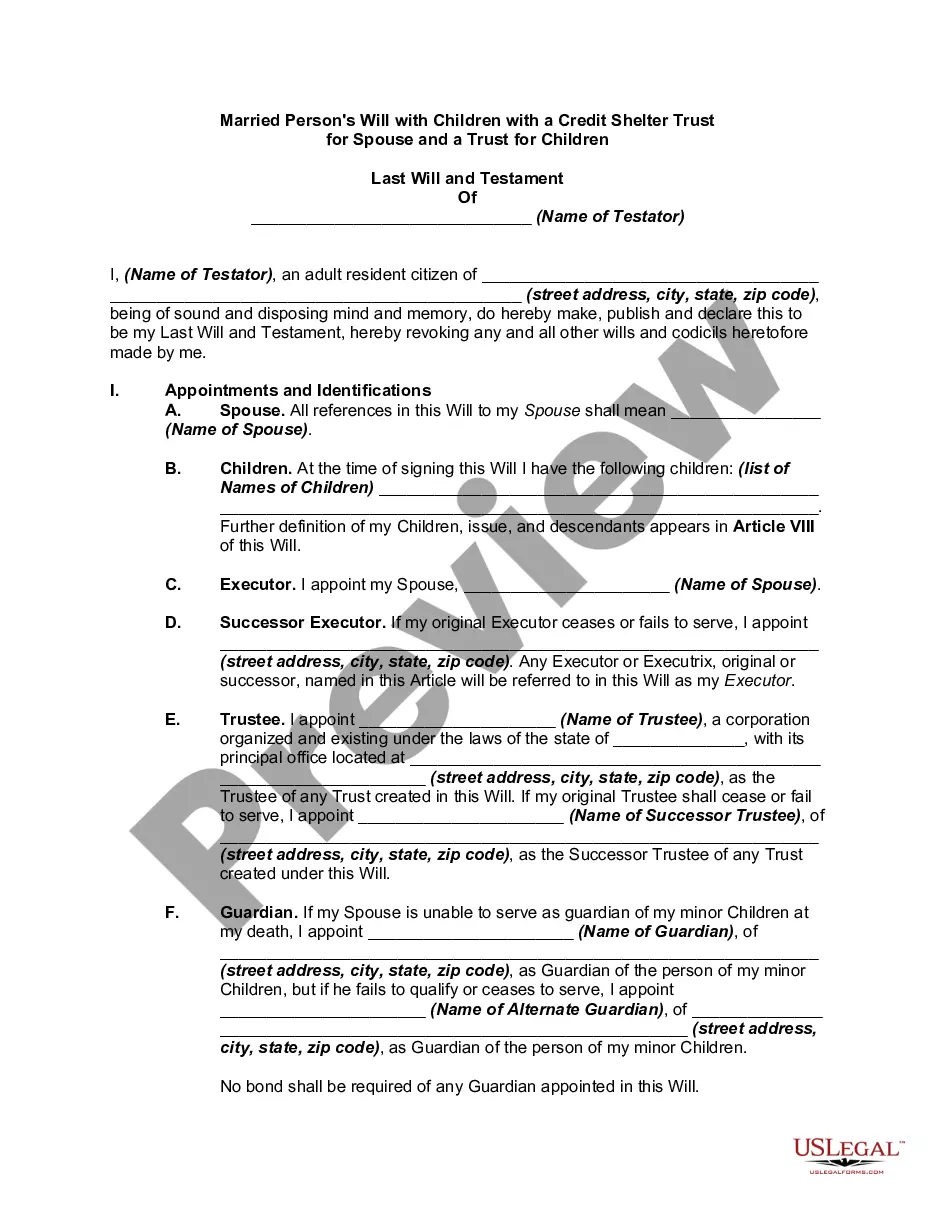
How to fill out Inter Vivos QTIP Trust With Principal To Donor's Children On Spouse's Death?
- If you're an existing user, log in to your account and check that your subscription is active. If needed, renew it before proceeding.
- For new users, start by browsing the available forms. Use the Preview mode to review the Qtip spouses form blank with the letter and ensure it meets local court requirements.
- If you need to refine your search, utilize the Search tab to find the exact form suited for your needs.
- Once satisfied with the selection, click on the Buy Now button and choose a suitable subscription plan. You will need to create an account to access your documents.
- Next, provide payment information—this can be done securely with a credit card or PayPal.
- Finally, download your form and save it to your device. You can access it anytime from the My Forms section of your account.
By leveraging US Legal Forms, you gain access to an extensive library of over 85,000 legal documents. Their robust collection ensures you find exactly what you need at a competitive price.
Streamline your legal processes today! Start your journey with US Legal Forms and experience the convenience of professional assistance at your fingertips.
Form popularity
FAQ
Schedule G of Form 706 lists all the property that is included as part of your gross estate due to the decedent's death. This includes any property transferred through a QTIP election or other joint ownership arrangements. By accurately filling out this schedule and considering the Qtip spouses form blank with the letter, you can ensure compliance with tax regulations. Using a platform like US Legal Forms can streamline this process, providing templates and guidance.
Calculating the DSUe amount involves reviewing the fair market value of the transferred property, alongside any applicable deductions. Generally, you would subtract any estate tax exclusions or deductions related to the transfer. It’s essential to approach this carefully to ensure accuracy, especially when using the Qtip spouses form blank with the letter. Elevating your understanding of these figures can aid in effective estate tax management.
To make a QTIP election on Form 706, you must elect to treat the property as qualifying terminable interest property. This includes completing the appropriate sections on the form and ensuring you attach a timely election statement. By doing this correctly, you can maximize the benefits of the Qtip spouses form blank with the letter, allowing for potential tax deferral on your estate. Thorough documentation is key to backing your election.
A direct skip on Form 709 refers to transferring assets directly to someone who is not a descendant of the donor. Essentially, this means you give something of value to a non-family member, which can have significant tax implications. Understanding this concept is important, especially when filling out the Qtip spouses form blank with the letter. It’s wise to get expert help if you're unsure about these transfers.
To obtain an IRS closing letter for your estate tax return, first ensure that you have filed your return using the Qtip spouses form blank with the letter. After processing your return, you can request the closing letter by submitting Form 4421 to the IRS. Remember, the timing can vary; so maintain contact with the IRS for updates on your request. US Legal Forms can provide templates and instructions to assist you through this process.
Yes, form 709 can be filed electronically. When utilizing the Qtip spouses form blank with the letter, you can submit the form through the IRS e-file system. This option simplifies the filing process and allows for quicker processing of your portability claim. Be sure to check for any specific requirements or updates from the IRS before proceeding.
To file for portability, start by completing the Qtip spouses form blank with the letter, which allows you to transfer any unused estate tax exemption from a deceased spouse. Gather the necessary documentation, including the death certificate and relevant tax returns. You can then submit your portability election alongside the estate tax return, ensuring you meet the two-year deadline. If you need guidance, consider the resources available on US Legal Forms to streamline the process.
Absolutely, you can file Form 709 separately from your main tax return. This is often ideal when dealing with gifts that require the QTIP spouses form blank with the letter. Filing separately ensures clarity in documenting the transaction and keeps your tax return organized.
Yes, you can file your tax forms separately, especially if you are managing your finances independently from your spouse. This approach allows you to report separate income and deductions. However, make sure that you consider how this affects your eligibility for certain tax benefits, including the QTIP spouses form blank with the letter.
Forgetting to report a gift can result in penalties and interest on the unpaid gift taxes. The IRS requires gifts above a certain threshold to be reported using Form 709. To avoid these issues, it's important to file the QTIP spouses form blank with the letter when necessary, ensuring compliance with IRS regulations.