Qtip Principal Donors Death Blank For 20
Description

Get your form ready online
Our built-in tools help you complete, sign, share, and store your documents in one place.
Make edits, fill in missing information, and update formatting in US Legal Forms—just like you would in MS Word.
Download a copy, print it, send it by email, or mail it via USPS—whatever works best for your next step.
Sign and collect signatures with our SignNow integration. Send to multiple recipients, set reminders, and more. Go Premium to unlock E-Sign.
If this form requires notarization, complete it online through a secure video call—no need to meet a notary in person or wait for an appointment.
We protect your documents and personal data by following strict security and privacy standards.

Make edits, fill in missing information, and update formatting in US Legal Forms—just like you would in MS Word.

Download a copy, print it, send it by email, or mail it via USPS—whatever works best for your next step.

Sign and collect signatures with our SignNow integration. Send to multiple recipients, set reminders, and more. Go Premium to unlock E-Sign.

If this form requires notarization, complete it online through a secure video call—no need to meet a notary in person or wait for an appointment.

We protect your documents and personal data by following strict security and privacy standards.
Looking for another form?






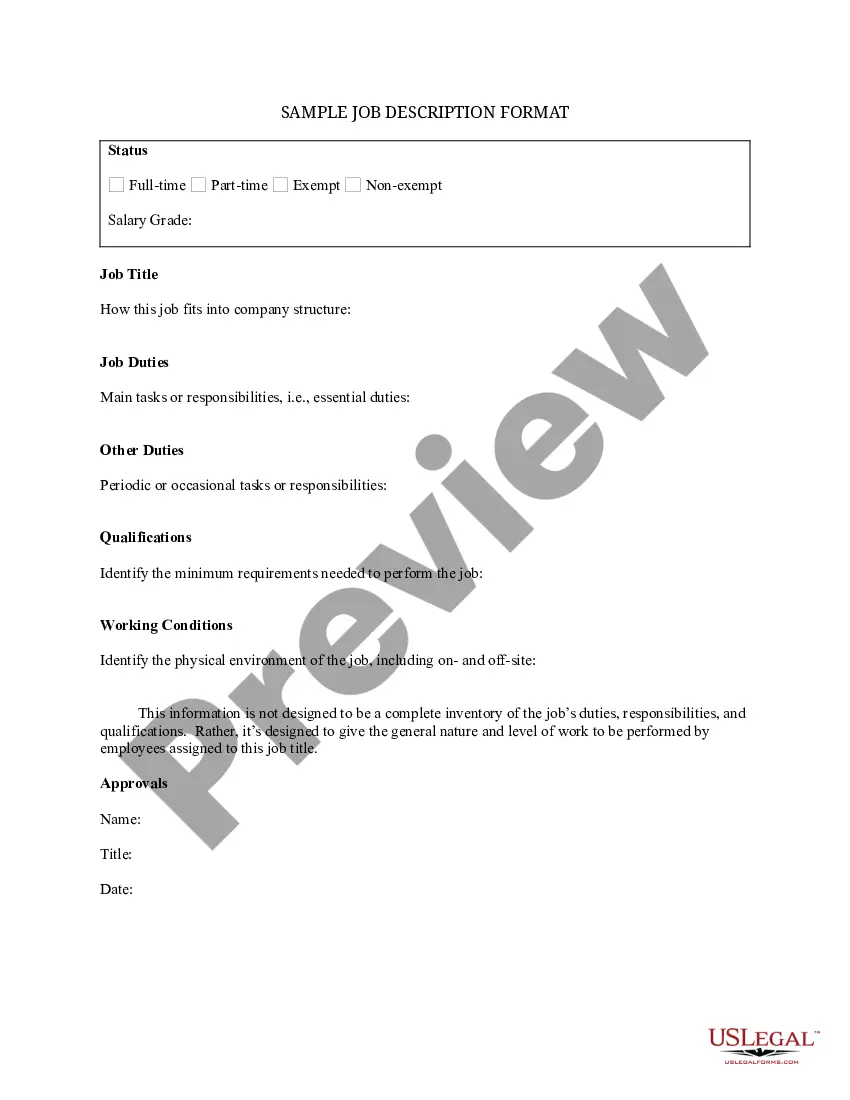

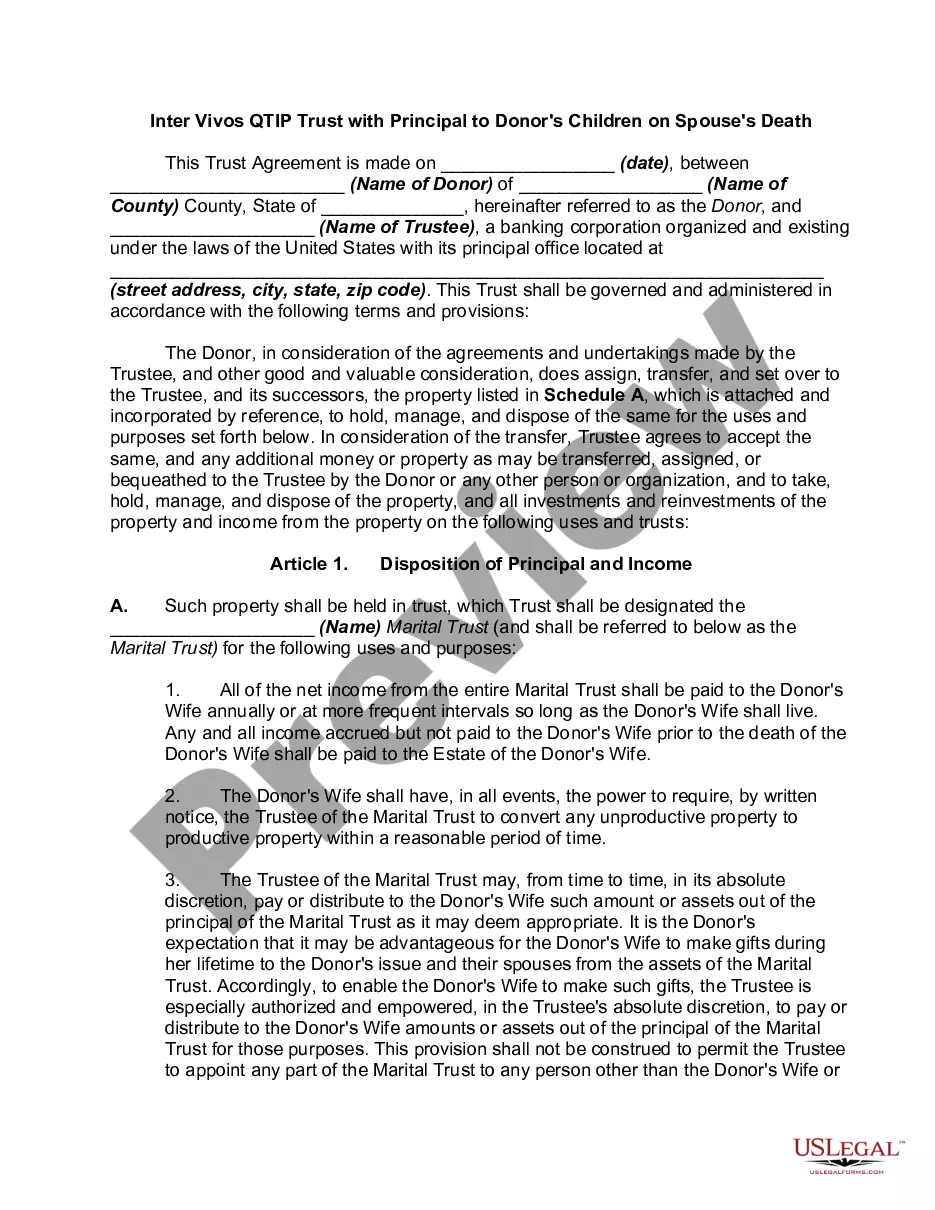
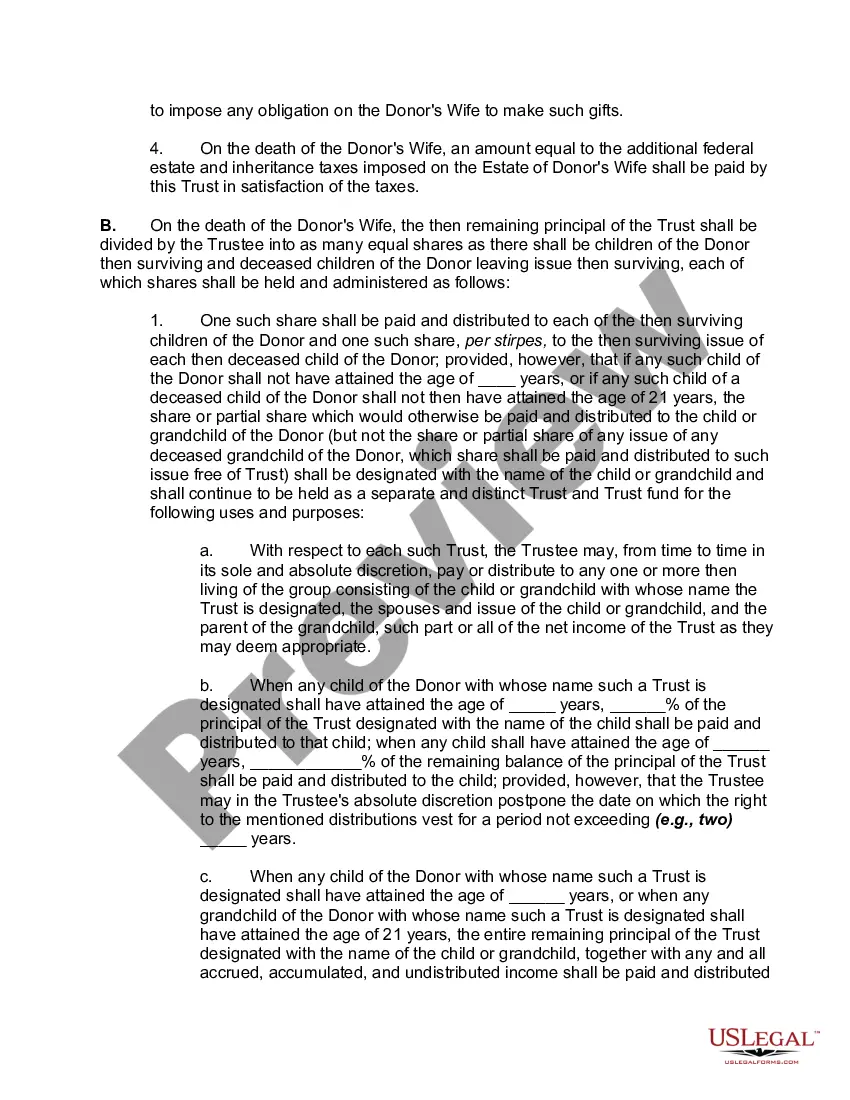
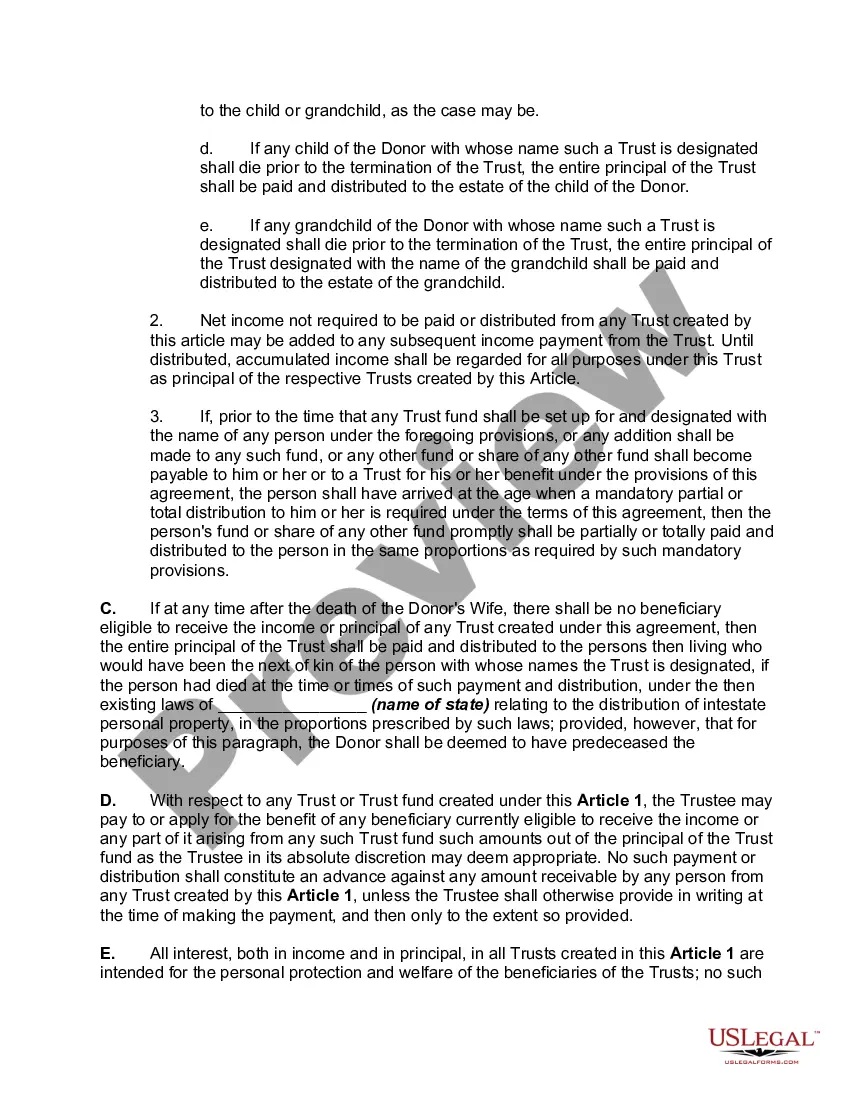
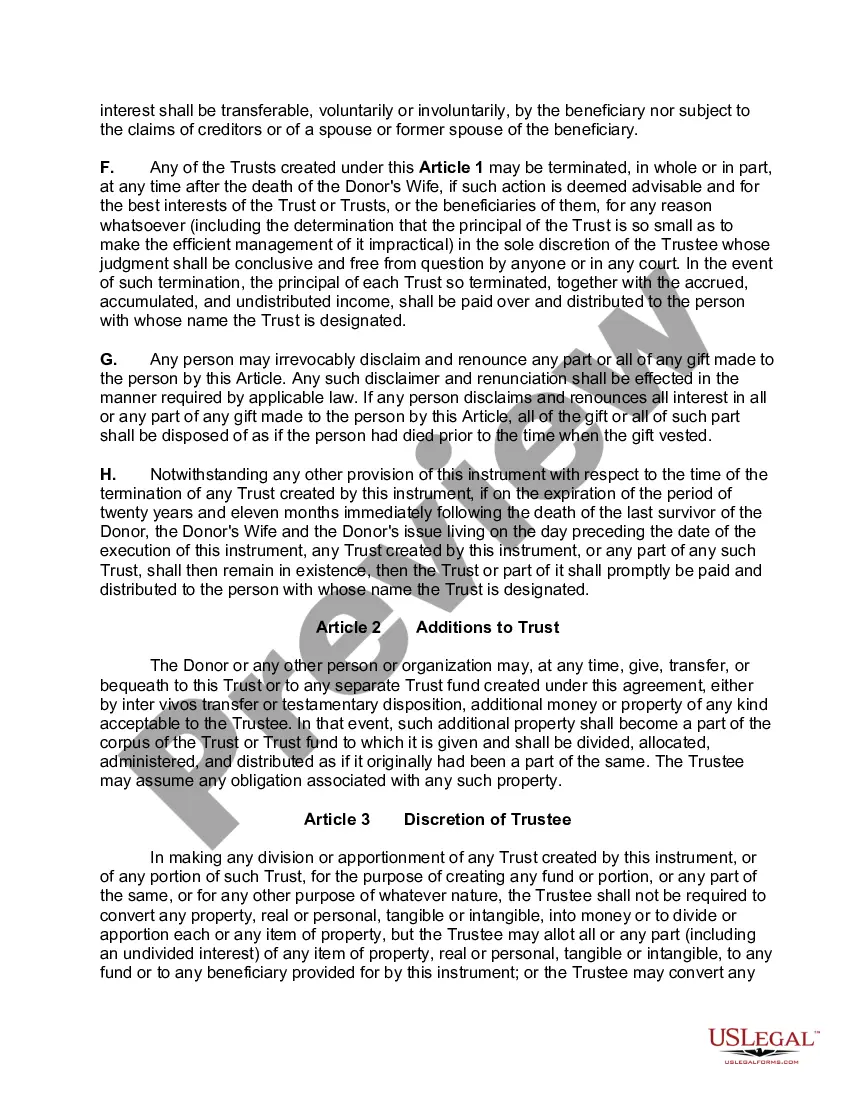
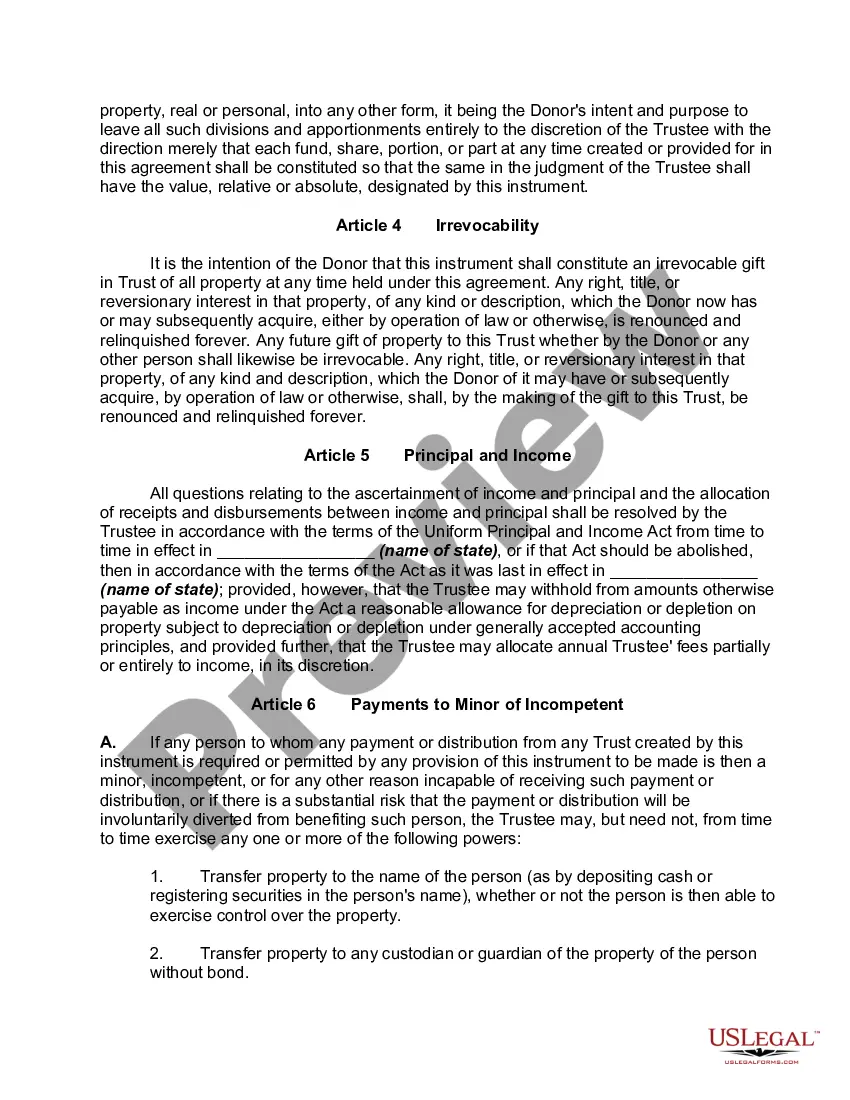
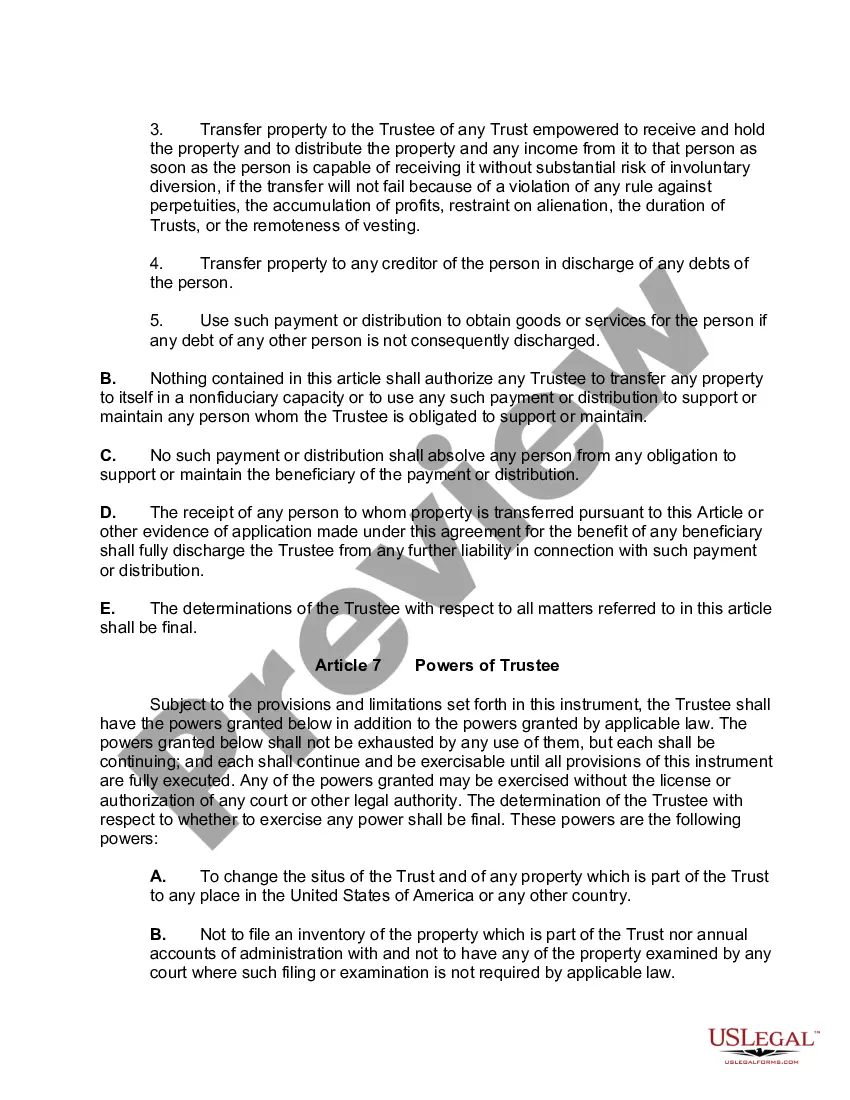
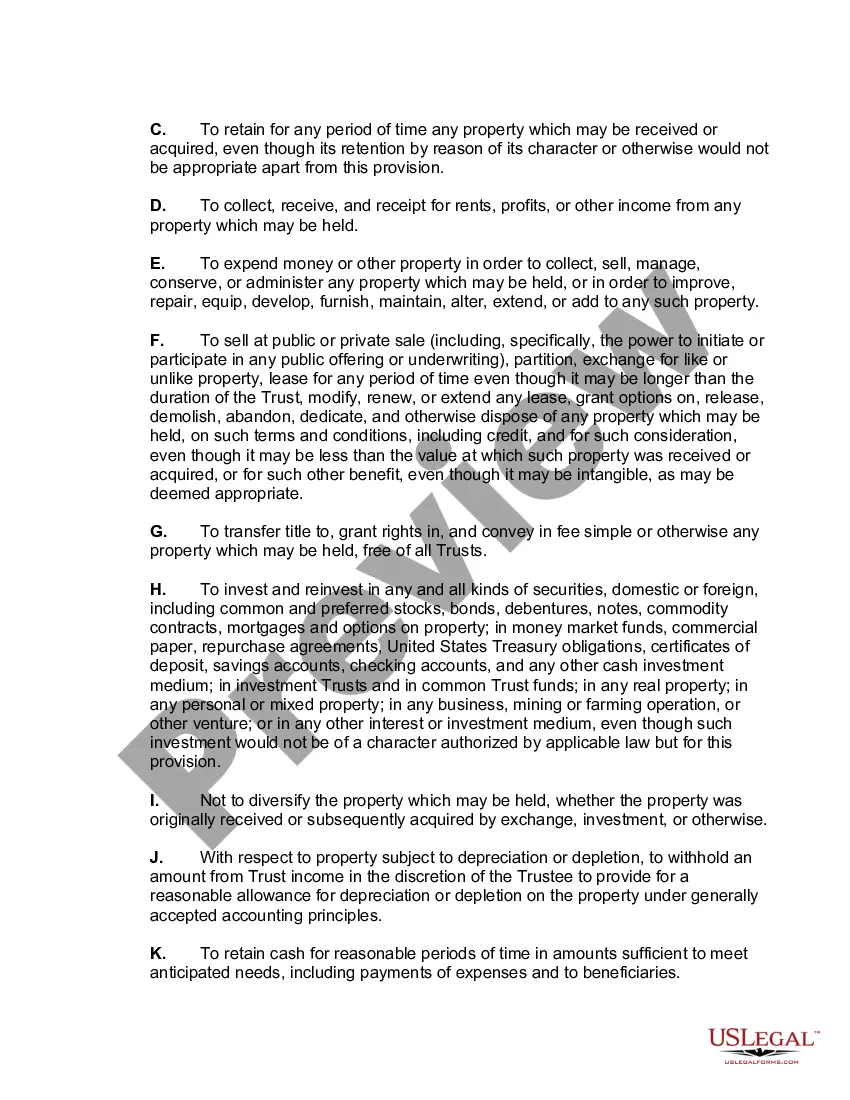
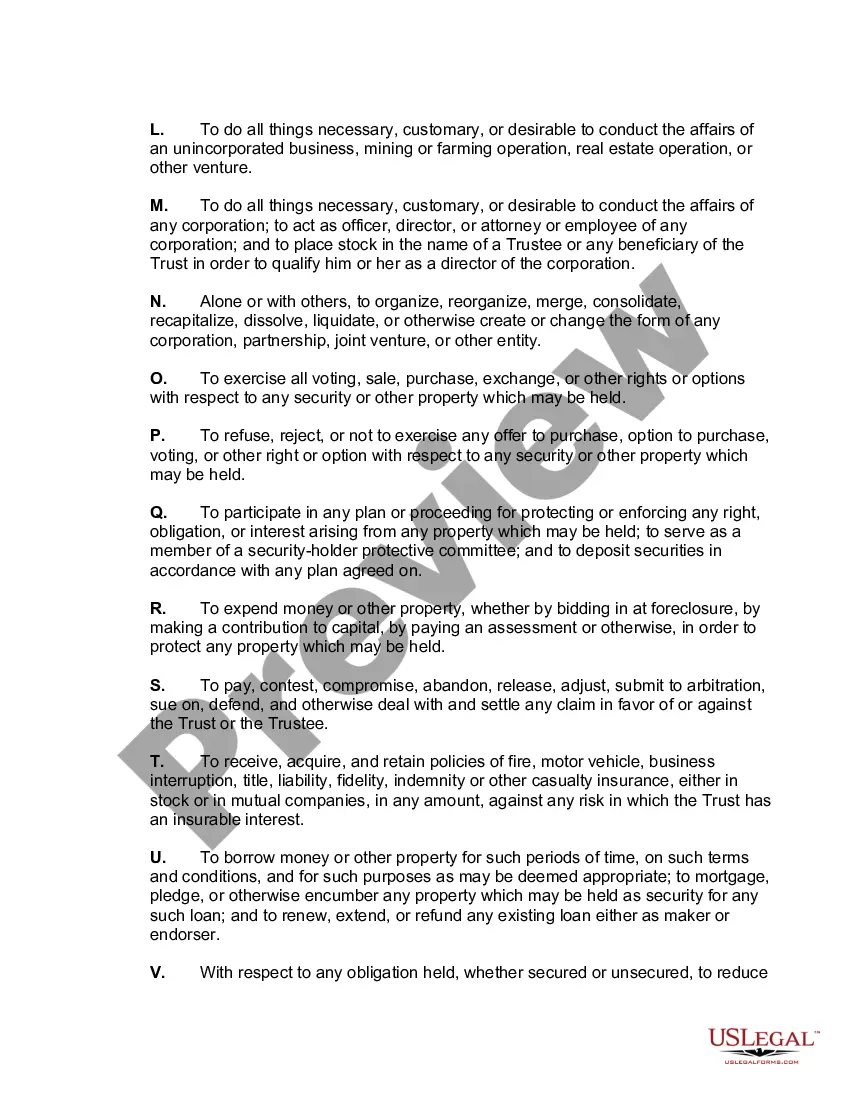
How to fill out Inter Vivos QTIP Trust With Principal To Donor's Children On Spouse's Death?
- If you are a returning user, log in to your account and select your desired form. Ensure your subscription is current to avoid interruptions.
- For first-time users, start by checking the Preview mode and reading the form description to make sure it fits your requirements and local jurisdiction.
- If the form is not suitable, utilize the Search tab to find the correct template that meets your needs. Once you find it, proceed to the next step.
- Purchase the document by clicking the Buy Now button. Choose a subscription plan that suits you and create an account for full access to the library.
- Complete your purchase by entering your payment details through credit card or PayPal.
- Download the form to your device for easy access. You can also revisit it anytime in your My Forms menu.
US Legal Forms empowers users with a robust collection of over 85,000 legal templates, significantly more than its competitors. This extensive library allows both individuals and attorneys to execute documents efficiently.
In conclusion, with US Legal Forms, you’re not only accessing a vast resource of editable templates but also getting assistance from premium experts to ensure your forms are accurately completed. Start your journey today and streamline your legal document needs!
Form popularity
FAQ
Yes, form 709, which is used for reporting gift taxes, can be filed electronically through IRS e-file services. In the case of the Qtip principal donors death blank for 20, you may need to report gifts made by the donor during their lifetime. Electronic filing offers convenience and faster processing times. Explore options through US Legal Forms for an efficient filing experience.
Schedule G serves a vital role in estate tax returns, specifically when dealing with QTIP elections. It allows the executor to elect to treat certain property as qualifying for the marital deduction under the QTIP provisions. This election is particularly important for maximizing tax benefits for surviving spouses. If you need assistance with this process, consider resources available on US Legal Forms.
Form 4768, which is used to apply for an extension of time to file an estate tax return, must be submitted to the IRS. If you are dealing with the Qtip principal donors death blank for 20, remember that this form can be filed online or by mail. Filing this form grants you additional time to gather all necessary information, ensuring accurate filing. Utilizing services from US Legal Forms can simplify this filing process.
Schedule G is designed to report the QTIP (Qualified Terminable Interest Property) election, which is essential in the context of the Qtip principal donors death blank for 20. This schedule includes information about property transferred to a surviving spouse and outlines the election to qualify for the marital deduction. Accurate completion of Schedule G helps in minimizing estate taxes owed. By using platforms like US Legal Forms, you can streamline this reporting process.
In the context of the Qtip principal donors death blank for 20, several deductions can apply to the adjusted gross estate. These may include expenses related to debts, funeral costs, and administrative expenses. Additionally, any charitable contributions made prior to the donor's death can also be deducted. Understanding these deductions is crucial for accurate estate planning.
To calculate Death Standardized Unused Exemption (DSUe), you take the exemption amount applicable at the time of death and subtract any exemptions previously used during the donor's lifetime. This figure informs estate tax calculations and is crucial when considering strategies related to the QTIP principal donors death blank for 20. Given the complexities, services like UsLegalForms can provide guidance on navigating these calculations efficiently.
The final tax return for a deceased individual is filed by their executor or personal representative. This return, typically due on April 15 of the year following the death, covers income earned by the deceased up until their passing. It is essential to be aware of the QTIP principal donors death blank for 20 in this context, as it may help optimize tax outcomes for the estate. Using tools like UsLegalForms can ease this burden.
Schedule G of Form 706 is used to report any transfers made by the deceased within three years of their death. This includes gifts made that may affect the estate's tax responsibilities. Accurate filling out of this schedule is vital, especially in relation to the QTIP principal donors death blank for 20, as it can influence the overall tax treatment. Engaging with resources such as UsLegalForms can simplify this process.
Form 709 is filled out by the donor, who is the individual making the gift. It requires detailed information regarding the gifts given during the tax year. This form is crucial in determining tax liabilities and potential exclusions related to the QTIP principal donors death blank for 20. Assistance from platforms like UsLegalForms can help ensure the form is completed accurately and promptly.
The giver is responsible for filing the gift tax return, known as Form 709. This includes reporting any taxable gifts made during the calendar year, especially when the gift exceeds the annual exclusion limit. Understanding the implications of the QTIP principal donors death blank for 20 can help givers navigate their tax responsibilities effectively. Using reliable tools like UsLegalForms can streamline the process.