Qtip Principal Death Form For A Child
Description
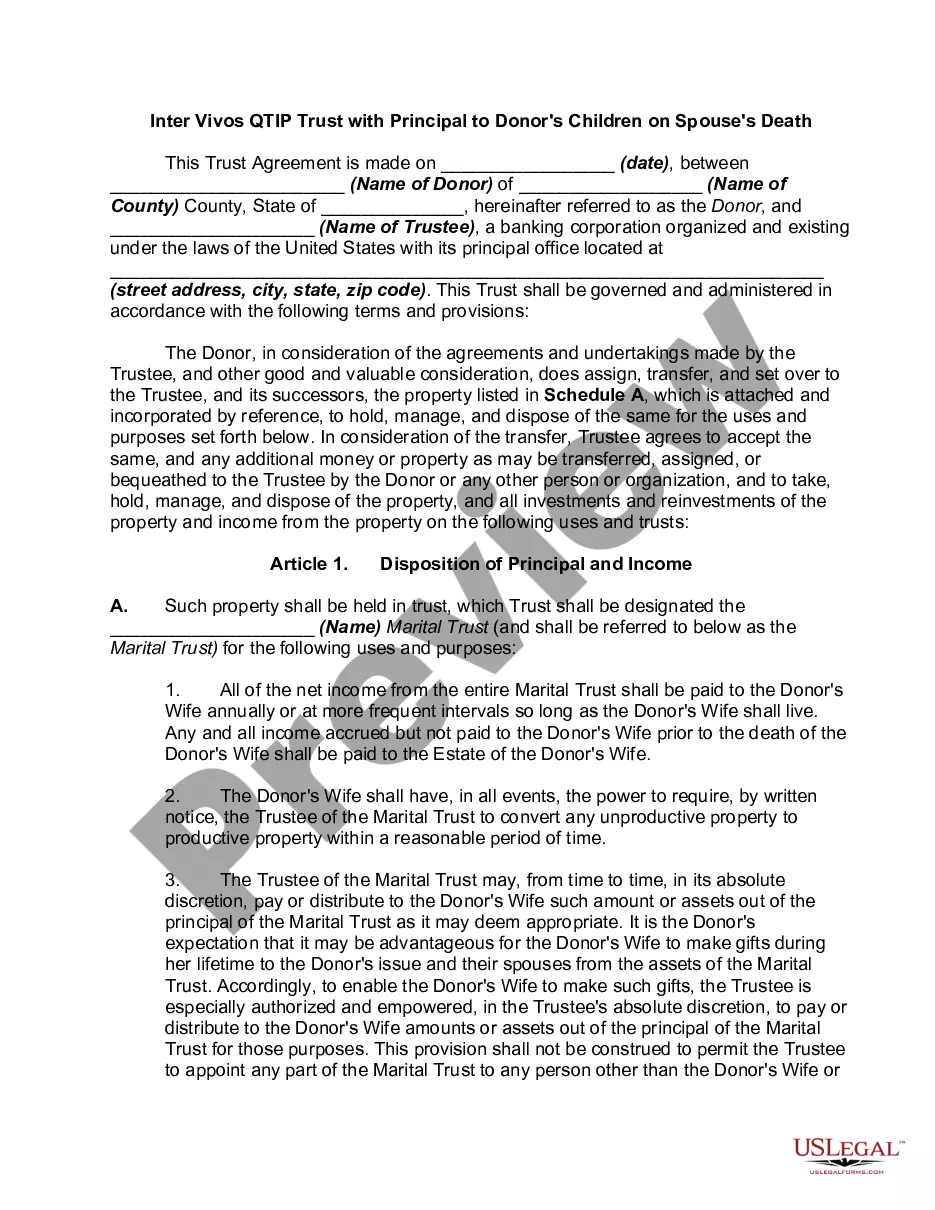
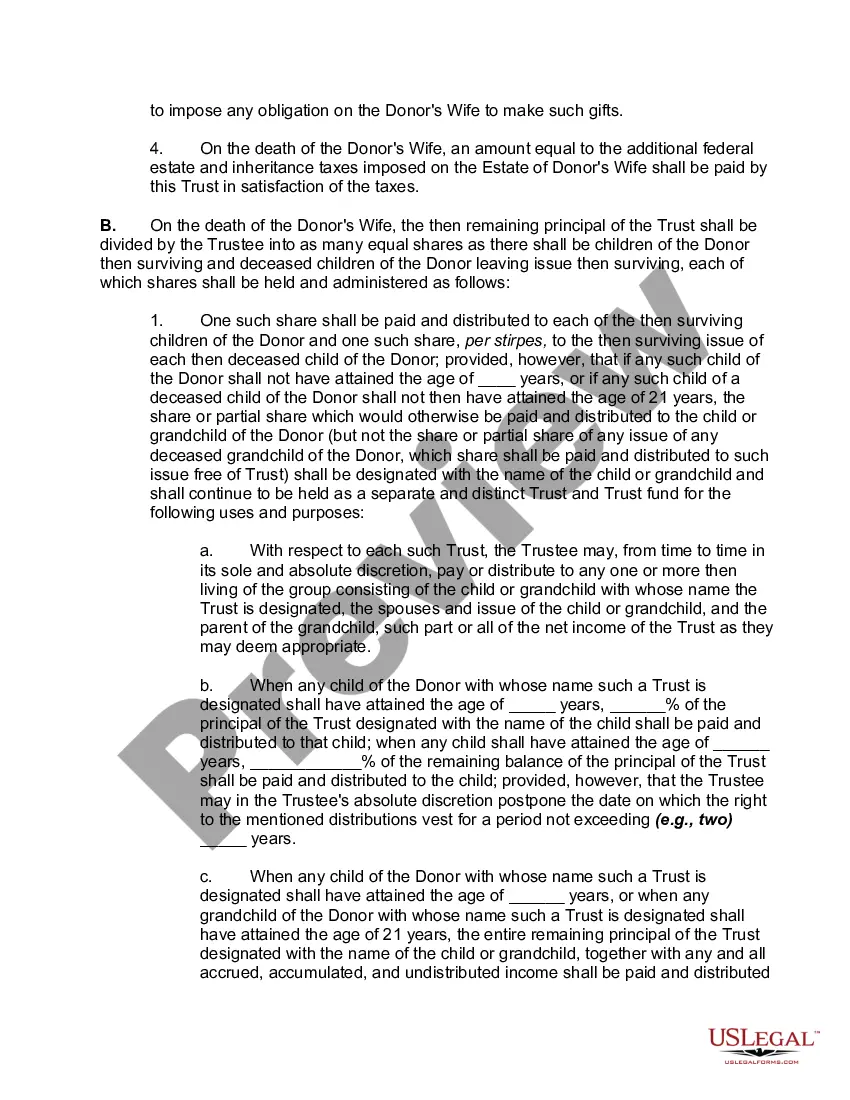
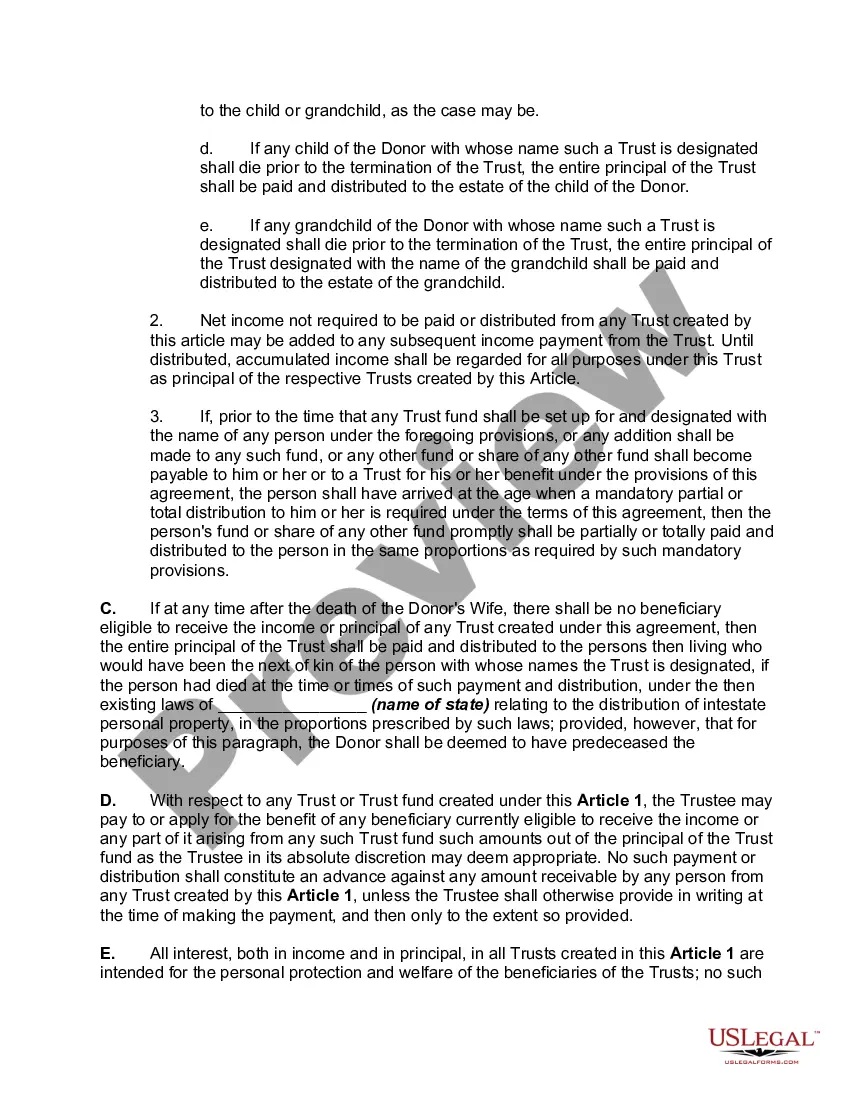
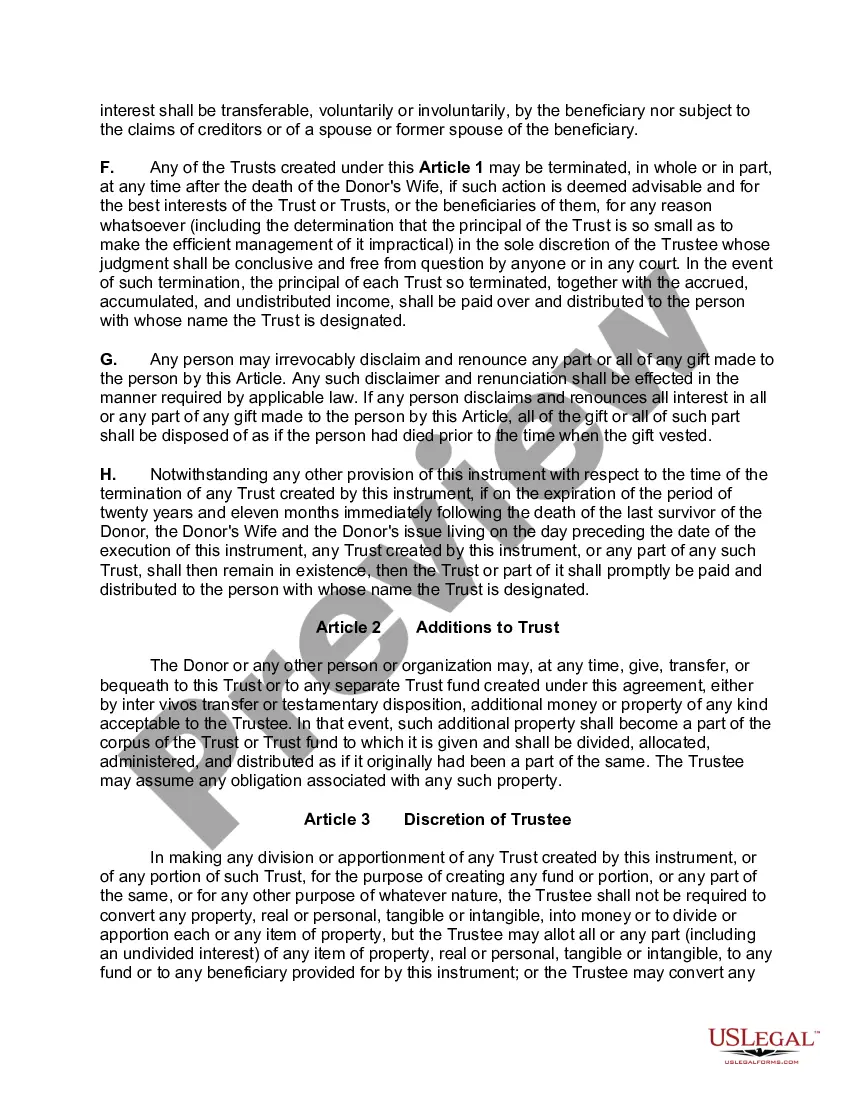
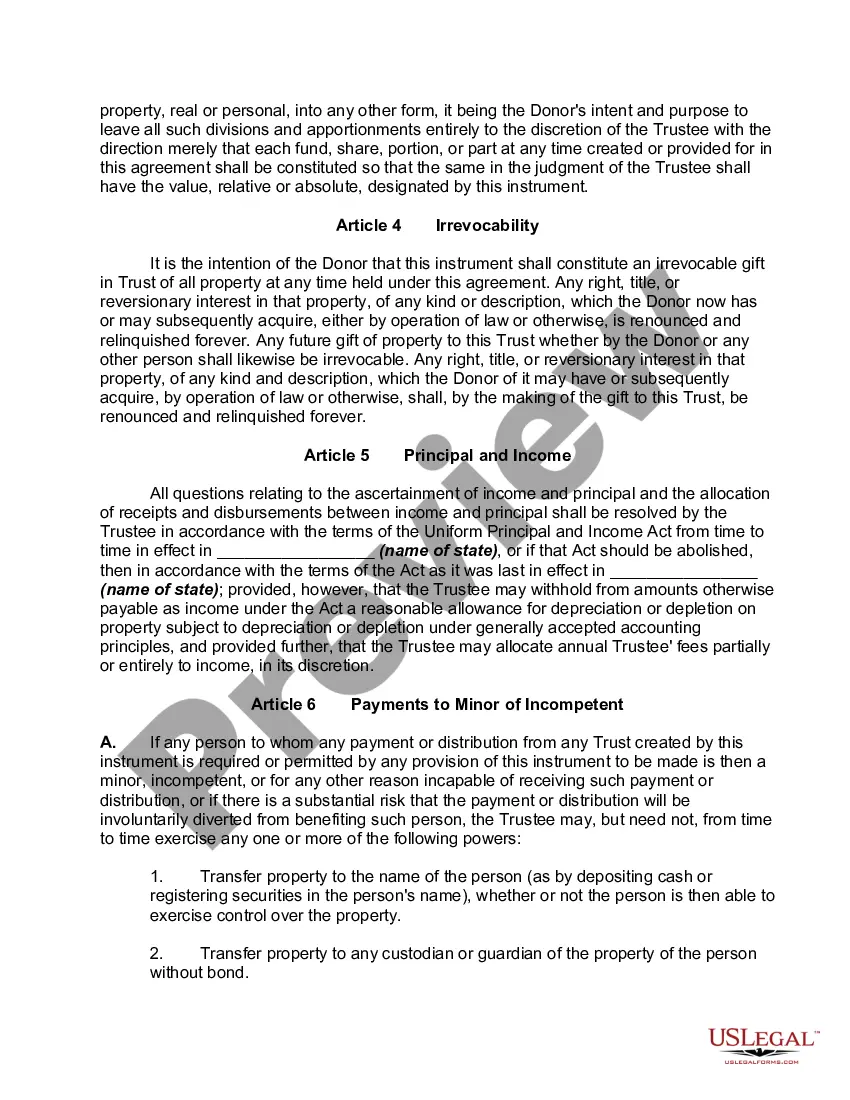
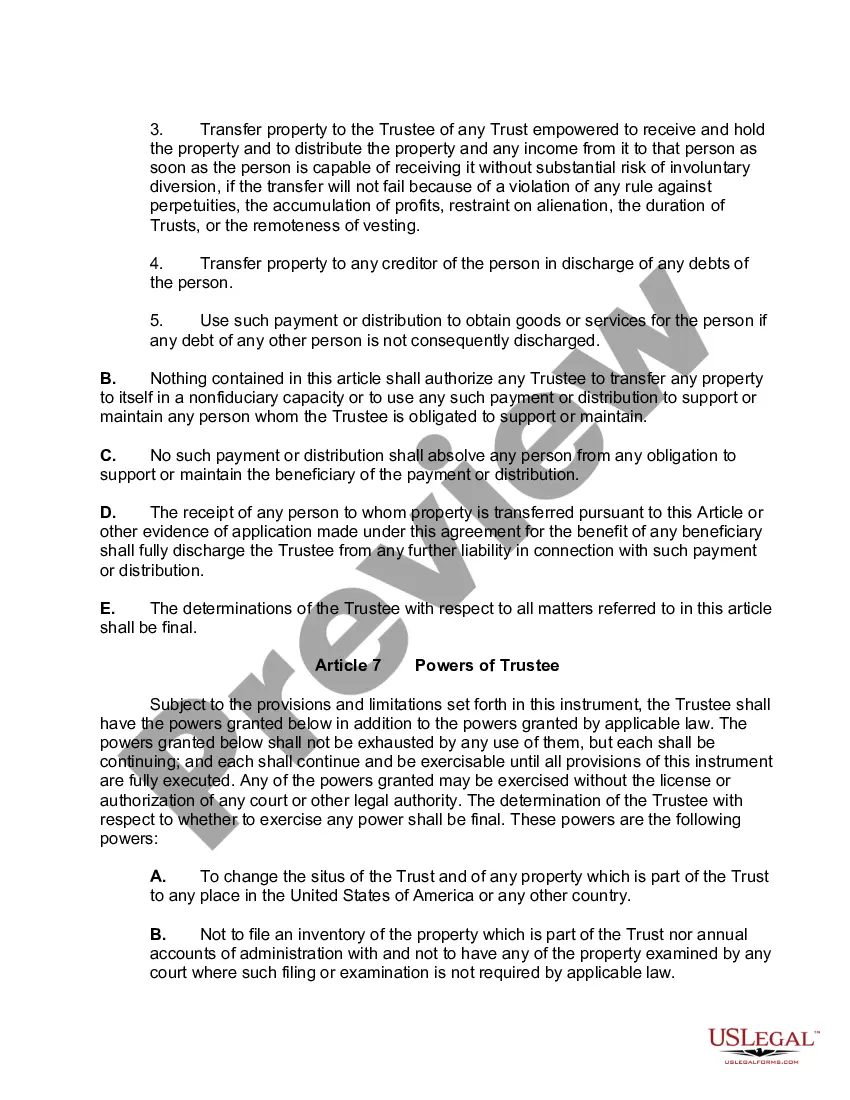


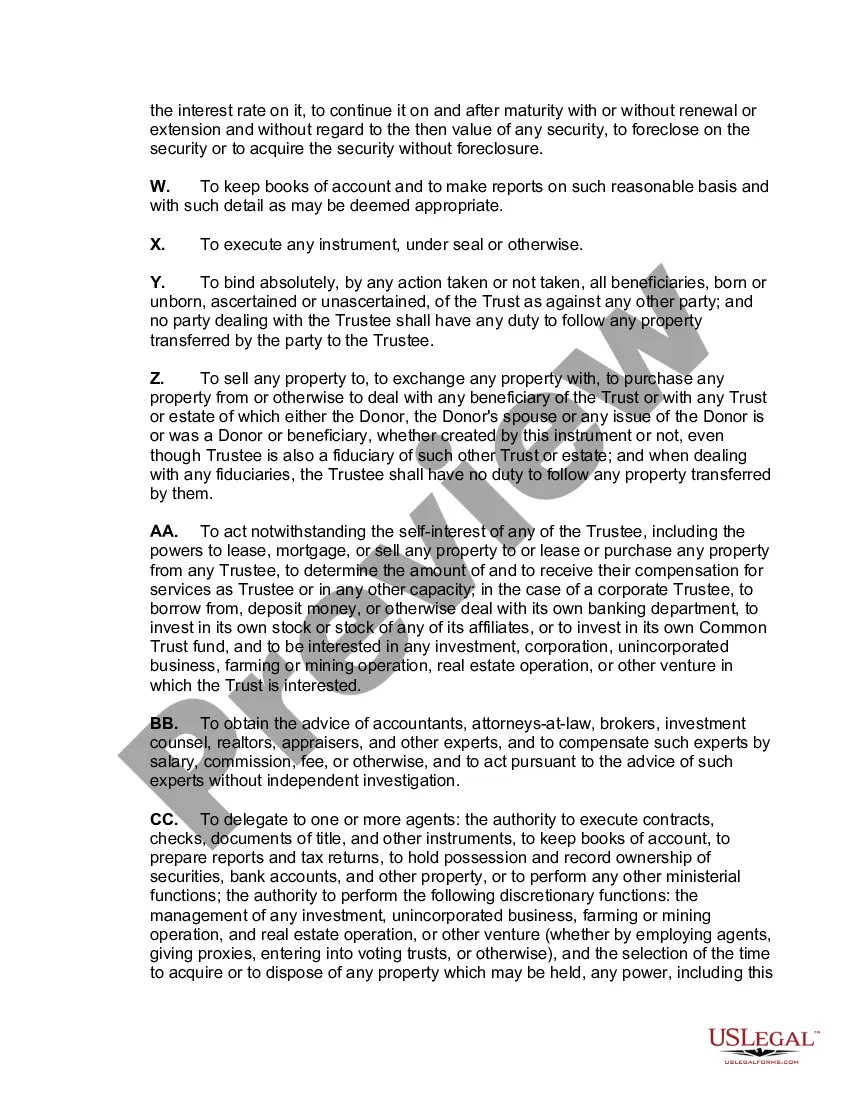
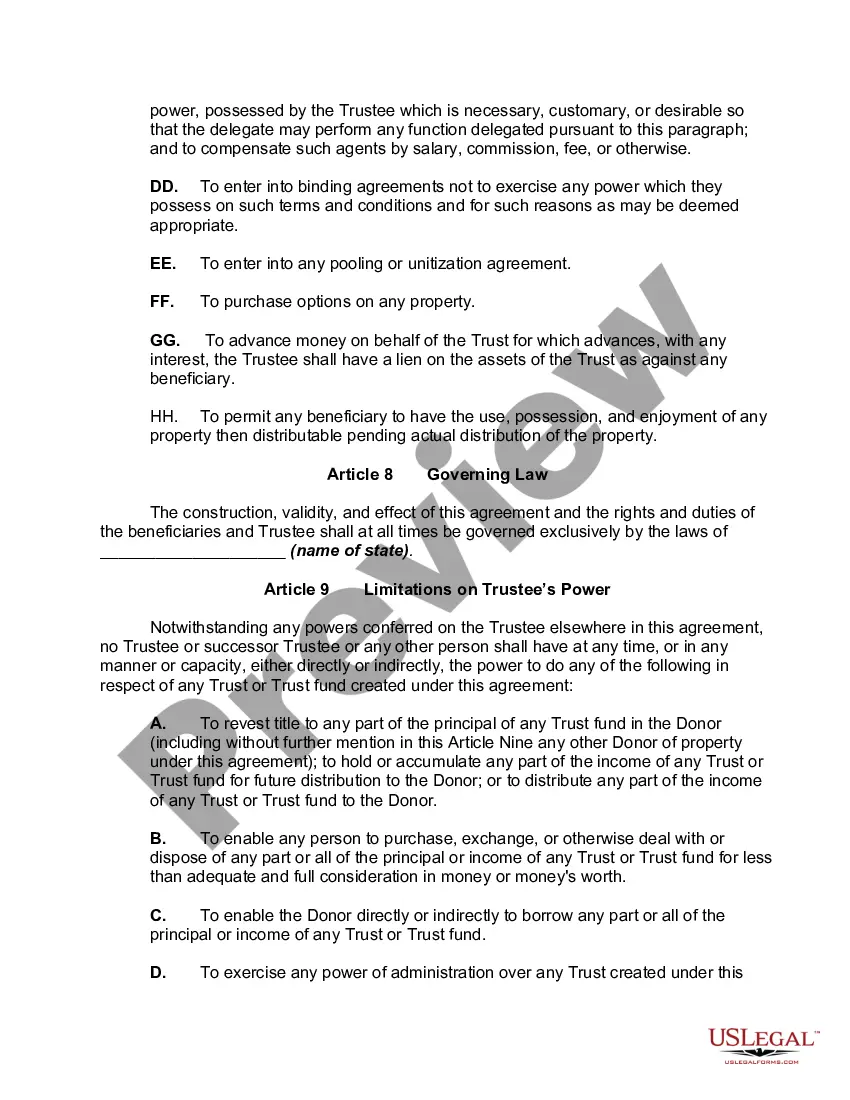

Get your form ready online
Our built-in tools help you complete, sign, share, and store your documents in one place.
Make edits, fill in missing information, and update formatting in US Legal Forms—just like you would in MS Word.
Download a copy, print it, send it by email, or mail it via USPS—whatever works best for your next step.
Sign and collect signatures with our SignNow integration. Send to multiple recipients, set reminders, and more. Go Premium to unlock E-Sign.
If this form requires notarization, complete it online through a secure video call—no need to meet a notary in person or wait for an appointment.
We protect your documents and personal data by following strict security and privacy standards.

Make edits, fill in missing information, and update formatting in US Legal Forms—just like you would in MS Word.

Download a copy, print it, send it by email, or mail it via USPS—whatever works best for your next step.

Sign and collect signatures with our SignNow integration. Send to multiple recipients, set reminders, and more. Go Premium to unlock E-Sign.

If this form requires notarization, complete it online through a secure video call—no need to meet a notary in person or wait for an appointment.

We protect your documents and personal data by following strict security and privacy standards.
Looking for another form?






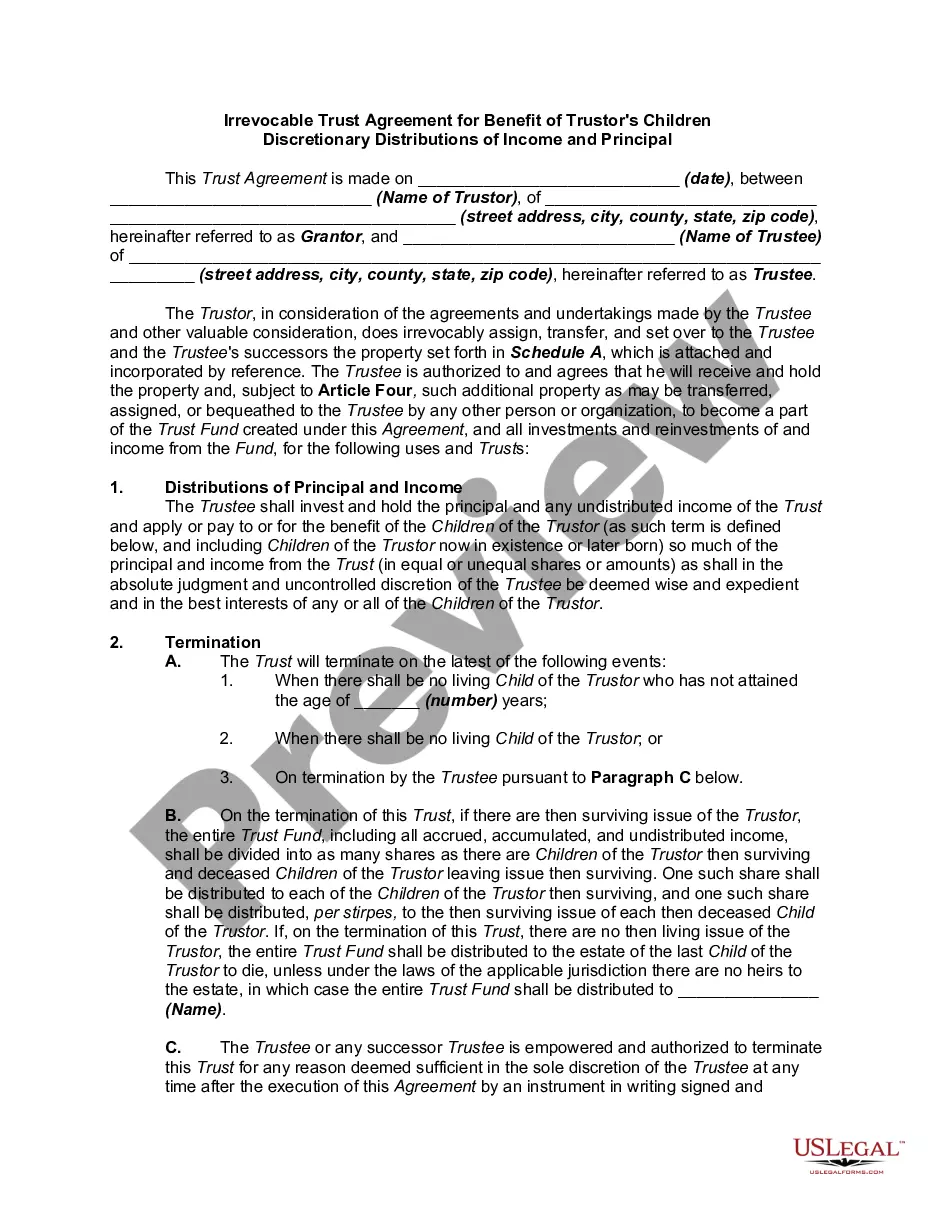
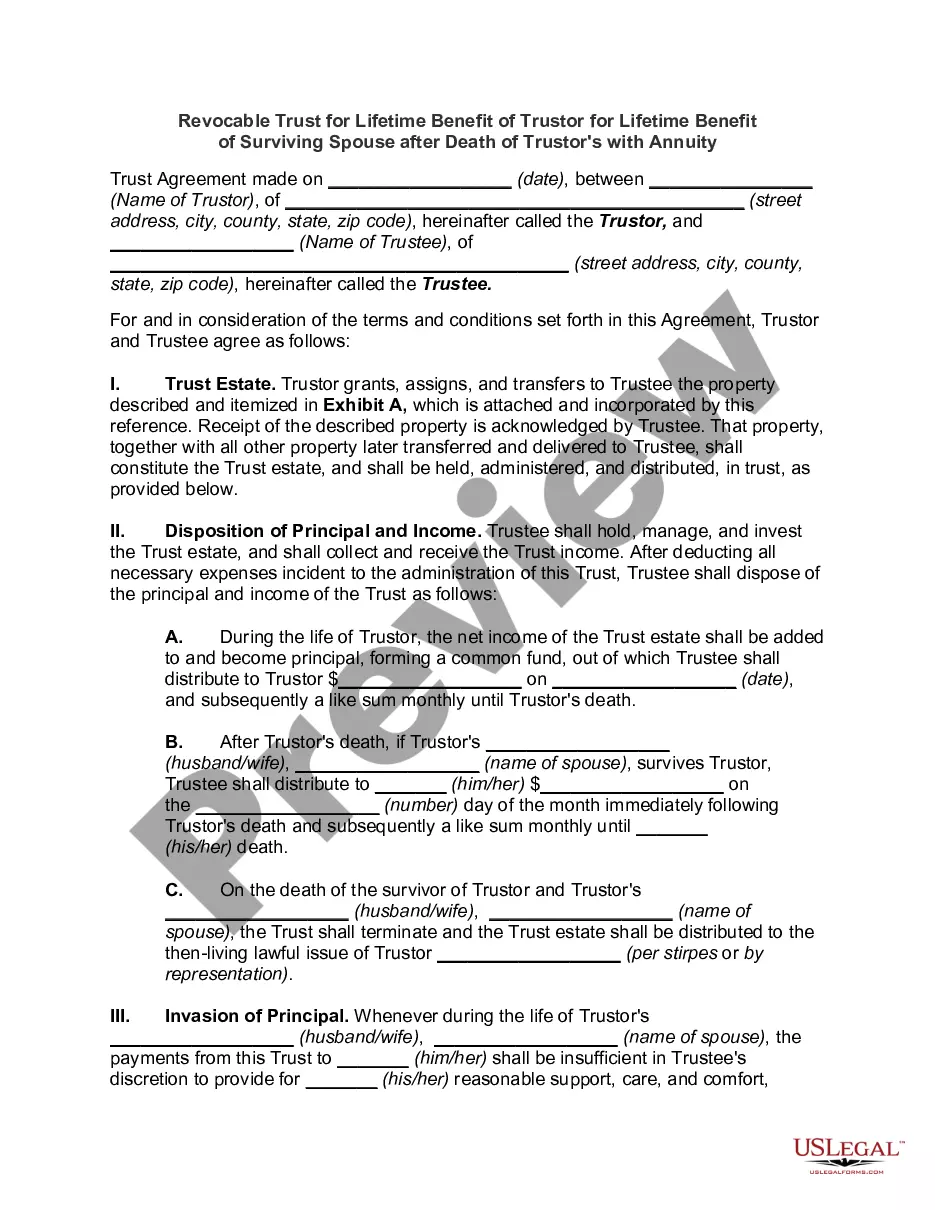
How to fill out Inter Vivos QTIP Trust With Principal To Donor's Children On Spouse's Death?
- Log in to your account if you're a returning user and access the document library to download the necessary form template. Make sure your subscription is current. If your subscription is expired, you can renew it easily through your account settings.
- Preview the form and its description carefully to confirm that it meets your specific requirements and adheres to local jurisdiction rules.
- If the form does not suit your needs, utilize the Search option to find a more appropriate template.
- Proceed to purchase the document by clicking on the Buy Now button. Choose your preferred subscription plan to gain access to the entire library.
- Complete your purchase by providing your payment details via credit card or PayPal to finalize the subscription.
- Once your payment is confirmed, download your form and save it to your device. You can always access it later through the My Documents section of your profile.
After following the steps above, you'll have your Qtip principal death form for a child ready for completion. US Legal Forms empowers users with an extensive collection of legal documents, ensuring accuracy and accessibility at every step.
Take action today and simplify your legal document needs by checking out US Legal Forms!
Form popularity
FAQ
A revocable living trust is widely considered the best type of trust to avoid probate. This trust allows you to retain control over your assets during your lifetime and dictate how they will be distributed after your death. Additionally, when a QTIP principal death form for a child is utilized within this trust, it ensures that benefits are appropriately allocated. By implementing such trusts, you streamline the asset transfer process for your heirs.
A QTIP trust does not inherently avoid estate taxes but can defer them. The assets in a QTIP trust are included in the estate of the surviving spouse, meaning taxes could apply upon their death. However, using the QTIP principal death form for a child can provide a clear plan for how assets will be distributed to children, which can help in future estate tax planning. Proper structuring can optimize your overall tax obligations.
To make a QTIP election, you must file an estate tax return while listing your QTIP trust assets. This form allows you to treat the income generated by the trust as part of the surviving spouse's estate. Ensure you accurately complete all necessary documentation, including the QTIP principal death form for a child if minor children are beneficiaries. Please consult a tax professional for detailed instructions tailored to your situation.
A revocable living trust is an effective type of land trust that avoids probate. When you place your assets into this trust, they do not pass through probate upon your death. This can provide significant advantages for heirs, including quicker access to the properties. Using the QTIP principal death form for a child can help manage distributions effectively within the framework of such a trust.
A QTIP trust for children is a legal arrangement that allows a trust to provide for your spouse and ensures that children ultimately inherit the assets. In this scenario, the spouse receives income from the trust while safeguarding the principal for the children. This type of trust helps balance the immediate needs of the spouse with the long-term interests of the children. If you're planning to utilize a Qtip principal death form for a child, this trust can be an effective option.
To establish a QTIP trust, two main requirements must be met: First, the trust must provide for the surviving spouse to receive all income generated by the trust during their lifetime. Secondly, the trust must specify that the remaining assets will go to other beneficiaries, such as your children, following the spouse's death. Understanding these requirements is essential if you consider using a Qtip principal death form for a child as part of your estate plan.
A family trust, also known as a revocable living trust, is a flexible estate planning tool that allows you to manage your assets during your lifetime and provide for your beneficiaries after your death. In contrast, a QTIP trust specifically allows for income distribution to a surviving spouse, with the remainder going to other beneficiaries, such as children, after the spouse's death. Both options can be important in a comprehensive estate plan, especially when dealing with a Qtip principal death form for a child.
Yes, a QTIP trust can help avoid probate for the assets it holds. When you establish the trust and transfer assets into it, those assets are not included in your probate estate when you pass away. This can simplify the distribution process and ensure that your beneficiaries receive their inheritance faster. Utilizing a Qtip principal death form for a child can also ensure that their share remains protected from the probate process.
The best trust to leave assets to children often depends on your specific goals and circumstances. Many people opt for a testamentary trust, which is established through a will and goes into effect after your death. Alternatively, a QTIP trust can be advantageous because it provides both support to your spouse and guarantees that assets will eventually go to your children. If you want to explore options like the Qtip principal death form for a child, consider consulting a legal expert.
A QTIP trust allows you to manage how your assets are distributed after your death. It ensures that your spouse receives income from the trust during their lifetime, with the remainder going to your children or other beneficiaries after their passing. This setup can be particularly useful when you want to provide for your spouse while also securing assets for your children. For those considering a Qtip principal death form for a child, this trust can be an important part of your estate planning.