Foreclosure For Unpaid Hoa Fees
Description

Get your form ready online
Our built-in tools help you complete, sign, share, and store your documents in one place.
Make edits, fill in missing information, and update formatting in US Legal Forms—just like you would in MS Word.
Download a copy, print it, send it by email, or mail it via USPS—whatever works best for your next step.
Sign and collect signatures with our SignNow integration. Send to multiple recipients, set reminders, and more. Go Premium to unlock E-Sign.
If this form requires notarization, complete it online through a secure video call—no need to meet a notary in person or wait for an appointment.
We protect your documents and personal data by following strict security and privacy standards.
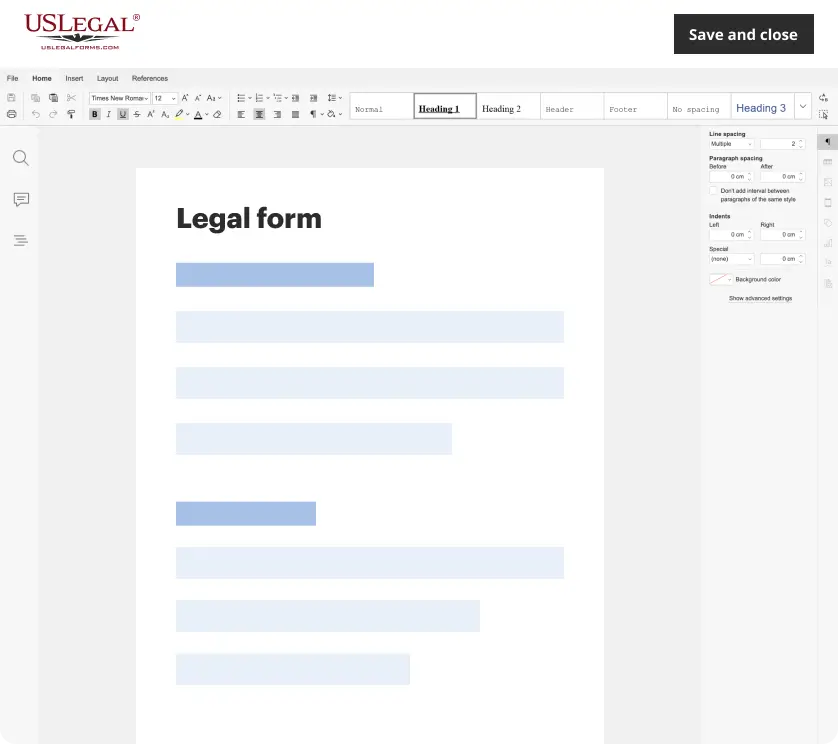
Make edits, fill in missing information, and update formatting in US Legal Forms—just like you would in MS Word.
Download a copy, print it, send it by email, or mail it via USPS—whatever works best for your next step.
Sign and collect signatures with our SignNow integration. Send to multiple recipients, set reminders, and more. Go Premium to unlock E-Sign.
If this form requires notarization, complete it online through a secure video call—no need to meet a notary in person or wait for an appointment.
We protect your documents and personal data by following strict security and privacy standards.
Looking for another form?


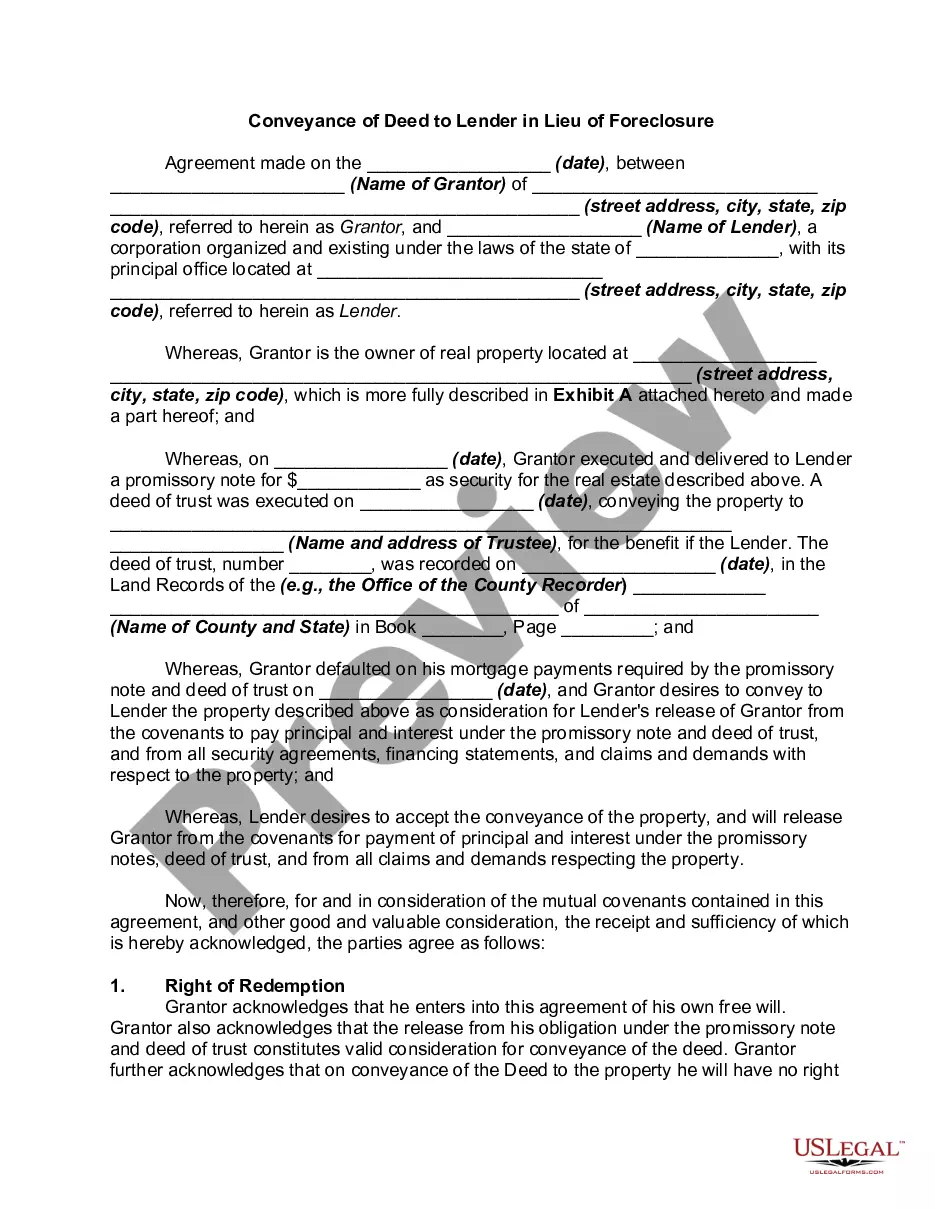
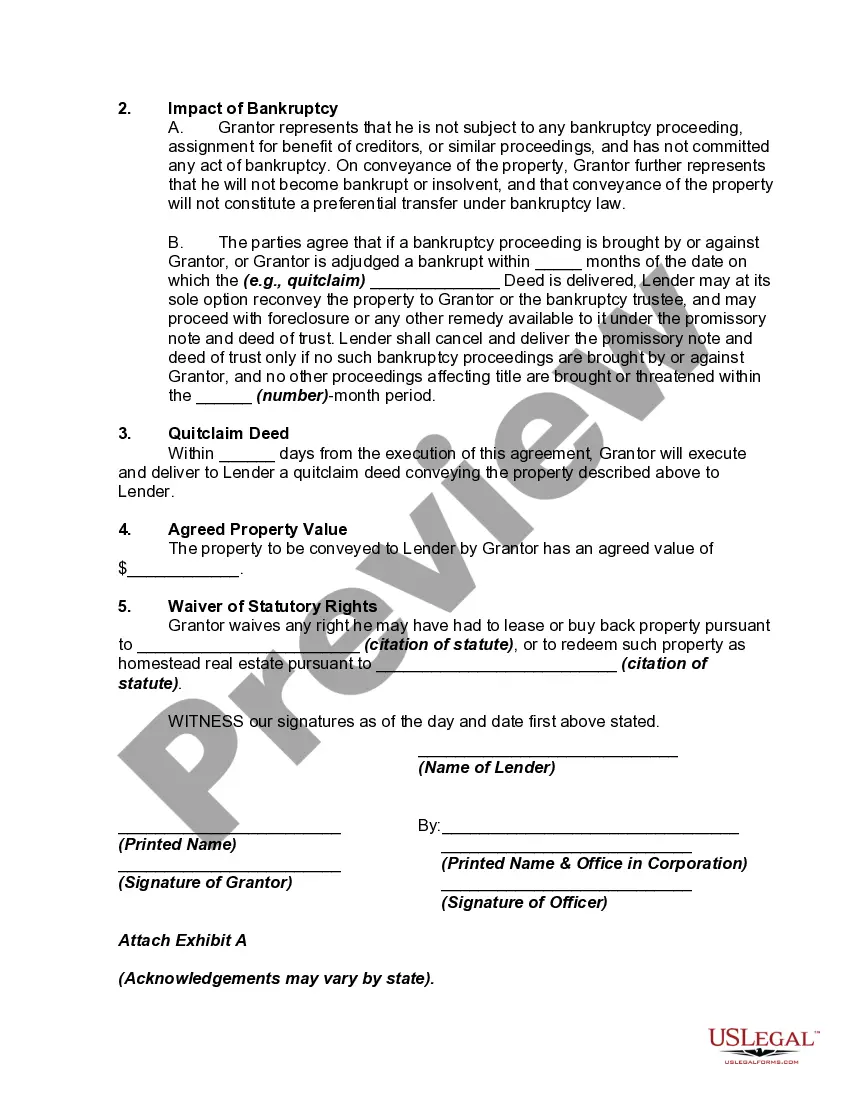
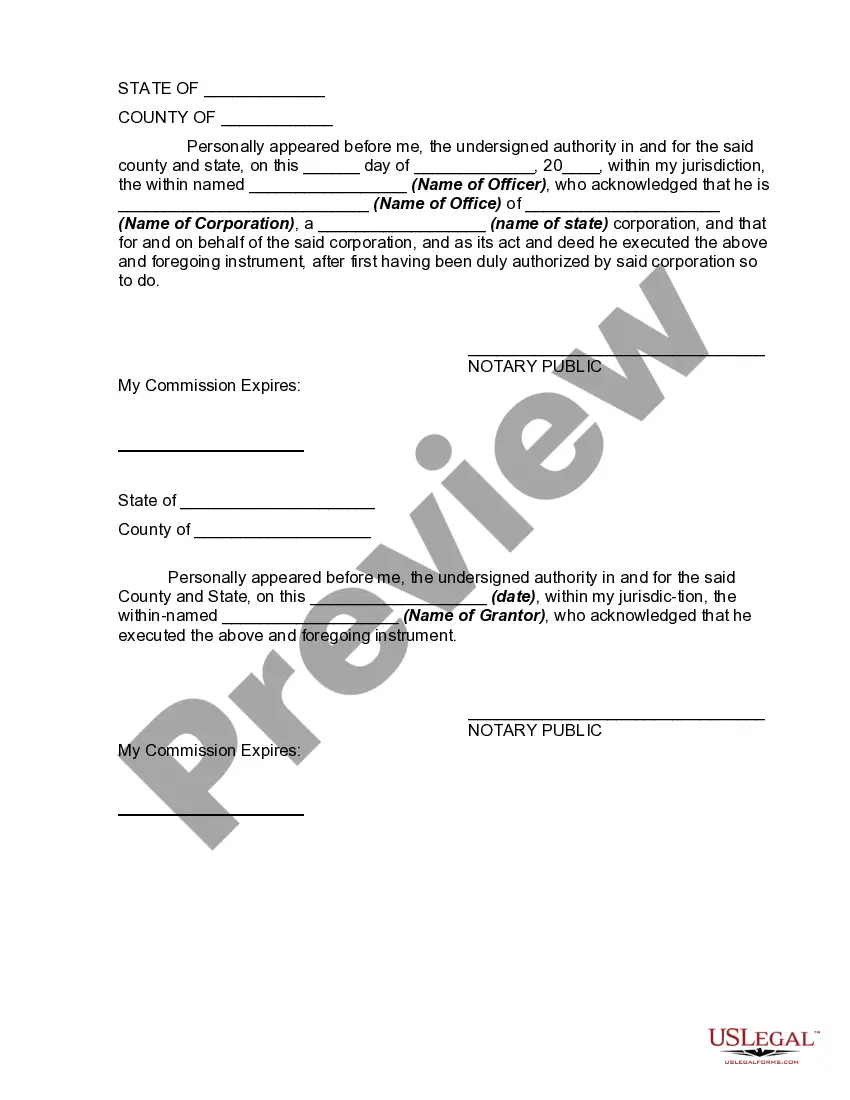
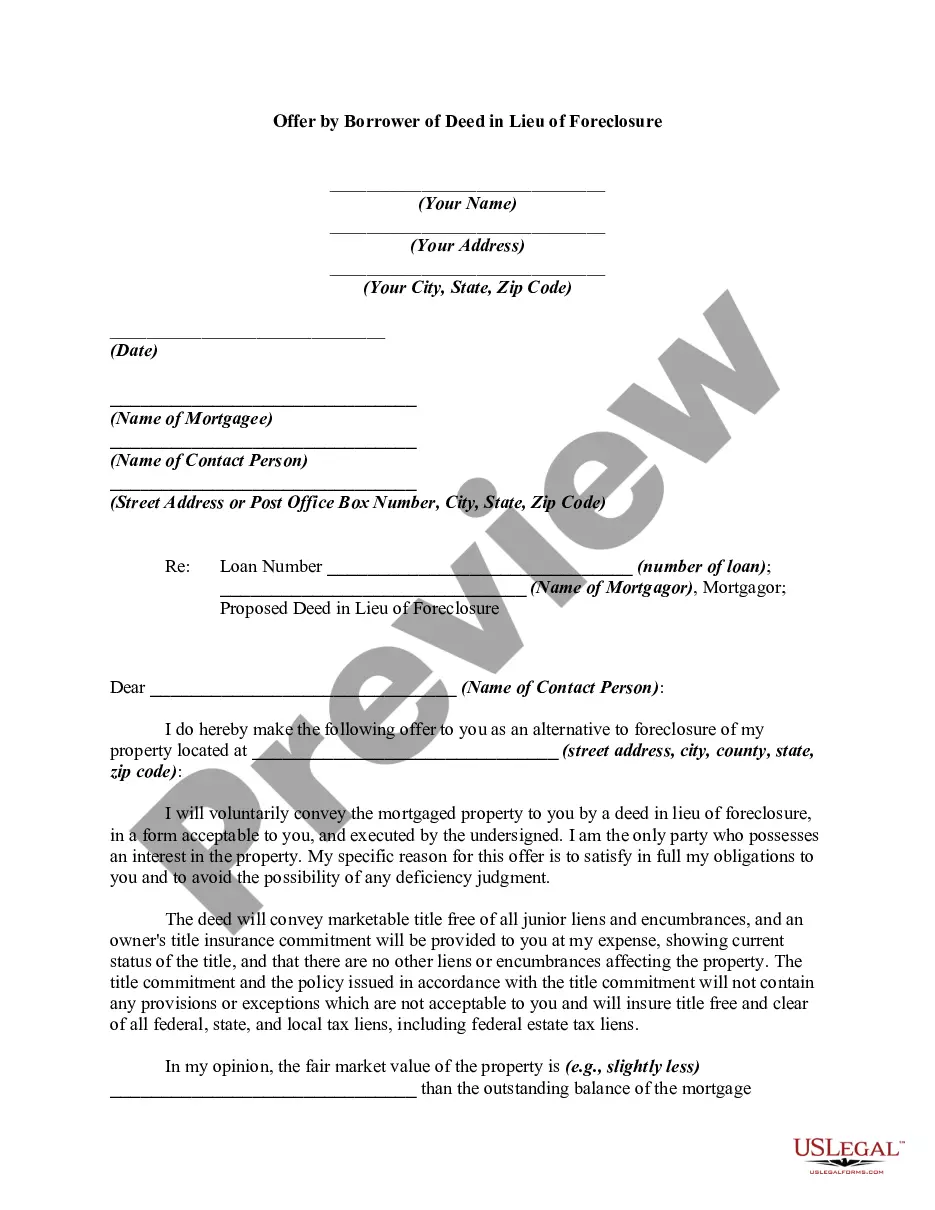
How to fill out Conveyance Of Deed To Lender In Lieu Of Foreclosure?
- Log in to your US Legal Forms account if you are a returning user. Ensure your subscription remains active to access the necessary forms.
- For first-time users, browse through the Preview mode to locate the appropriate document directly related to unpaid HOA fees, ensuring it complies with local laws.
- Use the Search feature if you can't find the right form. The extensive library covers various scenarios, increasing your chances of finding the perfect template.
- Select the document. Click on 'Buy Now' and choose the most suitable subscription plan for your needs, followed by creating an account for full access.
- Complete your payment via credit card or PayPal, then proceed to download the form for your records.
- Access your downloaded forms anytime through the 'My Forms' section of your profile, and fill them out as required.
The expertise available through US Legal Forms not only equips individuals with the necessary legal templates but also provides additional support to ensure accuracy. This resources-rich platform streamlines document creation, allowing users to tackle legal challenges confidently.
Start managing your HOA fee issues today by taking advantage of the comprehensive library at US Legal Forms. Explore your options and secure your peace of mind!
Form popularity
FAQ
A lien can severely damage your credit score and financial reputation. When it appears on your credit report, lenders see it as a signal of risk. If the situation escalates, such as foreclosure for unpaid HOA fees, the consequences can be even more drastic. It is essential to address HOA fees promptly to avoid detrimental impacts on your credit.
Homeowners associations do not directly report to credit bureaus. However, if a HOA lien leads to foreclosure for unpaid HOA fees, it can end up reported by the creditor. This means your credit report may reflect the foreclosure, affecting your credit health. Understanding how this process works is critical for homeowners facing financial challenges.
Yes, a HOA lien can significantly impact your credit score. When a homeowners association places a lien for unpaid HOA fees, it indicates financial delinquency. This negative mark stays on your credit report and may lower your score. Ultimately, if you face foreclosure for unpaid HOA fees, it can make it even harder to secure future loans or credit.
Yes, an HOA can take actions against a homeowner for not adhering to community rules, including initiating foreclosure for unpaid HOA fees. However, they cannot simply 'kick you out' without following legal procedures. Most states require an HOA to provide clear notices and allow time for the homeowner to respond before taking any drastic measures. Understanding your rights and responsibilities as a property owner can significantly help in navigating these scenarios.
To collect past due HOA fees, start by reaching out to the homeowner with a friendly reminder about their outstanding balance. If the fees remain unpaid, consider sending a formal notice that outlines the consequences of non-payment, including the possibility of foreclosure for unpaid HOA fees. Engaging with platform solutions like US Legal Forms can help structure communication and documentation effectively to ensure clarity and compliance. Ultimately, a clear and consistent approach can encourage timely payments from homeowners.
Ignoring HOA fines can lead to escalating penalties, which might include liens against your property. Eventually, this can set the stage for foreclosure for unpaid HOA fees, causing long-term financial setbacks. To avoid these negative outcomes, consider addressing fines promptly and exploring solutions through platforms like US Legal Forms, which can provide assistance in understanding your responsibilities.
Typically, the responsibility for HOA dues transfers to the new homeowner after foreclosure. However, outstanding dues may still linger with the previous owner if they were not resolved before the sale. It's essential to be aware of how foreclosure for unpaid HOA fees can impact your investment and property value; using resources from US Legal Forms can help you navigate these complexities.
Yes, unpaid HOA fees can often be included in bankruptcy filings, but it depends on the type of bankruptcy you choose. Chapter 7 bankruptcy may discharge some debts, while Chapter 13 allows you to repay them over time. It's crucial to understand how foreclosure for unpaid HOA fees can affect your financial situation; seeking professional advice from US Legal Forms can help clarify your options.
In some cases, homeowners can dispute HOA fees if they believe the charges are unjustified or were not properly communicated. However, ignoring these fees often leads to complicated situations, especially if it results in foreclosure for unpaid HOA fees. If you are facing financial difficulties, consider negotiating with your HOA or consulting the US Legal Forms platform for guidance.
After foreclosure, any remaining unpaid HOA fees typically transfer to the new owner of the property. The HOA retains the right to collect these fees to cover any costs associated with community maintenance. Understanding this transfer helps potential buyers recognize their financial responsibilities when purchasing a foreclosed home.