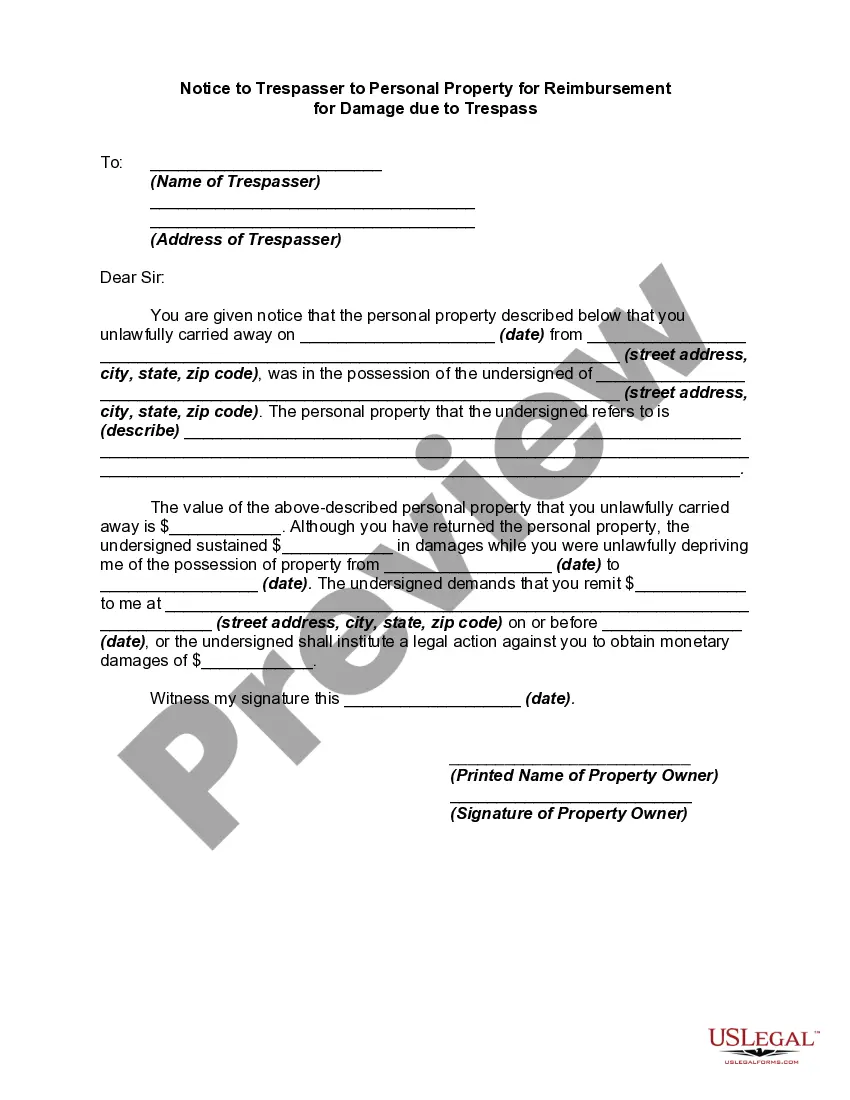
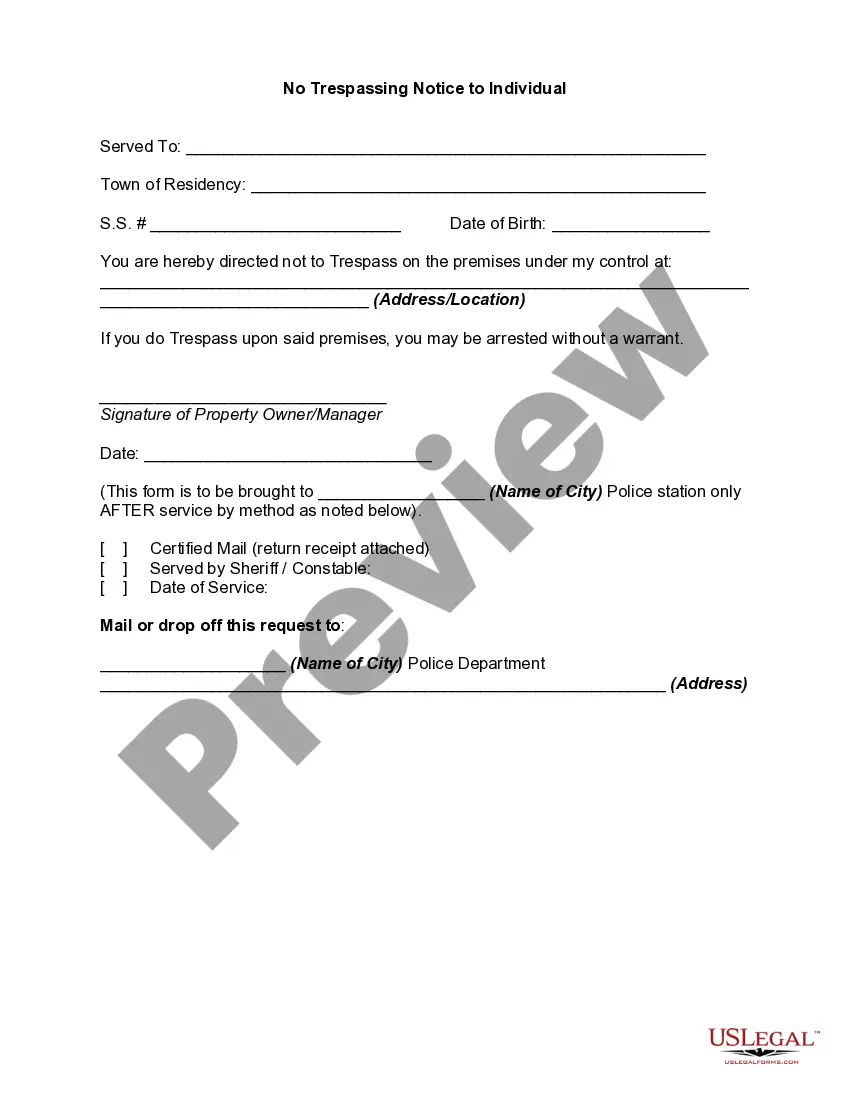
Trespasser Property With Landlord
Description
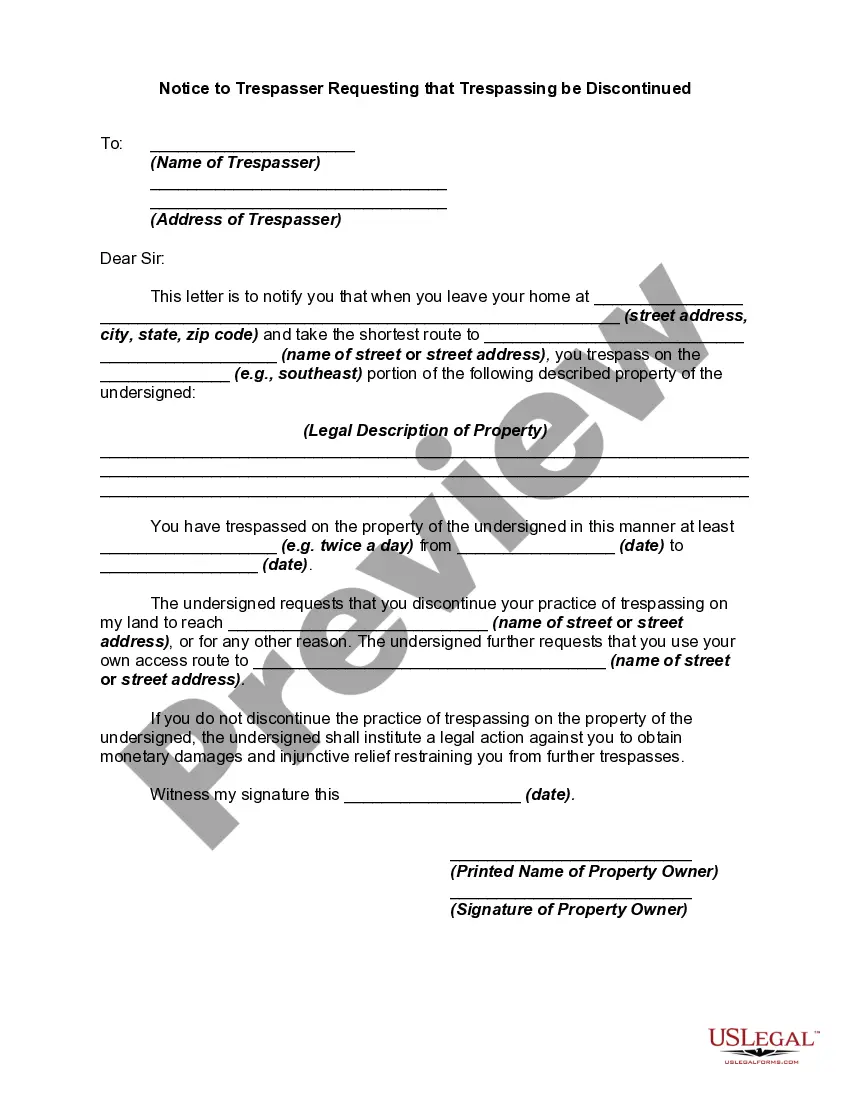
Get your form ready online
Our built-in tools help you complete, sign, share, and store your documents in one place.
Make edits, fill in missing information, and update formatting in US Legal Forms—just like you would in MS Word.
Download a copy, print it, send it by email, or mail it via USPS—whatever works best for your next step.
Sign and collect signatures with our SignNow integration. Send to multiple recipients, set reminders, and more. Go Premium to unlock E-Sign.
If this form requires notarization, complete it online through a secure video call—no need to meet a notary in person or wait for an appointment.
We protect your documents and personal data by following strict security and privacy standards.

Make edits, fill in missing information, and update formatting in US Legal Forms—just like you would in MS Word.

Download a copy, print it, send it by email, or mail it via USPS—whatever works best for your next step.

Sign and collect signatures with our SignNow integration. Send to multiple recipients, set reminders, and more. Go Premium to unlock E-Sign.

If this form requires notarization, complete it online through a secure video call—no need to meet a notary in person or wait for an appointment.

We protect your documents and personal data by following strict security and privacy standards.
Looking for another form?

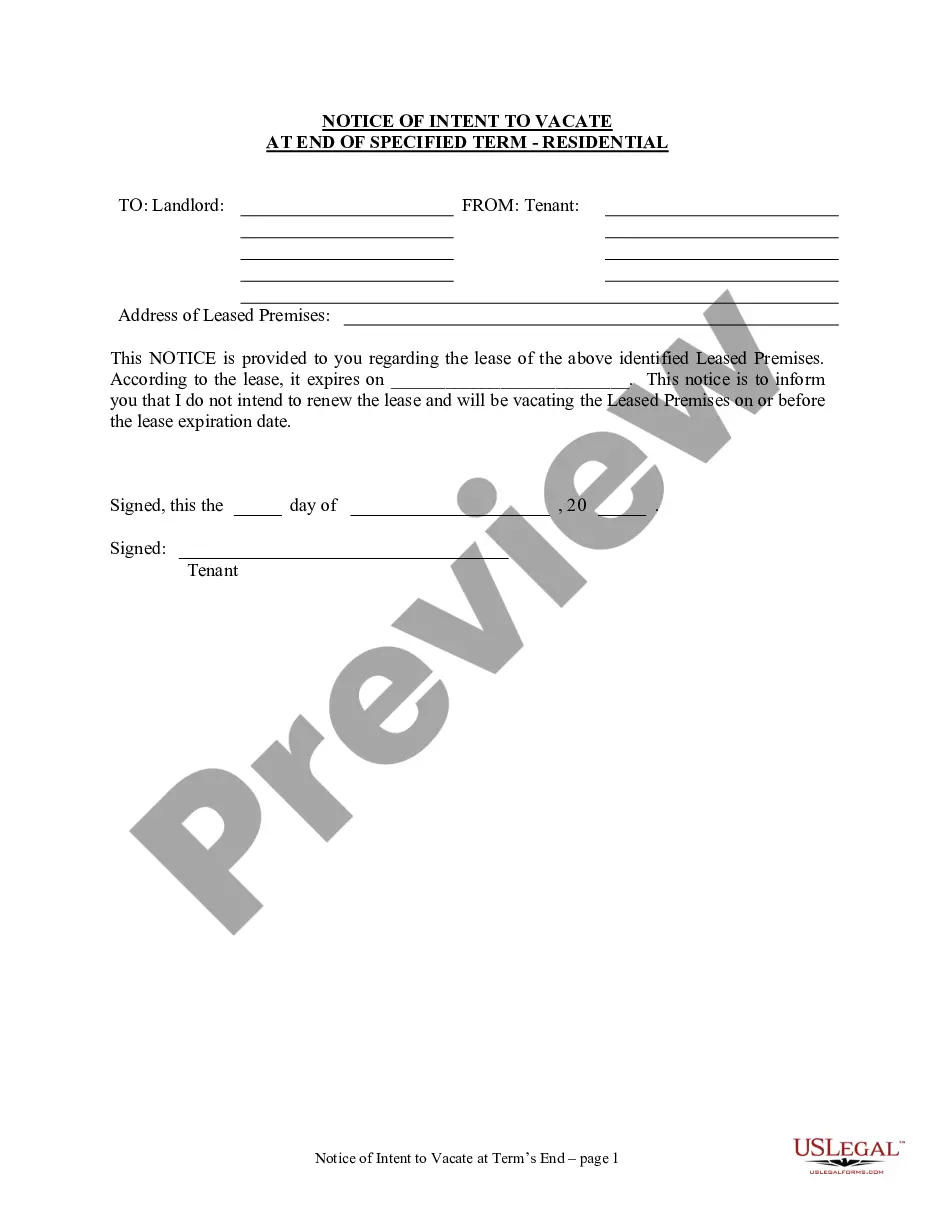
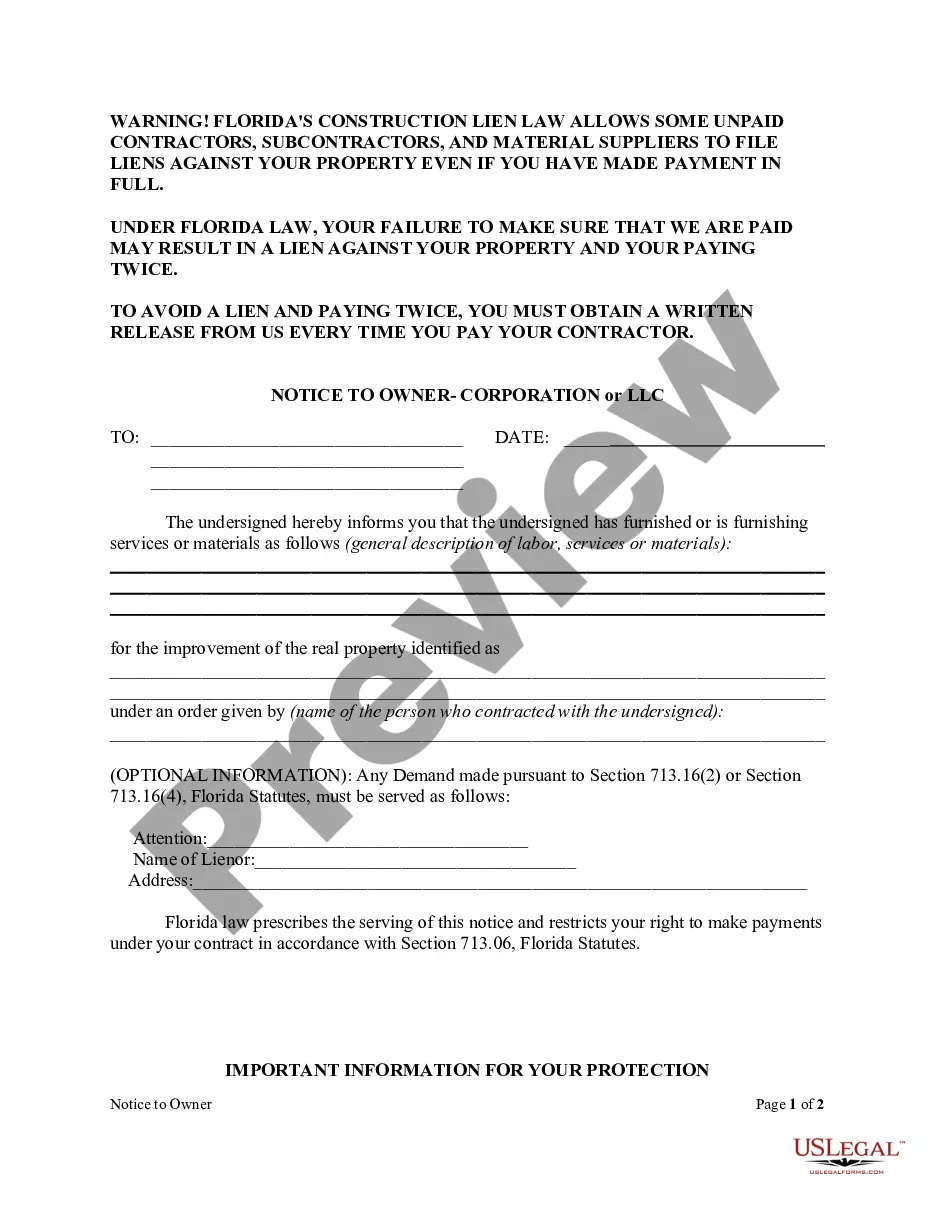
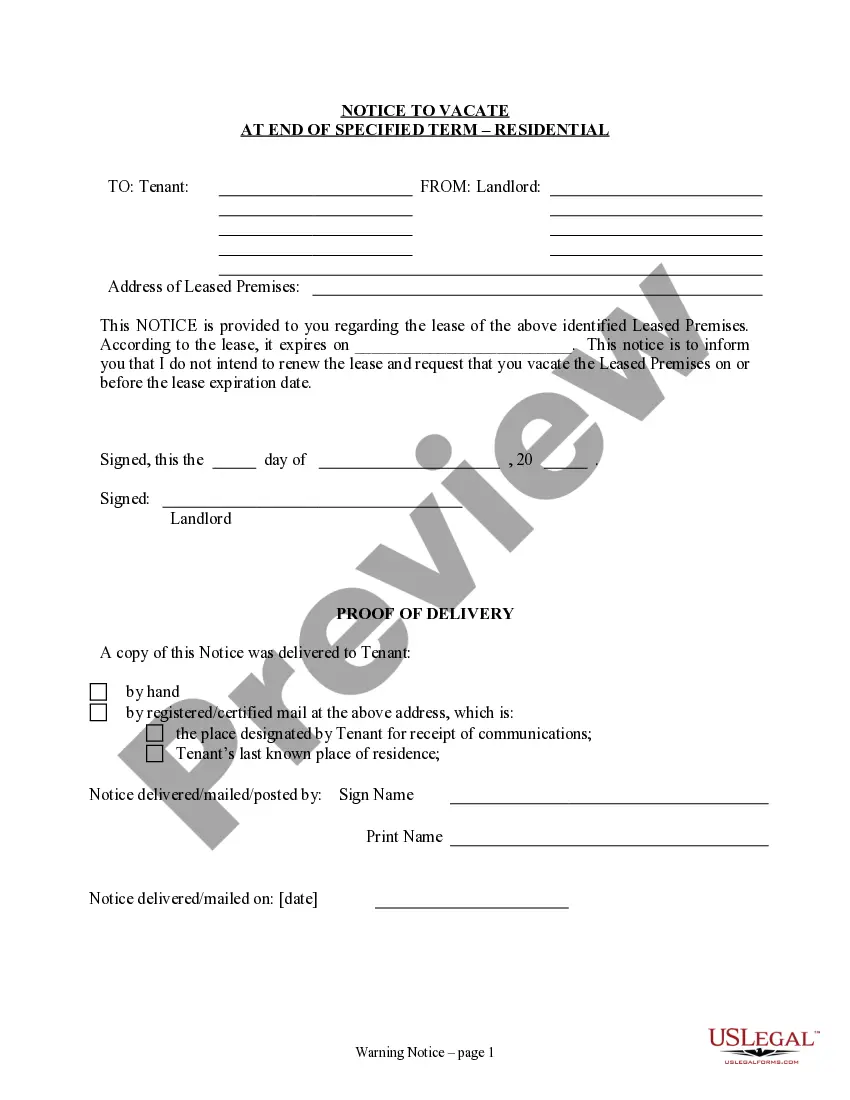

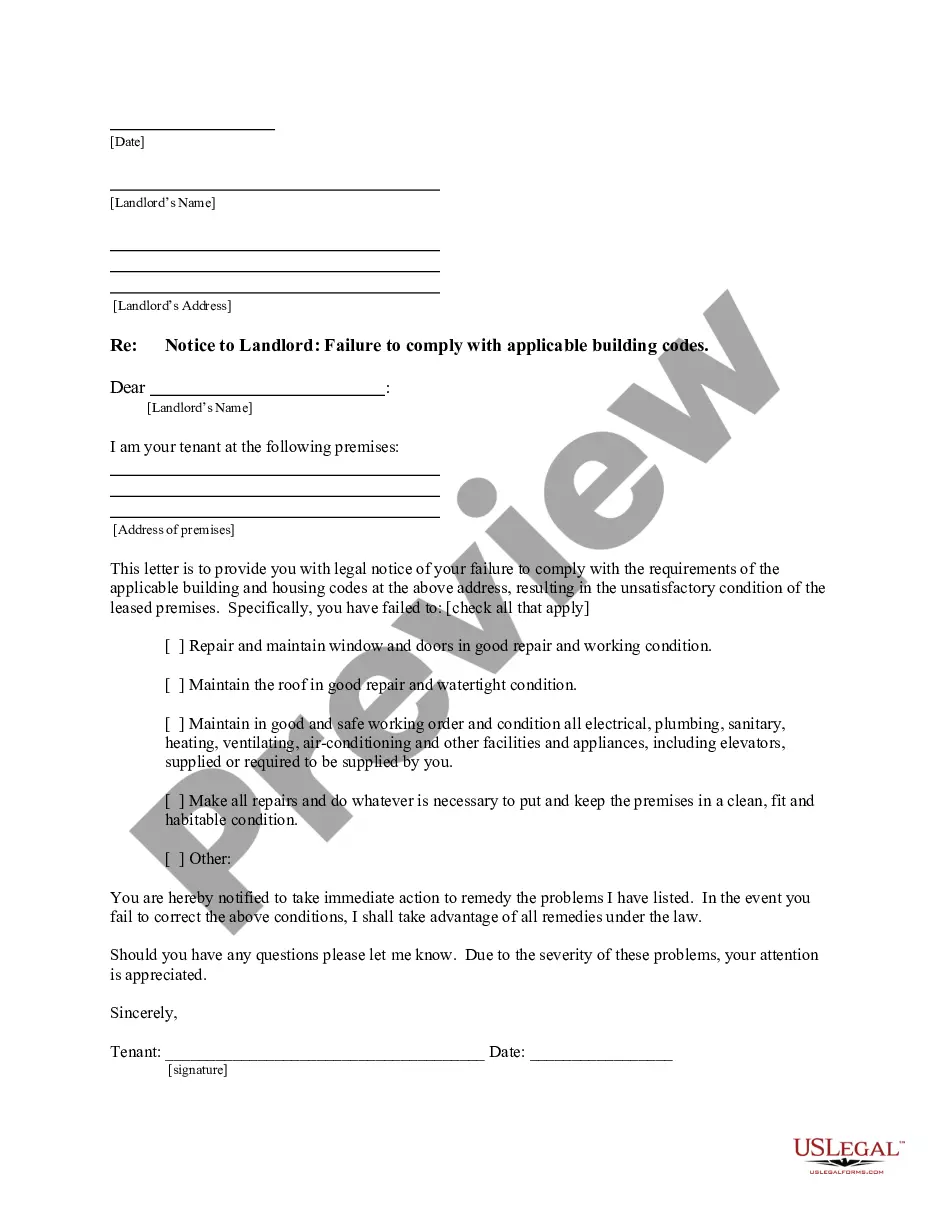
How to fill out Notice To Trespasser To Personal Property For Reimbursement For Damage Due To Trespass?
- If you're a returning user, log in to your account and select the form you need. Ensure your subscription is up to date before proceeding.
- For first-time users, start by checking the Preview mode and form descriptions to find a document that fits your legal needs.
- If you don't find what you need, use the Search tab to locate the correct form that aligns with your local jurisdiction's requirements.
- Once you’ve identified the right template, click 'Buy Now' and select your desired subscription plan. Don't forget to create an account for full access.
- Complete your purchase by entering your credit card information or logging into your PayPal account.
- After payment, download your selected form and save it to your device. You can also find it later in the My Forms section of your profile.
In conclusion, US Legal Forms offers a robust solution for landlords dealing with trespassers. With over 85,000 forms and expert assistance, you can ensure that your legal documents are accurate and effective.
Start streamlining your legal document needs today with US Legal Forms!
Form popularity
FAQ
A landlord can request that you remove items if they clutter common areas or violate lease terms. However, they must adhere to legal procedures related to storage and removal, ensuring they respect your rights. For a better understanding of your obligations and rights, consider reviewing the guidelines on uslegalforms.
No, a landlord cannot trespass against your guests without lawful reason. If a landlord interferes with your visitors' access, they may violate your rights as a tenant. If you encounter conflicts regarding guests, it’s recommended to document occurrences and possibly seek assistance from platforms like uslegalforms.
A landlord can request that you remove your vehicle if it violates parking policies or the lease agreement. However, the request must comply with local laws regarding tenant rights, and you should not face removal without proper notice. If you're unsure, consult with local tenant rights organizations or resources like uslegalforms for guidance.
No, a landlord cannot move your belongings without your consent in most circumstances. If your items are on the premises, they may be considered part of your possessions and not trespasser property with landlord. Always check your lease agreement for specific terms regarding personal property to avoid disputes with your landlord.
Landlords are not responsible for tenant property loss or damage, except in certain circumstances. Generally, a landlord does not cover theft or damage caused by a tenant or guest, which means your belongings need your protection. Understand your lease and consider renters insurance to safeguard your property from possible issues with landlord or others.
Yes, a landlord can tow your car from your designated parking spot if you violate the terms of your lease agreement or if your vehicle is considered a trespasser property with landlord. It is important to review your lease to understand any restrictions related to vehicle parking. Always communicate with your landlord before making assumptions, as they can clarify what is permissible.
To claim adverse possession in South Carolina, you must establish that you have occupied the property in a manner that is open, notorious, exclusive, and continuous for at least the statutory period of 10 years. Filing a lawsuit is typically necessary to assert your claim legally. Utilizing resources like US Legal Forms can simplify the process, providing the necessary forms and guidance to support your claim. Successfully claiming adverse possession can be vital if you're facing issues with a trespasser on your property.
Filing for adverse possession in South Carolina involves gathering evidence that demonstrates you have occupied the property openly, continuously, and without permission for at least 10 years. You will need to file a claim in the local court with supporting documentation. It is often advisable to consult legal resources or platforms like US Legal Forms to ensure you complete the process accurately. Taking these steps can help you secure your rights as a trespasser on a property.
A trespasser is someone who enters and remains on a property without permission from the landlord, while a tenant has legally signed an agreement to occupy the property under certain terms. This distinction is vital for landlords, as trespassers have no legal rights to the property. Understanding this difference helps landlords take appropriate action against unauthorized occupants. Ultimately, managing your tenant and trespasser situations effectively safeguards your property.
In South Carolina, the statutory period for claiming adverse possession is typically 10 years. This means that if a trespasser occupies a property openly and continuously for that duration, they may have a right to claim ownership. It's essential for landlords to be aware of this timeframe, as it directly affects their property rights. Addressing issues with a trespasser on your property promptly is crucial to protecting your interests.